Golden beach Negombo to lion rock sigiriya hiking
Active
10h
For a full refund, cancel at least 24 hours before the scheduled departure time.
Instant confirmation
Mobile or paper ticket accepted
About this experience
The Dambulla rock is 160m high and is surrounded by more than 80 documented caves. Five popular caves contain the major attractions, with several statues and paintings that are related to Buddha's life. These caves vary in sizes and magnificence. 4 statues of Gods and Goddesses, including one of Vishnu and Ganesha.
King Walagamba converted the caves into a temple in the 1st century BCE. Exiled from Anuradhapura, he sought refuge here from South Indian invaders for 15 years. After reclaiming his capital, the King built a temple in thankful worship. Many other kings added to it later and by the 11th century, the caves had become a major religious centre. King Nissankamalla gilded the caves and added about 70 Buddha statues in 1190 AD. During the 18th century, the caves were restored and painted by the Kandyan Kings.
Available options
Golden beach Negombo to lion rock sigiriya hiking
What's included
Bottled water
Driver & Guide
Detailed itinerary
1
Stop 1
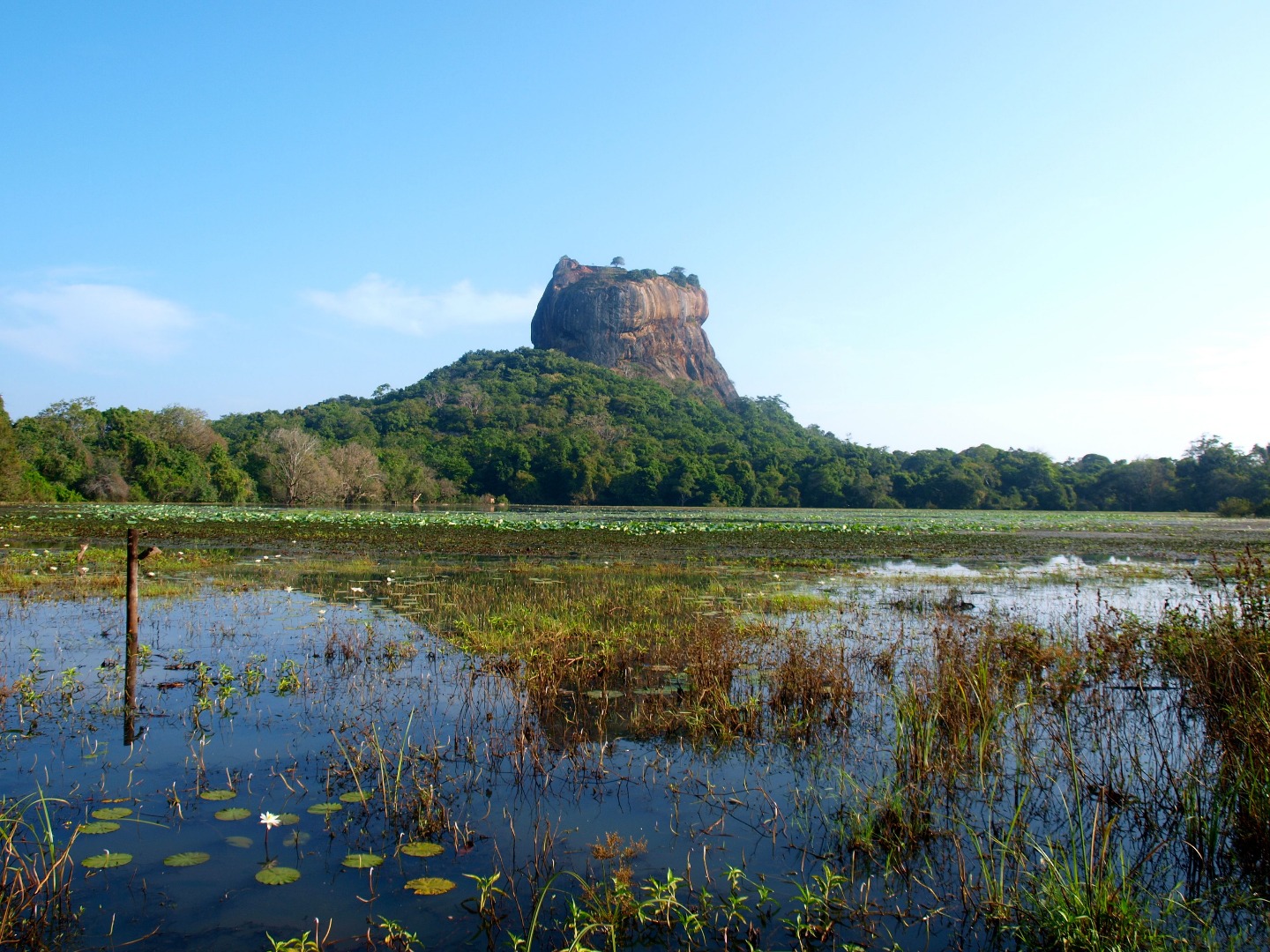
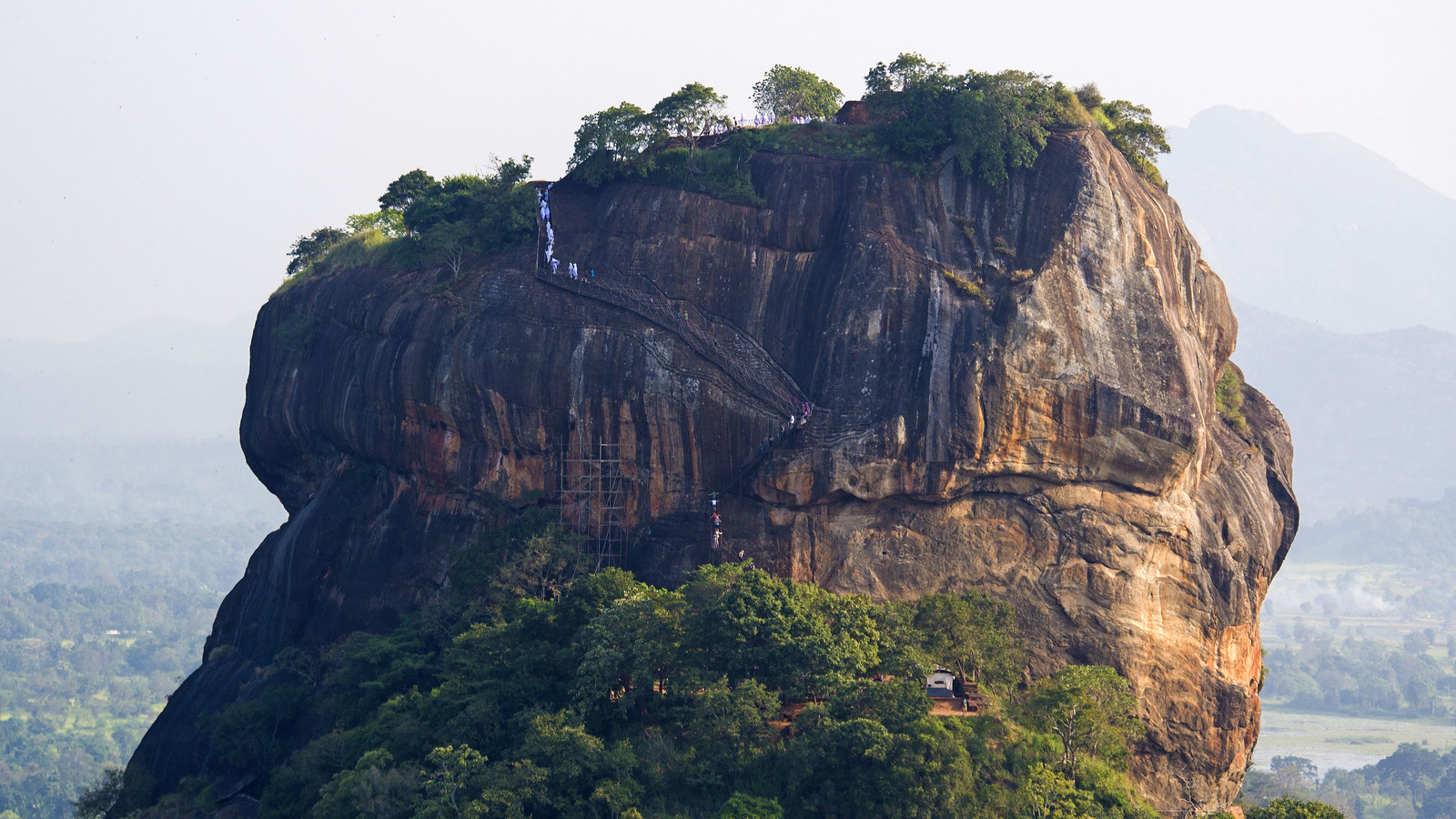
Since the 3th century BC Sigiriya was used as a monastery and after eight centuries it was turned into a royal palace. The construction and early history of the palace and fortress of Sigiriya is connected with several tragic events in the relationship of two royal brothers – Kasyapa and Moggallana. King Kasyapa (477-495 AD) illegally took the throne. The legal heir of the throne Maggallana was forced to escape to India. Fearing an attack by his brother Kasyapa decided to move the capital from Anuradhapura to the central parts of Sri Lanka. He constructed a royal palace on a high rock to make sure it will not be invaded by the right heir of the throne Maggallana. The palace – Sigiriya was constructed using the most advanced technologies of the time and was richly decorated with colorful frescos.
2
The UNESCO World site of Sigiriya (Lion Rock) in Sri Lanka has quite the view and is justifiably one of the most visited sites in Sri Lanka but there’s a view to rival this just Pidurangala Vihara (Sinhala: පිදුරංගල විහාරය) is an ancient Buddhist temple situated in Pidurangala village of Matale District, Sri Lanka. The temple was constructed on a massive rock called Pidurangala, which is located a few kilometers north of the historical fort Sigiriya
3
Dambulla cave temple (Sinhalese: Dam̆būlū Len Vihāraya, Tamil Tampuḷḷai Poṟkōvil) also known as the Golden Temple of Dambulla is a World Heritage Site (1991) in Sri Lanka, situated in the central part of the country.[1] This site is situated 148 kilometres (92 mi) east of Colombo , 72 kilometres (45 mi) north of Kandy and 43 km (27 mi) north of Matale Dambulla is the largest and best-preserved cave temple complex in Sri Lanka. The rock towers 160 m over the surrounding plains.There are more than 80 documented caves in the surrounding area. Major attractions are spread over five caves, which contain statues and paintings. These paintings and statues are related to Gautama Buddha and his life. There are a total of 153 Buddha statues, three statues of Sri Lankan kings and four statues of gods and goddesses. The latter include Vishnu and the Ganesha.
What's not included
Lunch
Entry/Admission - Dambulla Royal Cave Temple
Entry/Admission - Pidurangala Rock
Entry/Admission - Sigiriya The Ancient Rock Fortress
Available languages
Guide guide
DE
EN
IT
FR
ES
Audio guide
EN
Written guide
EN
Reviews breakdown
Tripadvisor
5.0
3 reviews
5★
3
4★
0
3★
0
2★
0
1★
0
Important information
Not recommended for travelers with spinal injuries
Not recommended for pregnant travelers
Not recommended for travelers with poor cardiovascular health
Travelers should have at least a moderate level of physical fitness
Meeting point
Negombo
About Negombo
Negombo is a vibrant coastal city in Sri Lanka, known for its beautiful beaches, historic Dutch-era architecture, and the bustling fish market. Often called 'Little Rome' due to its significant Catholic population and churches, it offers a mix of cultural heritage, natural beauty, and lively local life.
Top Attractions
Negombo Beach
Negombo Beach is a beautiful stretch of golden sand along the Indian Ocean, perfect for swimming, sunbathing, and water sports. The beach is lined with palm trees and offers stunning sunsets.
Beach
Half day to full day
Free
Negombo Fish Market
The Negombo Fish Market is one of the largest and most vibrant fish markets in Sri Lanka. It's a bustling hub where fishermen sell their daily catch, and visitors can enjoy fresh seafood.
Market
1-2 hours
Free (Food purchases extra)
St. Mary's Church
St. Mary's Church is a historic Catholic church in Negombo, known for its beautiful architecture and religious significance. It's a popular pilgrimage site and a key landmark in the city.
Religious
30-60 minutes
Free
Dutch Canal
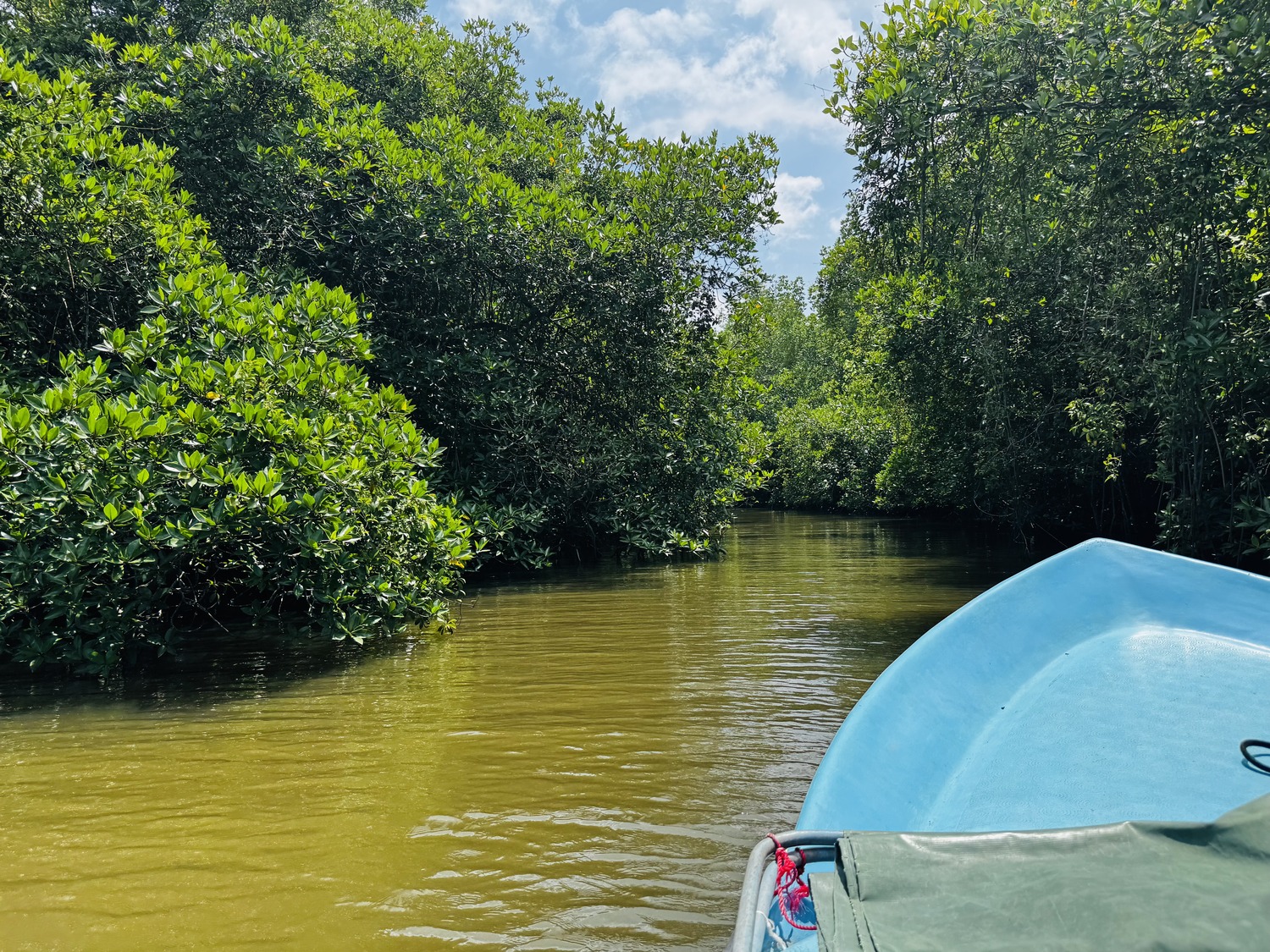
The Dutch Canal is a historic waterway built by the Dutch during their colonial period. It's a scenic spot for a leisurely walk or boat ride, offering glimpses of local life and nature.
Historical
1-2 hours
Free (Boat rides extra)
Anguruwankanda Forest Hermitage
Anguruwankanda Forest Hermitage is a peaceful retreat nestled in a lush forest. It's a great place for meditation, hiking, and experiencing the serenity of nature.
Nature
Half day
Free (Donations welcome)
Must-Try Local Dishes
Kottu Roti
A popular Sri Lankan dish made with chopped roti flatbread, vegetables, and meat or seafood, cooked with spices and served with gravy.
Dinner
Can be made vegetarian or vegan.
Seafood Curry
A flavorful curry made with fresh seafood, coconut milk, and a blend of spices, served with rice.
Dinner
Contains seafood and coconut.
Hoppers (Appa)
Bowl-shaped pancakes made from fermented rice flour and coconut milk, often served with an egg in the center.
Breakfast
Vegetarian (unless with egg).
Lamprais
A Dutch-influenced dish consisting of rice cooked in meat stock, wrapped in a banana leaf with meat, sambol, and a hard-boiled egg.
Lunch/Dinner
Contains meat and fish.
Popular Activities
Water sports
Boat safaris
Hiking
Beach lounging
Spa treatments
Yoga
Visiting temples and churches
Exploring local markets
Best Time to Visit
December to April
This is the dry season with sunny days and minimal rain, making it ideal for beach activities, sightseeing, and outdoor adventures. The city is bustling with tourists during this period.
26-30°C
79-86°F
Practical Information
Language
- Official: Sinhala, Tamil
- Widely spoken: English
- English: Moderately spoken
Currency
Sri Lankan Rupee (LKR)
Time Zone
GMT+5:30
Electricity
230VV, 50HzHz
Safety Information
Overall Safety Rating: Generally safe
Negombo is generally a safe destination for travelers. However, standard precautions should be taken to ensure a safe and enjoyable trip.
Important Precautions:
- • Use reputable taxi services or app-based taxis.
- • Keep valuables secure and out of sight.
- • Be cautious of strangers offering unsolicited help or services.
Getting there
By air
- Bandaranaike International Airport • 35 km (22 miles)
By train
Negombo Railway Station
By bus
Negombo Bus Station
Getting around
Public transport
Buses are the most common and affordable way to get around Negombo. They connect the city center with beaches, markets, and other attractions.
Taxis
Available • Apps: PickMe, Uber
Rentals
Car, Bike, Scooter
Neighborhoods
Negombo City Center
Negombo Beach
Lunuwila
Day trips
Colombo
35 km (22 miles) • Half day to full day
Colombo is the capital city of Sri Lanka, offering a mix of modern and colonial architecture, vibrant markets, and cultural attractions.
Kelani River Safari
40 km (25 miles) • Full day
A scenic boat safari along the Kelani River, offering opportunities to spot wildlife and enjoy the natural beauty of the river and its surroundings.
Muthurajawela Marsh
20 km (12 miles) • Half day
A unique wetland ecosystem located near Negombo, offering opportunities for birdwatching, boat rides, and nature walks.
Festivals
Easter Celebrations • March or April (varies by year)
Christmas Celebrations • December 25
Pro tips
- Visit the Negombo Fish Market early in the morning to see the fresh catch and experience the bustling atmosphere.
- Take a boat ride along the Dutch Canal to enjoy the scenic views and learn about its history.
- Try local seafood dishes, particularly grilled fish and prawn curry, for an authentic culinary experience.
- Explore the historic St. Mary's Church and learn about its significance to the local Catholic community.
- Relax on Negombo Beach and enjoy the beautiful sunset views.
From $25
per person
Price varies by option
Secure booking
Free cancellation available
Instant confirmation