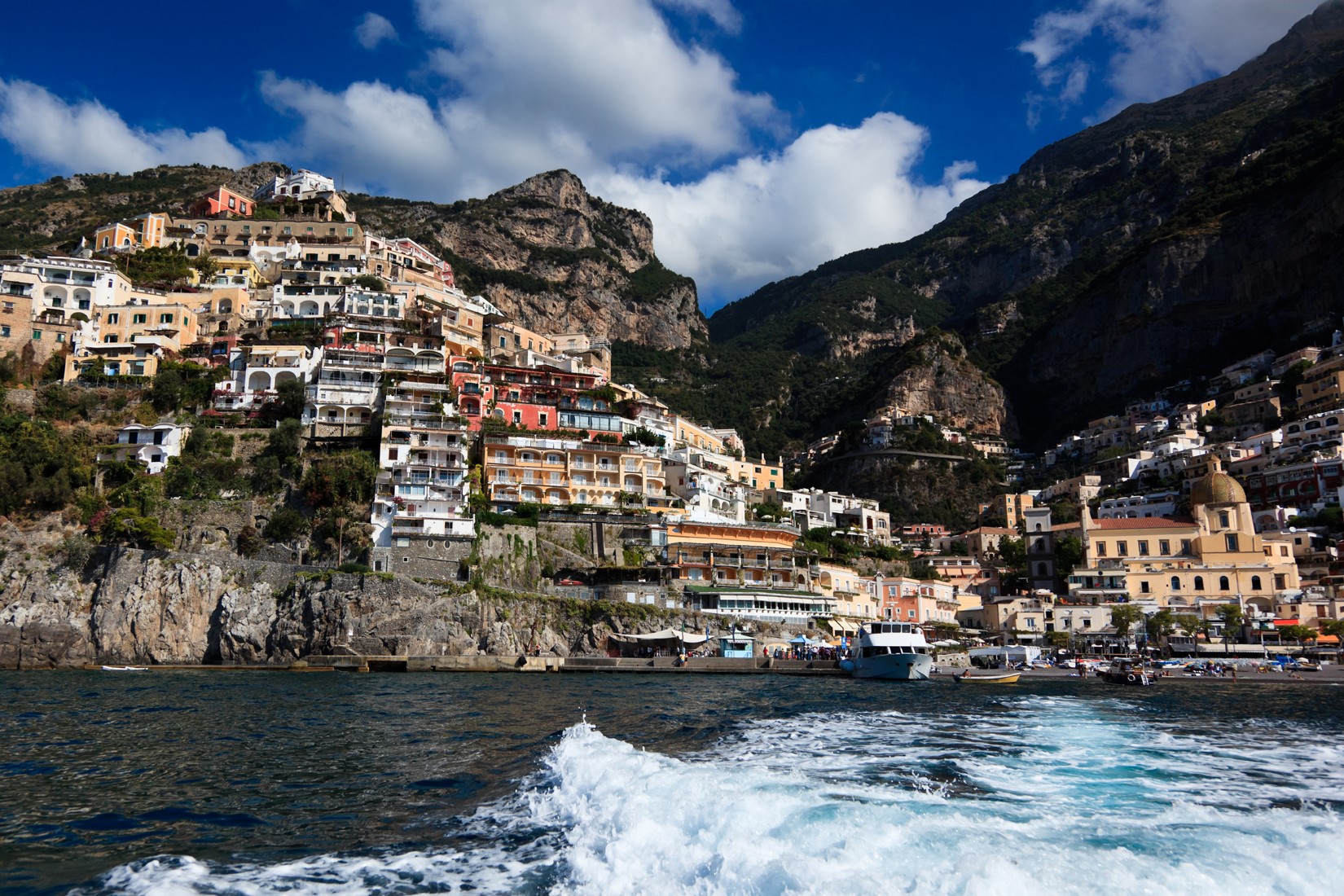
Tour Amalfi & Paestum
Active
8h
For a full refund, cancel at least 24 hours before the scheduled departure time.
Instant confirmation
Mobile or paper ticket accepted
About this experience
"It is as if a god here had built his house with enormous blocks of stone." Friedrich Nietzsche described the magnificence of Paestum during his visit. Recognized by UNESCO as a World Heritage Site since 1988, visiting it is like doing a plunge into history and an unforgettable journey to different eras.The site, in addition to comprising the National Museum and the remains of the ancient Greek agora, contains 3 temples dedicated to Hera, Athena and Neptune, built around 500 BC. city is contained by monumental stone walls with a pentagonal perimeter interspersed with 24 watch towers.
Available options
tour by car
tour by car<br/>Duration: 8 hours<br/>car<br/>Pickup included
minivan tour
minivan tour<br/>Duration: 8 hours<br/>minivan<br/>Pickup included
What's included
Bottled water
Air-conditioned vehicle
parking - fuel - tolls
Detailed itinerary
1
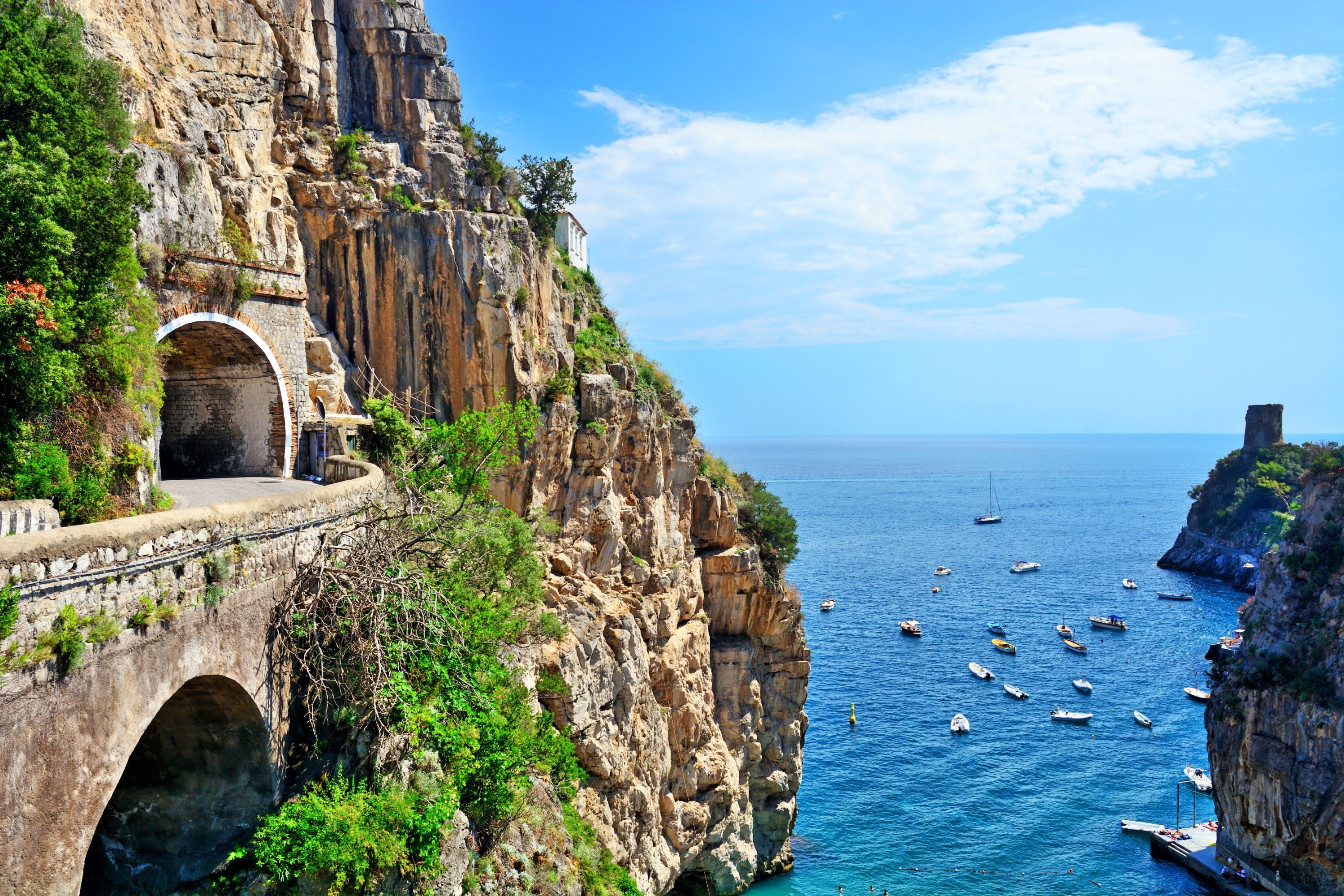
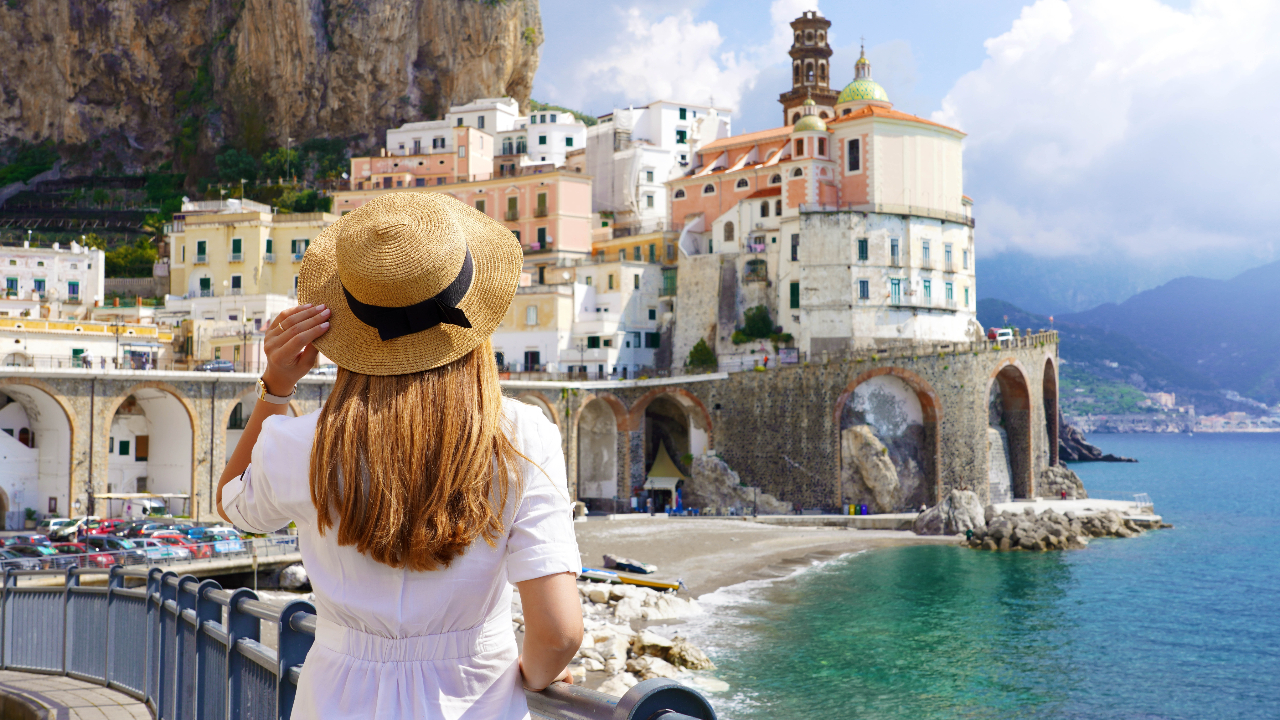
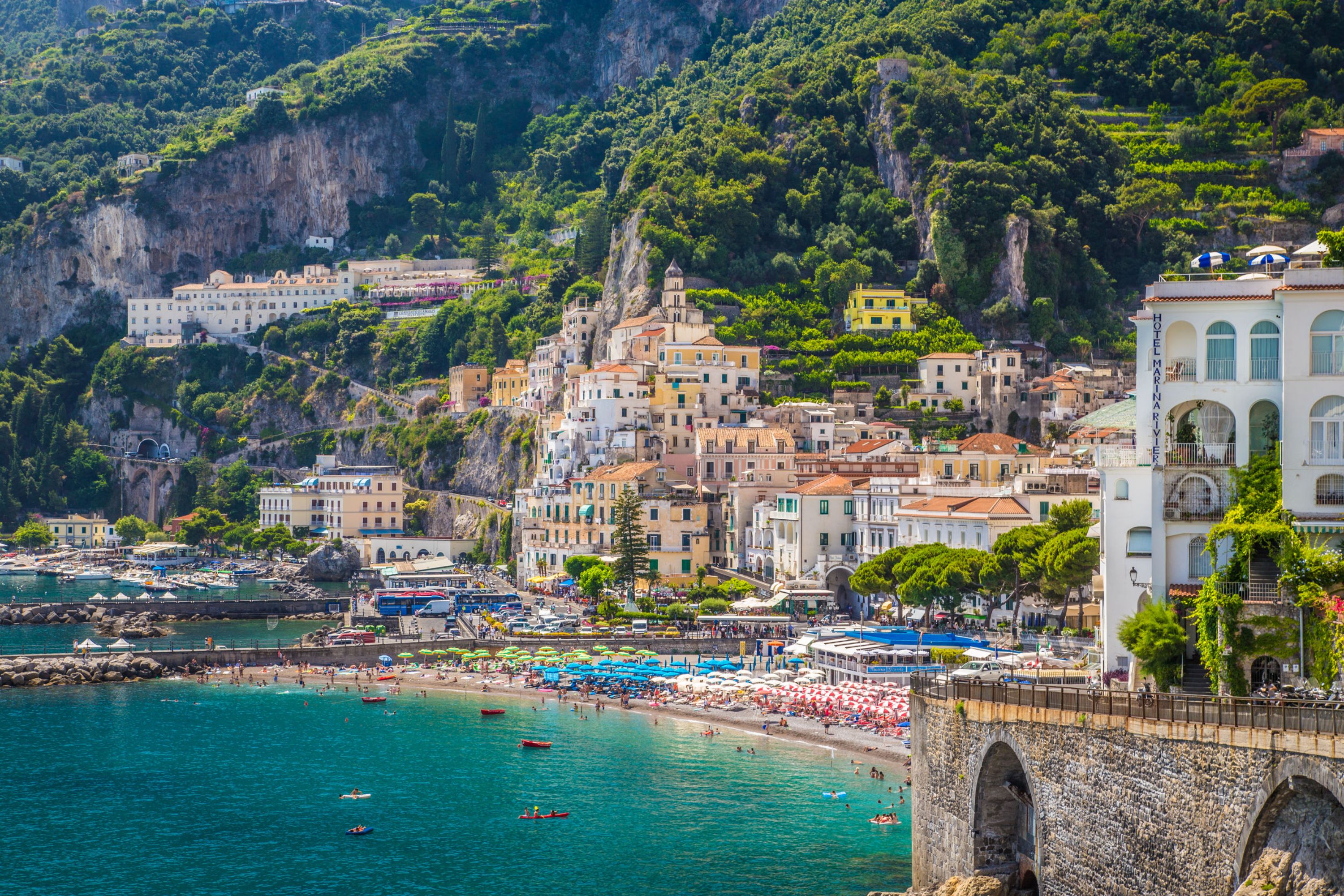
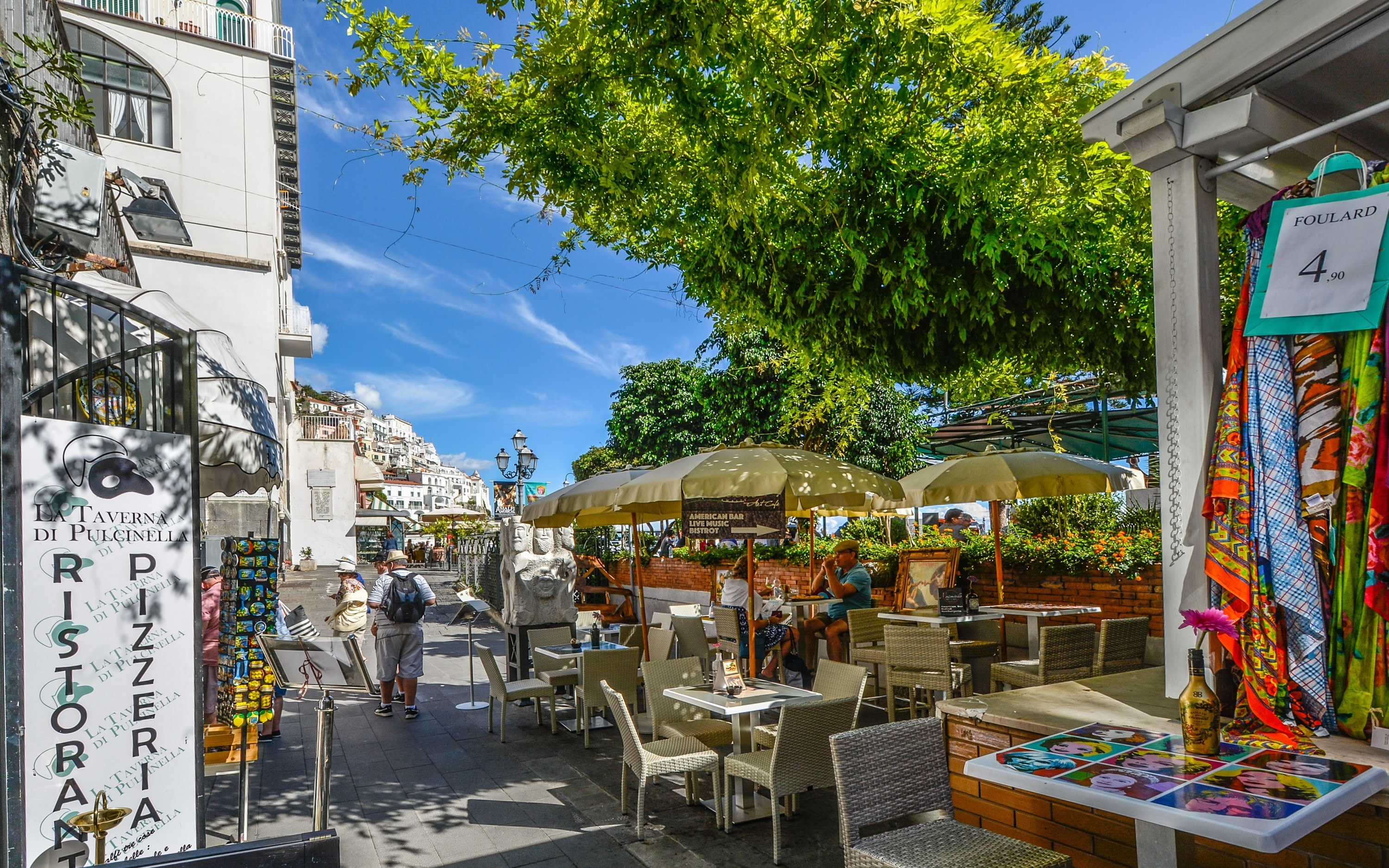
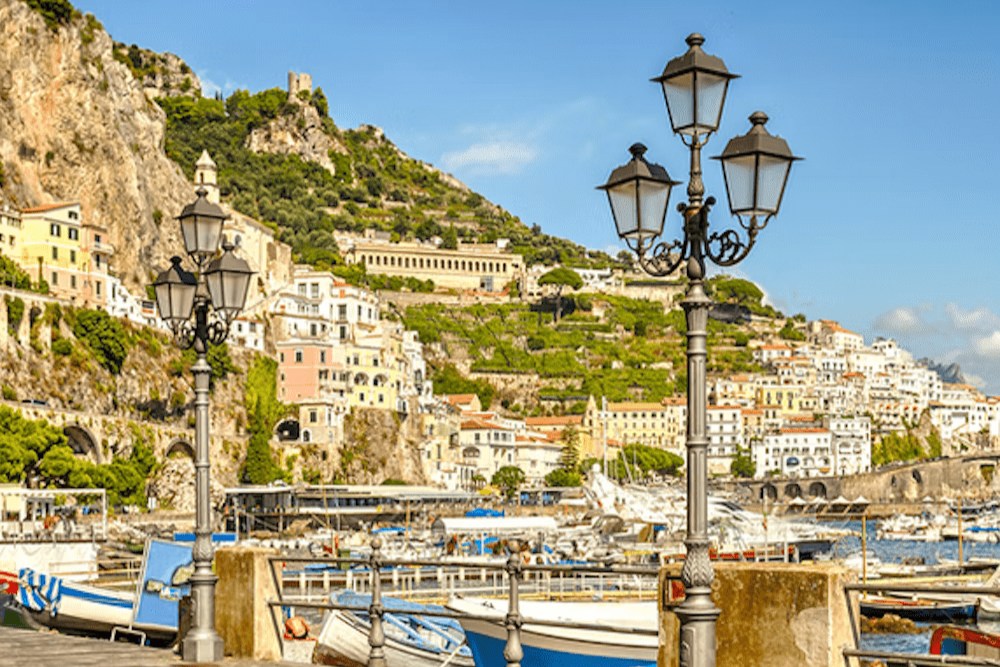
The itinerary proposed cannot but start from Piazza Flavio Gioia. the name of this square is not causal. According to tradition, Flavio Gioia was an Italian inventor and navigator who was born in Amalfi between the 13th and 14th centuries, to whom the invention or improvement of the magnetic compass owes. The statue is the work of Alfonso Balzico and is dated 1892. Piazza Flavio Gioia is considered the gateway to Amalfi, as it is the first that tourists encounter arriving in the city. A short distance away is the heart of the historic center in Piazza Duomo.
2
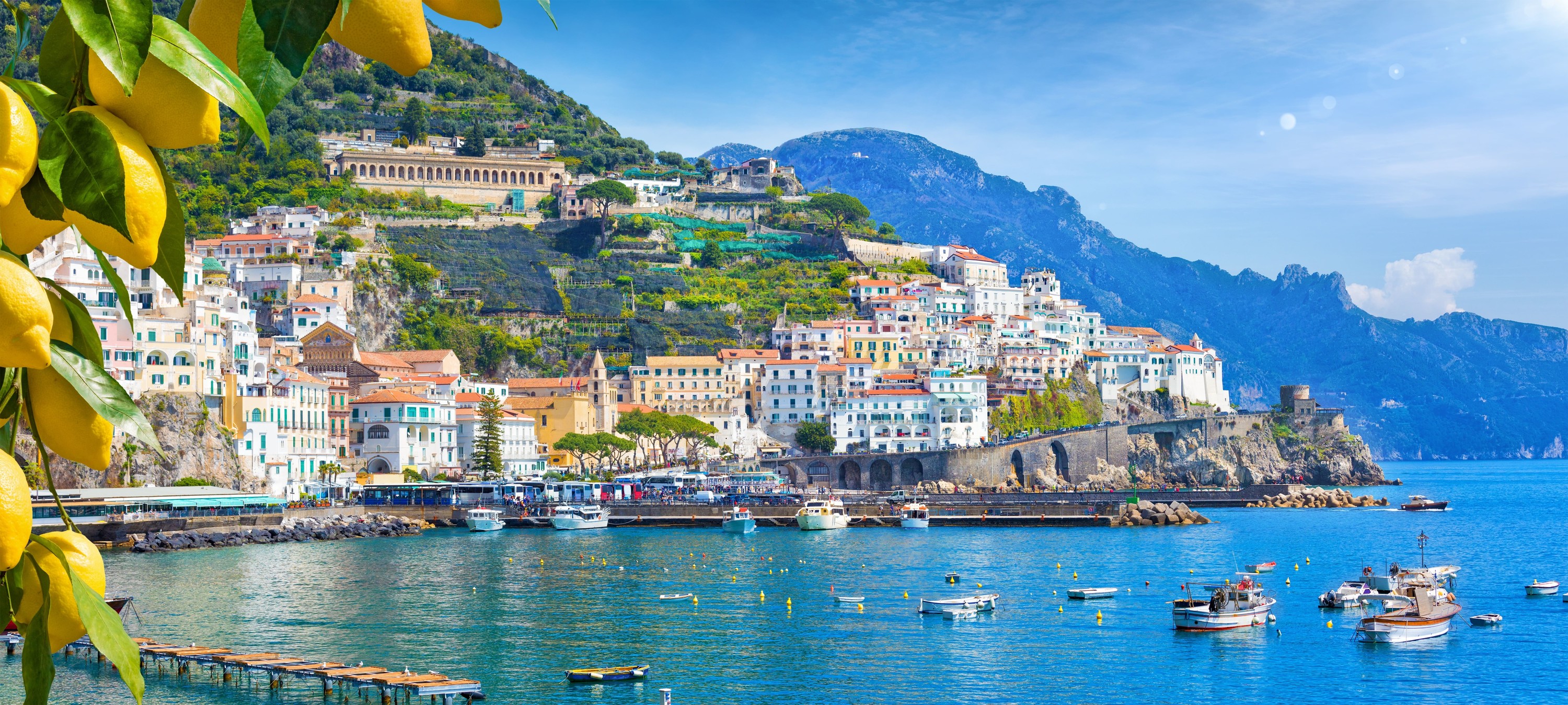
Continuing on foot from Via Duca Mansone I strolling through souvenir shops and ceramics in a few seconds you arrive in Piazza Duomo, the heart of Amalfi. The undisputed protagonist of the square is the Cathedral of Sant'Andrea which houses the remains of the saint, patron saint and protector of the city. The cathedral of Sant'Andrea is the main place of Catholic worship in Amalfi, the bishop's seat of the Archdiocese of Amalfi-Cava de 'Tirreni. According to a legend, St. Francis of Assisi went to this building in 1218 to worship. the relics of the apostle kept there and remained in the city for two years. On that occasion he founded the convent of Santa Maria degli Angeli, later dedicated to Sant'Antonio.
3
Stop 3
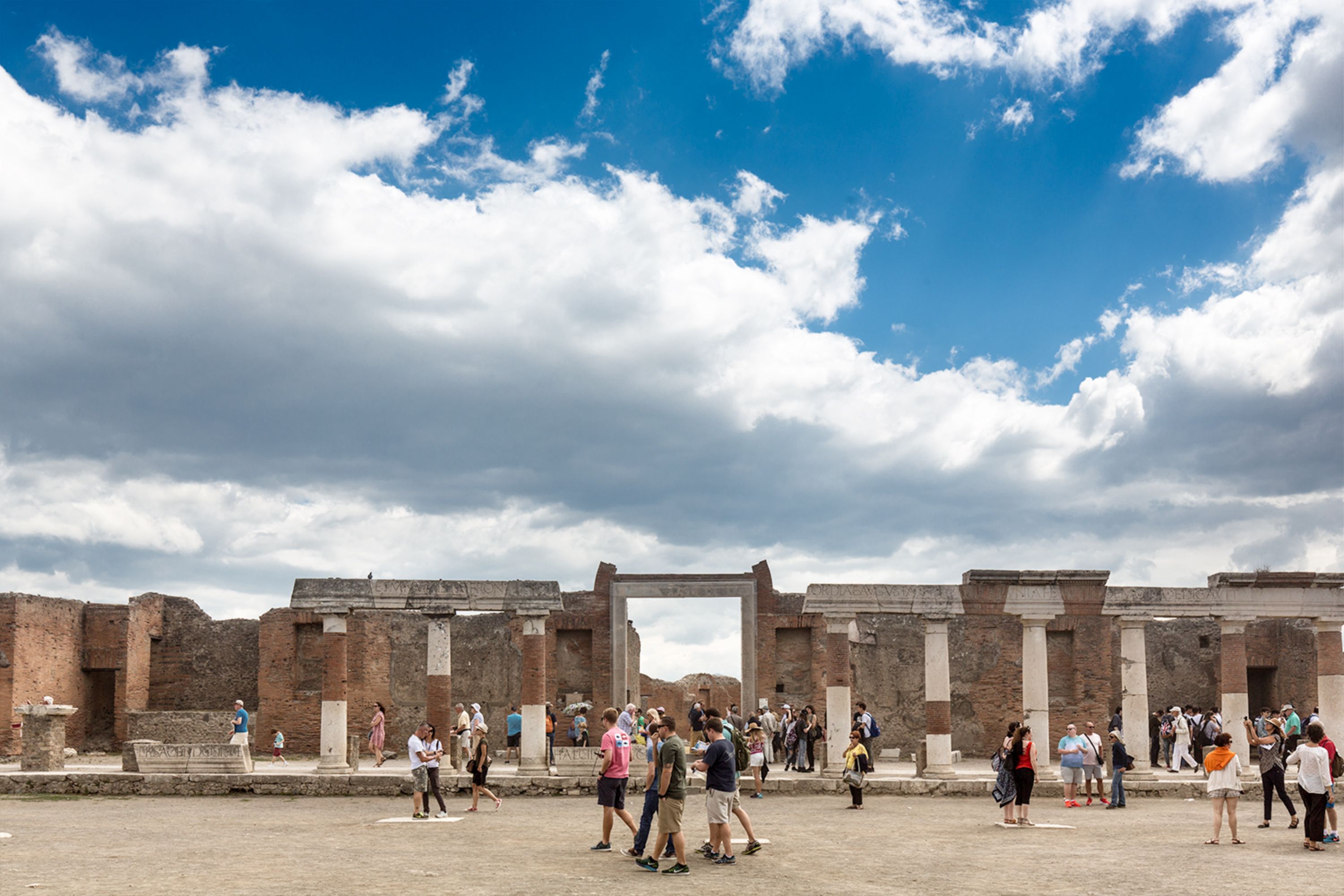
Paestum is an extremely important archaeological site, recognized in 1998 by UNESCO as a World Heritage Site, together with the Cilento and Vallo di Diano National Park. The site is located in the Municipality of Capaccio in the Province of Salerno. The "Piana di Paestum", as our ancestors called the flat extension from the foot of the hills to the sea, was already inhabited in prehistoric times. Strabo - the most famous Roman geographer - tells that Jason (the hero of the golden fleece, the skin of the golden ram who had the power to heal by magic), driving the Argonauts, stopped at the mouth of the Sele river, where he dedicated a shrine to Hera (protector of the Argonauts). It was the fertility of the plain and the abundance of the waters of the Sele that would have made the plain, later called pestana, one of the main stages between the East and the West already in the second millennium BC The Greeks, appreciating the geographical position, founded there around 600 BC a city they will call Poseidonia, in honor of the god of the sea. The significant building development took shape around the middle of the 6th century BC, in fact the construction of the temples began a few decades after the founding of the city. The three Greek temples of Paestum, built between the VI and V centuries a.C., together with those of Athens and Agrigento are the best preserved templar buildings from the classical age. The temples rise in the central part of the city, which extends for over 120 hectares and is surrounded by a wall, which even if it is not preserved for all its height, is one of the best preserved defensive circuits in Magna Grecia. The perimeter, of trapezoidal shape, is 4750 meters long, with twenty-eight towers placed to defend the four access gates to the city: Porta Giustizia, Porta Marina, Porta Sirena and Porta Aurea (destroyed with the construction of the Calabrie road). Among the temples was the "market", that is the central square where the assemblies of the citizens were held and the tomb (empty, in reality) of the mythical founder of Paestum was venerated. The residential quarters extended around the temples and the market. The remains of houses, spas and shops that can be seen today on the site date back largely to the imperial age (I-V century AD), while we still ignore many aspects of the Greek town.
The magnificence of this colony, founded by the Achaean colonists fleeing from Sybaris, soon aroused the desire to conquer the Lucanians, an inland Italic population, who occupied it around 400 BC. changing its name to Paistom. The Lucanians, while not reaching the cultural level of the Greek period, continued their civil and military activities. They changed both the language (from the Greek to the c.osco) and the material culture and the funeral rites. However, elements of continuity are not lacking, such as, for example, the continuing function of the temples.
Meanwhile, another power was expanding along the Peninsula: Rome. In 273 BC Rome founded a Latin colony there and gave the city the name of Paestum. It was a time of great transformation of the town.
After the abandonment, Paestum was no longer spoken of for centuries, even though its temples stood solemnly among the thick vegetation. A bit of merit for the rediscovery must be ascribed to writers and poets of the ‘500 and‘ 600 who, with their quotations aroused their interest and curiosity. But the real rediscovery began in the first half of the '700. This is the moment in which Paestum becomes a destination for cultured and refined tourism, which will see European intellectuals and aristocrats staying in its ruins as a mandatory stop on the Grand Tour. The site has attracted travelers and artists such as Piranesi and Goethe. The excavations of the city that began in the spring of 1907 brought to light most of the monuments visible today. With the arrival at the direction of the excavations of Mario Napoli, the area is experiencing a moment of great attention. These are the years of the discovery of the tomb of the diver and the rich Lucanian tombs. On 27 November 1952 the National Museum was inaugurated, which introduces with linearity the four crucial seasons of the life of Paestum and its territory, from prehistory to Greek, Lucan and Roman civilization.
What's not included
tips and anything that is considered extra are excluded
Available languages
Guide guide
DE
EN
IT
FR
ES
Written guide
DE
EN
IT
FR
ES
Important information
Infants and small children can ride in a pram or stroller
Service animals allowed
Public transportation options are available nearby
Infants are required to sit on an adult’s lap
Specialized infant seats are available
Suitable for all physical fitness levels
About Naples
Naples, Italy's third-largest city, is a vibrant and chaotic metropolis known for its rich history, incredible food, and vibrant street life. As the birthplace of pizza, Naples offers a unique blend of ancient ruins, stunning coastal views, and a bustling urban atmosphere.
Top Attractions
Naples National Archaeological Museum
One of the most important archaeological museums in the world, housing a vast collection of artifacts from the Roman era, including those from Pompeii and Herculaneum.
Museum
2-3 hours
€15
Pompeii
The ancient Roman city of Pompeii, preserved by volcanic ash from the eruption of Mount Vesuvius in 79 AD. It's a UNESCO World Heritage site and one of the most famous archaeological sites in the world.
Historical
Half day to full day
€15
Castel dell'Ovo
A medieval castle located on the former island of Megaride, connected to the mainland by a causeway. It offers stunning views of the Bay of Naples and a rich history.
Historical
1-2 hours
Free
Mount Vesuvius
The famous volcano that erupted in 79 AD, destroying Pompeii and Herculaneum. It's an active volcano and offers a unique hiking experience with breathtaking views.
Nature
Half day
€10
Galleria Umberto I
A beautiful 19th-century shopping gallery with a stunning glass and iron roof, elegant shops, and cafes. It's a great place to experience the city's vibrant atmosphere.
Architecture
1-2 hours
Free to enter
Must-Try Local Dishes
Pizza Margherita
The original Neapolitan pizza, made with simple ingredients: tomatoes, mozzarella, basil, and olive oil. It's a UNESCO Intangible Cultural Heritage and a must-try in Naples.
Dinner
Contains gluten and dairy.
Spaghetti alle Vongole
A classic Neapolitan dish made with spaghetti, clams, garlic, white wine, and parsley. It's a delicious and simple representation of the local seafood cuisine.
Dinner
Contains gluten and seafood.
Sfogliatella
A traditional Neapolitan pastry made with layers of crispy, flaky dough filled with sweet ricotta cheese and semolina. It's a popular breakfast or snack item.
Dessert
Contains gluten and dairy.
Babà al Rhum
A small, rum-soaked cake that's a popular dessert or afternoon snack in Naples. It's often served with whipped cream or pastry cream.
Dessert
Contains gluten and dairy.
Popular Activities
Hiking Mount Vesuvius
Boat tours to nearby islands
Scuba diving in the Bay of Naples
Beach relaxation on the Amalfi Coast
Spas and wellness centers
Coffee and pastry at historic cafes
Visiting museums and historical sites
Attending local festivals and events
Best Time to Visit
April to June, September to October
The peak season offers the best weather for exploring the city's attractions and enjoying outdoor activities. The weather is warm but not too hot, and the crowds are manageable.
15-28°C
59-82°F
Practical Information
Language
- Official: Italian
- Widely spoken: English, Napolitan (local dialect)
- English: Moderately spoken
Currency
Euro (EUR)
Time Zone
GMT+1 (CET), GMT+2 (CEST) during daylight saving time
Electricity
230VV, 50HzHz
Safety Information
Overall Safety Rating: Exercise caution
Naples is a vibrant and exciting city, but it can also be chaotic and overwhelming. While violent crime is relatively low, petty crime such as pickpocketing and scams is common, especially in tourist areas. It's important to be aware of your surroundings and take precautions to protect yourself and your belongings.
Important Precautions:
- • Keep your valuables secure and out of sight.
- • Be cautious of your surroundings, especially in crowded areas and on public transportation.
- • Use licensed taxis or ride-sharing services, and always ensure the meter is running.
Getting there
By air
- Naples International Airport • 5 km from city center
By train
Napoli Centrale, Napoli Garibaldi
By bus
Napoli Centrale, Napoli Garibaldi
Getting around
Public transport
The metro system is clean and efficient but has limited coverage. It's useful for reaching major attractions and connecting to other public transport.
Taxis
Available • Apps: MyTaxi, FreeNow
Rentals
Car, Bike, Scooter
Neighborhoods
Historic Center (Centro Storico)
Chiaia
Posillipo
Quartieri Spagnoli
Day trips
Pompeii
25 km • Half day to full day
The ancient Roman city of Pompeii, preserved by volcanic ash from the eruption of Mount Vesuvius in 79 AD. It's a UNESCO World Heritage site and one of the most famous archaeological sites in the world.
Herculaneum
15 km • Half day
An ancient Roman town, also preserved by the eruption of Mount Vesuvius in 79 AD. Herculaneum is smaller and less crowded than Pompeii, offering a more intimate and well-preserved look at Roman life.
Sorrento
50 km • Full day
A charming coastal town known for its stunning views of the Bay of Naples, lemon groves, and historic center. It's a popular destination for day trips from Naples.
Festivals
Festa di San Gennaro • September 19
Pizzafest • June
Napoli Teatro Festival • June to July
Pro tips
- Learn a few basic Italian phrases to communicate with locals and enhance your experience.
- Try the local specialties, such as pizza, seafood, and pastries, and support local businesses.
- Be cautious of your surroundings, especially in crowded areas and on public transportation, and take precautions to protect yourself and your belongings.
- Visit the historic center and other attractions early in the morning or late in the afternoon to avoid crowds and the heat.
- Use public transportation, walk, or bike instead of driving to reduce your environmental impact and experience the city like a local.
From $25
per person
Price varies by option
Secure booking
Free cancellation available
Instant confirmation