Private Tour Mexico City - VIP
Active
3h
For a full refund, cancel at least 24 hours before the scheduled departure time.
Instant confirmation
Mobile or paper ticket accepted
About this experience
The VIP private tour in Mexico City aims to make you'r experience the most likeable possible in your city, our job is to introduce you to the city with our history, traditions, and local folklore that you can only experience with us.
Our guides will always try the best to put a smile on your face and at the same time teach you about this wonderful city in Mexico!
The best way to get to know the best of Mexico City to make you feel safe and confortable but also to have the full experience this place has to offer.
Available options
Private Tour Mexico City - VIP
Pickup included
What's included
The itinerary is just a suggestion and given your preferences all places may not be visited
Support via WhatsApp from the moment of the booking
100% customisable
Private Car and Driver
Professional Tour Guide
Detailed itinerary
1
Stop 1
"Welcome to Mexico City, a vibrant and captivating metropolis! Get ready to immerse yourself in a rich tapestry of history, culture, and flavors. From the bustling Zocalo square to the charming neighborhoods of Coyoacan and Roma, this city has something for everyone. Enjoy your stay and let Mexico City's warmth and hospitality embrace you. ¡Bienvenidos a la Ciudad de México!"
2
Stop 2
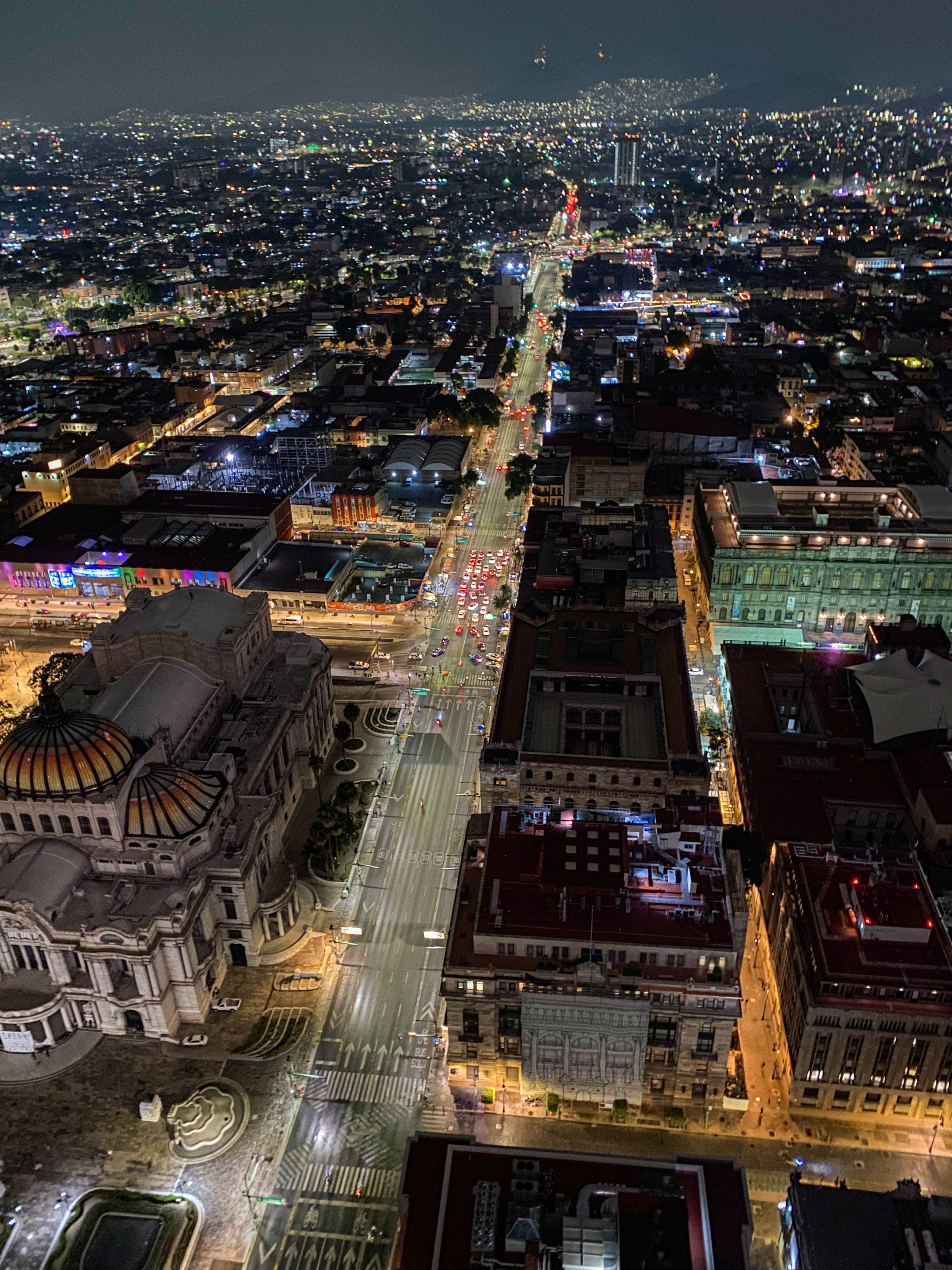
Or in English (Palace of Fine Arts) is a prominent cultural center located in Mexico City, Mexico. It is one of the most important cultural venues in the country and is renowned for its stunning architecture and diverse artistic offerings. The Palacio de Bellas Artes hosts a wide range of artistic events, including music concerts, ballet performances, theater productions, and art exhibitions. It is also home to the National Museum of Architecture and the National Theater Company. Inside the palace, you can find beautiful murals by renowned Mexican artists such as Diego Rivera, David Alfaro Siqueiros, and Rufino Tamayo. These murals depict various aspects of Mexican history and culture, making the Palacio de Bellas Artes a must-visit destination for art enthusiasts. Overall, the Palacio de Bellas Artes is a symbol of Mexico's rich artistic heritage and a vibrant hub.
3
Stop 3
La Torre Latinoamericana, commonly known as La Torre Latino, is an iconic skyscraper located in the heart of Mexico City. It stands tall at a height of 182 meters (597 feet) and was once the tallest building in Latin America. Completed in 1956, La Torre Latino was designed by Mexican architect Augusto H. Álvarez. It was constructed to withstand earthquakes, a common occurrence in the region, and has become a symbol of resilience and architectural innovation. The tower offers breathtaking panoramic views of Mexico City from its observation deck, which is located on the 44th floor. Visitors can enjoy a 360-degree view of the city, including landmarks such as the Zocalo, Palacio de Bellas Artes, and Chapultepec Park. In addition to its observation deck, La Torre Latino houses offices, a museum, a restaurant, and a bar. The museum showcases the tower's history and its significance in Mexico City's skyline.
4
Stop 4
A magnificent architectural gem located in the historic center of Mexico City. Designed by Italian architect Adamo Boari, this grand building was completed in 1907. The Palacio Postal showcases a stunning blend of architectural styles, primarily influenced by the French Renaissance. Its exterior features intricate carvings, ornate details, and a prominent central dome that adds to its grandeur. The facade is adorned with sculptures and reliefs, depicting various symbols related to communication and postal services. The central hall is adorned with marble floors, elegant columns, and a magnificent stained glass ceiling that bathes the space in a warm, colorful glow. The hall is surrounded by balconies and mezzanines, adding to the sense of grandeur and providing a unique vantage point to appreciate the beauty of the space. Today, the Palacio Postal continues to function as a post office, serving as a hub for mail and communication services.
5
A historic building located in the heart of Mexico City. It is considered one of the most important examples of Neoclassical architecture in the Americas. The Palacio de Minería was originally built to house the Royal School of Mines, which aimed to educate and train mining engineers. The building's design reflects its purpose, with elements such as columns, pediments, and ornate details that evoke the grandeur of classical architecture. Today, the Palacio de Minería serves as the headquarters of the School of Mines and Metallurgy of the National Autonomous University of Mexico (UNAM). It also hosts various cultural events, including art exhibitions, conferences, and book fairs. Visitors to the Palacio de Minería can admire its impressive facade, characterised by its symmetry and elegant proportions. At the entrence you will be able to admire examples of meteorites like the one that hit earth 65 million years ago.
6
Stop 6
Sanborns de los Azulejos is a unique and historic restaurant located in Mexico City. It is renowned for its stunning architecture and vibrant atmosphere. The restaurant is housed in a building that dates back to the 18th century and is known for its beautiful blue and white tilework, or "azulejos," which adorn the facade. These tiles were imported from the Spanish city of Puebla and give the building its distinctive and charming appearance. Inside, Sanborns de los Azulejos features a mix of colonial and Art Nouveau styles, creating an elegant and inviting ambiance. The interior is adorned with ornate chandeliers, antique furniture, and colorful murals, creating a sense of old-world charm.
7
Stop 7
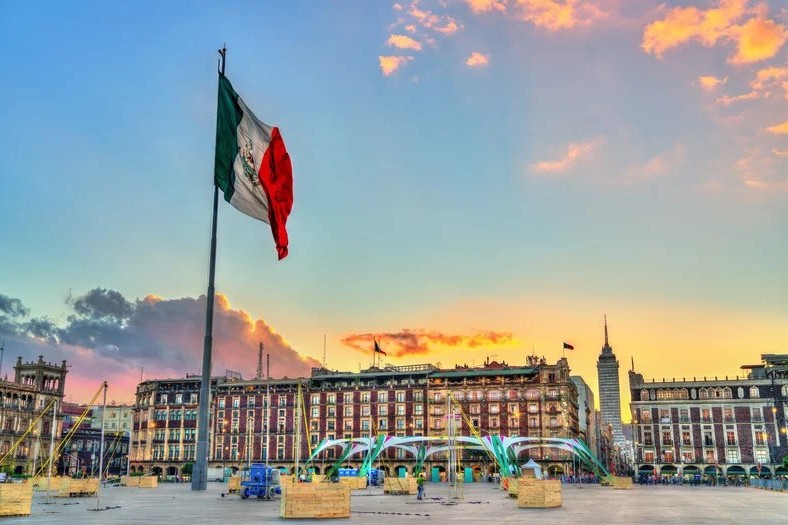
The Zócalo, officially known as the Plaza de la Constitución, is the main square and historic heart of Mexico City. It is one of the largest public squares in the world and has been a central gathering place for centuries. The Zócalo has a rich history that dates back to the time of the Aztecs, who established their capital, Tenochtitlan, on the same site. After the Spanish conquest, the square became the center of the colonial city and was later transformed into the political and cultural hub of modern Mexico. Surrounded by important landmarks, such as the Metropolitan Cathedral, the National Palace, and the Templo Mayor archaeological site, the Zócalo is a focal point for both locals and tourists. It is a vibrant and bustling space, often hosting cultural events, concerts, and political demonstrations. The square itself is paved with large stone slabs and features a central flagpole where the Mexican flag is ceremoniously raised and lowered each day.
8
Stop 8
The Mexico City Cathedral, also known as the Metropolitan Cathedral of the Assumption of the Most Blessed Virgin Mary into Heaven, is a magnificent religious landmark located in the historic center of Mexico City. Construction of the cathedral began in 1573 and continued for over 250 years, resulting in a blend of architectural styles, including Gothic, Baroque, and Neoclassical. It is one of the largest and oldest cathedrals in the Americas. The cathedral's exterior is adorned with intricate details, towering bell towers, and numerous chapels. Its facade features a mix of ornate carvings, statues, and reliefs, showcasing the craftsmanship of the colonial era. The cathedral is also home to important religious artifacts, including the famous organ, which is one of the largest in the Americas
9
Stop 9
The Templo Mayor, also known as the Great Temple, was the main religious and ceremonial center of the Aztec capital of Tenochtitlan, and it can be seen even now in modern-day Mexico City. The Templo Mayor was constructed in the 14th century and expanded over time. It consisted of two large pyramids dedicated to the Aztec gods Huitzilopochtli, the god of war, and Tlaloc, the god of rain and agriculture. The pyramids were built on top of one another, resulting in multiple layers of construction. The temple complex was a focal point of Aztec religious life, where rituals, sacrifices, and ceremonies took place. It was adorned with intricate carvings, sculptures, and colorful murals that depicted various deities and mythological scenes.
10
Stop 10
An iconic landmark located in Mexico City. It is a massive architectural structure that serves as a memorial to the Mexican Revolution of the early 20th century. The monument was originally intended to be a legislative palace, but construction was halted due to the revolution. Instead, it was repurposed as a monument to honor the revolutionaries and their ideals. The design of the monument is influenced by Art Deco and neoclassical styles, and it stands as a symbol of Mexico's rich history and cultural heritage. The Monumento a la Revolución features a towering central dome, surrounded by four smaller domes, and is adorned with intricate sculptures and reliefs that depict scenes from the revolution. The interior of the monument houses a museum that showcases the history and significance of the revolution, as well as offering panoramic views of the city from its observation deck.
11
Stop 11
A ride in the most iconic avenue in all of Mexico, where you will be able to see the impressive skyscrapers next to the beautiful jacaranda trees that a few months per year are decorated with the most beautiful purple flowers. El Paseo de la Reforma is one of the most iconic avenues in Mexico City. It is a grand boulevard that stretches for about 9 kilometers, cutting through the heart of the city. The avenue is named after the series of reforms that took place in Mexico during the mid-19th century. Along the avenue, you will also find important buildings such as the Mexican Stock Exchange, the Diana the Huntress Fountain, and the Torre Mayor, one of the tallest skyscrapers in Latin America. The avenue is not only a major transportation route but also a cultural and recreational hub. It hosts parades, festivals, and public events throughout the year. It is a popular spot for locals and tourists alike to stroll, bike, or simply enjoy the vibrant atmosphere of Mexico City.
12
Stop 12
A bronze statue of a winged angel holding a laurel wreath and a broken chain, symbolizing freedom. The statue is placed on top of a tall column, which is adorned with various reliefs and sculptures representing important moments in Mexican history. One of the most iconic landmarks in the city and serves as a symbol of Mexican independence. Built in 1910 to commemorate the centennial of the beginning of Mexico's War of Independence. The monument is not only a symbol of independence but also serves as a mausoleum. It is also a gathering place for celebrations and protests. It is especially beautiful at night when it is illuminated.
13
Stop 13
One of a kind in the Americas
14
Stop 14
Twice the size of Central Park in NYC there is so much to see here.
Available languages
Guide guide
EN
ES
Reviews breakdown
Viator
4.4
20 reviews
5★
15
4★
0
3★
3
2★
1
1★
1
Tripadvisor
4.9
10 reviews
5★
9
4★
1
3★
0
2★
0
1★
0
Important information
Service animals allowed
Public transportation options are available nearby
Infants and small children can ride in a pram or stroller
Suitable for all physical fitness levels
Wheelchair accessible
Meeting point
We meet right in front of the Palacio de Bellas artes as marked on the map and in the pictures, look for a purple bag or umbrella! ☂️
About Mexico City
Mexico City, the vibrant capital of Mexico, is a sprawling metropolis where ancient Aztec ruins coexist with modern skyscrapers. This cultural and historical hub offers a rich tapestry of experiences, from world-class museums and colonial architecture to bustling markets and delicious cuisine. The city's high-altitude location and diverse neighborhoods make it a unique destination for travelers.
Top Attractions
Zócalo
The main square of Mexico City, surrounded by historic buildings including the Metropolitan Cathedral and the National Palace. It's the heart of the city and a must-visit for its cultural and historical significance.
Historical
2-3 hours
Free (some attractions have entry fees)
Chapultepec Park
One of the largest urban parks in the world, featuring a lake, museums, and the famous Chapultepec Castle. It's a great place for outdoor activities and cultural experiences.
Nature
Half day to full day
Free (some attractions have entry fees)
Palacio de Bellas Artes
An iconic cultural landmark featuring stunning murals by famous Mexican artists like Diego Rivera and David Alfaro Siqueiros. The building itself is a masterpiece of art nouveau and neoclassical architecture.
Architecture
1-2 hours
MXN 75 (USD 3.75) for the museum
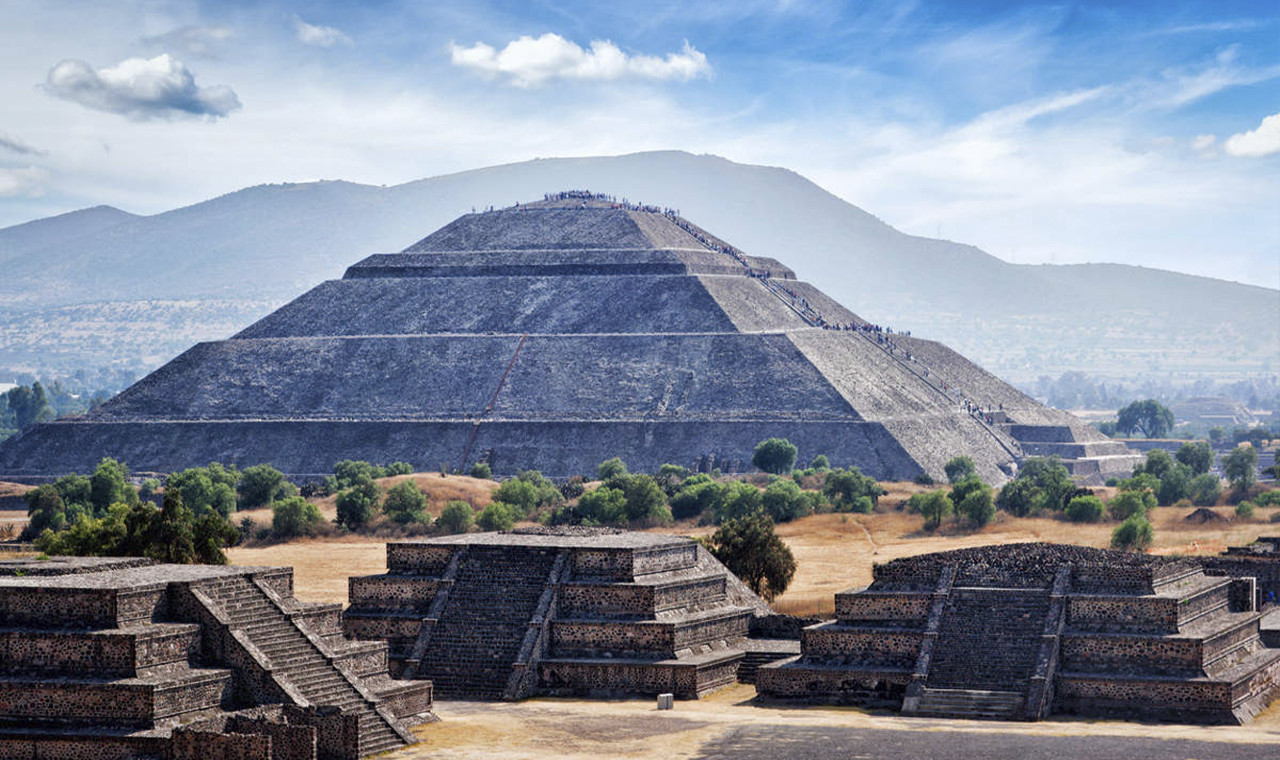
Teotihuacan
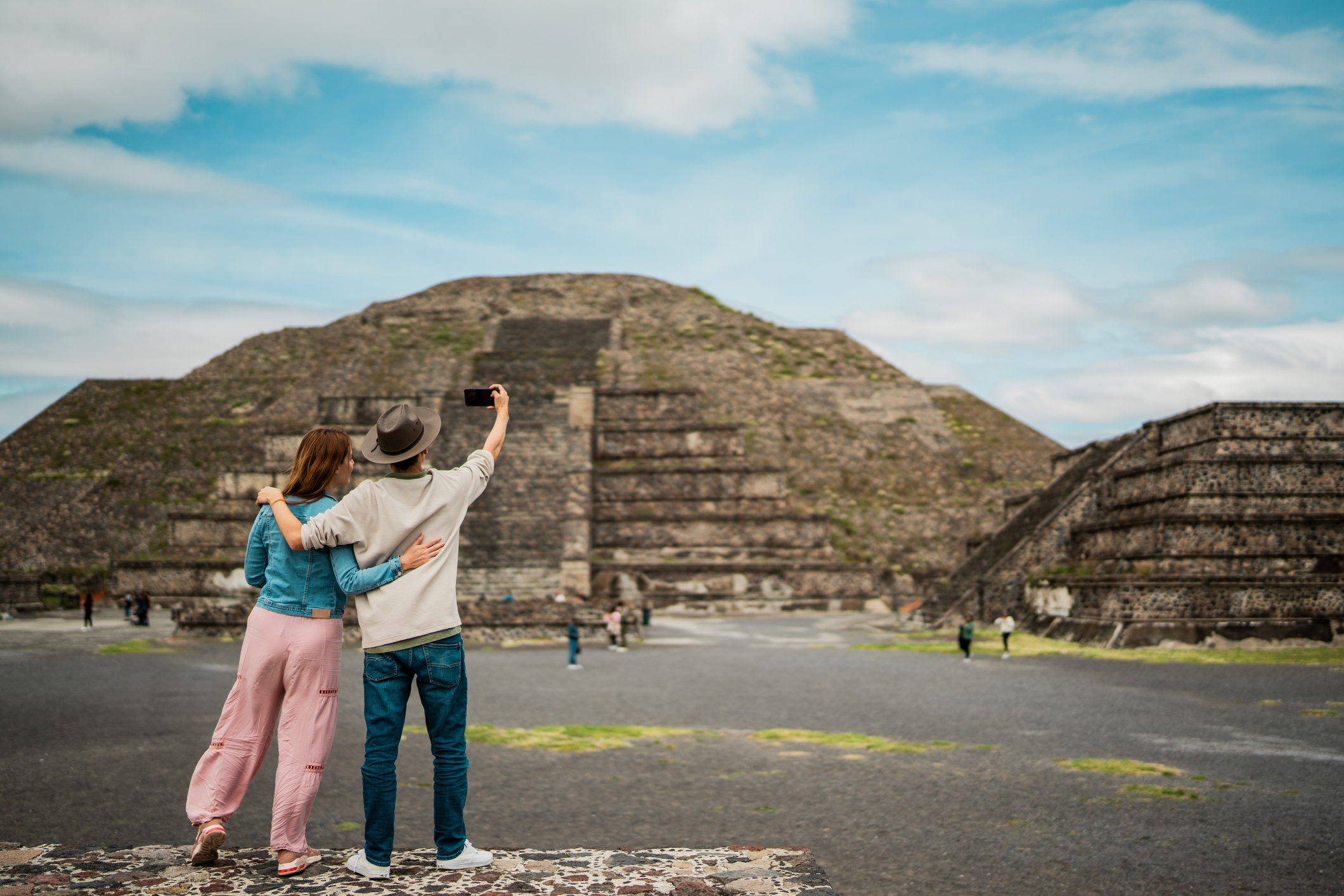
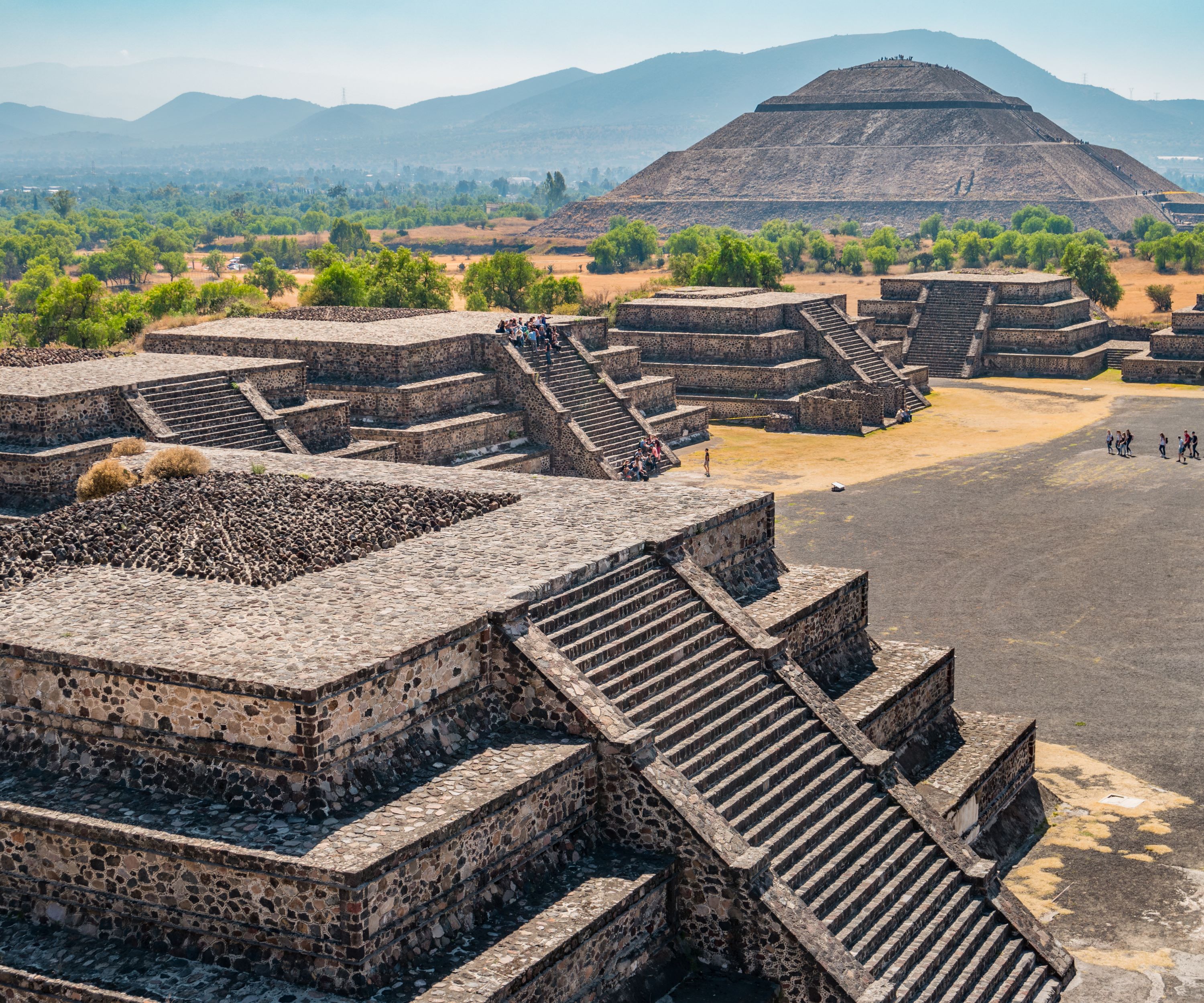
An ancient Mesoamerican city with the famous Pyramid of the Sun and Pyramid of the Moon. This UNESCO World Heritage site offers a fascinating glimpse into pre-Aztec civilizations.
Historical
Half day to full day
MXN 80 (USD 4) for the site, plus guide fees if applicable
Frida Kahlo Museum
The former home of Frida Kahlo, known as the Blue House, now a museum dedicated to her life and work. It offers a deep dive into the life of one of Mexico's most famous artists.
Museum
1-2 hours
MXN 250 (USD 12.50) for foreigners
Must-Try Local Dishes
Tacos al Pastor
Marinated pork cooked on a vertical spit and served on corn tortillas with pineapple and onions.
Street food
Contains meat, can be spicy
Mole
A rich, complex sauce made with chocolate, chili peppers, and spices, typically served with chicken or turkey.
Main course
Contains chocolate, can be spicy
Chiles en Nogada
Poblano chili peppers stuffed with picadillo (a mixture of meat, fruits, and spices) and topped with walnut sauce and pomegranate seeds, representing the colors of the Mexican flag.
Main course
Contains meat, nuts, and dairy
Tlayudas
A large, crispy tortilla topped with beans, cheese, meat, and salsa, often referred to as the 'Mexican pizza'.
Street food
Contains cheese and meat, can be spicy
Popular Activities
Hiking in the Sierra de Guadalupe
Climbing Nevado de Toluca
Paragliding in Valle de Bravo
Visiting Chapultepec Park
Relaxing in Jardín Borda
Enjoying a spa day in Polanco
Exploring the Historic Center
Visiting museums and galleries
Best Time to Visit
November to April
This is the dry season with pleasant weather, making it ideal for outdoor activities and sightseeing. The city hosts numerous festivals and events during this period.
15°C to 28°C (59°F to 82°F)
59°F to 82°F
Practical Information
Language
- Official: Spanish
- Widely spoken: English (in tourist areas)
- English: Moderately spoken in tourist areas, limited elsewhere
Currency
Mexican Peso (MXN)
Time Zone
GMT-6 (Central Standard Time)
Electricity
127VV, 60HzHz
Safety Information
Overall Safety Rating: Exercise caution
Mexico City is generally safe for tourists, but petty crime and scams can occur. Be aware of your surroundings, keep valuables secure, and avoid walking alone at night in unfamiliar areas.
Important Precautions:
- • Use official taxis or ride-sharing apps
- • Keep valuables secure and out of sight
- • Be cautious when using ATMs
Getting there
By air
- Mexico City International Airport • 8 km (5 miles) from city center
By train
Buenavista Station, Toluca Airport Station
By bus
Terminal de Autobuses de Paso de la Reforma, Terminal de Autobuses del Norte
Getting around
Public transport
The metro system is the most efficient way to get around the city, with 12 lines covering most neighborhoods. It can get crowded during peak hours.
Taxis
Available • Apps: Uber, Didi
Rentals
Car, Bike, Scooter
Neighborhoods
Historic Center
Roma
Condesa
Coyoacán
Polanco
Day trips
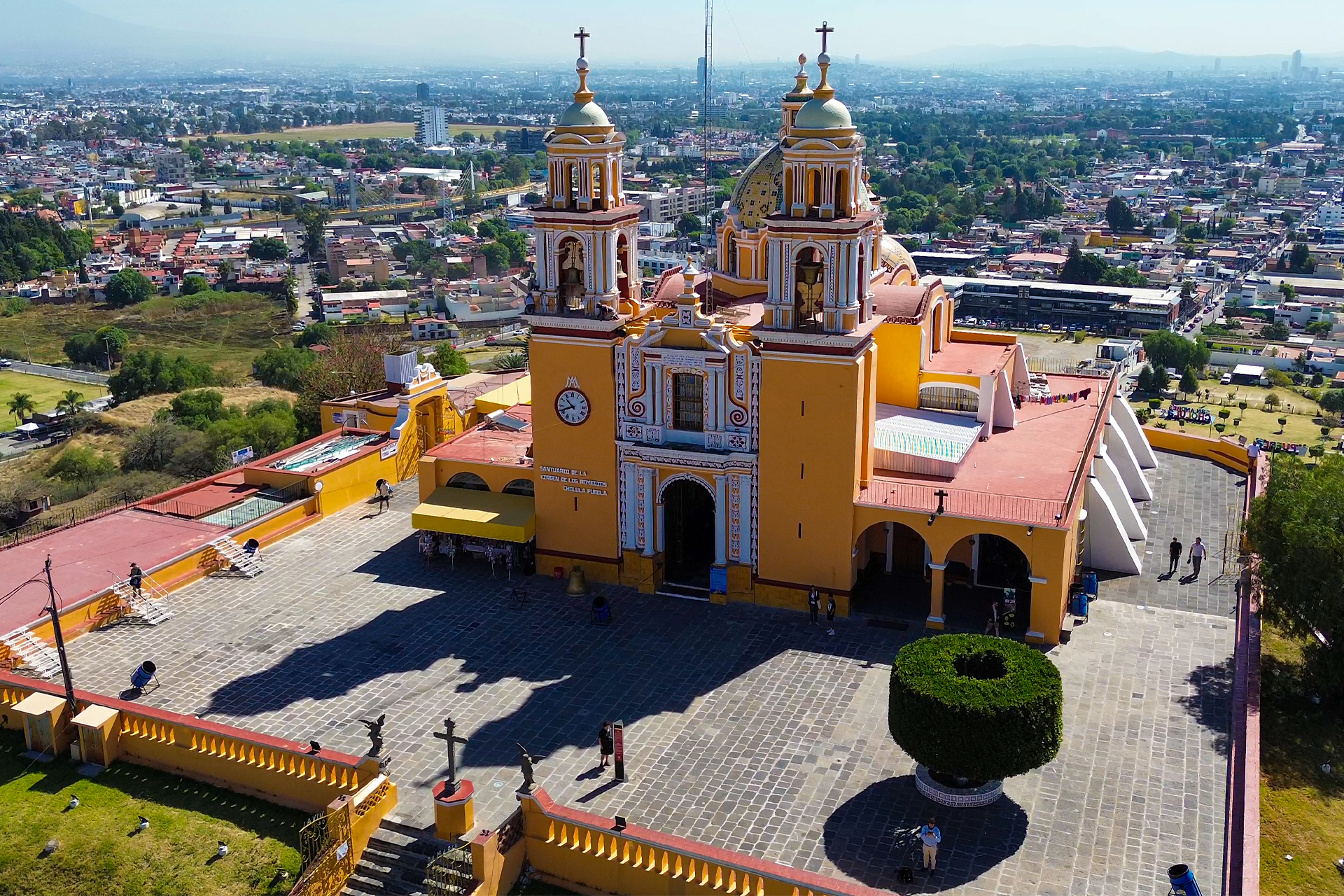
Puebla
130 km (81 miles) • Full day
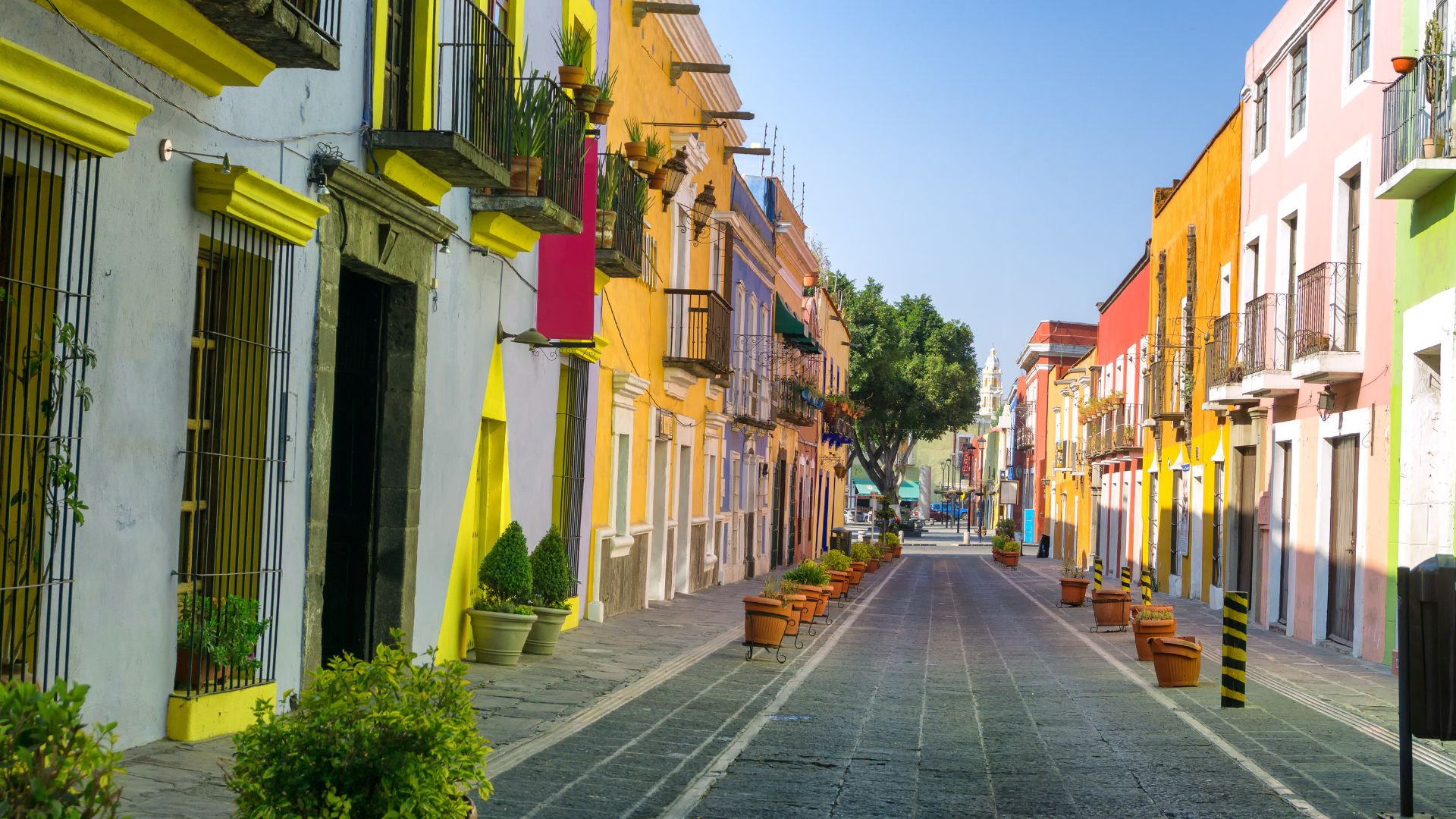
A colonial city known for its well-preserved architecture, vibrant culture, and delicious cuisine. Puebla is a UNESCO World Heritage site and offers a rich history and unique charm.
Texcoco
50 km (31 miles) • Half day to full day
A town near Mexico City known for its beautiful gardens and historical sites. Texcoco is home to the ancient Aztec city of Texcoco and the beautiful Jardín Botánico de Texcoco.
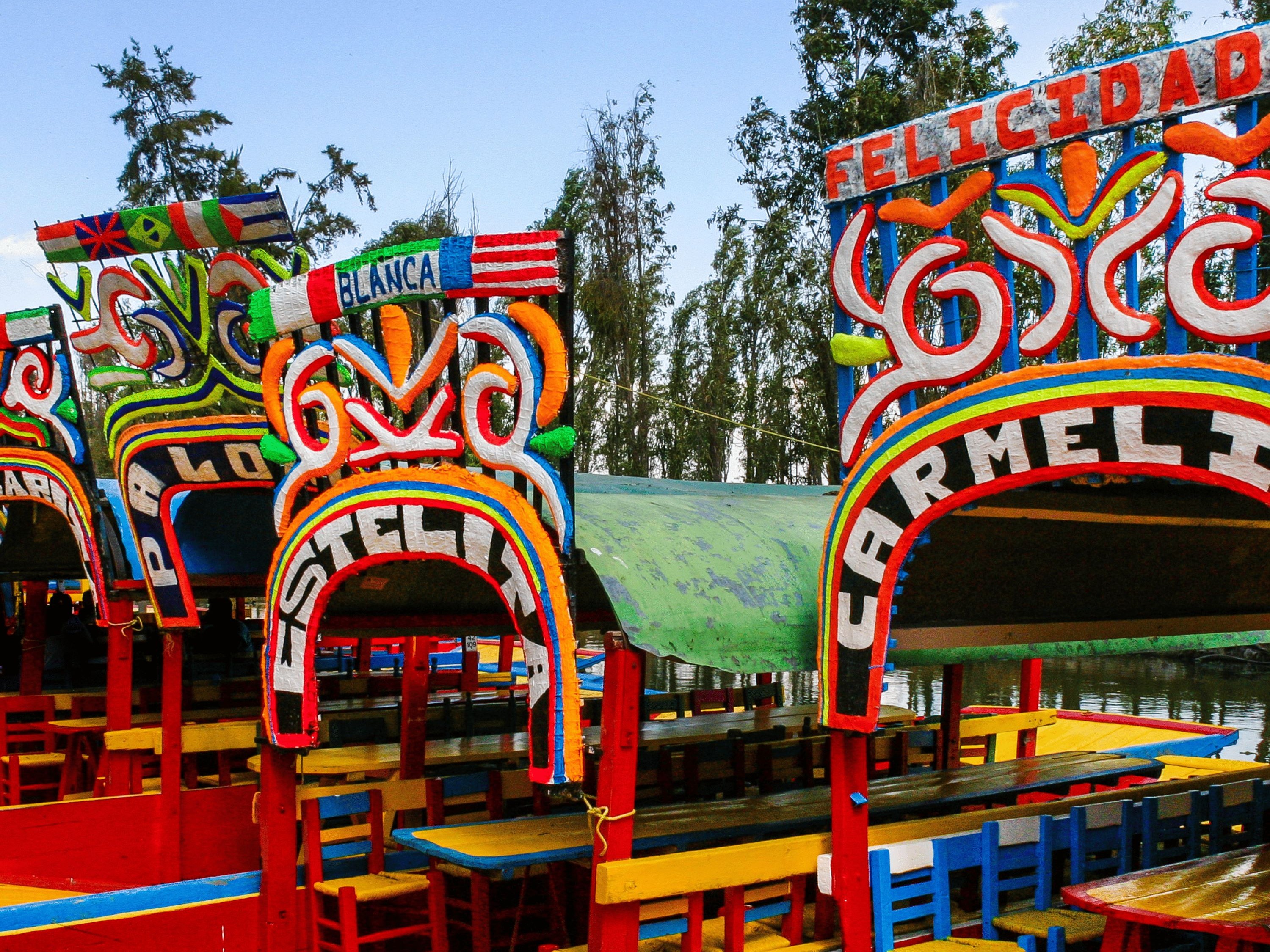
Xochimilco
20 km (12 miles) • Half day
A unique neighborhood in Mexico City known for its canals and traditional trajinera boats. Xochimilco is a UNESCO World Heritage site and offers a unique and colorful experience.
Festivals
Día de los Muertos (Day of the Dead) • November 1-2
Festival Internacional de Cine de Morelia (Morelia International Film Festival) • October
Feria de las Flores (Flower Festival) • September
Pro tips
- Learn a few basic phrases in Spanish to enhance your experience and connect with locals
- Use the metro system to get around the city quickly and affordably
- Try street food from busy stalls with high turnover to ensure freshness and safety
- Visit museums and attractions on weekdays to avoid crowds and long lines
- Explore the city's neighborhoods on foot to discover hidden gems and local culture
From $25
per person
Price varies by option
Secure booking
Free cancellation available
Instant confirmation