Tunis Highlights Private Day Tour Carthage Bardo & Sidi Bou Said
Active
6h - 7h
For a full refund, cancel at least 24 hours before the scheduled departure time.
Instant confirmation
Mobile or paper ticket accepted
About this experience
Embark on an unforgettable guided tour of Tunis.
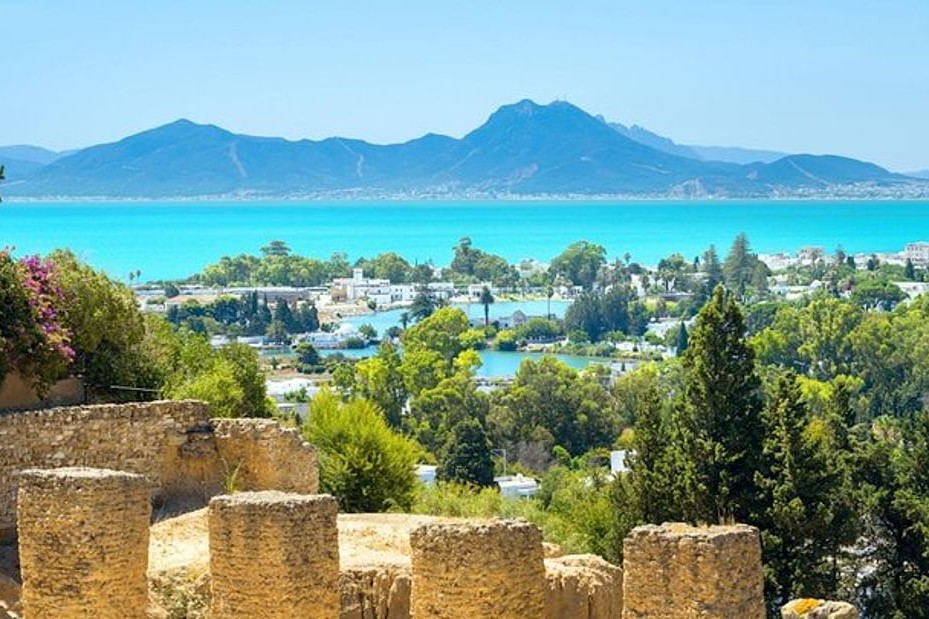
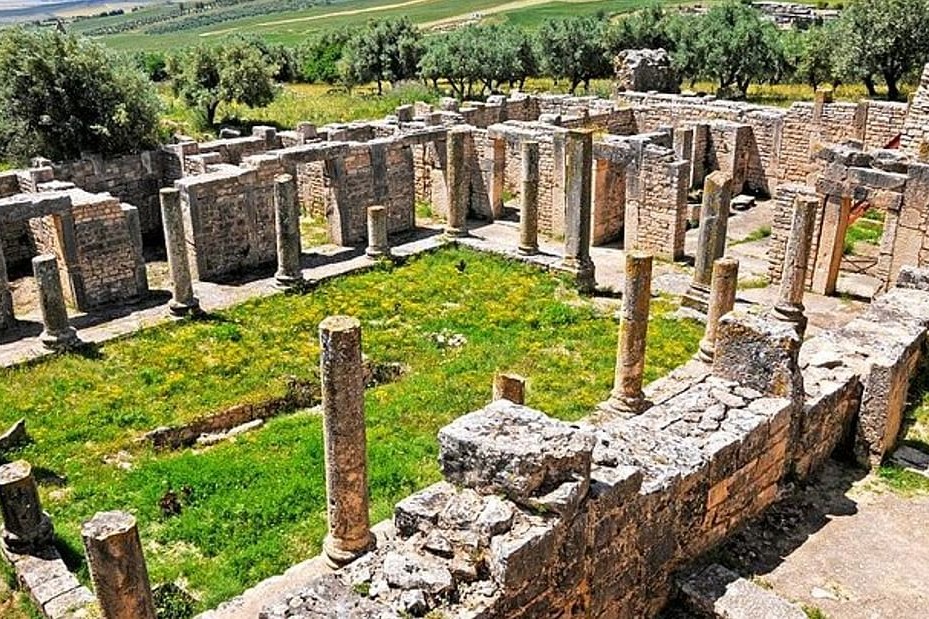
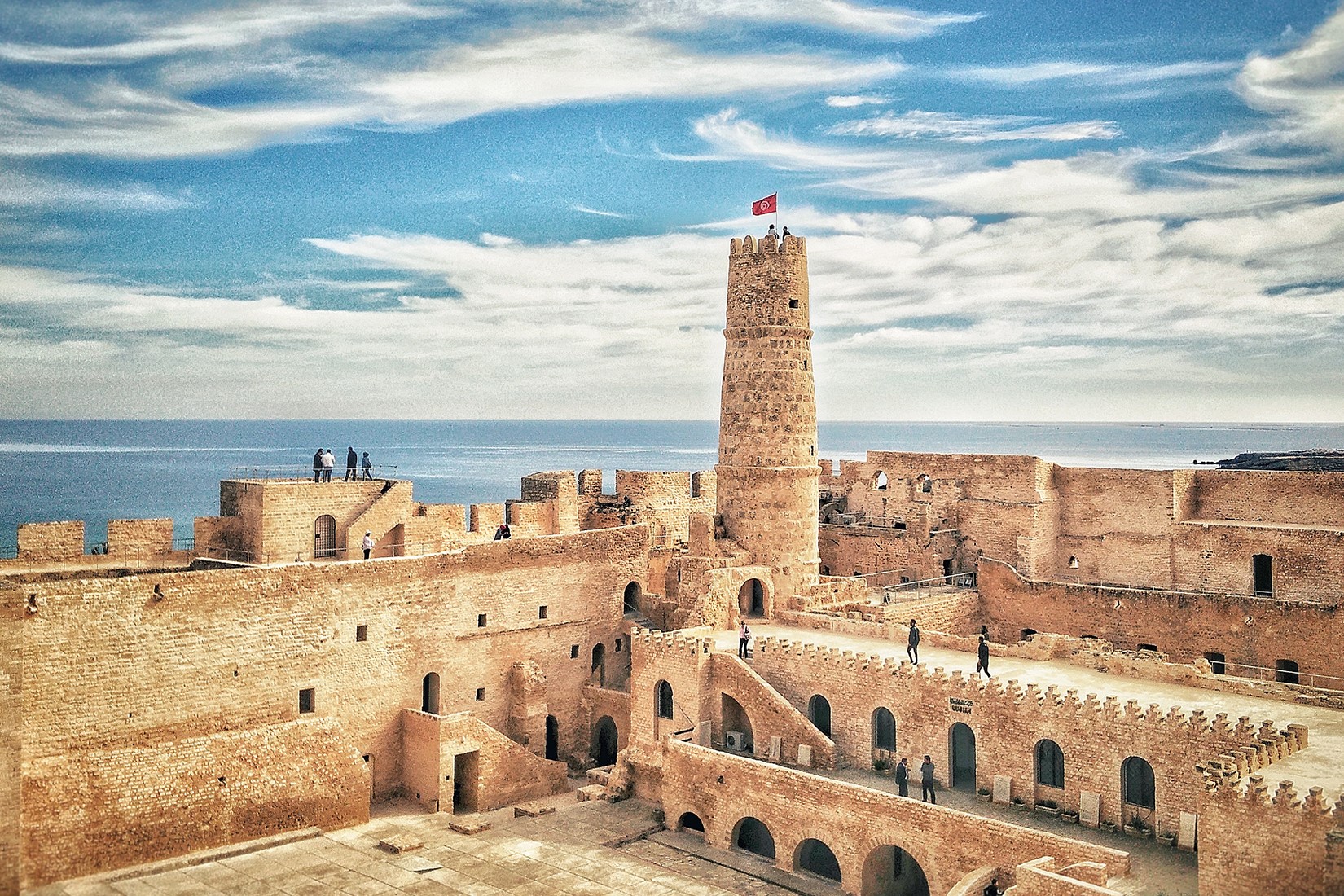
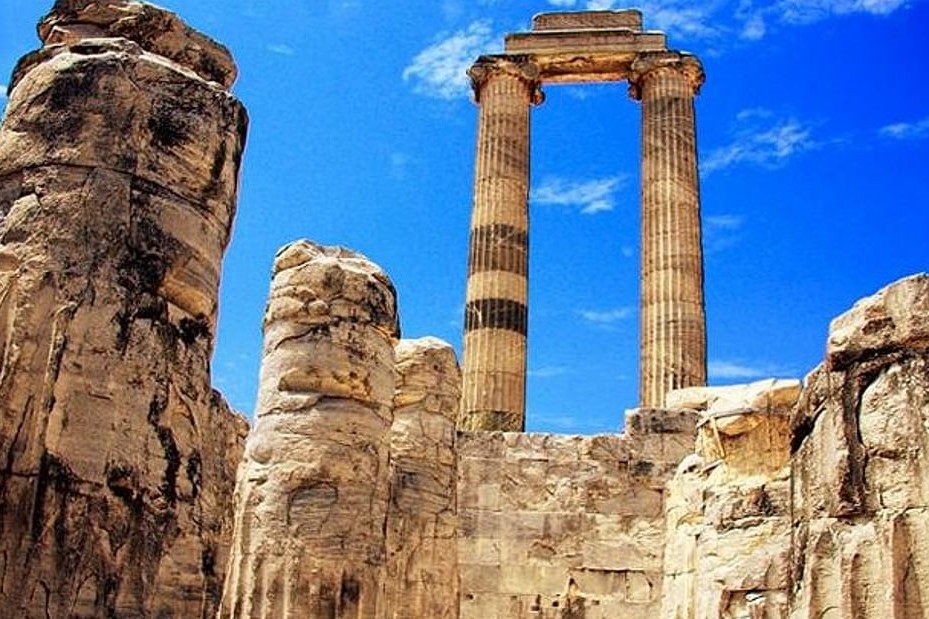
After flexible pick-up from your address, you'll be visiting the UNESCO-listed sites of Carthage, where history unfolds among magnificent ruins, including Punic and Roman temples, aqueducts, theaters, and Christian basilicas. With a knowledgeable guide, you'll dive into the rich stories behind these iconic sites.
Next, explore the enchanting village of Sidi Bou Said, home to the stunning Palace of the Baron. Enjoy the charming blue-and-white streets and breathtaking views over the bay of Tunis
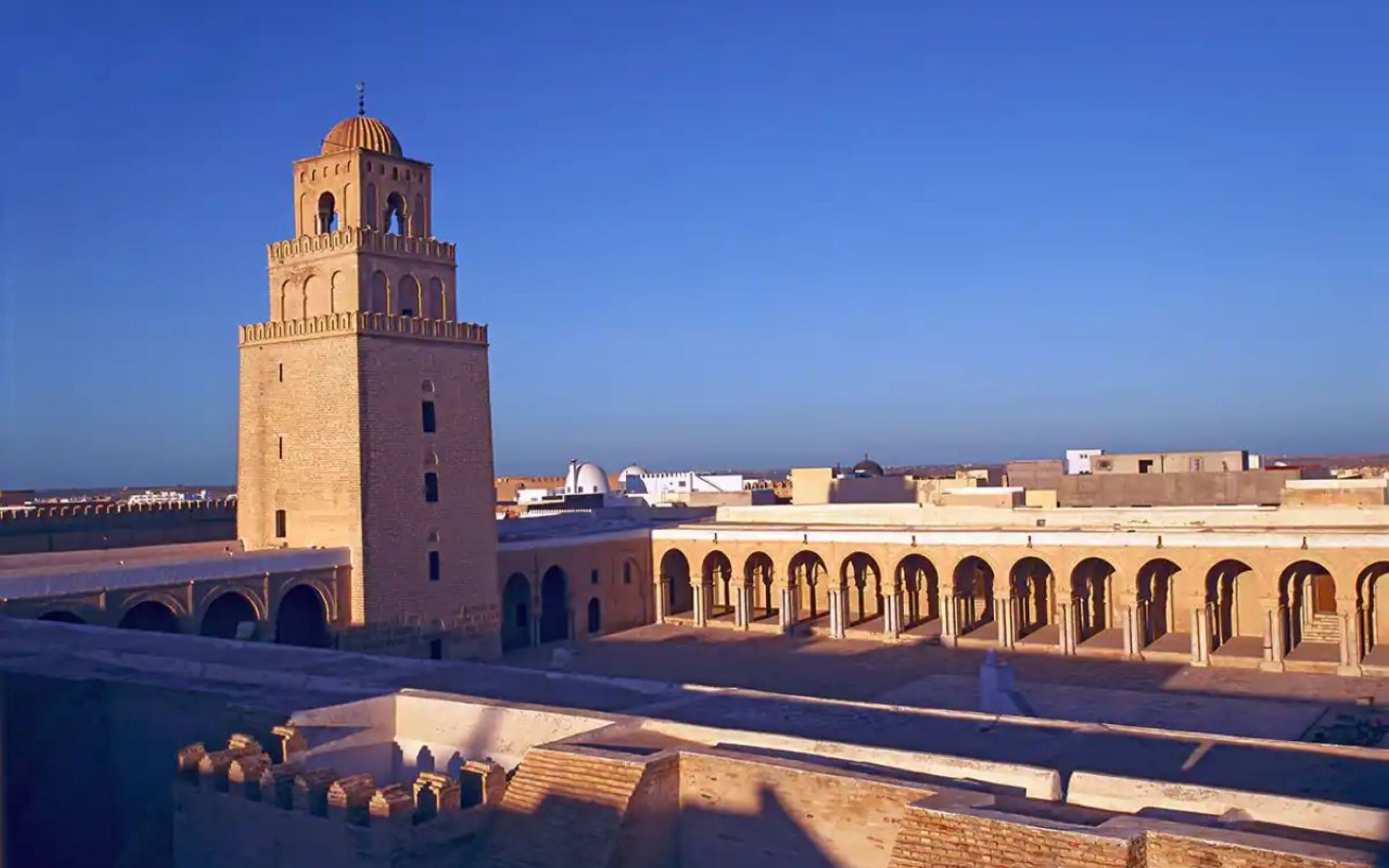
After a traditional lunch, embark on a guided tour of Tunis, the vibrant capital of Tunisia. Discover the Medina's hidden treasures—opulent palaces, historic religious schools, and beautiful mosques—in one of the most captivating medinas in the world, a UNESCO World Heritage site.
Don't miss the experience that will deepen your appreciation for Tunisia's extraordinary history and culture.
Available options
Bardo Museum included
Guided visit of Bardo Museum: our licensed official guide will provide a guided visit of Bardo museum for 1h30
<br/>Pickup included
What's included
Private transportation
Bottled water
WiFi on board
Licensed Tour guide
Air-conditioned vehicle
Detailed itinerary
1
Today, many historians consider that the place called “Tophet” could have been a children's cemetery.
One can imagine, in fact, that Carthaginian parents performed a special ritual there to the god Baal and to the “Lady Tanit”, the great maternal goddess, to dedicate their children who died in infancy to them.
But this, the images imposed by Flaubert were so strong that it took many years to admit it.
The giant statue of the “god Moloch”, the cruel priests, the flames of the stake, the barbaric rituals, the blood, and the cries covered the reality of the archaeological discoveries.
Even today, part of the site of Carthage is called “Tophet” or – more correctly – “Sanctuary of Tanit and Baal”. You can see many engraved stelae that the ancient Carthaginians once deposited when making a wish.
2
A guided visit on the shape of the legendary ports, the coveted basis of Carthage’s power and prosperity, remains. A narrow channel linked the southern, oblong merchant port to the northern circular naval port. This arrangement meant that the military port was hidden from the outside, but the Carthaginian navy could see out to sea. The military base had moorings for an incredible 220 vessels in dry docks and around the quay-lined edge. The 7-hectare commercial port was bordered by quays and warehouses.
The ports were filled in by Scipio after Carthage’s destruction in 146 BC, but in the 2nd century AD, the Romans reinvented the islet as a circular form, with two temples, and used the port to house their merchant fleet, which shipped wheat to Rome. Rises in the sea level meant the quay walls had to be raised several times. By the end of the 6th century, the harbor had fallen into disuse.
3
A large complex of Roman baths built in the 2nd century which is today part of an archaeological park.
4
In the center of the city of Carthage, the national museum of Carthage stands at the top of the hill of Byrsa, a symbolic location, where the ancient Punic city was built: we notice around the vestiges dating back to the 2nd century BC. We take advantage of the passage from the point of view of the surroundings. It is the oldest Tunisian museum since it was created in 1875: it serves as a witness to the important and numerous archaeological discoveries that have been made on the site of Carthage. We rediscover the turbulent history of this city which was the center of a rich civilization.
5
With its distinctive blue-and-white color scheme, cobbled streets, and jaw-dropping glimpses of azure waters, the cliff-top village of Sidi Bou Saïd is one of the prettiest spots in Tunisia. Named after a 13th-century Sufi saint, its distinctive architecture is a mix of the Ottoman and the Andalusian, a result of the influx of Spanish Muslims in the 16th century. For the French, the sleepy fishing village was a perfect depiction of the Orientalism romanticized by Europeans in the 19th century, and they committed to ensuring that its character – both real and imagined – was preserved (it was given protected status in 1915). Past residents and visitors include artist Paul Klee, author André Gide, philosopher Michel Foucault, and arty British eccentrics Osbert and Edith Sitwell. It still retains a sense of North African fantasia today, both for visitors and interestingly enough, for Tunisians themselves.
6
Stop 6
Guided tour of one of the most impressive medieval medinas in North Africa and one of Tunisia's great treasures. It's home to numerous covered souqs selling everything from shoes to shisha pipes, as well as bustling cafes, back streets full of artisans at work and residential areas punctuated by grand, brightly painted doorways. Historic palaces, hammams, mosques, and madrassas (schools for the study of the Quran) are scattered throughout, many lavishly decorated with tiles, carved stucco, and marble columns.
7
Stop 7
Optional for additional cost, your tour will include a guided visit of the interesting Bardo museum
What's not included
Lunch
Available languages
Guide guide
DE
EN
IT
PL
FR
ES
Reviews breakdown
Viator
5.0
6 reviews
5★
6
4★
0
3★
0
2★
0
1★
0
Tripadvisor
4.7
15 reviews
5★
13
4★
1
3★
0
2★
0
1★
1
Important information
Wheelchair accessible
Infants and small children can ride in a pram or stroller
Service animals allowed
Public transportation options are available nearby
Infants are required to sit on an adult’s lap
Transportation options are wheelchair accessible
All areas and surfaces are wheelchair accessible
Suitable for all physical fitness levels
About Tunis
Tunis, the capital of Tunisia, is a vibrant city where ancient history meets modern life. Known for its rich cultural heritage, bustling medinas, and Mediterranean charm, it offers a unique blend of Arab, African, and European influences. The city is a gateway to Tunisia's diverse landscapes, from the Sahara Desert to the coastal resorts of the Mediterranean.
Top Attractions
Medina of Tunis
The Medina of Tunis is a UNESCO World Heritage Site and one of the best-preserved medieval cities in the Arab world. It's a labyrinth of narrow streets filled with shops, mosques, and historic buildings.
Historical
Half day to full day
Free to explore, but entry fees for specific sites
Bardo National Museum
One of the most important museums in the Islamic world, the Bardo Museum houses an extensive collection of mosaics, artifacts, and historical exhibits.
Museum
2-3 hours
Moderate (around 10 TND or 3.50 USD)
Carthage
The ancient city of Carthage, founded by the Phoenicians, is a UNESCO World Heritage Site with ruins dating back to the 9th century BC.
Historical
Half day
Moderate (entry fees for specific sites)
Sidi Bou Said
A picturesque hilltop village known for its blue and white architecture, narrow streets, and stunning views of the Mediterranean Sea.
Cultural
Half day
Free to explore, but costs for cafes and shops
Must-Try Local Dishes
Brik
A crispy fried pastry filled with egg, tuna, parsley, and sometimes cheese.
Appetizer
Contains egg and seafood.
Lablabi
A traditional chickpea soup flavored with garlic, cumin, and harissa, often served with bread and a poached egg.
Soup
Vegetarian option available.
Tajine
A slow-cooked stew made with meat (chicken, lamb, or fish) and vegetables, seasoned with spices and served with bread.
Main Course
Vegetarian options available.
Makroudh
A sweet pastry made from semolina, filled with dates or almonds, and fried or baked, then soaked in honey syrup.
Dessert
Contains nuts and honey.
Popular Activities
Hiking in the surrounding hills and nature reserves
Water sports in the coastal areas
Spa treatments and hammams
Beach lounging
Exploring the medina and historic sites
Visiting museums and art galleries
Swimming and snorkeling in the Mediterranean Sea
Boat trips to nearby islands
Best Time to Visit
Spring (March to May) and Autumn (September to November)
These seasons offer the most comfortable weather for sightseeing and outdoor activities. The city is lively with cultural events and festivals.
15°C to 25°C
59°F to 77°F
Practical Information
Language
- Official: Arabic
- Widely spoken: French, English (in tourist areas)
- English: Moderately spoken in tourist areas, limited elsewhere
Currency
Tunisian Dinar (TND)
Time Zone
GMT+1 (Central European Time, CET)
Electricity
230VV, 50HzHz
Safety Information
Overall Safety Rating: Exercise caution
Tunis is generally safe for tourists, but petty crime and scams can occur, especially in crowded areas and tourist spots.
Important Precautions:
- • Be cautious of your surroundings, especially in crowded areas.
- • Use official taxis or reputable ride-hailing apps.
- • Keep valuables secure and out of sight.
Getting there
By air
- Tunis-Carthage International Airport • 8 km from city center
By train
Tunis Ville
By bus
Tunis City Bus Terminal, Tunis South Bus Terminal
Getting around
Public transport
The metro is efficient and air-conditioned, making it a comfortable option for travelers.
Taxis
Available • Apps: InDrive
Rentals
Car, Bike, Scooter
Neighborhoods
Bab El Bahr
La Marsa
Day trips
Sousse
140 km from Tunis • Full day
A coastal city known for its historic medina, beautiful beaches, and the impressive Ribat of Sousse.
Hammamet
60 km from Tunis • Full day
A popular resort town known for its beautiful beaches, luxury hotels, and the picturesque Medina of Hammamet.
El Djem
200 km from Tunis • Full day
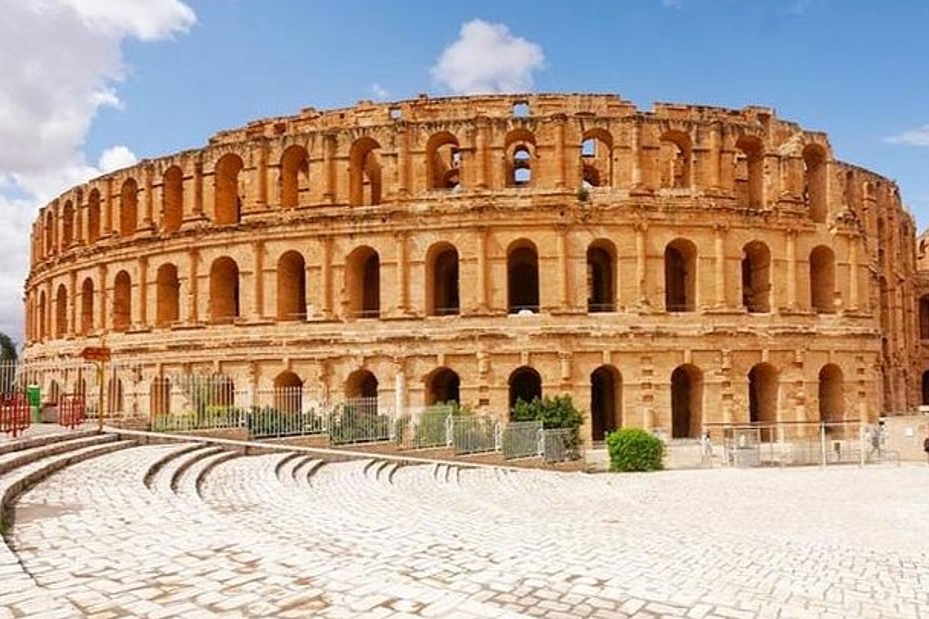
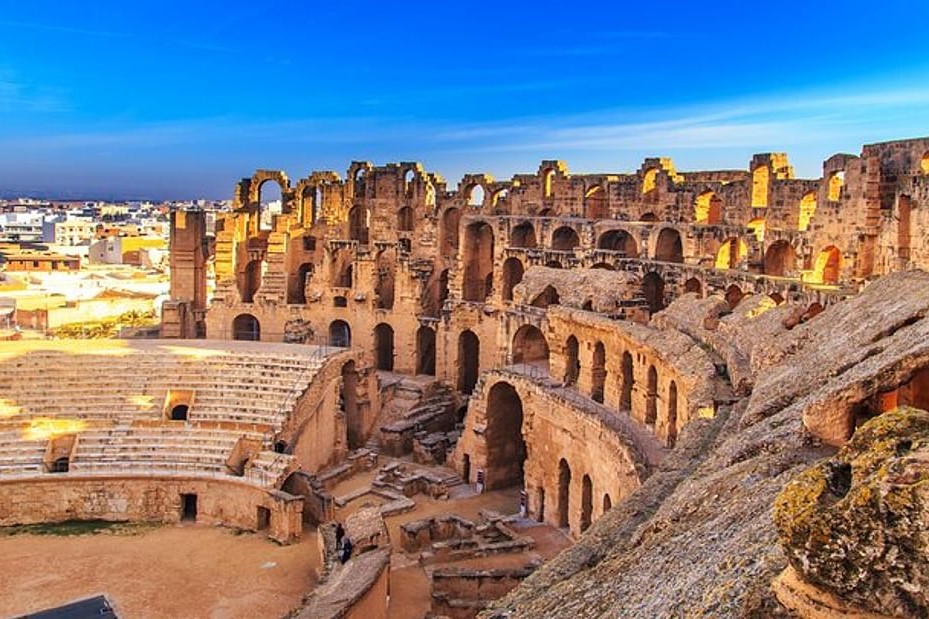
Home to the impressive Roman amphitheater, El Djem is a UNESCO World Heritage Site offering a glimpse into Tunisia's Roman past.
Festivals
Tunis International Festival • July
Carthage International Film Festival • October
Pro tips
- Learn a few basic Arabic phrases to enhance your interaction with locals.
- Visit the medina early in the morning or late in the afternoon to avoid the heat and crowds.
- Try local street food for an authentic and affordable culinary experience.
- Bargain politely when shopping in the souks, but always be respectful and friendly.
- Use official taxis or reputable ride-hailing apps for safe and reliable transportation.
From $25
per person
Price varies by option
Secure booking
Free cancellation available
Instant confirmation