El Djem UNESCO Colosseum & Mahdia Fatimid Medina Daytrip
Active
7h
For a full refund, cancel at least 24 hours before the scheduled departure time.
Instant confirmation
Mobile or paper ticket accepted
About this experience
Discover the coastal elegance and layered history of Mahdia on a full-day journey from Tunis, Sousse, or Hammamet.
Once the capital of the Fatimid Caliphate, Mahdia reveals its past through remarkable architectural landmarks, scenic seafronts, and authentic local culture.
Explore Mahdia’s Fatimid medina, Great Mosque, and historic ramparts with a local guide.
Visit the ancient Punic port, Bordj El Kébir fortress, and archaeological museum.
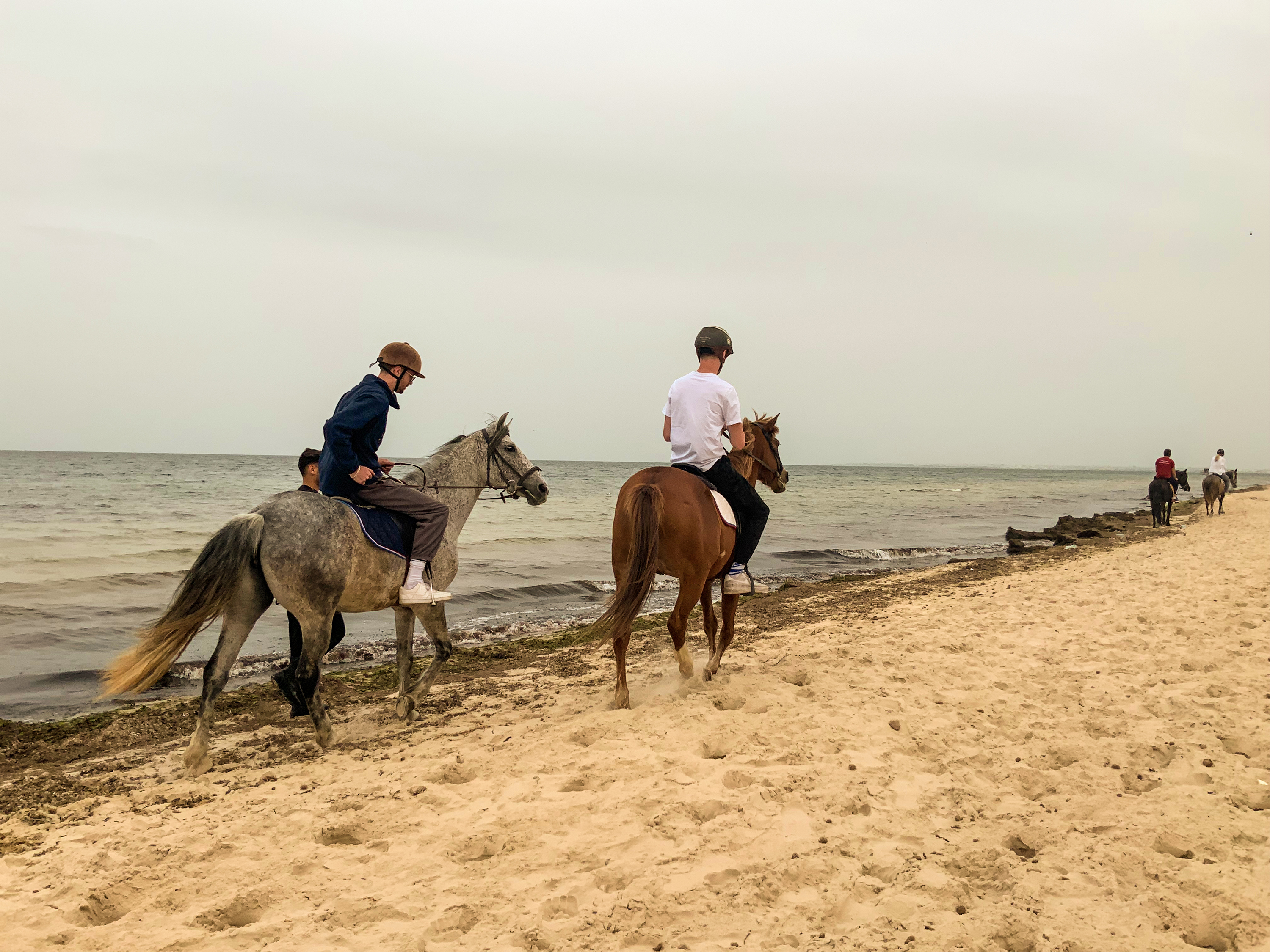
Admire white-sand beaches and turquoise waters, perfect for photos and relaxation.
Savor fresh Mediterranean seafood in an authentic local setting.
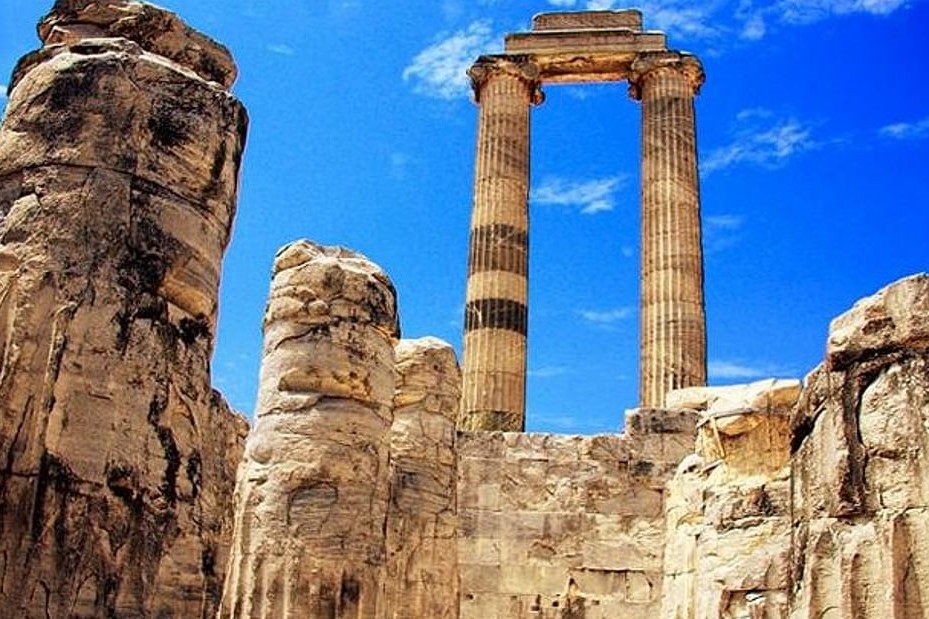
Discover the UNESCO-listed El Djem Colosseum, one of the world’s best-preserved Roman amphitheaters.
Enjoy a scenic drive through olive groves in a comfortable, private small-group experience.the
Available options
El Djem UNESCO Colosseum & Mahdia Fatimid Medina Daytrip
Pickup included
What's included
Private transportation
WiFi on board
All Fees and Taxes
Air-conditioned vehicle
Detailed itinerary
1
Skifa El Kahla is a huge gate dating originally to the tenth century. It is still one of the access points to the historic center of the city of Mahdia and one of the rare remains of the old city walls, located in the center of the old citadel. The Skifa is part of the system of ramparts rebuilt by the Turks at the end of the 16th century. Gate of the fortified city, the Skifa el Kahla was the main tower of the 2nd line of defense to bar access to the city.
2
Installed at the entrance to the old town in old renovated town hall premises, this museum is as much a reflection of the general history of the country to which the city has contributed by a good chapter, as that, more specific, From Mahdia herself.
Under the first part, the museum returns to us, on the ground floor, objects dating back to Libyco-Punic and Roman-African antiquity while part of the floor is dedicated to the legacy of the Byzantine and Islamic. Greek civilization is represented by two marble columns, partly gnawed by mollusks and coming from a Roman wreck loaded with war booty that was wrecked off Mahdia and most of the cargo, recovered in the 1940s, is exhibited in the 'Mahdia' wing of the Bardo museum.
Under the second part, the floor gives us a large number of handicrafts (carved and painted woodwork, mosaics, ornate stucco, ceramics, earthenware, treasures, and jewels)
3
Mahdia, a city with a glorious past - it was the first capital of the Fatimid caliphs in the 10th century -, is built flush with rock on a thin peninsula. She pulls everything, its charm of its sapphire-colored sea, of its superb beaches, its medina and its
animation of traditional small town, the town of fishermen and silk weavers.
4
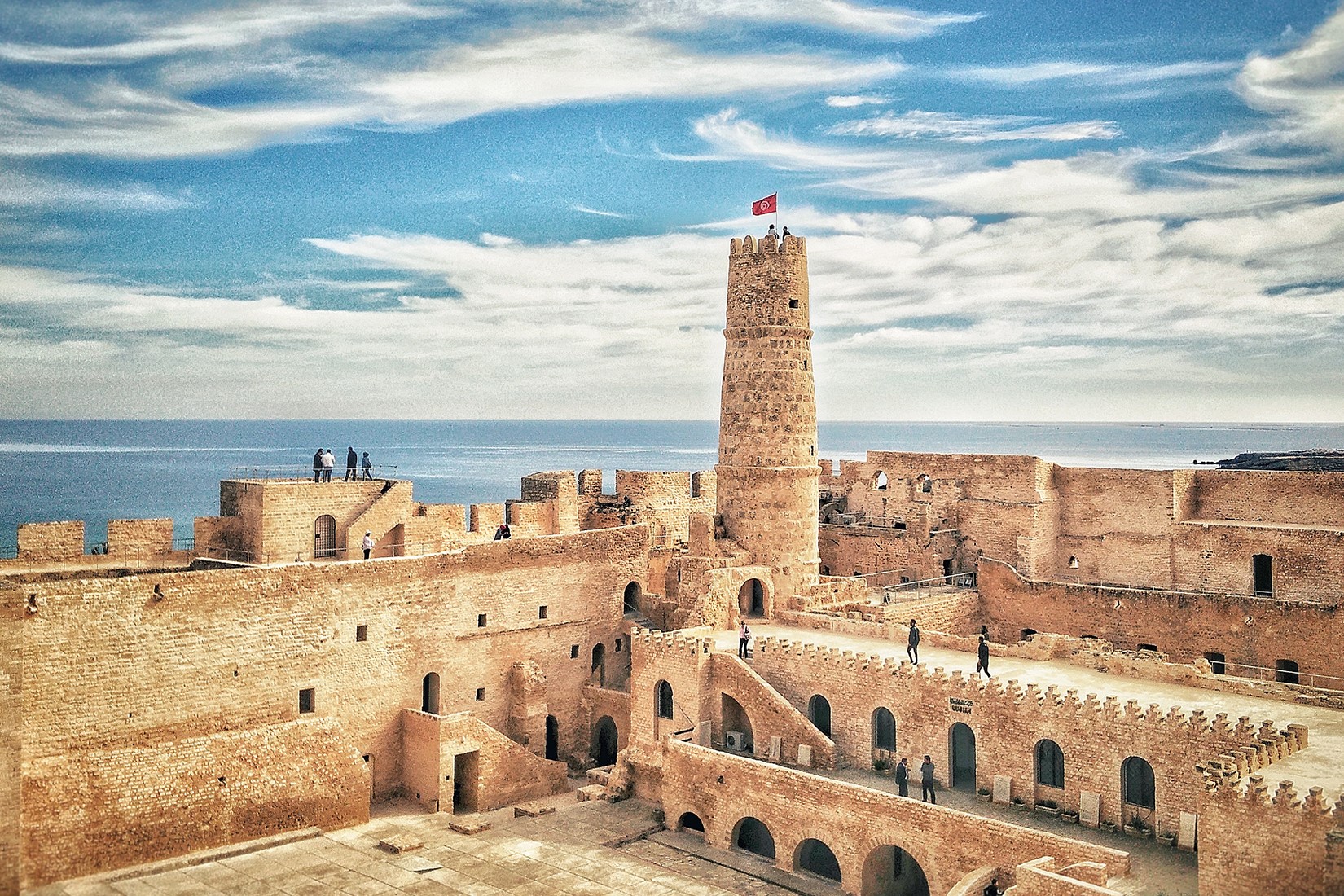
This Borj, also known as a Kasbah, is a fortress that was erected at the end of the 16th century on the site of an ancient Fatimid palace and is considered to be one of the finest examples of Ottoman military architecture.
Founded on a quadrangular plan and later endowed with bastions of angles, the building is surrounded by a powerful wall originally pierced with a single entrance (after its reassignment for prison use, another access was there Built in the 19th century). This door gives access, by a vaulted and bent passage, to a courtyard on which give rooms, also vaulted.
At the southeast corner of this courtyard, an oratory of previous construction that has been saved and integrated into the building.
5
Built by Obeid Allah el Mehdi between 909 and 934, this is the first Fatimid mosque. No minaret, the call of the imam is from one of the two towers. It was transformed under the Spanish occupation into a sanctuary. The only part dating from the 10th century is its northern part. It was redesigned according to the original plan as part of the major restoration work initiated by President Bourguiba in 1964, on land reclaimed from the sea.
6
Experience the awe-inspiring grandeur of the El Jem Amphitheatre, a UNESCO World Heritage Site in Tunisia. Step back in time as you stand amidst the imposing walls of this ancient Roman Coliseum, marveling at its remarkable preservation and architectural splendor. Imagine the roar of the crowds and the spectacle of gladiator fights that once filled its arena. With its imposing presence and rich history, the El Jem Amphitheatre promises an unforgettable journey into the past for travelers seeking to discover the wonders of ancient Tunisia.
7
Explore on a guide visit the fascinating archeological museum of El-Jem, discover marvelous Roman mosaics and Visit the Roman "Domus" house of Africa
What's not included
Lunch
Available languages
Guide guide
DE
EN
IT
PL
FR
Reviews breakdown
Viator
1.0
1 reviews
5★
0
4★
0
3★
0
2★
0
1★
1
Tripadvisor
4.2
5 reviews
5★
4
4★
0
3★
0
2★
0
1★
1
Important information
Wheelchair accessible
Infants and small children can ride in a pram or stroller
Service animals allowed
Public transportation options are available nearby
Specialized infant seats are available
Transportation options are wheelchair accessible
All areas and surfaces are wheelchair accessible
Suitable for all physical fitness levels
About Tunis
Tunis, the capital of Tunisia, is a vibrant city where ancient history meets modern life. Known for its rich cultural heritage, bustling medinas, and Mediterranean charm, it offers a unique blend of Arab, African, and European influences. The city is a gateway to Tunisia's diverse landscapes, from the Sahara Desert to the coastal resorts of the Mediterranean.
Top Attractions
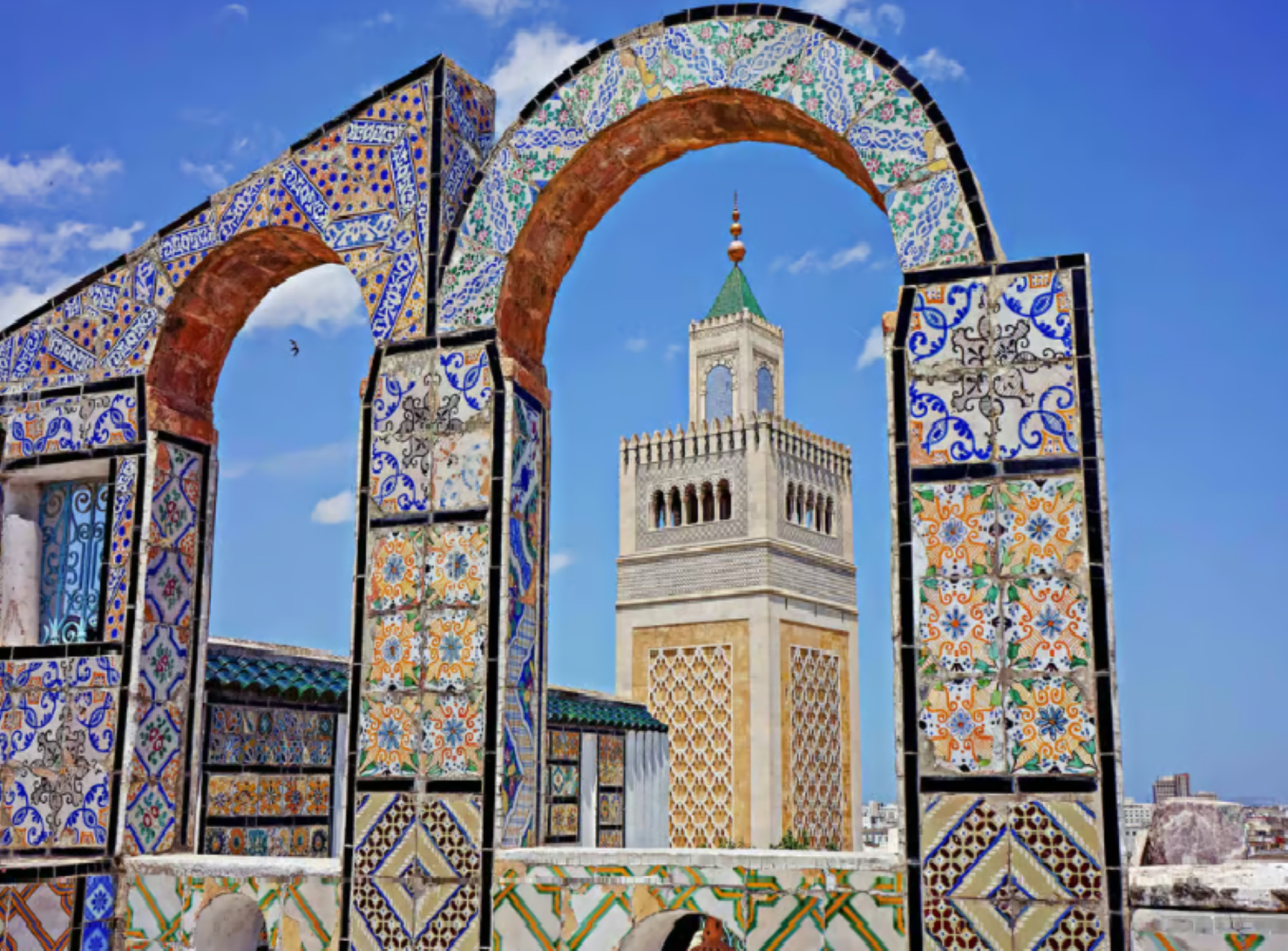
Medina of Tunis
The Medina of Tunis is a UNESCO World Heritage Site and one of the best-preserved medieval cities in the Arab world. It's a labyrinth of narrow streets filled with shops, mosques, and historic buildings.
Historical
Half day to full day
Free to explore, but entry fees for specific sites
Bardo National Museum
One of the most important museums in the Islamic world, the Bardo Museum houses an extensive collection of mosaics, artifacts, and historical exhibits.
Museum
2-3 hours
Moderate (around 10 TND or 3.50 USD)
Carthage
The ancient city of Carthage, founded by the Phoenicians, is a UNESCO World Heritage Site with ruins dating back to the 9th century BC.
Historical
Half day
Moderate (entry fees for specific sites)
Sidi Bou Said
A picturesque hilltop village known for its blue and white architecture, narrow streets, and stunning views of the Mediterranean Sea.
Cultural
Half day
Free to explore, but costs for cafes and shops
Must-Try Local Dishes
Brik
A crispy fried pastry filled with egg, tuna, parsley, and sometimes cheese.
Appetizer
Contains egg and seafood.
Lablabi
A traditional chickpea soup flavored with garlic, cumin, and harissa, often served with bread and a poached egg.
Soup
Vegetarian option available.
Tajine
A slow-cooked stew made with meat (chicken, lamb, or fish) and vegetables, seasoned with spices and served with bread.
Main Course
Vegetarian options available.
Makroudh
A sweet pastry made from semolina, filled with dates or almonds, and fried or baked, then soaked in honey syrup.
Dessert
Contains nuts and honey.
Popular Activities
Hiking in the surrounding hills and nature reserves
Water sports in the coastal areas
Spa treatments and hammams
Beach lounging
Exploring the medina and historic sites
Visiting museums and art galleries
Swimming and snorkeling in the Mediterranean Sea
Boat trips to nearby islands
Best Time to Visit
Spring (March to May) and Autumn (September to November)
These seasons offer the most comfortable weather for sightseeing and outdoor activities. The city is lively with cultural events and festivals.
15°C to 25°C
59°F to 77°F
Practical Information
Language
- Official: Arabic
- Widely spoken: French, English (in tourist areas)
- English: Moderately spoken in tourist areas, limited elsewhere
Currency
Tunisian Dinar (TND)
Time Zone
GMT+1 (Central European Time, CET)
Electricity
230VV, 50HzHz
Safety Information
Overall Safety Rating: Exercise caution
Tunis is generally safe for tourists, but petty crime and scams can occur, especially in crowded areas and tourist spots.
Important Precautions:
- • Be cautious of your surroundings, especially in crowded areas.
- • Use official taxis or reputable ride-hailing apps.
- • Keep valuables secure and out of sight.
Getting there
By air
- Tunis-Carthage International Airport • 8 km from city center
By train
Tunis Ville
By bus
Tunis City Bus Terminal, Tunis South Bus Terminal
Getting around
Public transport
The metro is efficient and air-conditioned, making it a comfortable option for travelers.
Taxis
Available • Apps: InDrive
Rentals
Car, Bike, Scooter
Neighborhoods
Bab El Bahr
La Marsa
Day trips
Sousse
140 km from Tunis • Full day
A coastal city known for its historic medina, beautiful beaches, and the impressive Ribat of Sousse.
Hammamet
60 km from Tunis • Full day
A popular resort town known for its beautiful beaches, luxury hotels, and the picturesque Medina of Hammamet.
El Djem
200 km from Tunis • Full day
Home to the impressive Roman amphitheater, El Djem is a UNESCO World Heritage Site offering a glimpse into Tunisia's Roman past.
Festivals
Tunis International Festival • July
Carthage International Film Festival • October
Pro tips
- Learn a few basic Arabic phrases to enhance your interaction with locals.
- Visit the medina early in the morning or late in the afternoon to avoid the heat and crowds.
- Try local street food for an authentic and affordable culinary experience.
- Bargain politely when shopping in the souks, but always be respectful and friendly.
- Use official taxis or reputable ride-hailing apps for safe and reliable transportation.
From $25
per person
Price varies by option
Secure booking
Free cancellation available
Instant confirmation