Immersive Historic City Center Tour in Rio de Janeiro
Active
6h
For a full refund, cancel at least 24 hours before the scheduled departure time.
Instant confirmation
Mobile or paper ticket accepted
About this experience
Explore the rich history of downtown Rio de Janeiro, where the city was founded in 1565. Discover important landmarks such as the Imperial Palace, National Library, and stunning neo-gothic architecture while uncovering stories of Brazil's past, including imperialism and local revolutions. This immersive tour provides insights into Rio's cultural heritage through visits to historic sites like Paço Imperial and the Municipal Theater, ending with a classic Brazilian lunch at Beco das Sardinhas.
- Visit key historical sites including Praça XV, Real Convento de Santo Antônio, and the Tiradentes Palace.
- Enjoy a local Brazilian lunch at a popular neighborhood spot
- Learn about Brazil's history and architecture from knowledgeable guides who love the city.
- Tour duration from 8:30 AM to 2 PM, includes all entrance fees
Available options
Immersive Historic City Center Tour in Rio de Janeiro
What's included
Entrance fees to all attractions are included.
Detailed itinerary
1
Stop 1
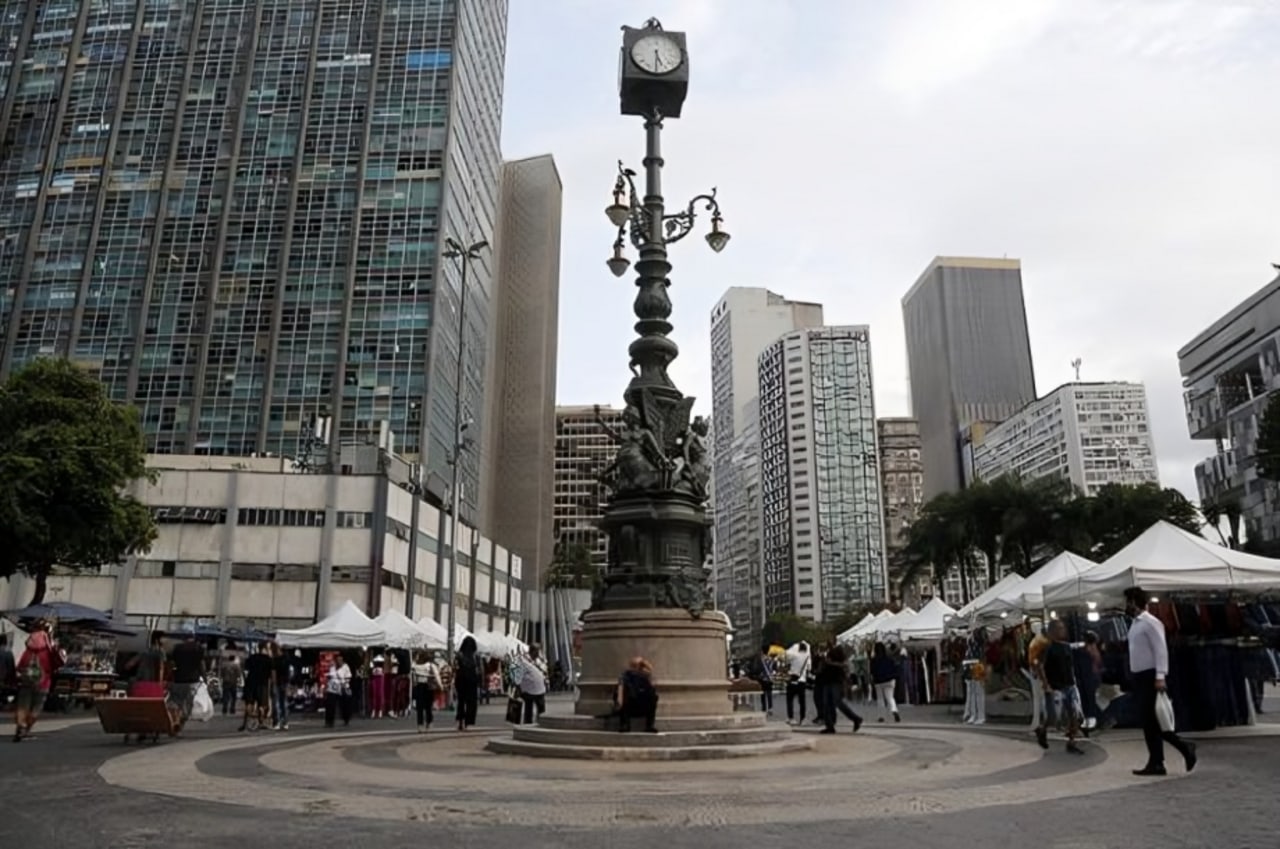
Here we will learn about Cinelândia and the main theater + why the neighborhood is called cinema land.
2
The Convent and Church of Saint Antony is a former Franciscan church and convent in Cachoeira, Bahia, Brazil. Construction on the church was likely completed in 1658. The church is dedicated to Saint Anthony of Padua and constructed in the Baroque style with a Rococo frontispiece.
3
Stop 3
The Royal Portuguese Reading Room (Real Gabinete Português de Leitura) was founded in Rio de Janeiro in 1837 by a group of Portuguese immigrants who wanted to create a cultural and literary center for the community. Its current Neo-Manueline headquarters was built between 1880 and 1887, featuring architec- ture inspired by the Portuguese discoveries and inaugurated by the Brazilian imperial family. Today, it is one of the world's most beautiful libraries, housing an extensive collection of Portuguese works and open to the public.
4
Stop 4
The Telles Arch in Rio de Janeiro was built in 1743 by order of Portuguese judge Francisco Telles de Menezes, so that the judge's houses could serve as a passageway between Praça XV and Travessa do Comércio. The arch was declared a Historic Heritage Site by IPHAN in 1938, survived a major fire in 1790 that destroyed the Senate building and archives, and today is a historic and tourist landmark of the city, known for its bohemian and cultural atmosphere.
5
Stop 5
The Paço Imperial is a historic building in Rio de Janeiro with immense historical and cultural importance, having served as the residence of governors, the Portuguese Royal Family, and the Imperial family, as well as the site of significant events like Brazil's declaration of independence and the abolition of slavery. Originally the residence of colonial governors, it became the Royal Palace for the Portuguese court in 1808 and later the Imperial Palace, a center for governmental affairs and a stage for pivotal moments in Brazilian history, including the signing of the Lei Aurea in 1888. Today, it functions as a cultural center housing exhibitions, concerts, restaurants, and a specialized library, preserving its
Legacy as a symbol of Brazil's rich past.
6
Stop 6
The Tiradentes Palace in Rio
de Janeiro, named after the revolutionary Tiradentes, was the former seat of the Brazilian National Congress (1926-1960) and is now the home of the Legislative Assembly of the State of Rio de Janeiro. Inaugurated in 1926, the building is a significant architectural landmark repres- enting Eclecticism and the historical memory of Brazil, with its history inter- twined with the Cadeia Velha, the city's old jail where Tiradentes was held. Its import- ance lies in its past as the center of Brazilian federal power and its current role as a symbol of the state's democracy and a site for political history exhibitions.
7
Stop 7
A history of how this church came to be! Very wild.
8
Pedra do Sal (Salt Stone) in
Rio de Janeiro is a historic- ally significant site known as the birthplace of samba and a symbol of Afro- Brazilian culture, where enslaved Africans once worked and later gathered to de- velop the music genre. Historically, it served as a salt trading post and later as a point for loading extracted stones for port construction during Brazil's colonial and slave eras. Its importance lies in its role as a center for African-Brazilian communities, religious practices, and the development of samba, and it remains a vibrant cultural hub with a weekly samba circle and a growing recognition as a significant heritage site
9
The Cais do Valongo is an
archaeological site in Rio de Janeiro, Brazil, that served as the principal entry point for enslaved Africans in the Americas. Discovered in 2011, the site fea- tures multiple layers of historical cobble- stones, with the lowest dating to 1811 when the wharf was built to concentrate slave disembarkations. Its importance lies in its status as the most comprehensive physical remnant of the Atlantic slave trade, a site of conscience that evokes collective memory, and a UNESCO World Heritage site since 2017, symbolizing the suffering and resili- ence of African descendants and celebrat- ing Afro-Brazilian heritage.
What's not included
Any drinks or lunch will not be included and paid apart.
Available languages
Guide guide
EN
Important information
Infants and small children can ride in a pram or stroller
Public transportation options are available nearby
Not recommended for travelers with poor cardiovascular health
Suitable for all physical fitness levels
Meeting point
We will meet at the entrance or inside the STARBUCKS coffee shop (Address above). This location has wi-fi as well as security for anyone who doesn't want to wait outside in the public square (Cinelândia). The meet up location is safe and with plenty of people and movement.
About Rio de Janeiro
Rio de Janeiro, known as the 'Marvelous City,' is famous for its natural settings, Carnival, samba, bossa nova, and Balneario beaches such as Copacabana and Ipanema. It's a vibrant city with a rich cultural heritage and stunning landscapes, including the iconic Christ the Redeemer statue and Sugarloaf Mountain.
Top Attractions
Christ the Redeemer
One of the New Seven Wonders of the World, this iconic statue offers breathtaking views of Rio de Janeiro.
Historical/Religious
2-3 hours
R$84 (including train ticket)
Sugarloaf Mountain
A famous peak offering stunning views of Rio de Janeiro and its beaches.
Nature
2-3 hours
R$88 (round-trip cable car)
Copacabana Beach
One of the most famous beaches in the world, known for its vibrant atmosphere and beautiful sunsets.
Beach
Half day or full day
Free
Tijuca National Park
The world's largest urban forest, offering hiking trails, waterfalls, and diverse wildlife.
Nature
Half day or full day
Free (some attractions may have fees)
Santa Teresa
A historic and bohemian neighborhood known for its cobblestone streets, art galleries, and scenic views.
Cultural
Half day
Free to explore
Must-Try Local Dishes
Feijoada
A hearty stew made with black beans and various cuts of pork, often served with rice, collard greens, and orange slices.
Dinner
Contains pork, not suitable for vegetarians or vegans.
Pão de Queijo
Cheese bread made with tapioca flour, giving it a unique texture and flavor.
Snack
Vegetarian, but contains dairy.
Moqueca
A traditional fish stew cooked in coconut milk and dendê oil, with various seafood and vegetables.
Dinner
Can be made vegetarian or vegan with vegetable broth and tofu.
Açaí
A thick, creamy fruit pulp from the açaí palm, often served with granola and condensed milk.
Dessert/Drink
Can be made vegan with plant-based milk.
Popular Activities
Hiking in Tijuca National Park
Surfing in Arpoador
Paragliding in Pedra Bonita
Beach lounging in Ipanema
Spa treatments in Copacabana
Yoga in Botafogo
Visiting museums in Centro
Attending a samba show
Best Time to Visit
December to March
This is the peak tourist season with warm weather and the famous Carnival in February/March. Expect crowded beaches and higher prices.
25-30°C
77-86°F
Practical Information
Language
- Official: Portuguese
- Widely spoken: English (limited)
- English: Limited
Currency
Brazilian Real (BRL)
Time Zone
GMT-3 (Brasília Time)
Electricity
110V/220VV, 60HzHz
Safety Information
Overall Safety Rating: Exercise caution
Rio de Janeiro is generally safe for tourists, but petty crime and violence can occur. Exercise caution, especially in less touristy areas and at night.
Important Precautions:
- • Avoid walking alone at night in unsafe areas
- • Use common sense and stay alert to your surroundings
- • Keep valuables secure and out of sight
Getting there
By air
- Rio de Janeiro-Galeão International Airport • 20 km (12 miles) from city center
- Santos Dumont Airport • 12 km (7.5 miles) from city center
By train
Central do Brasil
By bus
Rodoviária Novo Rio, Terminal Rodoviário da Gavea
Getting around
Public transport
Efficient and air-conditioned, the metro is a great way to avoid traffic.
Taxis
Available • Apps: Uber, 99 Taxis
Rentals
Car, Bike, Scooter
Neighborhoods
Copacabana
Ipanema
Santa Teresa
Lapa
Botafogo
Day trips
Petrópolis
65 km (40 miles) • Full day
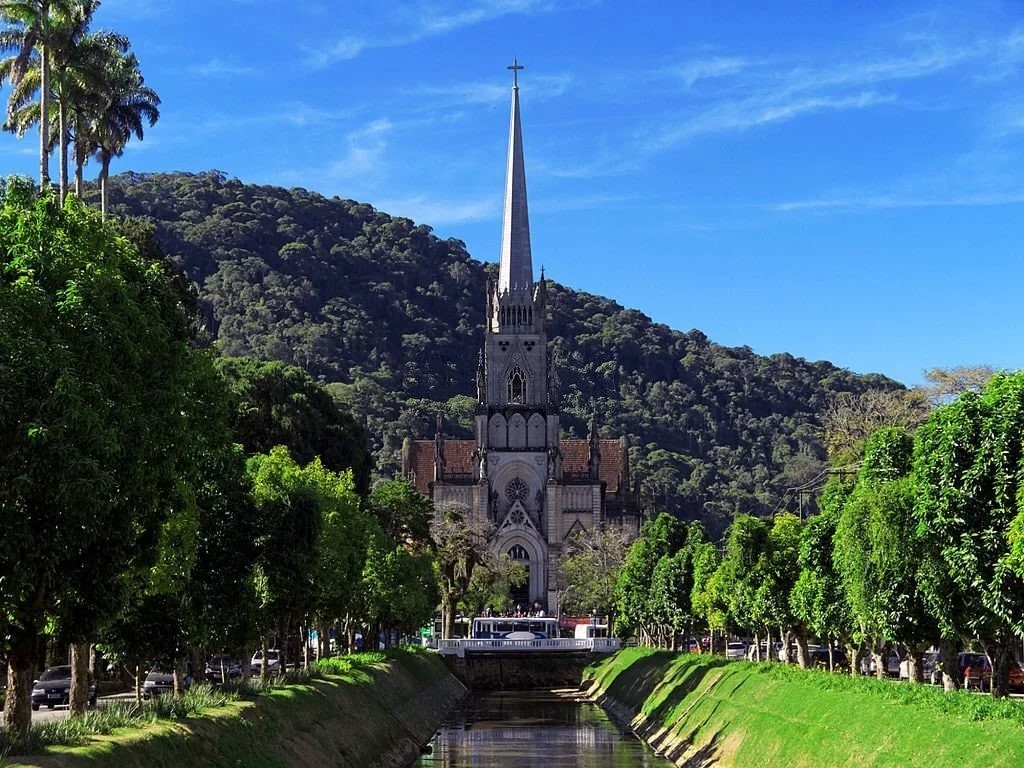
A charming colonial town in the mountains, known for its historic architecture and cool climate.
Paraty
170 km (105 miles) • Full day or overnight
A historic coastal town with cobblestone streets, colonial architecture, and beautiful beaches.
Búzios
170 km (105 miles) • Full day or overnight
A picturesque beach town known for its stunning beaches, clear waters, and vibrant nightlife.
Festivals
Carnival • February/March (dates vary)
Rio Carnival Samba Parade • February/March (dates vary)
New Year's Eve (Réveillon) • December 31
Pro tips
- Visit Christ the Redeemer early in the morning to avoid crowds and enjoy the best views
- Take a helicopter tour for a unique perspective of the city
- Explore the less touristy neighborhoods like Santa Teresa and Botafogo for a more authentic experience
- Try local street food like pão de queijo and coxinha for a taste of Brazilian flavors
- Learn some basic Portuguese phrases to enhance your interactions with locals
From $25
per person
Price varies by option
Secure booking
Free cancellation available
Instant confirmation