Pico Mountain - Group> 4
Active
8h - 12h
All sales are final. No refund is available for cancellations.
Instant confirmation
Mobile or paper ticket accepted
About this experience
If you have accepted the challenge of climbing Pico Mountain, congratulations!
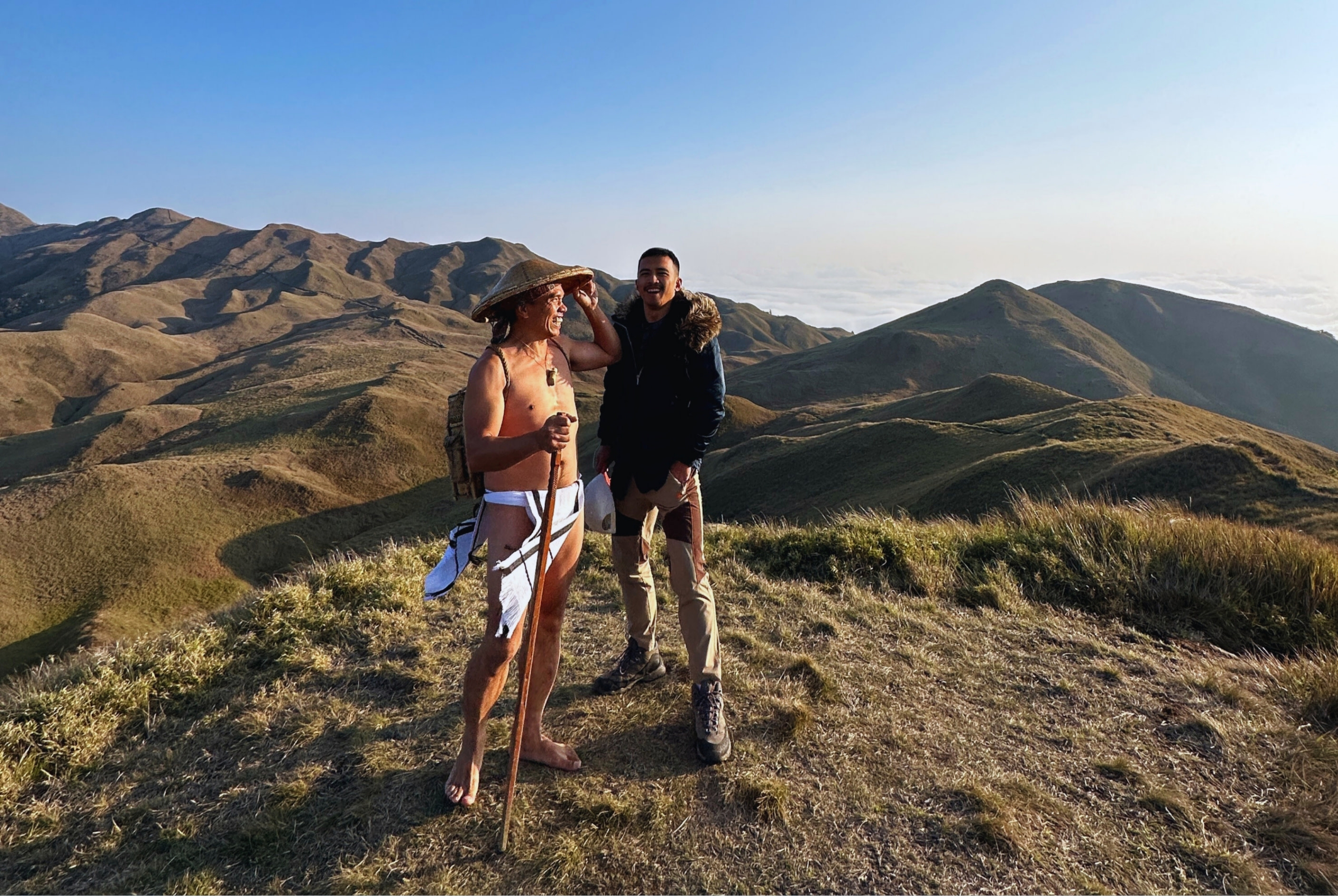
With us, the climb will be at your pace with a dedicated Guide. Calm down because we have all day just for you.
Meeting at the "Mountain House", if you do not want "transfer included", it is time to check if we all have the proper equipment, protection, food, water and of course, the camera.
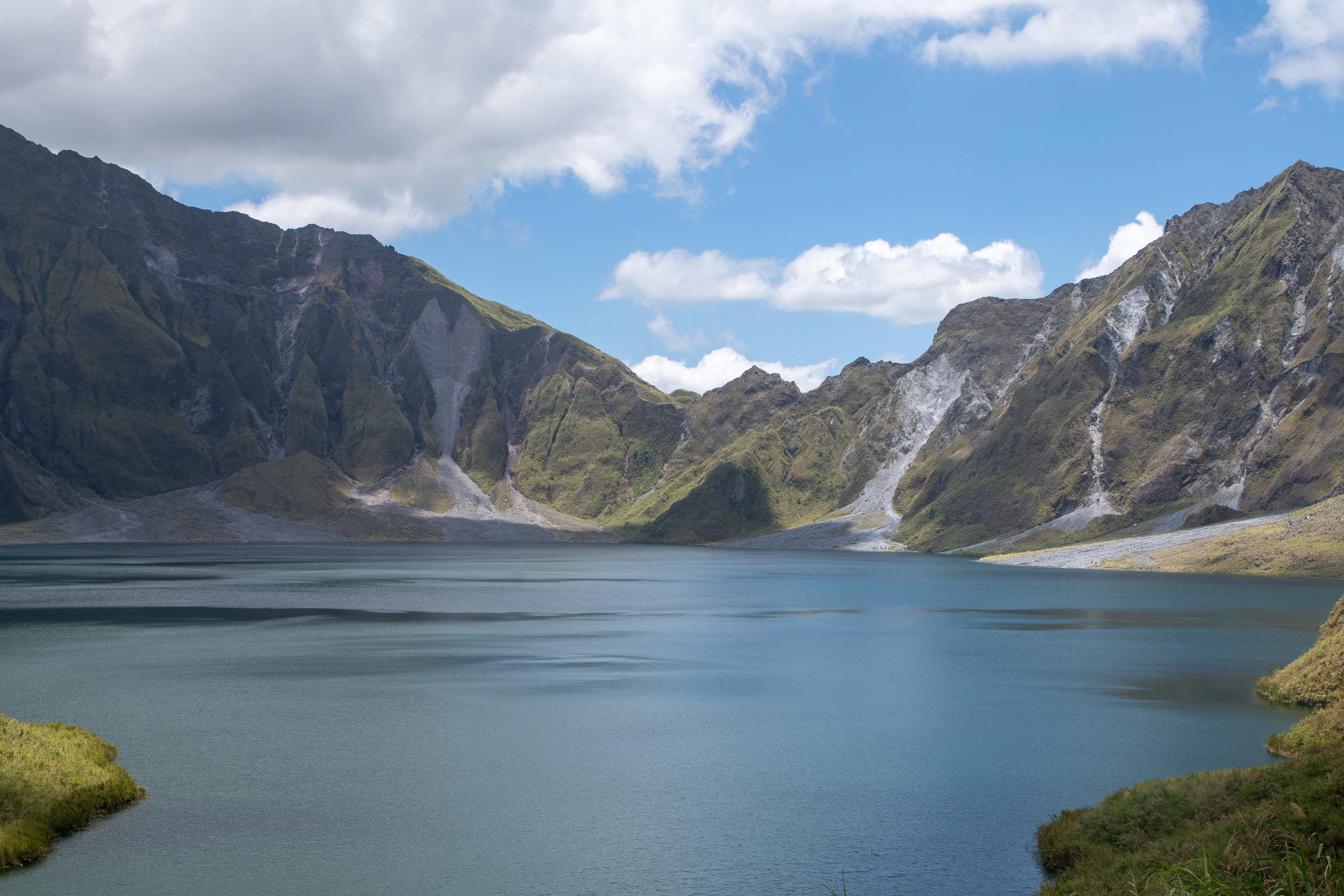
Our guide will accompany you along a trail, much of it in very irregular volcanic rock, which will require some effort and care. . Reaching the summit, the effort is rewarded by breathtaking, breathtaking landscapes.
First the crater, then the last stage: the Piquinho. This, with its 70 m high, will give more "fight" but inevitable to achieve the goal: 2351 m altitude, the highest point of the island of Pico, the Azores and Portugal. You will also see the 'fumaroles' that show the grandeur of the (dormant) volcano.
Land Tours wishes you a good climb!
Available options
Pico Mountain - Group> 4
Pickup included
What's included
Mountain Entrance Fee
Personal accident insurance
All Fees and Taxes
Accredited guide who can be a driver
Detailed itinerary
1
Visitor Center
2
Climb to the highest point of Portugal
Available languages
Guide guide
EN
Written guide
EN
Reviews breakdown
Tripadvisor
4.7
3 reviews
5★
2
4★
1
3★
0
2★
0
1★
0
Important information
Not recommended for travelers with spinal injuries
Not recommended for travelers with poor cardiovascular health
Not recommended for pregnant travelers
Travelers should have a high level of physical fitness
Meeting point
Visitor Center
About Pico
Pico is the second-largest and most populous island in the Azores archipelago. Known for its dramatic landscapes, including the towering Mount Pico, a UNESCO World Heritage Site, the island offers a mix of natural beauty, volcanic landscapes, and rich cultural heritage. It's a paradise for outdoor enthusiasts and those seeking a serene, off-the-beaten-path destination.
Top Attractions
Mount Pico
Mount Pico is the highest mountain in Portugal and a UNESCO World Heritage Site. It offers challenging hikes and stunning views from the summit. The climb is popular among experienced hikers and requires preparation and permits.
Nature
Full day for the ascent and descent
Permit required: €50-€70 (varies by season)
Lajido da Ribeirinha
A stunning volcanic landscape with unique rock formations and lava fields. It's a popular spot for photography and short hikes.
Nature
1-2 hours
Free
Whale Watching in Lajes do Pico
Pico is one of the best places in the world for whale watching. Lajes do Pico is a hub for whale-watching tours, offering opportunities to see various species, including sperm whales, blue whales, and dolphins.
Adventure
3-4 hours
€50-€80 per person
Grottoes of Santo António
A series of volcanic caves and tunnels formed by ancient lava flows. The grottoes are accessible by boat and offer a unique glimpse into the island's volcanic past.
Nature
2-3 hours
€20-€30 per person
Pico Vinho Wine Museum
A museum dedicated to the history and production of Pico's famous wine, Vinho Verde. The museum offers insights into the island's viticulture and the unique volcanic soil that gives the wine its distinctive character.
Cultural
1-2 hours
€5-€10
Must-Try Local Dishes
Bife de Atum
A delicious tuna steak, often grilled and served with local vegetables and potatoes. The tuna is fresh and caught locally, making it a must-try for seafood lovers.
Main Course
Contains fish
Alcatra
A traditional Azorean stew made with beef, wine, and various spices. It's slow-cooked and served with bread or potatoes. The dish is hearty and flavorful, perfect for cooler evenings.
Main Course
Contains beef and wine
Lapas
Limpet, a type of sea snail, cooked in garlic and butter. It's a popular appetizer and a local delicacy, often served with a glass of local wine.
Appetizer
Contains seafood
Queijo de Pico
A unique cheese made from cow's milk, with a distinctive flavor influenced by the island's volcanic soil. It's often served as a snack or dessert with local honey or fruit.
Snack/Dessert
Contains dairy
Popular Activities
Hiking
Whale watching
Volcano tours
Scuba diving
Wine tasting
Beach visits
Spa treatments
Picnicking
Best Time to Visit
June to September
The summer months offer the warmest weather and the best conditions for hiking, whale watching, and exploring the island. This is the peak tourist season, with the most pleasant weather and the highest number of visitors.
18°C to 25°C
64°F to 77°F
Practical Information
Language
- Official: Portuguese
- Widely spoken: English, French, Spanish
- English: Moderately spoken
Currency
Euro (EUR)
Time Zone
GMT+0 (Azores Standard Time)
Electricity
230VV, 50HzHz
Safety Information
Overall Safety Rating: Generally safe
Pico is a generally safe destination with low crime rates. However, visitors should take standard precautions to protect themselves and their belongings. The island's rugged terrain and unpredictable weather can pose challenges, so it's important to be prepared and cautious when exploring.
Important Precautions:
- • Keep valuables secure and out of sight.
- • Be cautious when walking alone at night, especially in isolated areas.
- • Be prepared for unpredictable weather and rugged terrain when hiking.
Getting there
By air
- Pico Airport • 10 km from Madalena
By bus
Madalena, Lajes do Pico
Getting around
Public transport
Buses are available but infrequent. Schedules may not be reliable, and routes are limited. Not the most efficient way to explore the island.
Taxis
Available • Apps:
Rentals
Car, Bike, Scooter
Neighborhoods
Madalena
Lajes do Pico
São Roque do Pico
Day trips
Faial Island
15 km from Pico • Half day to full day
Faial, known as the 'Blue Island' for its abundant hydrangeas, offers stunning landscapes, volcanic craters, and charming towns. It's a popular day trip from Pico, offering a mix of nature, culture, and relaxation.
São Jorge Island
25 km from Pico • Full day
São Jorge, known for its dramatic cliffs and lush valleys, offers a rugged and scenic escape. The island is less touristy than Pico and Faial, making it a great destination for those seeking a more off-the-beaten-path experience.
Pico's Vineyards
Varies by location • Half day to full day
Pico's vineyards are a UNESCO World Heritage Site, offering a unique glimpse into the island's viticulture and the distinctive volcanic soil that gives its wine a special character. Visiting the vineyards and local wineries is a great way to learn about the island's wine-making traditions and sample the local wines.
Festivals
Festa do Espetáculo • July
Festa de São João • June 24th
Festa de Nossa Senhora de Lourdes • September 8th
Pro tips
- Rent a car for flexibility and easy access to remote areas.
- Pack layers and be prepared for unpredictable weather.
- Try the local wine, Vinho Verde, and other traditional dishes.
- Visit the Pico Vinho Wine Museum for a unique cultural experience.
- Book accommodations and popular activities in advance, especially during peak season.
From $25
per person
Price varies by option
Secure booking
Free cancellation available
Instant confirmation