![NARA Walking Tour [Customize Your Itinerary]](https://media-cdn.tripadvisor.com/media/attractions-splice-spp-674x446/0a/69/71/ed.jpg)


NARA Walking Tour [Customize Your Itinerary]
Active
8h
For a full refund, cancel at least 24 hours before the scheduled departure time.
Instant confirmation
Mobile or paper ticket accepted
About this experience
Private VIP Tour in NARA allows you to “Customize Your Itinerary” to fit your specific travel expectations.
You have your own private tour guide for approximately 8 hours.
Our team assists you to manage the tour, give recommendations, make reservations and check information.
<<< You customize your own Day Trip in NARA >>>
STEP1: We propose list of famous destinations while you share with us your travel desires and special requests.
STEP2: With careful communication and planning, we share and exchange our draft detailed itinerary.
STEP3: We revise/finalize the itinerary.
***You can always change the itinerary even on the day while traveling with the tour guide. Please feel free to reach our team and tour guide for recommendation at any time.
***Extra charges will be applied for over time service.
Available options
NARA Walking Tour [Customize Your Itinerary]
Pickup included
What's included
Tour Guide
Detailed itinerary
1
Stop 1
Todaiji (Tōdaiji, "Great Eastern Temple") is one of Japan's most famous and historically significant temples and a landmark of Nara. The temple was constructed in 752 as the head temple of all provincial Buddhist temples of Japan and grew so powerful that the capital was moved from Nara to Nagaoka in 784 in order to lower the temple's influence on government affairs.
Todaiji's main hall, the Daibutsuden (Big Buddha Hall) is the world's largest wooden building, despite the fact that the present reconstruction of 1692 is only two thirds of the original temple hall's size. The massive building houses one of Japan's largest bronze statues of Buddha (Daibutsu). The 15 meters tall, seated Buddha represents Vairocana and is flanked by two Bodhisattvas.
2
Stop 2
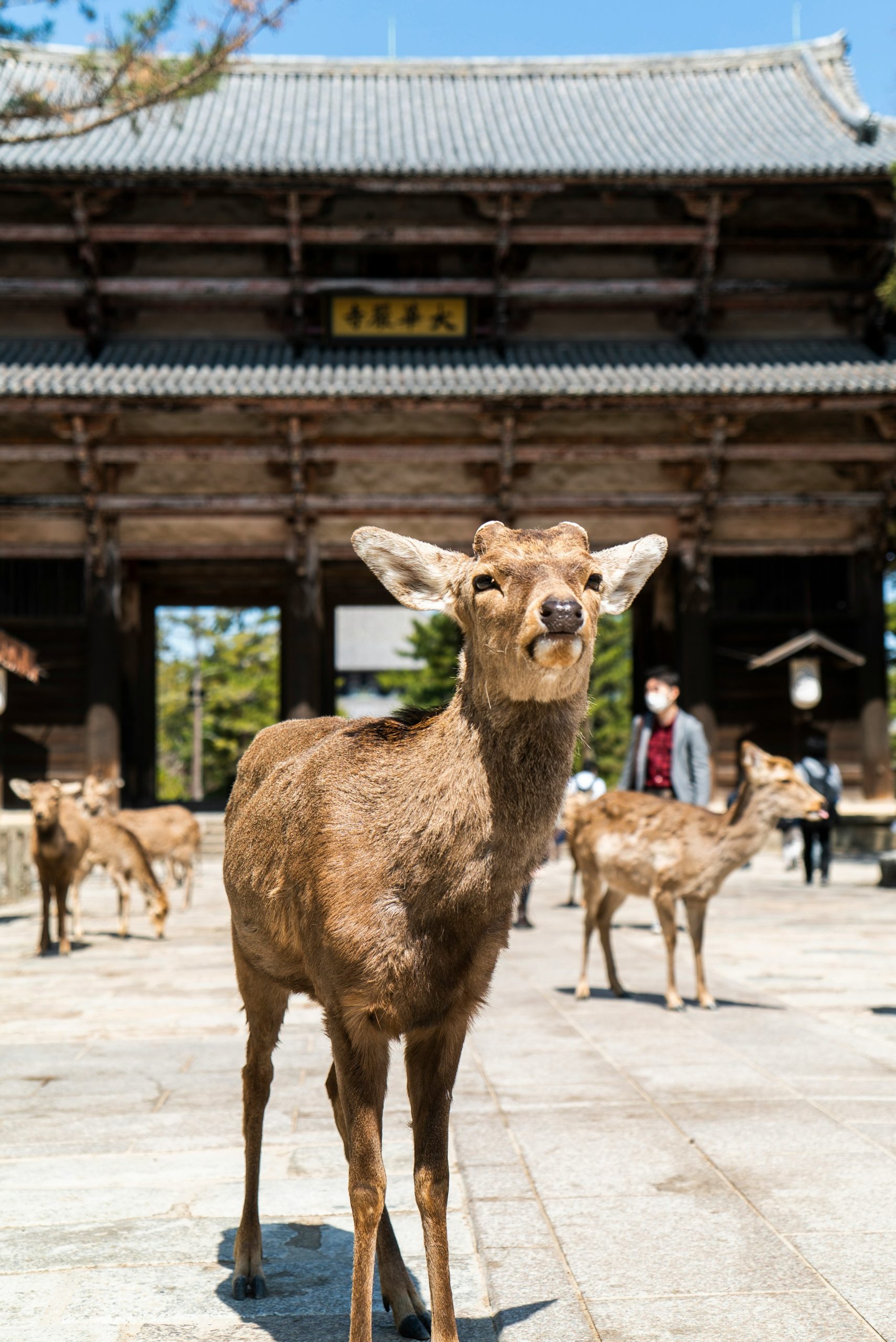
Nara Park (Nara Kōen) is a large park in central Nara. Established in 1880, it is the location of many of Nara's main attractions including Todaiji, Kasuga Taisha, Kofukuji and the Nara National Museum. It is also home to hundreds of freely roaming deer.
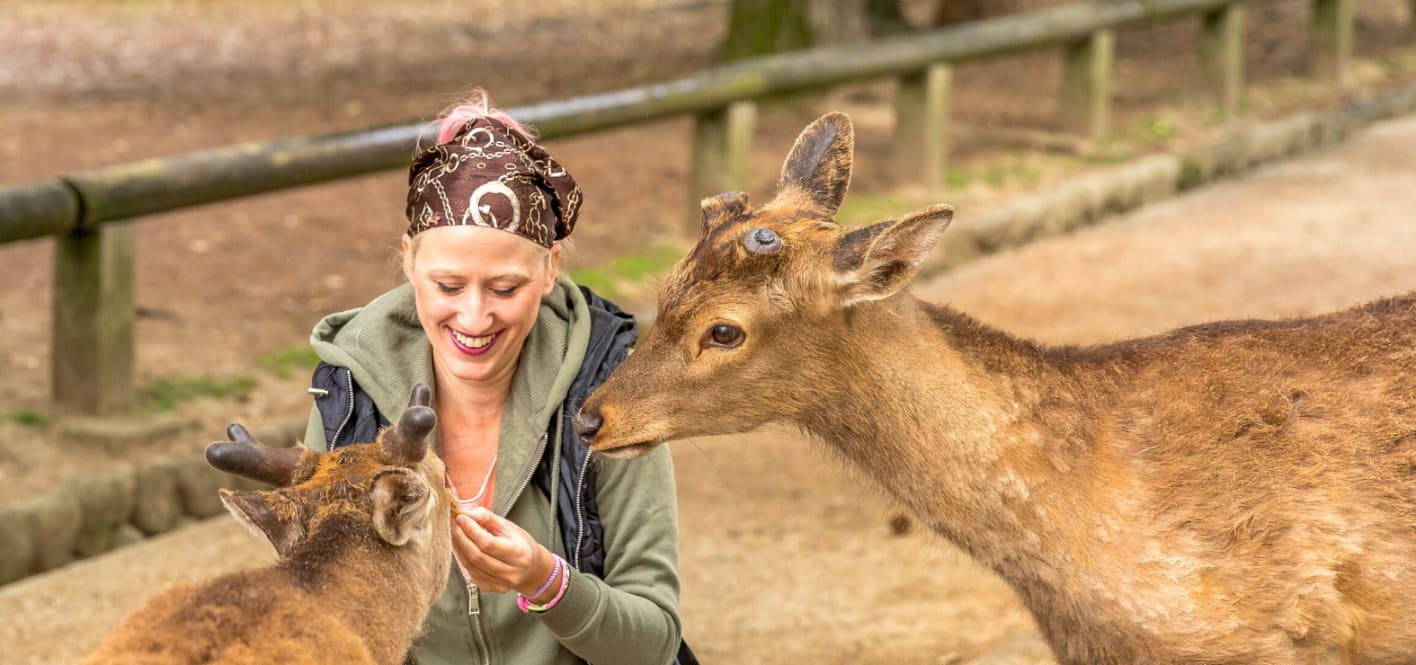
Considered the messengers of the gods, Nara's over 1000 deer have become a symbol of the city and have even been designated as a natural treasure. Deer crackers are for sale around the park, and some deer have learned to bow to visitors to ask to be fed. Nara's deer are surprisingly tame, although they can be aggressive if they think you will feed them, so make sure not to tease them with food.
3
During most of the Nara Period (710-794), Nara served as the capital of Japan and was known as Heijo-kyo. The Heijo Palace extended about one kilometer wide and one kilometer long and served as the site of the emperor's residence and government offices. For its great historical and cultural importance, the palace site is included as one of the UNESCO World Heritage Sites of Nara.
Although the palace once stood as the majestic center of the ancient capital, all of its original buildings were eventually lost, with the exception of a single hall that was moved in the 8th century and now stands at Toshodaiji Temple. When the capital was moved away from Heijo-kyo in 784, Heijo Palace and a large part of the city were abandoned as officials and other citizens flocked to the new capital. The temples on the outskirts of the former capital, however, retained their importance, and the city of Nara eventually resumed its growth around these temples, while the palace grounds were used for nothing but rice fields.
4
Horyuji Temple (Hōryūji) was founded in 607 by Prince Shotoku, who is credited with the early promotion of Buddhism in Japan. Horyuji is one of the country's oldest temples and contains the world's oldest surviving wooden structures. It was designated a world heritage site in 1993. Horyuji's temple grounds are spacious and separated into two main precincts, the Western Precinct (Saiin Garan) and the Eastern Precinct (Toin Garan).
5
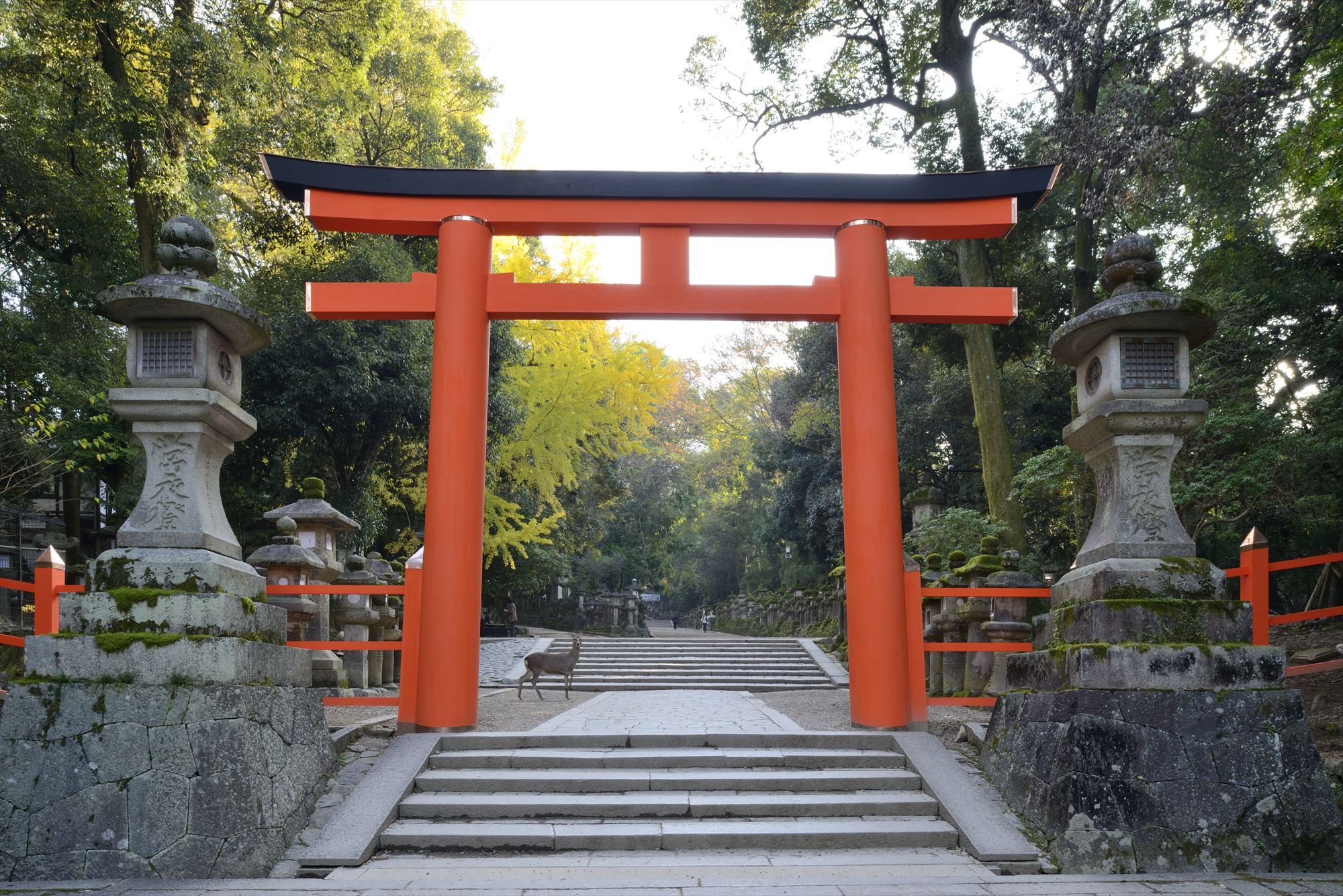
Kasuga Taisha is Nara's most celebrated shrine. It was established at the same time as the capital and is dedicated to the deity responsible for the protection of the city. Kasuga Taisha was also the tutelary shrine of the Fujiwara, Japan's most powerful family clan during most of the Nara and Heian Periods. Like the Ise Shrines, Kasuga Taisha had been periodically rebuilt every 20 years for many centuries. In the case of Kasuga Taisha, however, the custom was discontinued at the end of the Edo Period.
Beyond the shrine's offering hall, which can be visited free of charge, there is a paid inner area which provides a closer view of the shrine's inner buildings. Furthest in is the main sanctuary, containing multiple shrine buildings that display the distinctive Kasuga style of shrine architecture, characterized by a sloping roof extending over the front of the building.
6
Kofukuji (興福寺, Kōfukuji) used to be the family temple of the Fujiwara, the most powerful aristocratic clan during much of the Nara and Heian Periods. The temple was established in Nara at the same time as the capital in 710. At the height of Fujiwara power, the temple consisted of over 150 buildings.
7
Stop 7
The Nara National Museum (奈良国立博物館, Nara Kokuritsu Hakubutsukan), located in Nara Park, is an art museum which primarily displays Japanese Buddhist art. Established in 1889, the museum retains its original building and is joined by a new wing that is connected to the original building by an underground passage.
8
The Nigatsudo Hall is a short walk on the hill east of the Daibutsuden Hall and offers nice views of the city from its balcony. The hall is the site of the spectacular Omizutori ceremonies, held in March every year.
9
Hasedera Temple (長谷寺) is located in the mountains east of central Sakurai. The temple was founded in 686, and now serves as the head temple of the Bunzan school of Shingon Buddhism. Situated in a valley, Hasedera has over 30 buildings built up along the hillside that visitors can spend a long time exploring. The main hall is at the very top and offers a great view of the surroundings from its balcony, particularly during the cherry blossom (sakura) and autumn color (koyo) seasons.
What's not included
Breakfast
Lunch
Dinner
Private transportation
Public Transportation
Available languages
Guide guide
TH
EN
Reviews breakdown
Viator
5.0
1 reviews
5★
1
4★
0
3★
0
2★
0
1★
0
Important information
Wheelchair accessible
Infants and small children can ride in a pram or stroller
Public transportation options are available nearby
Infants are required to sit on an adult’s lap
Suitable for all physical fitness levels
About Osaka
Osaka is a vibrant, bustling city known for its rich culinary scene, historic sites, and modern entertainment. As Japan's second-largest metropolitan area, it offers a dynamic mix of traditional culture and contemporary urban life.
Top Attractions
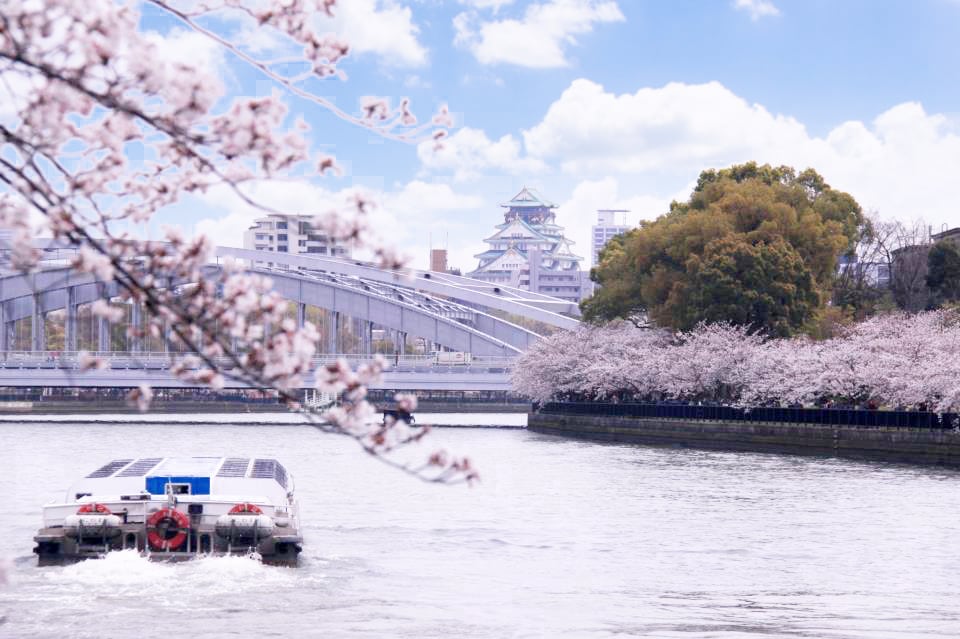
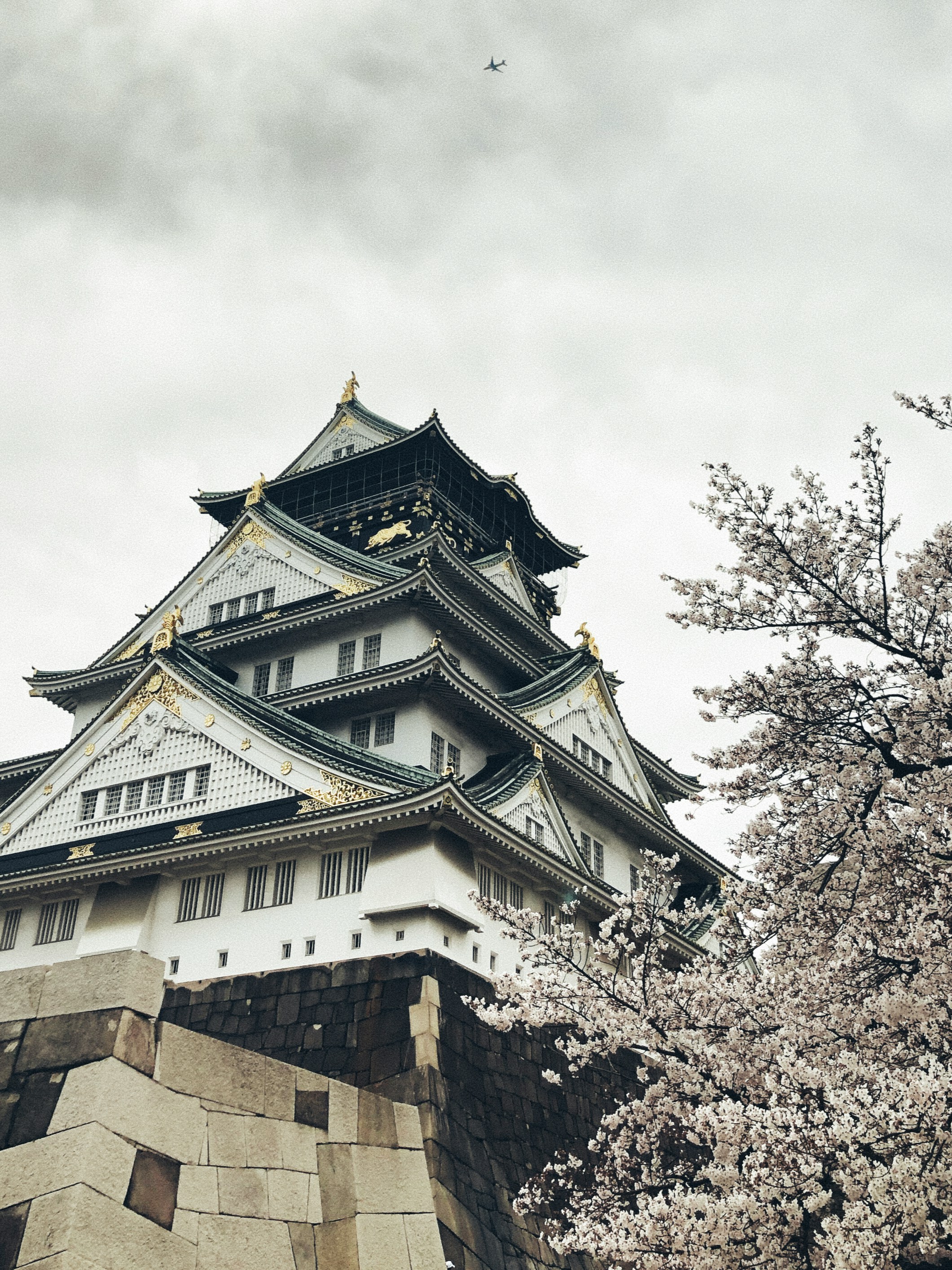
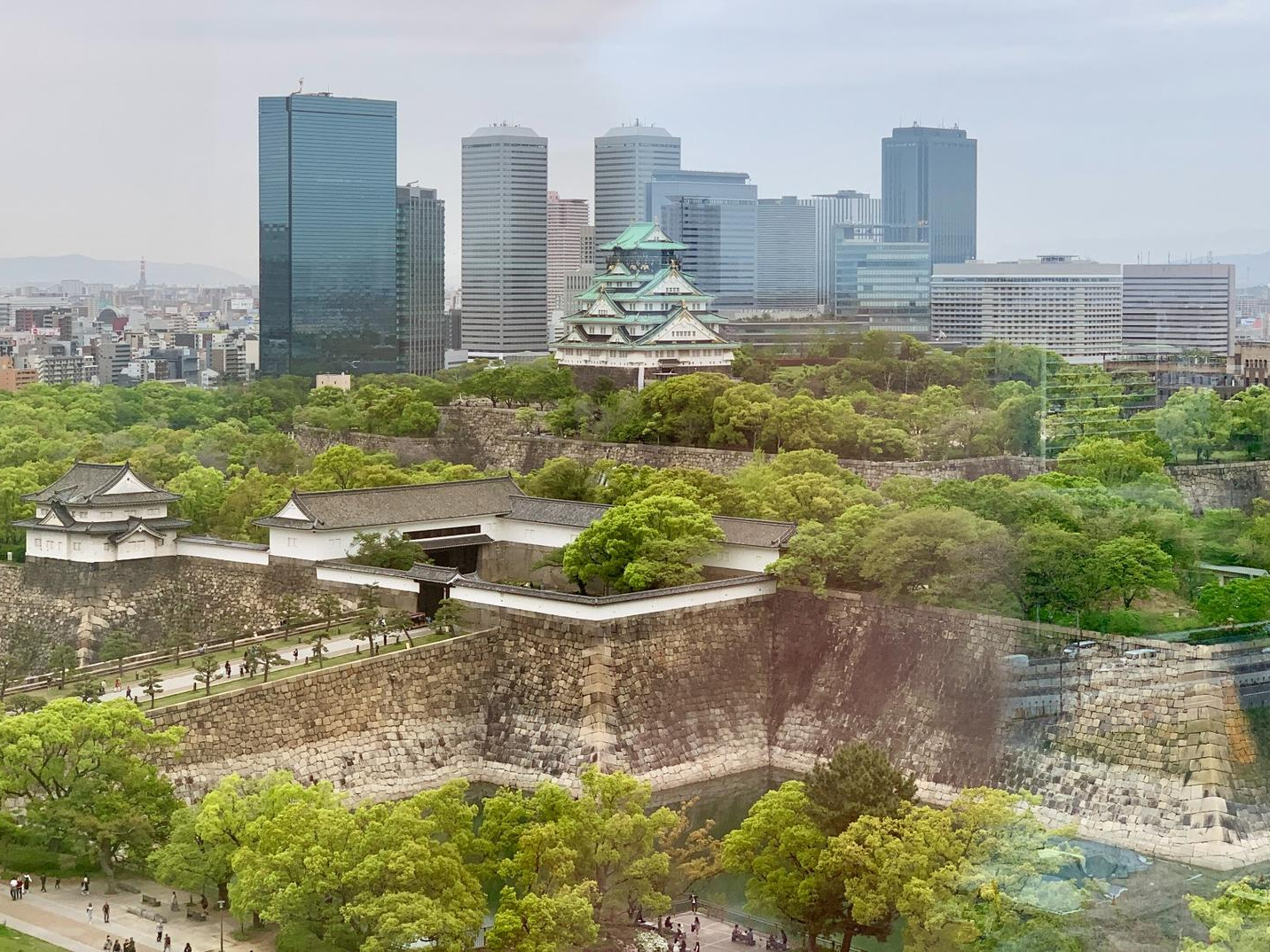
Osaka Castle
A iconic symbol of Osaka, this castle was originally built in the 16th century and has been beautifully restored. It offers a glimpse into Japan's feudal history and features a museum and scenic park.
Historical
2-3 hours
600 JPY
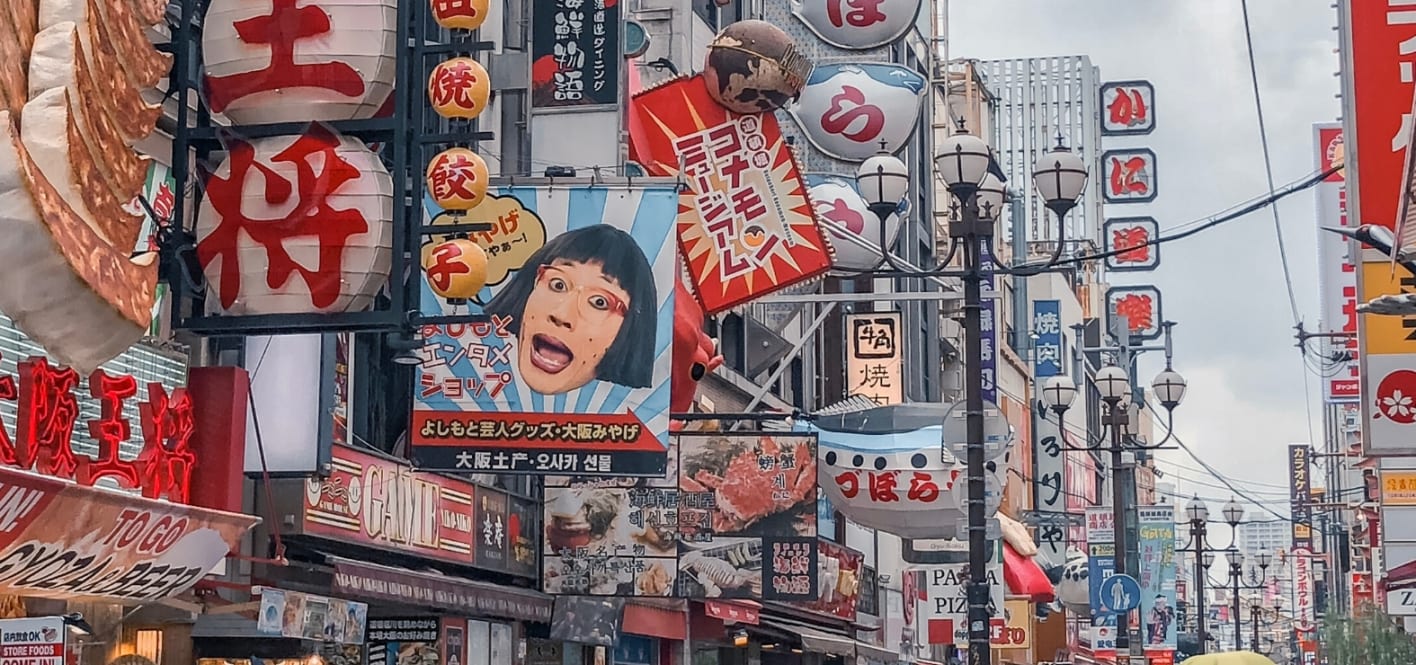
Dotonbori
A lively and colorful entertainment district known for its neon lights, street food, and vibrant nightlife. Dotonbori is a must-visit for foodies and those looking to experience Osaka's energetic atmosphere.
Entertainment
2-3 hours
Free (food and shopping vary)
Universal Studios Japan
A popular theme park featuring attractions based on famous movies and characters, including Harry Potter, Super Nintendo World, and Jurassic Park. It's a great destination for families and thrill-seekers.
Entertainment
Full day
8,400-10,600 JPY (varies by season and tickets)
Osaka Aquarium Kaiyukan
One of the largest aquariums in the world, featuring a wide variety of marine life, including whales, sharks, and penguins. The aquarium is known for its impressive exhibits and educational programs.
Nature
2-3 hours
2,600 JPY
Shinsekai
A retro district with a nostalgic atmosphere, featuring the iconic Tsutenkaku Tower and a variety of local eateries. Shinsekai is known for its unique blend of old and new, offering a glimpse into Osaka's past.
Cultural
1-2 hours
Free (food and shopping vary)
Must-Try Local Dishes
Takoyaki
Octopus-filled batter balls, cooked to perfection and topped with savory sauces and bonito flakes. A must-try street food in Osaka.
Snack
Contains seafood, can be made vegetarian upon request
Okonomiyaki
A savory pancake made with cabbage, batter, and various toppings, cooked on a griddle. Often referred to as 'Japanese pizza.'
Dinner
Can be made vegetarian or vegan upon request
Kushikatsu
Deep-fried skewers of various meats, vegetables, and seafood, served with a dipping sauce. A specialty of the Shinsekai district.
Dinner
Contains seafood and meat, can be made vegetarian upon request
Ramen
Noodle soup dish with various broths, toppings, and noodle types. Osaka is known for its rich and flavorful ramen.
Lunch/Dinner
Can be made vegetarian or vegan upon request
Popular Activities
Hiking in the nearby mountains
Cycling tours
Kayaking and water sports
Onsen (hot spring) visits
Tea ceremonies
Gardens and parks
Temple and shrine visits
Traditional workshops (e.g., calligraphy, ikebana)
Best Time to Visit
March to May, September to November
These months offer pleasant weather with mild temperatures and lower humidity, making it ideal for sightseeing and outdoor activities. Cherry blossoms in March and April add to the appeal.
15-25°C
59-77°F
Practical Information
Language
- Official: Japanese
- Widely spoken: English (limited)
- English: Limited
Currency
Japanese Yen (JPY)
Time Zone
JST (GMT+9)
Electricity
100VV, 50/60HzHz
Safety Information
Overall Safety Rating: Very safe
Osaka is generally very safe, with low crime rates and a strong emphasis on public safety. However, as with any major city, it's important to be aware of your surroundings and take precautions to protect your belongings.
Important Precautions:
- • Keep valuables secure and out of sight
- • Be cautious of pickpockets in crowded areas
- • Use licensed taxis and reputable tour operators
Getting there
By air
- Kansai International Airport • 50 km from city center
- Itami Airport • 20 km from city center
By train
Osaka Station, Shin-Osaka Station
By bus
Osaka Station Bus Terminal, Umeda Bus Terminal
Getting around
Public transport
The Osaka Metro system is efficient, clean, and easy to navigate. It consists of eight lines that connect major attractions, shopping districts, and neighborhoods.
Taxis
Available • Apps: JapanTaxi, DiDi
Rentals
Car, Bike, Scooter
Neighborhoods
Umeda
Namba
Shin-Osaka
Tennoji
Day trips
Kyoto
50 km • Full day
A historic city known for its temples, shrines, and traditional architecture. Kyoto offers a glimpse into Japan's rich cultural heritage and is a must-visit for history and culture enthusiasts.
Nara
40 km • Half day to full day
A historic city known for its ancient temples, shrines, and the famous Nara Park, home to hundreds of free-roaming deer. Nara offers a mix of history, culture, and nature.
Kobe
30 km • Full day
A port city known for its historic sites, scenic views, and delicious beef. Kobe offers a mix of culture, history, and culinary delights.
Festivals
Tenjin Matsuri • July 24-25
Kishiwada Danjiri Matsuri • September 14-15
Osaka Castle Illumination • December (specific dates vary)
Pro tips
- Use an IC card, such as ICOCA or Suica, for easy and convenient payments on public transportation, vending machines, and convenience stores
- Try local specialties, such as takoyaki, okonomiyaki, and kushikatsu, at street food stalls and local restaurants
- Visit popular attractions early in the morning or late in the afternoon to avoid crowds and long lines
- Explore the city's unique neighborhoods, such as Dotonbori, Shinsekai, and Den Den Town, to experience the diverse culture and atmosphere of Osaka
- Take advantage of the city's extensive public transportation system, including the Osaka Metro, JR trains, and buses, to easily navigate and explore the city
From $25
per person
Price varies by option
Secure booking
Free cancellation available
Instant confirmation


![[1 Person Group] Meet adorable deer, stroll through ancient capitals: Kyoto, Nara, Osaka Kansai classic panoramic one-day tour](https://res.klook.com/image/upload/activities/jbrmcjclahu1gouqkk9w.jpg)
![[9-Person Small Group] Uji & Nara Day Trip丨Byodo-in Temple & Matcha Omotesando & Toshodai-ji Temple & Nara Park丨Optional Osaka Hotel Pick-up & Drop-off丨Round Trip from Osaka](https://res.klook.com/image/upload/activities/ym9rosqb2hlovkdggvfi.jpg)