Tour of the Historical Tram Museum Including Tram and Metro Ride
Active
4h
For a full refund, cancel at least 24 hours before the scheduled departure time.
Instant confirmation
Mobile or paper ticket accepted
About this experience
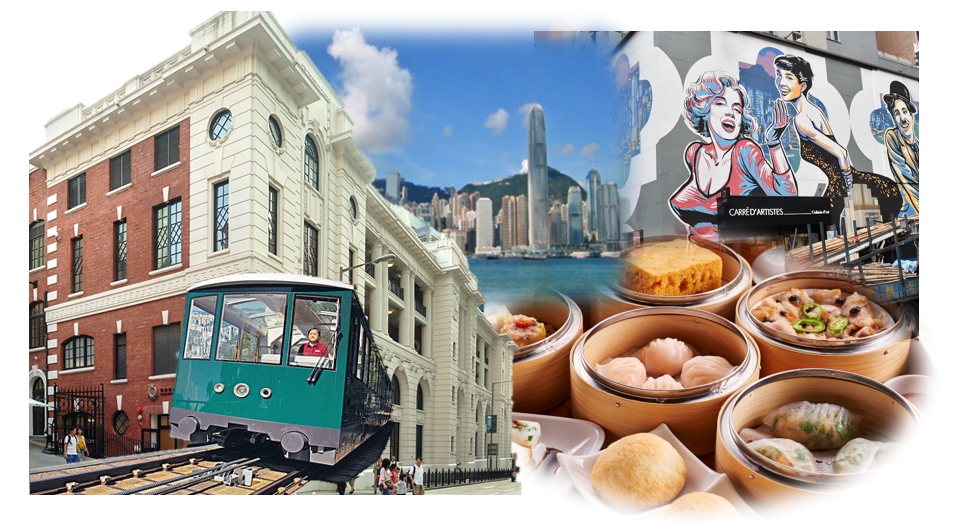
The Calcutta Tramway stands as a unique relic of urban transport history, boasting the title of India's oldest operating tram system since 1902. It intertwines colonial charm with modern necessity, navigating through bustling streets of Kolkata, a city steeped in culture and heritage. Its vintage charm is unparalleled, offering a glimpse into Kolkata's past while serving as a lifeline for many commuters. Amidst the rush of cars and buses, the tram retains a nostalgic allure, with its quaint, rattling carriages and bell-clanging conductors. This enduring icon symbolizes Kolkata's resilience and tradition, making it a cherished part of the city's identity.
This tour also gives you a glimpse of the Underwater Metro Train.
Please note that this tour is not wheel chair accessable. Maximum number of stairs at any given place is 10, otherwise, escalators and lifts are available.
The tour duration is approximately 4 hours. The pick-up is approximately 45 minutes before the tour.
Available options
Tour of the Historical Tram Museum Including Tram and Metro Ride
Pickup included
What's included
All Fees and Taxes
Soda/Pop
Bottled water
Snacks
Guide In-person: English, Hindi, Bengali, Urdu
Coffee and/or Tea
Detailed itinerary
1
Stop 1
K. C. Das is a heritage sweet shop of Kolkata. This is also our meeting point. We begin our walking tour from here after tasting the signature sweet of the shop.
2
Stop 2
This place is the 2nd point of interest, just oppostite K. C. Das. The Tipu Sultan Shahi Mosque (also known as Tipu Sultan Masjid) is a famous mosque in Kolkata, India named after Tipu Sultan the ruler of Mysore. Located at 185 Dharamtalla Street, the mosque is a relic of architectural and cultural heritage.
3
Stop 3
This is the 3rd point of interest in our tour, which lies opposite to the Tipu Sultan's Mosque.
The Church of the Sacred Heart of Jesus on Lenin Sarani in central Kolkata, commonly known as Sacred Heart Church or Portuguese Church, was consecrated on this day. The foundation stone had been laid on February 12, 1832.
According to the website of the Archdiocese of Kolkata, the church was “built by Mrs Pascoa da Souza, a member of the prominent Portuguese family, the Barrettos…between 1832 and 1834 behind Dharamtola Bazaar on Dhurrumtollah (Dharamtola) Street at the centre of British Calcutta”. It is said da Souza promised to build the church after her son received a less harsh sentence than she had feared for seriously injuring another European man.
It has gorgeous stained glass windows, is supported by Corinthian pillars and most of all, bears an exceptional 14 stations of the Cross in marble, depicting the last journey of Christ.
4
4th Heritage site on our list is Raj Bhavan. Raj Bhavan is the official residence of the Governor of West Bengal, located in Kolkata, the capital of West Bengal. Built in 1803, it was known as Government House during the Company rule in India and the British Raj.
After the transfer of power from the East India Company to the British Crown in 1858, it became the official residence of the Viceroy of India, moving here from the Belvedere Estate. With the shifting of the Indian capital from then Calcutta to Delhi in 1911, it became the official residence of the Lieutenant Governor of Bengal. Since Indian independence in August 1947, it has served as the official residence of the Governor of West Bengal and is known as the Raj Bhavan, a name it shares with the official residences of other states' governors.
We will see the building from outsite.
5
Stop 5
Kolkata Tram Museum “Smaranika” is housed within a vintage tram built in 1938. Interestingly, this wooden body streamlined tram is still functional. One car is a modified cafeteria whereas the other showcases some interesting memorabilia on trams in Kolkata from the early days to the present day.
The Kolkata Tram Museum’s present collection includes photos and write-ups of the earliest trams like Horse-Drawn tram cars, Disinfectant Trams, Flat Wagon Trams, Omni Bus, Watering Tram cars and more. Other exhibits include Old Tram Tickets, Tram Passes, pens used by tram conductors, coins, armlets, Coin Exchanger Machine, conductor caps and various tram parts like Pull-Off Springs, Governor Switch and more.
Overall, the whole exhibition gives a brief idea of the history of nearly 150 years of Kolkata’s very own trams. After all this, if you want to sip a cup of hot coffee and watch a documentary on Kolkata’s trams then take a seat in the cafeteria and spend a few quiet moments.
6
Stop 6
Next we ride, up and down, the first in Asia, underwater metro rail, between Esplanade and Howrah.
7
Stop 7
Finally, we get to the Heritage Tram Joyride from Esplanade to Shyambazar/Gariahat and back. We will pass by over 25 landmark heritage sites in our joyride.
8
Stop 8
Pass by
We will pass by Thoburn Memorial Methodist Church, Estd in 1873 by Revd. Dr. J. M. Thoburn. Largest Methodist Church in Calcutta and a heritage site
What's not included
Private transportation
Available languages
Guide guide
HI
EN
BN
UR
Reviews breakdown
Tripadvisor
5.0
3 reviews
5★
3
4★
0
3★
0
2★
0
1★
0
Important information
Public transportation options are available nearby
Infants are required to sit on an adult’s lap
Suitable for all physical fitness levels
Meeting point
The meeting point at Chowringhee Road and Lenin Sarani Crossing. It is in front of the famous K. C. Das sweet shop, beside Akbarsons and opposite tp Tipu Sultan's Mosque.
Important notes
The Guide will arrange for all the entry tickets.
About Kolkata
Kolkata, the capital of West Bengal, is a vibrant city known for its rich cultural heritage, colonial architecture, and intellectual legacy. It is a city that beautifully blends tradition with modernity, offering a unique experience to its visitors.
Top Attractions
Victoria Memorial
A stunning white marble monument dedicated to Queen Victoria, the Victoria Memorial is a symbol of Kolkata's colonial past. It houses a museum with a rich collection of artifacts.
Historical/Architecture
2-3 hours
INR 20-100
Howrah Bridge
One of the busiest cantilever bridges in the world, the Howrah Bridge offers stunning views of the Hooghly River and the city skyline.
Architecture/Historical
1-2 hours
Free
Indian Museum
The largest and oldest museum in India, the Indian Museum houses a vast collection of artifacts, including ancient sculptures, fossils, and rare coins.
Museum
2-3 hours
INR 20-50
Belur Math
A serene and spiritual destination, Belur Math is the headquarters of the Ramakrishna Mission. It is known for its beautiful architecture and tranquil atmosphere.
Religious/Architecture
2-3 hours
Free
Eden Gardens
One of the largest and oldest cricket stadiums in India, Eden Gardens is a must-visit for cricket enthusiasts. It is also a beautiful park with lush greenery and a peaceful ambiance.
Nature
1-2 hours
INR 10-100 (depending on the event)
Must-Try Local Dishes
Rasgulla
A popular Bengali sweet made from chenna (fresh cheese curds) and soaked in sugar syrup. It is soft, spongy, and has a distinct flavor.
Dessert
Vegetarian
Rolla
A sweet roll made from chenna, similar to rasgulla but rolled into a cylindrical shape and coated with coconut shavings. It is a popular sweet during festivals.
Dessert
Vegetarian
Sandesh
A sweet made from chenna and flavored with various ingredients like pistachios, coconut, or rose water. It is a popular sweet in Bengal and comes in various shapes and sizes.
Dessert
Vegetarian
Machher Jhol
A traditional Bengali fish curry made with fresh fish, potatoes, and a variety of spices. It is usually served with rice and is a staple in Bengali cuisine.
Main Course
Contains fish
Popular Activities
Boat safaris in the Sundarbans
Trekking in the Eastern Himalayas
Parasailing at the Ganges River
Spa treatments at luxury hotels
Yoga and meditation classes
Strolling through the gardens of Belur Math
Visiting the museums and art galleries
Attending classical music and dance performances
Best Time to Visit
October to February
This is the best time to visit Kolkata as the weather is pleasant and ideal for sightseeing. The city hosts several festivals during this period, including the famous Durga Puja.
15°C to 30°C
59°F to 86°F
Practical Information
Language
- Official: Bengali
- Widely spoken: English, Hindi
- English: Widely spoken in tourist areas and among the educated population
Currency
Indian Rupee (INR)
Time Zone
GMT+5:30
Electricity
230VV, 50HzHz
Safety Information
Overall Safety Rating: Exercise caution
Kolkata is generally safe for travelers, but it is advisable to exercise caution, especially in crowded areas and at night. Petty crime, such as pickpocketing and scams, can occur, so it is important to stay vigilant and take necessary precautions.
Important Precautions:
- • Use reputable transportation services
- • Avoid walking alone at night
- • Be cautious of your belongings in crowded areas
Getting there
By air
- Netaji Subhas Chandra Bose International Airport • 17 km from city center
By train
Howrah Junction, Sealdah Station
By bus
Esplanade Bus Terminus, Karunamoyee Bus Terminus
Getting around
Public transport
The Kolkata Metro is the oldest underground metro system in India. It is efficient and covers most parts of the city.
Taxis
Available • Apps: Uber, Ola
Rentals
Car, Bike, Scooter
Neighborhoods
Park Street
New Market
Ballygunge
Chowringhee
Day trips
Sundarbans National Park
100 km from Kolkata • Full day to overnight
A UNESCO World Heritage Site, the Sundarbans National Park is the largest mangrove forest in the world and is home to a wide variety of wildlife, including the Bengal tiger.
Dakshineswar Temple
20 km from Kolkata • Half day
A famous Hindu temple dedicated to the goddess Kali, the Dakshineswar Temple is known for its beautiful architecture and spiritual significance.
Shantiniketan
160 km from Kolkata • Full day
A small town known for its rich cultural heritage and as the former home of the famous poet Rabindranath Tagore. It is a UNESCO World Heritage Site and is known for its unique architecture, art, and music.
Festivals
Durga Puja • September/October (dates vary each year)
Kolkata International Film Festival • November/December (dates vary each year)
Christmas • December 25
Pro tips
- Visit the Victoria Memorial early in the morning to avoid crowds and enjoy the beautiful gardens
- Try the local street food, such as puchka (pani puri) and jhalmuri (spicy puffed rice), for an authentic culinary experience
- Explore the city's vibrant nightlife in areas like Park Street and New Market, but be cautious of your surroundings and belongings
- Use the metro for efficient and affordable transportation, especially during peak hours
- Book accommodations and transportation in advance, especially during peak seasons and festivals, such as Durga Puja
From $25
per person
Price varies by option
Secure booking
Free cancellation available
Instant confirmation