From Hurghada: Luxor Full-Day Tour with Balloon Ride & Guide
Active
14h
For a full refund, cancel at least 24 hours before the scheduled departure time.
Instant confirmation
Mobile or paper ticket accepted
About this experience
Enjoy Hot Air Balloon Trip with Luxor Highlights sightseeing by this Overday From Hurghada In Luxor. The Hot Air Balloon Trip is an amazing way to see the world’s largest open-air museum. Early pickup from your hotel will take you to the balloon over Luxor in the morning, a light breakfast and tea will be included.
start your great day to visit the Valley Of The Kings, the magnificence of the grandeur of architecture which was used for burial, there are many kings buried in this valley. then Queen Hatshepsut temple which was built by Queen Hatshepsut, who ruled Egypt about 20 years during the 18th Dynasty, the only pharaonic woman who reigned ancient Egypt. Then continue your day Tour to The Colossi of Memnon which is remains of the mortuary temple of Amenhotep III. then go to have your lunch. then after that you will be transfer you back to your hotel or Nile Cruise in Hurghada
Available options
From Hurghada: Luxor Full-Day Tour with Balloon Ride & Guide
Pickup included
What's included
Qualified Egyptologist Tour Guide and Professional Photographer as well
Private Tour
Hot air balloon entrance
Flight certificate
colossi of memnon entrance
Hotel Pick up and drop off - from door to door
Lunch
All Taxes and Service Charge
Bottled water
Luxor Hot Air Balloon with Full Day tour to West and East bank
Visit Valley of the kings, Hatshepsut Temple, Colossi of Memnon & Camel Ride
Detailed itinerary
1
Enjoy the life trip and see the great history from the sky of luxor.open your eyes and look to the open museum city from the sky .down time before the sun shines we going to pick you up from hotel on time. down to the Nile where we will take motor boat.at the motor boat we going to take our breakfast which is cake and tea or cafe while the captain of the balloon tells you the steps of the flight.we will reach to the west bank where we will take air conditioning mini bus to Hatsheput temple.behind the fabulous temple of queen Hatsheput we will start to fly.the fly length is 45 minutes above the most ancient temples in whole the world valley of the kings.queen Hatsheput temple .luxor museums and our wonderful Nile take unique photos from the sky and smell the fresh air then landing. have small party with the rest of group and certification mentioned that you been flying over Egypt
2
Stop 2
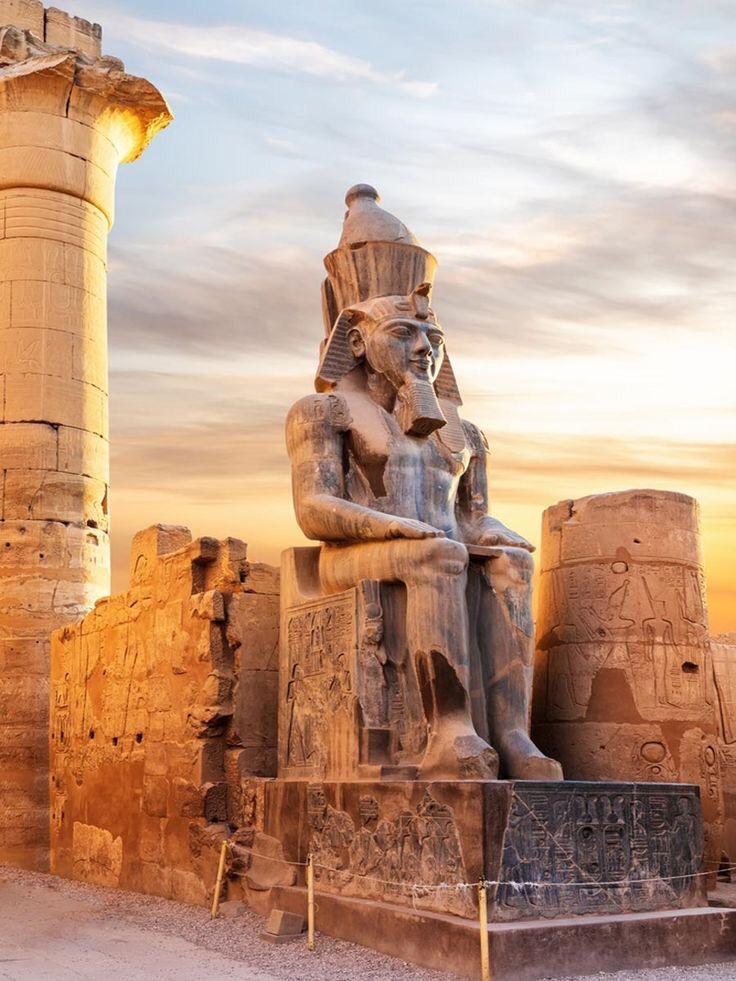
After the Balloon Ride out tour guide will meet you and picks you up at Colossus of Memnon, known locally as (Al-Kulsat or Salamat), is two huge statues, built around the year 1350 BC, which are all that remains of a temple built in memory of Pharaoh Amenhotep III, who ruled Egypt during the eighteenth dynasty, located in the funeral city of Thebes Located west of the Nile in the present-day city of Luxor, the two identical statues depict Amenhotep III (14th century BC) seated, hands spread on his knees and looking eastward (in fact toward the southeast in modern directions) toward the river. Two short figures are carved on the front of the throne, along with his legs: his wife Tiye and his mother Death M and Ya. The side panels depict the Nile god Habi. The statues were made from blocks of quartzite sandstone that were quarried from Jabal al-Ahmar (near present-day Cairo) and transported 675 km (420 mi) overland to Thebes (Luxor).
3
Stop 3
Valley of the Kings, also known as "The Valley of the Kings", is a valley in Egypt that was used for 500 years during the period between the sixteenth and eleventh centuries BC to construct tombs for the pharaohs and nobles of the modern state extending during the eighteenth dynasties to the twentieth dynasty in ancient Egypt. The valley on the west bank of the Nile River facing Thebes (Luxor now) in the heart of the ancient funerary city of Thebes. The Valley of the Kings is divided into two valleys; The Eastern Valley (where most of the royal tombs are located) and the Western Valley. And with the discovery of the last burial chamber in 2006, known as (Cemetery 63), in addition to the discovery of two other entrances to the same chamber during 2008.
4
Stop 4
The Temple of Hatshepsut or the mortuary temple of Hatshepsut is a temple from the Eighteenth Dynasty of Egypt, and the best remaining temples were built about 3500 years ago in Deir el-Bahari, Egypt. It was built by Queen Hatshepsut on the west bank of the Nile opposite to Thebes (the capital of ancient Egypt and the seat of the Amun worship) (Luxor today). The Temple of Hatshepsut is distinguished by its unique architectural design, in comparison to the Egyptian temples that were built on the eastern bank of the Nile at Thebes. The temple consists of three successive floors with open terraces. The temple was built of limestone, and in front of the second floor columns were erected limestone statues of the god Osiris and Queen Hatshepsut in a beautiful distribution. Originally, those statues were colored, and now only some monuments remain of the colors, and some statues are in very good condition, indicating the elegance and beauty of the temple's design.
5
Stop 5
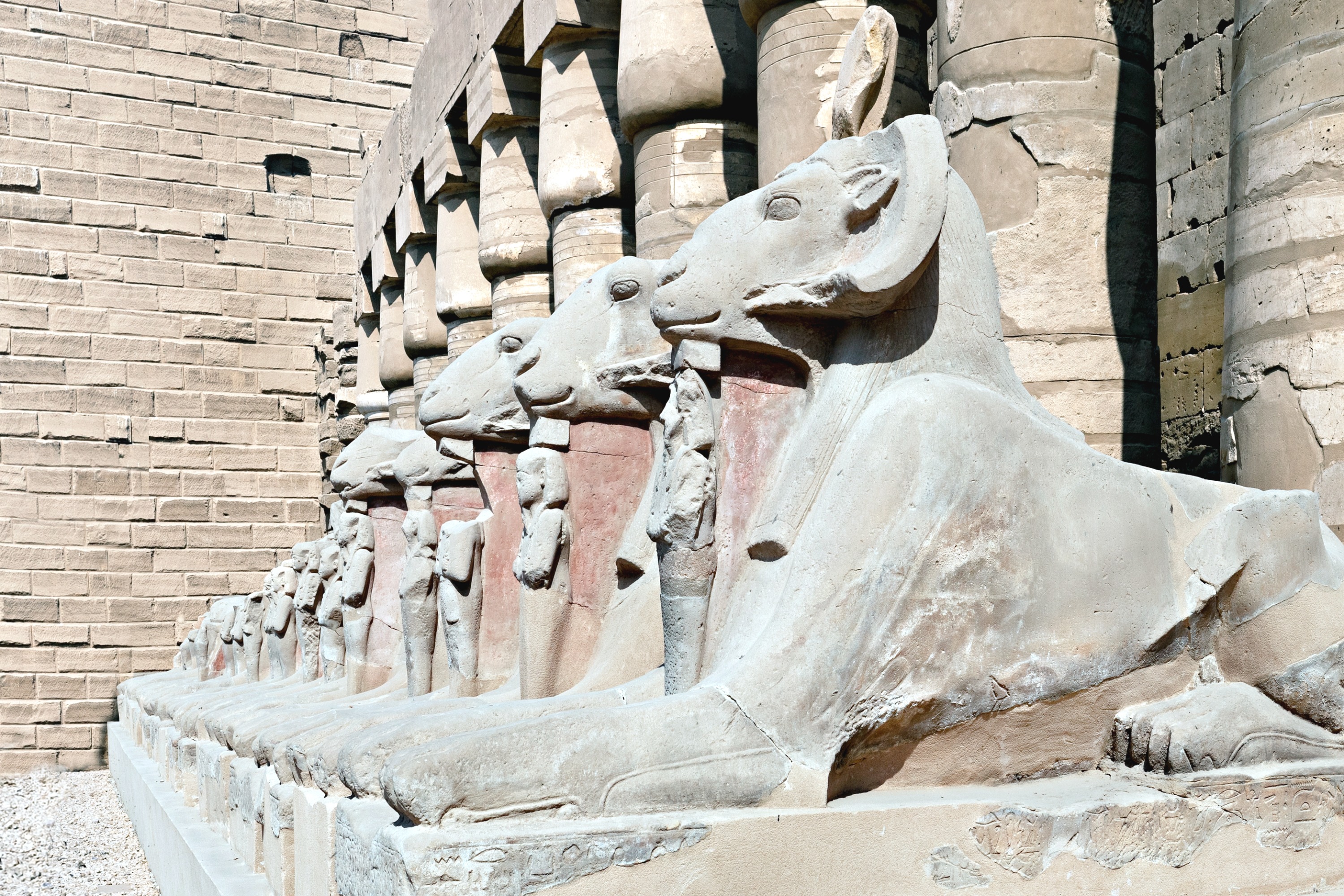
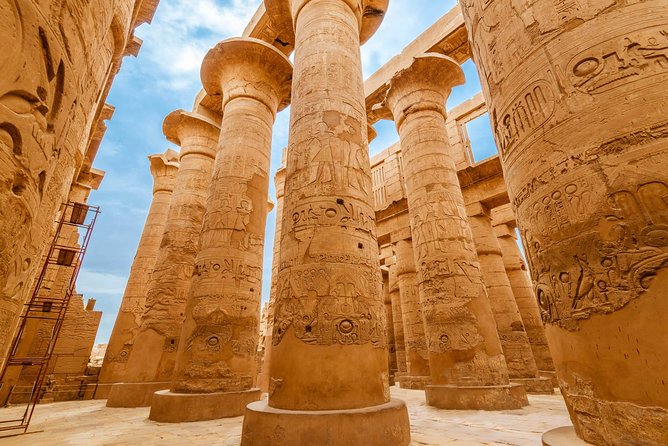
Karnak, or the Karnak Temple Complex, which is known as the Karnak Temple, is a group of temples, buildings and columns, where the expansion and construction processes continued since the Pharaonic era, specifically the kings of the Middle Kingdom, until the Roman era in Luxor in Egypt on the eastern coast. The temple was built for the divine triad Amun (Amun Ra in the modern era), his wife the goddess Mut and their son the god Khonsu; And each of them has a temple belonging to the Karnak Temples Complex. The temple was named with this name in relation to the city of Karnak, and it is a modern name that is distorted from the Arabic word Khurang, meaning the fortified village, which was given to many temples in the area during this period. While the temple was known in the beginning as "Bar Amun", meaning the temple of Amun or Betamun, and during the Middle Kingdom it was called the name Ibt Sut, which means the most chosen of places (sometimes translated as the chosen spot)
6
Stop 6
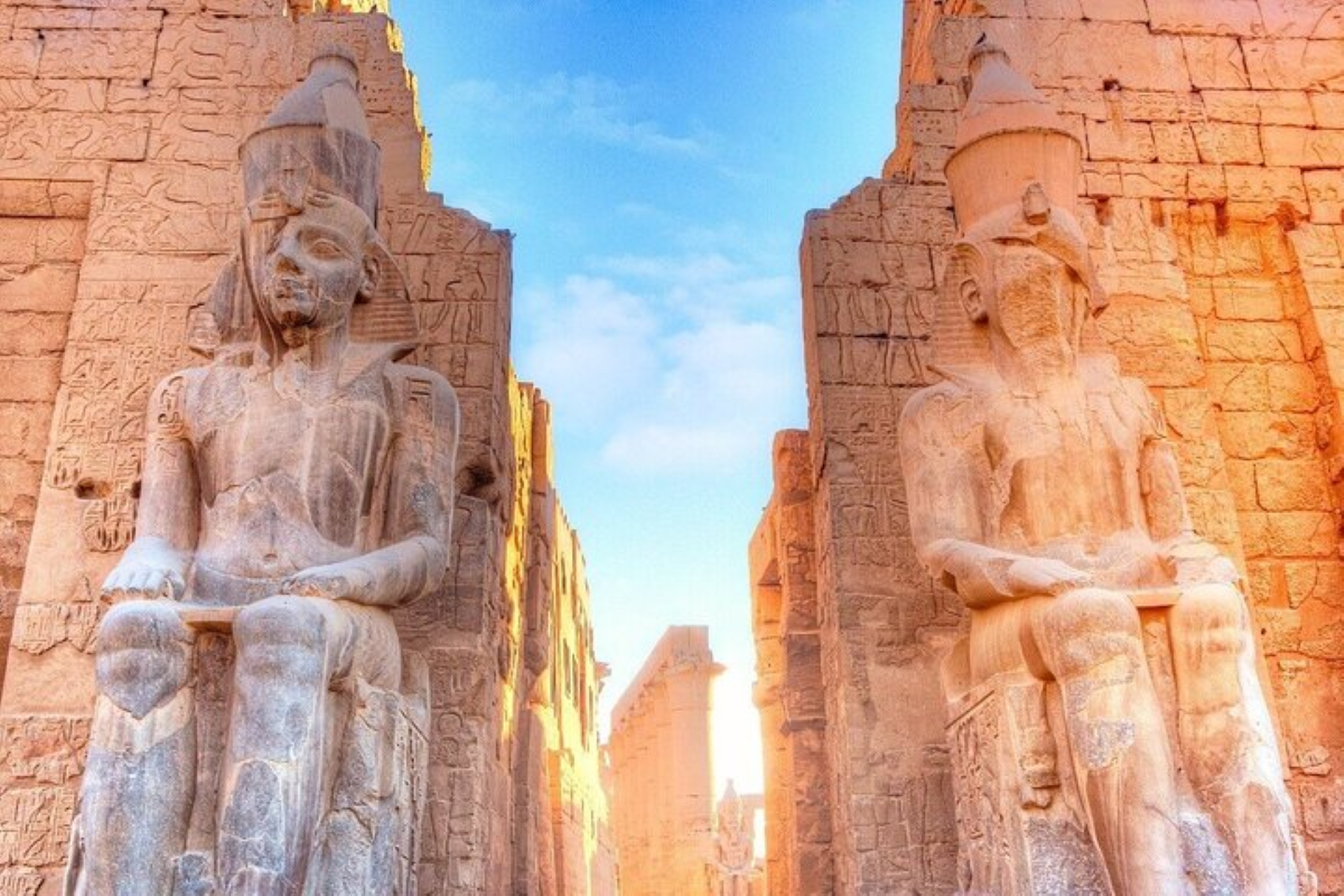
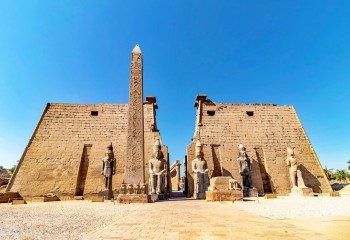
Luxor Temple is a large complex of ancient Egyptian temples located on the eastern bank of the Nile River in the city of Luxor today known as (Thebes ancient). Founded in 1400 BC. The Luxor Temple was built to worship Amun-Ra, his wife Mut, and their son Khonsu. They are the gods, which are also called the Theban Triad (Theban Triad). Luxor Temple was built during the reign of the kings of the Eighteenth Dynasty and the Nineteenth Dynasty. The most important buildings in the temple are those that were built by Kings Amenhotep III (1397-1360 BC) and Ramses II (1290-1223 BC) (who added to the temple the open courtyard, the edifice, and the obelisks). Also, King Thutmose III (1490-1436 BC) set up shrines for visitors of the holy Theban Triad.
What's not included
Entrance Fees
Any extras not mentioned in the program.
Gratuities
Available languages
Audio guide
DE
EN
IT
FR
ES
Guide guide
DE
EN
IT
FR
ES
Written guide
DE
EN
IT
FR
ES
Reviews breakdown
Tripadvisor
5.0
4 reviews
5★
4
4★
0
3★
0
2★
0
1★
0
Important information
Specialized infant seats are available
Public transportation options are available nearby
Infants and small children can ride in a pram or stroller
All areas and surfaces are wheelchair accessible
Transportation options are wheelchair accessible
Wheelchair accessible
Suitable for all physical fitness levels
About Hurghada
Hurghada is a vibrant coastal city on the Red Sea known for its stunning beaches, world-class diving, and lively nightlife. It's a popular destination for water sports, relaxation, and exploring the rich marine life of the Red Sea.
Top Attractions
Giftun Islands
A group of islands known for their pristine beaches, clear waters, and excellent snorkeling opportunities. The islands are part of a protected marine park.
Nature/Beach
Full day
Moderate
Hurghada Marina
A vibrant area with restaurants, cafes, and shops. It's a great place to stroll, dine, and enjoy the marina views.
Entertainment/Shopping
A few hours
Free to explore
Red Sea Divers Association
A renowned diving center offering courses and excursions for divers of all levels. The Red Sea is famous for its coral reefs and diverse marine life.
Adventure
Half day to full day
Moderate to Expensive
Must-Try Local Dishes
Ful Medames
A traditional dish made from mashed fava beans, often served with olive oil, lemon, and spices.
Breakfast
Vegetarian
Grilled Seafood
Freshly caught seafood grilled to perfection, often served with rice or salads.
Dinner
Contains seafood
Popular Activities
Scuba diving
Snorkeling
Desert safaris
Beach relaxation
Spa treatments
Visiting historical sites
Exploring local markets
Boat tours
Best Time to Visit
October to April
The peak season offers pleasant weather with warm days and cool nights, perfect for beach activities and water sports. The city is lively with many tourists.
20°C to 30°C
68°F to 86°F
Practical Information
Language
- Official: Arabic
- Widely spoken: English, Russian
- English: Moderately spoken
Currency
Egyptian Pound (EGP)
Time Zone
EET (GMT+2)
Electricity
220VV, 50HzHz
Safety Information
Overall Safety Rating: Generally safe
Hurghada is generally safe for tourists, but standard precautions should be taken to avoid petty crime and scams.
Important Precautions:
- • Use reputable tour operators
- • Be cautious with street vendors
- • Keep valuables secure
Getting there
By air
- Hurghada International Airport • 10 km from city center
By bus
Hurghada Bus Station
Getting around
Public transport
Affordable and widely used, but can be crowded. Routes cover most of the city and nearby areas.
Taxis
Available • Apps: Uber, Careem
Rentals
Car, Bike, Scooter
Neighborhoods
El Dahar
Sahl Hasheesh
Day trips
Luxor
450 km • Full day
Home to ancient Egyptian monuments, including the Valley of the Kings and Karnak Temple.
Sinai Mountains
300 km • Overnight
Offers stunning landscapes and hiking opportunities, including Mount Sinai.
Festivals
Hurghada International Diving Festival • Annual, typically in June
Pro tips
- Visit the Giftun Islands for the best snorkeling
- Try local street food for an authentic experience
- Learn basic Arabic phrases to enhance interactions
- Use sun protection at all times due to intense sun
- Book diving tours in advance for popular sites
From $25
per person
Price varies by option
Secure booking
Free cancellation available
Instant confirmation