

4-Days Nile Cruise 3-Nights & Tours From Aswan To Luxor Hot Deal
Active
2d
For a full refund, cancel at least 24 hours before the scheduled departure time.
Instant confirmation
Mobile or paper ticket accepted
About this experience
Enjoy sailing Nile cruise and visit the
most ancient temples in the whole world in
Luxor and Aswan.
Available options
4-Days Nile Cruise 3-Nights & Tours From Aswan To Luxor Hot Deal
Pickup included
Cruise Only
Cruise Only <br/>Pickup included
What's included
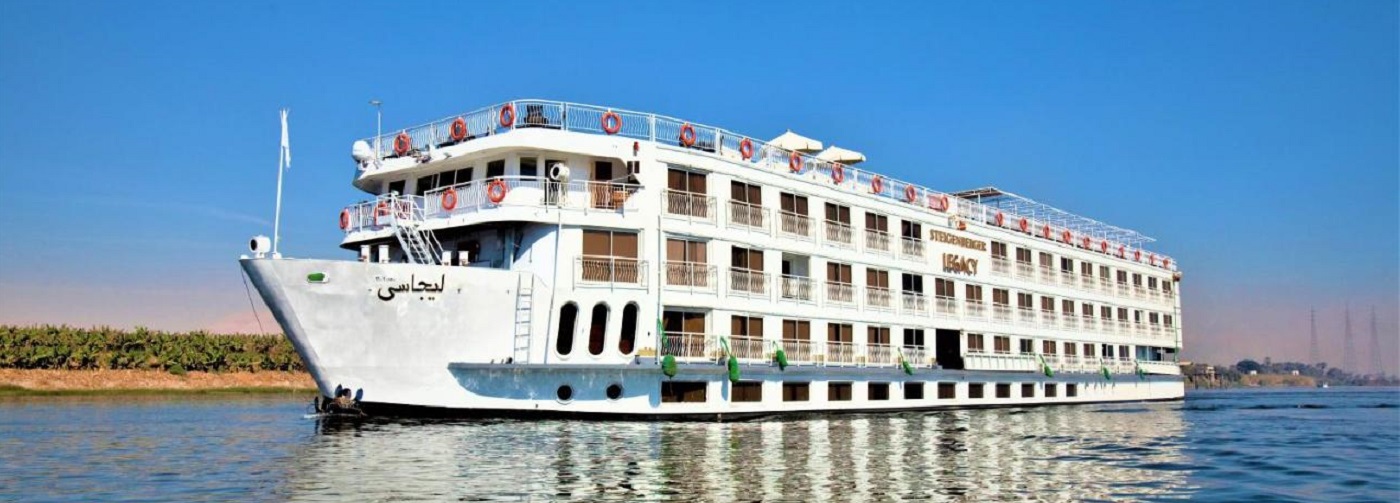
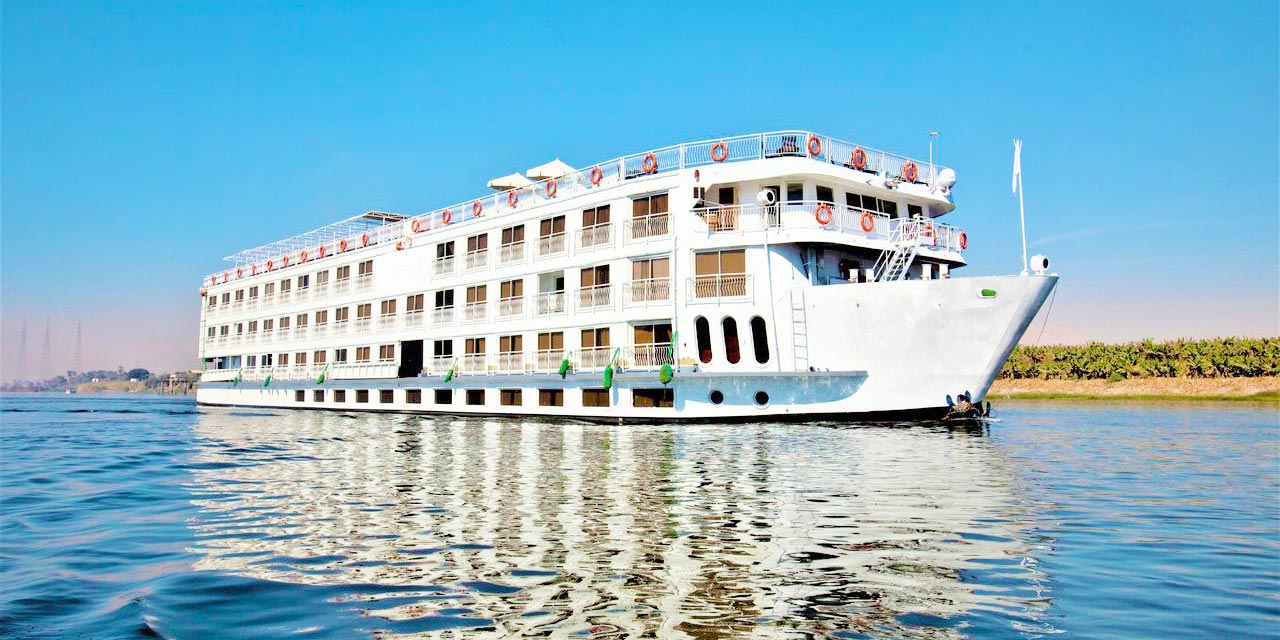
5 stars Nile cruise for 4 nights from aswan to luxor
4 Lunch
Free Wi-Fi over 4GB per person
colossi of memnon entrance
motor boat
horse and carriage
Lunch restaurant in Luxor
egyptology tour guide
3 Dinner
pick up and drop off by air conditioning mini bus
3 Breakfast
taxes and charges
meals start with lunch end with breakfast last day
all sites which mentioned in itinerary
Detailed itinerary
1
Stop 1
Pass by
We will pick you up from any hotel in Aswan or Aswan Airport or Train Station
Admission Ticket Free
2
Stop 2
Philae Island is an island in the middle of the Nile River and it is one of the strongest forts along the southern borders of Egypt, separating the Nile into two opposite canals in Aswan. . The name Philae or Velay refers to the Greek language which means (the beloved) or (the beloved). As for the Arabic name for it, it is the Anas of existence in relation to the myth of Anas found in the stories of One Thousand and One Nights. Egypt is in the south. And the worship group was devoted to the worship of the goddess Isis, but the island contained temples of Hathor, Amenhotep and other temples.
3
Stop 3
A water dam on the Nile River in southern Egypt, built during the reign of Gamal Abdel Nasser, and the Soviets helped build it. It helped a lot in the impact of the effects of the Nile. Used to generate electricity in Egypt. The length of the dam is 3600 meters, the width of the base is 980 meters, the width of the summit is 40 meters, and the height is 111 meters. The volume of the dam’s body is 43 million cubic meters of water per second. Construction of the dam began in 1960, with an estimated capacity of one billion dollars, a third of which was written off before the Soviet Union. 400 Soviet experts worked on building the dam and completed its construction in 1968. The last 12 generators were installed in 1970 and the dam was officially opened in 1971.
4
Stop 4
The Kom Ombo Temple is located in Kom Ombo in the Aswan Governorate, southern Egypt. The temple was established during the reign of Ptolemy VI to worship the gods Sobek and Horus. The temple area has recently been restored and renewed. This temple was established during the reign of Ptolemy VI Philomator, but its decoration was only completed in the Roman era during the time of Emperor Tiberius, and we see in this temple also the same features that we find in other Ptolemaic Egyptian temples in terms of design, architecture and decoration. However, this temple has a special feature that resulted in local worship in the place, where people worshiped two local deities, namely Sobek and Horus with the head of a falcon, and despite the difference between these two deities in origin and character, they lived side by side for long centuries without mixing or pairing us Together
5
Stop 5
The Temple of Edfu is an Egyptian temple located on the west bank of the Nile in Edfu, Upper Egypt. The city was known in the Hellenistic period in Koinē Greek: Ἀπόλλωνος πόλις and in Latin as Apollonopolis Magna, after the chief god Horus, who was identified as Apollo under the interpretatio graeca.[1] It is one of the best preserved shrines in Egypt. The temple was built in the Ptolemaic Kingdom between 237 and 57 BC. The inscriptions on its walls provide important information on language, myth and religion during the Hellenistic period in Egypt. In particular, the Temple's inscribed building texts "provide details [both] of its construction, and also preserve information about the mythical interpretation of this and all other temples as the Island of Creation."[2] There are also "important scenes and inscriptions of the Sacred Drama which related the age-old conflict between Horus and Seth."[3] They are translated by the German Edfu-Project
6
Stop 6
The Luxor Temple is a large complex of ancient Egyptian temples located on the eastern bank of the Nile River in the city of Luxor today known as (Thebes ancient). Founded in 1400 BC. The Luxor Temple was built to worship Amun-Ra, his wife Mut, and their son Khonsu. They are the gods, which are also called the Theban Triad (Theban Triad). Luxor Temple was built during the reign of the kings of the Eighteenth Dynasty and the Nineteenth Dynasty. The most important buildings in the temple are those that were built by Kings Amenhotep III (1397-1360 BC) and Ramses II (1290-1223 BC) (who added to the temple the open courtyard, the edifice, and the obelisks). Also, King Thutmose III (1490-1436 BC) set up shrines for visitors of the holy Theban Triad.
7
Stop 7
The Valley of the Kings, also known as "The Valley of the Kings", is a valley in Egypt that was used for 500 years during the period between the sixteenth and eleventh centuries BC to construct tombs for the pharaohs and nobles of the modern state extending during the eighteenth dynasties to the twentieth dynasty in ancient Egypt. The valley on the west bank of the Nile River facing Thebes (Luxor now) in the heart of the ancient funerary city of Thebes. The Valley of the Kings is divided into two valleys; The Eastern Valley (where most of the royal tombs are located) and the Western Valley. And with the discovery of the last burial chamber in 2006, known as (Cemetery 63), in addition to the discovery of two other entrances to the same chamber during 2008.
8
Stop 8
The Temple of Hatshepsut or the mortuary temple of Hatshepsut is a temple from the Eighteenth Dynasty of Egypt, and the best remaining temples were built about 3500 years ago in Deir el-Bahari, Egypt. It was built by Queen Hatshepsut on the west bank of the Nile opposite to Thebes (the capital of ancient Egypt and the seat of the Amun worship) (Luxor today). The Temple of Hatshepsut is distinguished by its unique architectural design, in comparison to the Egyptian temples that were built on the eastern bank of the Nile at Thebes. The temple consists of three successive floors with open terraces. The temple was built of limestone, and in front of the second floor columns were erected limestone statues of the god Osiris and Queen Hatshepsut in a beautiful distribution. Originally, those statues were colored, and now only some monuments remain of the colors, and some statues are in very good condition, indicating the elegance and beauty of the temple's design.
9
Stop 9
Colossus of Memnon, known locally as (Al-Kulsat or Salamat), is two huge statues, built around the year 1350 BC, which are all that remains of a temple built in memory of Pharaoh Amenhotep III, who ruled Egypt during the eighteenth dynasty, located in the funeral city of Thebes Located west of the Nile in the present-day city of Luxor, the two identical statues depict Amenhotep III (14th century BC) seated, hands spread on his knees and looking eastward (in fact toward the southeast in modern directions) toward the river. Two short figures are carved on the front of the throne, along with his legs: his wife Tiye and his mother Death M and Ya. The side panels depict the Nile god Habi. The statues were made from blocks of quartzite sandstone that were quarried from Jabal al-Ahmar (near present-day Cairo) and transported 675 km (420 mi) overland to Thebes (Luxor).
10
Stop 10
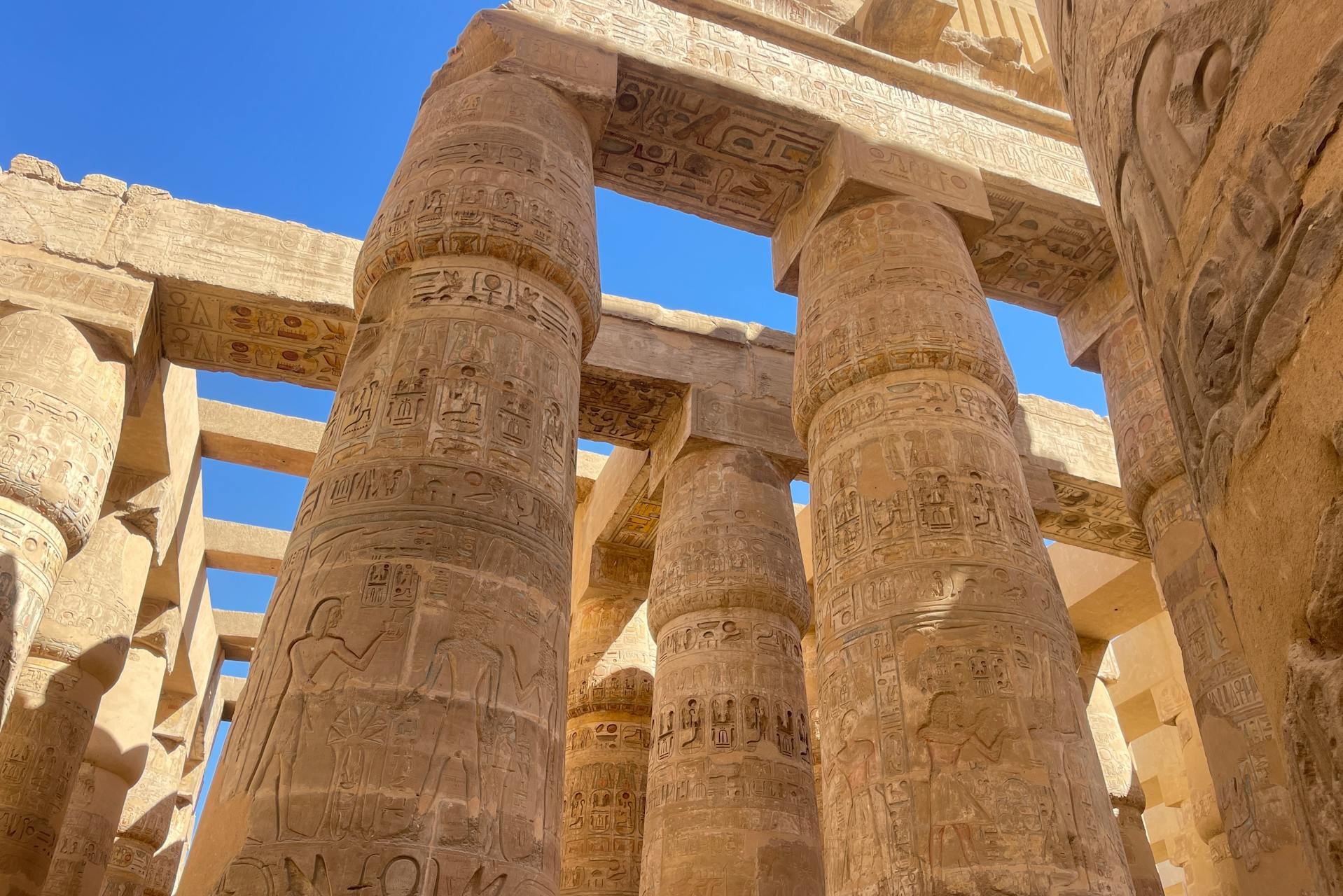
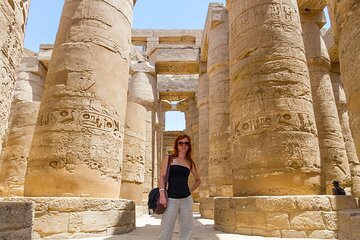
Karnak, or the Karnak Temple Complex, which is known as the Karnak Temple, is a group of temples, buildings and columns, where the expansion and construction processes continued since the Pharaonic era, specifically the kings of the Middle Kingdom, until the Roman era in Luxor in Egypt on the eastern coast. The temple was built for the divine triad Amun (Amun Ra in the modern era), his wife the goddess Mut and their son the god Khonsu; And each of them has a temple belonging to the Karnak Temples Complex. The temple was named with this name in relation to the city of Karnak, and it is a modern name that is distorted from the Arabic word Khurang, meaning the fortified village, which was given to many temples in the area during this period. While the temple was known in the beginning as "Bar Amun", meaning the temple of Amun or Betamun, and during the Middle Kingdom it was called the name Ibt Sut, which means the most chosen of places (sometimes translated as the chosen spot)
11
Day tour
Horse Carriage
What's not included
Entrance fees
Gratuities
Any extras not mentioned in the itinerary
Available languages
Audio guide
DE
EN
IT
FR
ES
Guide guide
DE
EN
IT
FR
ES
Written guide
DE
EN
IT
FR
ES
Important information
Wheelchair accessible
Infants and small children can ride in a pram or stroller
Public transportation options are available nearby
Specialized infant seats are available
Transportation options are wheelchair accessible
All areas and surfaces are wheelchair accessible
Suitable for all physical fitness levels
About Aswan
Aswan is a charming city on the Nile River, known for its rich history, ancient temples, and stunning Nile landscapes. It offers a more relaxed and authentic Egyptian experience compared to the bustling cities of Cairo and Luxor.
Top Attractions
Philae Temple
A stunning temple complex dedicated to the goddess Isis, relocated to Agilkia Island due to the Aswan High Dam.
Historical
2-3 hours
EGP 180
Aswan High Dam
A massive dam on the Nile River, built to control flooding and generate hydroelectric power.
Historical
1-2 hours
EGP 10
Abu Simbel
A magnificent temple complex built by Ramses II, featuring colossal statues of the pharaoh.
Historical
Full day
EGP 300 (including transport)
Elephantine Island
An island in the Nile River with ancient ruins and a rich history dating back to the Old Kingdom.
Historical
2-3 hours
EGP 100
Nubian Museum
A museum dedicated to the history and culture of the Nubian people, featuring artifacts and exhibits.
Museum
1-2 hours
EGP 100
Must-Try Local Dishes
Ful Medames
A traditional fava bean dish, often served with falafel and tahini.
Breakfast
Vegetarian
Grilled Nile Fish
Fresh Nile fish grilled and served with garlic sauce and vegetables.
Dinner
Gluten-free
Koshari
A popular street food made with rice, lentils, pasta, and crispy onions, topped with tomato sauce.
Lunch
Vegetarian
Basbousa
A sweet semolina cake soaked in syrup, often flavored with coconut or rosewater.
Dessert
Vegetarian
Popular Activities
Nile cruises
Fishing on Lake Nasser
Quad biking in the desert
Boat trips on the Nile
Spa treatments
Sunset cruises
Visiting Philae Temple
Exploring the Nubian Museum
Best Time to Visit
October to April
This period offers pleasant weather with cooler temperatures, making it ideal for sightseeing and outdoor activities.
18°C to 30°C
64°F to 86°F
Practical Information
Language
- Official: Arabic
- Widely spoken: English, French
- English: Moderately spoken
Currency
Egyptian Pound (EGP)
Time Zone
EET (GMT+2)
Electricity
220VV, 50HzHz
Safety Information
Overall Safety Rating: Generally safe
Aswan is generally safe for tourists, but standard precautions should be taken to avoid scams and petty theft.
Important Precautions:
- • Bargain for prices in markets and taxis.
- • Be cautious of strangers offering unsolicited help or tours.
- • Keep valuables secure and be aware of your surroundings.
Getting there
By air
- Aswan International Airport • 10 km from city center
By train
Aswan Railway Station
By bus
Aswan Bus Station
Getting around
Public transport
Buses are the most common form of public transport, connecting major areas within the city.
Taxis
Available • Apps: Uber, Careem
Rentals
Car, Bike, Scooter
Neighborhoods
Corniche El-Nil
Souq Area
West Aswan
Day trips
Abu Simbel
280 km • Full day
A stunning temple complex built by Ramses II, featuring colossal statues of the pharaoh.
Lake Nasser
50 km • Half day to full day
A vast artificial lake created by the Aswan High Dam, offering scenic views and water activities.
Kom Ombo
50 km • Half day
A temple complex dedicated to the crocodile god Sobek, offering insights into ancient Egyptian history.
Festivals
Aswan International Festival of Nubian Arts • February
Aswan Film Festival for Nubian Arts • October
Ramadan • Varies (Islamic calendar)
Pro tips
- Visit the Nubian villages for an authentic cultural experience.
- Take a felucca sailboat ride on the Nile at sunset for stunning views.
- Bargain for prices in markets and taxis to get the best deals.
- Carry small denominations of Egyptian pounds for tips and small purchases.
- Dress modestly and respect local customs, especially in religious sites.
From $25
per person
Price varies by option
Secure booking
Free cancellation available
Instant confirmation