5 Days tour from The North To south
Active
5d
For a full refund, cancel at least 24 hours before the scheduled departure time.
Instant confirmation
Mobile or paper ticket accepted
About this experience
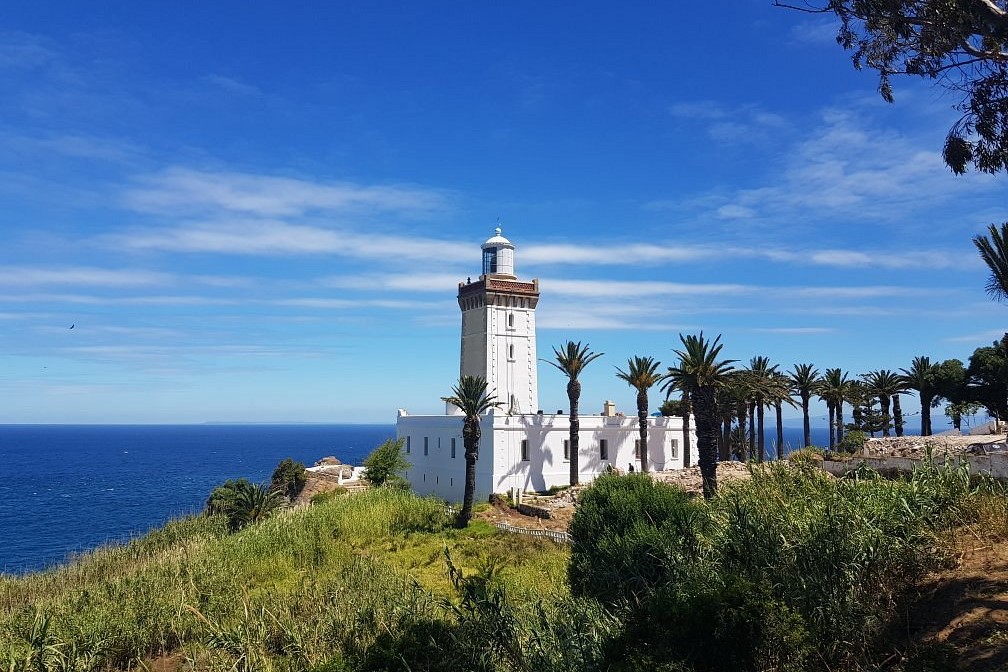
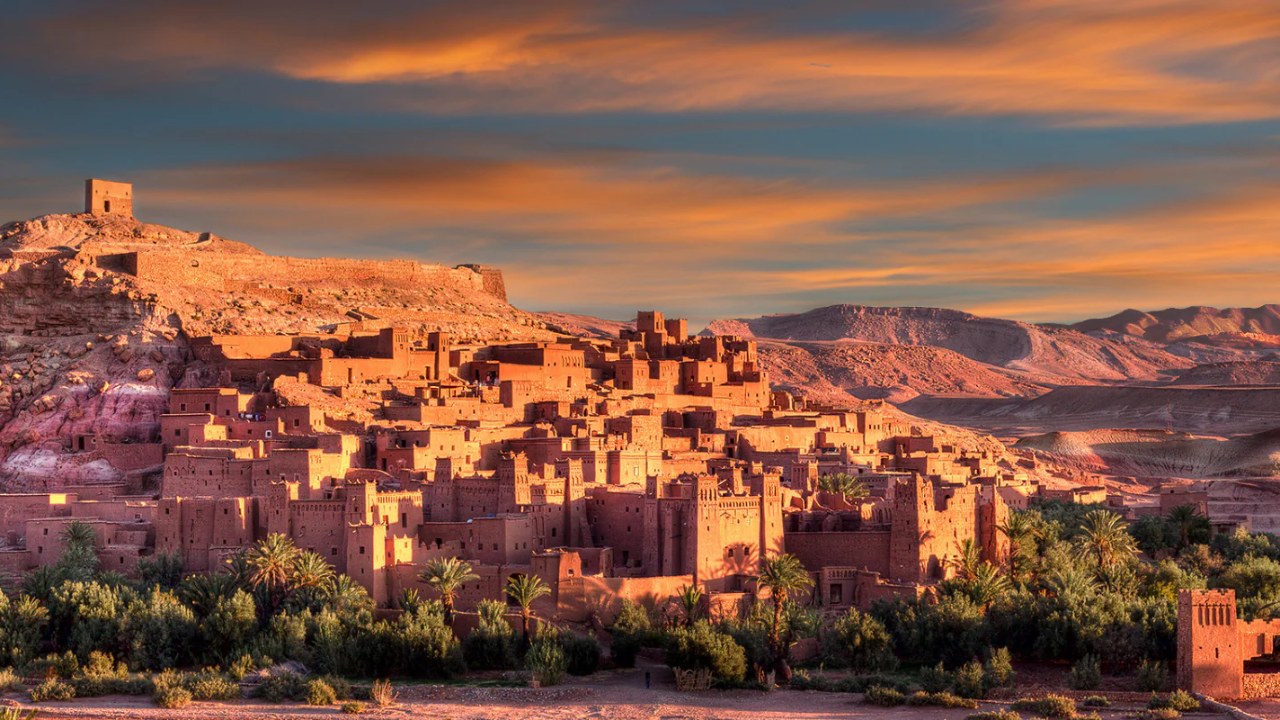
Tangier and its wonderful caves, Chefchaouen, the pearl of the north with its blue charming alleyways, Meknes with its stunning gates and enormous walls, and Fes, Morocco’s cultural and spiritual capital with its labyrinth markets are all part of a 5-day northern and imperial towns tour from Tangier. This journey also brings you to a section of the Moroccan kingdom that is still relatively unknown, where the Andalusian influence still pervades the lives of the little communities of the Eastern Rif.
Available options
5 Days tour from The North To south
Pickup included
What's included
Private transportation
WiFi on board
Bottled water
Transportation (air-conditioned vehicle)
Visit most important monuments
Professional Driver
Detailed itinerary
1
Tangier-Chefchaouen
We’ll begin by driving across the Rif Mountains, passing through Tetouan. We’ll take a break at the foot of the Rif mountains in Chefchaouan to thoroughly appreciate the amazing views of the region. Chefchaouen’s medina is heavily influenced by Spanish architecture, as it was originally part of “Spanish Morocco,” and its square is brimming with colorful handmade shops. It also has a number of rooftop restaurants and cafes, which are also available in the Riads, where you may spend the rest of the evening with a pleasant breeze and a stunning view.
2
Stop 2
Pass by
Chefchaouen-Volubilis-Meknes-Fez
After a delicious breakfast, we continue on our way to Volubilis, passing via Ouazan and other Rif settlements. We’ll see the Roman ruins at Volubilis, recognized by UNESCO (1997). It contains amazing mosaics, hundreds of Latin inscriptions, and artistic elements.. We’ll pause for lunch before continuing on to Meknes, where we’ll see the medieval walls of the medina, as well as Bab el Mansour and the Moulay Ismail shrine. We’ll leave later in the afternoon for Fes, where we’ll spend the night.
3
Our driver will meet you at your riad/hotel in Fez, we begin our tour at the Royal Palace with its superb bronze doors (seven in general. Then, with its old architecture, we visit Morocco’s first Mellah (Jewish district). We’re about to start our Fez walking tour through the maze of the Fez medina (UNESCO World Heritage). Begin at Sebbaghine, with its vibrant dyers’ lanes, then continue to Seffarine, passing through the winding alleys of the magnificent Mosque el-Quarawiyyin and the University, before taking a trip back in time to the beautiful Souk el-Attarine, filled with scented spices and vegetables. Visit the excellent Medersa el-Atterine, as well as the Quarters, mosques, and tanneries on the Oued Fez’s bank. Fes is the best in crafts, using the same materials as in the past. The tanneries, which are well-known in Fes, are a highlight of the visit, with locals working in small pits on goat, lamp, camel, and cow skins.
4
Fes – Rabat – Casablanca
In the morning and after breakfast we will leave Fes to Rabat (Morocco’s capital and one of the imperial cities). On the way you’ll appreciate many beautiful landscapes and countrysides, we can stop for a while to take some memorable pictures. Upon arrival in Rabat , we will take a break to relax and have lunch then we will begin our tour of the city. First visit the unfinished mosque Tower Hassan and the mausoleum Mohamed 5th and the magnificent Chellah. In the afternoon continue to Casablanca. If we have time we will take you to Hassan II mosque, Casablanca’s most famous monument and the city’s only mosque open to non-Muslims. Morocco’s first introduction of Moorish characteristics is the Hassan II Mosque. It was constructed between 1987 and 1993 by King Hassan II. More than 25 thousand worshipers can pray inside the mosque, while 80 thousand people can pray outside in the mosque’s main square. Finally, we will drop you off at your accommodation.
5
Casablanca-Asilah-Tangier
Today, we’ll travel from Casablanca to Assilah and finally to Tangier, where our journey will come to a close.
What's not included
Hotel/riad
All Fees and Taxes
Available languages
Guide guide
EN
IT
FR
ES
Reviews breakdown
Tripadvisor
5.0
2 reviews
5★
2
4★
0
3★
0
2★
0
1★
0
Important information
Wheelchair accessible
Infants and small children can ride in a pram or stroller
Service animals allowed
Public transportation options are available nearby
Infants are required to sit on an adult’s lap
Specialized infant seats are available
Transportation options are wheelchair accessible
All areas and surfaces are wheelchair accessible
Not recommended for travelers with spinal injuries
Not recommended for pregnant travelers
Not recommended for travelers with poor cardiovascular health
Suitable for all physical fitness levels
About Tangier
Tangier is a vibrant port city in northern Morocco, where African and European influences blend seamlessly. Known for its rich history, stunning Mediterranean coastline, and unique cultural heritage, it offers a captivating mix of old-world charm and modern allure.
Top Attractions
Kasbah Museum
Housed in the former sultan's palace, this museum offers a glimpse into Tangier's rich history and cultural heritage.
Historical
1-2 hours
50 MAD
Cave of Hercules
A legendary cave with a unique natural formation that resembles the map of Africa, linked to the myth of Hercules.
Historical
1-2 hours
Free
Grand Socco
A bustling square at the entrance to the medina, serving as a hub for locals and tourists alike.
Cultural
30 minutes to a few hours
Free
Tangier Beach
A popular beach for swimming, sunbathing, and water sports, offering beautiful views of the Strait of Gibraltar.
Beach
A few hours to a full day
Free (rentals and activities may have fees)
Must-Try Local Dishes
Tangine
A slow-cooked savory stew made with meat, vegetables, and spices, traditionally cooked in a ceramic pot called a tangine.
Main Dish
Vegetarian and vegan options available
Couscous
Steamed semolina grains served with vegetables and meat, a staple of Moroccan cuisine.
Main Dish
Vegetarian and vegan options available
Harira
A hearty soup made with lentils, chickpeas, tomatoes, and spices, often served during Ramadan.
Soup
Vegetarian and vegan options available
Msemen
A flaky, layered pancake or flatbread, often served with honey or jam.
Breakfast
Vegetarian and vegan options available
Popular Activities
Hiking in the nearby mountains
Water sports at Tangier Beach
Boat tours to nearby islands
Sunbathing and swimming at Tangier Beach
Enjoying a traditional hammam (spa)
Sipping mint tea at a café with a view
Exploring the medina and its markets
Visiting historic sites and museums
Best Time to Visit
Spring (March to May) and Fall (September to November)
Spring and fall offer pleasant weather with mild temperatures and fewer tourists, making it ideal for exploring the city and its attractions.
18°C to 25°C
64°F to 77°F
Practical Information
Language
- Official: Arabic
- Widely spoken: French, Spanish, English
- English: Moderately spoken in tourist areas
Currency
Moroccan Dirham (MAD)
Time Zone
GMT+1 (UTC+1)
Electricity
220VV, 50HzHz
Safety Information
Overall Safety Rating: Exercise caution
Tangier is generally safe for tourists, but petty crime and scams can occur, especially in crowded areas. Be aware of your surroundings and take precautions to protect your belongings.
Important Precautions:
- • Be cautious of your belongings in crowded areas
- • Use common sense and stay aware of your surroundings
- • Avoid walking alone late at night, especially in less touristy areas
Getting there
By air
- Tangier Ibn Battuta Airport • 14 km (8.7 miles) from city center
By train
Tangier Ville Station
By bus
Tangier Bus Station
Getting around
Public transport
Affordable and convenient, with routes covering major attractions and neighborhoods.
Taxis
Available • Apps: Careem, Heetch
Rentals
Car, Bike, Scooter
Neighborhoods
Medina
Ville Nouvelle
Kasbah
Day trips
Chafarinas Islands
40 km (25 miles) • Full day
A group of small islands with unique flora and fauna, offering opportunities for birdwatching and nature walks.
Asilah
30 km (18.6 miles) • Half day to Full day
A charming coastal town known for its well-preserved medina, colorful buildings, and vibrant arts scene.
Chefchaouen
100 km (62.1 miles) • Full day to Overnight
A picturesque mountain town known for its blue-washed buildings, narrow streets, and stunning natural surroundings.
Festivals
Tangier International Festival of the Mediterranean • July
Mawazine World Rhythms • May to June
Pro tips
- Visit the medina early in the morning or late in the afternoon to avoid the heat and crowds
- Hire a local guide to explore the medina and its hidden gems, as it can be disorienting and overwhelming for first-time visitors
- Try a traditional hammam (spa) for a relaxing and authentic Moroccan experience
- Sample the local cuisine at street food stalls and markets, but be cautious of food safety and choose busy stalls with high turnover
- Bargain politely when shopping in markets, as it is expected and can be a fun and interactive experience
From $25
per person
Price varies by option
Secure booking
Free cancellation available
Instant confirmation