Day trip from La Spezia pier: Florence and Pisa highlights - private tour
Active
10h
All sales are final. No refund is available for cancellations.
Manual confirmation
Mobile or paper ticket accepted
About this experience
Enjoy a full-day trip from La Spezia pier to the pearls of Tuscany on this private tour of Florence and Pisa.
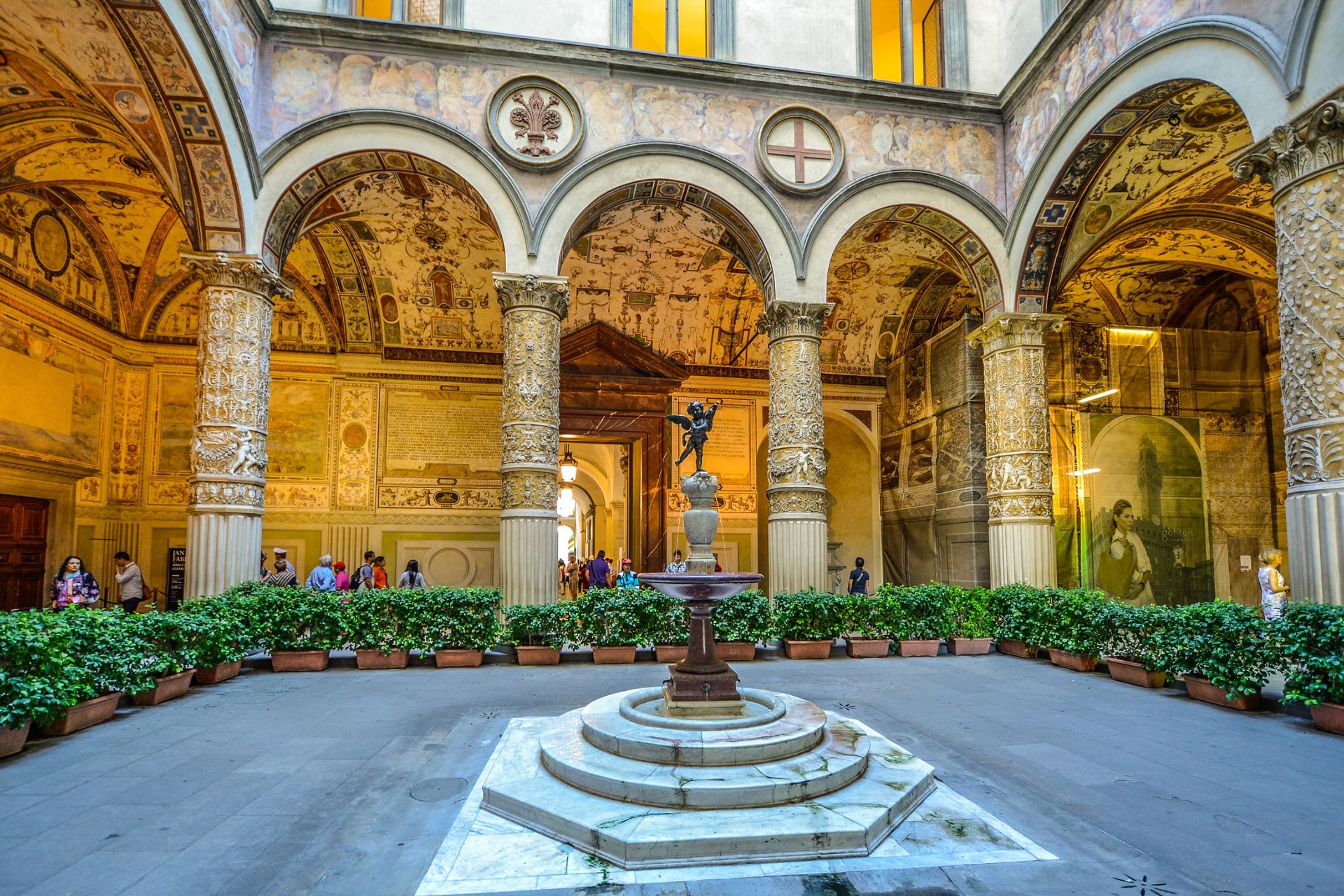
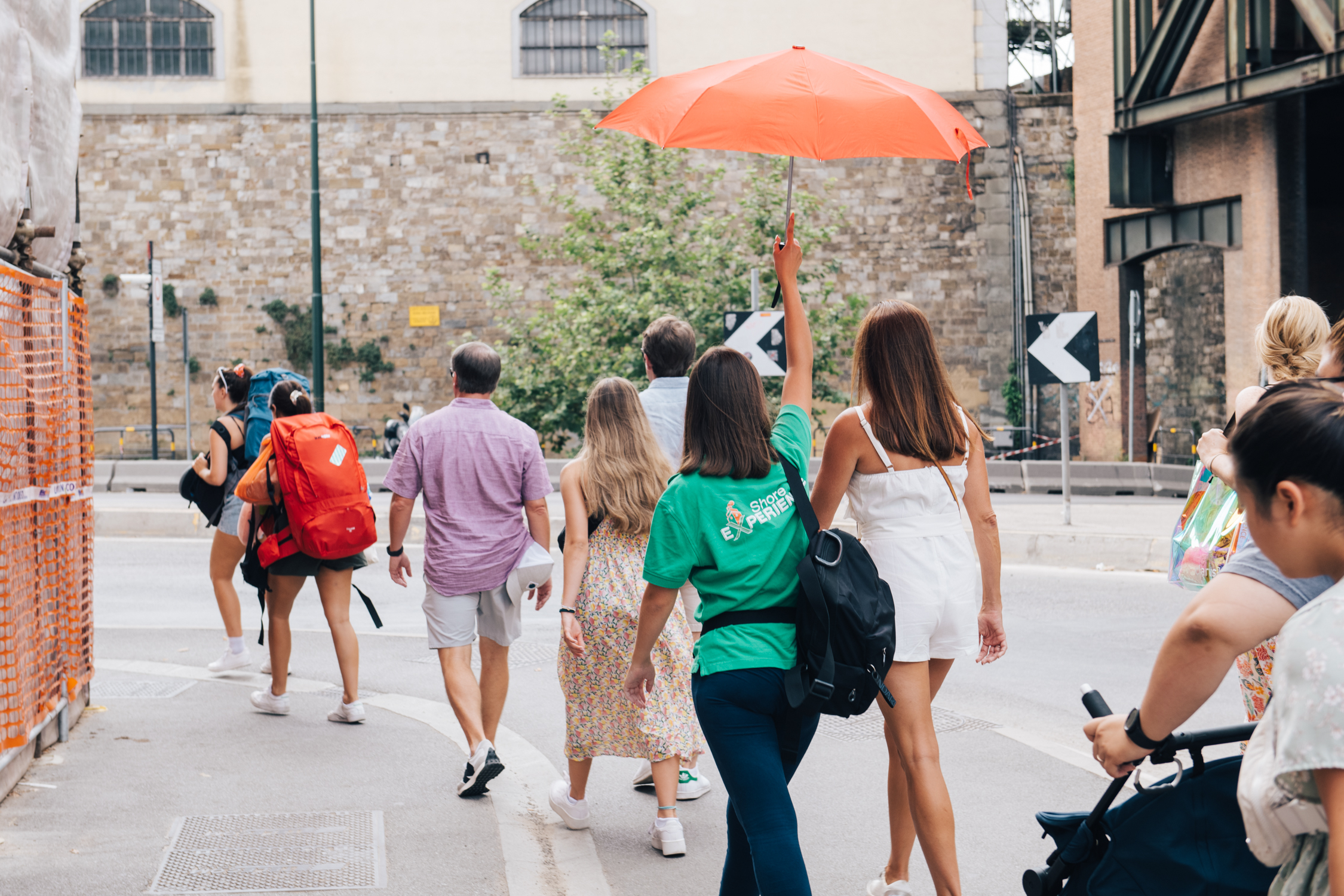
Travel through the rolling hills of Tuscany to arrive to the red-roofed charming, Renaissance city of Florence: strolls down its enchanting cobbled streets, stops at its most famous piazzas, fountains and monuments. In Pisa, admire the famous Leaning Tower and other marble landmarks of Piazza dei Miracoli. Throughout the day, enjoy the tailored care of a private guide.
A stop for lunch during the day is included ( at your own expense )
Available options
Day trip from La Spezia pier: Florence and Pisa highlights - private tour
Pickup included
What's included
Professional tour guide ( 2 hrs in Florence and 2 hrs in Pisa )
Vip entrance to Baptistery, Cathedral and Leaning Tower in Pisa
Transportation from/to La Spezia pier by deluxe vehicle and English speaking driver
Detailed itinerary
1
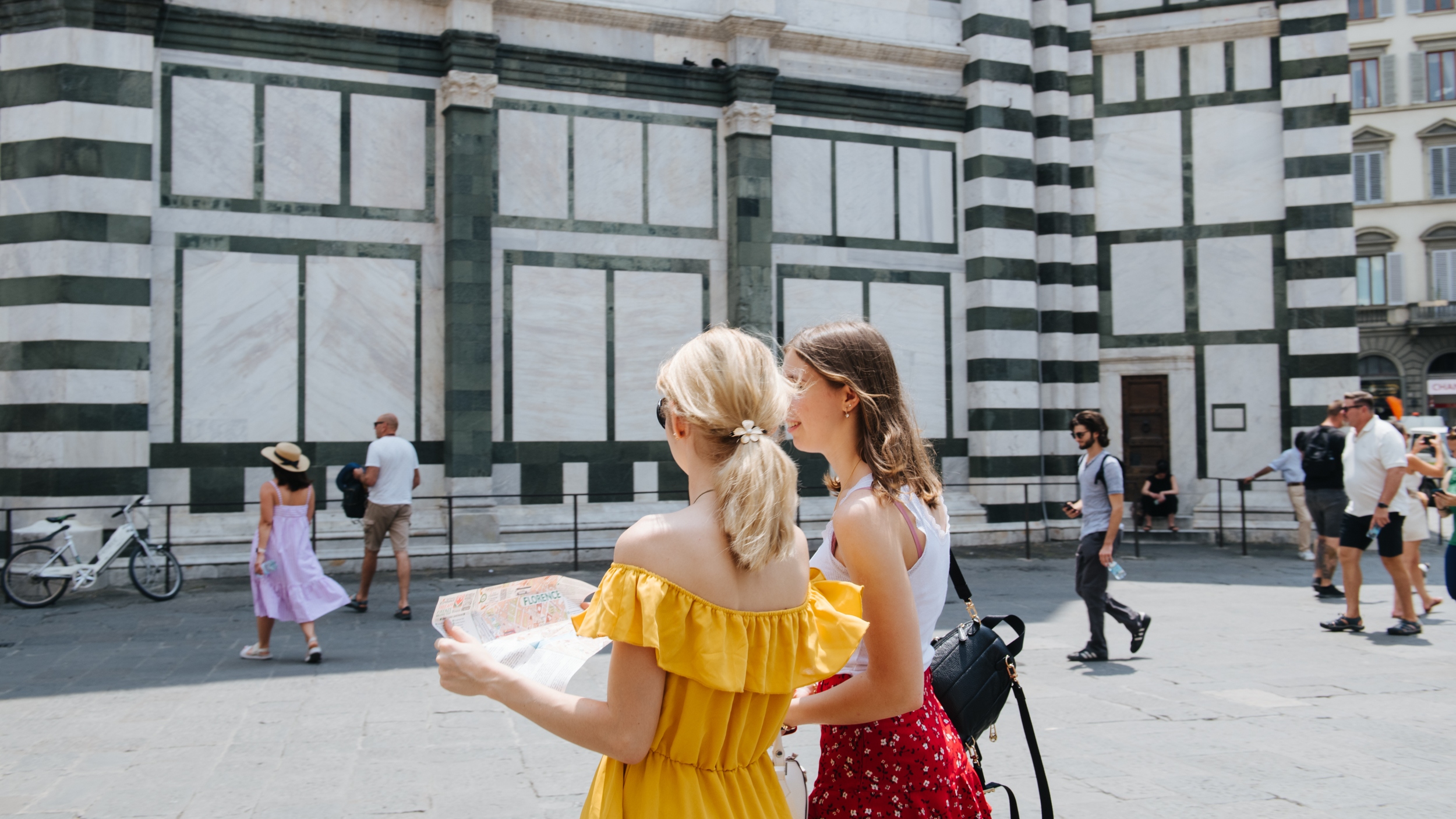
Not only is central Florence the heart of town, but since the 1500s it was also the heart of the Italian Renaissance. While many of Florence’s neighbors never recovered from plagues and famines, thanks to its river access, powerful military, and ruthless Medici rulers, Florence grew into a European powerhouse in the Age of Enlightenment.
2
Stop 2
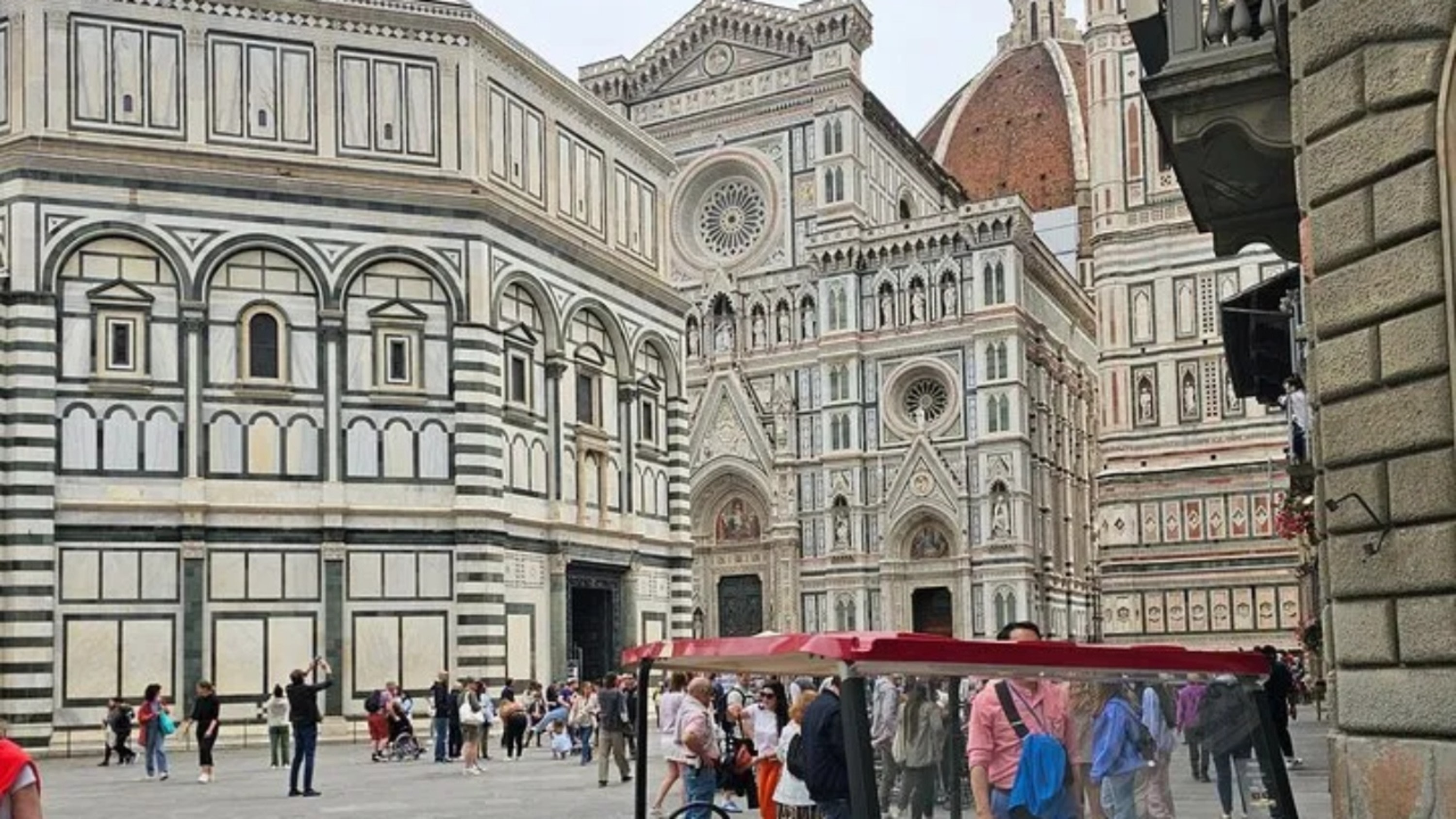
Officially called the Cathedral of Santa Maria of the Flower (del Fiore), Florence’s Cathedral (Duomo) is the most monumental landmark in town. Before the current church was started in 1296, the Romanesque Cathedral of Santa Reparata sat here dating back to the Gauls in the 400s. Because the architect died in 1310, work slowed for 30 years until the survivors of the Plague of 1348 revived the project. ( exterior only )
3
Stop 3
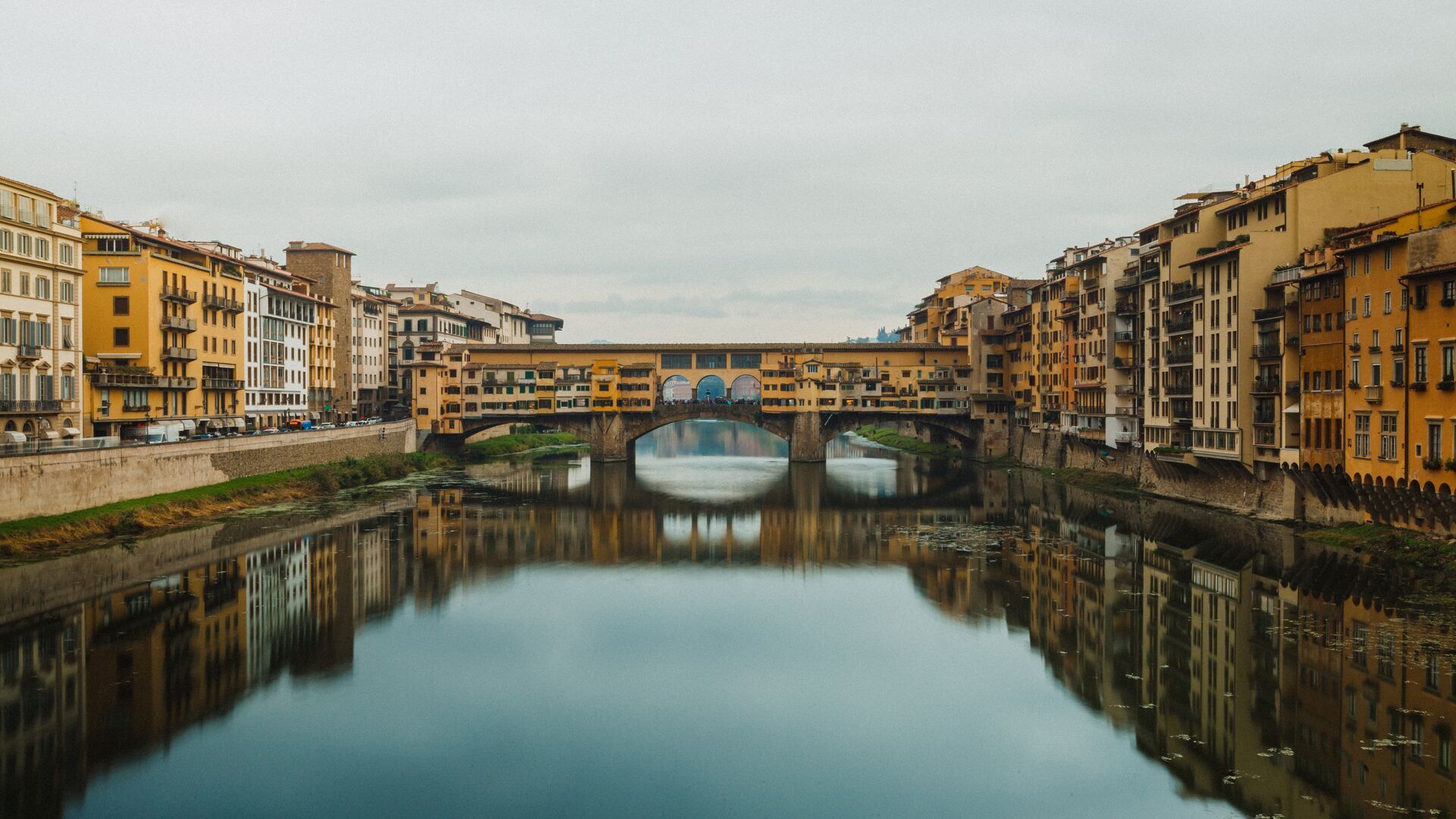
The Roman bridge was built next to this one around 127AD and replaced by in 966. It was the only one to cross the River until 1218. The first one was made of wood then turned into a stone bridge after the Flood of 1333 or 45? butchers (beccai) were based here, threw scraps in the river, and it stunk so bad that Cosimo de Medici had Vasari build him a suspended walkway to Pitti Palace. Rich people didn’t want to walk the stinky bridge either and had Goldsmiths move in. It is the only bridge in town to survive WW2
4
Stop 4
The Eastern side of the complex was a theater in Roman Times built around 150AD (city Florentia was 59 BC by Julius Caesar) on what was a natural 20-foot slope. It was seating for 8,000-10,000 people and had to be enclosed by an additional wall as it boarder the original city wall. It was abandoned by the 500s, built over in the 1300s, a re-discovered in 1875. ( exterior only )
5
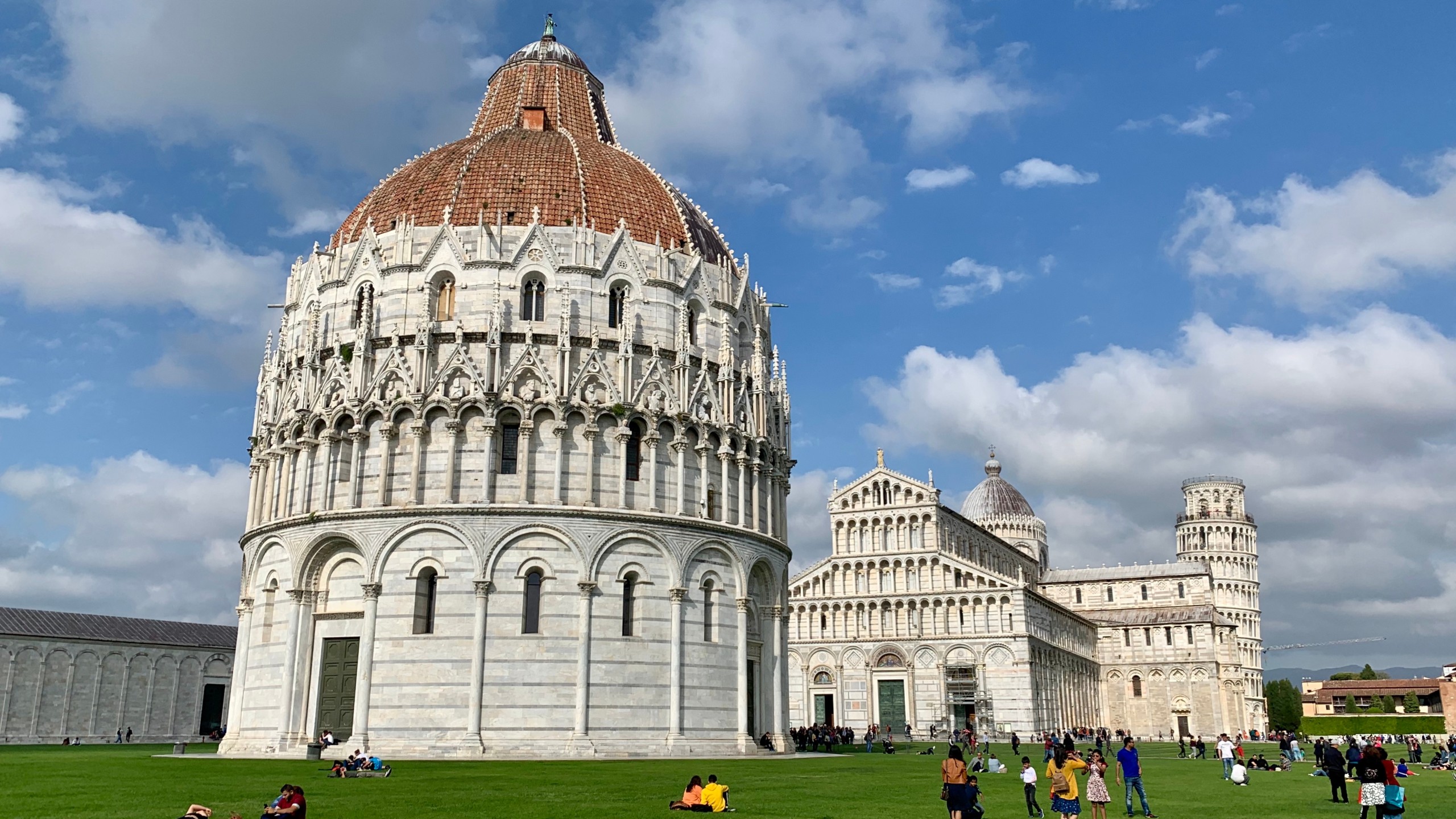
The city of Pisa rises above the banks of Arno, just before the mouth of the river at Marina of Pisa. It is one of the most important cities in Tuscany and it is extremely well-known in the world, because of its famous symbol: "the Leaning Tower".
6
Stop 6
The Tower of Pisa in Italian “Torre Pendente di Pisa” is located in the city of Pisa, exactly in the Piazza del Duomo of Pisa known as “Piazza dei Miracoli” (Cathedral Square). This famous tower began to tilt when its construction began in 1173. The Tower of Pisa measures 55.86 meters of height with an estimated weight of 14,700 tons and an inclination of about 4 ° extending 3.9 m of the vertical. In 1964 the Italian government asked for help to prevent the Tower of Pisa from collapsing.
In 1987, UNESCO declared Patrimony of the Humanity to the whole patrimonial group of the Cathedral Square. In 1990 it closed its doors to the public as a security measure and after several works of restructuring, on June 16th 2001 opened its doors again.
7
Stop 7
With a circumference of 107.24 metres, walls 2.63 metres thick at the base, and a height of 54.86 metres, it is the largest baptistery in Italy. The dome is clad with red tiles on the side facing the sea, and with lead sheets to the east.
8
Founded in 1064 and consecrated with great pomp on September 26th 1118, the Cathedral was built in two stages, one by architect Buscheto, who created the original layout with the basilican body with four aisles and one nave, a transept with one nave and two aisles, and the dome on the cross vault, and one by Rainaldo, who extended the building and the façade. The building was not finally completed until the last quarter of the XII century, when Bonannoís bronze leaves were placed on the central door, which were later destroyed by the devastating fire of 1595, after which many of the destroyed works were replaced and a vast decorative plan was started.
What's not included
Lunch fee
Entrance tickets in Florence
Gratuities
Available languages
Guide guide
EN
Important information
Specialized infant seats are available
Infants and small children can ride in a pram or stroller
Travelers should have at least a moderate level of physical fitness
Leaning tower of Pisa not recommended for people with cardiovascular and muscular disorders. The floor is uneven and slippery.
About La Spezia
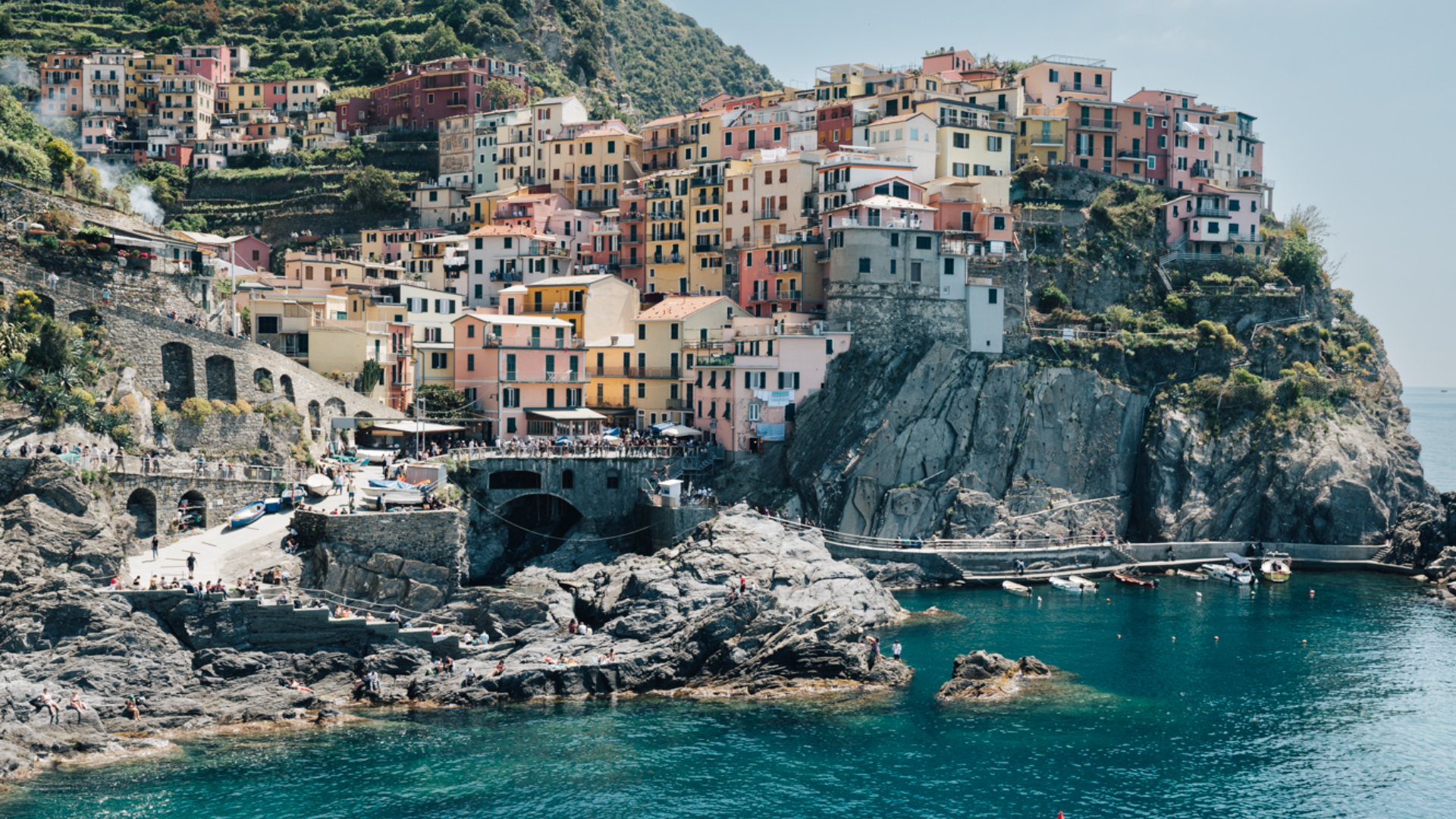
La Spezia is a vibrant port city in northern Italy, serving as the gateway to the stunning Cinque Terre. Known for its rich maritime history, beautiful waterfront, and as a starting point for exploring the picturesque coastal villages of the Cinque Terre, La Spezia offers a blend of cultural, historical, and natural attractions.
Top Attractions
Castello di San Giorgio
A medieval castle offering panoramic views of the city and the Gulf of La Spezia. The castle houses the Museum of Ligure Navigation.
Historical
1-2 hours
€5
Museo Civico Amedeo Lia
A museum showcasing a rich collection of artworks, including paintings, sculptures, and decorative arts from the Middle Ages to the 20th century.
Museum
1-2 hours
€7
Cinque Terre
A UNESCO World Heritage site consisting of five picturesque coastal villages: Monterosso al Mare, Vernazza, Corniglia, Manarola, and Riomaggiore.
Nature
Full day
Free to explore, but train and ferry tickets apply
Must-Try Local Dishes
Trofie al Pesto
A traditional Ligurian pasta dish made with trofie pasta and pesto sauce, often served with potatoes and green beans.
Main Course
Contains dairy and nuts.
Focaccia
A type of flatbread topped with olive oil, salt, and sometimes herbs or other ingredients.
Snack
Vegan options available.
Farinata
A savory chickpea pancake, similar to a thin, crispy crepe.
Snack
Vegan and gluten-free.
Popular Activities
Hiking in Cinque Terre
Kayaking in the Gulf of La Spezia
Beach activities
Spa treatments
Visiting museums
Exploring historical sites
Boat tours
Swimming
Best Time to Visit
June to August
This is the peak tourist season with warm weather, crowded beaches, and vibrant festivals. Ideal for beach activities and exploring the Cinque Terre.
20-30°C
68-86°F
Practical Information
Language
- Official: Italian
- Widely spoken: English, French
- English: Moderately spoken in tourist areas
Currency
Euro (EUR)
Time Zone
GMT+1 (CET), GMT+2 (CEST) during daylight saving time
Electricity
230VV, 50HzHz
Safety Information
Overall Safety Rating: Generally safe
La Spezia is generally safe for tourists, with low crime rates. However, as with any destination, it's important to be aware of your surroundings and take basic precautions.
Important Precautions:
- • Keep valuables secure in crowded areas.
- • Use licensed taxis or ride-sharing services.
- • Be cautious when walking alone at night.
Getting there
By air
- Christoforo Colombo Airport • 100 km from La Spezia
By train
La Spezia Centrale
By bus
La Spezia Centrale Bus Station
Getting around
Public transport
Buses are the primary mode of public transport in La Spezia. They are affordable and connect major attractions.
Taxis
Available • Apps: MyTaxi, FreeNow
Rentals
Car, Bike, Scooter
Neighborhoods
Piazza Verdi
Porto Mirabello
Day trips
Porto Venere
10 km • Half day to full day
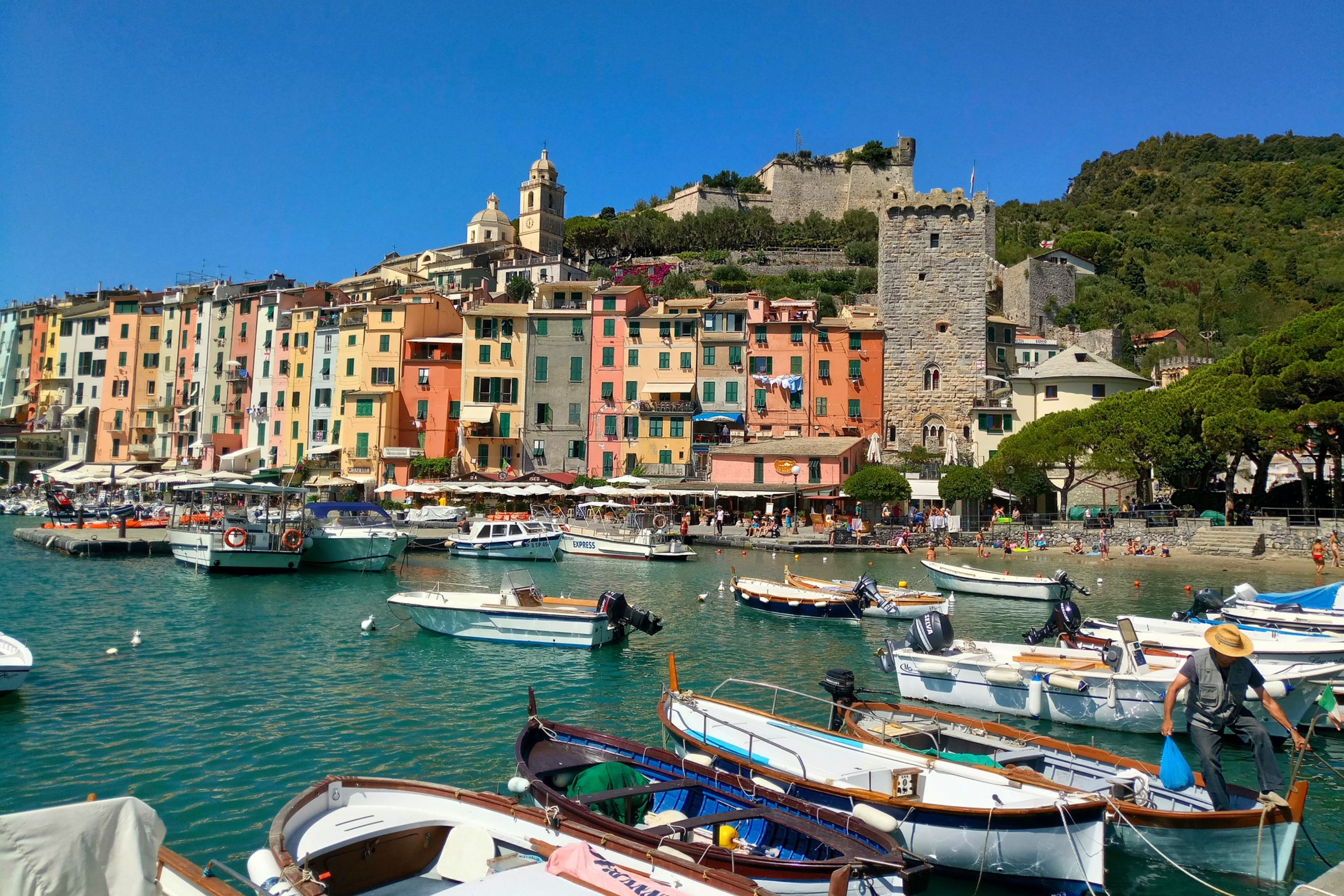
A charming coastal town with a medieval church, colorful houses, and stunning views of the sea.
Lerici
15 km • Full day
A picturesque seaside town with a beautiful beach, historic castle, and charming streets.
Festivals
Spezia Festival • July
Cinque Terre Festival • October
Pro tips
- Purchase a Cinque Terre Card for unlimited train travel between the villages.
- Visit the Cinque Terre in the morning to avoid crowds and enjoy the scenery.
- Try local specialties like pesto, focaccia, and fresh seafood.
- Explore the city's historic sites, such as the Castello di San Giorgio and the Museo Civico Amedeo Lia.
- Take a boat tour to see the coastline from a different perspective.
From $25
per person
Price varies by option
Secure booking
Free cancellation available