Varanasi-city of Ganges, same day visit
Active
5h - 6h
For a full refund, cancel at least 24 hours before the scheduled departure time.
Instant confirmation
Mobile or paper ticket accepted
About this experience
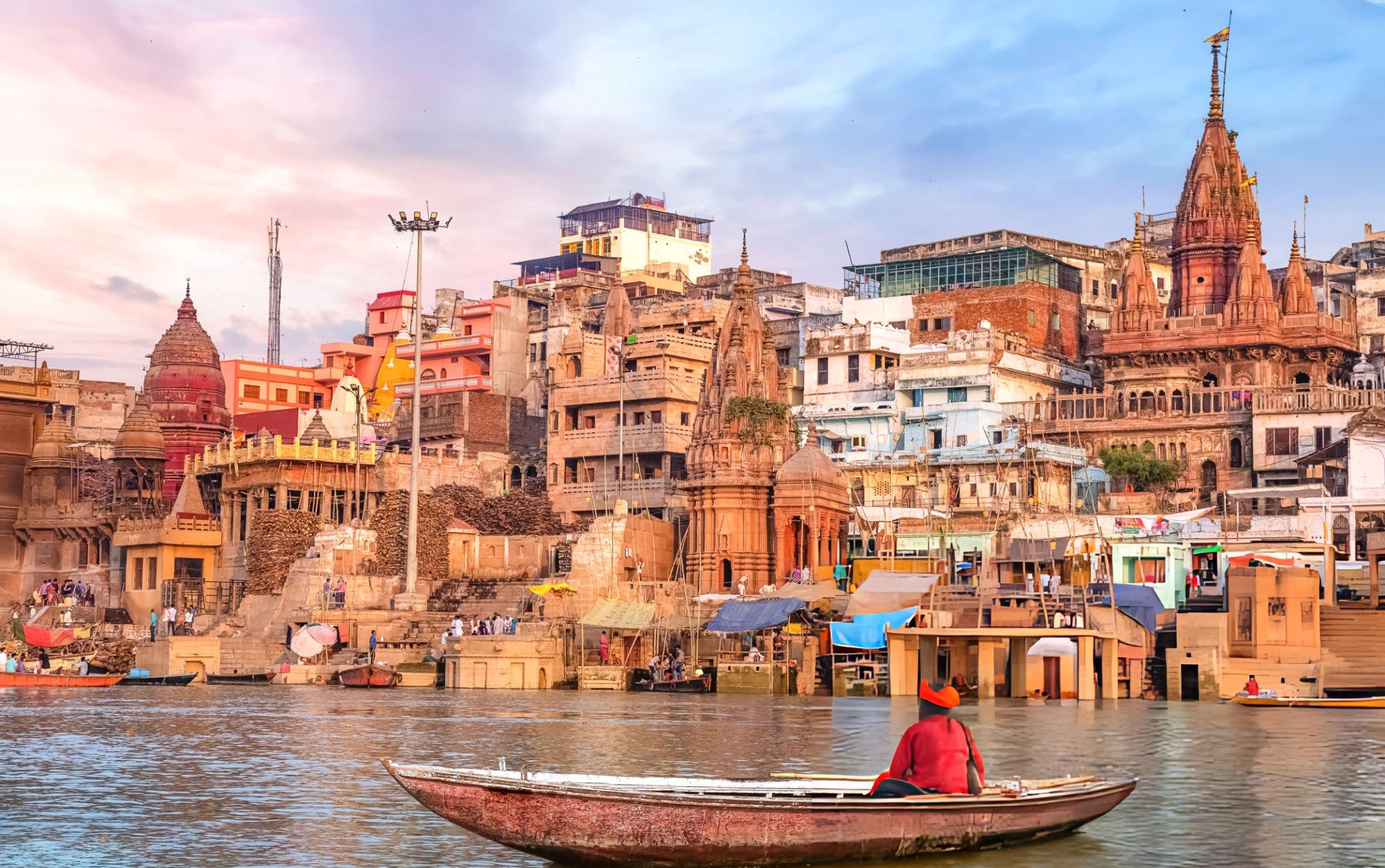
A crumbling maze of a city that rises from the ghats (steps) on the western banks of the Ganges, Varanasi is in many senses the quintessential India. With an ancient history -- Mark Twain famously described it as "older than history, older than tradition, older even than legend, and looks twice as old as all of them put together" -- it is also one of the most sacred cities in the world today. Kashi, or "City of Light, where the eternal light of Shiva intersects the earth," as Varanasi is seen by devotees, is the holiest of Indian pilgrimages, home of Shiva, where the devout come to wash away their sins. Earliest accounts of the city go back 8,000 years, and "the city of learning and burning," as it is affectionately referred to, has attracted pilgrims from time immemorial, not all of them Hindu -- even Buddha visited here in 500 B.C. after he achieved enlightenment, sharing his wisdom at nearby Sarnath.
Available options
Varanasi-city of Ganges, same day visit
Pickup included
What's included
Private transportation
All Fees and Taxes
Monument entry fee at the sites
Air-conditioned vehicle
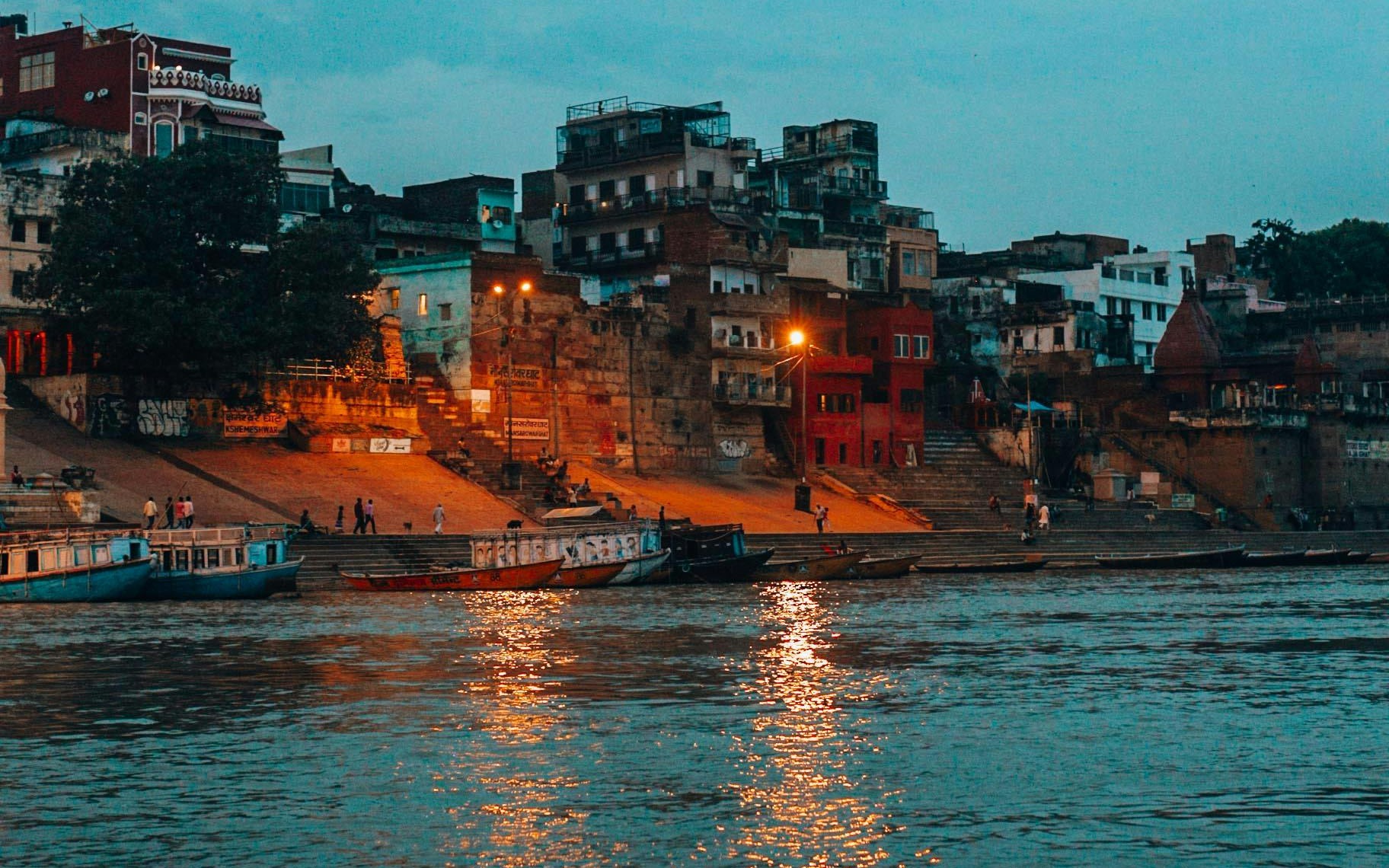
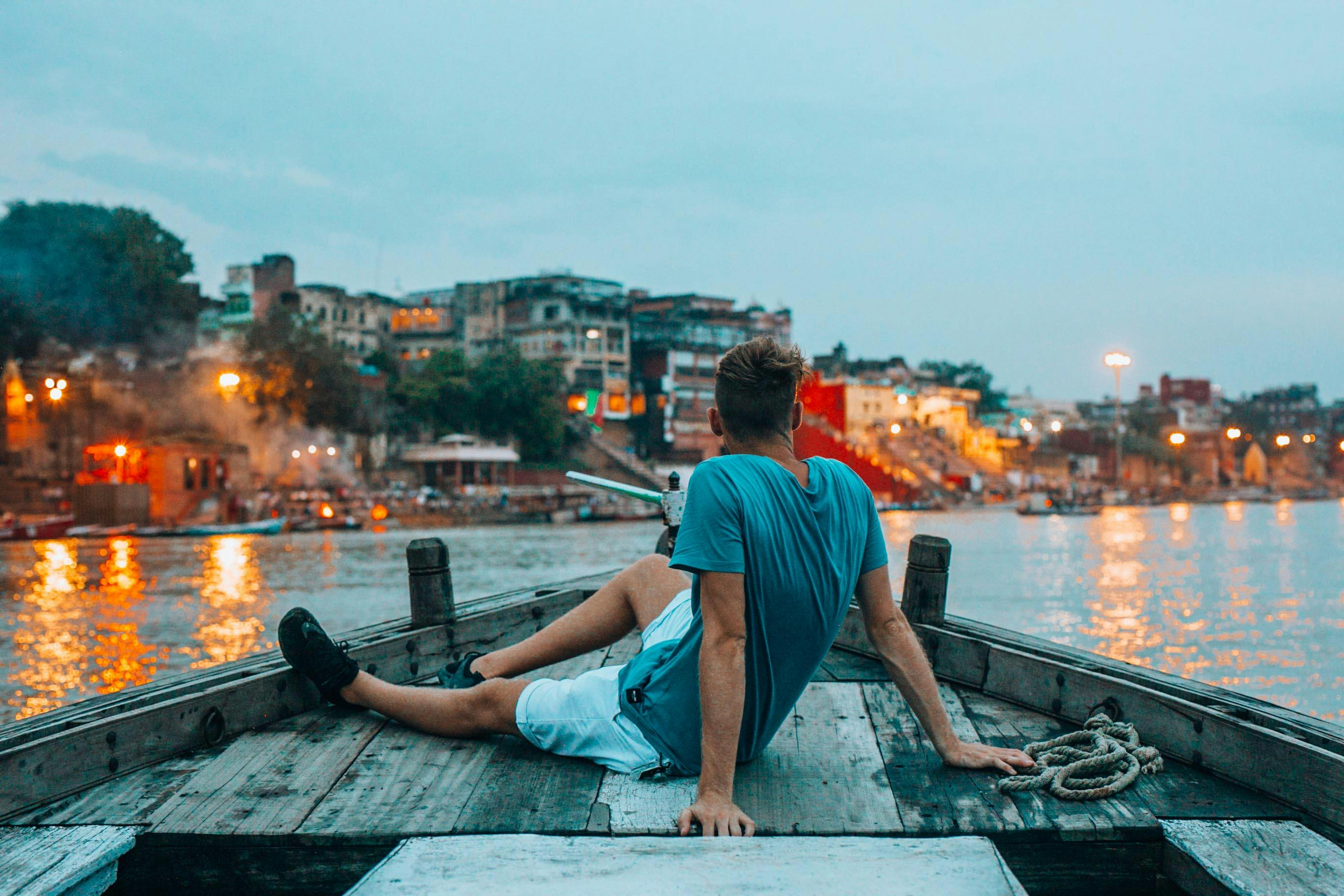
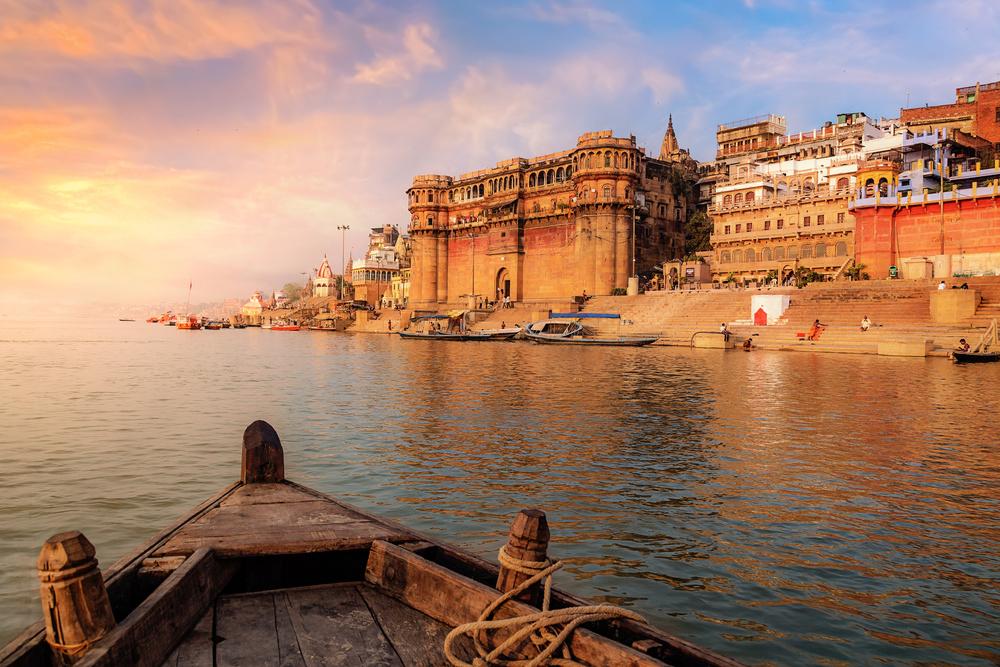
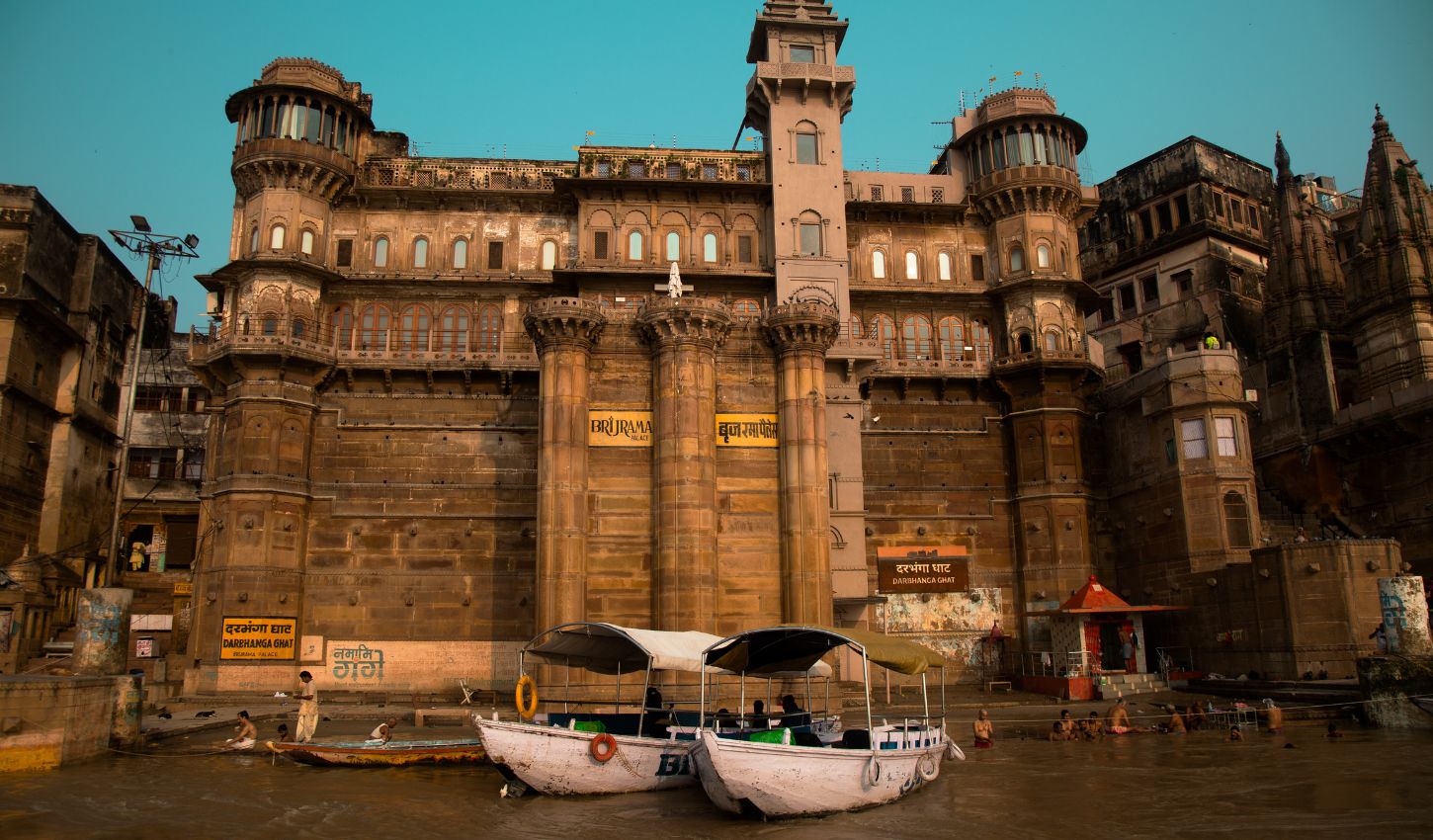
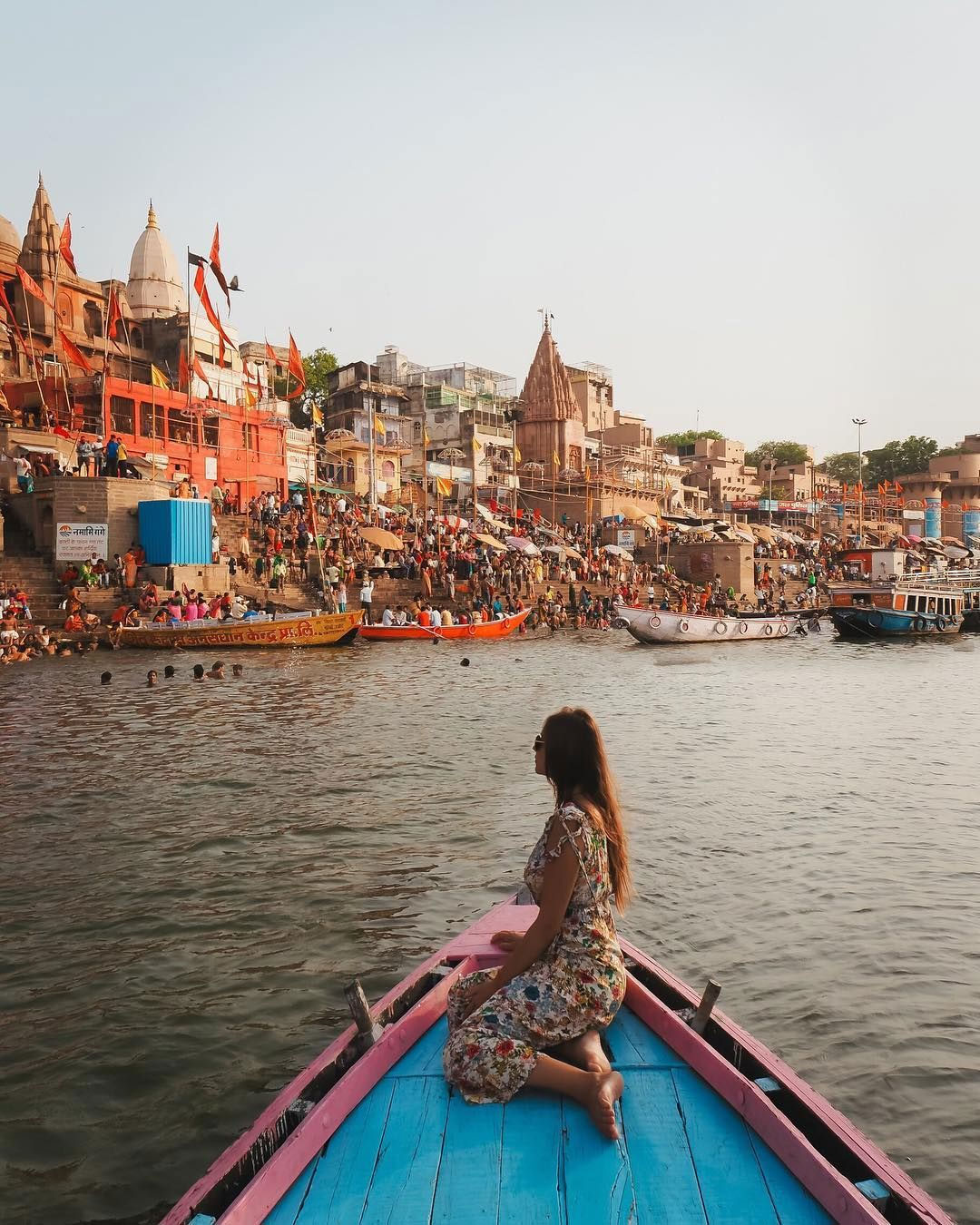
Boat ride at the river Ganges to see the historic ghats (sharing basis)
Service of English speaking local guide during the sightseeing
Evening Ganges aarti ceremony at the Dashashwamedh ghat
Detailed itinerary
1
Kashi Vishwanath Temple is one of the most famous temple in Varanasi, also known as the Golden temple dedicated to the Lord Shiva. It was constructed in the year 1780 by the Maratha monarch, Maharani Ahilyabai Holkar of the Indore. This makes Varanasi a tourists place because of great religious importance to the Hindus.Non-Hindus are not allowed to inside the main temple.
2
Stop 2
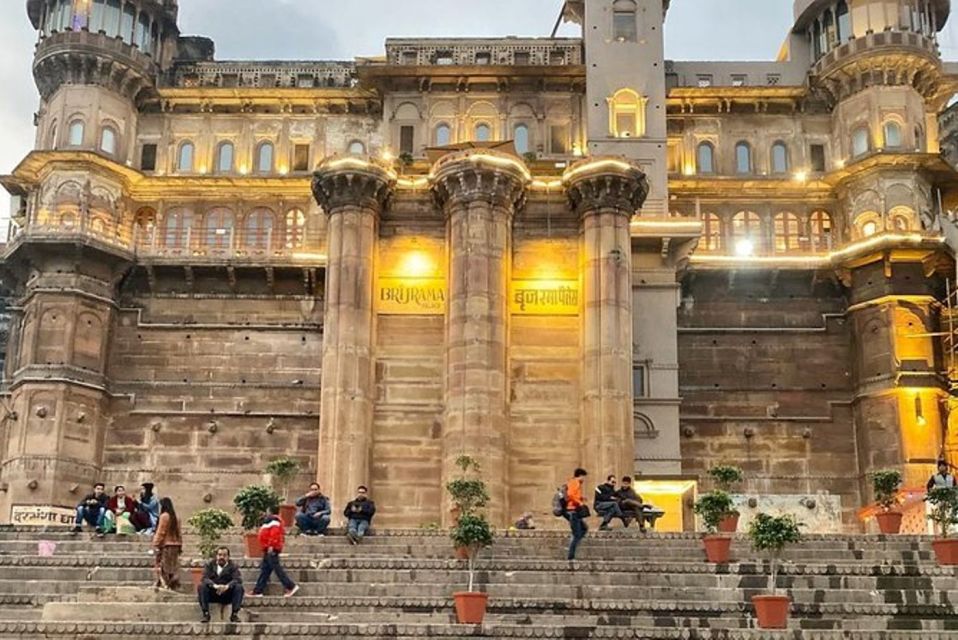
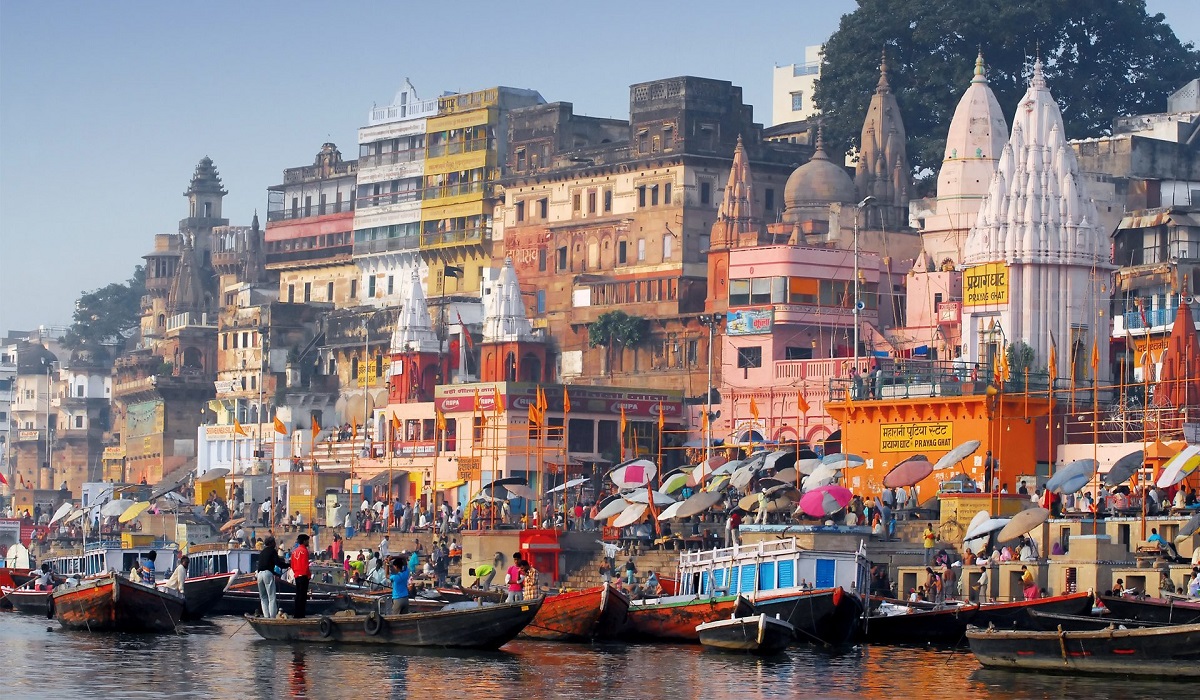
Dashashwamedh ghat is one of the oldest, most spectacular and important ghat, located at the bank of the river Gange near to the old Vishwanath Temple in the Kashi. The literal meaning of the Dashashwamedh is the Ghat (river front) of the ten sacrificed horses (dash means 10, ashwa means horse, medh means sacrifice). In the evening head for Dasashwamedh Ghat to watch the Ganga Fire Aarti. For 45 minutes, young Brahmin priests perform age-old prayer rituals with conch shells and burning braziers accompanied by drummers, while children hawk candles for you to light and set adrift. Unfortunately, the recent addition of live musical prayer recitals through loudspeakers has somewhat robbed the original format of its mesmerizing effect and enigma.
3
Stop 3
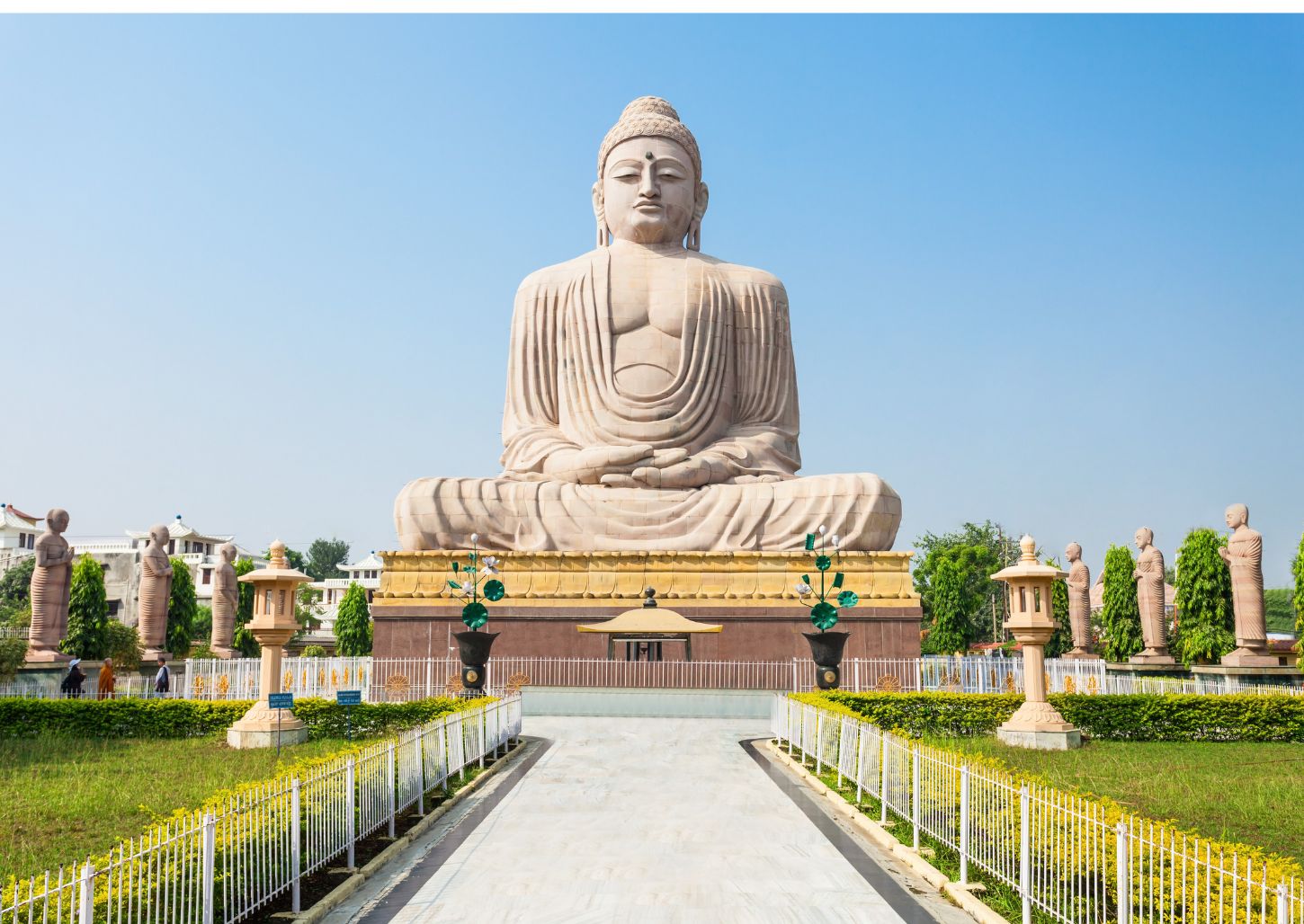
Sarnath is the place where Gautama Buddha first taught the Dharma then Buddhist Sangha has originated as well as came into existence because of the enlightenment of Kondanna. It is situated at least 13 Km to north-east of Varanasi. There is a village 1 km away from the Sarnath known as the Singhpur where Shreyansanath was born. He was known as the eleventh Tirthankara of Jainism. This is why the sarnath is also an important pilgrimage site for Jainism. Buddha has mentioned the Isipatana as one of the four places of pilgrimage which is most visited by his devout followers.
4
Bharat Kala Bhavan, located inside the BHU campus, is an art and architecture museum and houses a vast collection of paintings, Hindu and Buddhist sculptures and other materials of archeological importance. The Bharat Kala Bhavan was established in the year 1920 A.D. In the main hall of the Bharat Kala Bhawan, there is a figure of a man standing on one leg and one hand on his hip and lifting a mass of stone above his head, with one hand. The figure is said to be of Lord Krishna, lifting Mount Govardhana. Many images in the Bharat Kala Bhavan confirm to the existence of Krishna cult in Kashi in 15th and 16th century.
5
Ramnagar Fort (Oct-Mar daily 8am-noon and 2-6pm, Apr-Sept daily 10am-5pm), the palace of the former Maharaja of Varanasi, is billed as another worthwhile attraction. Do stop for a glance at the palace's grand Durbar Hall. Although he is said to involve himself in local tourism, his name does not enjoy the reverence that the Maharajas of Rajasthan still evoke. Attempts at renovation continue, so check for improvements. Another of Varanasi's fascinating sights is Bharat Mata, or Mother India Temple (located just north of the Old City), worth highlighting if only because it is the incarnation of the spoken Hindu belief that the very land of India is sacred (ironic, given the pollution). Pilgrims walk around a large relief map of the subcontinent before Partition, featuring all its holy tirthas, mountains, and rivers.
6
Stop 6
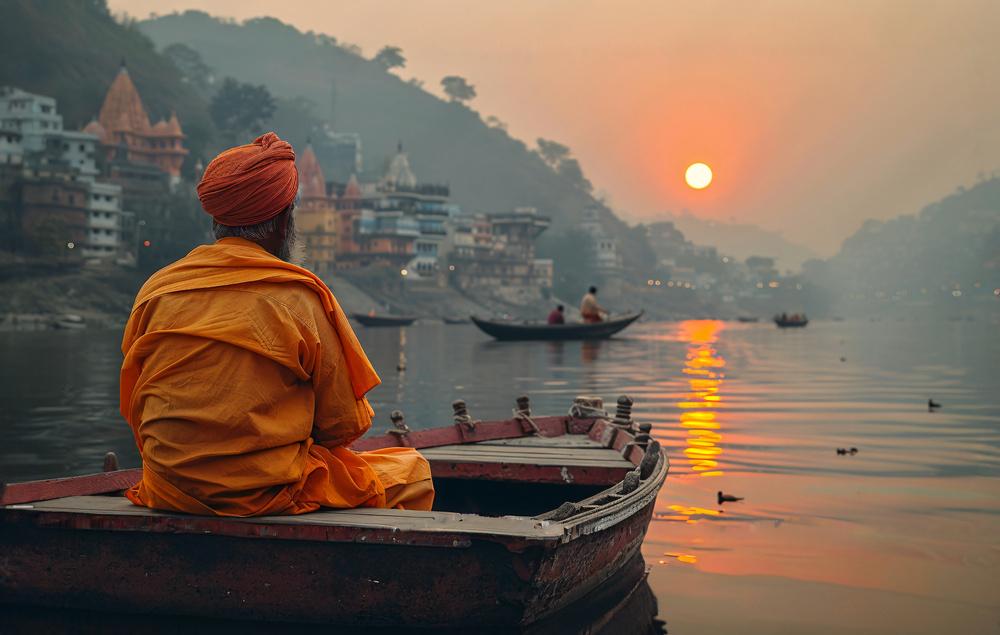
Enjoy the boat ride at river Ganges during your same day Udaipur sightseeing. Our guide will accompany you on the boat.
What's not included
Any other services like tipping, meals, beverages etc.
Any other services which are not mentioned in inclusion
Available languages
Guide guide
EN
IT
FR
ES
Reviews breakdown
Tripadvisor
5.0
2 reviews
5★
2
4★
0
3★
0
2★
0
1★
0
Important information
Public transportation options are available nearby
Infants are required to sit on an adult’s lap
Suitable for all physical fitness levels
Important notes
Our guide will arrange tickets for you at the monument sites during the sightseeing.
About Varanasi
Varanasi, one of the oldest living cities in the world, is a spiritual and cultural hub on the banks of the Ganges River. Known for its ancient temples, vibrant ghats (riverfront steps), and rich cultural heritage, it offers a profound experience of India's spiritual traditions and historical depth.
Top Attractions
Kashi Vishwanath Temple
One of the most sacred Hindu temples dedicated to Lord Shiva, the Kashi Vishwanath Temple is a major pilgrimage site. The temple's golden spire and intricate architecture are awe-inspiring.
Religious
1-2 hours
Free (donations welcome)
Dasaswamedh Ghat
One of the most famous ghats in Varanasi, Dasaswamedh Ghat is a bustling hub of activity. It's known for its evening Ganga Aarti, a spectacular ritual of worshipping the Ganges River.
Historical
1-2 hours
Free (boat rides cost INR 200-500)
Sarnath
A significant Buddhist pilgrimage site, Sarnath is where Lord Buddha delivered his first sermon. It's home to several ancient stupas, temples, and museums.
Historical
Half day
Free (entry fees for some sites)
Manikarnika Ghat
One of the oldest and most sacred ghats in Varanasi, Manikarnika Ghat is primarily used for cremation ceremonies. It's a profound and moving experience to witness the rituals here.
Religious
1-2 hours
Free
Banaras Hindu University (BHU)
Founded by Madan Mohan Malaviya, BHU is one of India's most prestigious universities. The campus is vast and beautiful, with museums, temples, and lush gardens.
Educational
2-3 hours
Free (entry fees for some sites)
Must-Try Local Dishes
Kachori
A deep-fried, spiced pastry filled with a mixture of lentils, onions, and spices. It's a popular street food item in Varanasi.
Breakfast
Vegetarian
Peda
A sweet made from condensed milk and sugar, often flavored with cardamom. Banarasi peda is famous for its rich and creamy texture.
Dessert
Vegetarian
Malaiyo
A traditional Banarasi sweet made from reduced milk, sugar, and saffron. It's often served during festivals and special occasions.
Dessert
Vegetarian
Chaat
A savory snack made with a variety of ingredients like potatoes, onions, chickpeas, and tangy tamarind sauce. It's a popular street food item.
Snack
Vegetarian
Popular Activities
Boat rides on the Ganges River
Exploring narrow alleys and hidden temples
Meditation and yoga sessions
Attending the Ganga Aarti at Dasaswamedh Ghat
Visiting ancient temples and historical sites
Swimming in the Ganges River (not recommended due to pollution)
Attending winter festivals and fairs
Visiting historical sites and museums
Best Time to Visit
October to March
This period offers pleasant weather, making it ideal for sightseeing and participating in various festivals. The city is lively with tourists and pilgrims.
15°C to 30°C
59°F to 86°F
Practical Information
Language
- Official: Hindi
- Widely spoken: English, Bhojpuri
- English: Moderately spoken in tourist areas, limited in other areas
Currency
Indian Rupee (INR)
Time Zone
GMT+5:30
Electricity
230VV, 50HzHz
Safety Information
Overall Safety Rating: Exercise caution
Varanasi is generally safe for tourists, but pickpocketing, scams, and petty crime can occur, especially in crowded areas. Be cautious and aware of your surroundings, and take precautions to protect your belongings.
Important Precautions:
- • Use common sense and stay alert
- • Avoid walking alone at night
- • Be cautious of strangers and touts
Getting there
By air
- Lal Bahadur Shastri International Airport • 24 km from city center
By train
Varanasi Junction, Manduar Diara
By bus
Varanasi Bus Stand, Sarnath Bus Stand
Getting around
Public transport
Buses are the most common form of public transport in Varanasi. They are affordable but can be crowded.
Taxis
Available • Apps: Ola, Uber
Rentals
Car, Bike, Scooter
Neighborhoods
Old Varanasi
Sarnath
Cantt (Cantonment)
Day trips
Sarnath
10 km from Varanasi • Half day to full day
Sarnath is a significant Buddhist pilgrimage site, known for its ancient stupas, temples, and museums. It's a peaceful and historically rich area, offering a contrast to the bustling old city of Varanasi.
Chunar
55 km from Varanasi • Full day
Chunar is a historic town known for its ancient fort, located on the banks of the Ganges River. The fort offers panoramic views of the river and surrounding countryside.
Rajghat
20 km from Varanasi • Half day
Rajghat is an ancient site located on the banks of the Ganges River, known for its historic significance and scenic beauty. It's a peaceful and serene place to visit, offering a break from the bustling city of Varanasi.
Festivals
Diwali • October or November (dates vary by lunar calendar)
Maha Shivaratri • February or March (dates vary by lunar calendar)
Ganga Mahotsav • November (dates vary by year)
Pro tips
- Hire a local guide to navigate the city's narrow alleys and hidden temples.
- Attend the Ganga Aarti at Dasaswamedh Ghat for a spectacular and moving cultural experience.
- Try local street food and sweets, but be cautious and choose stalls with high turnover and good hygiene practices.
- Dress modestly and respectfully, especially when visiting temples and religious sites.
- Use common sense and stay alert to avoid scams, pickpocketing, and petty crime.
From $25
per person
Price varies by option
Secure booking
Free cancellation available
Instant confirmation