Taj Mahal - same day Agra sightseeing
Active
5h - 6h
For a full refund, cancel at least 24 hours before the scheduled departure time.
Instant confirmation
Mobile or paper ticket accepted
About this experience
The Great Indian Adventure travel company provides excellent quality guide, transport & the driver for our guests. Our uniqueness is in our service & hospitality. Be it a one day tour or multi-days tour package, we treat each guest with utmost care. Also, we have very competitive price & no hidden cost component. Just book, pay & enjoy your trip.
Available options
Deluxe transport
AC Deluxe transport <br/>Pickup included
What's included
Private transportation
All Fees and Taxes
Air-conditioned vehicle
Service of Guide & entry fee for monument sites during the sightseeing
Detailed itinerary
1
Stop 1
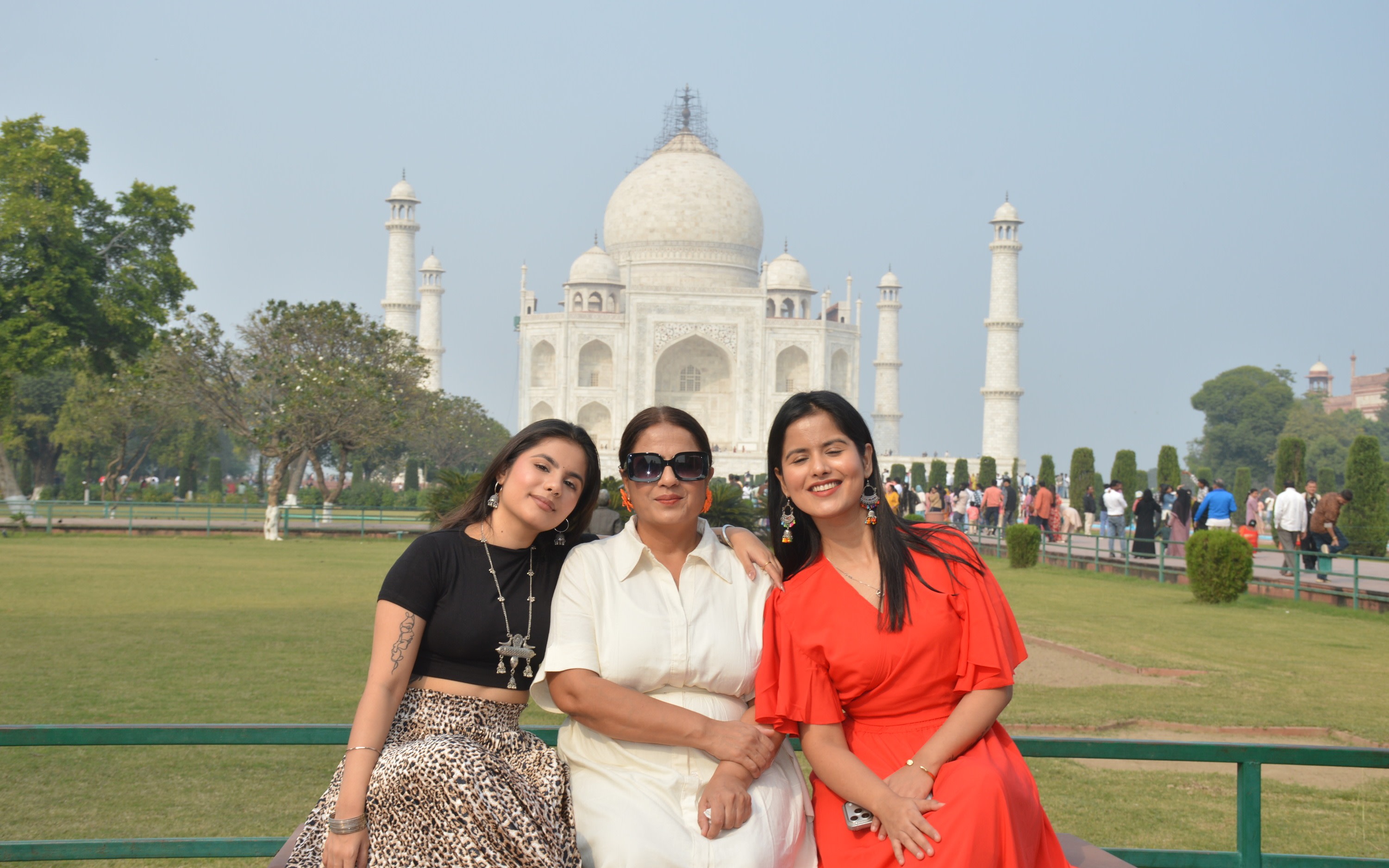
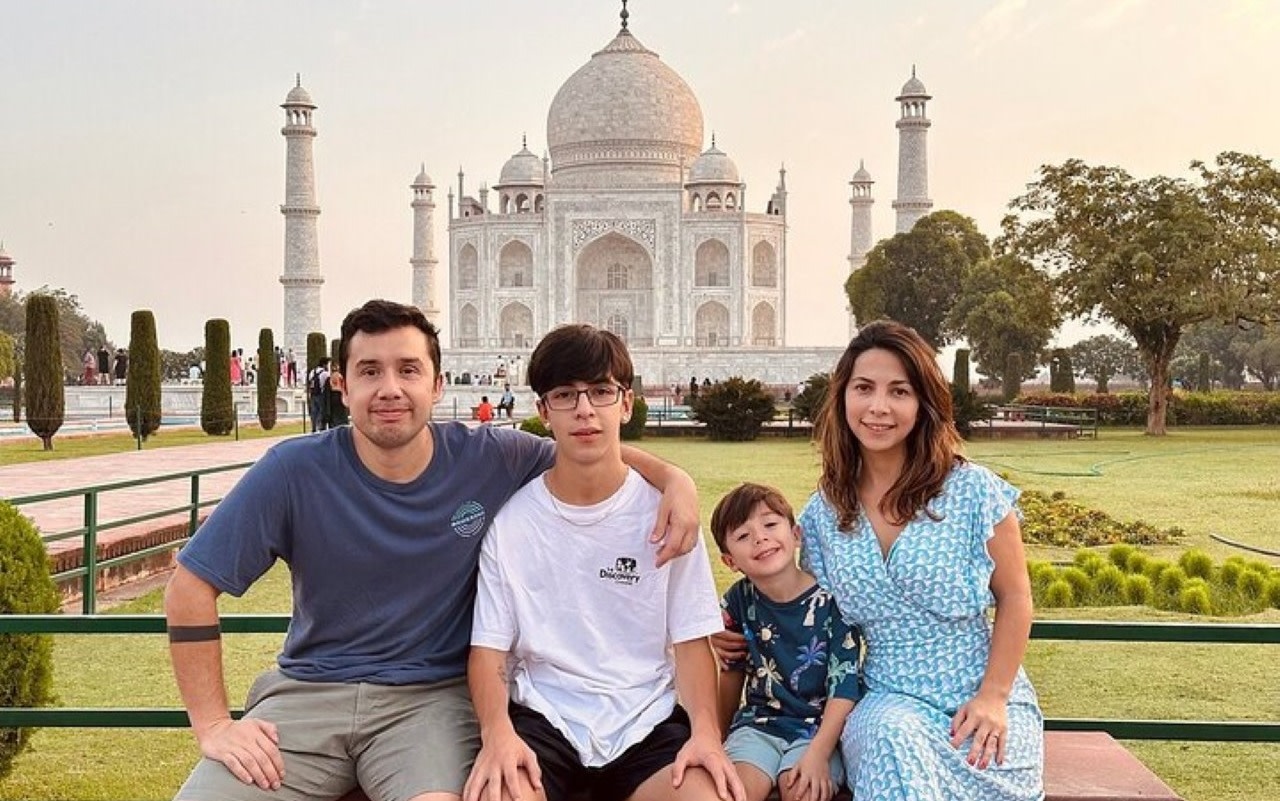
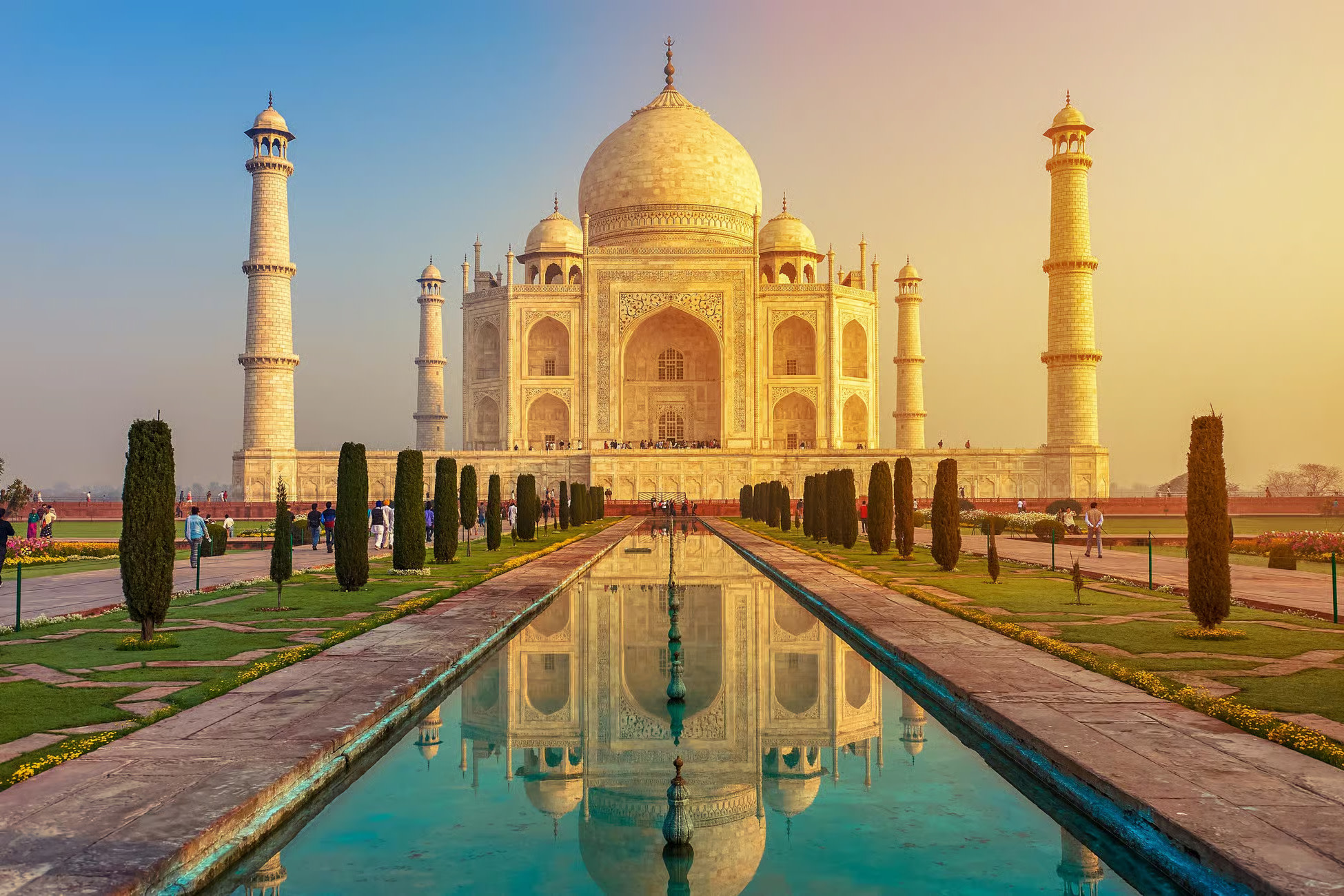
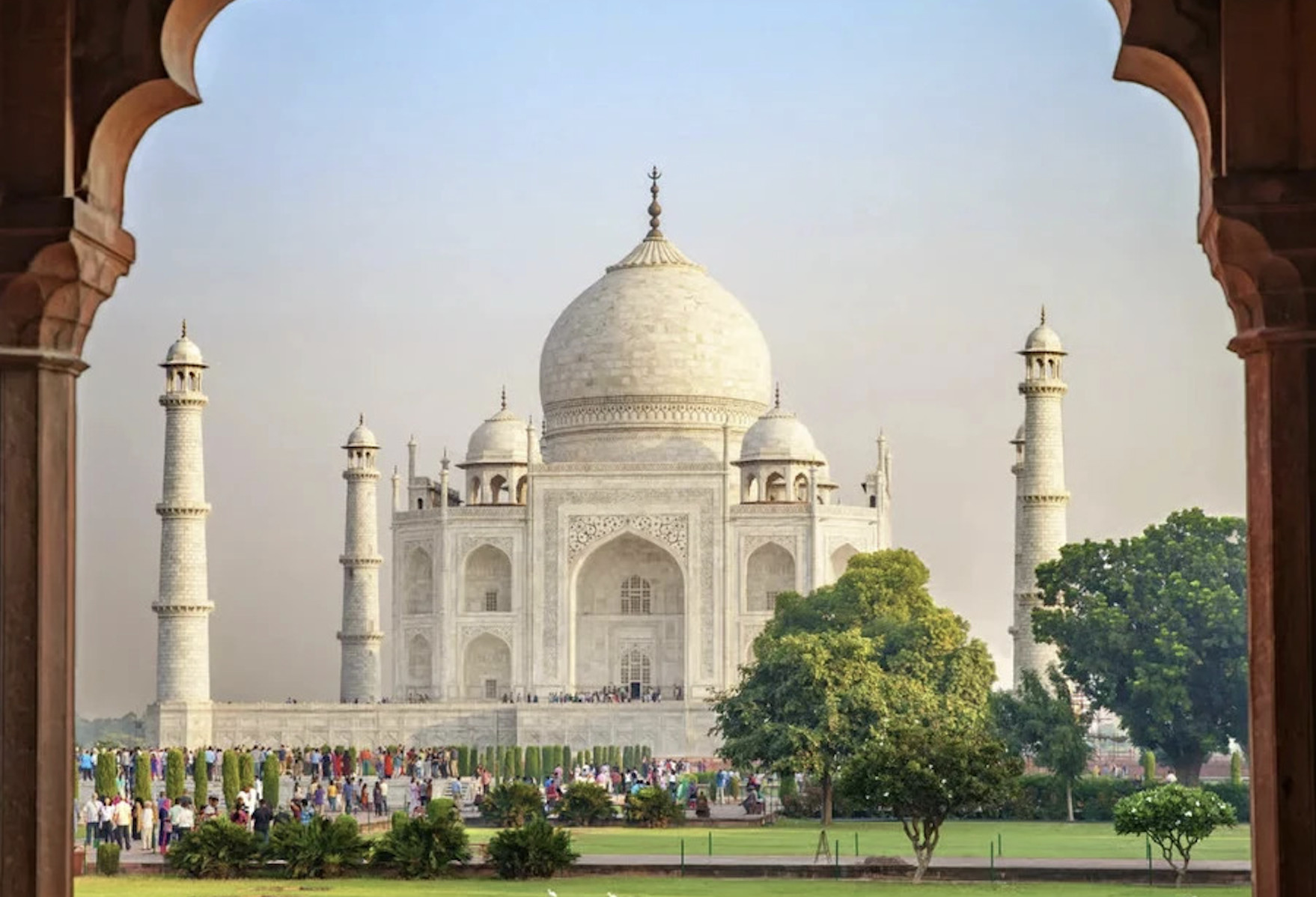
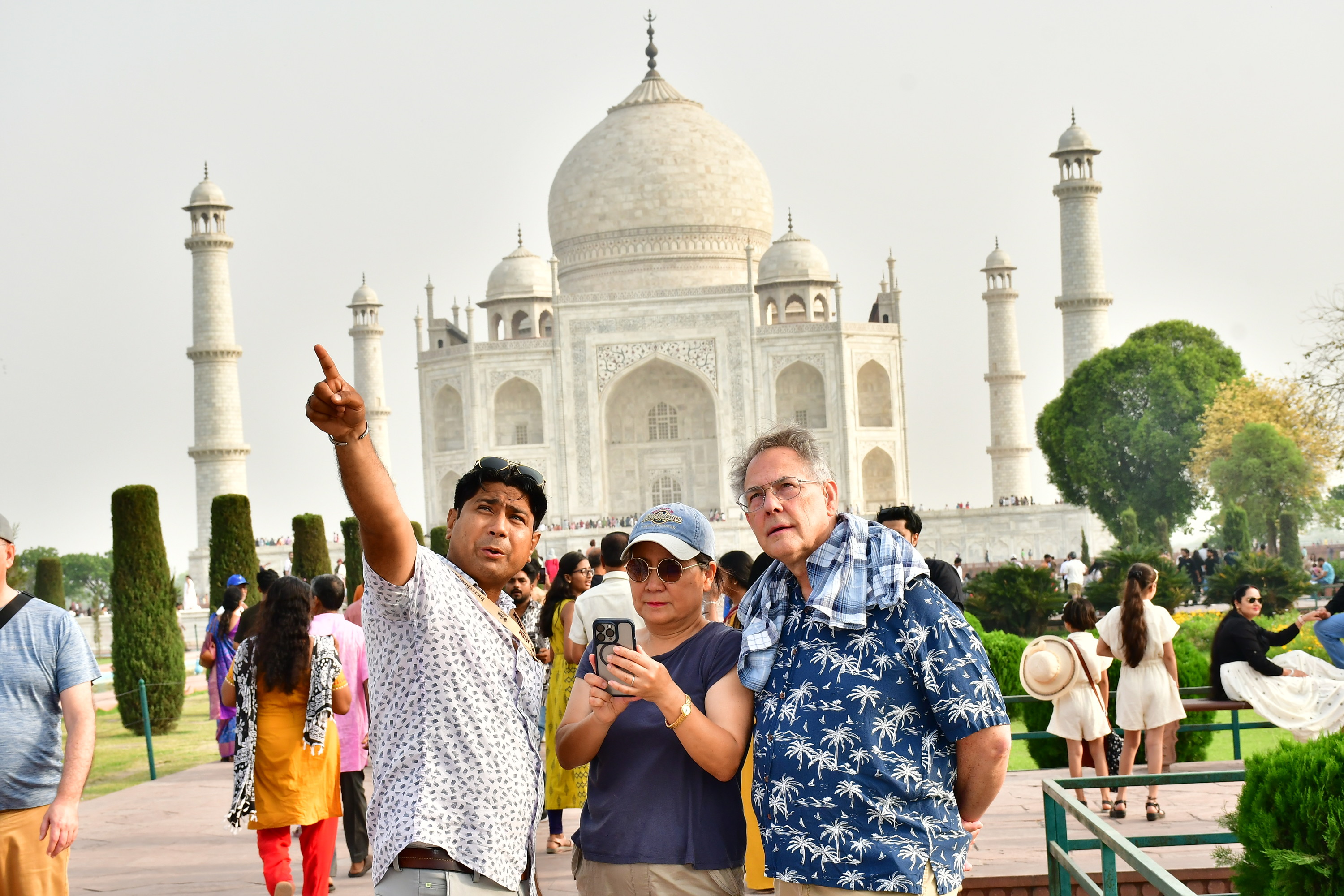
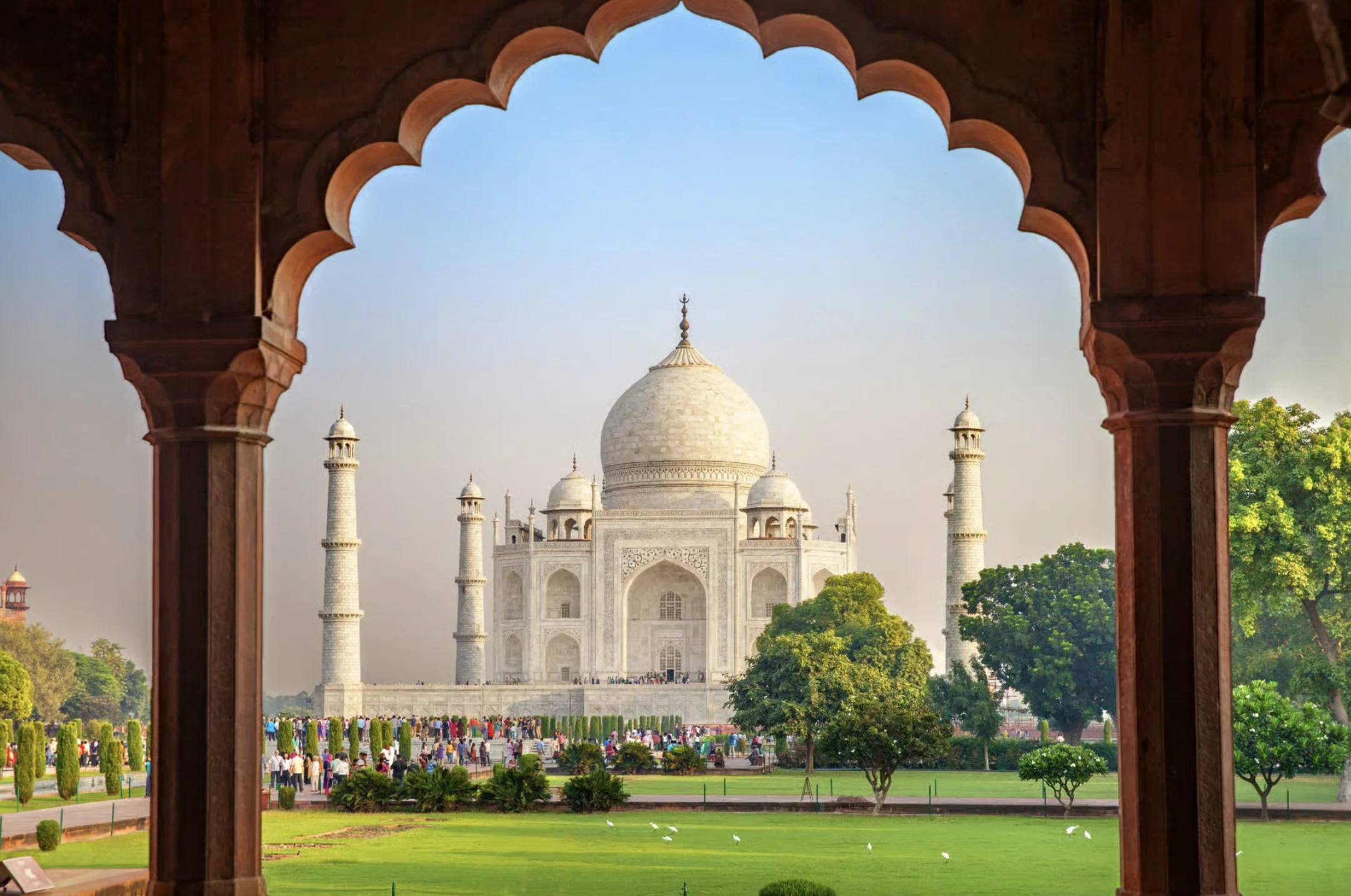
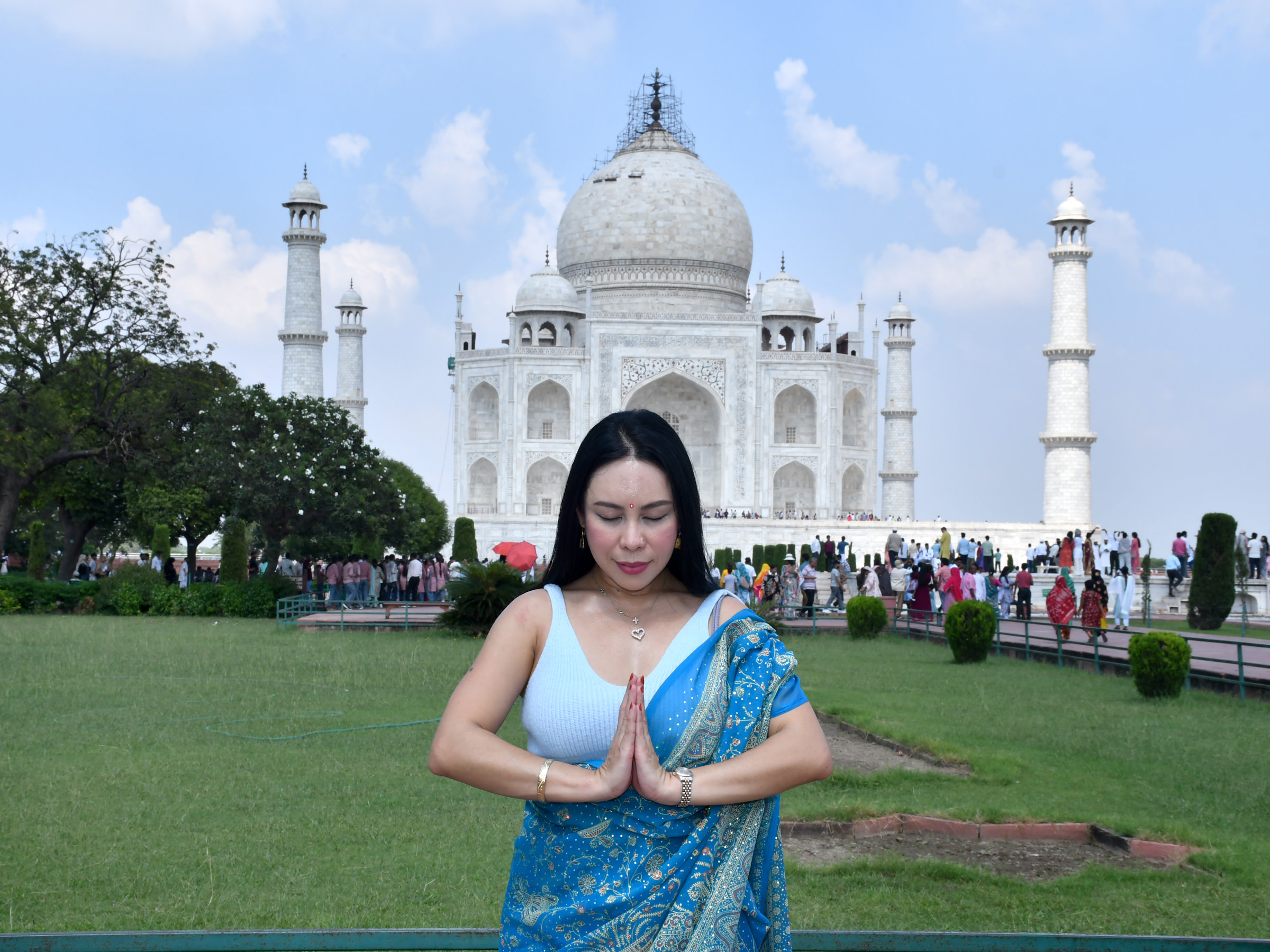
Built by Shah Jahan as an eternal symbol of his love for his favorite wife, whom he called Mumtaz Mahal ("Jewel of the Palace"), it has immortalized him forever as one of the great architectural patrons of the world. It's not just the perfect symmetry, the ethereal luminescence, the wonderful proportions, or the sheer scale (which is virtually impossible to imagine from staring at its oft-reproduced image), but the exquisite detailing covering every inch of marble that justifies it as a wonder of the world. What appears from afar to be perfectly proportioned white marble magnificence is in fact a massive bejeweled box, with pietra dura adorning the interior and exterior -- said by some to be an Italian technique imported to Agra by Jahangir, but more likely to be a craft originating in Persia. These intricately carved floral bouquets are inlaid with precious stones: agate, jasper, malachite, turquoise, tiger's eye, lapis lazuli, coral, carnelian -- every stone known to man, as well as different shades of marble, slate, and sandstone. Beautiful calligraphy, inlaid with black marble, is carefully increased in size as the eye moves higher, creating an optical illusion of perfectly balanced typography, with the letters the same size from whichever angle you look.
The Taj changes color depending on the time of day, and many recommend that you witness this by visiting in the morning and evening; however, your ticket is valid for one entry only. Eat a hearty breakfast before you head out (no food is allowed past security), and stay the day, or come in the early morning.
Note: The Taj is closed on Friday. Your Taj ticket also entitles you to a small discount at the other four major attractions (Agra Fort, Itmad-ud-Daulah, Sikandra, and Fatehpur Sikri), so keep it on hand and show it when paying to enter the others.
2
Stop 2
Built by Akbar (or rather, by his 4,000 workmen) on the west bank of the Yamuna, Agra Fort first took shape between 1565 and 1573, but each successive emperor was to add his imprint, and today the towering red-sandstone ramparts house a variety of palace apartments, representing the different building styles of Akbar and his grandson Shah Jahan. Akbar's son, Jahangir, installed a "chain of justice" (1605) by which any of his subjects could call on him, which provides some insight into the ruling qualities of the man many dismiss as a drunkard. Entrance is through the impressive Amar Singh Gate. On your right-hand side you pass Jahangiri Mahal, the palace that housed the women of the court, dating to Akbar's reign (ca. 1570). In front is a stone pool with steps both inside and outside -- legend says it was filled with rose petals during Nur Jahan's time, so that she could bathe in their scent. Historians also point out that here -- unlike in Akbar's buildings, which feature straightforward Hindu elements next to Islamic -- a subtle blend of Hindu and Persian elements resulted in a totally new style, referred to as the "Mughal style," with its classical purity.
3
Described as a mini-Taj, this is the tomb of Mirza Ghiyath Beg, who served under Akbar and fathered Nur Jahan, the powerful wife of Jahangir who helped promote her father to his position as Lord of the Treasury and enshrined him here in this "bejeweled marble box" -- proof of her powerful hold on the purse strings. Also built of translucent white marble, it was the most innovative building of 17th-century India, and marked the transition from the heavy red sandstone so favored by previous Mughal emperors. It no doubt inspired Shah Jahan with its beautiful symmetry and detailing; the pietra duras are as delicate as embroidery, and the dense gilding and paintwork feature typical Persian motifs, such as the wine-vase and the dish and cup, much favored by Jahangir at the time.
4
It is one of the best shop in Agra to buy authentic marble products with warranty.
What's not included
Any other services not mentioned in inclusion like tipping, food/drink etc.
Available languages
Guide guide
DE
EN
IT
ES
Reviews breakdown
Tripadvisor
5.0
2 reviews
5★
2
4★
0
3★
0
2★
0
1★
0
Important information
Infants and small children can ride in a pram or stroller
Public transportation options are available nearby
Infants are required to sit on an adult’s lap
Suitable for all physical fitness levels
Important notes
Our guide will arrange entry tickets for you so you don't have to worry at all.
About Agra
Agra, a historic city on the banks of the Yamuna River, is famous for the iconic Taj Mahal, a UNESCO World Heritage Site. This Mughal-era city is a treasure trove of architectural marvels, rich history, and vibrant culture, making it a must-visit destination in India.
Top Attractions
Taj Mahal
The Taj Mahal is a white marble mausoleum built by Mughal Emperor Shah Jahan in memory of his wife Mumtaz Mahal. It is a UNESCO World Heritage Site and one of the New Seven Wonders of the World.
Architecture
2-3 hours
INR 1300 (foreign tourists), INR 50 (Indian tourists)
Agra Fort
Agra Fort is a UNESCO World Heritage Site and a major Mughal-era military structure. It houses several palaces, mosques, and other buildings.
Historical
2-3 hours
INR 600 (foreign tourists), INR 50 (Indian tourists)
Fatehpur Sikri
Fatehpur Sikri is a UNESCO World Heritage Site and a ghost city built by Emperor Akbar. It features a mix of Mughal and Hindu architecture.
Historical
4-5 hours
INR 610 (foreign tourists), INR 550 (Indian tourists)
Itimad-ud-Daulah
Known as the 'Baby Taj', this mausoleum is a precursor to the Taj Mahal and features beautiful marble inlay work.
Architecture
1-2 hours
INR 400 (foreign tourists), INR 40 (Indian tourists)
Mehtab Bagh
Mehtab Bagh is a beautiful garden complex with views of the Taj Mahal. It is a great spot for photography and relaxation.
Nature
1-2 hours
Free
Must-Try Local Dishes
Petha
A sweet candy made from ash gourd, a specialty of Agra.
Snack
Vegetarian, Vegan
Mughlai Cuisine
Rich and flavorful dishes like biryani, kebabs, and curries.
Dinner
Contains meat, vegetarian options available
Bedai
A deep-fried bread stuffed with spiced lentils, served with potato curry.
Breakfast
Vegetarian
Dalmoth
A savory snack made from lentils, spices, and nuts.
Snack
Vegetarian, Vegan
Popular Activities
Hot air balloon ride over the Taj Mahal
Cycling tours around Agra
Yoga and meditation sessions
Spa and wellness treatments
Visiting historical monuments and museums
Attending local festivals and events
Boat ride on the Yamuna River
Visiting during the winter festival
Best Time to Visit
October to March
The best time to visit Agra is during the winter months when the weather is pleasant and cool. This is the peak tourist season with clear skies and comfortable temperatures.
15°C to 30°C
59°F to 86°F
Practical Information
Language
- Official: Hindi
- Widely spoken: English, Urdu
- English: Moderately spoken in tourist areas, limited in rural areas
Currency
Indian Rupee (INR)
Time Zone
GMT+5:30
Electricity
230VV, 50HzHz
Safety Information
Overall Safety Rating: Generally safe, but exercise caution
Agra is generally safe for tourists, but petty crimes like pickpocketing and scams can occur. Be cautious of your surroundings and take necessary precautions.
Important Precautions:
- • Use reputable taxi services and agree on the fare before starting the journey.
- • Be cautious of strangers offering unsolicited help or services.
- • Keep valuables secure and be aware of your surroundings in crowded areas.
Getting there
By air
- Pandit Deen Dayal Upadhyay Airport • 12 km from city center
By train
Agra Cantt, Agra Fort
By bus
Idgah Bus Stand, Taj Express Highway Bus Stand
Getting around
Public transport
Buses are the most common and affordable mode of transport. Routes cover most parts of the city.
Taxis
Available • Apps: Ola, Uber
Rentals
Car, Bike, Scooter
Neighborhoods
Tajganj
Kinchwal Bagh
Ramlila Ground
Day trips
Fatehpur Sikri
40 km from Agra • Half day to full day
A UNESCO World Heritage Site and a ghost city built by Emperor Akbar. It features a mix of Mughal and Hindu architecture.
Mathura and Vrindavan
55 km from Agra • Full day
Mathura and Vrindavan are important religious sites for Hindus, associated with the birth and childhood of Lord Krishna.
Bharatpur Bird Sanctuary
55 km from Agra • Full day
A UNESCO World Heritage Site and a haven for birdwatchers, featuring a variety of bird species and wildlife.
Festivals
Taj Mahotsav • February
Ram Navami • March or April (varies by lunar calendar)
Diwali • October or November (varies by lunar calendar)
Pro tips
- Visit the Taj Mahal at sunrise to avoid crowds and experience the magical lighting.
- Hire a local guide for a deeper understanding of Agra's history and culture.
- Try local street food like petha, bedai, and chaat for an authentic culinary experience.
- Carry a hat, sunscreen, and a reusable water bottle, especially during the hot summer months.
- Learn a few basic Hindi phrases to enhance your interaction with locals and show respect for their culture.
From $25
per person
Price varies by option
Secure booking
Free cancellation available
Instant confirmation