Small Group Tour to Venice departing from Abano Terme
Active
7h
For a full refund, cancel at least 24 hours before the scheduled departure time.
Instant confirmation
Mobile or paper ticket accepted
About this experience
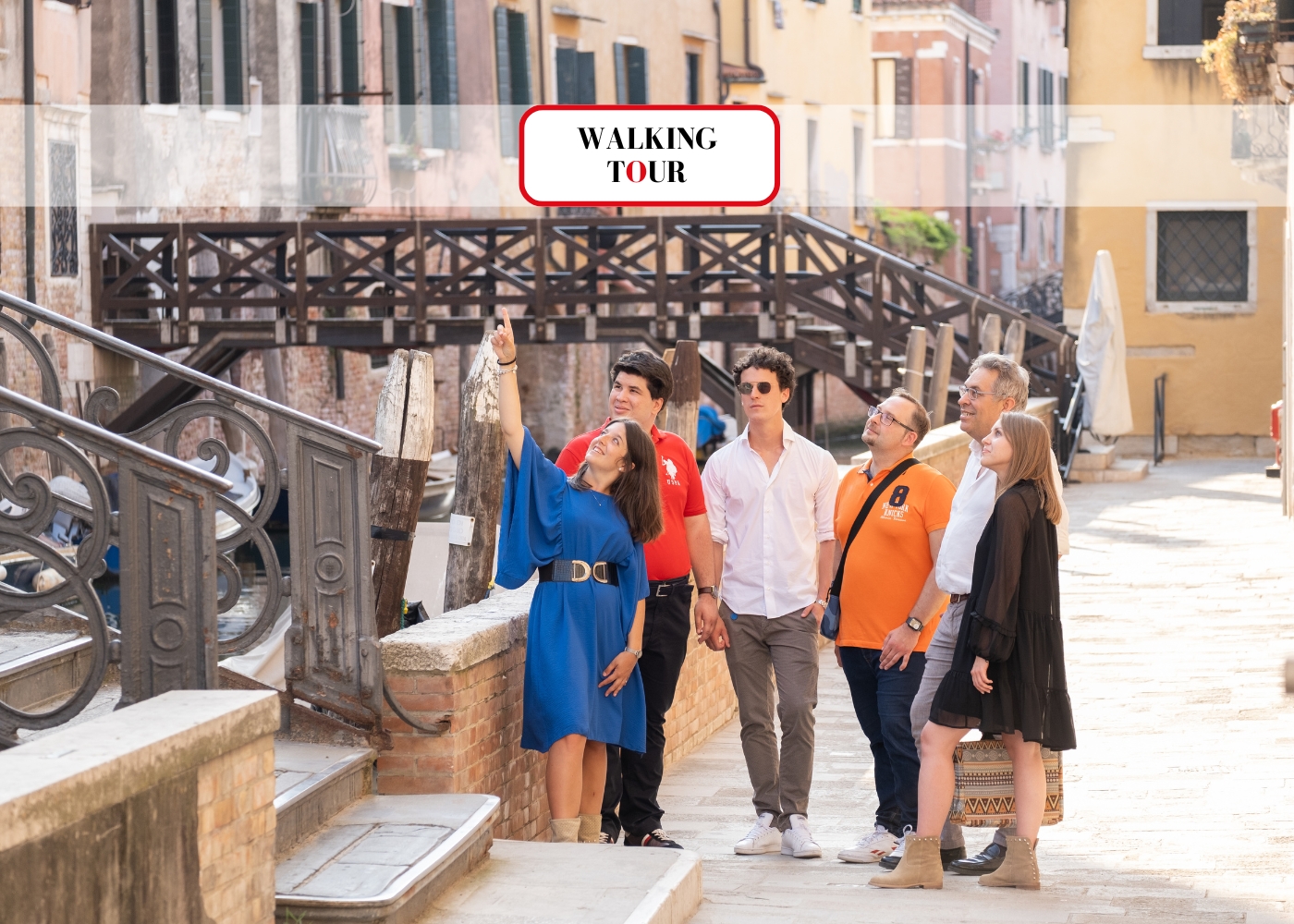
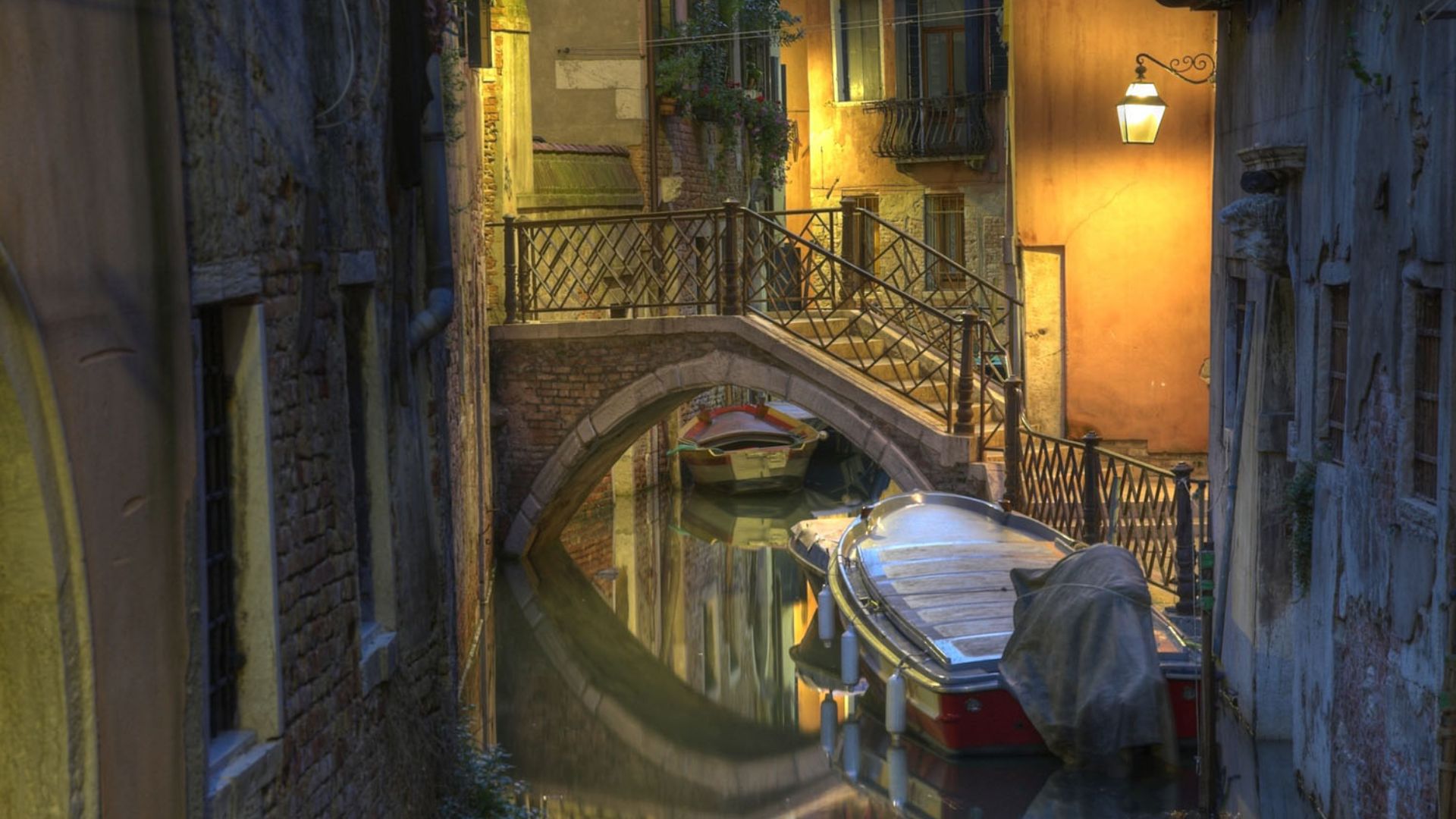
We will take you through the narrow and quiet Venetian streets between the Cannaregio district and the Ancient Jewish Ghetto, the wonderful antiques shop windows and traditional Jewish shops. We will be able to stop and drink an excellent espresso in the small coffee shop in the city that has been using the same recipe for almost a century.
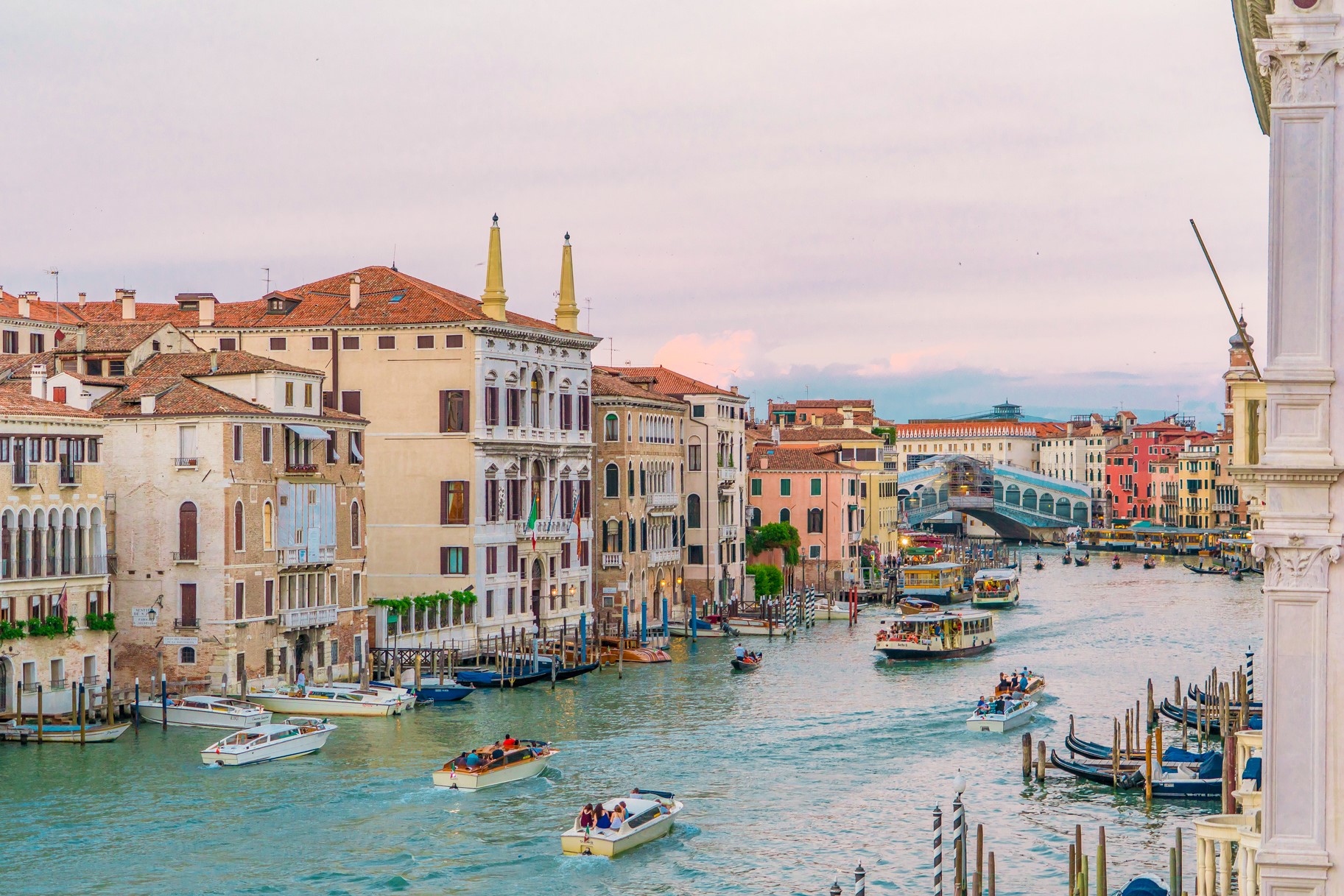
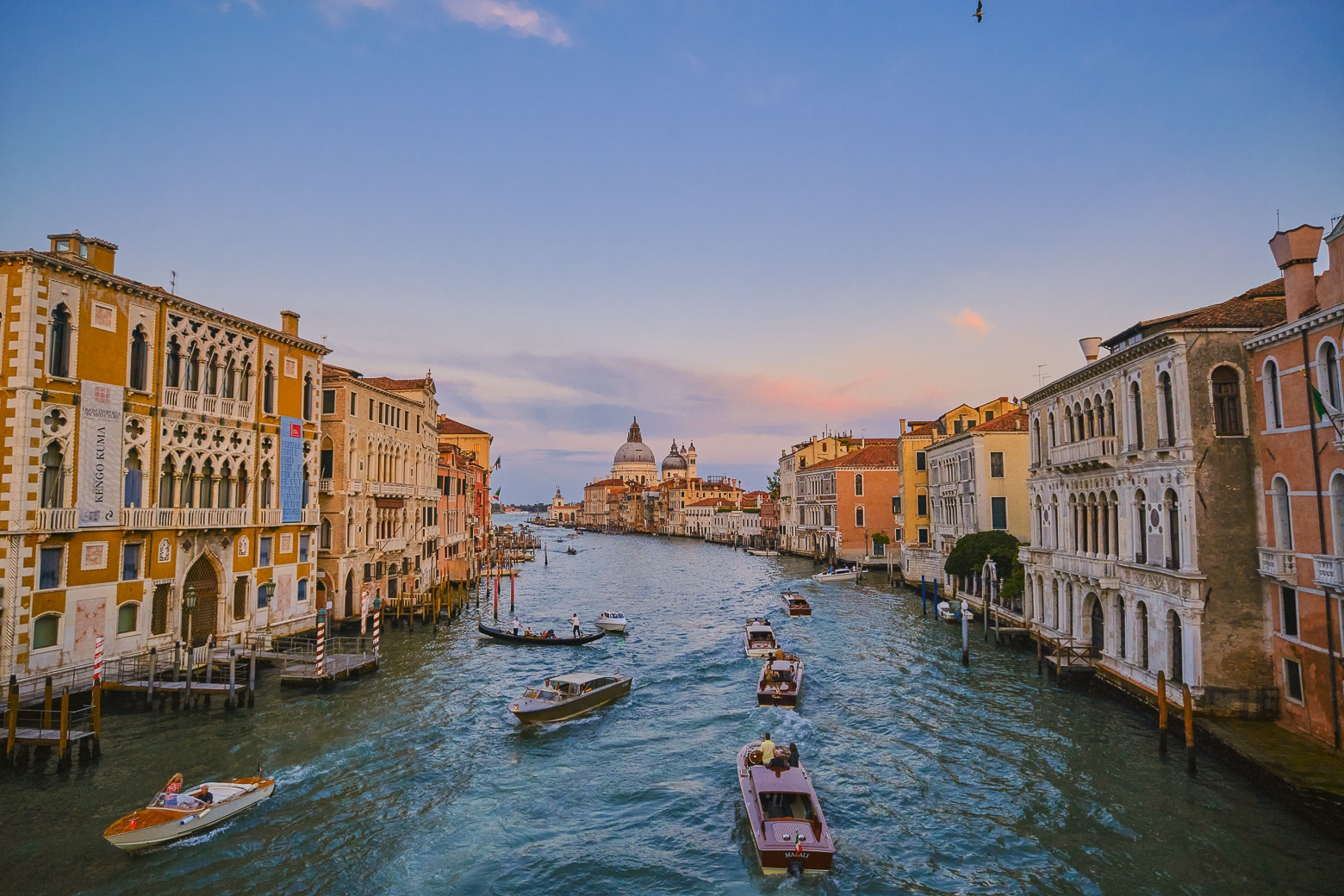
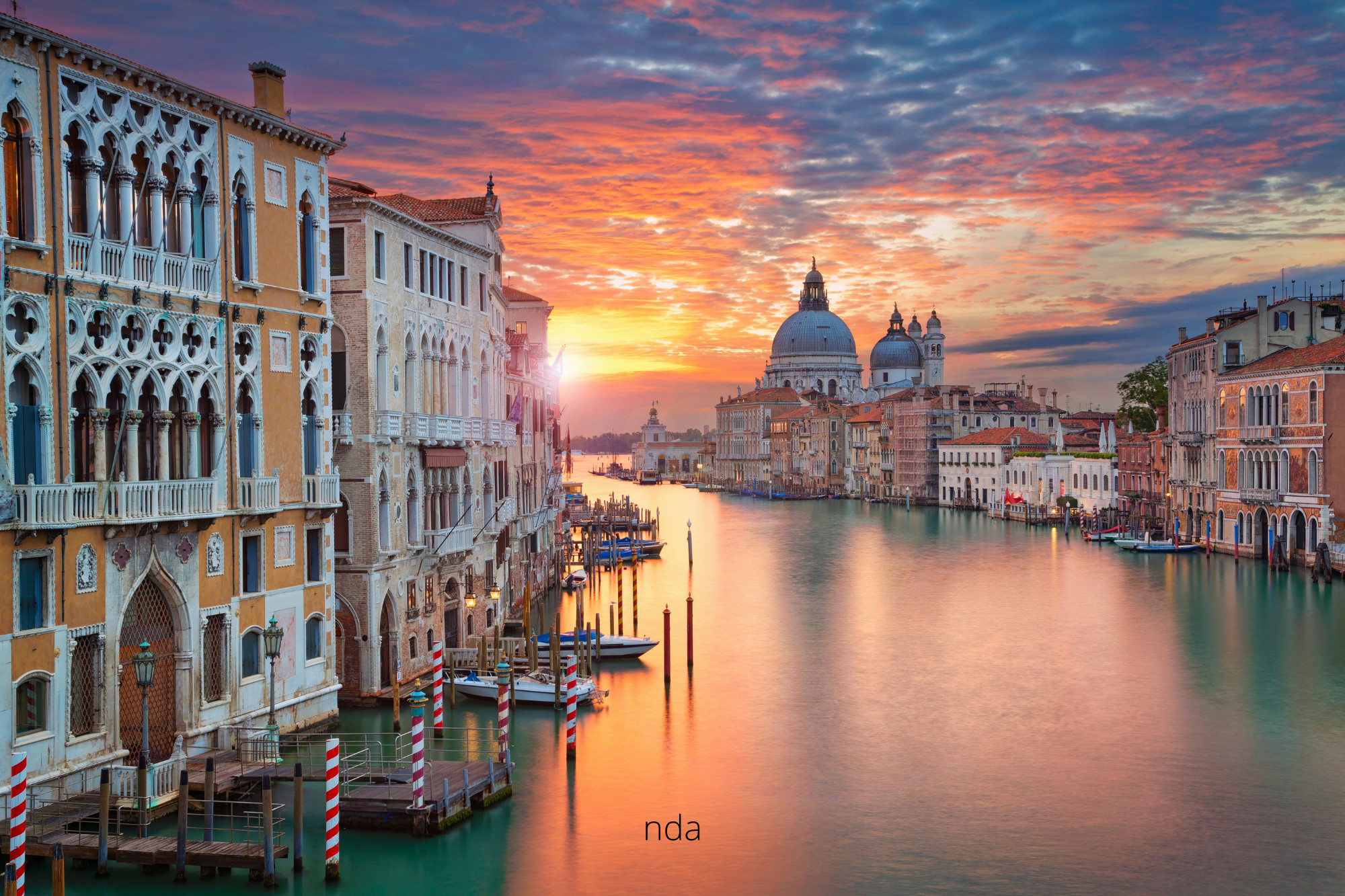
We can then head towards the beating heart of Venice in the San Polo and San Marco districts. We will not fail to cross the Rialto Bridge and take a tour of the Rialto Market. We will visit a "hidden place" from which to appreciate a completely exclusive view of the Grand Canal.
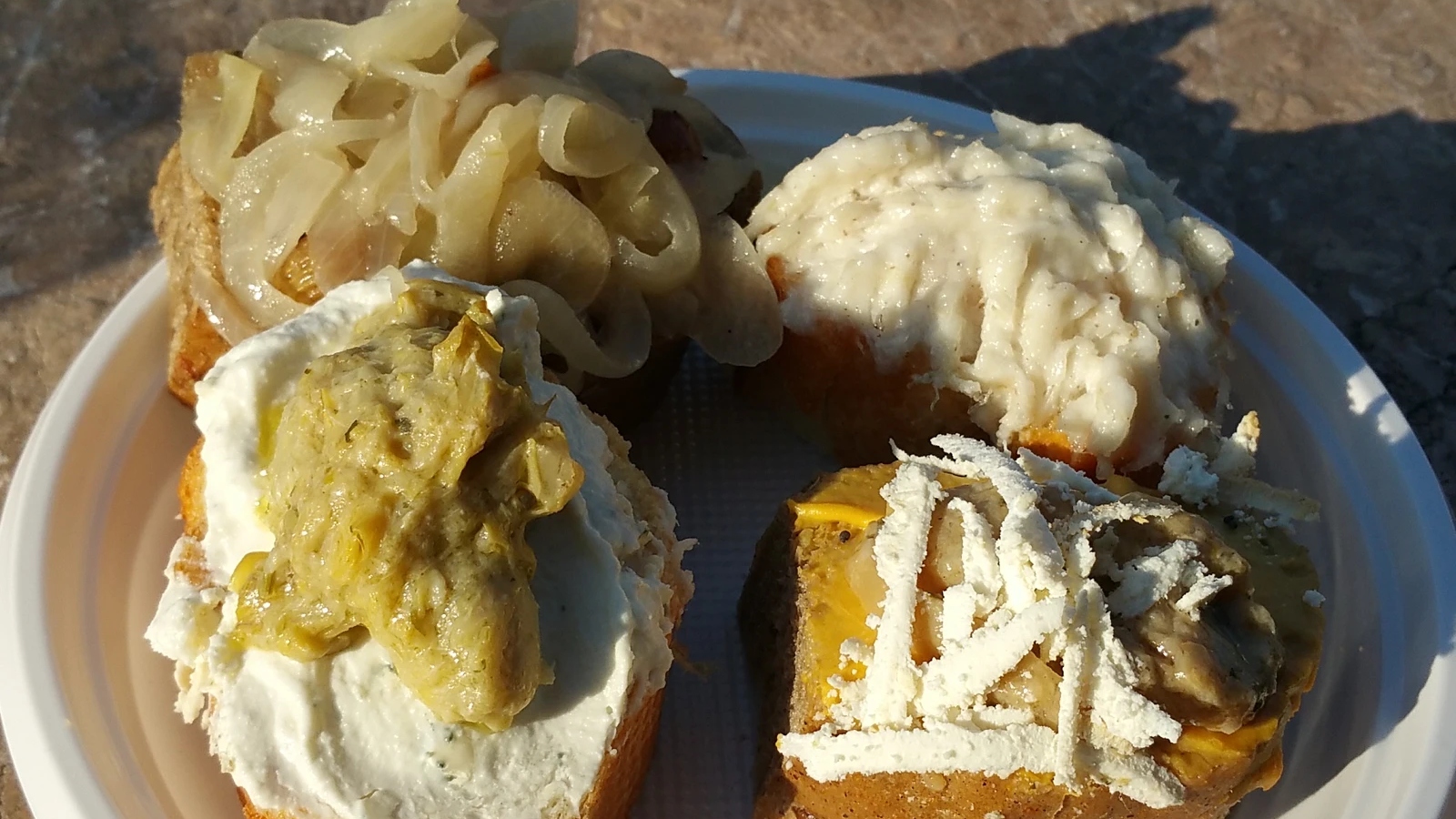
For lunch, an ancient bacaro hides among the narrow and intricate calli of Venice where you can enjoy excellent traditional Venetian cicchetti or we recommend an alternative.
We will reach Piazza San Marco, surrounded by its main buildings and we will arrive at the Bridge of Sighs.
Afterwards, we will take the ferry boat to reach the rail station.
Available options
Small Group Tour to Venice departing from Abano Terme
Pickup included
What's included
Insurance and technical organization of a certified travel agency
Walk in Venice
Round trip transfer to the place of departure
Traditional Italian life with your local guide
Detailed itinerary
1
Stop 1
Walk through the Jewish Ghetto of Venice.
2
In Cannaregio we find the Venice Santa Lucia station and the main street, called Strada Nova, which connects the station to the Rialto area. There is also the Jewish Ghetto, an area where the Jewish community was obliged to live in the Napoleonic era.
The main shopping streets are Strada Nova and Lista di Spagna, but also frequented by young people for bars or as meeting places.
Do not miss the area of clubs and restaurants in Cannaregio which is located in the northern part of the sestiere, more precisely between the Jewish Ghetto and the Fondamenta Nuove. To date, the sestiere fully represents one of the places of entertainment in Venice.
3
The San Polo district is the smallest of the six in Venice and is much loved for the relaxed atmosphere that can be felt walking around its narrow streets; at one time, however, it was one with the Sestiere of Santa Croce. It is a very characteristic district given the rich presence of "houses and shops", or places where people live and carry out their work, as well as the variety of typical Venetian taverns that take the name of "bacari".
Its name derives from the presence of Campo San Polo, the largest square after that of San Marco, and of the homonymous church in the district. Although it has always been considered a people's square, as events and public celebrations took place here, this square is surrounded by stately palaces.
4
Stop 4
he called it "the most beautiful salon in Europe".
It was built in the 9th century and paved in 1177, 100 years after its construction.
Piazza San Marco is the lowest area of Venice and, therefore, is the first area to be flooded with high water.
The most important buildings in the square are the Basilica of San Marco, the Doge's Palace, the Correr Museum, the Campanile and the Clock Tower.
5
Stop 5
We will take the ferry boat back to the railway station.
6
Stop 6
The Rialto Bridge is the oldest of the four bridges on the Grand Canal. It is famous for both its architecture and its history. For years it was the hub of the economy of Venice.
The Rialto Bridge was built between 1588 and 1591, based on a project by the architect Antonio da Ponte, to replace the previous wooden structure, which collapsed twice and burned on various occasions.
The structure of the bridge is similar to the previous ones and consists of two inclined ramps joined by a portico in the center.
What's not included
anything not expressly indicated
Entrance fee, currently not required (may be required in the future by the local government)
Lunch
Entrance to Churches and Monuments
Vaporetto for the return journey
Available languages
Guide guide
PT
EN
IT
ES
Reviews breakdown
Viator
5.0
2 reviews
5★
2
4★
0
3★
0
2★
0
1★
0
Tripadvisor
4.8
17 reviews
5★
15
4★
1
3★
1
2★
0
1★
0
Important information
Public transportation options are available nearby
Travelers should have at least a moderate level of physical fitness
To visit the churches it is necessary to have covered shoulders and legs
On certain dates, most travelers staying outside of Venice who are planning to visit for the day will be required to pay a €5 access fee. For further details (including exemptions) and to learn what days this fee is applicable, please visit https://cda.ve.it/it/
In case of public transportation strikes please contact us for alternative arrangements or cancellations. In the absence of alternatives we will cancel and refund the tour in advance. The value of train tickets already purchased will be retained at the will not be refunded.
Important notes
On certain dates, most travelers staying outside of Venice who are planning to visit for the day will be required to pay a €5 access fee. For further details (including exemptions) and to learn what days this fee is applicable, please visit: https://cda.ve.it
About Padua
Padua is a historic city in northern Italy known for its rich cultural heritage and stunning architecture. It is home to one of the world's oldest universities and a vibrant art scene, making it a must-visit for history buffs and art enthusiasts alike.
Top Attractions
Scrovegni Chapel
The Scrovegni Chapel is famous for its stunning frescoes by Giotto, which are considered some of the most important works of the early Renaissance.
Historical/Art
1 hour
€13 (includes audio guide)
Padua Cathedral (Duomo di Padova)
The Padua Cathedral is a beautiful example of Renaissance architecture and is dedicated to the Virgin Mary and Saint Anthony of Padua.
Religious/Architecture
30 minutes
Free (donations welcome)
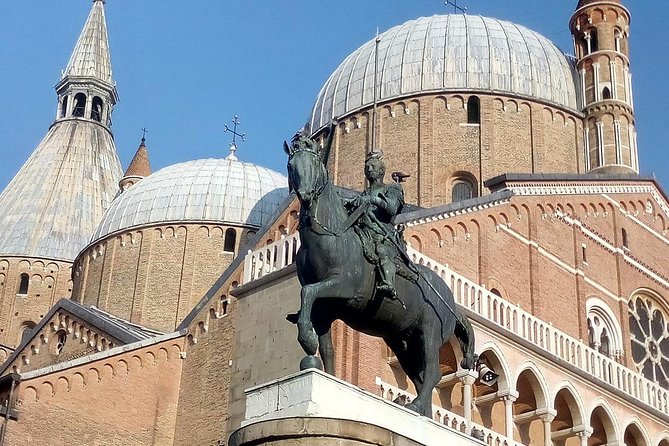
Basilica of St. Anthony of Padua
This basilica is one of the most important religious sites in Italy and is dedicated to Saint Anthony, the patron saint of Padua.
Religious/Historical
1-2 hours
Free (donations welcome)
Prato della Valle
Prato della Valle is one of the largest squares in Europe and is surrounded by beautiful statues and a picturesque canal.
Historical/Landmark
30 minutes
Free
University of Padua Botanical Garden
This botanical garden is one of the oldest in the world and is a UNESCO World Heritage Site. It features a wide variety of plants and a beautiful historic greenhouse.
Nature/Historical
1-2 hours
€10
Must-Try Local Dishes
Risotto al Tastasal
A traditional Paduan risotto made with a spiced sausage called tastasal, which is a mix of pork, garlic, and spices.
Main Course
Contains pork
Bigoli con l'Anatra
A dish of duck ragout with bigoli, a type of thick spaghetti, served with a rich duck sauce.
Main Course
Contains duck
Frittelle di Riso
Sweet rice fritters, a traditional dessert from Padua, often filled with cream or jam.
Dessert
Vegetarian (check for dairy or egg content)
Popular Activities
Hiking in the nearby Euganean Hills
Biking along the city's bike paths
Visiting the University of Padua Botanical Garden
Enjoying a coffee at Caffè Pedrocchi
Exploring the Scrovegni Chapel
Visiting the Basilica of St. Anthony
Boating on the Brenta River
Visiting the historic cafes and museums
Best Time to Visit
April to June, September to October
The best time to visit Padua is during the spring and fall when the weather is mild, and the crowds are smaller. This period offers pleasant temperatures and fewer tourists.
15-25°C
59-77°F
Practical Information
Language
- Official: Italian
- Widely spoken: English, French, German
- English: Moderately spoken
Currency
Euro (EUR)
Time Zone
GMT+1 (CET), GMT+2 (CEST during daylight saving time)
Electricity
230VV, 50HzHz
Safety Information
Overall Safety Rating: Generally safe
Padua is a generally safe city with low crime rates. However, as with any destination, it is important to take basic precautions to ensure a safe and enjoyable trip.
Important Precautions:
- • Keep valuables secure and be aware of your surroundings in crowded areas
- • Use metered taxis or ride-sharing apps to avoid overcharging
- • Be cautious of distractions and common scams
Getting there
By air
- Marco Polo Airport • 35 km from Padua
- Treviso Airport • 60 km from Padua
By train
Padua Railway Station
By bus
Padua Bus Station
Getting around
Public transport
The bus system in Padua is extensive and covers most of the city. Buses are the primary mode of public transportation and are efficient and affordable.
Taxis
Available • Apps: FreeNow
Rentals
Car, Bike, Scooter
Neighborhoods
Centro Storico (Historic Center)
Prato della Valle
Arcella
Day trips
Venice
35 km • Full day
Venice is a unique and romantic city built on water, known for its canals, gondolas, and historic architecture.
Verona
100 km • Full day
Verona is a historic city known for its Roman amphitheater, medieval architecture, and as the setting of Shakespeare's Romeo and Juliet.
Vicenza
35 km • Half day
Vicenza is a city known for its Palladian architecture and historic landmarks, including the famous Teatro Olimpico.
Festivals
Festa del Santo • June 13
PadovaFiere • Various dates throughout the year
Pro tips
- Visit the Scrovegni Chapel early in the morning to avoid long queues and crowds
- Explore the historic center on foot to discover hidden gems and local charm
- Try local specialties like Risotto al Tastasal and Frittelle di Riso for an authentic culinary experience
- Use the bus system for efficient and affordable travel within the city
- Consider a day trip to nearby cities like Venice or Verona for a well-rounded Italian experience
From $25
per person
Price varies by option
Secure booking
Free cancellation available
Instant confirmation