Nazca Lines Flight from Pisco | Ancient Secrets from the Sky
Active
13h - 14h
All sales are final. No refund is available for cancellations.
Instant confirmation
Mobile or paper ticket accepted
About this experience
Nasca Lines – The Sacred Landscape
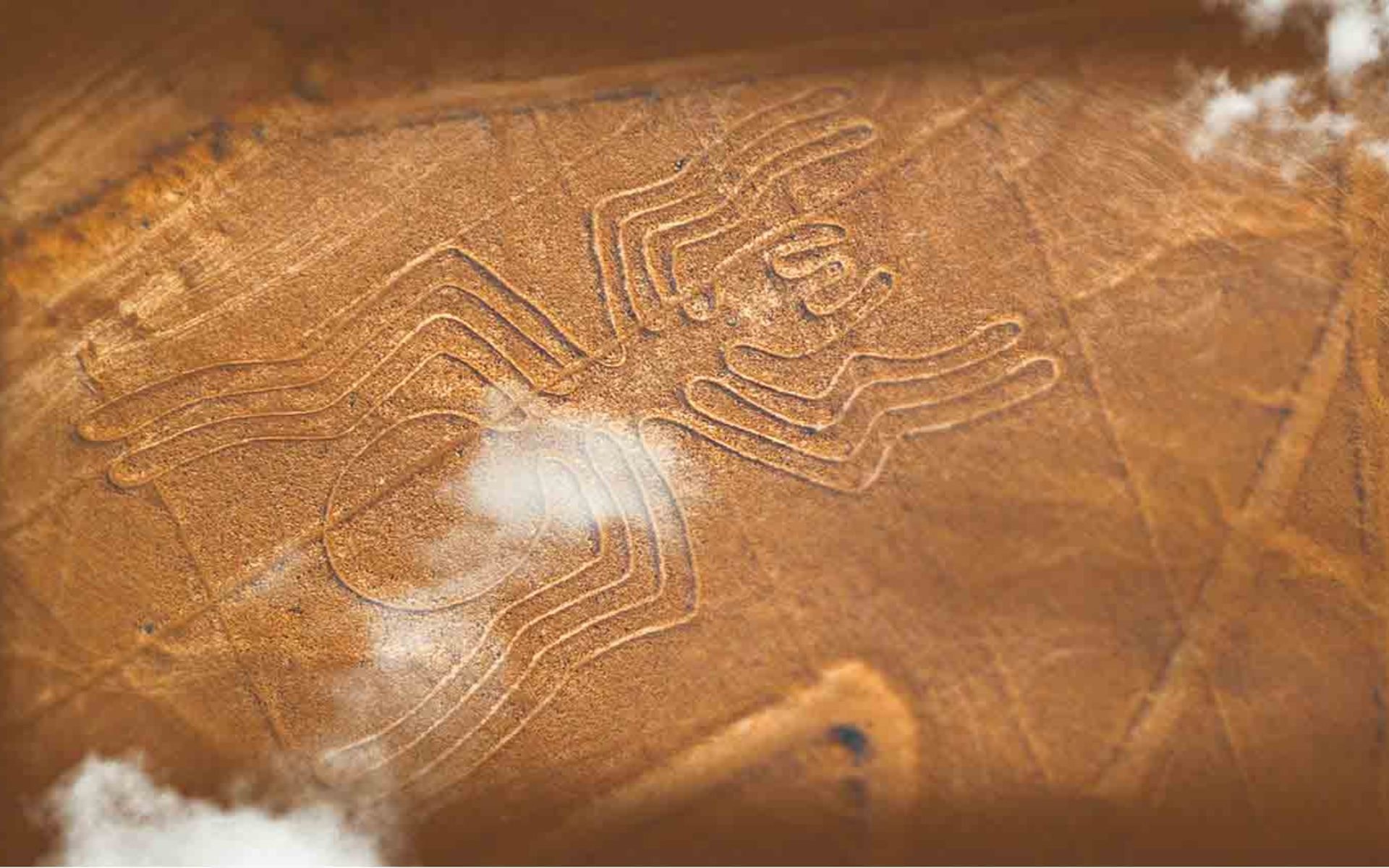
The lines are known as geoglyphs – drawings on the ground made by removing rocks and earth to create a “negative” image. The rocks which cover the desert have oxidized and weathered to a deep rust color, and when the top 12-15 inches of rock is removed, a light-colored, high contrasting sand is exposed. Because there’s so little rain, wind and erosion, the exposed designs have stayed largely intact for 500 to 2000 years.
Scientists believe that the majority of lines were made by the Nasca people who flourished from around A.D. 1 to 700. Certain areas of the pampa look like a well-used chalk board, with lines overlapping other lines, and designs cut through with straight lines of both ancient and more modern origin.
Available options
SMALL GROUP | SHARE TOUR
Tickets | Transport | Guide: "Embark on a once-in-a-lifetime adventure through Peru, where ancient Inca ruins, breathtaking Machu Picchu hikes.<br/>Pickup included
EXCLUSIVE UNIQUE PRIVATE TOUR
PISCO SOUR <br/>SUV - MINIBUS<br/>Tickets | Transport | Guide: "Embark on a once-in-a-lifetime adventure through Peru, where ancient Inca ruins, breathtaking Machu Picchu hikes.<br/>Pickup included
What's included
• Premium transportation - Air-conditioned vehicle | support 24/7
Ballestas Island Boat Tour | Bodega 1615 Pisco Demostration
Professional bilingual guide - Stories & insights included
• Complete package - All fees, taxes, and Admission tickets covered
Flight to Nazca Lines 1H 35M (Cessna Gran Caravan)
• Priority access - No waiting in lines | • Hassle-free service - Hotel transfers included
Detailed itinerary
1
Stop 1
The Nazca Lines, in southern Peru, are a group of pre-Columbian geoglyphs that extend into the desert sands. They cover an area of almost 1,000 square kilometers and there are around 300 different figures, which include animals and plants. They are composed of more than 10,000 lines, some of them 30 meters wide and more than 9 kilometers long. It is easier to see the figures from the air or from nearby mountains.
2
Stop 2
Early inhabitants used the islands as a source of guano, a natural fertilizer, which was exported worldwide during the 19th century. This lucrative industry brought wealth and prosperity to the region, but it also led to the exploitation of the islands' natural resources.
3
The town of Santa Maria Magdalena, which was founded in 1572, had a port named Pisco, after the name of the valley in which it was located. This port became an important route for distribution of the liqueur throughout Peru.
4
Bodega San Nicolás, the producer of “1615” pisco, uses its own vineyards to get its musts or grape juices. Their vineyards have their own history as they are located on the same ancient hacienda belonging to the Jesuits who were in charge of the bodegas and where the first piscos were distilled in the XVII's century.
5
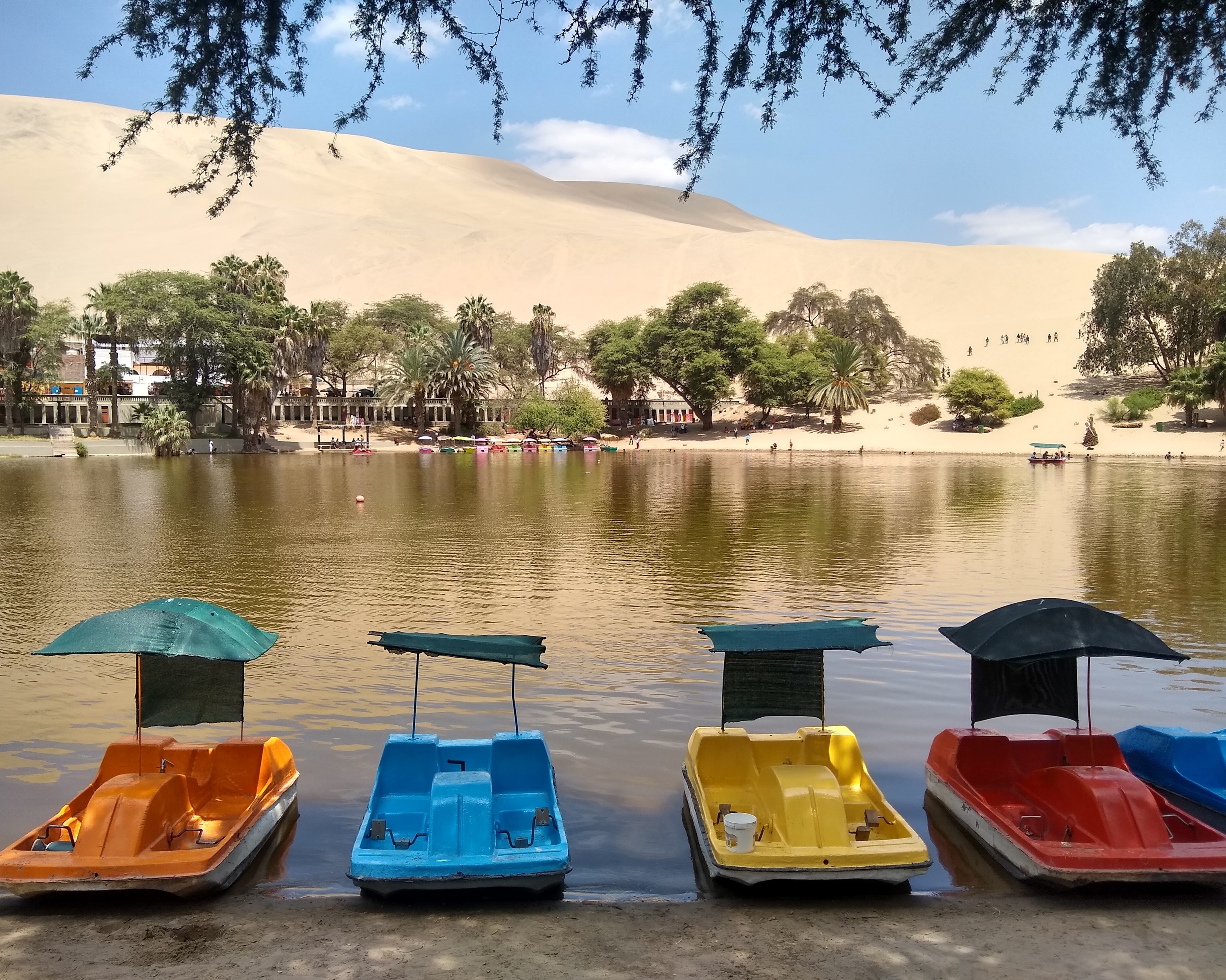
Huacachina dates back centuries, when it was a resting place for travelers crossing the desert. Over time, its fame grew, and it became a premier tourist destination. Today, it combines the tranquility of its natural surroundings with a vibrant array of activities for adventure lovers.
What's not included
“Meals and beverages are not part of the tour package.”
Travel insurance
International and domestic flights | Hotel stays and accommodations
Available languages
Guide guide
DE
PT
EN
IT
FR
ES
Important information
Suitable for all physical fitness levels
Passport name, number, expiry and country is required at time of booking for all participants
The duration of transfers are approximate, the exact duration will depend on the time of day and traffic conditions
Important notes
Dress casual
A current valid passport is required on the day of travel
Hotel pickups commence prior to this time
About Nazca
Nazca is a small town in southern Peru, renowned for the famous Nazca Lines, a series of ancient geoglyphs etched into the desert landscape. This arid region offers a unique blend of archaeological wonders, desert landscapes, and a rich cultural heritage.
Top Attractions
Nazca Lines
Ancient geoglyphs etched into the desert floor, best viewed from the air. These mysterious designs are a UNESCO World Heritage Site.
Historical
Half-day to full-day
Moderate to Expensive (air tours range from 80-150 USD)
Cantalloc Aqueducts
Ancient underground aqueducts built by the Nazca civilization to transport water across the desert.
Historical
1-2 hours
Free to 5 PEN
Nazca Museum
A small museum showcasing artifacts and information about the Nazca culture and the famous Nazca Lines.
Museum
1 hour
5-10 PEN
Must-Try Local Dishes
Cuy al Horno
Roasted guinea pig, a traditional Andean dish.
Main Course
Meat dish, not suitable for vegetarians.
Pachamanca
A traditional earth oven dish with meat, potatoes, and corn.
Main Course
Can be made with meat or vegetarian options.
Chicha Morada
A sweet, non-alcoholic drink made from purple corn.
Drink
Vegan and gluten-free.
Popular Activities
Sandboarding
Dune buggy rides
Hiking in the desert
Visiting the oasis in Huacachina
Exploring local markets
Visiting the Nazca Museum
Exploring the Cantalloc Aqueducts
Swimming in the oasis
Best Time to Visit
April to October
This is the dry season with clear skies and cooler temperatures, making it ideal for outdoor activities and viewing the Nazca Lines.
15-28°C
59-82°F
Practical Information
Language
- Official: Spanish
- Widely spoken: Quechua
- English: Limited
Currency
Peruvian Sol (PEN)
Time Zone
GMT-5
Electricity
220VV, 60HzHz
Safety Information
Overall Safety Rating: Generally safe
Nazca is generally safe, but standard precautions should be taken to avoid petty theft and scams.
Important Precautions:
- • Avoid walking alone at night
- • Use reputable tour operators
- • Keep valuables secure
Getting there
By air
- María Reiche Neuman Airport • 5 km from city center
By bus
Nazca Bus Terminal
Getting around
Public transport
Buses are the primary mode of public transport in Nazca. They are affordable but can be crowded.
Taxis
Available • Apps: None available
Rentals
Car
Neighborhoods
Town Center
Desert Outskirts
Day trips
Palpa
30 km • Half-day
A nearby town with its own set of ancient geoglyphs and archaeological sites.
Huacachina
120 km • Full-day
A desert oasis known for sandboarding and dune buggy rides.
Festivals
Fiesta de San Juan • June 24
Fiesta de la Virgen del Carmen • July 16
Pro tips
- Book your Nazca Lines tour in advance to secure the best times and availability.
- Bring plenty of water and sunscreen for desert excursions.
- Try local dishes like cuy al horno and pachamanca for an authentic culinary experience.
- Visit the Nazca Museum before heading out to the desert to learn more about the lines and local culture.
- Carry small denominations of Peruvian Soles for small purchases and tips.
From $25
per person
Price varies by option
Secure booking
Free cancellation available
Instant confirmation