Full Valley Day Tour: Pisac, Ollantaytambo|Maras|Moray |Chinchero
Active
10h - 12h
For a full refund, cancel at least 24 hours before the scheduled departure time.
Instant confirmation
Mobile or paper ticket accepted
About this experience
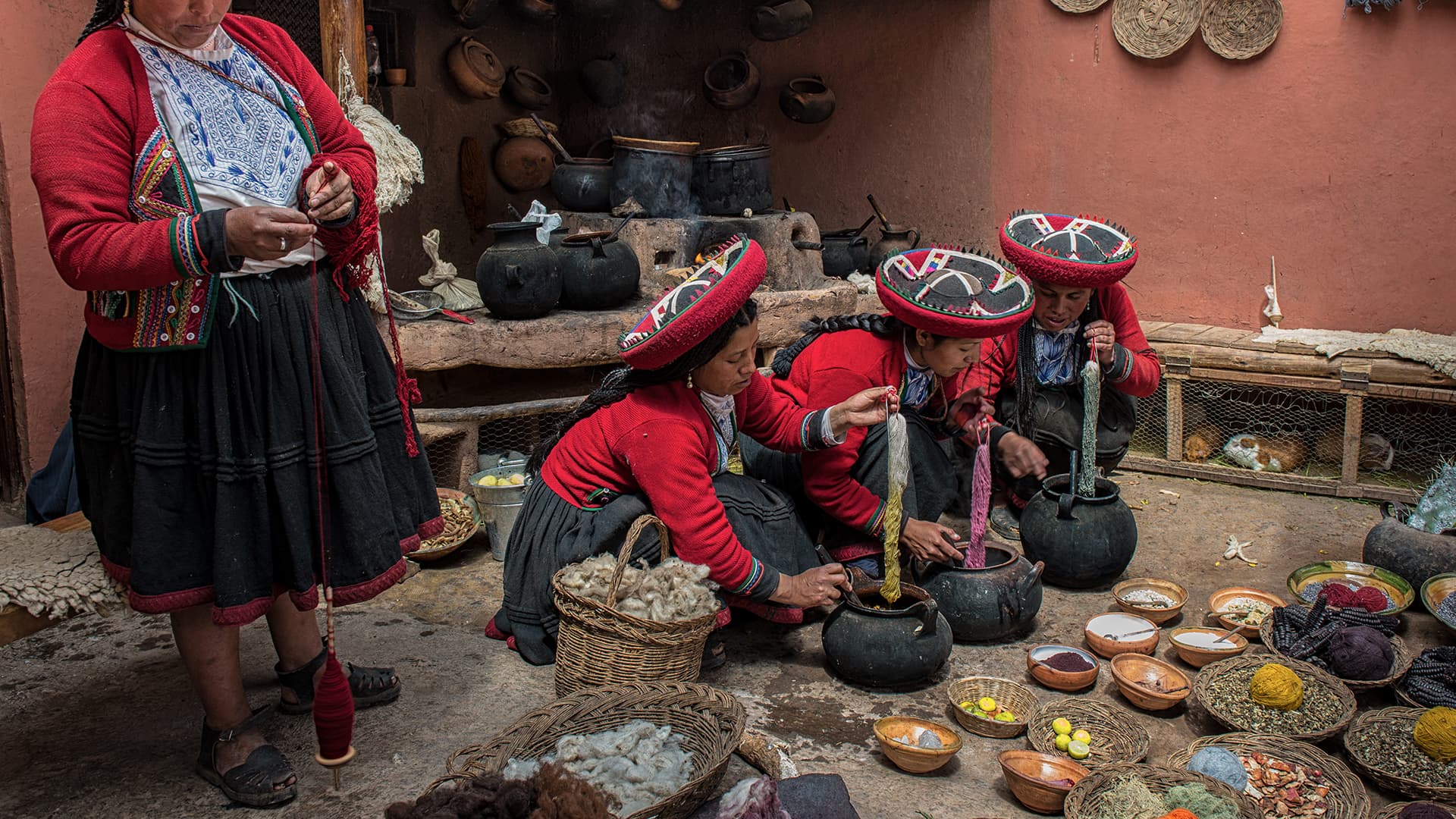
The Inca textile art is one of the oldest textile traditions of the Andes and it became one of the most developed during the Inca apogee, due to the use of different materials and techniques (result of its hybrid culture acquired thanks to the conquests of other Andean ethnic groups). The Incas managed to produce a wide variety of clothing and items for everyday use.
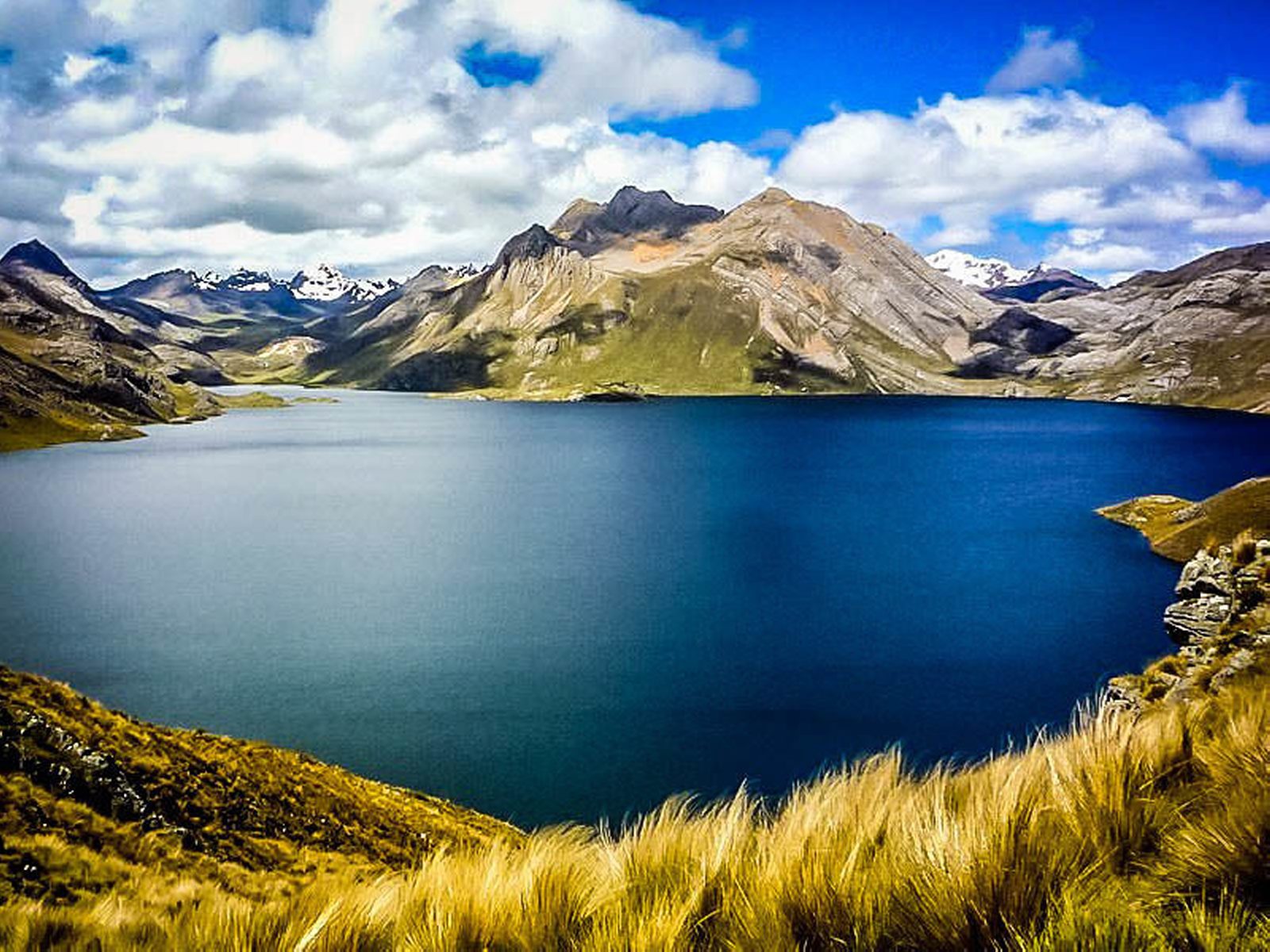
Huaypo is one of the most beautiful lagoons of the Sacred Valley, Beautiful lagoon with crystal clear waters, Huaypo welcomes a wide variety of fish and birds (Local Trout, king Fish, Parihuana or Flamingos, local ducks, Andean Caracara, Hummingbird, and some more) around the perimeter and extension of the lagoon within its approximately 1.5km by 800m in length, fully recommended for bird watching and a great Picnic area surrounded by the great fields of agriculture use by the Local Quechuas.
Available options
ESCLUSIVE PRIVATE EXPERIENCE
TICKETS | GUIDE | TRANSPORT: Best of Sacred Valley: Full-Day Tour to Pisac, Ollantaytambo, Maras & More<br/>Pickup included
EXCLUSIVE GROUP EXPERIENCE
GUIDE | TICKETS | TRANSPORT: Best of Sacred Valley: Full-Day Tour to Pisac, Ollantaytambo, Maras & More<br/>Pickup included
What's included
Complete package - All Admission fees, taxes, and Permits
Professional bilingual guide - Stories & insights
Priority access - No waiting in lines | Guaranteed Service
Premium transportation - Air-conditioned vehicle | Hassle-free service - Hotel transfers
Detailed itinerary
1
The Inca textile art is one of the oldest textile traditions of the Andes and it became one of the most developed during the Inca apogee, due to the use of different materials and techniques (result of its hybrid culture acquired thanks to the conquests of other Andean ethnic groups). The Incas managed to produce a wide variety of clothing and items for everyday use.
Huaypo is one of the most beautiful lagoons of the Sacred Valley, Beautiful lagoon with crystal clear waters, Huaypo welcomes a wide variety of fish and birds (Local Trout, king Fish, Parihuana or Flamingos, local ducks, Andean Caracara, Hummingbird, and some more) around the perimeter and extension of the lagoon within its approximately 1.5km by 800m in length, fully recommended for bird watching and a great Picnic area surrounded by the great fields of agriculture use by the Local Quechuas.
2
The Inca textile art is one of the oldest textile traditions of the Andes and it became one of the most developed during the Inca apogee, due to the use of different materials and techniques (result of its hybrid culture acquired thanks to the conquests of other Andean ethnic groups). The Incas managed to produce a wide variety of clothing and items for everyday use.
Huaypo is one of the most beautiful lagoons of the Sacred Valley, Beautiful lagoon with crystal clear waters, Huaypo welcomes a wide variety of fish and birds (Local Trout, king Fish, Parihuana or Flamingos, local ducks, Andean Caracara, Hummingbird, and some more) around the perimeter and extension of the lagoon within its approximately 1.5km by 800m in length, fully recommended for bird watching and a great Picnic area surrounded by the great fields of agriculture use by the Local Quechuas.
3
Stop 3
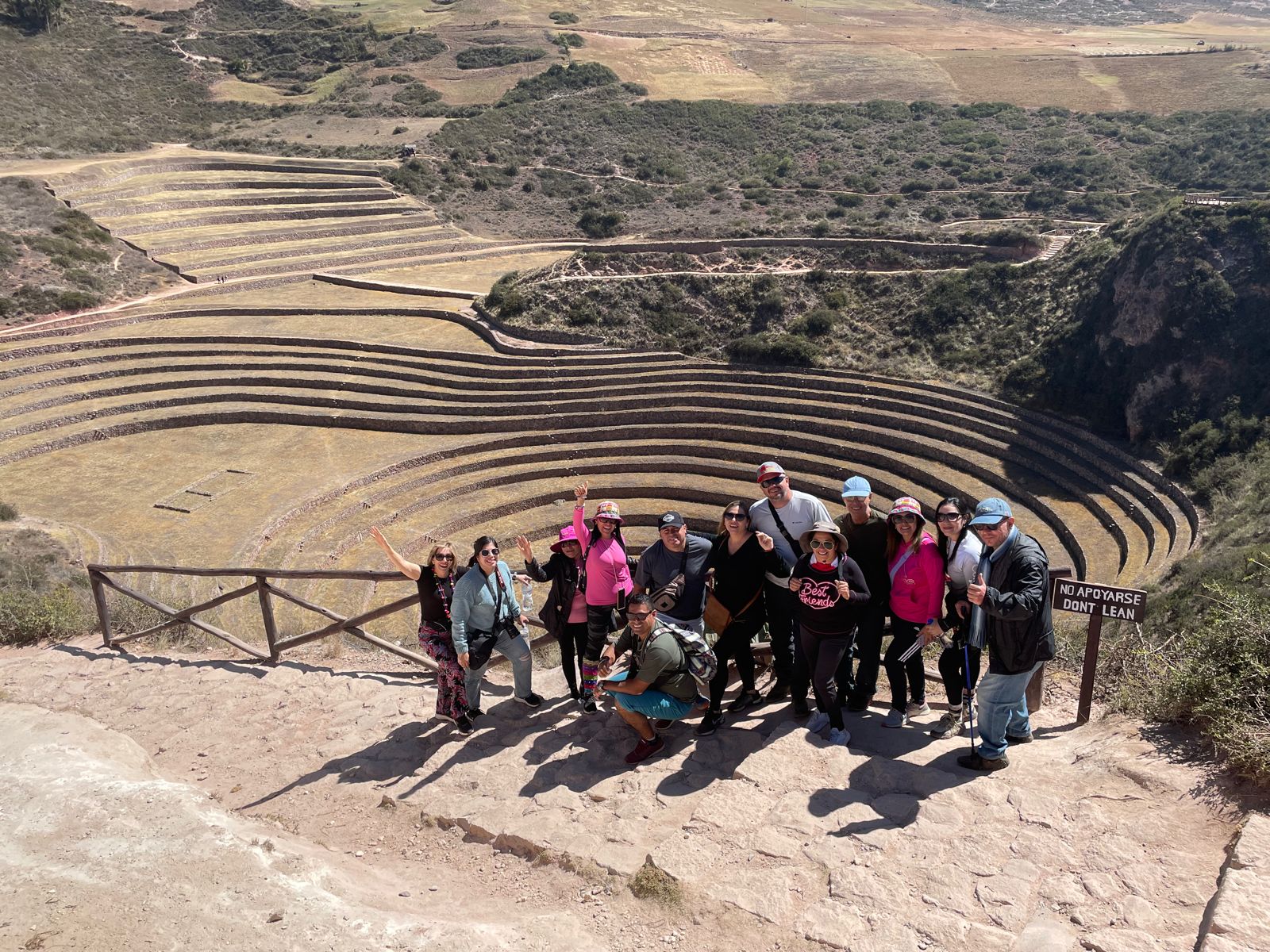
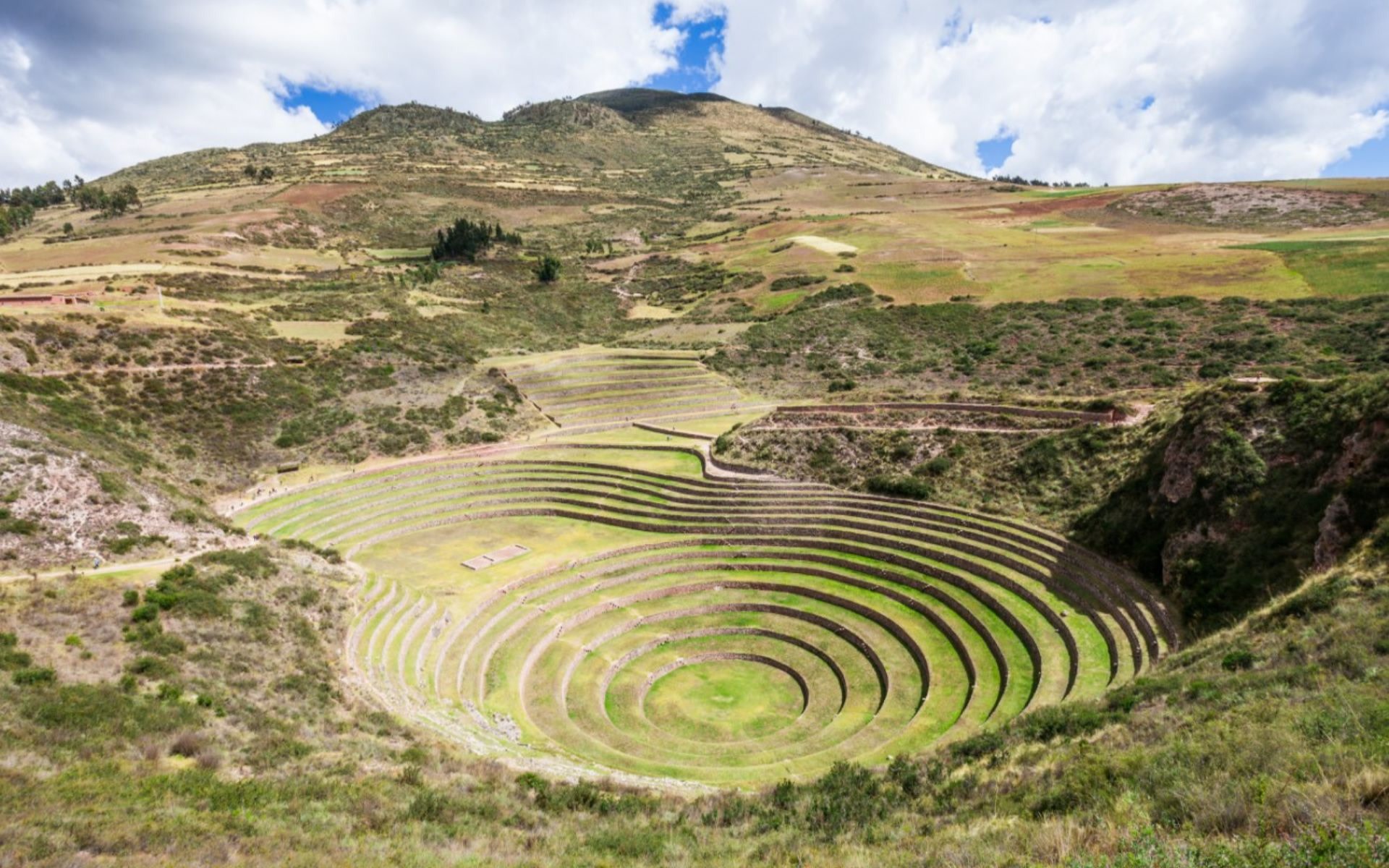
The Sacred Valley of the Incas is home to the archaeological site of Moray, a place with agricultural terraces that, at first glance, look like amphitheaters. These concentric terraces were built by the Incas as an agricultural laboratory. Each of its terraces has its own microclimate, according to the depth at which it is located.
4
Stop 4
The salt mines themselves are made up of a set of approximately
4,500 salt pools located in the form of stepped terraces on the middle slope of the Qaqawiñay hill with slopes of 20 degrees incline to the bottom of the ravine on the left bank of the Salineras stream, with dimensions that fluctuate around 5 linear meters, occupying a total area of approximately 1.5 to 2 hectares
5
Historical Significance:
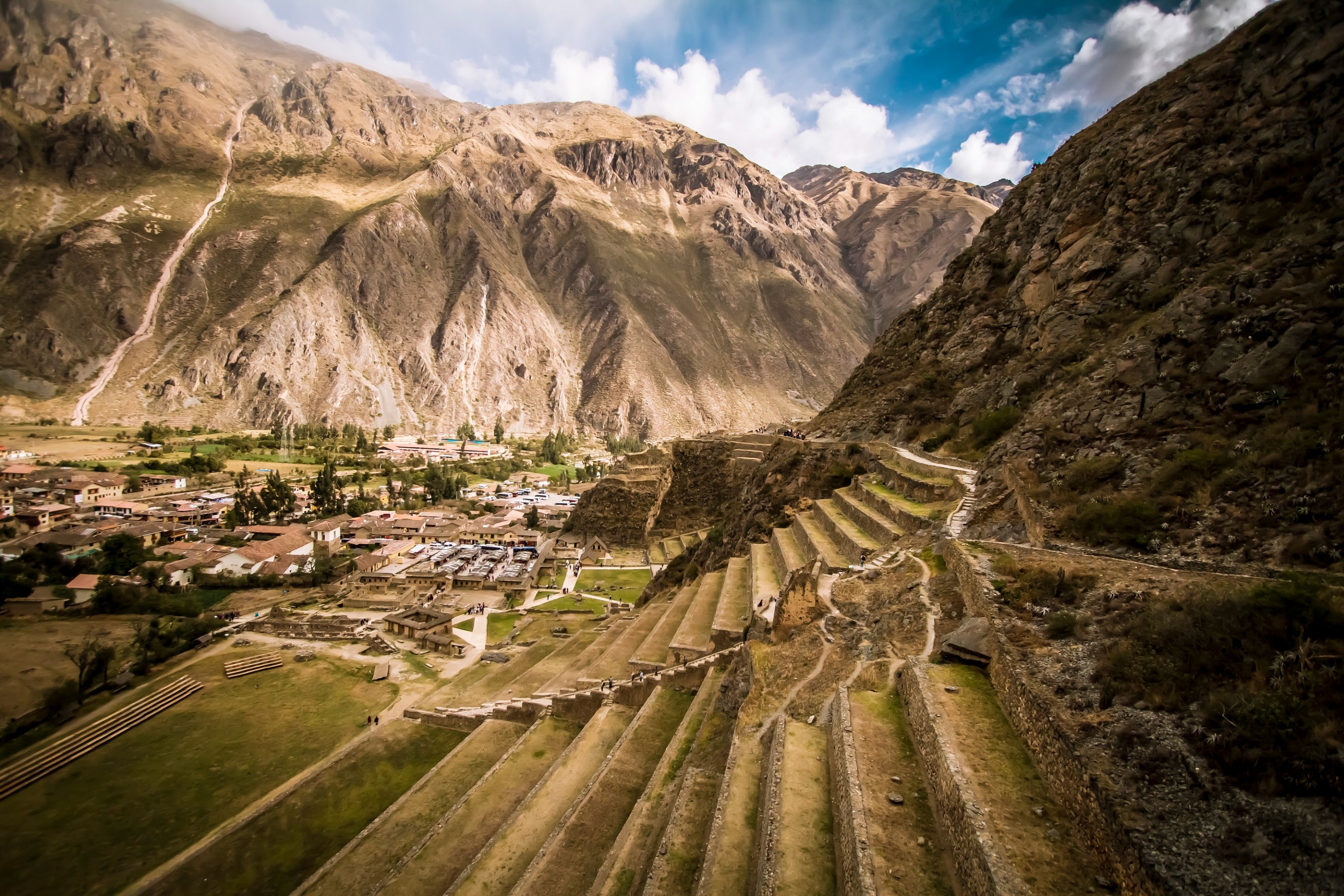
Ollantaytambo was a strategic military, religious, and agricultural center during the Inca Empire.
Built by Inca emperor Pachacuti in the 15th century as a royal estate.
Later used by Manco Inca Yupanqui as a stronghold during his resistance against the Spanish conquest (notably the Battle of Ollantaytambo in 1537 — a rare Inca victory).
Today, it's considered one of the best-preserved examples of Inca city planning.
6
Immerse yourself in Peruvian culture with this unique hands-on experience! Visit a local community where you'll learn the art of traditional bracelet-making directly from skilled local artisans.
7
In the Sacred Valley, between Cusco and Ollantaytambo
Altitude: ~2,871 m (9,419 ft) above sea level
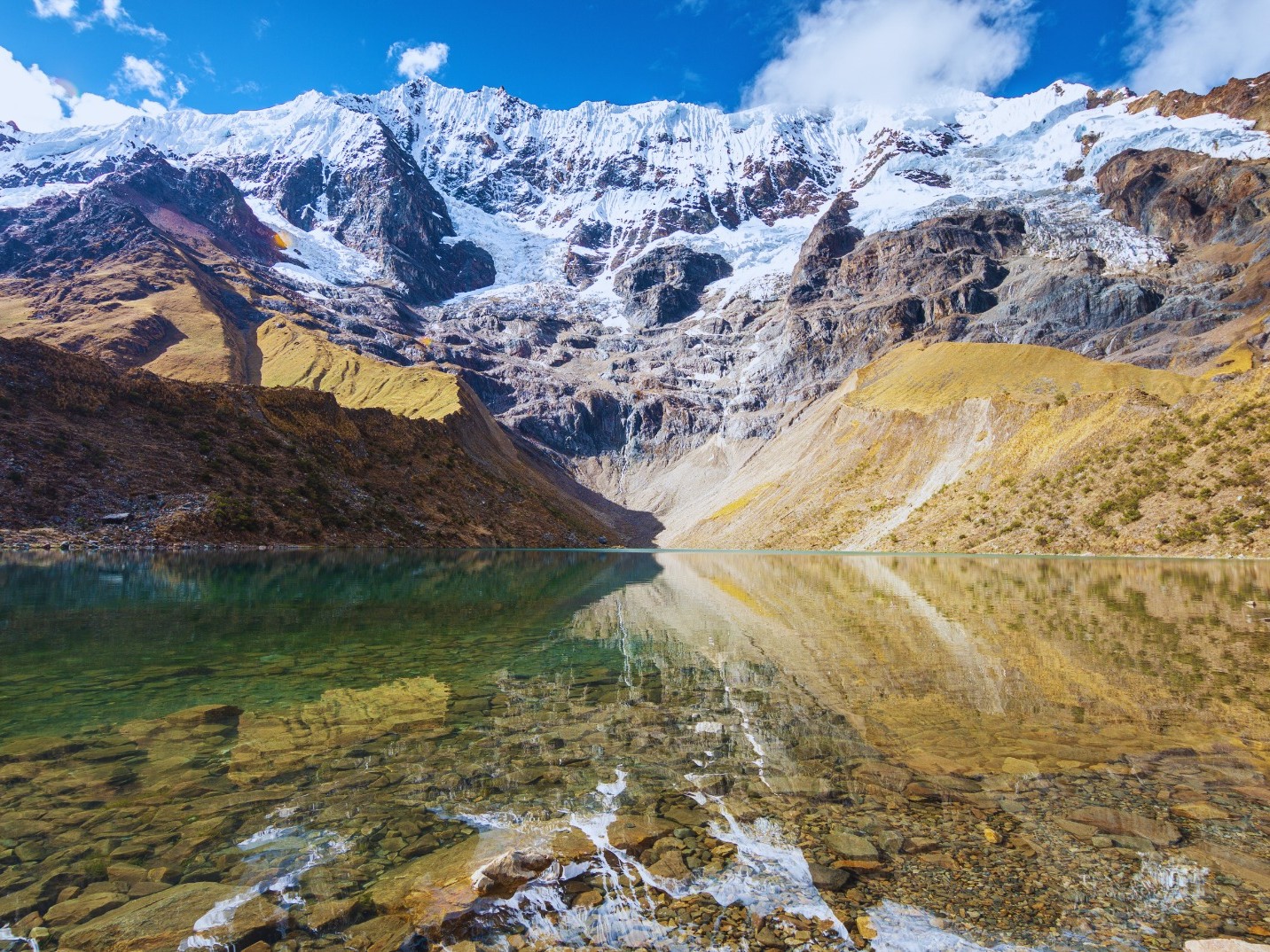
Sits along the Urubamba River, at the base of snow-capped mountains like Chicón
8
Agricultural Terraces (Andenes)
Spectacularly engineered terraces built into the mountain for farming and erosion control.
Still functional today — some are used by local farmers.
What's not included
Food and drinks, unless specified
Travel insurance | Personal expenses and souvenirs
Available languages
Guide guide
PT
EN
ES
Reviews breakdown
Viator
5.0
1 reviews
5★
1
4★
0
3★
0
2★
0
1★
0
Important information
Suitable for all physical fitness levels
Children must be accompanied by an adult
Passport name, number, expiry and country is required at time of booking for all participants
Operates in all weather conditions, please dress appropriately
Please advise any specific dietary requirements at time of booking
Important notes
• A current valid passport is required on the day of travel
Hotel pickups commence prior to this time
Times are subject to change due to local traffic conditions.
About Cusco
Cusco, the historic capital of the Inca Empire, is a captivating blend of Indigenous and colonial influences. Known for its well-preserved archaeological sites, vibrant culture, and stunning Andean landscapes, it's a gateway to Machu Picchu and the Sacred Valley. The city's rich history, combined with its lively arts scene and delicious cuisine, makes it a must-visit destination in South America.
Top Attractions
Sacred Valley
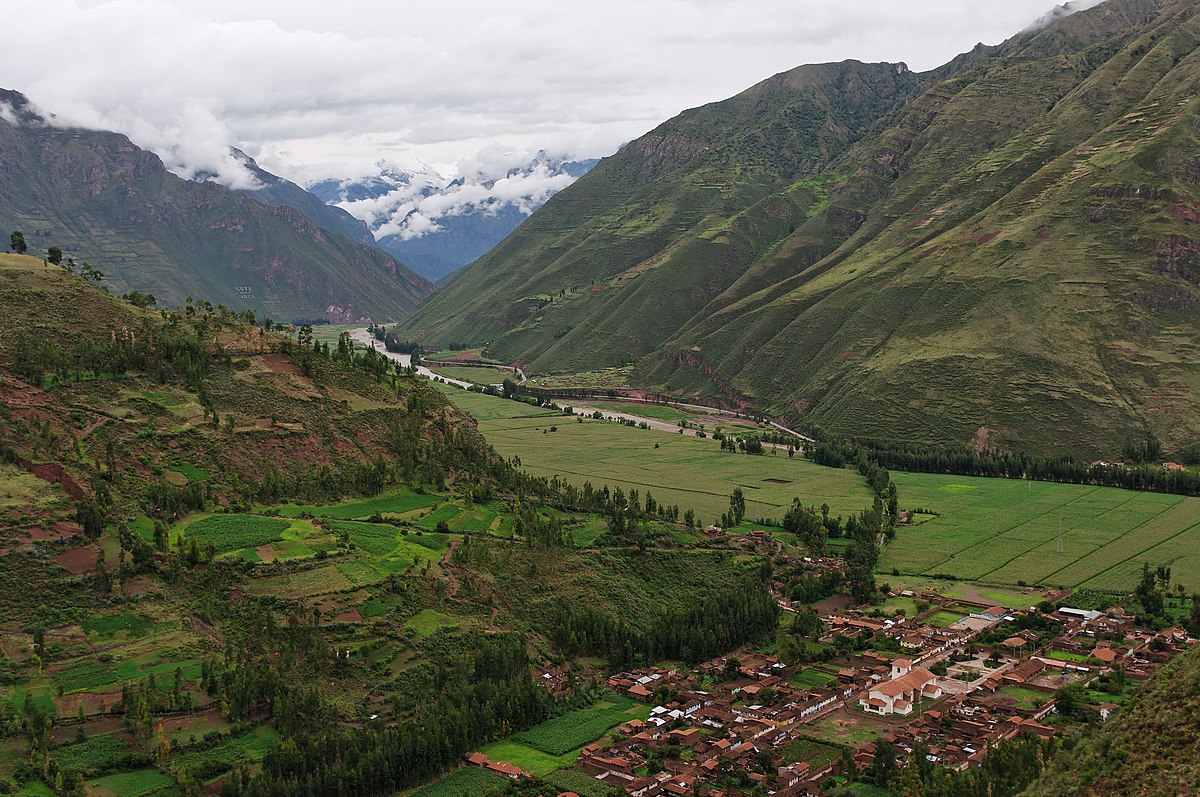
The Sacred Valley is a stunning region filled with Inca ruins, traditional villages, and breathtaking landscapes. It's a must-visit for history and nature lovers.
Historical/Nature
Full day
PEN 10-50 (USD 2.50-12.50) depending on the site
Machu Picchu
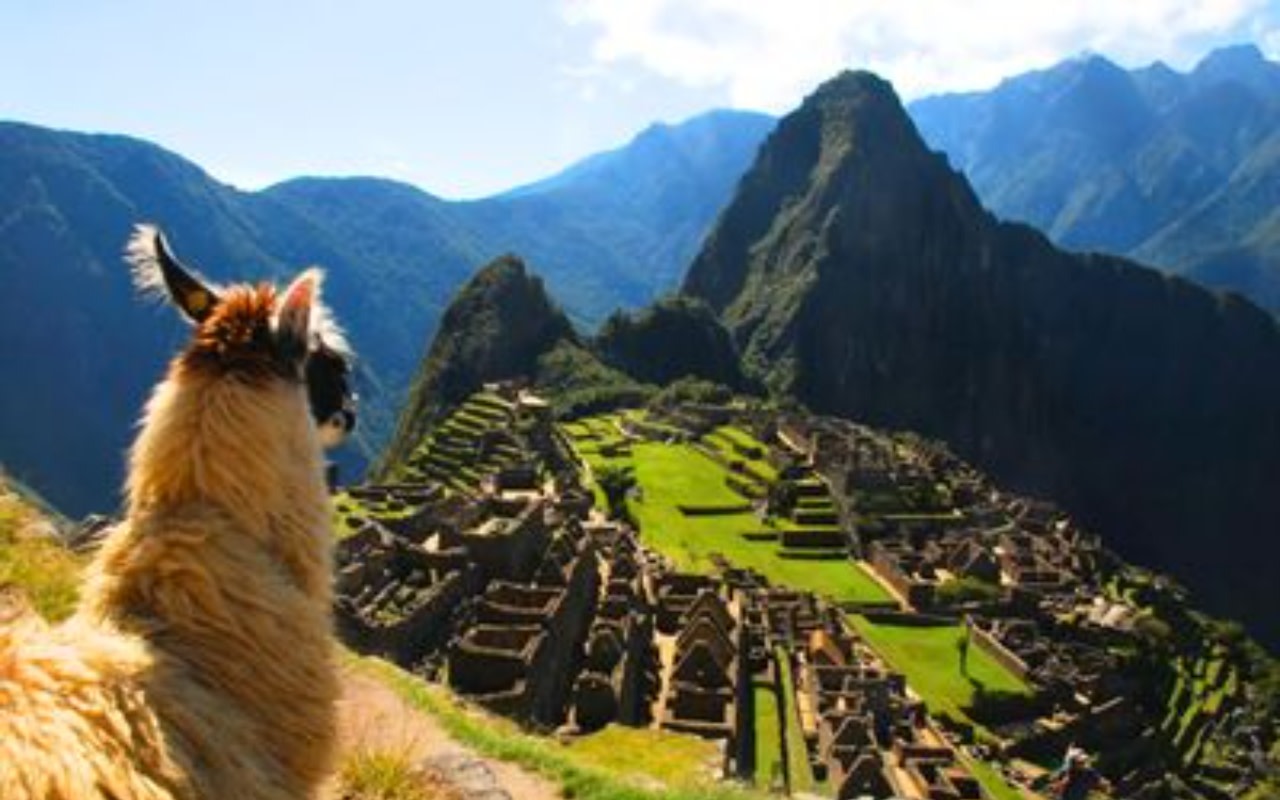
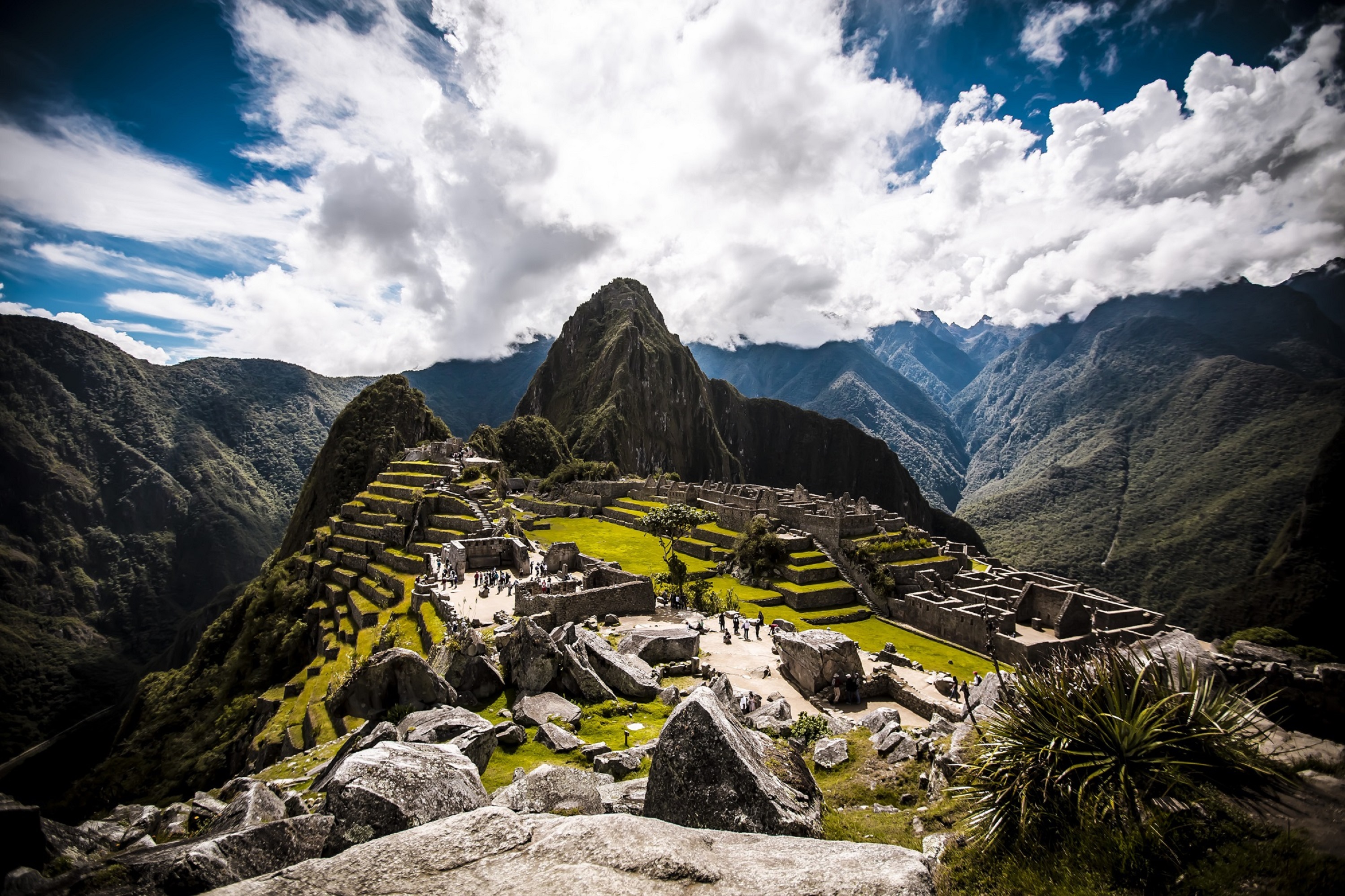
Machu Picchu is the iconic Inca citadel and one of the most famous archaeological sites in the world. Its breathtaking views and rich history make it a must-see.
Historical/Adventure
Full day or overnight
PEN 152 (USD 38) for entrance, train tickets vary
Qorikancha
Qorikancha, or the Temple of the Sun, was the most important temple in the Inca Empire. It's a fascinating blend of Inca and colonial architecture.
Historical/Religious
1-2 hours
PEN 10 (USD 2.50)
Sacsayhuaman
Sacsayhuaman is a massive Inca fortress with impressive stone walls and panoramic views of Cusco. It's a testament to Inca engineering and military might.
Historical
1-2 hours
PEN 10 (USD 2.50)
San Pedro Market
San Pedro Market is a bustling market offering a variety of fresh produce, local crafts, and traditional foods. It's a great place to experience local life.
Cultural/Food
1-2 hours
Free to enter, prices vary for purchases
Must-Try Local Dishes
Cuy al Horno
Roasted guinea pig, a traditional Andean dish.
Main Course
Not vegetarian
Lomo Saltado
Stir-fried beef with onions, tomatoes, and fries.
Main Course
Can be made vegetarian
Aji de Gallina
Shredded chicken in a creamy, spicy sauce.
Main Course
Not vegetarian
Sopa de Quinoa
Quinoa soup, a nutritious and traditional dish.
Soup
Can be made vegetarian
Popular Activities
Hiking
Trekking
Mountain biking
Whitewater rafting
Visiting spas
Exploring parks
Enjoying local cafes
Visiting museums
Best Time to Visit
May to September
This is the dry season, offering the best weather for exploring the city and its archaeological sites. The skies are clear, and temperatures are mild.
5°C to 20°C (41°F to 68°F)
41°F to 68°F
Practical Information
Language
- Official: Spanish
- Widely spoken: Quechua, English (in tourist areas)
- English: Moderately spoken in tourist areas, limited elsewhere
Currency
Peruvian Sol (PEN)
Time Zone
GMT-5
Electricity
220VV, 50HzHz
Safety Information
Overall Safety Rating: Generally safe with common-sense precautions
Cusco is generally safe for tourists, but petty crime can occur, especially in crowded areas. Be cautious with your belongings and avoid walking alone at night in poorly lit areas.
Important Precautions:
- • Keep valuables secure
- • Use reputable tour operators
- • Be cautious with street food
Getting there
By air
- Alejandro Velasco Astete International Airport • 5 km (3 miles) from city center
By train
San Pedro Station
By bus
Cusco Bus Terminal
Getting around
Public transport
Shared taxis (colectivos) are a common and affordable way to get around Cusco. They follow specific routes and can be flagged down.
Taxis
Available • Apps: InDriver, Easy Taxi
Rentals
Car, Bike, Scooter
Neighborhoods
Historic Center
San Blas
San Cristobal
Day trips
Pisac
35 km (22 miles) from Cusco • Full day
Pisac is a charming town known for its vibrant market and impressive Inca ruins. It's a great day trip from Cusco.
Ollantaytambo
60 km (37 miles) from Cusco • Full day or overnight
Ollantaytambo is a picturesque town with well-preserved Inca ruins and a gateway to Machu Picchu. It's a must-visit for history and adventure lovers.
Tipon
25 km (16 miles) from Cusco • Half day
Tipon is a beautiful archaeological site with well-preserved Inca terraces and water channels. It's a peaceful and less crowded alternative to other Inca sites.
Festivals
Inti Raymi • June 24
Cusco Festival of Music and Dance • August
Pro tips
- Acclimatize to the altitude before engaging in strenuous activities
- Dress in layers to accommodate changing temperatures
- Learn a few basic phrases in Spanish or Quechua to enhance your experience
- Visit the San Pedro Market early in the morning for the best selection and prices
- Book tickets and train tickets in advance for Machu Picchu and other popular attractions
From $25
per person
Price varies by option
Secure booking
Free cancellation available
Instant confirmation