Friendinvenice Daily life in Venice in the 500 s -private tour
Active
2h
For a full refund, cancel at least 24 hours before the scheduled departure time.
Instant confirmation
Mobile or paper ticket accepted
About this experience
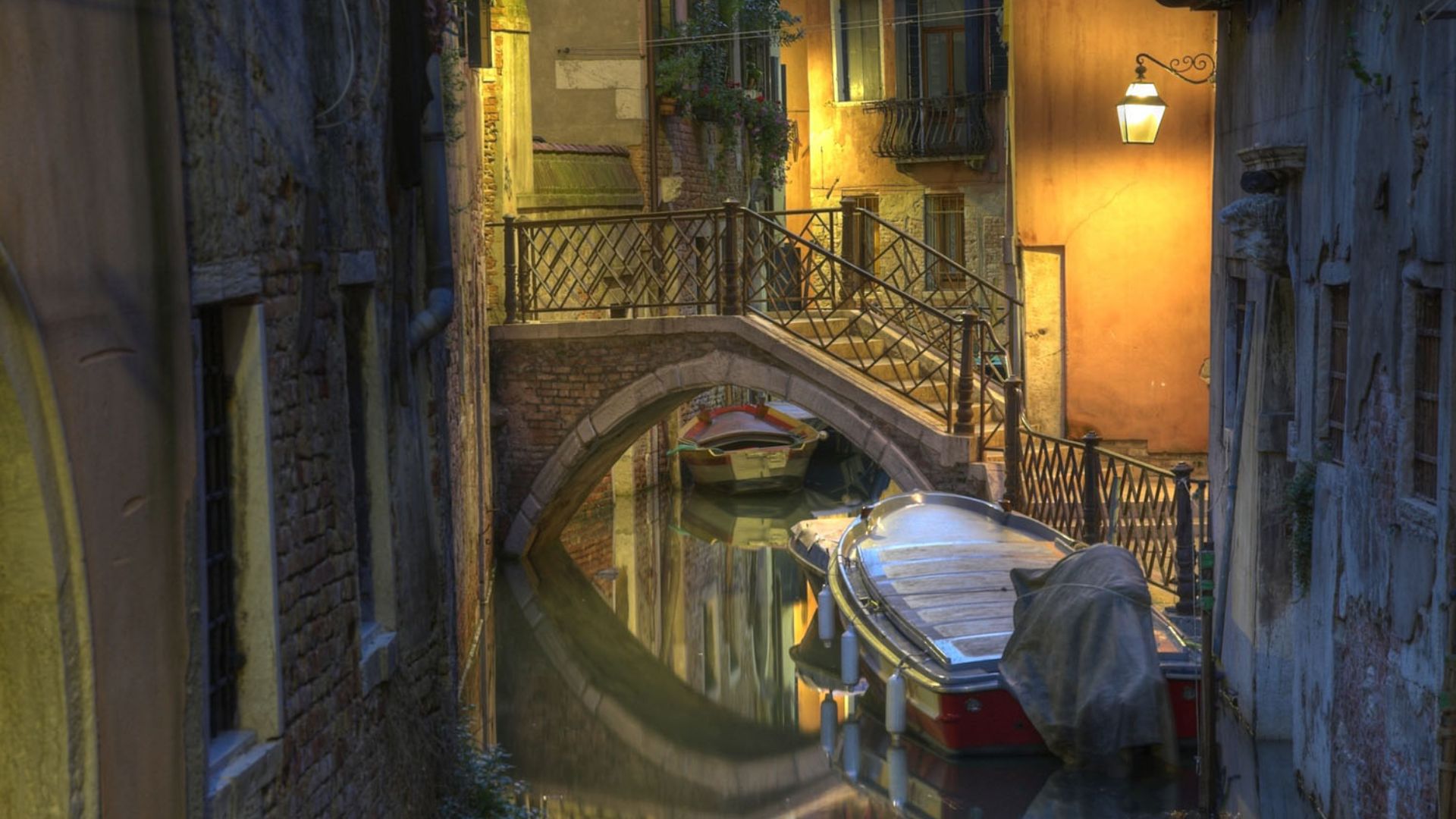
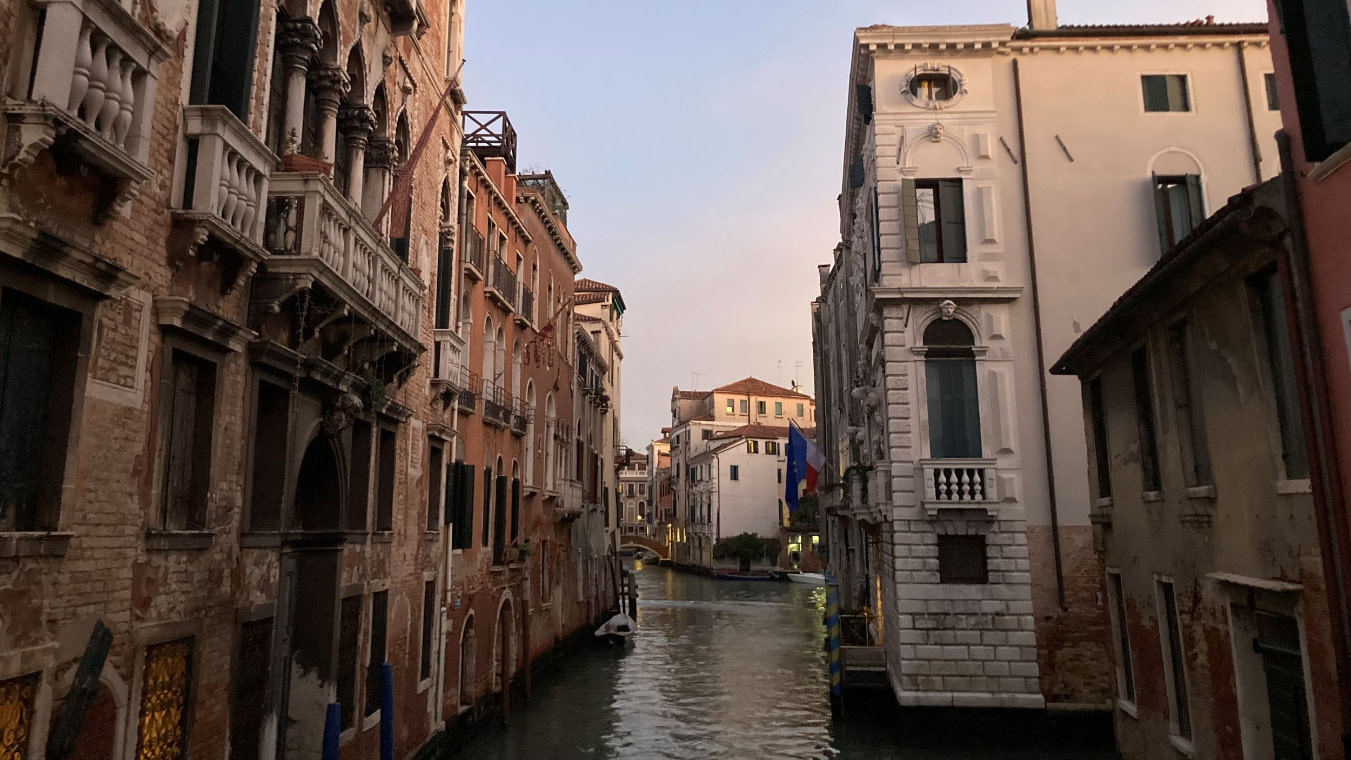
Venice, where I live, is the most beautiful city in the world: despite being extremely small, it hoards an impressive wealth of Art, Architecture and History, making it a truly unique place. For centuries, this was the capital city of an economic and military empire, ruling over maritime traffic (particularly with the East) and able to cope with formidable “competitors” such as the Ottoman Empire! The tour would show us less touristy areas, focusing more on beautiful architecture, and Venetian culture with interesting tales about Venetian courtesans, government, , and painters; It would be like using a time machine and going back in time
Available options
Friendinvenice Daily life in Venice in the 500 s -private tour
Pickup included
What's included
Snacks
Detailed itinerary
1
Stop 1
Venice, where I live, is the most beautiful city in the world: despite being extremely small, it hoards an impressive wealth of Art, Architecture and History, making it a truly unique place. For centuries, this was the capital city of an economic and military empire, ruling over maritime traffic (particularly with the East) and able to cope with formidable “competitors” such as the Ottoman Empire!
2
Stop 2
Pass by
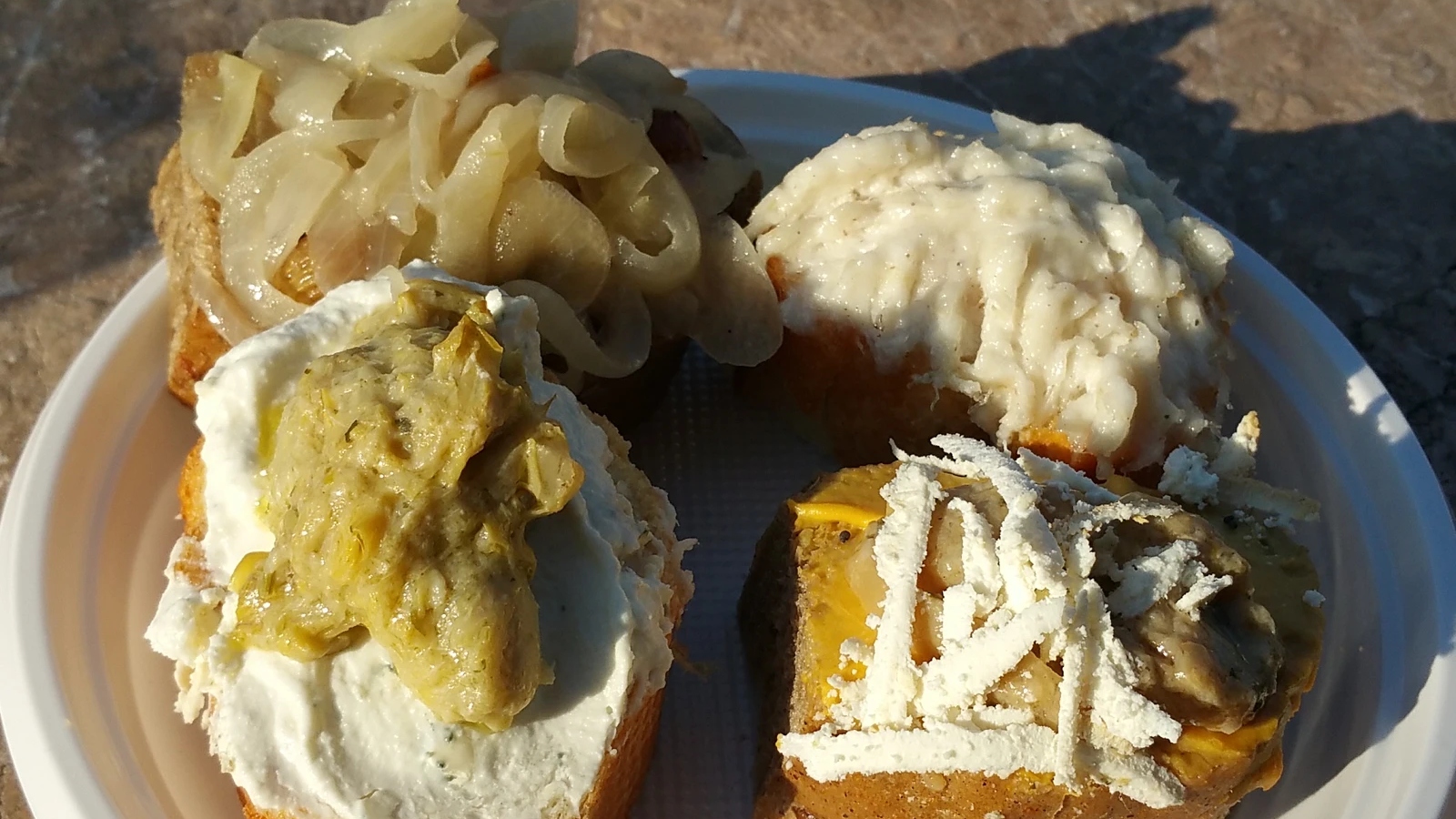
This is the smallest area. In this district it was customary to 'live over the shop', i.e. dwellings and workplaces were often combined. On the Rialto and everywhere else we find an old and noble Venetian vocation: that of good food. the enjoyment of food is honoured here, even in its most simple and popular forms. All around the area we find 'osterie and bacari', taverns that also provide ready-made dishes including saòr, bigoi, in salsa, tripe, liver alla veneziana, fish fries, as well as the typical 'cicheto' (a morsel on a stick).
Rialto Bridge
This is the oldest bridge and spans the Grand Canal. It probably dates back to 1172 and was originally in wood. In 1557 the Venetian Republic put out a tender for rebuilting the bridge in stone. The architects who competed for the tender includes Palladio and Sanmichieli. The tender was awarded by Antonio da Ponte and in 1591 the bridge was inaugurated
Palace of Camerlenghi
Located on the right of Rialto Bridge, the palace derives its name from the Camerlenghi, officials who were responsible for raising revenue for the Venetian Republic. The ground floor contained the cells of the tax evaders
3
The sestiere of Castello
Castello was one of the earliest parts of Venice to be settled (fifth to sixth centuries). The district takes its name from the castle that stood there and which provided defence from attacks from the sea. Here is the ancient Arsenal, that was an essential part of the life of the repubblica.
Cathedral of San Pietro di Castello
For many centuries the cathedral was under the authority of the Patriarch of Grado. In 1451 Venice obtained its own patriarch. hence the church became cathedral. As a result of the dignities that were suppressed by Napoleon in 1807, San Marco (Saint Mark's) became the new cathedral and instead of just being a chapel of the Doge's it became the seat of the Patriarch
Antico Arsenale (Old Arsenal)
It can be recognised by its terracotta walls and squares towers. From the thirteenth century it was an essential part of the life of the republic.
Available languages
Guide guide
EN
IT
FR
ES
Important information
Infants and small children can ride in a pram or stroller
Service animals allowed
Public transportation options are available nearby
Suitable for all physical fitness levels
minimun 2pax
On certain dates, most travelers staying outside of Venice who are planning to visit for the day will be required to pay a €5 access fee. For further details (including exemptions) and to learn what days this fee is applicable, please visit: https://cda.ve.it
About Venice
Venice is a unique and enchanting city built on more than 100 small islands in a lagoon in the Adriatic Sea. Known for its canals, gondolas, and stunning architecture, Venice is a UNESCO World Heritage site and a must-visit destination for its rich history, art, and culture. The city offers a romantic and timeless atmosphere that captivates visitors from around the world.
Top Attractions
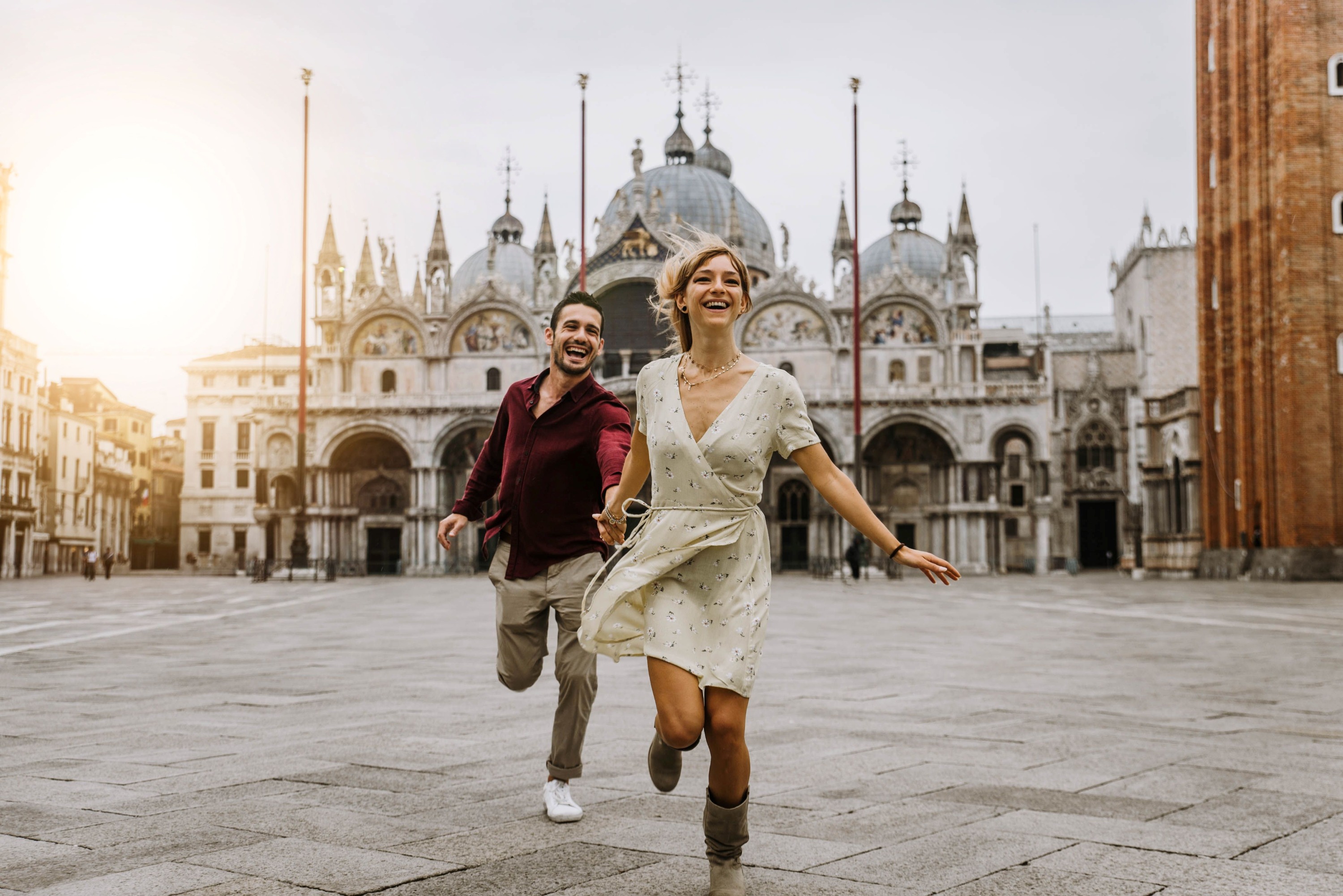
St. Mark's Basilica
A stunning Byzantine cathedral known for its opulent design, golden mosaics, and historical significance. It is one of the most iconic landmarks in Venice.
Historical/Religious
1-2 hours
Free entry, €3 for museum and treasury
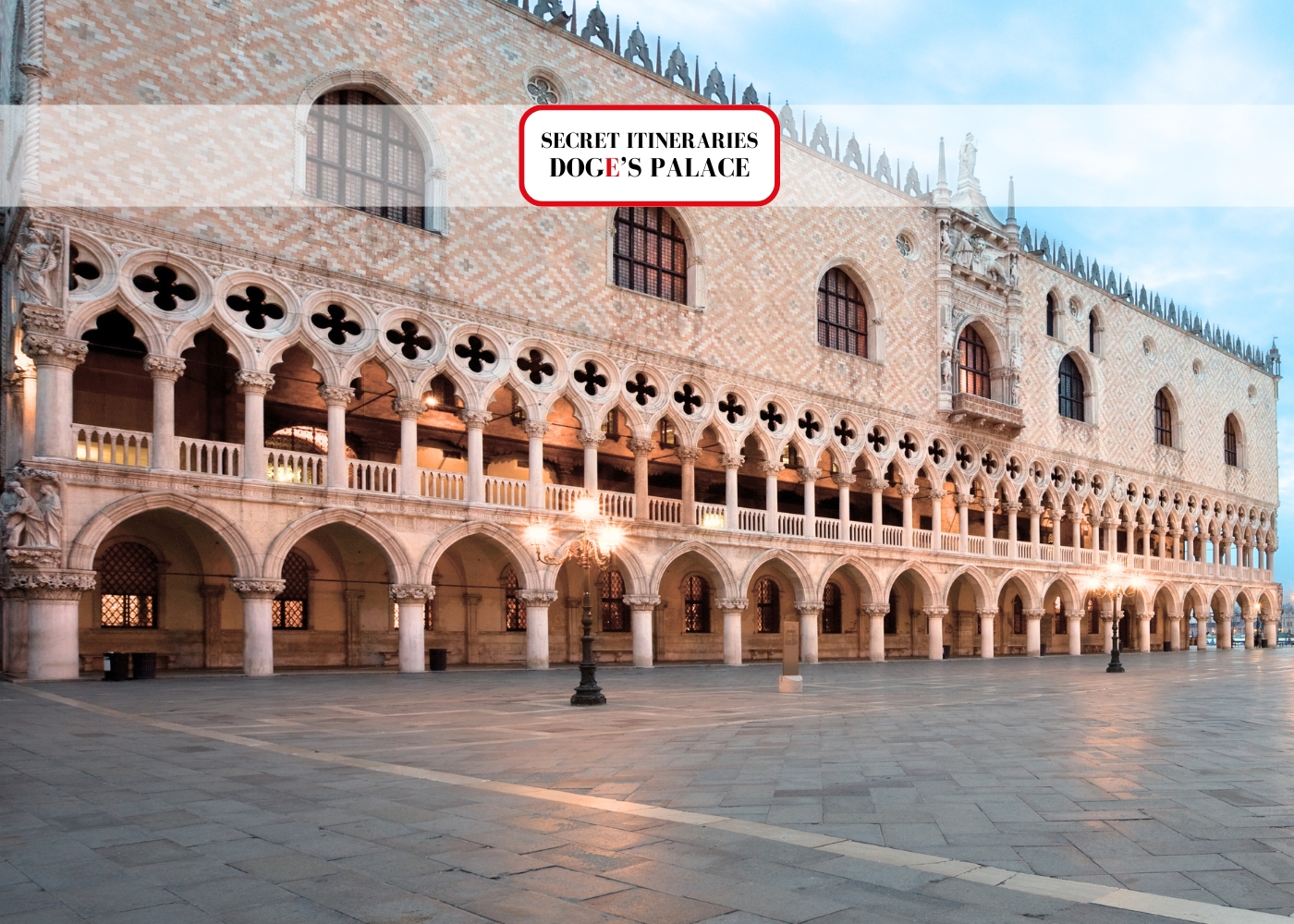
Doge's Palace
A masterpiece of Gothic architecture, the Doge's Palace was the residence of the Doge of Venice and the seat of Venetian government. It offers a glimpse into the city's political and cultural history.
Historical/Architecture
1-2 hours
€25 for standard ticket, €30 for Secret Itineraries Tour
Rialto Bridge
The oldest and most famous of Venice's four bridges spanning the Grand Canal, the Rialto Bridge is an iconic symbol of the city.
Architecture
30 minutes
Free
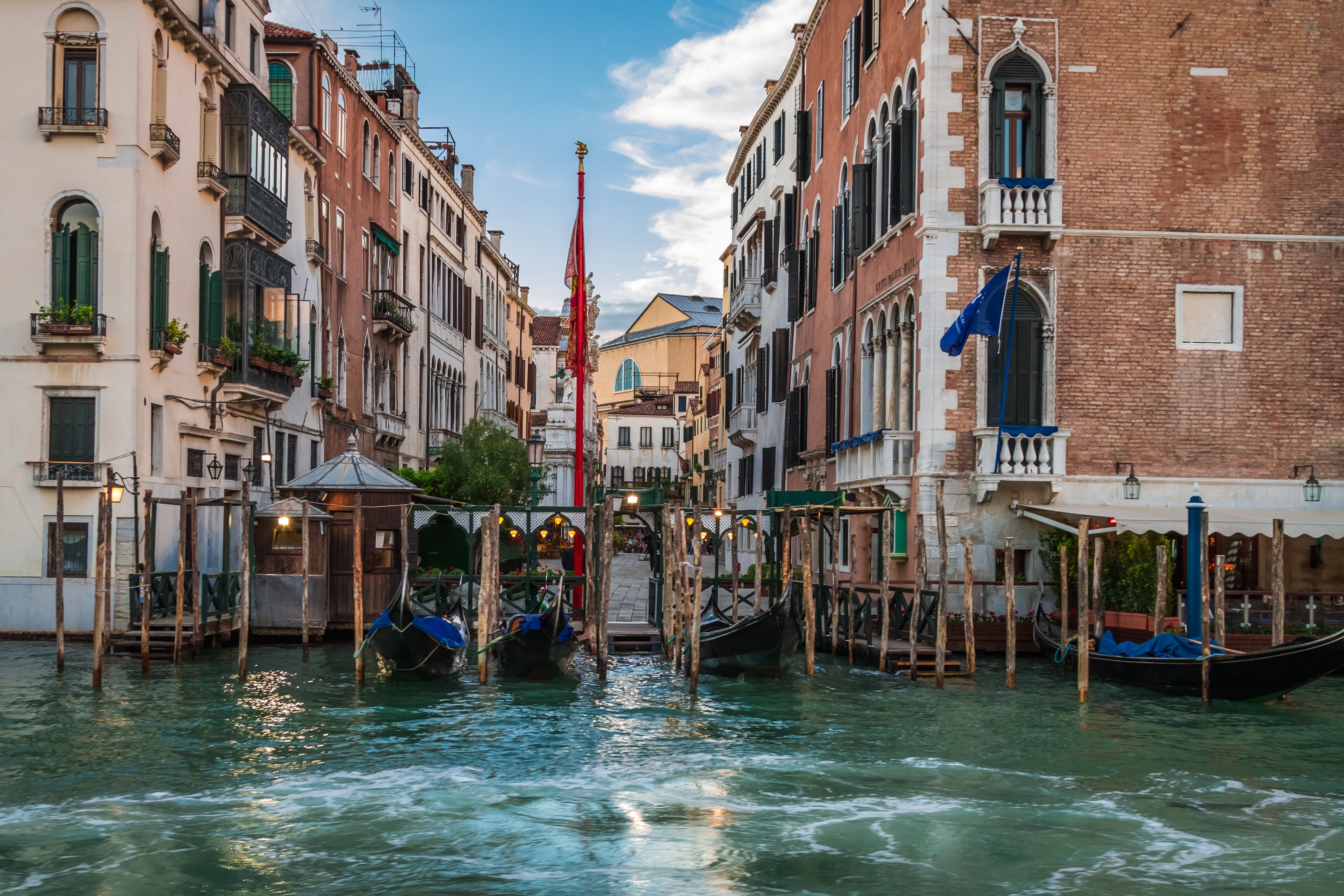
Grand Canal
The main waterway of Venice, the Grand Canal is lined with beautiful palaces, churches, and historic buildings. A vaporetto ride along the canal offers stunning views.
Nature/Scenic
30-60 minutes
€7.50 for a vaporetto ticket
Murano
An island famous for its glass-making tradition. Visitors can watch artisans at work and purchase unique glass souvenirs.
Cultural/Historical
Half-day
Free to explore, €10 for museum
Burano
A colorful island known for its lace-making tradition and picturesque houses. Burano is a charming and photogenic destination.
Cultural/Scenic
Half-day
Free to explore, €5 for lace museum
Must-Try Local Dishes
Risotto al Nero di Seppia
A risotto made with cuttlefish ink, giving it a distinctive black color and rich, briny flavor.
Main Course
Contains seafood, not suitable for vegetarians or those with seafood allergies.
Sarde in Saor
Sweet and sour sardines marinated with onions, raisins, pine nuts, and vinegar.
Appetizer
Contains fish, not suitable for vegetarians.
Bigoli in Salsa
Pasta with a sauce made from anchovies, onions, and breadcrumbs.
Main Course
Contains fish, not suitable for vegetarians.
Frito Misto
A mix of fried seafood and vegetables, including shrimp, squid, and zucchini.
Appetizer
Contains seafood, not suitable for vegetarians.
Popular Activities
Kayaking in the canals
Cycling on Lido di Venezia
Hiking in the Venetian Lagoon
Sunbathing on Lido di Venezia
Enjoying a gondola ride
Visiting a spa or wellness center
Attending a concert or opera
Visiting museums and galleries
Best Time to Visit
April to June, September to October
These months offer pleasant weather and fewer crowds compared to the summer peak. The city is vibrant with events and festivals, and the temperatures are comfortable for exploring.
15°C to 28°C
59°F to 82°F
Practical Information
Language
- Official: Italian
- Widely spoken: English, French, German
- English: Widely spoken in tourist areas, moderately spoken in local areas
Currency
Euro (EUR)
Time Zone
GMT+1 (Central European Time, CET), GMT+2 (Central European Summer Time, CEST) during daylight saving time
Electricity
230VV, 50HzHz
Safety Information
Overall Safety Rating: Generally safe
Venice is generally safe for tourists, with low crime rates. However, pickpocketing and petty theft can occur in crowded areas, and acqua alta (high water) events can disrupt travel plans.
Important Precautions:
- • Keep valuables secure and be aware of your surroundings
- • Use official taxis and ticket vendors
- • Be cautious of strangers approaching you with offers or requests
Getting there
By air
- Venice Marco Polo Airport • 12 km from city center
By train
Santa Lucia Railway Station
By bus
Piazzale Roma
Getting around
Public transport
The vaporetto is the main public transport system in Venice. It operates on fixed routes and is the most convenient way to get around.
Taxis
Available • Apps: Uber (limited availability), Local taxi apps
Rentals
Neighborhoods
San Marco
Dorsoduro
Cannaregio
Castello
Day trips
Burano and Murano
10-45 minutes by vaporetto • Half-day to full day
Visit the colorful island of Burano and the glass-making island of Murano for a unique and picturesque day trip.
Lido di Venezia
20 minutes by vaporetto • Half-day to full day
A long, narrow island between the Venetian Lagoon and the Adriatic Sea, known for its beaches, the Venice Film Festival, and a more relaxed atmosphere.
Padua (Padova)
40 km (25 miles) • Half-day to full day
A charming city known for its beautiful architecture, historic sites, and the famous Scrovegni Chapel with its stunning frescoes by Giotto.
Festivals
Venice Carnival • February or March (dates vary)
Venice Film Festival • Late August to early September
Festa del Redentore • Third weekend of July
Pro tips
- Visit major attractions early in the morning or late in the afternoon to avoid crowds
- Explore the city's lesser-known neighborhoods and hidden gems for a more authentic experience
- Try local specialties and dishes, and ask locals for recommendations
- Use a map or GPS to navigate the intricate streets and canals, as Venice can be easy to get lost in
- Be prepared for acqua alta (high water) events, especially from October to January, and check forecasts and plan accordingly
From $25
per person
Price varies by option
Secure booking
Free cancellation available
Instant confirmation