Luxor Day Trip Valley of the Kings with Hotel Transfer :Hurghada
Active
17h - 19h
For a full refund, cancel at least 24 hours before the scheduled departure time.
Instant confirmation
Mobile or paper ticket accepted
About this experience
Unlock the wonders of ancient Egypt on this unforgettable day trip to Luxor from Hurghada or Soma Bay—perfectly curated to include all the city's top historical highlights in one smooth and stress-free itinerary.
Travel in comfort and explore with a licensed Egyptologist guide, gaining deep insights into legendary sites like Karnak Temple, the Valley of the Kings, and more—without the need for an overnight stay. This small-group tour ensures a more personal, enriching experience far from the typical tourist crowds.
Go beyond the monuments as you visit local workshops, see skilled artisans at work, and even sail the Nile in a traditional felucca boat, offering a unique blend of history, culture, and authentic Egyptian life.
More than just sightseeing, this tour delivers a full cultural journey through both ancient and modern Luxor—making it an essential experience for curious travelers.
Available options
Luxor Day Trip Valley of the Kings with Hotel Transfer :Hurghada
Pickup included
What's included
Lunch included in Luxor
Stop at the Alabaster Museum
Licensed historical guide
Air-conditioned vehicle pick-up and drop-off
Full-day tour of Luxor city
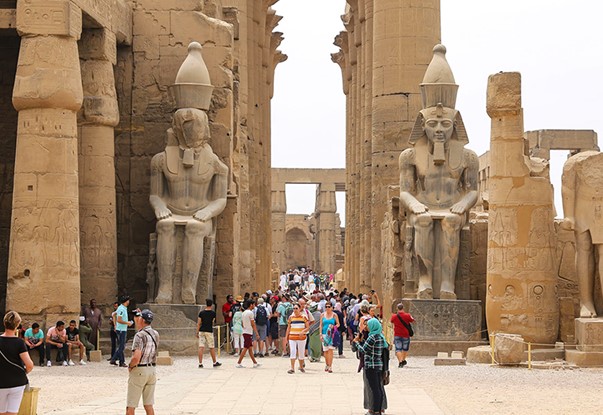
Visit the Colossi of Memnon
Detailed itinerary
1
Comfortable round-trip transfer from Somabay to Luxor with a scenic stop in Qena
2
Stop 2
Enjoy a 30-minute break, where you can stretch your legs, grab a refreshing drink, and experience a glimpse of local life.
3
Stop 3
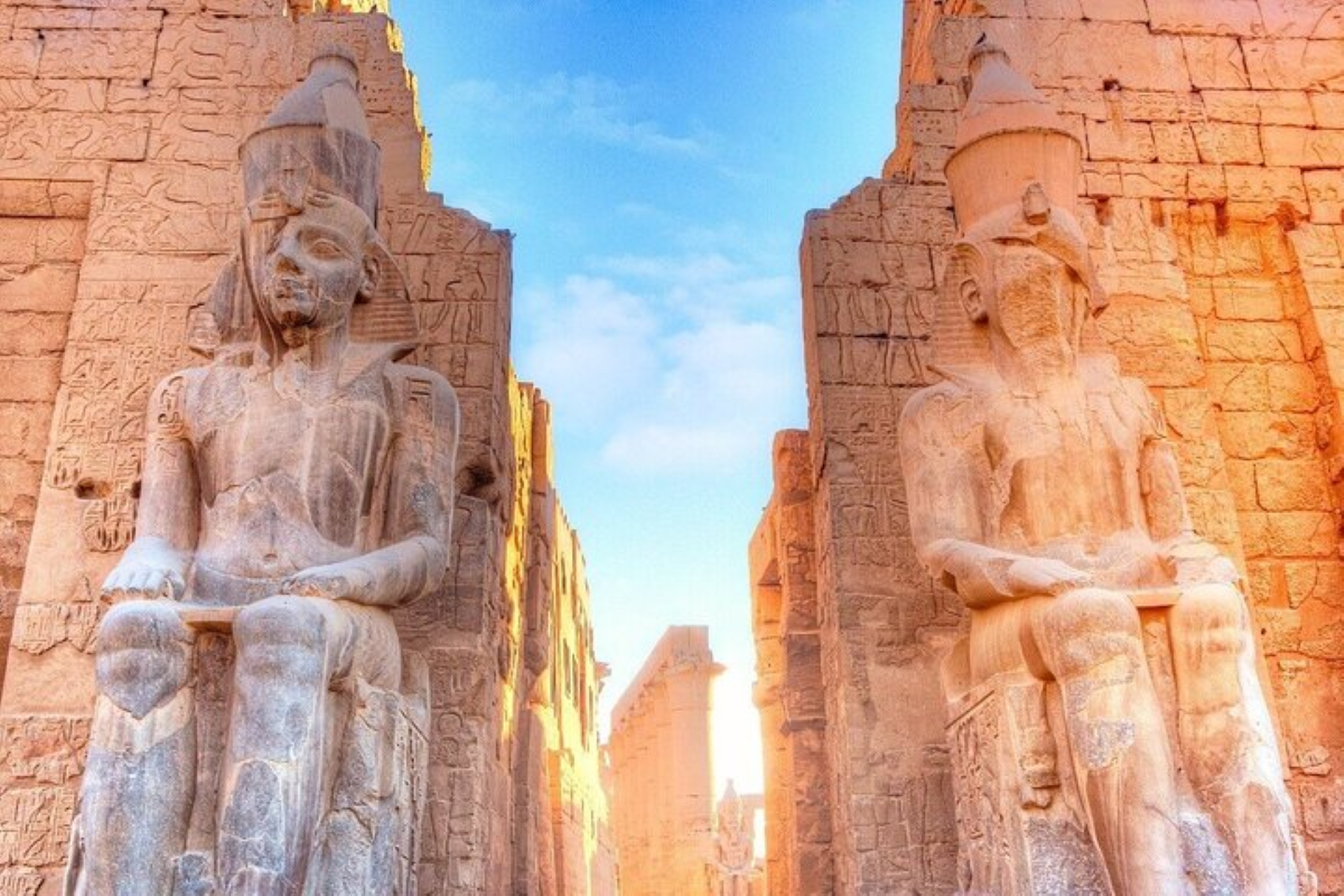
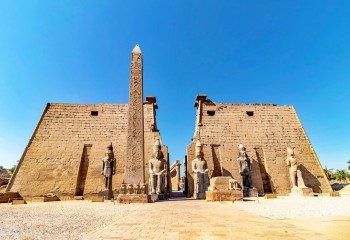
Karnak, known as Ipet-Sut or “The Most Select of Places,” was a major religious complex on the east bank of Thebes (modern Luxor). It housed several temples, including the Great Temple of Amun, the center of the powerful Amun cult. From the reign of Intef II to the Roman Period, many pharaohs contributed to its construction, making it one of Egypt’s most important sites.
The complex includes the Amun Precinct, the Precinct of Mut, the Precinct of Montu, and Akhenaten’s temple to Aten. Karnak’s Great Temple is aligned east-west, symbolizing the sun god’s journey, and also features a north-south axis linking it to Luxor Temple via a sphinx-lined avenue used during the Opet Festival.
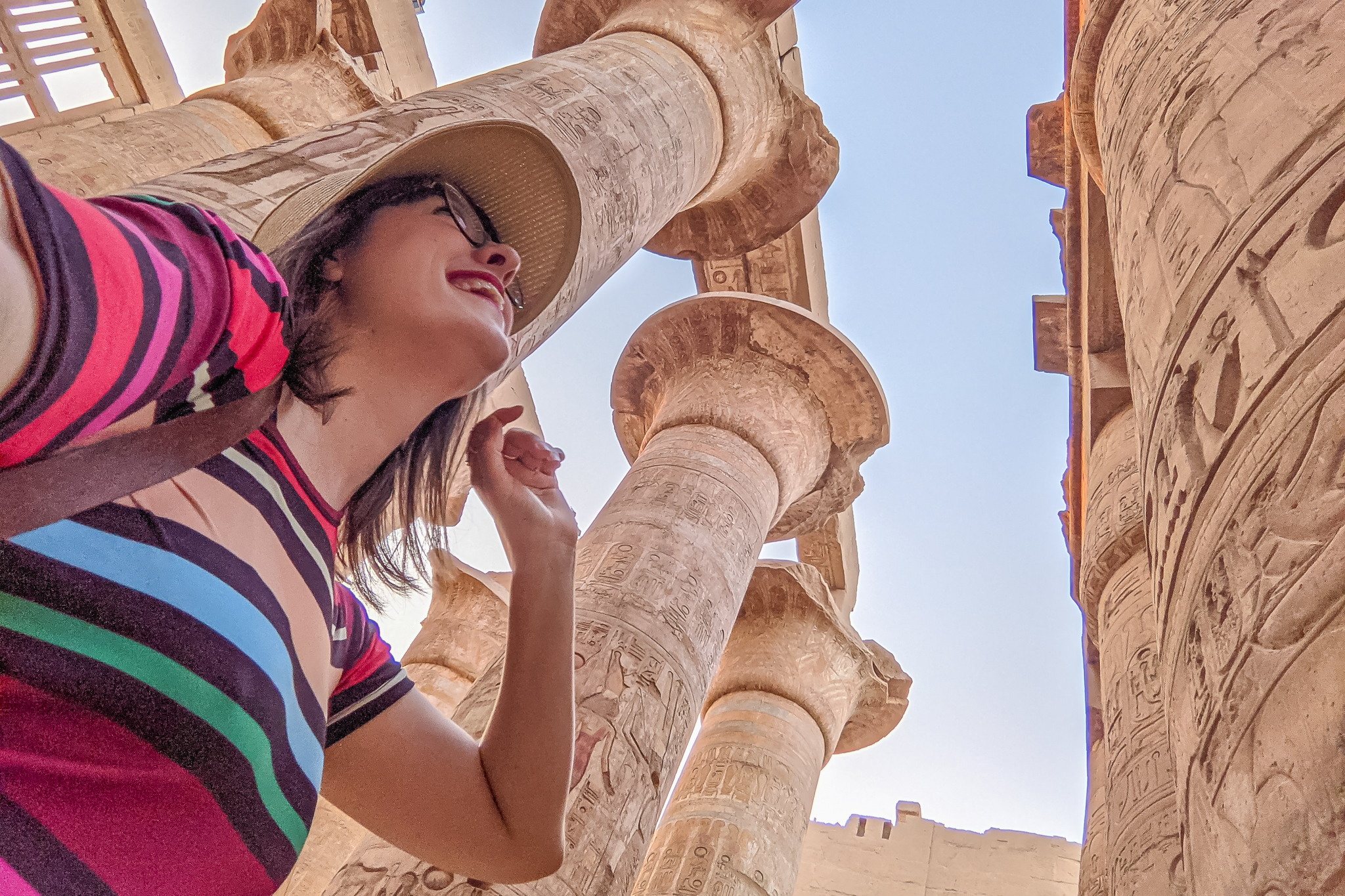
Highlights include the Great Hypostyle Hall with 134 massive columns, two giant obelisks (one by Hatshepsut), and several smaller temples, such as the temple of Khonsu and the temple of Opet. The sacred lake, used for priestly purification, remains a striking feature of this vast open-air museum.
4
Stop 4
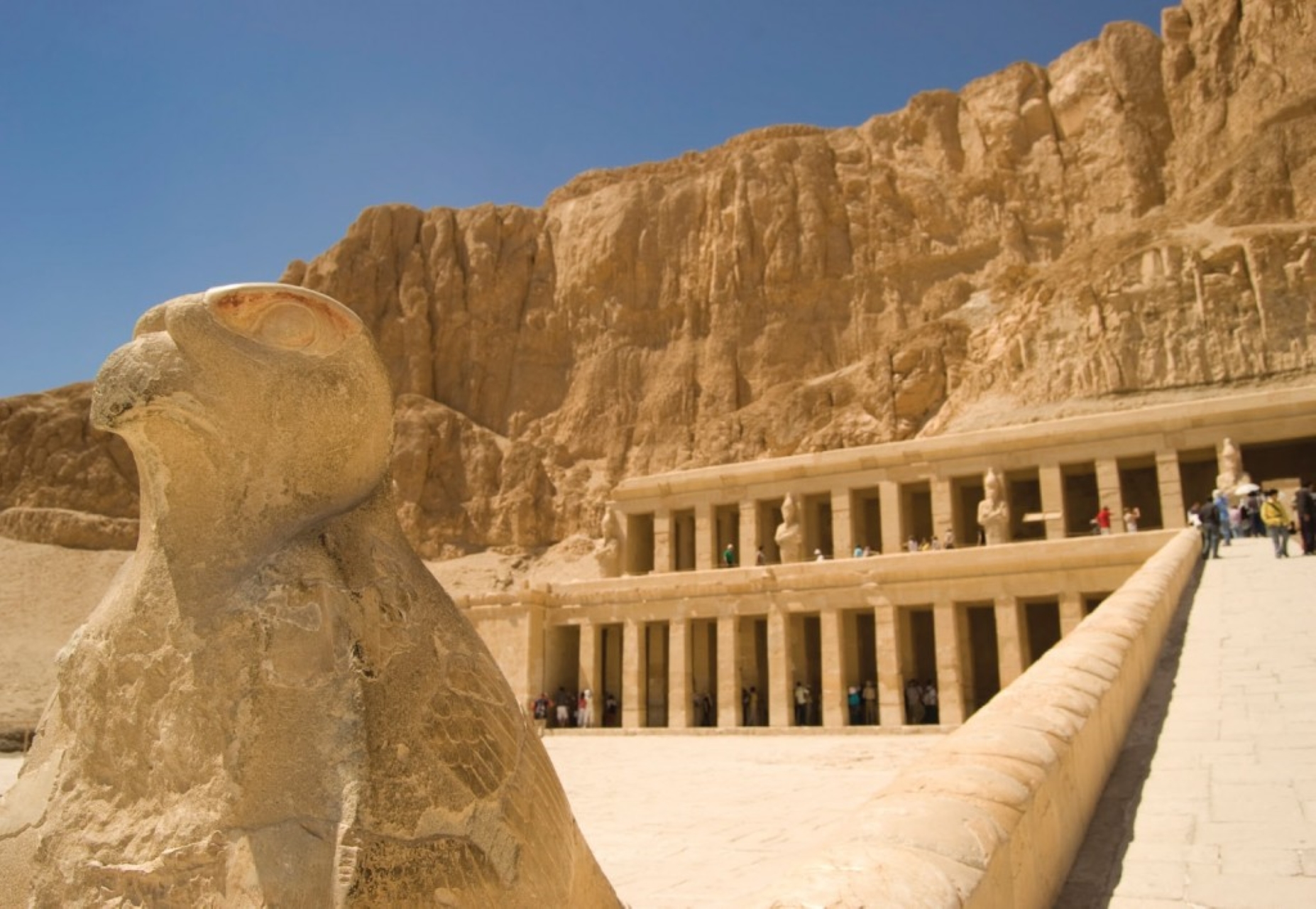
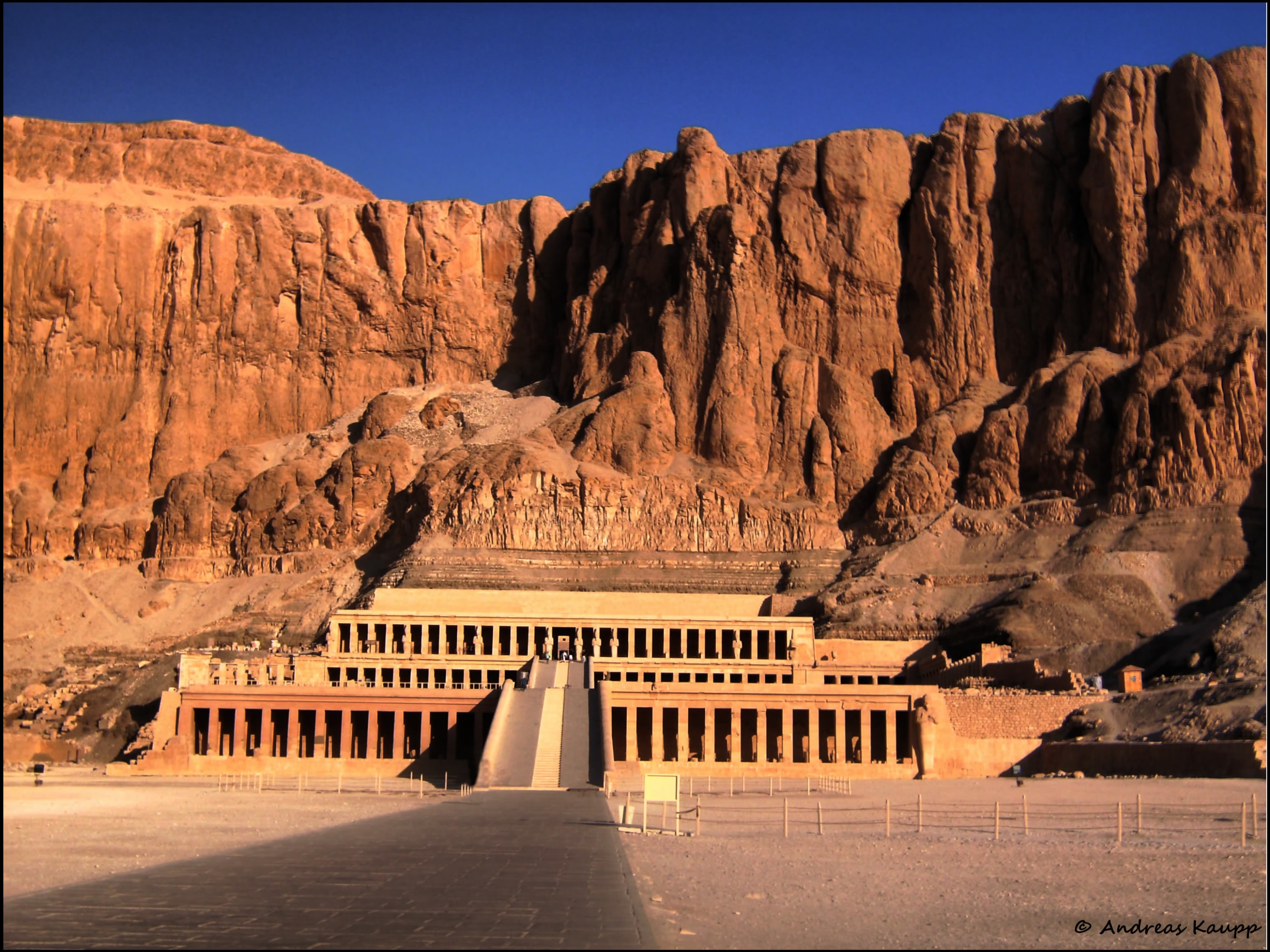
Hatshepsut (c. 1473–1458 BC), the queen who became pharaoh, built her stunning mortuary temple, Djeser-djeseru (“Holy of Holies”), at Deir al-Bahari across the Nile from Karnak. Designed by her chief steward Senenmut, the temple has three levels, each with a colonnade and an upper courtyard featuring statues of Hatshepsut as Osiris.
The temple honored not only Hatshepsut but also her father Thutmose I, goddess Hathor, and god Anubis, with a special sanctuary dedicated to Amun. Its walls display vibrant reliefs of rituals, festivals, and Hatshepsut’s famous expedition to Punt, showcasing exotic people and treasures. Other reliefs assert her divine right to rule, claiming Amun as her true father.
5
The Valley of the Kings, located on the west bank of the Nile near ancient Thebes (modern Luxor), served as the burial site for Egypt’s powerful New Kingdom rulers from the 18th to 20th Dynasties (c.1550–1069 BC). Although named for kings, some royal family members and high-ranking officials were also buried here. The valley is split into the more famous East Valley, with most tombs, and the smaller West Valley.
The west bank location was symbolic, associated with the setting sun and the idea of rebirth. The natural pyramid-shaped peak overlooking the valley symbolized eternal life and was sacred to Hathor, the “Mistress of the West.” To protect their tombs from robbers, pharaohs chose this remote, hidden valley for underground burial rather than pyramids.
Thutmose I was the first confirmed New Kingdom ruler buried here, with his tomb excavated in secrecy to keep it safe from looters.
6
Stop 6
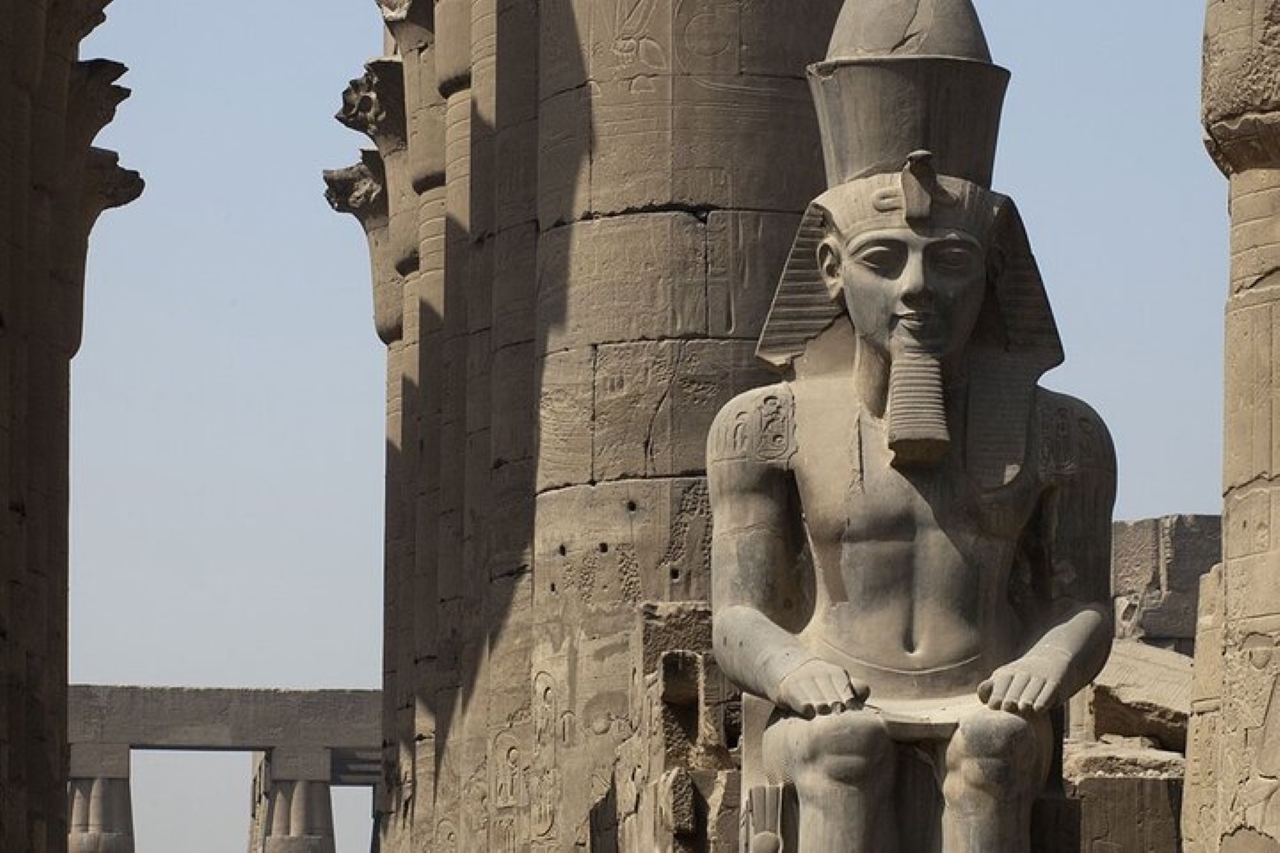
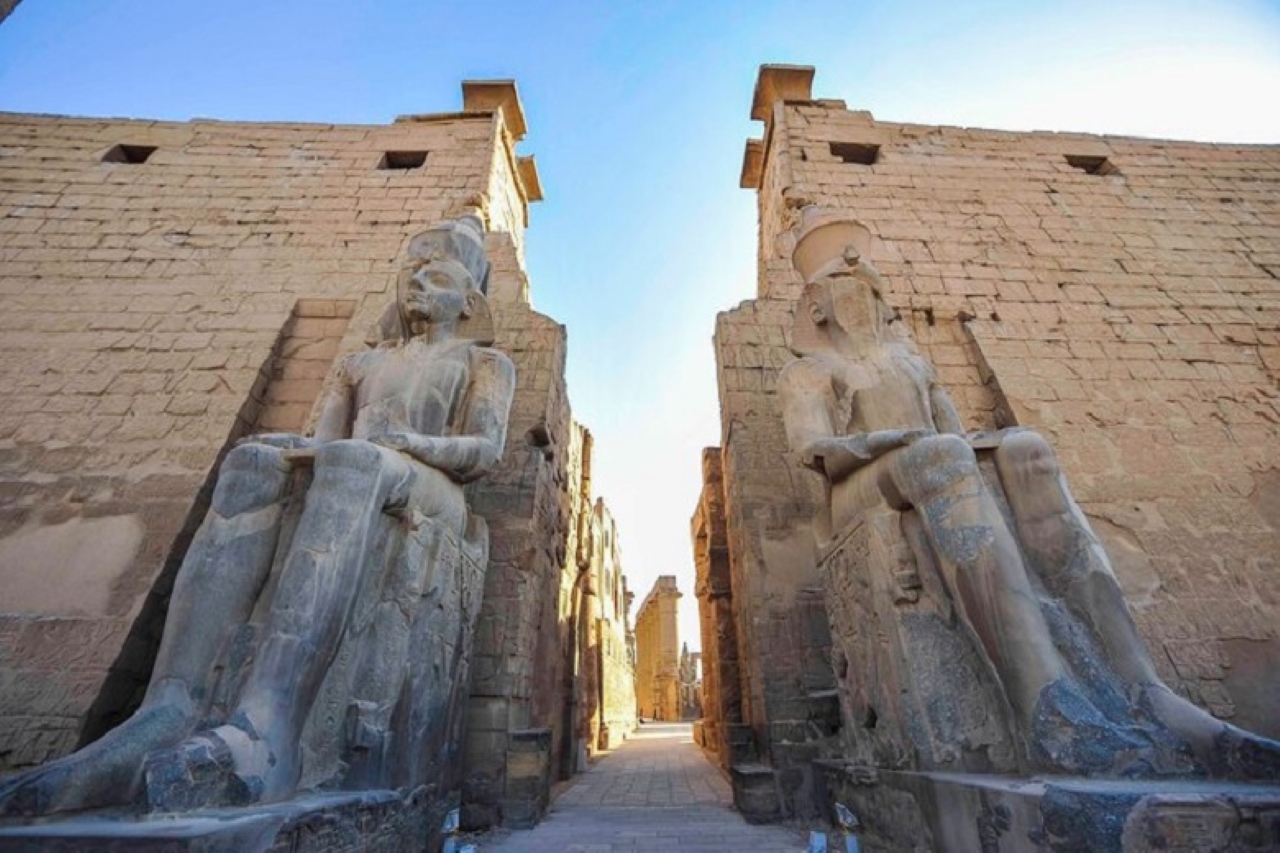
The Colossi of Memnon (Arabic: el-Colossat or es-Salamat) are two gigantic stone statues of Pharaoh Amenhotep III, guarding the entrance to his ruined mortuary temple—the largest in the Theban Necropolis. Standing since around 1350 BC, they were famous to ancient Greeks, Romans, and early Egyptologists. The northern statue bears 107 Roman-era inscriptions in Greek and Latin, dating from AD 20 to 250, many linking it to the mythological Greek king Memnon, whom it was mistakenly believed to represent.
Scholars continue to explore how this “Memnon” name influenced the Greek term for the Theban Necropolis, known as the Memnonium.
7
Welcome to Imhotep Alabaster Luxor - the oldest and most trusted workshop among the other 80 on the West bank of the river Nile, in Luxor, Egypt. This place is almost like a museum, with excellent replicas of the known ancient Egyptian art masterpieces. Everything here is handmade - the materials used vary from wood, faience, alabaster, granite, limestone to different stones.
To visit our store please don’t hesitate to contact with us for a free pick up and drop back from your stay in and around Luxor west or east bank to avoid any conflicts with others touristic stores with fakes
8
Stop 8
Begin your return trip to Somabay, enjoying the beautiful views of the Egyptian countryside en route. Pause briefly for a rest before continuing your journey.
9
Return to Somabay and be dropped off at your hotel, ready to relive your unforgettable Luxor adventure.
What's not included
Governmental Value Added Taxes Ten € Per Person paid cash on spot
Entry Tickets not included, Must be paid in cash during Pick up
Transfer from ( El Gouna, Safaga, Somabay, Makadi, Sahl Hasheesh ) Ten€ per person paid cash on spot
Available languages
Guide guide
AR
DE
RU
EN
Important information
Service animals allowed
Specialized infant seats are available
Suitable for all physical fitness levels
About Safaga
Safaga is a charming coastal city on the Red Sea known for its pristine beaches, clear waters, and excellent diving opportunities. It's a popular destination for both relaxation and adventure, offering a more tranquil alternative to the busier Red Sea resorts.
Top Attractions
Safaga Beach
A beautiful, less crowded beach with clear waters perfect for swimming, snorkeling, and relaxing.
Beach
Half day to full day
Free or low cost for beach resorts
Gebel Elba National Park
A remote and diverse national park with unique wildlife, stunning landscapes, and ancient rock art.
Nature
Full day trip or overnight
Moderate to expensive (guided tours recommended)
Safaga Diving Center
A premier diving center offering access to some of the best dive sites in the Red Sea.
Adventure
Half day to full day
Moderate to expensive
Must-Try Local Dishes
Grilled Seafood
Freshly caught fish, prawns, and squid grilled to perfection with local spices and herbs.
Dinner
Can be prepared to suit various dietary needs.
Ful Medames
A traditional Egyptian breakfast dish made from slow-cooked fava beans, often served with eggs, cheese, and vegetables.
Breakfast
Vegetarian, can be vegan if made without tahini.
Koshari
A popular Egyptian street food made with rice, lentils, pasta, and fried onions, topped with a spicy tomato sauce and garlic vinegar.
Lunch
Vegetarian, can be vegan if made without fried onions.
Popular Activities
Diving
Snorkeling
Quad Biking
Beach Lounging
Spa Treatments
Yoga
Visiting Local Markets
Exploring Historical Sites
Best Time to Visit
October to April
This is the most pleasant time to visit, with warm but not overly hot temperatures. It's ideal for beach activities, diving, and sightseeing.
20°C to 28°C (68°F to 82°F)
68°F to 82°F
Practical Information
Language
- Official: Arabic
- Widely spoken: English, French
- English: Moderately spoken in tourist areas, limited elsewhere
Currency
Egyptian Pound (EGP)
Time Zone
EET (UTC+2)
Electricity
220VV, 50HzHz
Safety Information
Overall Safety Rating: Generally safe but exercise caution
Safaga is generally safe for tourists, but standard precautions should be taken to avoid petty crime and scams. Be cautious of your surroundings, especially in crowded areas.
Important Precautions:
- • Be cautious of your belongings in crowded areas
- • Use reputable tour operators and taxis
- • Avoid walking alone at night, especially in isolated areas
Getting there
By air
- Hurghada International Airport • 60 km (37 miles) north of Safaga
By train
Safaga Station
By bus
Safaga Bus Station
Getting around
Public transport
Affordable but can be crowded. Not always punctual.
Taxis
Available • Apps: Uber, Careem
Rentals
Car, Bike, Scooter
Neighborhoods
Downtown Safaga
Beachfront Area
Day trips
Hurghada
60 km (37 miles) north • Half day to full day
A larger and more bustling resort town with a variety of attractions, from beaches to nightlife.
Luxor
280 km (174 miles) south • Full day or overnight
An ancient city with a wealth of historical sites, including the Valley of the Kings and Karnak Temple.
Festivals
Eid al-Fitr • Changes annually based on the lunar calendar
Eid al-Adha • Changes annually based on the lunar calendar
Pro tips
- Visit the local markets early in the morning for the best selection and prices
- Book diving and water sports tours in advance for the best availability and rates
- Stay hydrated and protect yourself from the sun, especially during the hotter months
- Learn a few basic Arabic phrases to enhance your interaction with locals
- Explore the lesser-known beaches and dive sites for a more unique experience
From $25
per person
Price varies by option
Secure booking
Free cancellation available
Instant confirmation