Sightseeing Join Tour Chiang Rai / PICK UP ONLY IN CHIANG RAI
Active
8h - 12h
For a full refund, cancel at least 24 hours before the scheduled departure time.
Instant confirmation
Mobile or paper ticket accepted
About this experience
Chiang Rai Sightseeing Join Tour Our comfortable, well air-conditioned van or car pick you up at your hotel between 8.00 am - 08.30 am. The first destination will be the beautiful White Temple. From there your sightseeing continue to Blue Temple, Black House, Long Neck Village, Choui Fong Tea Plantation. After Tea Plantation we stop for a lunch break. After you have enjoyed your lunch, the next spot is the Golden Triangle where you can visit Opium Museum and enjoy Mekong River view. Back to town.You be back at your hotel around 18.00 pm - 20.00 pm. Pick up only in a radius of 3 km from Chiang Rai Night Bazar.Please be considerate of other guests and please be punctuel. Thank you.
Tour includes
Transport in a/c minivan or car
Drinking water
Thai Lunch
English speaking tour guide
Insurance
Not include
Soft Drinks
Entry fees White Temple (100 ฿ per pax), Black House (80 ฿ per pax),Long Neck Village (300 ฿ per pax) and Opium Museum (50 ฿ per pax)
Only pick up in Chiang Rai.
Available options
Sightseeing Join Tour Chiang Rai / PICK UP ONLY IN CHIANG RAI
Pickup included
What's included
Lunch
Air-conditioned vehicle
Detailed itinerary
1
Stop 1
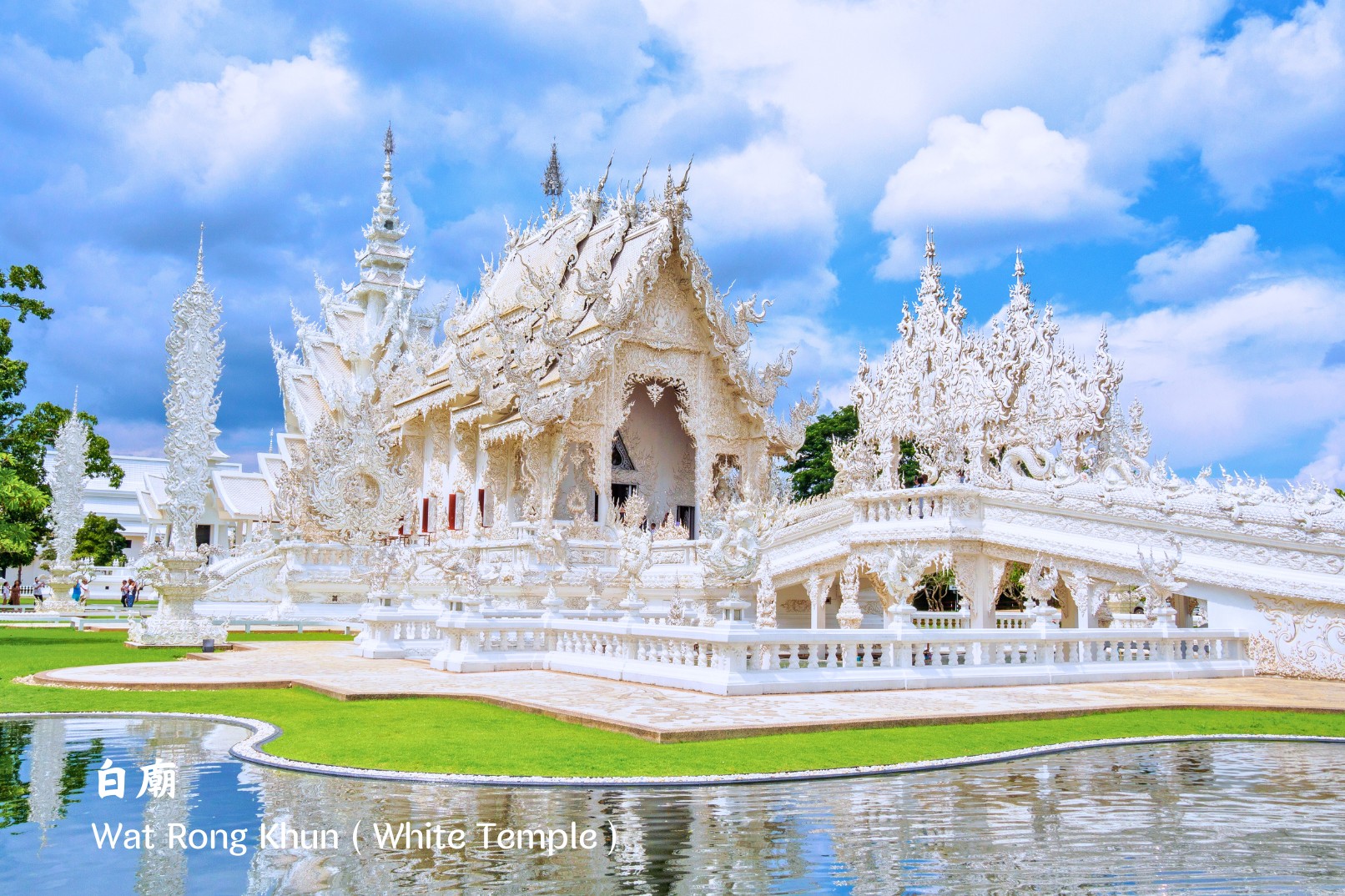
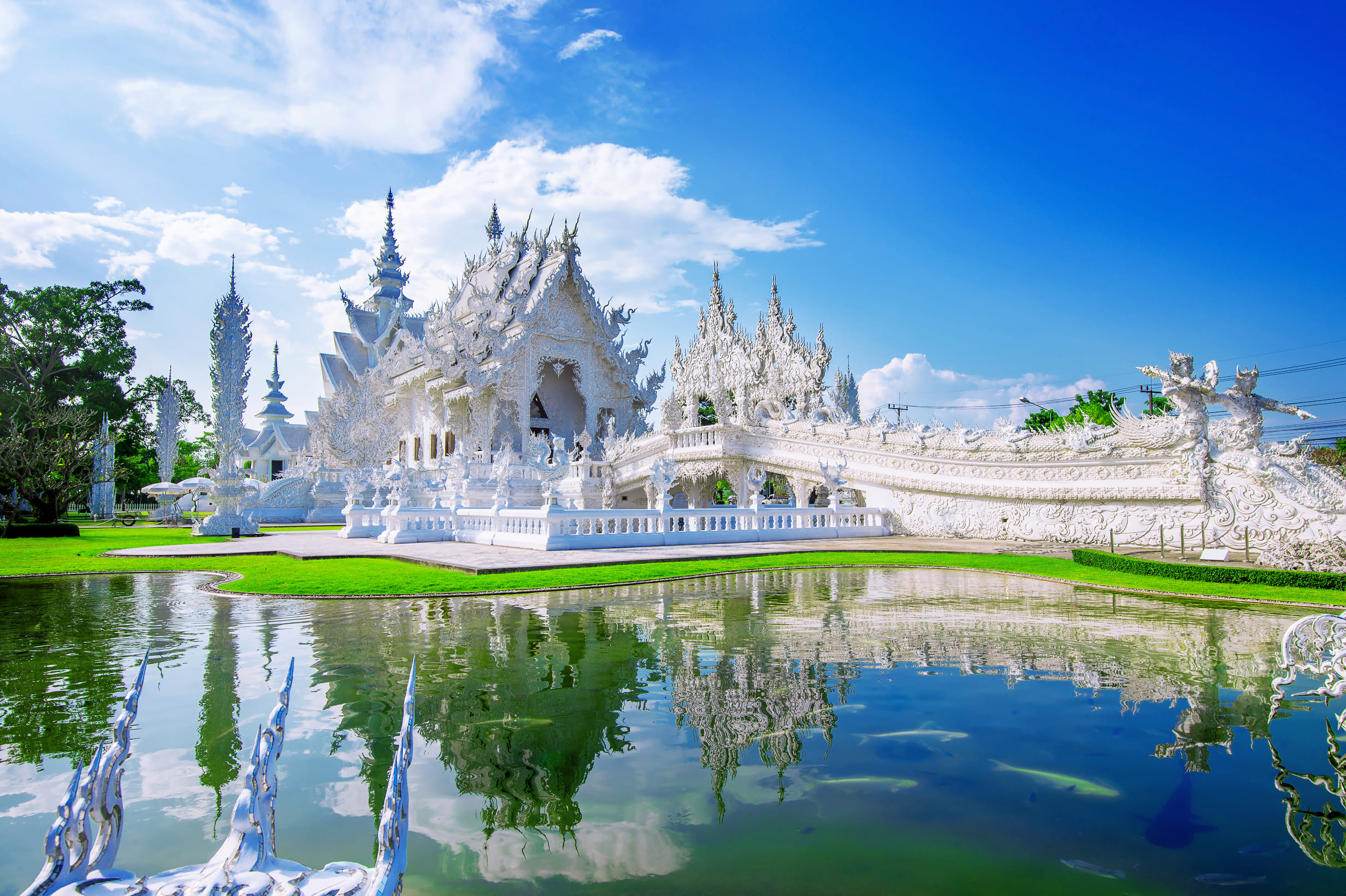
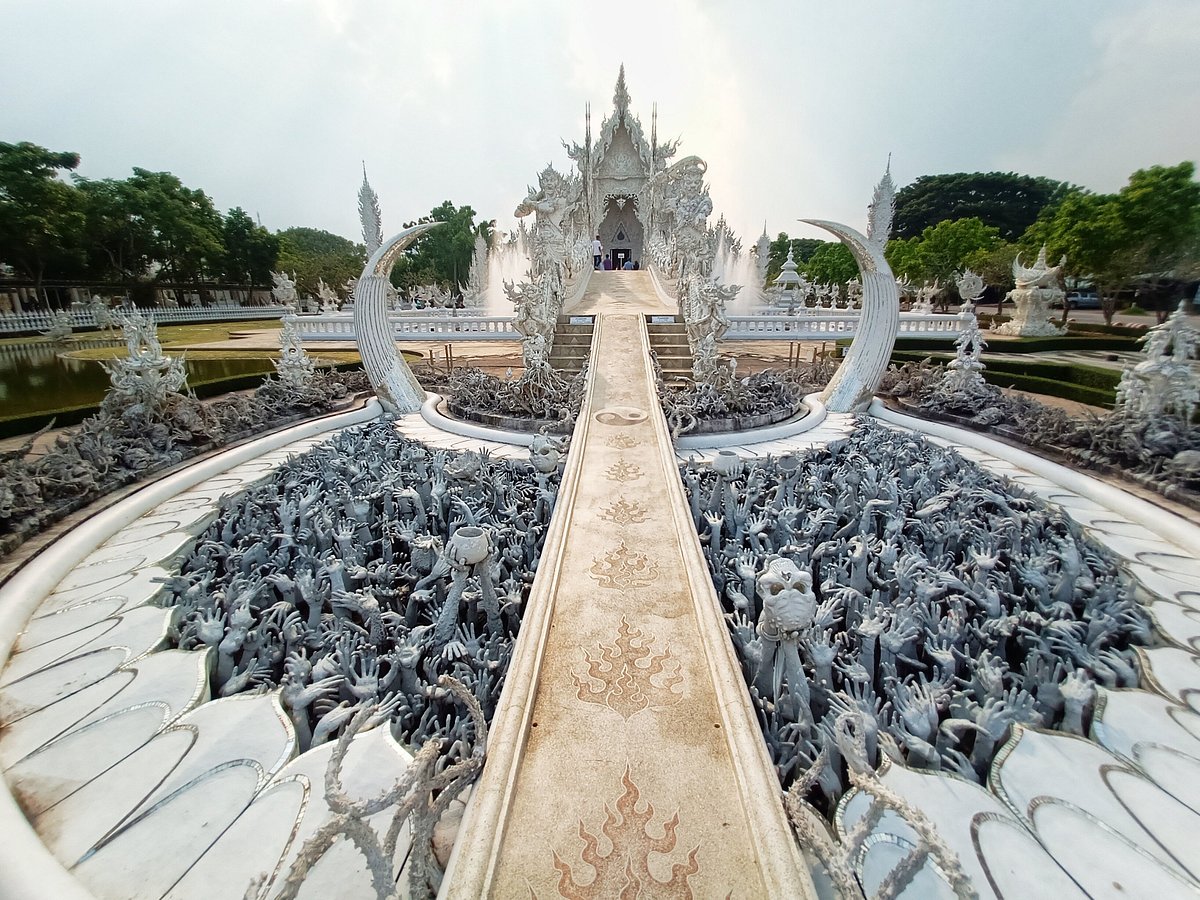
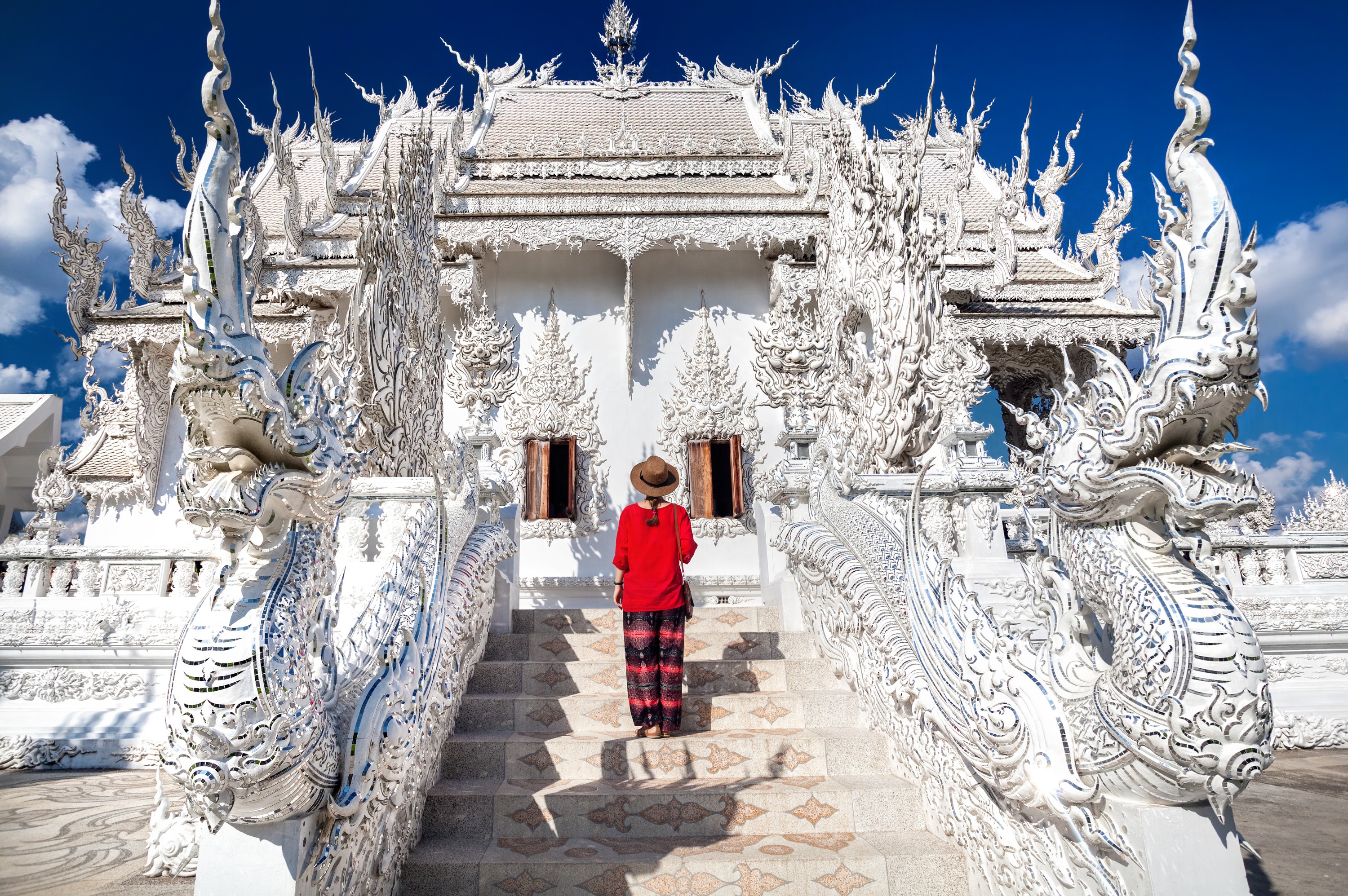
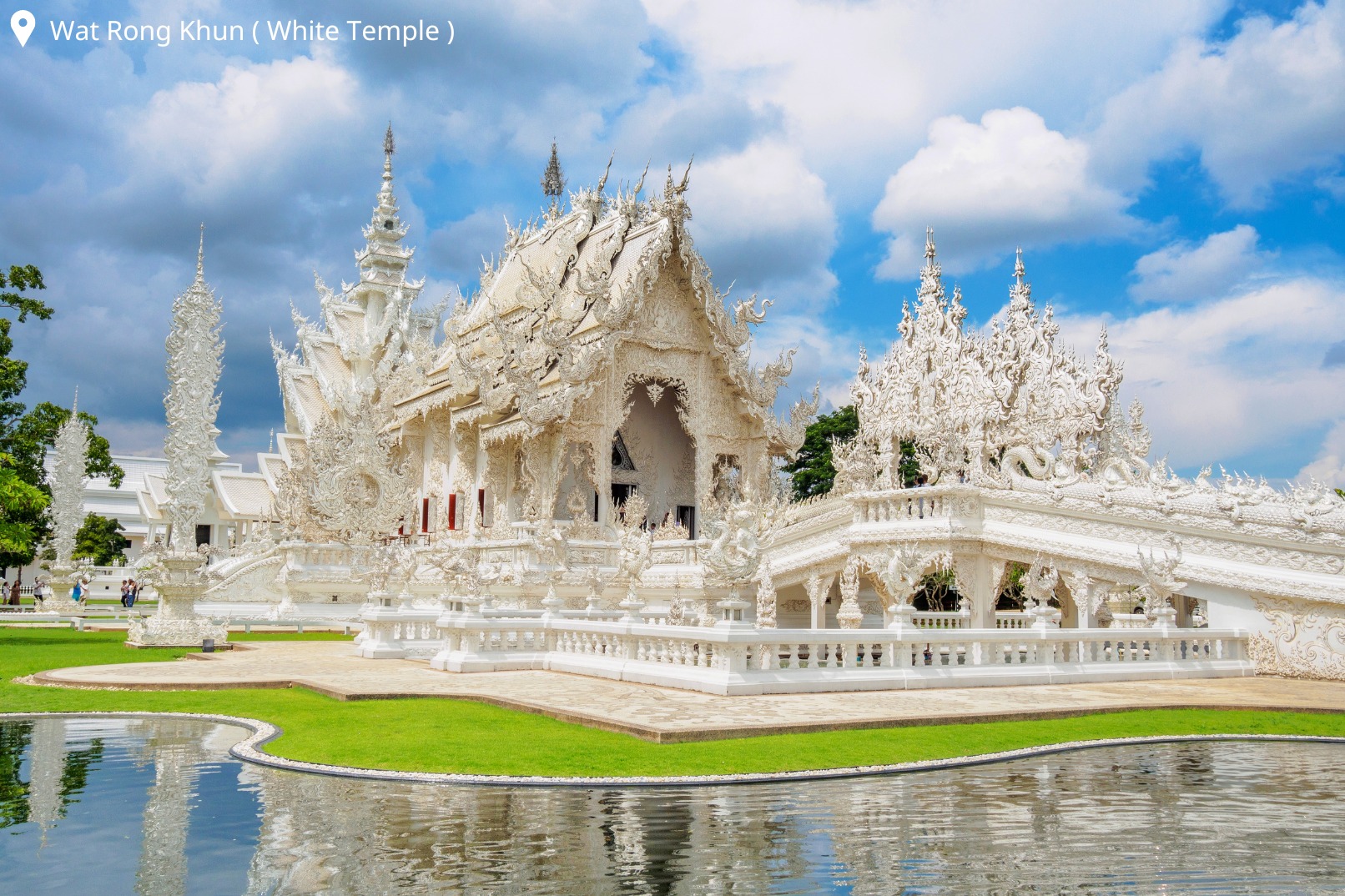
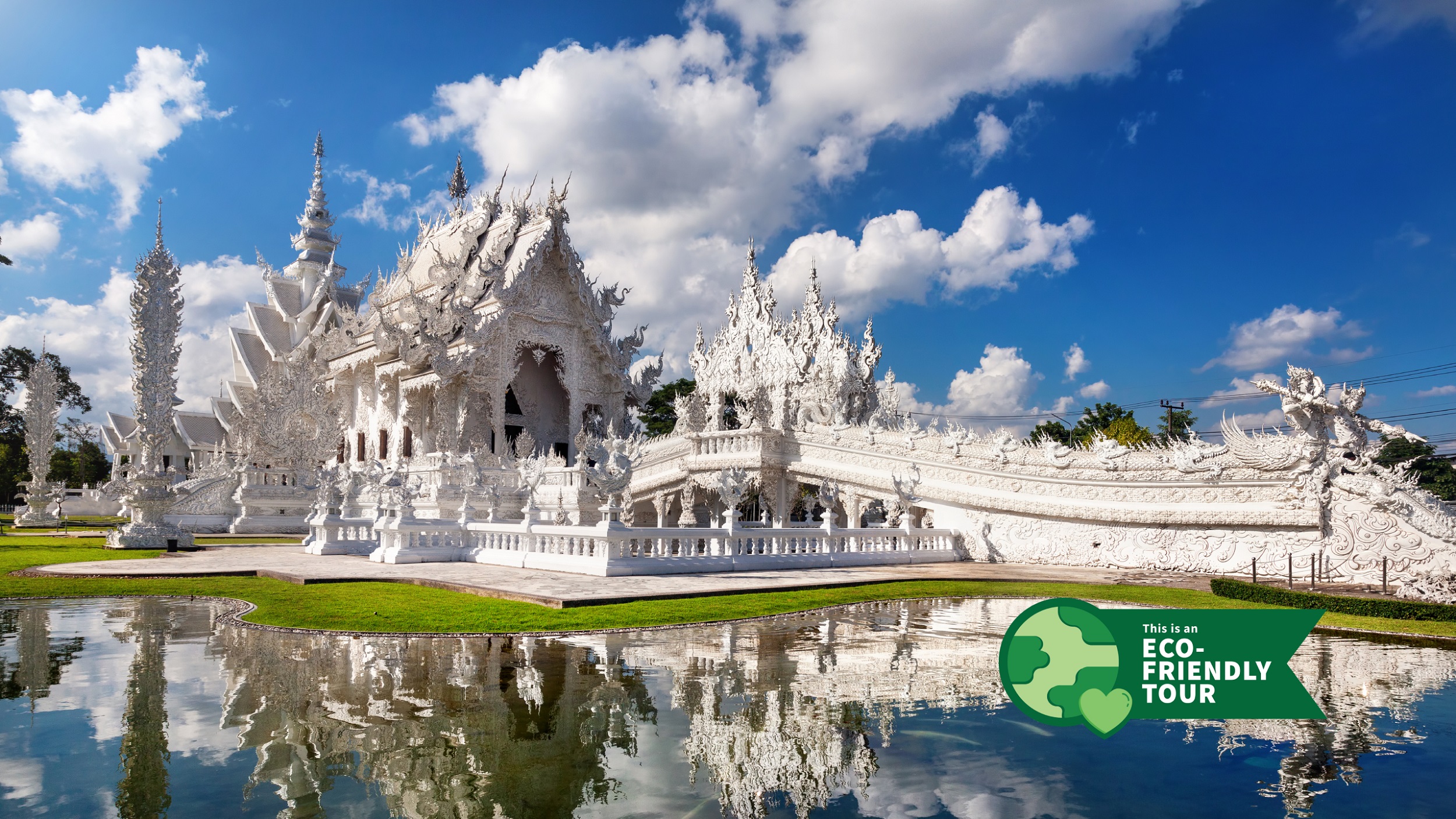
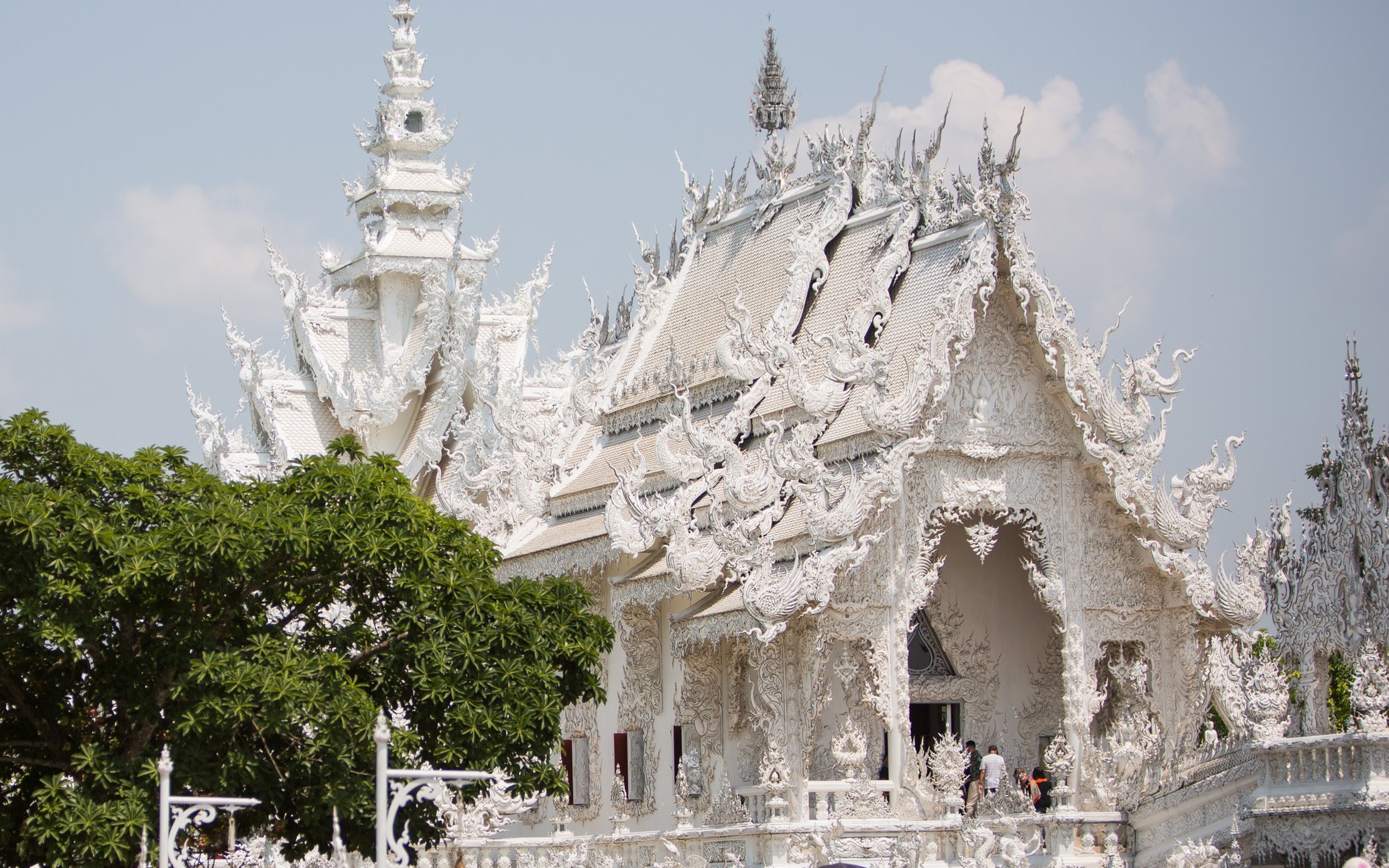
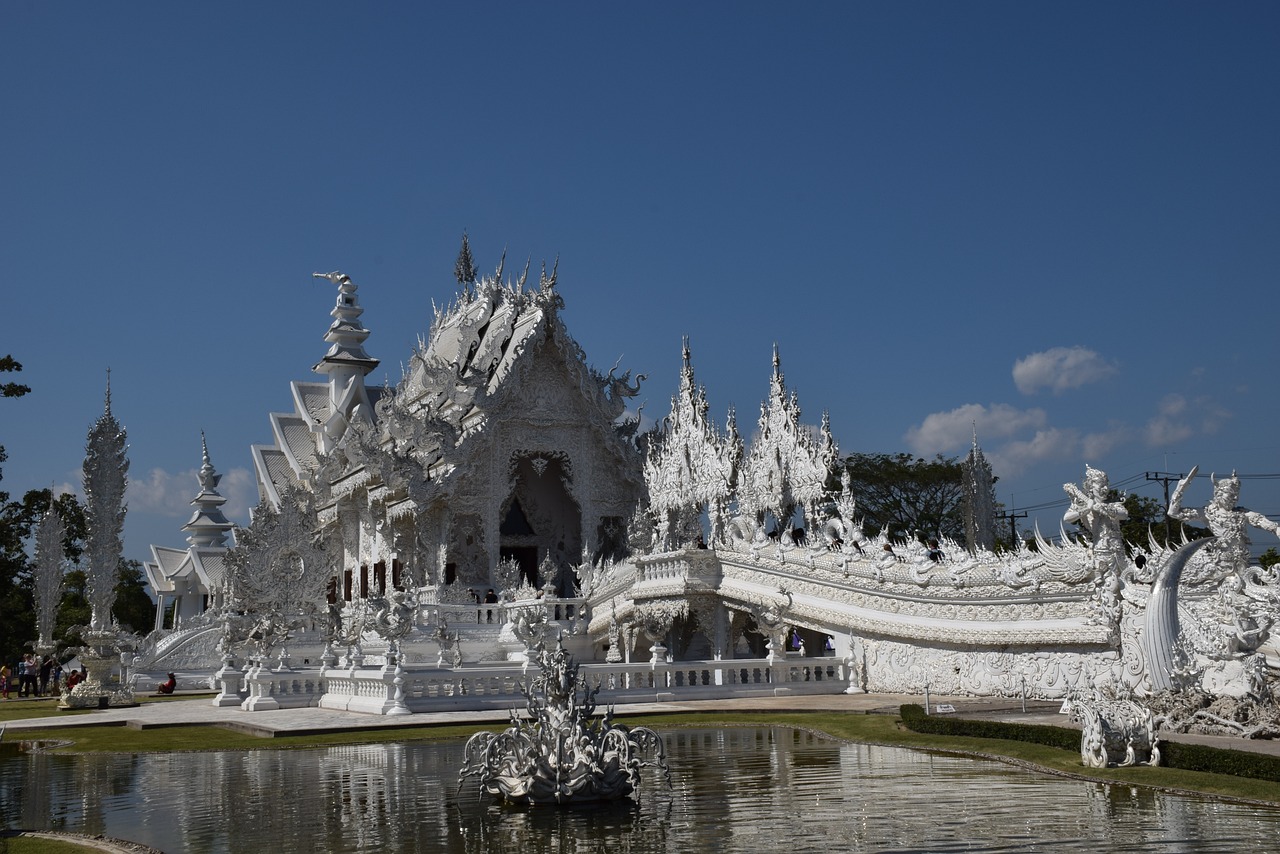
The white temple was created by Thai artist Chalermchai Kositpipat. With the construction of the temple he has set himself a memorial and made his hometown a great gift. The Ubosot is the absolute highlight of the visit.
2
Stop 2
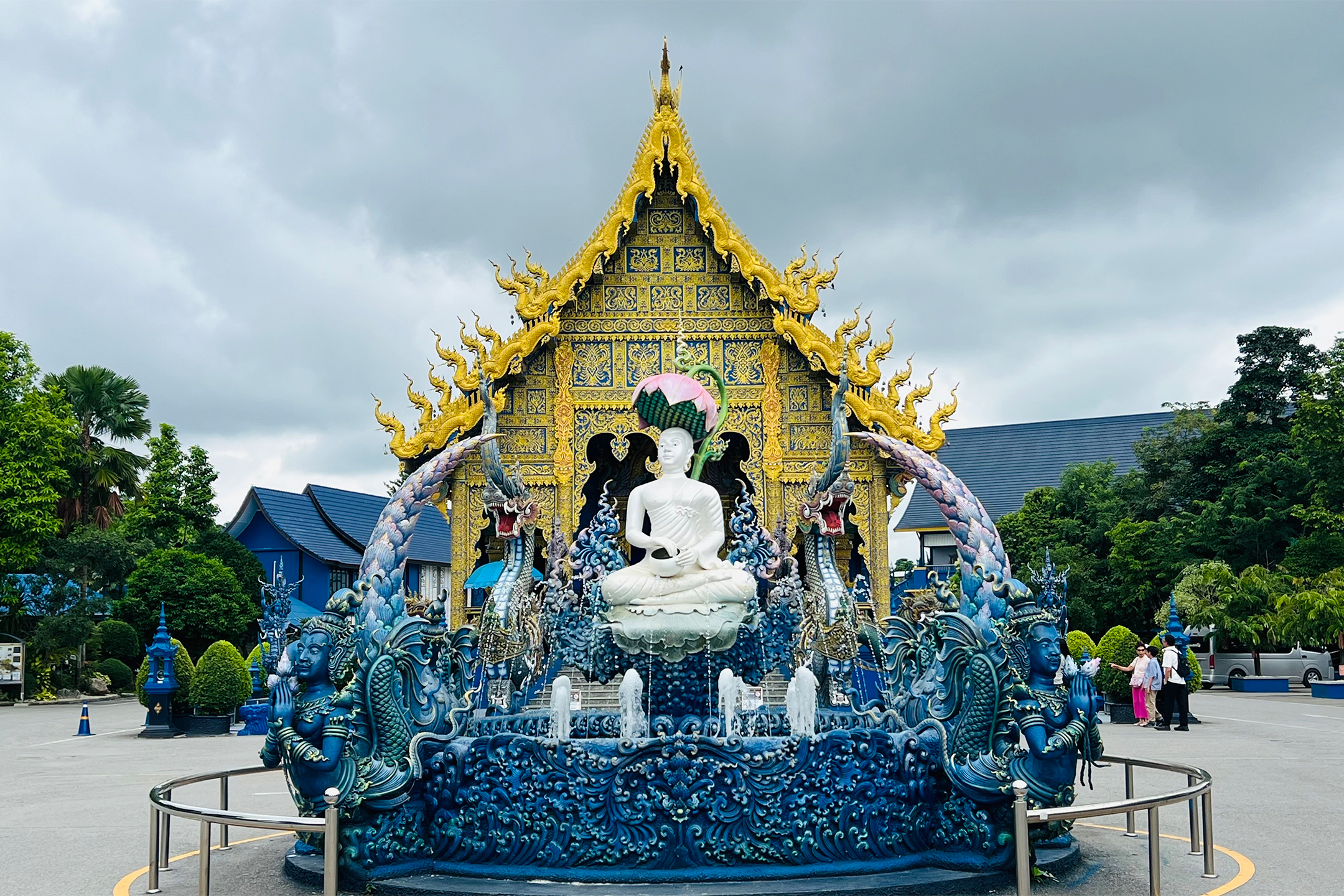
Wat Rong Suea Ten is simply called The Blue Temple. The large ordination hall was completed in 2016 and is therefore relatively unknown to tourists. The name Suea Ten literally means dancing tiger. The temple is similarly rich in artistic value and just as fantastic in the execution like the white temple. The creators of this blue wonder were once the disciples of the builder of the White Temples
3
Baan Dam (Black House) is the unique creation of national artist, Thawan Duchanee. It is a part art studio and part museum. The black house is an eclectic mix of traditional northern. A collection of around 40 buildings of varying shapes and sizes dotted around a peaceful garden.
4
Longneck Karen is one of Karen tribes. They call themselves Padaung. It is believed that originally they came from Yunnan Province, central China. Later in 1000 AD according to the history, they migrated to Salween River Basin in Myanmar. In 1995, there were approximately 25,000 Padaungs living in Myanmar. They mainly live on traditional agricultural activities. After political incident against the minorities in Myanmar, Padaungs have evacuated from Myanmar and until now cannot fully identify where is the major location they are living in.
5
Stop 5
The high quality tea manufacturer for half a century.
With plantation area of over 1,000 rais in high mountain,
all teas are grown under optimal conditions then hand picked at the perfect time.
6
Stop 6
The Golden Triangle is a region in the Laos, Thailand and Myanmar borderlands where opium poppy is grown and processed into heroin. The significance of the Golden Triangle as a supplier to the global heroin market has dropped significantly as a result of drug production in Afghanistan.
The Golden Triangle is synonymous with opium, heroin, and drug trafficking in Southeast Asia. The term dates back to 1971. It goes back partly to the geometric shape of the triangle-forming countries Myanmar, Thailand, Vietnam and Laos, on the other probably on the gold, with the Chinese traders initially paid the opium.
7
Stop 7
The museum was founded by Patcharee Srimatyakul in 1990. Born in the area, Patcharee had a passion for collecting opium paraphernalia and memorabilia. When she noticed that opium items were becoming extremely hard to find — with Thailand cracking down on the illegal drug trade — she turned the collection into a museum open to the public.
The exhibits display tools and objects used to plant, harvest and trade opium, including pipes, scales, weights, knives, scrapers. It also includes some lovely poppy flowers, the source of opium production.
What's not included
All Fees and Taxes
A driver tip and a guide tip
Available languages
Guide guide
EN
Reviews breakdown
Viator
4.6
182 reviews
5★
138
4★
28
3★
13
2★
2
1★
1
Tripadvisor
4.7
212 reviews
5★
168
4★
34
3★
7
2★
1
1★
2
Important information
Wheelchair accessible
Infants and small children can ride in a pram or stroller
Public transportation options are available nearby
Infants are required to sit on an adult’s lap
Transportation options are wheelchair accessible
Not recommended for travelers with poor cardiovascular health
Suitable for all physical fitness levels
Meeting point
Across from Chiangrai bus terminal 1 at seven eleven.
Important notes
All entry fees must be paid at the ticket office of the place of interest
About Chiang Rai
Chiang Rai, a charming city in northern Thailand, is known for its rich cultural heritage, beautiful temples, and lush landscapes. It offers a more laid-back atmosphere compared to its neighbor, Chiang Mai, and is a gateway to some of Thailand's most stunning natural attractions.
Top Attractions
Wat Rong Khun (White Temple)
Wat Rong Khun is one of Chiang Rai's most iconic landmarks. This stunning white temple is a contemporary artistic interpretation of a traditional Thai temple, featuring intricate carvings and surrealistic elements.
Religious/Architecture
1-2 hours
100 THB
Wat Huay Pla Kang
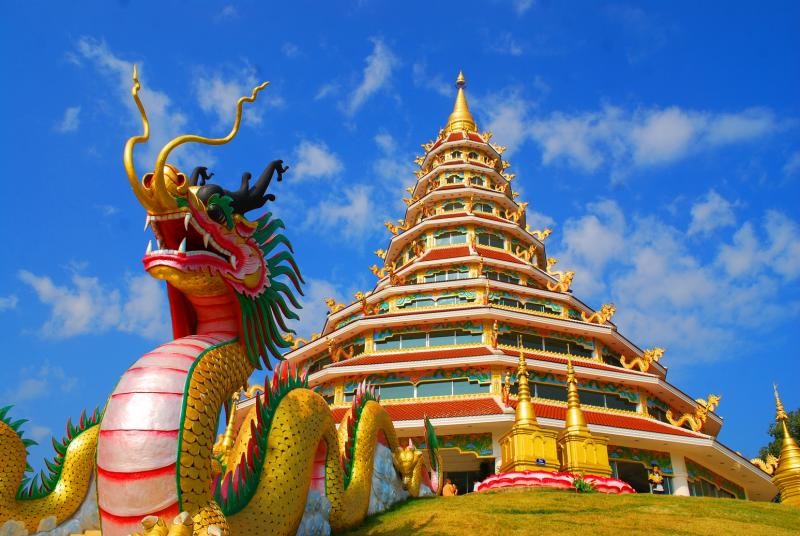
This large temple complex is known for its impressive giant white Buddha statue and panoramic views of Chiang Rai. The temple is also a significant cultural and religious site.
Religious/Cultural
1-2 hours
Free (donations welcome)
Singh Narai National Museum
Housed in a former palace, this museum offers insights into the history and culture of the Lanna Kingdom and the Chiang Rai region.
Historical/Museum
1-2 hours
100 THB
Doi Tung Royal Villa
This beautiful villa was once the residence of the late Princess Mother. It offers insights into her life and the region's history, as well as stunning views of the surrounding mountains.
Historical/Cultural
2-3 hours
50 THB
Blue Temple (Wat Rong Suea Ten)
This striking blue temple is a contemporary interpretation of traditional Thai architecture. Its vibrant color and intricate designs make it a must-visit for photography enthusiasts.
Religious/Architecture
30 minutes to 1 hour
Free (donations welcome)
Clock Tower Chiang Rai
This iconic clock tower is a symbol of Chiang Rai and a popular gathering spot for locals and tourists alike. The tower features a unique design and is a great place to people-watch and soak in the city's atmosphere.
Architecture/Cultural
15-30 minutes
Free
Must-Try Local Dishes
Khao Soi
A delicious coconut curry noodle soup with crispy fried noodles on top. It's a signature dish of Northern Thailand and a must-try in Chiang Rai.
Lunch/Dinner
Contains fish sauce and shrimp paste, not suitable for vegans or those with shellfish allergies.
Sai Oua (Northern Thai Sausage)
A flavorful sausage made with minced pork, herbs, and spices, grilled and served with sticky rice. It's a popular street food in Northern Thailand.
Snack/Appetizer
Contains pork, not suitable for vegetarians or those with pork allergies.
Larb (Spicy Meat Salad)
A spicy meat salad made with minced meat (usually pork, chicken, or fish), lime juice, fish sauce, and fresh herbs. It's a popular dish in Northern Thailand and can be found in many local restaurants and street food stalls.
Lunch/Dinner
Contains fish sauce and raw meat, not suitable for vegetarians or those with shellfish allergies.
Gaeng Hang Lay (Northern Thai Curry)
A mild and slightly sweet curry made with pork, tamarind, and a blend of herbs and spices. It's a popular dish in Northern Thailand and can be found in many local restaurants.
Lunch/Dinner
Contains pork, not suitable for vegetarians or those with pork allergies.
Popular Activities
Hiking in Doi Tung
Boat tours on the Mekong River
Zip-lining and adventure parks
Visiting temples and cultural sites
Enjoying a traditional Thai massage
Exploring local markets and cafes
Visiting temples and historic sites
Sampling local food and street food
Best Time to Visit
November to February
The cool season is the most popular time to visit, with comfortable temperatures and clear skies. It's perfect for exploring outdoor attractions and enjoying the city's cultural sites.
15-30°C
59-86°F
Practical Information
Language
- Official: Thai
- Widely spoken: English (limited), Northern Thai (Lanna)
- English: Limited
Currency
Thai Baht (THB)
Time Zone
GMT+7
Electricity
220VV, 50HzHz
Safety Information
Overall Safety Rating: Generally safe
Chiang Rai is generally a safe destination for travelers, with low crime rates and a welcoming atmosphere. However, as with any destination, it's important to be aware of your surroundings and take precautions to protect yourself and your belongings.
Important Precautions:
- • Use reputable tour operators and taxis
- • Keep your belongings secure and be aware of your surroundings
- • Be cautious of strangers offering help or invitations
Getting there
By air
- Chiang Rai International Airport • 8 km from city center
By bus
Chiang Rai Arcade Bus Station
Getting around
Public transport
Songthaews are converted pick-up trucks that serve as shared taxis. They are the most common and affordable way to get around Chiang Rai. Routes are flexible, and you can flag them down along the way.
Taxis
Available • Apps: Grab
Rentals
Car, Bike, Scooter
Neighborhoods
City Center
Wat Phra Singh
Mae Fa Luang
Mae Chon
Day trips
Doi Tung
35 km from Chiang Rai • Half day to full day
Doi Tung is a beautiful mountain area known for its tea plantations, scenic views, and the historic Doi Tung Royal Villa. It's a great place for hiking, nature walks, and learning about the region's history and culture.
Mae Sai
50 km from Chiang Rai • Half day to full day
Mae Sai is a bustling border town on the Thai-Myanmar border, known for its markets, border crossing, and unique cultural mix. It's a great place for shopping, sampling local food, and experiencing the region's vibrant border culture.
Chiang Saen
60 km from Chiang Rai • Half day to full day
Chiang Saen is a historic town on the banks of the Mekong River, known for its ancient temples, historic sites, and scenic river views. It's a great place for history buffs, cultural enthusiasts, and those looking to experience the region's rich heritage.
Festivals
Yi Peng Lantern Festival • Full moon of the 12th lunar month (typically November)
Songkran Festival • April 13-15
Loi Krathong Festival • Full moon of the 12th lunar month (typically November, same as Yi Peng)
Pro tips
- Visit the famous White Temple (Wat Rong Khun) early in the morning or late in the afternoon to avoid the crowds and the midday heat
- Try Khao Soi, a delicious coconut curry noodle soup that's a signature dish of Northern Thailand
- Explore the city's many temples and cultural sites, including Wat Huay Pla Kang, Wat Phra Singh, and the Lanna Folklife Museum
- Take a day trip to Doi Tung, a beautiful mountain area known for its tea plantations and scenic views, as well as the historic Doi Tung Royal Villa
- Visit the Night Bazaar or Walking Street Market for a taste of local food, shopping, and nightlife
From $25
per person
Price varies by option
Secure booking
Free cancellation available
Instant confirmation