

Jerash, Ajloun and Um Qais Day Tour from Dead Sea
Active
8h - 10h
All sales are final. No refund is available for cancellations.
Manual confirmation
Mobile or paper ticket accepted
About this experience
This tour puts you through the northern history in Jordan, and fuels your interest in the Roman history, you will be visiting many inspiring architectural sites from the past that stand still 'till our days!
Available options
Jerash, Ajloun and Um Qais Day Tour from Dead Sea
Pickup included
What's included
Mineral water on board of the vehicle.
English Speaking Guide in Jerash for 1.30 hr
Lunch
Entrance fees to Jerash , Ajloun & Um Qais
All Transfers in private, A/C, new vehicle with English speaking, assisting driver
Detailed itinerary
1
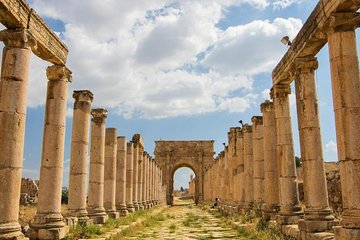
Pick up from your hotel at the Dead Sea and head north of Amman to visit Jerash, which is nestled in a quiet valley among the mountains of Gilead.
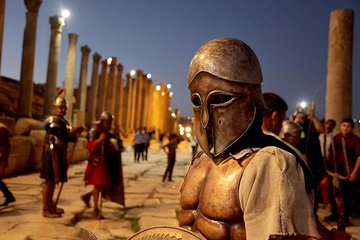
It is the grandeur of Imperial Rome being one of the largest and most well-preserved sites of Roman architecture in the World outside Italy, its paved and colonnaded streets, soaring hilltop temples, handsome theaters, spacious public squares and plazas, baths, fountains and city walls pierced by towers and gates remain in exceptional. In Jerash you will visit Hadrian’s Arch, Oval Plaza, The Cathedral, The North & South Theater, and The Nymphaeum.
2
Stop 2
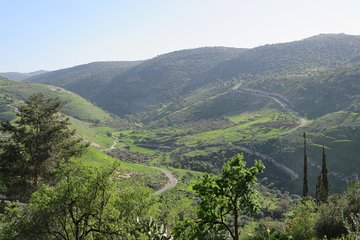
Then transfer a short distance through a beautiful pine-forest and olive groves, reaching the city of Ajloun, here you will find Al-Rabid Castle; the 12th century Castle built by one of Saladin’s lieutenants in the campaign against the Crusaders.
3
Then to Umm Qais, which belonged to the famous Decapolis, a union of 10 cities, founded by Alexander the Great. Here you have an overwhelming view over the north Jordan Valley, the Golan Heights and the Sea of Galilee.
You will be transferred back to your hotel at the Dead Sea/Amman or airport
What's not included
All kinds of tips, drinks & private expenses
Important information
Service animals allowed
Infants are required to sit on an adult’s lap
Specialized infant seats are available
Suitable for all physical fitness levels
About Sweimah
Sweimah is a small town located in the Amman Governorate of Jordan, known for its stunning desert landscapes and proximity to the famous Wadi Rum. It offers a unique blend of traditional Jordanian culture and adventurous activities, making it a hidden gem for travelers seeking an off-the-beaten-path experience.
Top Attractions
Wadi Rum
Wadi Rum is a stunning desert landscape known for its red sand dunes, rock formations, and Bedouin culture. It is a popular destination for hiking, camping, and desert tours.
Nature/Adventure
Full day or overnight
Moderate to Expensive (depending on tour and activities)
Sweimah Village
Sweimah Village is a traditional Bedouin settlement that offers a glimpse into the local way of life. Visitors can explore the village, interact with locals, and learn about Bedouin culture.
Cultural
Half day
Free or Budget (for guided tours and activities)
Sweimah Desert
The Sweimah Desert offers a vast expanse of sand dunes, rock formations, and scenic landscapes. Visitors can explore the desert on foot, by camel, or by 4x4 vehicle.
Nature/Adventure
Half day to full day
Free or Budget (for guided tours and activities)
Must-Try Local Dishes
Mansaf
Mansaf is the national dish of Jordan, made with lamb cooked in a fermented dried yogurt sauce and served with rice, pine nuts, and almonds.
Main Dish
Contains meat and dairy
Maqluba
Maqluba is a traditional Jordanian dish made with rice, vegetables, and meat (usually chicken or lamb), cooked and then flipped upside down to serve.
Main Dish
Contains meat and vegetables
Knafeh
Knafeh is a popular Jordanian dessert made with shredded phyllo dough, cheese, and sweet syrup, often topped with pistachios.
Dessert
Contains cheese and nuts
Popular Activities
Hiking
Camping
Desert tours
Cultural experiences
Photography
Exploring Sweimah Village
Interacting with locals
Staying overnight in a Bedouin camp
Best Time to Visit
Spring (March to May) and Autumn (September to November)
The best time to visit Sweimah is during the spring and autumn months when the weather is pleasant, and outdoor activities are enjoyable. The temperatures are comfortable for exploring the desert and engaging in adventurous activities.
20°C to 30°C (68°F to 86°F)
68°F to 86°F
Practical Information
Language
- Official: Arabic
- Widely spoken: English
- English: Moderately spoken in tourist areas
Currency
Jordanian Dinar (JOD)
Time Zone
GMT+3
Electricity
230VV, 50HzHz
Safety Information
Overall Safety Rating: Generally safe
Sweimah is generally safe for travelers, but visitors should be aware of the risks associated with desert travel, such as dehydration, heat exhaustion, and getting lost. Petty crime is rare, but travelers should take precautions to protect their belongings.
Important Precautions:
- • Be cautious when hiring taxis and tour guides
- • Negotiate prices in advance and agree on a fare before starting the journey
- • Be aware of your surroundings and keep your belongings secure
Getting there
By air
- Queen Alia International Airport • 60 km (37 miles) from Sweimah
By bus
Amman Central Bus Station
Getting around
Public transport
Shared taxis are available for travel to nearby towns, but they are not a common mode of transportation within Sweimah. Travelers should be prepared to arrange their own transportation.
Taxis
Available • Apps: Careem
Rentals
Car
Neighborhoods
Sweimah Village
Sweimah Desert
Day trips
Wadi Rum
30 km (19 miles) • Full day or overnight
Wadi Rum is a stunning desert landscape known for its red sand dunes, rock formations, and Bedouin culture. It is a popular destination for hiking, camping, and desert tours.
Petra
120 km (75 miles) • Full day
Petra is an ancient city carved into the red sandstone cliffs of southern Jordan. It is a UNESCO World Heritage Site and one of the New Seven Wonders of the World.
Festivals
Bedouin Cultural Festival • Annual, typically in spring
Pro tips
- Hire a local guide for a more immersive and informative experience
- Stay overnight in a Bedouin camp for a unique cultural experience
- Bring plenty of water and sun protection when exploring the desert
- Respect local customs and traditions, and dress modestly
- Be prepared for desert driving conditions if renting a car
From $25
per person
Price varies by option
Secure booking
Free cancellation available