Subterranean Rome: Catacombs and Appian Way Discovery
Active
2h
For a full refund, cancel at least 24 hours before the scheduled departure time.
Instant confirmation
Mobile or paper ticket accepted
About this experience
Embark on an intriguing journey through 'Subterranean Rome: Catacombs and Appian Way Discovery.' Enjoy hotel pick-up and a guided group tour exploring the mysterious catacombs. Traverse the historic Appian Way in the comfort of private transportation, ensuring an immersive and enlightening experience uncovering Rome's underground secrets and ancient pathways.
Available options
Rome: Catacombs and the Appian
Pickup included
What's included
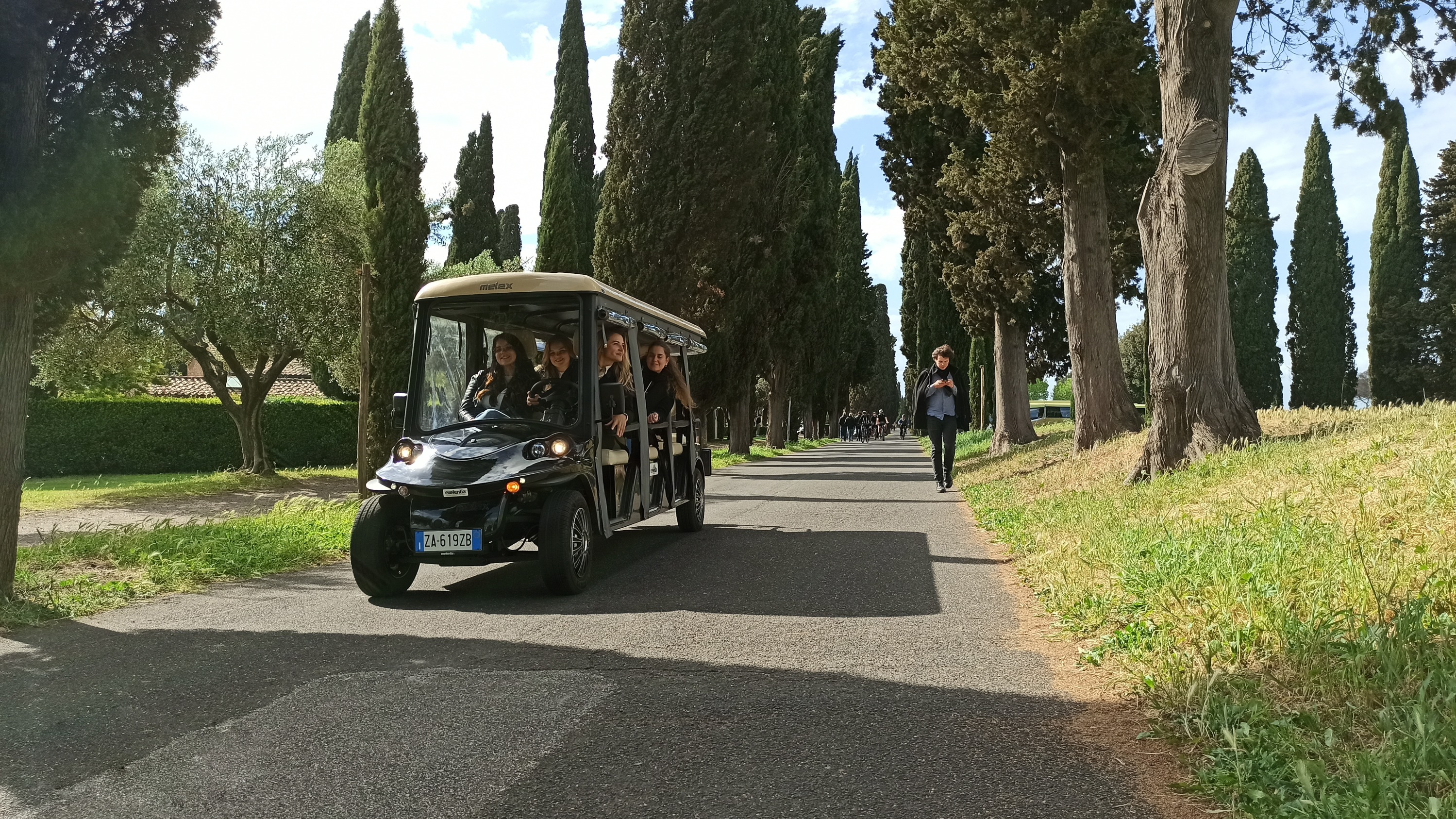
Private transportation
Water and candies
> Please provide age and full name of travellers in your group
Entry to Catacombs
Free Wi-Fi connection
Air-conditioned vehicle
Detailed itinerary
1
Stop 1
Porta San Sebastiano, originally part of the ancient Aurelian Walls, is one of the best-preserved gates of Rome and a gateway into the city’s rich history. Named after the nearby Basilica of San Sebastiano, this monumental structure has stood as a testament to Roman engineering and military defense for centuries.
For history enthusiasts and those exploring the Appian Way, Porta San Sebastiano offers a unique glimpse into Rome’s defensive past. Its combination of historical importance, architectural beauty, and access to one of Rome’s most iconic roads makes it a must-visit landmark.
Immerse yourself in Rome's history and learn about the city's background and development, from Ancient Rome to the present day
Enjoy an exclusive, private tour where you will experience ancient tombs, antique aqueducts, and cobblestone streets dating back thousands of years.
2
Stop 2
The Catacombs of San Sebastiano, also known as the San Sebastiano Catacombs, are one of Rome's most significant and well-preserved early Christian burial sites. Located along the ancient Appian Way, these underground burial chambers hold centuries of religious, historical, and artistic treasures.
Dating back to the 2nd century AD, the catacombs served as a burial site for early Christians when above-ground cemeteries were forbidden. They are named after Saint Sebastian, one of Christianity's early martyrs, who was originally buried here.
Descend into a labyrinth of underground tunnels spanning several levels. These galleries house thousands of niches once used for burials, adorned with inscriptions, symbols, and frescoes reflecting early Christian art and beliefs.
Explore fascinating frescoes and carvings that depict early Christian symbols such as the fish (Ichthys), anchor, and Chi-Rho, which conveyed messages of faith and hope.
3
The Appian Way is one of the most famous and historic roads of ancient Rome, called the "Queen of Roads". Built in 312 BC by Appius Claudius Caecus, this road was a vital artery for Roman military and economic expansion, connecting Rome to the southern regions of Italy. Today, it is a serene and evocative destination that allows visitors to walk in the footsteps of history.
The Appian Way played a critical role in Roman infrastructure, serving as a military supply route and a pathway for trade. It also witnessed historic events, such as the crucifixion of Spartacus’s followers along its path in 71 BC.
Tombs and Mausoleums: Discover ancient burial sites, including the Tomb of Cecilia Metella, one of the most prominent and well-preserved mausoleums.
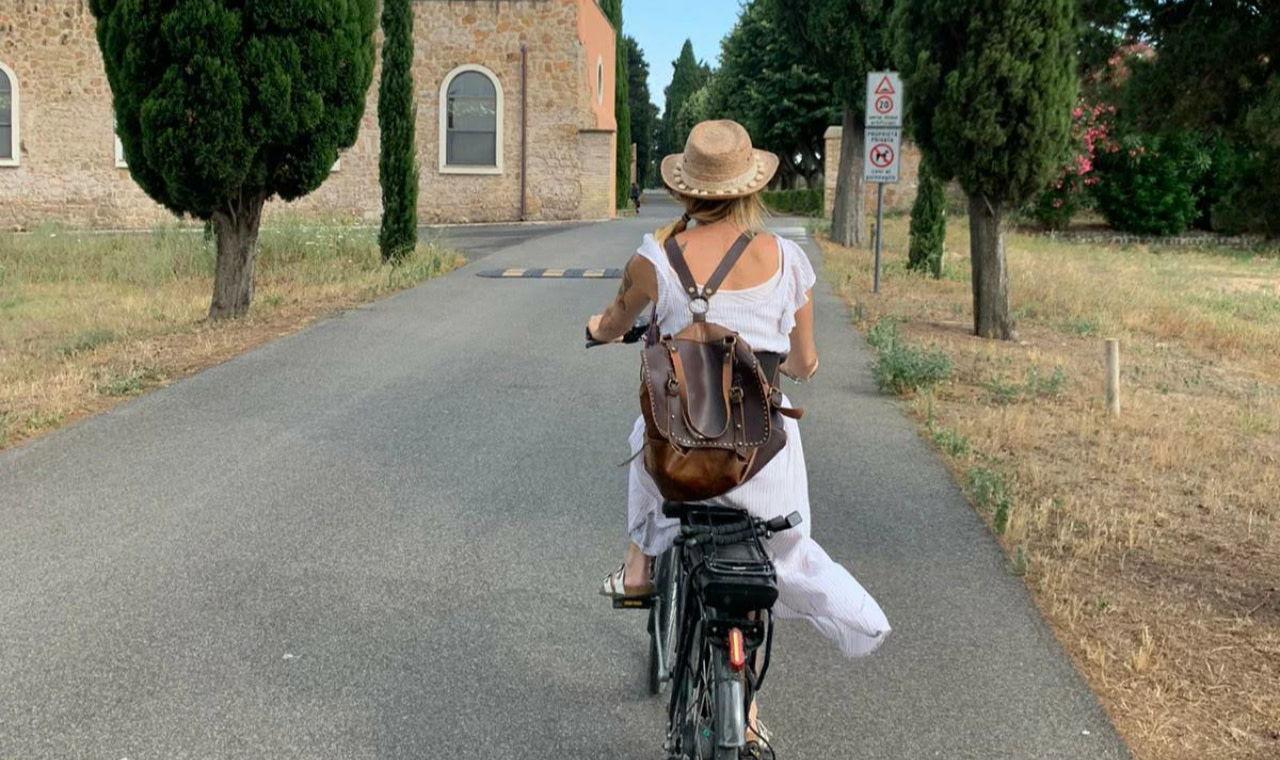
The Appian Way is surrounded by lush countryside, ancient aqueducts, and pine-lined paths, offering a tranquil escape from the bustle of modern Rome. The road's iconic cobblestones, worn by centuries of travelers, add to its timeless charm.
4
Stop 4
Built during the early 4th century AD by Emperor Maxentius, Today, the ruins of the villa remain an evocative and tranquil spot for history enthusiasts and curious visitors.
The Villa of Maxentius was constructed by the Roman Emperor Maxentius (ruled 306–312 AD) as a luxurious retreat from the pressures of ruling the empire. The site is historically notable for its association with Maxentius's reign and his rivalry with Emperor Constantine. Maxentius was defeated by Constantine at the Battle of the Milvian Bridge in 312 AD, which marked a turning point in Roman history.
One of the most striking features of the villa is the Circus of Maxentius, an ancient racing track that could hold over 10,000 spectators. It was used for chariot races, and its remains today are among the best-preserved examples of Roman circuses. The track is a stunning monument to the entertainment culture of ancient Rome.
5
Stop 5
The Chiesa del Domine Quo Vadis is a small, historically significant church located along the Appian Way in Rome, Italy. This church is built on the site where, according to Christian tradition, Saint Peter had a vision of Christ during his flight from Rome to avoid persecution. The name "Domine Quo Vadis" translates to "Lord, where are you going?" — the words Peter allegedly asked Jesus in the vision.
Inside the church, you can see the footprints of Christ, which, according to tradition, were miraculously imprinted on the stone at the moment of the vision. These footprints are considered a symbol of divine intervention and are a key attraction within the church.
The church was built in the 4th century, during the reign of Emperor Constantine, though much of the structure was rebuilt in later centuries.
What's not included
Gratuities
Available languages
Guide guide
EN
Reviews breakdown
Viator
4.4
8 reviews
5★
6
4★
0
3★
1
2★
1
1★
0
Important information
Suitable for all physical fitness levels
About Rome
Rome, the capital of Italy, is a city of ancient ruins, artistic masterpieces, and vibrant culture. Known as the Eternal City, it is a living museum where every corner tells a story of its rich history spanning over 2,500 years.
Top Attractions
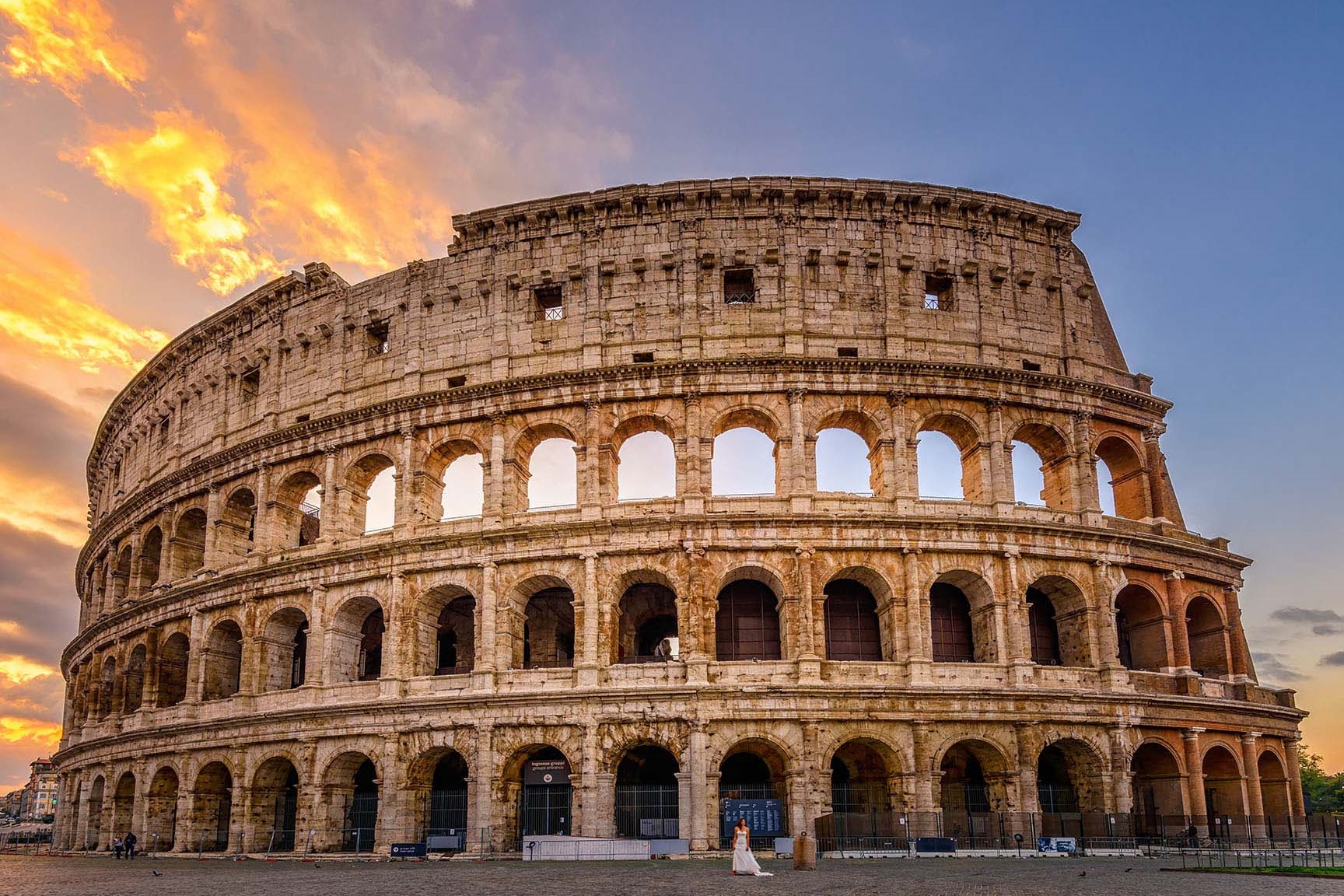
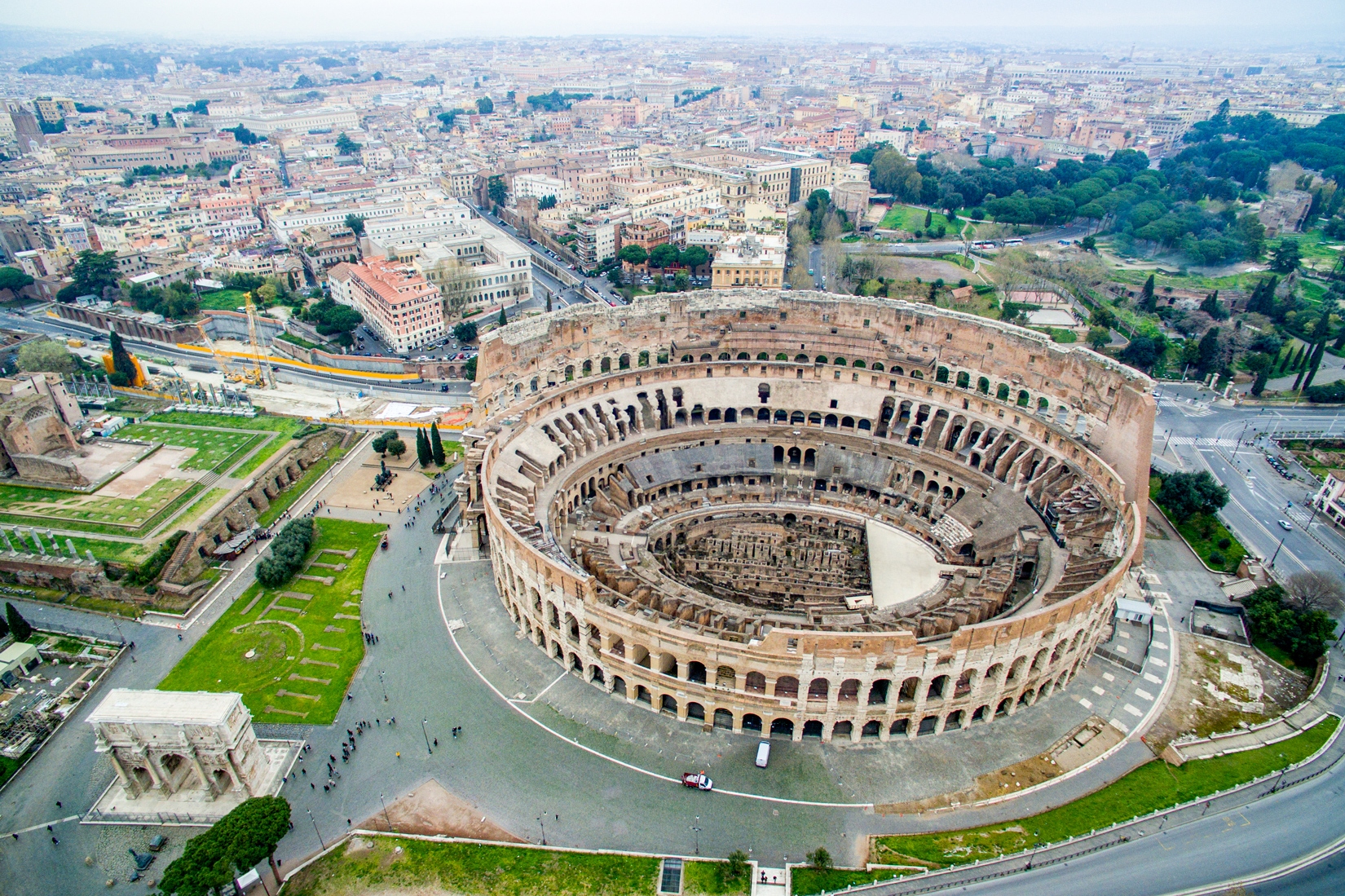
Colosseum
The Colosseum is an iconic symbol of Rome and one of the most famous ancient amphitheaters in the world. It was used for gladiatorial contests and public spectacles.
Historical
1-2 hours
€16 (combined ticket with Roman Forum and Palatine Hill)
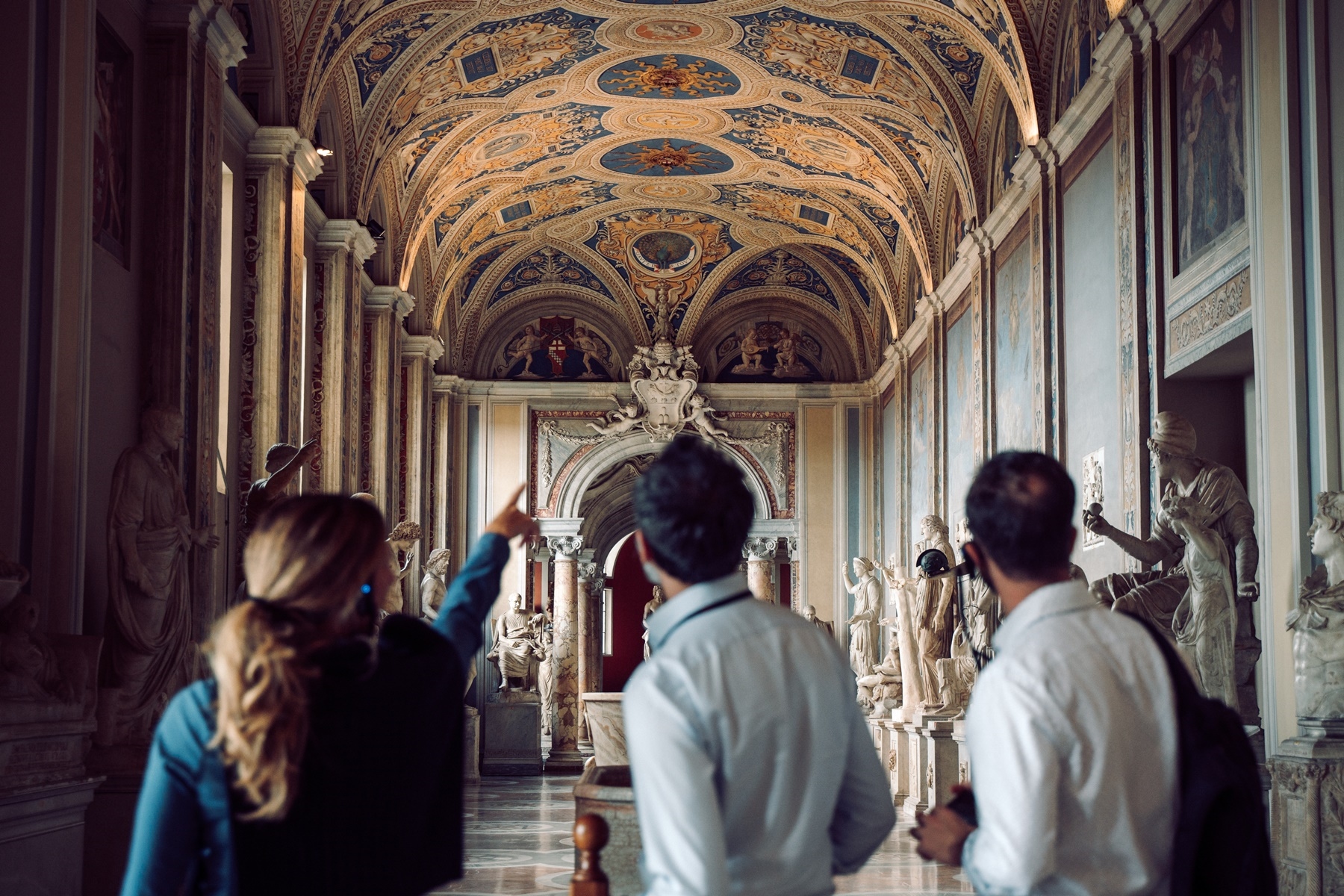
Vatican City
Vatican City is an independent city-state enclaved within Rome. It is the spiritual and administrative center of the Roman Catholic Church.
Religious
Half day
€17 (Vatican Museums and Sistine Chapel), Free (St. Peter's Basilica)
Roman Forum
The Roman Forum was the political, commercial, and legal hub of the Roman Republic and Empire. It is a sprawling ruin of temples, basilicas, and arches.
Historical
1-2 hours
€16 (combined ticket with Colosseum and Palatine Hill)
Pantheon
The Pantheon is a former Roman temple, now a church, known for its large dome and oculus. It is one of the best-preserved ancient buildings in Rome.
Historical
30 minutes to 1 hour
Free
Trevi Fountain
The Trevi Fountain is a Baroque masterpiece and the largest fountain in Rome. It is a popular spot for visitors to throw coins and make wishes.
Architecture
15-30 minutes
Free
Must-Try Local Dishes
Cacio e Pepe
A simple yet delicious pasta dish made with Pecorino Romano cheese and black pepper.
Pasta
Vegetarian
Carbonara
A rich pasta dish made with eggs, Pecorino Romano, guanciale (cured pork cheek), and black pepper.
Pasta
Contains pork and eggs
Supplì
Fried rice balls filled with mozzarella and tomato sauce.
Snack
Vegetarian (some variations may contain meat)
Carciofi alla Romana
Artichokes braised with garlic, mint, and olive oil.
Vegetable
Vegetarian
Popular Activities
Hiking in the Appian Way Regional Park
Biking along the Tiber River
Rock climbing in the nearby mountains
Picnicking in Villa Borghese Gardens
Boating on Lake Albano
Enjoying a spa day at a luxury hotel
Visiting the Vatican Museums
Attending an opera at the Teatro dell'Opera di Roma
Best Time to Visit
April to June, September to October
Spring and fall offer pleasant weather and fewer crowds compared to the summer peak. Ideal for sightseeing and outdoor activities.
15-30°C
59-86°F
Practical Information
Language
- Official: Italian
- Widely spoken: English, Spanish, French
- English: Moderately spoken
Currency
Euro (EUR)
Time Zone
GMT+1 (CET), GMT+2 (CEST during daylight saving time)
Electricity
230VV, 50HzHz
Safety Information
Overall Safety Rating: Generally safe
Rome is generally safe for tourists, but pickpocketing and scams can be a problem in crowded areas. Be aware of your surroundings and take precautions to protect your belongings.
Important Precautions:
- • Keep valuables secure and out of sight
- • Use official taxis or ride-sharing services
- • Be cautious of strangers approaching you with petitions or bracelets
Getting there
By air
- Leonardo da Vinci International Airport • 35 km from city center
- Ciampino Airport • 15 km from city center
By train
Roma Termini, Roma Tiburtina
By bus
Tiburtina Bus Station, Roma Termini
Getting around
Public transport
The metro system is efficient and covers major tourist areas. It operates from 5:30 AM to 11:30 PM.
Taxis
Available • Apps: Uber, FreeNow
Rentals
Car, Bike, Scooter
Neighborhoods
Trastevere
Monti
Prancipio
Testaccio
Day trips
Ostia Antica
30 km from Rome • Half day
An ancient Roman port city with well-preserved ruins, including a theater, baths, and mosaics. It offers a glimpse into daily life in ancient Rome.
Tivoli
30 km from Rome • Full day
A picturesque town known for its stunning villas and gardens, including the famous Villa d'Este with its elaborate fountains and gardens.
Orvieto
120 km from Rome • Full day
A charming hilltop town known for its stunning cathedral, underground caves, and local wine. It offers a mix of history, culture, and scenic views.
Festivals
Natale di Roma • April 21
Festa de' Noantri • July
Rome Film Festival • October
Pro tips
- Visit major attractions early in the morning or late in the afternoon to avoid crowds
- Use public transport or walk instead of taking taxis to save money and experience the city like a local
- Try local specialties and ask for recommendations from locals and restaurant staff
- Dress modestly when visiting religious sites and be respectful of local customs and traditions
- Be aware of pickpockets and scams, especially in crowded areas and tourist hotspots
From $25
per person
Price varies by option
Secure booking
Free cancellation available
Instant confirmation