2-Hour Guided Visit to Rione Terra
Active
2h
For a full refund, cancel at least 24 hours before the scheduled departure time.
Instant confirmation
Mobile or paper ticket accepted
About this experience
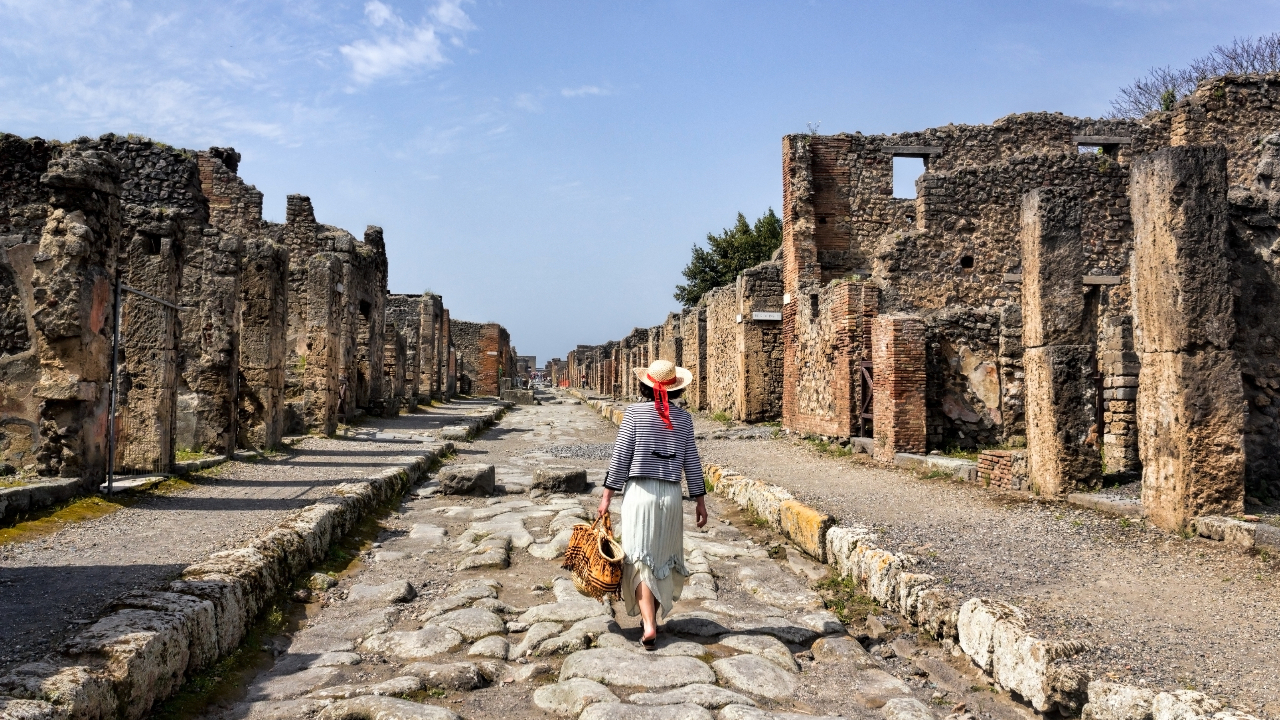
The route begins from the entrance of Palazzo De Fraja- Frangipane and, without having to go deeper, the Roman vestiges of the first road layout we will come across will be immediately visible, the Decumanus of 194 BC. . This was the main artery of the city during the republican era and was completely reorganized in the imperial era after the construction of the Marble Temple; the road will be blocked in the final stretch to make room for the structures pertaining to the new monument.
The tabernae, the shops of the time, open onto the decumanus. Between these and the road there are still pillars that once supported a public arcade that overlooked the crepidini (sidewalks) protecting pedestrians from the sun and rain.
In the entire Pozzuoli area, the fortress of Rione Terra is the only place that has been the protagonist of all historical evolutions, from the early years of Greek and Roman colonization up to the modern era.
Available options
2-Hour Guided Visit to Rione Terra
What's included
Entrance ticket
Guide enabled
Detailed itinerary
1
The underground archaeological itinerary of the Rione Terra is a journey into the ancient Roman colony, Puteoli, founded in 194 BC and soon became the commercial port of Rome. The route is located under the tufa rock that dominates the gulf of Pozzuoli, between Nisida and Baia, and develops along the main axes of the Roman city, hinges and decumani. The visitor, walking along the streets of ancient Puteoli, will be fascinated by the architecture of the numerous buildings, by the grain warehouses, by the oven for making and baking bread (pistrinum) with the almost intact millstones, by the cryptoporticos, by the shops and from warehouses. The archaeological itinerary is enriched by multimedia installations which lead the public to discover the activities that took place in ancient Puteoli.
During the tour, our guide will take you back in time, you will have the opportunity to imagine how the ancients carried out their daily life in their homes and on the street.
What's not included
Tips
Available languages
Guide guide
IT
Important information
Public transportation options are available nearby
Infants are required to sit on an adult’s lap
Suitable for all physical fitness levels
Meeting point
The meeting with the guide will take place at the entrance of Rione Terra at the agreed time.
Important notes
Visitors will be welcomed at the ticket office, located at the entrance to the route, where they will change their electronic ticket into a paper ticket.
About Sorrento
Sorrento is a charming coastal town on the Amalfi Coast, known for its stunning views, lemon groves, and historic center. It's a gateway to the Amalfi Coast and offers a mix of relaxation, culture, and adventure.
Top Attractions
Piazza Tasso
The main square of Sorrento, named after the famous poet Torquato Tasso. It's a lively spot with cafes, restaurants, and street performers.
Historical
30 minutes to a few hours
Free
Sorrento Cathedral
A beautiful 19th-century cathedral dedicated to Saint Mary of the Assumption. It features a mix of architectural styles and a stunning interior.
Religious
30 minutes
Free
Villa Tasso
A historic villa that once hosted the famous poet Torquato Tasso. It offers beautiful gardens and panoramic views of the coast.
Historical
1 hour
Free
Marina Grande
The main beach of Sorrento, offering a mix of sandy and pebbly shores. It's a popular spot for swimming, sunbathing, and enjoying seafood at nearby restaurants.
Beach
Half day
Free (beach clubs may charge)
Museo Correale di Terranova
A museum showcasing the history and culture of Sorrento, with exhibits on local crafts, art, and archaeology.
Museum
1-2 hours
€7
Must-Try Local Dishes
Spaghetti alle Vongole
Spaghetti with clams, a classic dish made with fresh clams, garlic, olive oil, and white wine.
Main Course
Contains seafood
Sfogliatella
A traditional Italian pastry filled with sweet ricotta cheese and candied fruit.
Dessert
Contains dairy
Limoncello
A lemon liqueur made from the local Sorrento lemons, typically served as a digestif.
Drink
Contains alcohol
Popular Activities
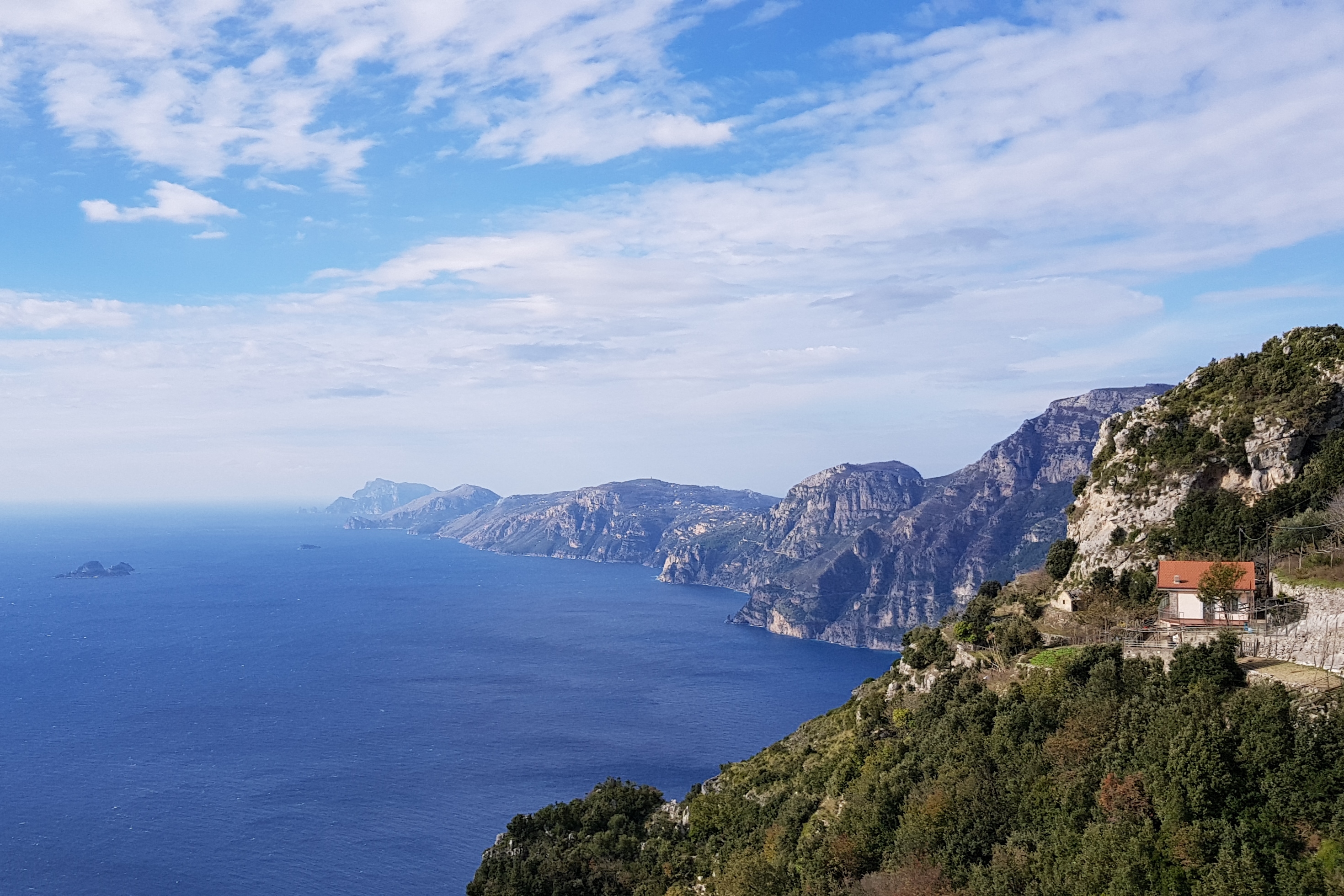
Hiking the Path of the Gods
Scuba diving
Boat tours
Beach activities
Spa treatments
Wine tasting
Visiting museums
Attending festivals
Best Time to Visit
June to August
The peak season offers the best weather for beach activities and exploring the town. However, it's also the most crowded and expensive time.
25°C to 35°C
77°F to 95°F
Practical Information
Language
- Official: Italian
- Widely spoken: English, French, German
- English: Moderately spoken
Currency
Euro (EUR)
Time Zone
GMT+1 (CET), GMT+2 (CEST) during daylight saving time
Electricity
230VV, 50HzHz
Safety Information
Overall Safety Rating: Generally safe
Sorrento is generally safe for tourists, with low crime rates. However, petty theft can occur in crowded areas.
Important Precautions:
- • Keep valuables secure in crowded areas
- • Use licensed taxis or rideshare services
- • Be cautious of strangers approaching you with petitions or surveys
Getting there
By air
- Naples International Airport • 50 km
By train
Sorrento Station
By bus
Sorrento Bus Terminal
Getting around
Public transport
Buses are the primary mode of public transport in Sorrento and connect to other towns on the Amalfi Coast.
Taxis
Available • Apps: MyTaxi
Rentals
Car, Bike, Scooter
Neighborhoods
Marina Grande
Town Center
Capo di Sorrento
Day trips
Amalfi Coast
10-30 km • Half day to full day
The Amalfi Coast is a stunning stretch of coastline with picturesque towns, beautiful beaches, and breathtaking views.
Capri
10 km (by boat) • Full day
A beautiful island known for its luxurious villas, stunning views, and the famous Blue Grotto.
Pompeii
30 km • Half day
An ancient Roman city preserved by volcanic ash from the eruption of Mount Vesuvius in 79 AD.
Festivals
Festa di San Paolo • June 29-30
Limoncello Festival • July
Sorrento Film Festival • September
Pro tips
- Visit the lemon groves for a unique and authentic experience
- Try a limoncello tasting to sample the local specialty
- Explore the Path of the Gods for stunning views and a challenging hike
- Take a boat tour to see the coastline from the water
- Visit during the shoulder season for fewer crowds and lower prices
From $25
per person
Price varies by option
Secure booking
Free cancellation available
Instant confirmation