Ancient Sparta Ancient Corinth Private Tour from Athens/ Nafplio
Active
10h
For a full refund, cancel at least 24 hours before the scheduled departure time.
Instant confirmation
Mobile or paper ticket accepted
About this experience
We visit Sparta as travelers, not as tourists. We get as excited as you to travel, to enjoy history, scenery.
If you want to see most of Modern/Ancient Sparta & Ancient Corinth we suggest combine all sites in a full day tour.
Schedule is flexible, but most importantly our drivers are seasoned travelers and are dedicated to helping you live the tour of your life, that is suited to your needs and lifestyle, allowing all passengers to enjoy the scenic drive.
The tour starts with a convenient pickup and takes you via Corinth Canal to Peloponnese. We drive via Mount Parnon to Sparta, visit town, the impressive statue of Leonidas, the Acropolis, theater, King Leonidas Tomb and Museum.
We will visit the unique Olive & Oil museum of Sparta and taste local products.
On our return we will visit Ancient Corinth
Available options
Athens to Sparta/minivan prive
This is private tour/ activity: Only your group will participate. Your driver provides informative audio documentary & historical details as you travel .<br/>Our A'class service offers : Non - smoking driver and vehicle, with a high level of cleanliness. The vehicle is exclusive to your team .<br/>Duration: 10 hours: Ancient Sparta private tour from Athens. If you wish to extend trip, additional time/ per hour: 45€ (with Minivan) .<br/>Our private tour offers : Drop off to your Hotel/ Apartment or other location (up to prior request), at the arranged time of your tour return .<br/>Minivan air-conditioned : Sparta & Mystras private tour with a luxury Minivan. From 1 to 7 persons (2 children/ up to 11 year old free)<br/>Pickup included
Nafplio to Sparta / private
This option requires full pay: A full payment needed for this option. This private tour starts from and ends in Nafplio. The rate is lower accordingly .<br/>This is private tour/activity: Only your group will participate. Your driver provides informative audio documentary & historical details as you travel .<br/>Duration: 9 hours: Sparta tour from Nafplio. If you wish to extend it, additional time/ per hour: 30€ (Sedan) - 45€(Minivan) - 60€(Minibus). <br/>This private tour offers: Drop off to your Hotel/ Apartment, or Port in Nafplion, at the arranged time of your tour return .<br/>Suv, Sedan, Minivan, Minibus<br/>Children Free: Sparta private tour from/ to Nafplion offers: 2 children up to 11 years old free.<br/>Pickup included
Athens to Sparta/ sedan prive
Sedan Private tour (up to 3 p): This private tour starts and ends in Athens. <br/>This is private tour/ activity: Only your group will participate. Your driver provides informative audio documentary & historical details as you travel .<br/>Our A'class service offers : Non - smoking driver and vehicle, with a high level of cleanliness. The vehicle is exclusive to your team .<br/>Duration: 10 hours: Ancient Sparta private tour from Athens. If you wish to extend trip, additional time/ per hour: 30€ (with Sedan) <br/>Our private tour offers : Drop off to your Hotel/ Apartment or other location (up to prior request), at the arranged time of your tour return .<br/>Sedan Air-conditioned : Sparta & Mystras private tour with a luxury Sedan. Up to 3 adults or family of 4 (2 adults + 2 kids up to 11 years old free)<br/>Pickup included
Athens to Sparta/minibus prive
This is private tour/ activity: Only your group will participate. Your driver provides informative audio documentary & historical details as you travel . <br/>Our A'class service offers : Non - smoking driver and vehicle, with a high level of cleanliness. The vehicle is exclusive to your team .<br/>Duration: 10 hours: Sparta & Mystras private day tour from Athens. If you wish to extend trip, additional charge per hour 60€ (with Minibus) .<br/>Our private tour offers: Drop off to your Hotel/ Apartment or other location (up to prior request), at the arranged time of your tour return .<br/> Minibus air-conditioned : Sparta & Mystras private tour with a luxury Minibus. Up to 14 persons (2 children up to 11 years old free)<br/>Pickup included
What's included
Your driver provides informative books, audio documentary with historical details as you travel
Professional English speaking experienced Tour driver for the day
Pick up / Drop off, from/to your hotel/apartment in Athens, Piraeus, or request another location
Air-conditioned vehicles, with high level of cleanliness (Sedan/ Minivan/ Minibus)
Private Transportation & includes: (Fuels, Toll Roads, Parking Fees)
Detailed itinerary
1
Stop 1
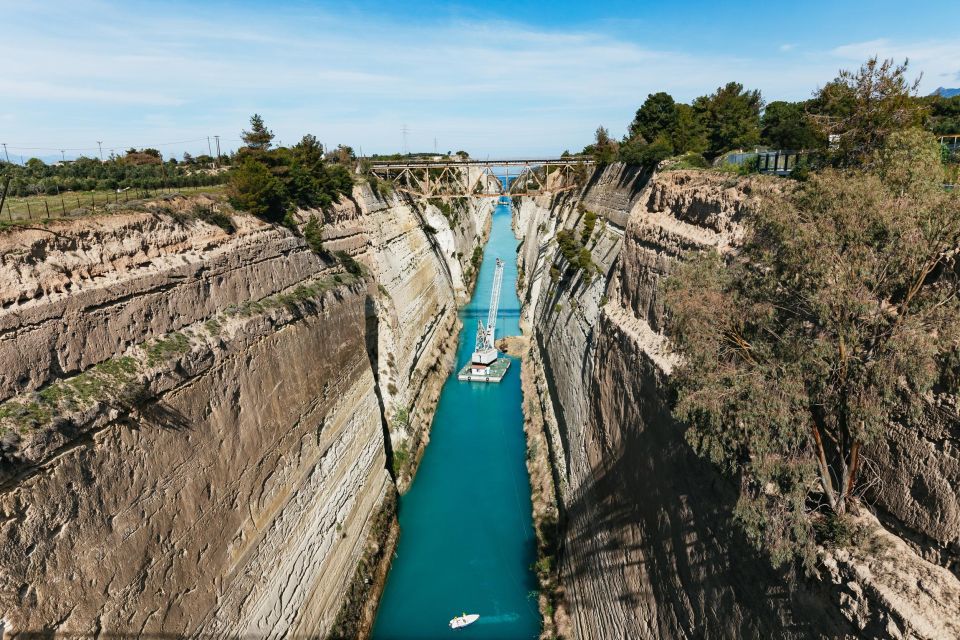
The marvelous man-made Corinth canal connecting the Aegean and Ionian seas, as well as the Peloponnese peninsula with the central part of Greece.
More than 2500 workers digging 6.400m for twelve years (from 1881 to 1893). Stop for photography, walk across on a pedestrian bridge and admire the canal from 80 m high
2
Sparta was unique in ancient Greece for its social system and constitution introduced by the almost mythical figure of Lycurgus. He configured the entire society in order to maximize military proficiency at all costs, focusing all social institutions on military training and physical development. Its inhabitants were classified as Spartiates (Spartan citizens with full rights), mothakes (non-Spartan free men raised as Spartans), perioikoi (free residents engaged in commerce), and helots (state-owned serfs, enslaved non-Spartan local population).
3
The Archaeological Museum of Sparta comprises the oldest provincial archaeological museum of the country. Its neoclassical building was constructed between 1874 and 1876 in the center of the city and it has been declared a listed building for its architectural and historical interest.
Every Tuesday Museum is closed
Ticket general 10€
4
Thucydides wrote:
Suppose the city of Sparta to be deserted, and nothing left but the temples and the ground-plan, distant ages would be very unwilling to believe that the power of the Lacedaemonians was at all equal to their fame. Their city is not built continuously, and has no splendid temples or other edifices it rather resembles a group of villages and would therefore make a poor show.
We visit The Acropolis and the Ancient Theater of Sparta. Built of local white marble during the Roman period, the late first-century B.C theater was one of the Classical world’s largest. Said to be capable of holding an estimated 16,000 people, it featured a mobile stage and was considered a tourist destination in ancient times. Much of the auditorium was destroyed during the Byzantine period, and the remaining marble and limestone blocks have suffered from erosion.
5
The King Leonidas statue stands belligerently in front of a stadium. When the Persians attacked at Thermopylae and told the Spartans and their allies to lay down their weapons, Leonidas' response, immortalized beneath his feet, was 'Molon labe' ('Come and get them').
Excavations carried out during the previous century, north of the modern town of Sparta, brought to light an impressive construction. The edifice that dates back to the 5th century B.C. was made from large limestone. Archaeologist who carried out the excavations in 1892, initially thought it was a small temple. Although its use is not yet verified, it is believed to be the tomb of Leonidas. According to Pausanias, it was here that the remains of the legendary king of Sparta were transferred and buried after the battle in Thermopylae. The tomb of Leonidas is the only preserved monument of the Ancient Agora.
6
Stop 6
OPTIONAL/ The Museum of the Olive and Greek Olive Oil, in Sparta (Peloponnese), transports you to the culture, history and technology of the olive and olive oil production in the Greek realm, from prehistoric times to the early 20th century. The olive and olive oil are presented here from different optical angles: the economy, nutrition and the olive's uses, religious worship, art and technology. The Museum of the Olive and Greek Olive Oil offers you the opportunity to see the very first testimonies about the presence of the olive tree and the production of olive oil in Greece: Rare fossilized olive leaves, 50,000-60,000 years old, from the island of Santorini, the oldest findings offering proof of the presence of the olive tree en Greece Linear B Tablets of the 14th century BC (exact replicas), with the first written testimonies about the olive and olive oil.
Visit is optional and depends time. Every Tuesday Museum is closed. General Ticket 5€
7
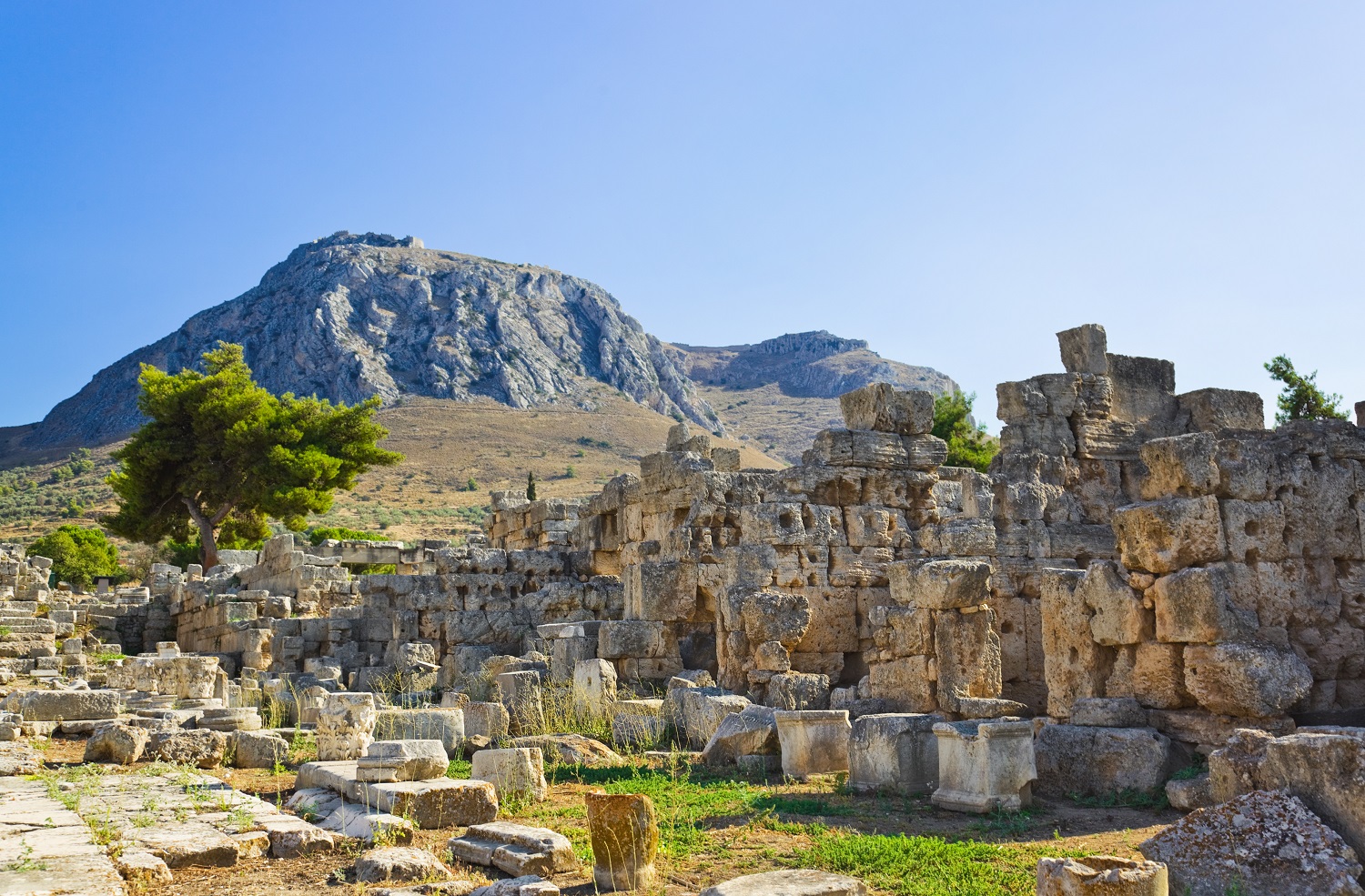
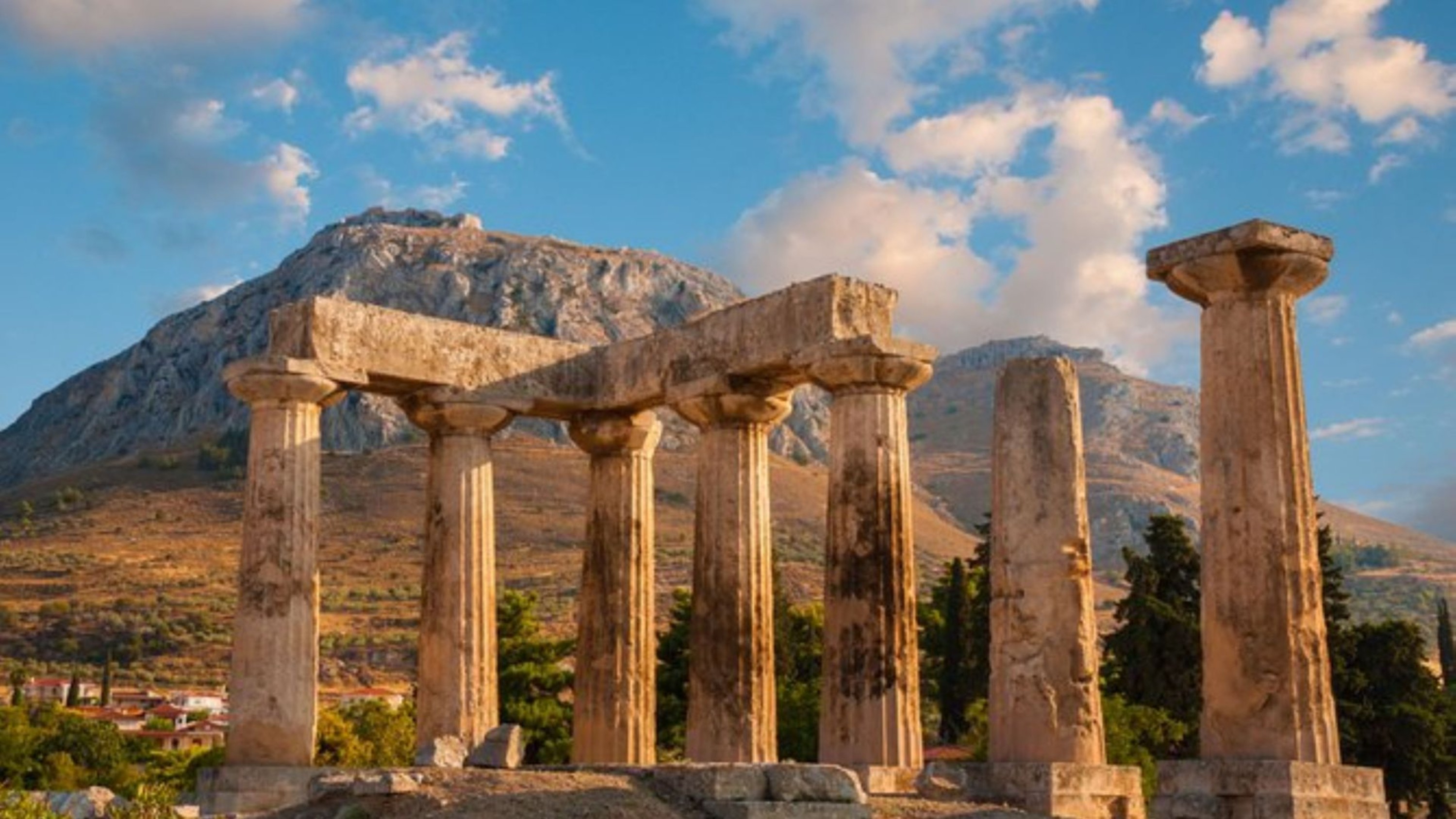
Here are the remains of Ancient Corinth, one of the largest cities in Ancient Greece. Walking in the ancient City of Corinth is like to walk back in time.
For Christians, Corinth is well known from the two letters of Saint Paul in the New Testament, First and Second Corinthians. Corinth is also mentioned in the Acts of the Apostles as part of the Paul the Apostle's missionary travels.
Combined ticket for Ancient Corinth is 15€ for summer or 8€ for winter (Ticket Includes Museum)
8
Visit Archaeological Museum of Ancient Corinth.
In winter time closed on Tuesday.
Ticket of Archaeological site includes and Museum
9
Stop 9
Pass by
Return to Athens
What's not included
Licensed Archaeologist guide up request/depends availability (arrangements with: tourist-guides.gr/)
Museum of the Olive and Greek Olive Oil
Ancient Corinth (Archaia Korinthos) winter 8€ Summer 15€
Archaeological Museum of Sparta.Winter 5€ . Summer 10€
From 1€ per person
Available languages
Audio guide
RU
EN
Written guide
RU
EN
Guide guide
EN
Reviews breakdown
Viator
4.7
19 reviews
5★
16
4★
2
3★
0
2★
1
1★
0
Tripadvisor
4.9
39 reviews
5★
36
4★
2
3★
0
2★
1
1★
0
Important information
Specialized infant seats are available
Suitable for all physical fitness levels
You Have the options of 3 different Vehicles types: Sedan up to 3 adults or family of 4 (2 adults + 2 kids - up to 12 years old free) - Minivan ( from 1 to 7 persons - 2 kids/ up to 12 years old free ) - Minibus ( from 1 to 14 persons - 2 kids/ up to 12 years old free). Price varies by Group Size or Vehicle type.
The driver is not an archaeologist guide to accompany you on your walk to sites or museum. If you require an archaeologist guide to tour the sites with you, you need to hire one additionally. Your driver provides informative documentary & historical details as you travel..
This is a private & flexible tour available from Athens or Nafplion. However we only request to have in mind the agreement hours. But if you like to extend it, please make a fair arrangement with your tour driver/ leader. Additional charge per hour is 30€ (Sedan) - 45€ (Minivan) - 60€ (Minibus).
About Athens
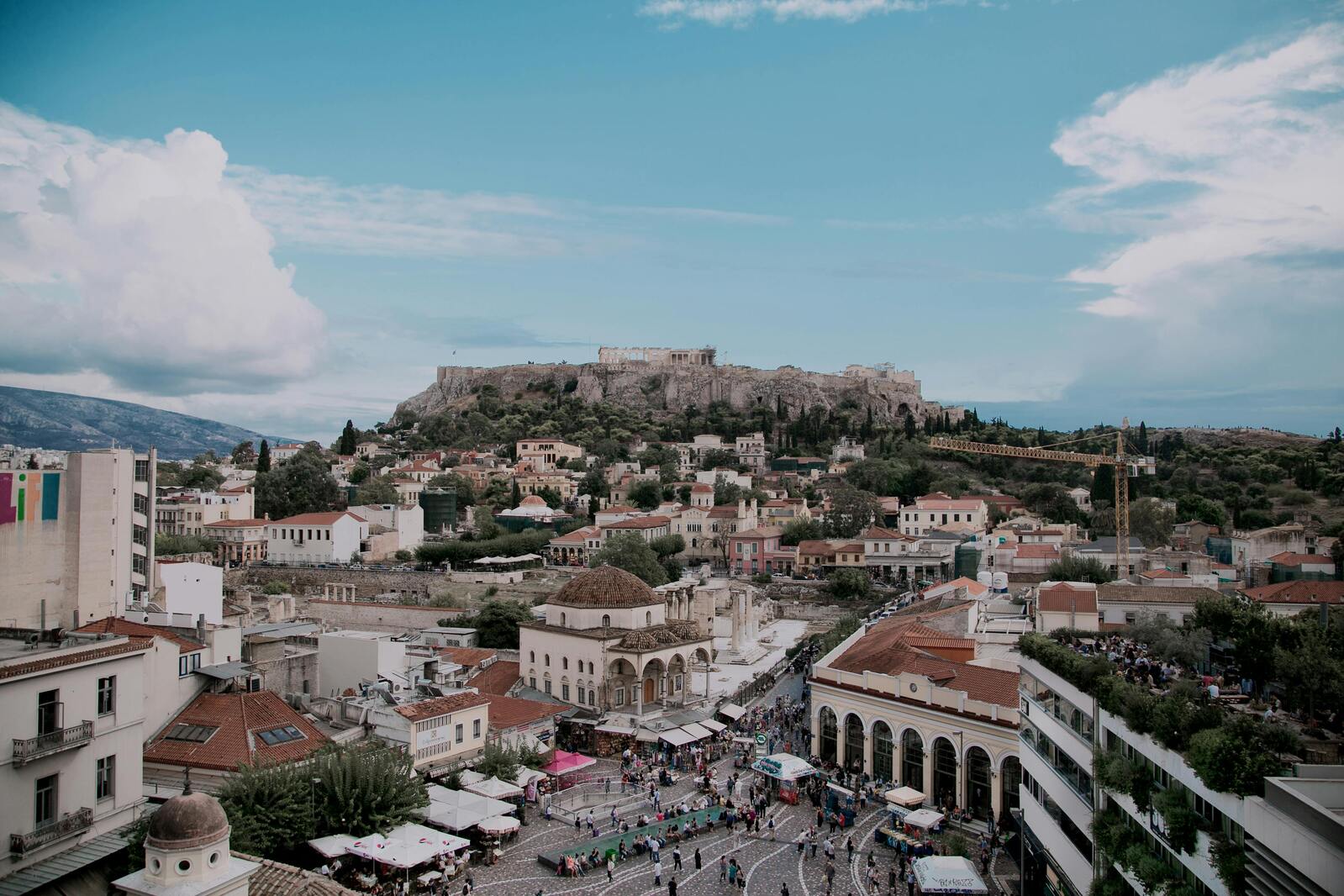
Athens, the capital of Greece, is a city rich in history and culture, often considered the cradle of Western civilization. It is home to iconic ancient landmarks, vibrant neighborhoods, and a thriving modern scene.
Top Attractions
Acropolis of Athens
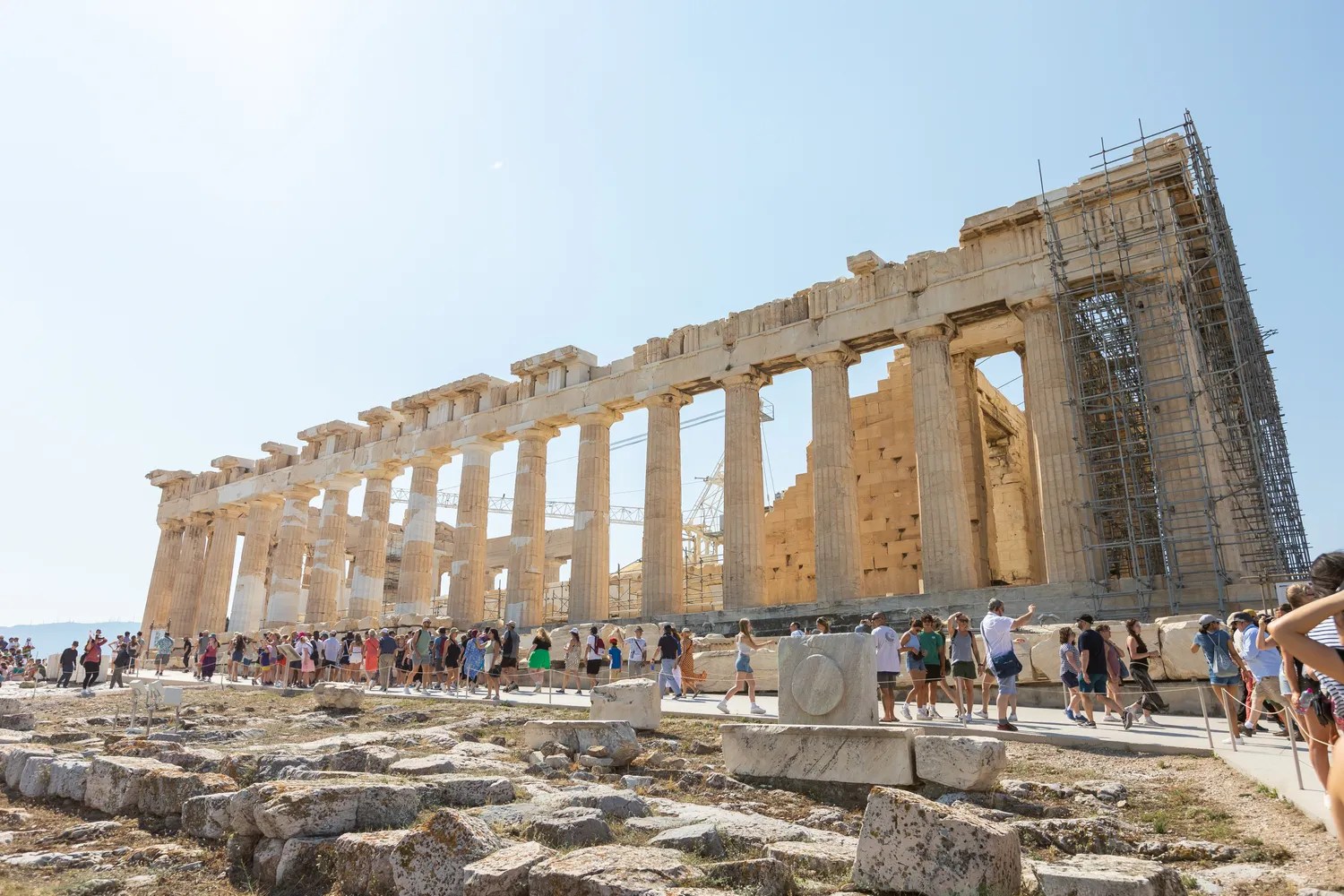
The Acropolis is the most iconic landmark in Athens, featuring ancient ruins and temples, including the Parthenon.
Historical
2-3 hours
€20 (combined ticket for multiple sites)
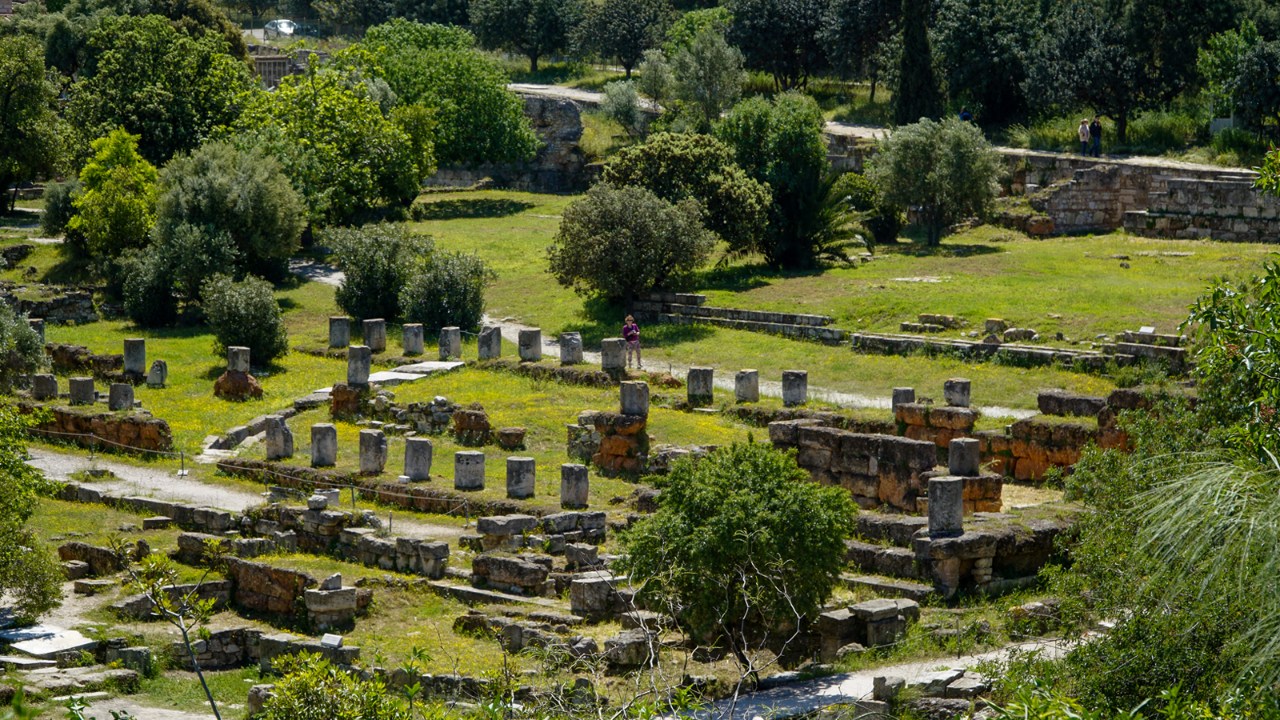
Ancient Agora of Athens
The heart of ancient Athens, featuring the Temple of Hephaestus and the Stoa of Attalos.
Historical
1-2 hours
€8 (included in the combined ticket)
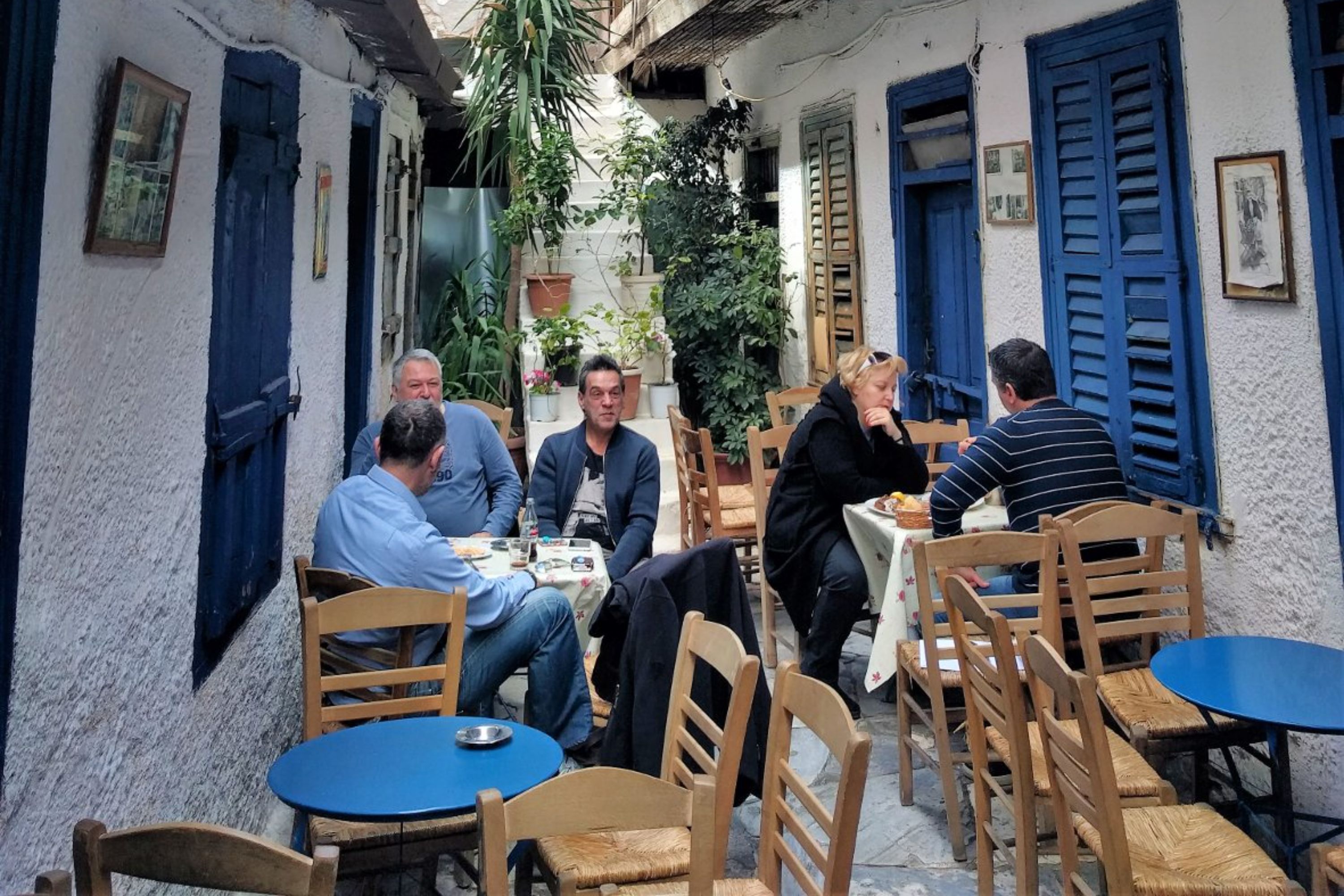
Plaka
A charming, historic neighborhood with narrow streets, neoclassical houses, and vibrant nightlife.
Cultural
2-3 hours
Free to explore
Acropolis Museum
A modern museum showcasing artifacts from the Acropolis and its surroundings.
Museum
1-2 hours
€10
Temple of Olympian Zeus
An ancient temple dedicated to Zeus, once the largest temple in Greece.
Historical
30 minutes to 1 hour
€6 (included in the combined ticket)
Must-Try Local Dishes
Moussaka
A baked dish with layers of eggplant, minced meat, and béchamel sauce.
Dinner
Vegetarian versions available
Souvlaki
Grilled meat skewers, often served with pita bread and tzatziki.
Snack
Can be made with chicken, pork, or vegetarian options
Tzatziki
A yogurt-based dip with cucumber, garlic, and herbs.
Snack
Vegetarian and vegan options available
Baklava
A sweet pastry made with layers of filo, nuts, and honey syrup.
Dessert
Vegetarian
Popular Activities
Hiking in the mountains
Rock climbing
Scuba diving
Beach visits
Spa treatments
Café hopping
Museum visits
Theater performances
Best Time to Visit
April to June, September to October
The best time to visit Athens is during the spring and autumn months when the weather is pleasant and the tourist crowds are smaller.
18°C to 32°C
64°F to 90°F
Practical Information
Language
- Official: Greek
- Widely spoken: English, French, German
- English: Moderately spoken
Currency
Euro (EUR)
Time Zone
GMT+2 (EET)
Electricity
230VV, 50HzHz
Safety Information
Overall Safety Rating: Generally safe
Athens is generally safe for travelers, but petty crime and pickpocketing can occur in tourist areas. Be cautious with your belongings and avoid poorly lit areas at night.
Important Precautions:
- • Keep valuables secure
- • Use licensed taxis or ride-sharing apps
- • Be cautious with ATMs and credit cards
Getting there
By air
- Eleftherios Venizelos International Airport • 30 km from city center
By train
Athens Central Railway Station
By bus
KTEL Bus Station
Getting around
Public transport
Clean, efficient, and air-conditioned. Easy to navigate with clear signage in English.
Taxis
Available • Apps: Beat, Uber
Rentals
Car, Bike, Scooter
Neighborhoods
Plaka
Monastiraki
Psiri
Koukaki
Kolonaki
Day trips
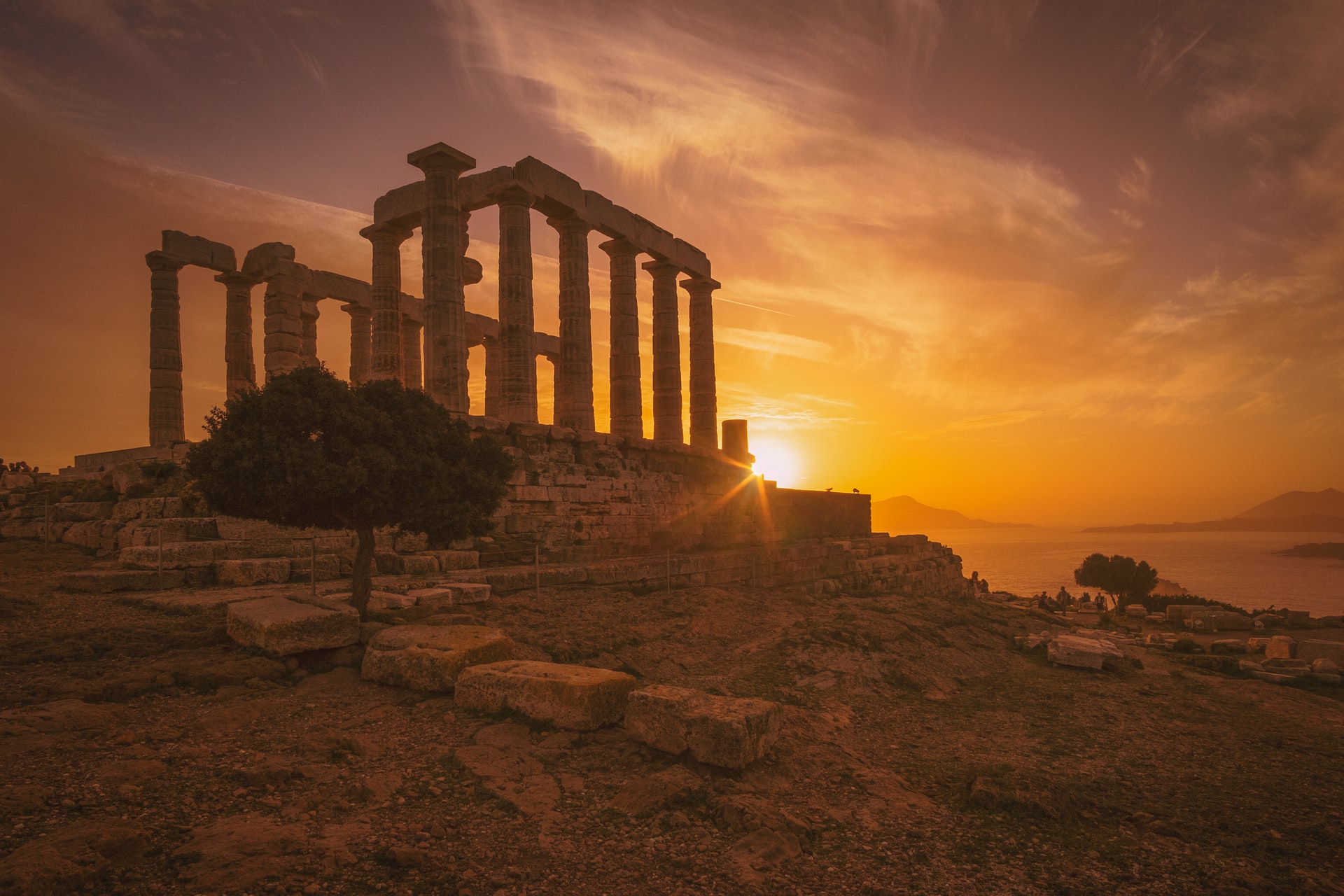
Cape Sounion
65 km from Athens • Half day to full day
A scenic coastal area featuring the Temple of Poseidon with stunning views of the Aegean Sea.
Delphi
180 km from Athens • Full day
An ancient archaeological site and home to the famous Oracle of Delphi.
Meteora
350 km from Athens • Overnight
A unique landscape featuring rock formations and medieval monasteries perched atop cliffs.
Festivals
Athens Festival • May to October
Athens Epidaurus Festival • June to August
Athens International Film Festival • October
Pro tips
- Visit major attractions early in the morning or late in the afternoon to avoid crowds and heat
- Use the metro for easy and efficient travel around the city
- Explore local neighborhoods for an authentic Greek experience
- Try local street food for a quick and delicious meal
- Learn a few basic Greek phrases to enhance your experience and connect with locals
From $25
per person
Price varies by option
Secure booking
Free cancellation available
Instant confirmation