Private Day Trip To Pag Island and Nin Saltworks from Zadar
Active
6h
For a full refund, cancel at least 24 hours before the scheduled departure time.
Instant confirmation
Mobile or paper ticket accepted
About this experience
The excursion starts from hotel in Zadar. The ride to Pag takes about 1 hour. During this excursion to the island of Pag, your local guide will explain you the history of this island and its center that has an archaeological site with ruins. After some free time we will continue towards Gligora Dairy, 20 minutes away from Pag center. During the tour you will learn about the cheese production, see ageing room and you will taste various Gligora cheeses. After 1 hour ride, we will make stop in a small town of Nin for a visit of Nin Saltworks. You will walk along the salt pools with an expert guide. Transfer back to Zadar (around 20 minutes).
Available options
Private Day Trip To Pag Island and Nin Saltworks from Zadar
Pickup included
What's included
Private transportation
Cheese Tasting at Gligora Dairy
Entrance Fee for Nin Saltworks
Air-conditioned vehicle
Tour Guide
Detailed itinerary
1
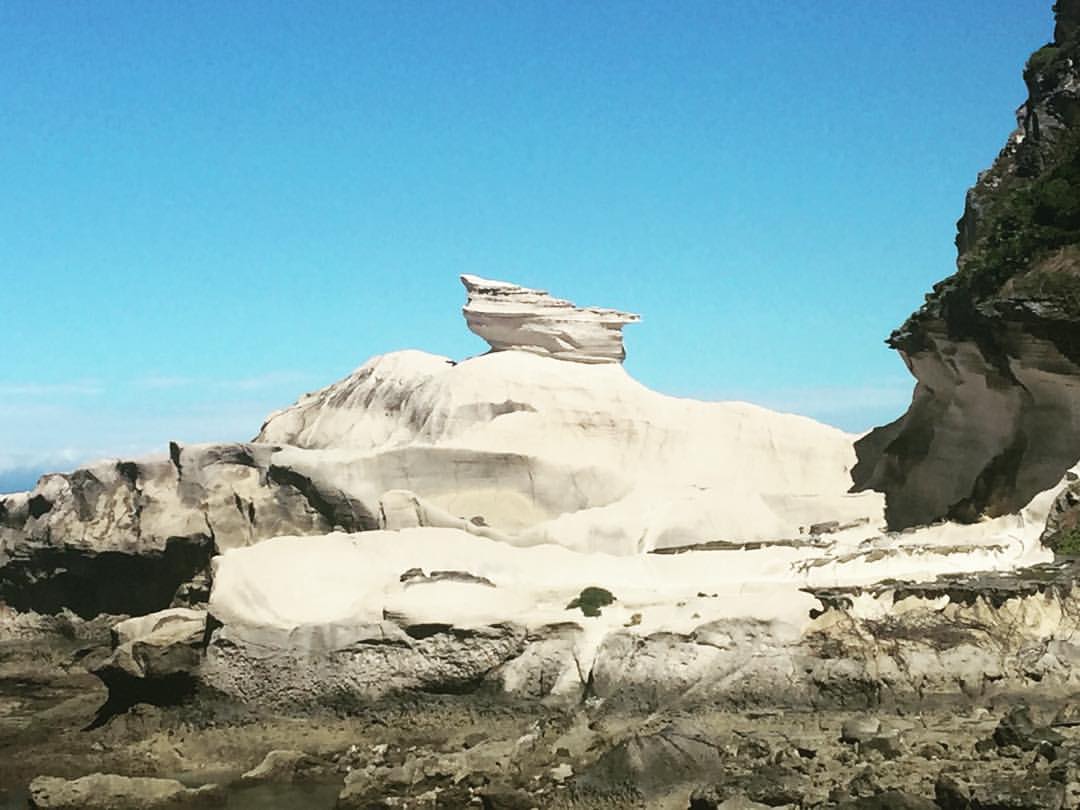
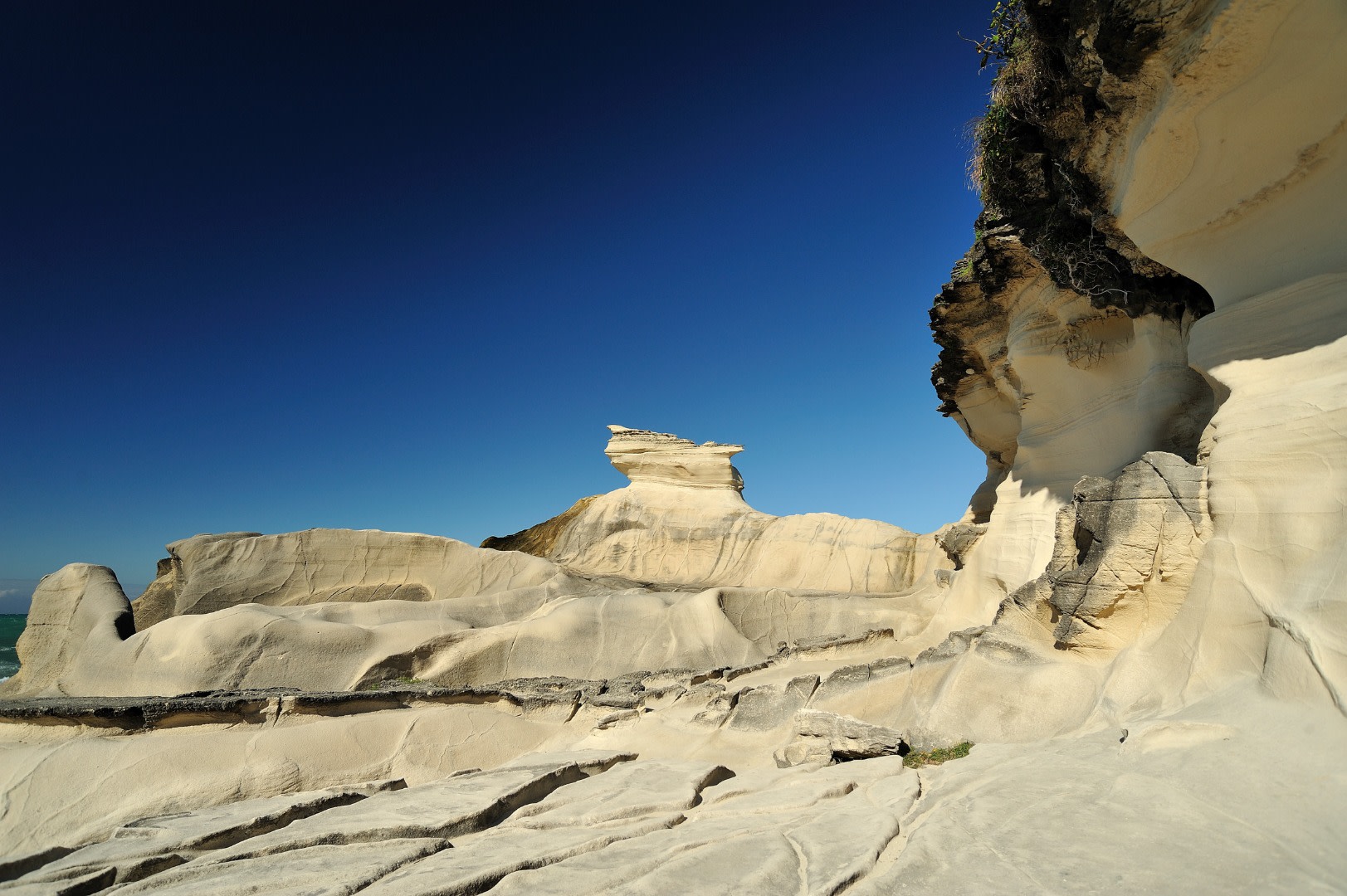
Where Zadar is associated with the Sun, the island of Pag is associated with the Moon. The bare karst and white stone surface has led to this island has being called the ‘lunar island’. But this is just the most obvious visible characteristic of the island’s surface, upon which there are many things to discover. So amongst the heritage of Pag town you will find the church of the Assumption. It is located on the main square and is the most valuable monument of sacral architecture in Pag, built by Šibenik and Zadar masters in the 15th century. The Rector's Palace from the 15th century also sits on the main square. The former Kamerlengo Fortress Tower houses the town’s administrative offices, and the hugely important Benedictine Monastery of Pag plays an important role in the preservation of the tradition of lace-making.
2
At the Nin Saltworks the salt is not produced by the machines. It is not produced by the man either. The salt is produced by the sun, sea and wind. The salt from Nin is ecological, therapeutic and biodynamic because in its production, besides people, participates diverse wildlife, plenty of beaches and healing mud.
What's not included
Food and drinks and any extras not specified.
Available languages
Guide guide
DE
EN
IT
FR
ES
Reviews breakdown
Tripadvisor
5.0
1 reviews
5★
1
4★
0
3★
0
2★
0
1★
0
Important information
Specialized infant seats are available
Not recommended for travelers with spinal injuries
Not recommended for travelers with poor cardiovascular health
Suitable for all physical fitness levels
About Zadar
Zadar is a historic city on the Dalmatian coast of Croatia, known for its rich Roman and Venetian heritage, stunning sunsets, and unique Sea Organ. The city blends ancient history with modern attractions, offering visitors a unique cultural experience by the Adriatic Sea.
Top Attractions
Sea Organ (Morske Orgulje)
A unique architectural marvel where the waves create musical tones through underwater pipes.
Architecture
30 minutes to 1 hour
Free
Roman Forum
Ancient Roman ruins in the heart of Zadar, showcasing the city's rich history.
Historical
1 hour
Free
St. Donatus Church
A well-preserved 9th-century circular church with a rich history.
Historical
30 minutes
Free
Zadar Archaeological Museum
A museum housing a vast collection of archaeological artifacts from the region.
Museum
1-2 hours
Moderate (around 30 HRK)
Greeting to the Sun
A solar-powered installation that creates light shows and musical tones based on solar activity.
Architecture
30 minutes to 1 hour
Free
Must-Try Local Dishes
Black Risotto (Crni Rižot)
A traditional Dalmatian dish made with cuttlefish, giving it a distinctive black color.
Main Course
Contains seafood, gluten (rice)
Peka
A slow-cooked dish of meat or octopus with vegetables, cooked under a bell-like lid.
Main Course
Can be vegetarian or with meat/seafood
Brodet
A rich seafood stew made with various types of fish and shellfish.
Main Course
Contains seafood, gluten (often served with polenta)
Rožata
A creamy, caramel-flavored custard dessert similar to crème brûlée.
Dessert
Contains dairy, eggs, sugar
Popular Activities
Hiking in national parks
Kayaking
Cycling
Beach lounging
Sunset watching at the Sea Organ
Spa treatments
Visiting museums and historical sites
Attending local festivals
Best Time to Visit
June to August
This is the busiest time of year with warm weather, clear skies, and vibrant festivals. The sea is warm, and all tourist facilities are open.
22°C to 35°C
72°F to 95°F
Practical Information
Language
- Official: Croatian
- Widely spoken: English, German, Italian
- English: Moderately spoken
Currency
Croatian Kuna (HRK)
Time Zone
GMT+1 (Central European Time)
Electricity
230VV, 50HzHz
Safety Information
Overall Safety Rating: Generally safe
Zadar is generally safe for tourists, with low crime rates. However, as with any tourist destination, it's important to be aware of your surroundings and take basic precautions.
Important Precautions:
- • Keep valuables secure
- • Use licensed taxis
- • Be cautious of strangers approaching you with unsolicited offers
Getting there
By air
- Zadar Airport • 8 km from city center
By train
Zadar Railway Station
By bus
Zadar Bus Station
Getting around
Public transport
Affordable and reliable, with frequent services.
Taxis
Available • Apps: Bolt, Camme
Rentals
Car, Bike, Scooter
Neighborhoods
Old Town
Borojevic Square
Ulica Matoševa
Day trips
Plitvice Lakes National Park
150 km • Full day
A stunning national park with cascading lakes and waterfalls, perfect for hiking and nature lovers.
Krka National Park
70 km • Full day
A beautiful national park with waterfalls, swimming areas, and hiking trails.
Šibenik
60 km • Half day
A historic coastal city with a well-preserved old town, cathedrals, and fortresses.
Festivals
Zadar International Donat Festival • August
Zadar Film Forum • November
Festiva Dalmatina • July
Pro tips
- Visit the Sea Organ and Greeting to the Sun at sunset for a magical experience.
- Explore the Old Town on foot to discover hidden gems and historic sites.
- Try local specialties like black risotto and peka for an authentic Dalmatian dining experience.
- Take a day trip to nearby national parks like Plitvice Lakes or Krka for stunning natural beauty.
- Learn a few basic Croatian phrases to enhance your interaction with locals.
From $25
per person
Price varies by option
Secure booking
Free cancellation available
Instant confirmation