Stutthof Concentration Camp Regular Tour from Gdansk
Active
4h - 5h
For a full refund, cancel at least 24 hours before the scheduled departure time.
Manual confirmation
Mobile or paper ticket accepted
About this experience
Your tour will begin as your English-speaking driver picks you up from your hotel in a comfortable minibus. From here, you will depart for the Stutthof Concentration Camp, where you will begin your guided tour.
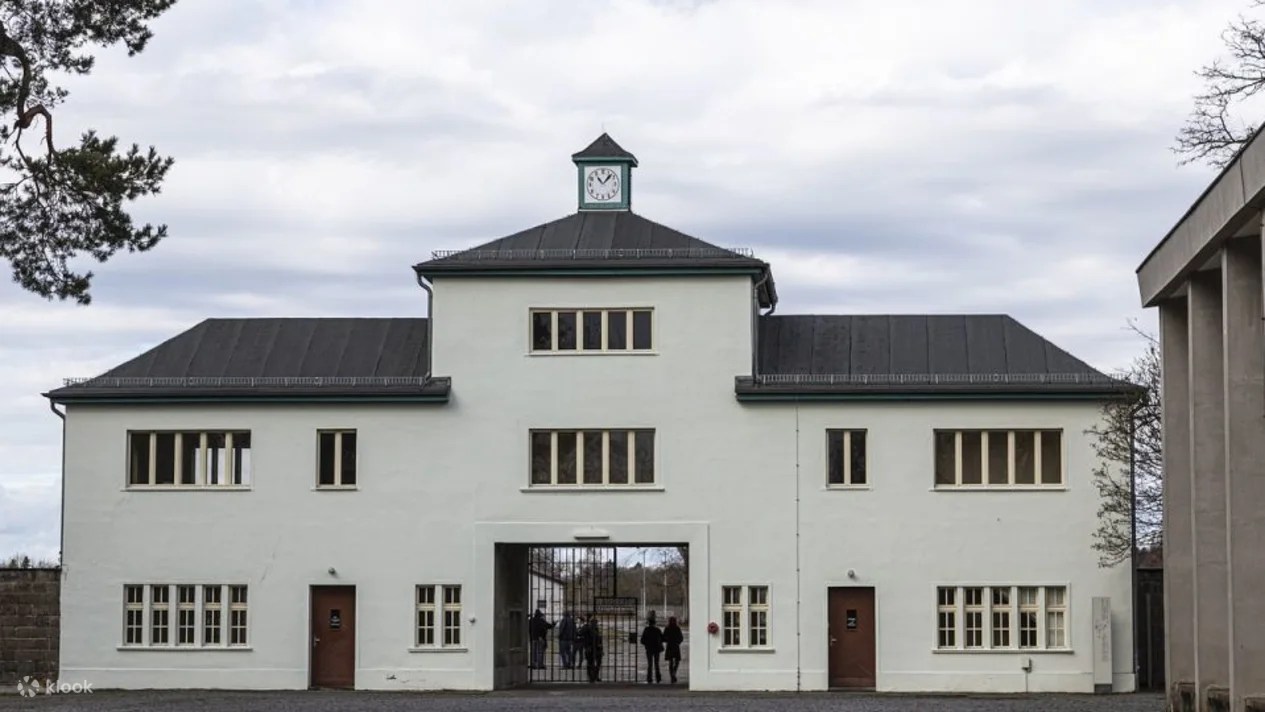
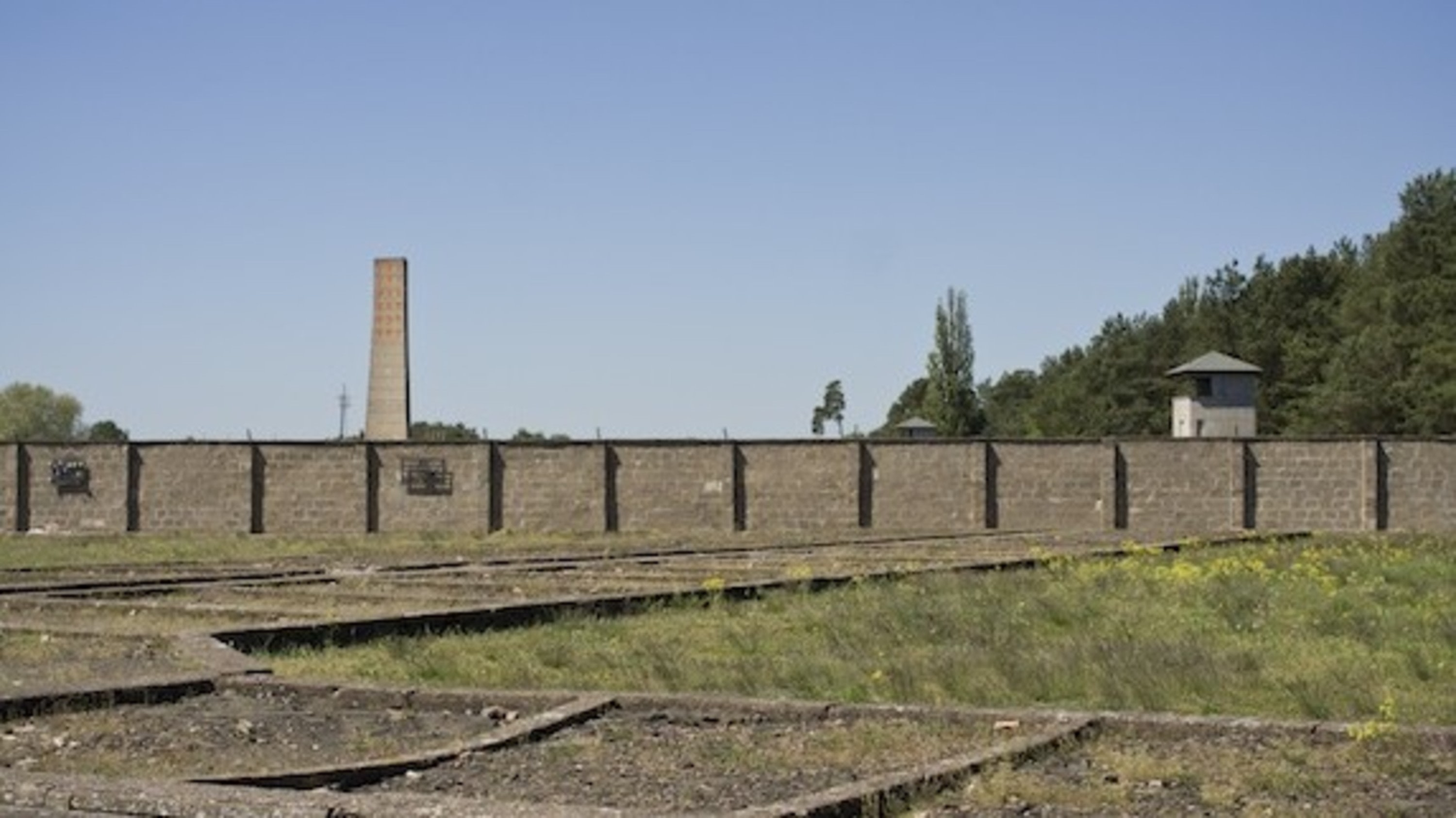
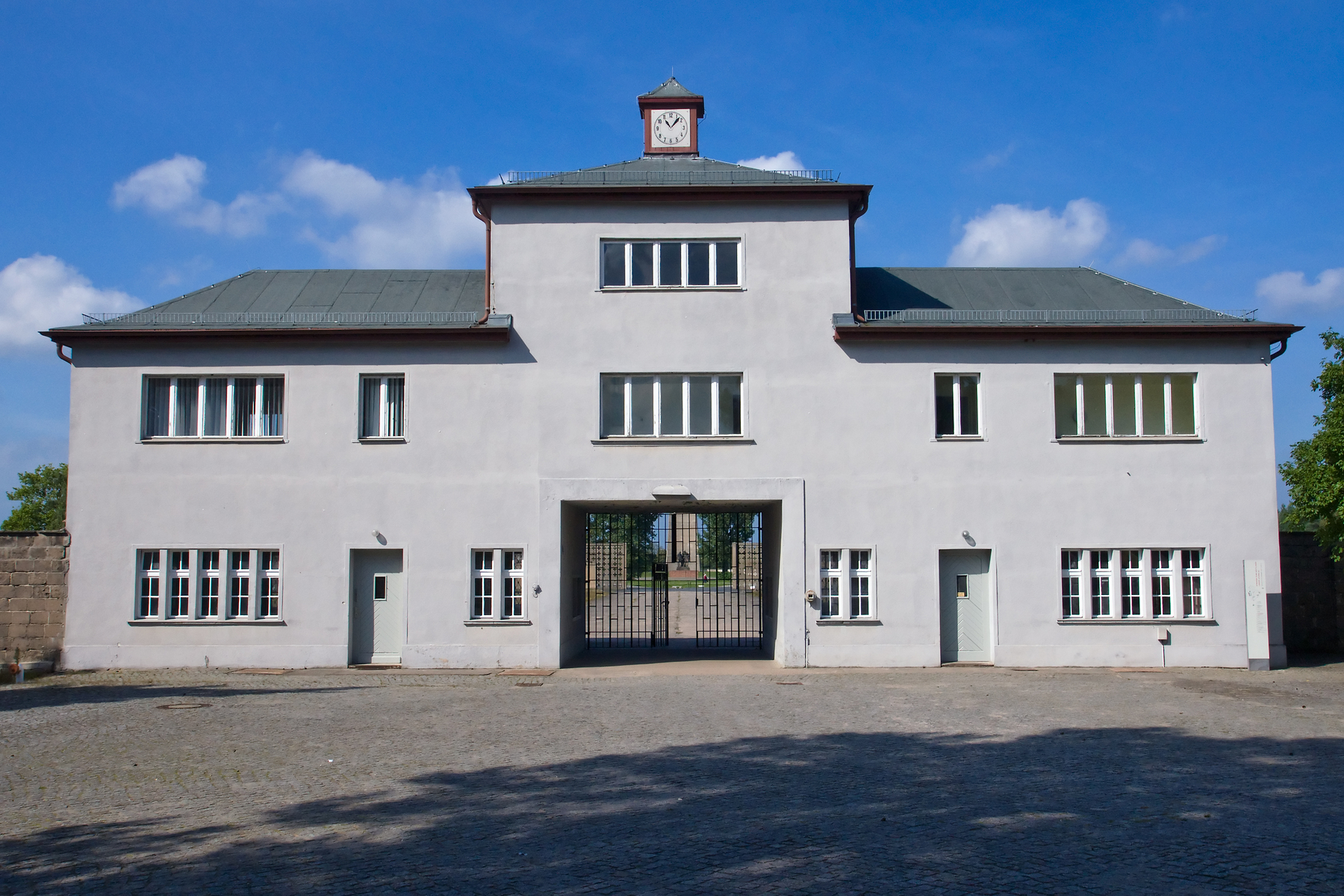
You will start with a visit to the old and new camp quarters, before moving on to see inside of the commander’s villa. You will then proceed to the gas chambers and crematorium, whilst hearing terrifying tales of mass murder from your guide. You can later pay your respects at the camp victims’ monument, before learning about the persecution and occupation of Pomerania.
Later on, you will discover the first Nazi concentration camp outside of German territory. After visiting, you will be taken to Sztutowo, where the former camp was, and where Stutthof Museum is now located. Once at the museum, you will visit for about 2 hours with an English-speaking museum guide.
Available options
Stutthof Concentration Camp Regular Tour from Gdansk
Pickup included
What's included
15 minutes of free time after visiting with the guide.
All Fees and Taxes
English speaking licensed guide in Stutthof for prolonged 2 hours of visiting.
Air-conditioned vehicle
English speaking driver Hotel pickup and drop-off
Detailed itinerary
1
Our driver will pick you up from your hotel. You will receive a text message with an exact pickup time 12 hours before the tour. After collecting all the guests the drive to Stutthof should take around 45-60 minutes depending on the traffic.
2
In Stutthof our licensed English-speaking guide will tell you all about the history of the place.
In our tour, you have prolonged 2-2,5 hours of visiting with museums guide.
We monitor clients' reviews and respond to them. That is why after visiting with the guide, we added free time - 15 minutes to walk on your own, reflect on the place or take some photos.
Stutthof Concentration Camp visiting:
Visit the old and new camp quarters
See the commander’s villa
Go to the gas chambers, and crematorium and hear terrifying tales of mass murder
Pay your respects at the camp victims’ monument
Learn about the persecution and occupation of Pomerania
Discover the first Nazi concentration camp outside German territory
3
After the tour, the driver will drop off the customers at the accommodation or Gdansk city center. The journey back takes 45-60 minutes depending on the traffic.
Available languages
Guide guide
EN
Reviews breakdown
Viator
4.8
10 reviews
5★
8
4★
2
3★
0
2★
0
1★
0
Tripadvisor
4.9
13 reviews
5★
12
4★
1
3★
0
2★
0
1★
0
Important information
Public transportation options are available nearby
Specialized infant seats are available
Suitable for all physical fitness levels
Minimum pax to organize the tour: 2
Not recommended for children under 13
About Gdansk
Gdansk, a historic port city on the Baltic coast, is known for its rich maritime heritage, stunning architecture, and significant role in European history. The city's well-preserved medieval old town, vibrant cultural scene, and proximity to beautiful beaches make it a captivating destination for travelers.
Top Attractions
Long Market (Długi Targ)
The Long Market is the heart of Gdansk's old town, featuring a stunning collection of colorful merchant houses, historic buildings, and the iconic Neptune Fountain. It's a must-visit for its architectural beauty and vibrant atmosphere.
Historical/Architecture
1-2 hours
Free
Gdańsk Crane (Zuraw)
The Gdańsk Crane is a medieval port crane and one of the most iconic symbols of the city's rich maritime history. It offers a fascinating glimpse into Gdansk's past as a major trading hub in the Hanseatic League.
Historical/Architecture
30-60 minutes
15 PLN (3.60 USD)
Westerplatte
Westerplatte is a peninsula and museum commemorating the start of World War II in Poland. It was the site of the first battle between Polish and German forces in September 1939. The museum and memorial offer a poignant and educational experience.
Historical
1-2 hours
Free (museum entry fee: 10 PLN / 2.40 USD)
Gdańsk Zoo
Gdańsk Zoo is one of the oldest and most popular zoos in Poland, housing a wide variety of animal species and offering educational programs and conservation efforts. It's a great destination for families and animal lovers.
Nature
2-3 hours
45 PLN (10.80 USD) for adults, 30 PLN (7.20 USD) for children
European Solidarity Centre (ESC)
The European Solidarity Centre is a modern museum and educational institution dedicated to the history of the Solidarity movement, which played a crucial role in the fall of communism in Eastern Europe. The museum offers interactive exhibits, multimedia presentations, and a library.
Museum/Cultural
1-2 hours
25 PLN (6 USD) for adults, 15 PLN (3.60 USD) for children
Must-Try Local Dishes
Pierogi
Pierogi are dumplings filled with various ingredients, such as meat, cheese, potatoes, or fruits. They are a staple of Polish cuisine and a must-try in Gdansk.
Dish
Vegetarian options available (e.g., pierogi with cheese and potatoes or mushrooms)
Fish Soup (Zupa Rybacka)
Fish soup is a traditional Polish dish made with a variety of fish, vegetables, and spices. It's a popular and comforting dish, especially in coastal cities like Gdansk.
Soup
Contains fish and shellfish, not suitable for vegetarians or those with seafood allergies
Gdańsk Goldwasser
Gdańsk Goldwasser is a traditional Polish liqueur made with honey, spices, and flakes of gold leaf. It's a unique and luxurious drink with a rich history and a distinctive taste.
Liqueur
Contains alcohol, not suitable for those avoiding alcohol or with specific dietary restrictions
Smålands Ost (Smaland Cheese)
Smålands Ost is a traditional Polish dessert made with a mix of cottage cheese, butter, sugar, and eggs. It's often served with fresh fruit, jam, or syrup and is a popular treat in Gdansk.
Dessert
Contains dairy, not suitable for those with lactose intolerance or dairy allergies
Popular Activities
Hiking and cycling in Tricity Landscape Park
Kayaking and paddleboarding in the Motława River
Paragliding and hang gliding in the surrounding areas
Sunbathing and swimming at Sopot Beach
Spa and wellness treatments at local hotels and resorts
Strolling and sightseeing in Gdansk's Old Town
Visiting museums and galleries
Attending concerts and performances
Best Time to Visit
June to August
Summer is the most popular time to visit Gdansk, with warm weather, long daylight hours, and a variety of outdoor events and festivals. The beaches are also at their best during this period.
15°C to 25°C
59°F to 77°F
Practical Information
Language
- Official: Polish
- Widely spoken: English, German, Russian
- English: Moderately spoken
Currency
Polish Złoty (PLN)
Time Zone
GMT+1 (Central European Time, CET)
Electricity
230VV, 50HzHz
Safety Information
Overall Safety Rating: Generally safe
Gdansk is generally a safe and welcoming destination for travelers, with low crime rates and a friendly and hospitable local population. However, as with any destination, it's important to be aware of your surroundings and take precautions to protect yourself and your belongings.
Important Precautions:
- • Be aware of your surroundings and keep your belongings secure and out of sight, especially in crowded tourist areas or on public transportation
- • Use licensed and reputable taxis or ride-sharing services, and avoid unlicensed or unmarked taxis
- • Research and choose accommodations and establishments that are well-reviewed and reputable, and be cautious of overly friendly or persistent strangers
Getting there
By air
- Gdańsk Lech Wałęsa Airport • 10 km (6 miles) from city center
By train
Gdańsk Główny
By bus
Gdańsk Główny Bus Station, Gdańsk Żabianka Bus Station
Getting around
Public transport
Gdansk's tram system is efficient, affordable, and easy to use. Trams are a great way to get around the city, with frequent departures and clear signage.
Taxis
Available • Apps: Uber, Bolt
Rentals
Car, Bike, Scooter
Neighborhoods
Old Town (Stare Miasto)
Oliwa
Sopot
Gdańsk-Wrzeszcz
Day trips
Malbork Castle
50 km (31 miles) from Gdansk • Half day to full day
Malbork Castle is the largest brick castle in the world and a UNESCO World Heritage Site. It's a stunning example of medieval architecture and a fascinating glimpse into the history of the Teutonic Knights.
Sopot
12 km (7.5 miles) from Gdansk • Half day to full day
Sopot is a popular seaside resort and a great destination for relaxation, entertainment, and nightlife. It's known for its long sandy beach, elegant architecture, and vibrant atmosphere.
Wieliczka Salt Mine
300 km (186 miles) from Gdansk • Full day
The Wieliczka Salt Mine is a UNESCO World Heritage Site and one of the most famous and historic salt mines in the world. It's a fascinating and unique destination, with a rich history and stunning underground architecture.
Festivals
Gdańsk Shakespeare Festival • June
St. Dominic's Fair (Jarmark Dominikański) • July
Gdańsk International Film Festival • September
Pro tips
- Visit the historic old town and its many attractions, such as the Long Market, Neptune Fountain, and Artus Court, to get a sense of the city's rich history and cultural heritage
- Explore the city's maritime heritage by visiting its many museums, shipyards, and historic ships, as well as by taking a boat tour or cruise on the Motława River
- Sample the city's diverse and dynamic food and drink scene, which features a mix of traditional Polish cuisine, fresh seafood, and unique local specialties like Goldwasser liqueur
- Take a day trip to nearby destinations, such as Malbork Castle, Sopot, or the Hel Peninsula, to explore the region's many natural and cultural attractions
- Visit the European Solidarity Centre to learn about the history of the Solidarity movement and its role in the fall of communism in Eastern Europe
From $25
per person
Price varies by option
Secure booking
Free cancellation available