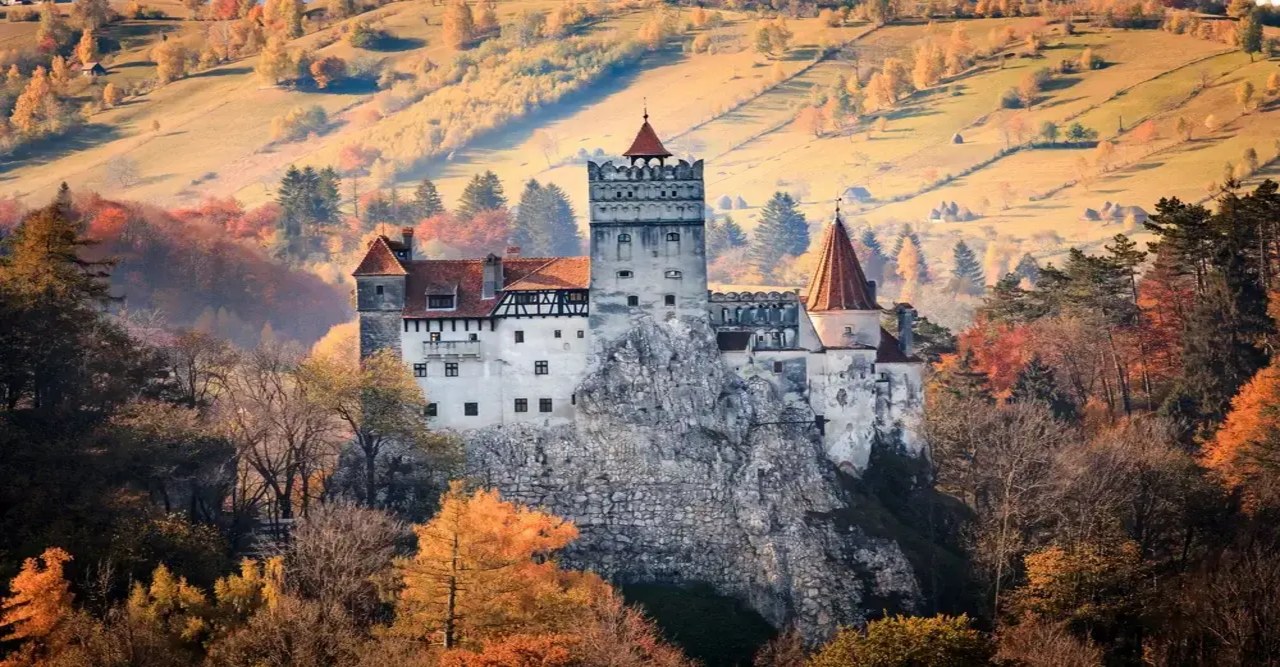
Turda Salt Mine, Corvin Castle and Alba Fortress from Cluj
Active
11h
For a full refund, cancel at least 24 hours before the scheduled departure time.
Instant confirmation
Mobile or paper ticket accepted
About this experience
Explore some of Romania's most iconic attractions on our spectacular day trip from Cluj-Napoca! Discover the fascinating history of the Turda Salt Mine, marvel at the intricate Gothic architecture of the majestic Corvin Castle, and explore the grandeur of the Alba Carolina Fortress. Our adventure-packed itinerary will leave you in awe as you learn about Romania's rich heritage and natural wonders. Join us for an unforgettable experience!
Available options
Winter Season
Between November-March
Summer Season
What's included
Professional English-speaking guide
Bottled water
Transportation with a modern vehicle
Detailed itinerary
1
Stop 1
First, we'll delve into the fascinating history of the Turda Salt Mine, one of the world's oldest and most unique salt mines. The mine has a rich history that dates back to the Roman Empire. Salt extraction from this mine began during the Roman occupation in 107 AD, and it continued to be a significant source of salt for the region for centuries.
Step inside this remarkable underground world and marvel at the striking salt formations, massive halls, and impressive machinery. Learn about the mine's fascinating history and hear the stories of those who worked here centuries ago.
2
Next, we'll make our way to the majestic Corvin Castle, one of Europe's most stunning castles. The castle was originally built by the nobleman Voicu of Hunedoara in the 14th century, but it was later expanded and transformed into a formidable fortress by his son, John Hunyadi. The castle played a significant role in defending the region against the Ottoman Empire, and it was a vital military stronghold for the Kingdom of Hungary.
Step back in time as you wander through the castle's halls and courtyards, marvel at the intricate Gothic architecture, and learn about the castle's storied past. Marvel at its Gothic architecture, learn about its rich history and explore its numerous chambers, halls, and courtyards.
3
Finally, we'll explore the grandeur of the Alba Carolina Fortress, a stunning example of Vauban-style military architecture. Discover the history of this impressive fortress and its role in Romania's past as we explore its many courtyards, ramparts, and bastions.
In 1918, Alba Iulia played a pivotal role in the unification of Romania when the Great National Assembly, comprising over 1,200 delegates from all over the country, gathered in the city to declare the unification of Transylvania with Romania. This event is considered one of the most important moments in modern Romanian history and is celebrated every year on December 1st as Romania's National Day.
You'll be amazed at the scale and detail of this magnificent structure. You will explore the massive walls, towers, and bastions.
In the evening, you will return to Cluj-Napoca, and your day trip will come to an end.
What's not included
Lunch (€13 per person)
Tip for the tour guide
Entrance fees Turda Salt Mine, Corvin Castle and Alba Fortress
Available languages
Guide guide
EN
Reviews breakdown
Viator
4.9
30 reviews
5★
28
4★
1
3★
0
2★
1
1★
0
Tripadvisor
4.9
34 reviews
5★
31
4★
2
3★
1
2★
0
1★
0
Important information
Not recommended for travelers with spinal injuries
Not recommended for pregnant travelers
Not recommended for travelers with poor cardiovascular health
Travelers should have at least a moderate level of physical fitness
Guaranteed departures operate with a minimum of two confirmed people on the selected date.
Meeting point
Please look after our guide in front of the statue near the Romano Catholic Cathedral.
About Cluj-Napoca
Cluj-Napoca, the unofficial capital of Transylvania, is a vibrant university city known for its rich history, medieval architecture, and lively cultural scene. Often referred to as the 'Heart of Transylvania,' it offers a unique blend of traditional charm and modern energy, making it a captivating destination for travelers.
Top Attractions
St. Michael's Church
A stunning Gothic-style church and one of the most iconic landmarks in Cluj-Napoca. It is one of the largest medieval churches in Transylvania and features beautiful stained glass windows and a tower that offers panoramic views of the city.
Historical/Religious
30-60 minutes
Free (donations welcome), Tower climb: RON 5-10
Matthias Corvinus Statue
A striking statue of Matthias Corvinus, a famous Hungarian king who was born in Cluj-Napoca. The statue is a prominent feature of the Central Square and a popular gathering spot.
Historical/Architecture
15-30 minutes
Free
Botanical Garden
A beautiful and serene botanical garden featuring a wide variety of plants, trees, and flowers. The garden is a perfect place for a peaceful stroll and offers a welcome escape from the bustling city.
Nature
1-2 hours
Free (donations welcome)
St. George's Orthodox Cathedral
A beautiful Orthodox cathedral with a striking golden dome. The cathedral is an important religious site and a notable example of Romanian Orthodox architecture.
Religious/Architecture
30-60 minutes
Free (donations welcome)
Banffy Palace
A magnificent Baroque palace that now houses the National Theatre of Cluj-Napoca. The palace is a stunning example of 18th-century architecture and a cultural hub of the city.
Historical/Architecture
30-60 minutes
Free (donations welcome for guided tours)
Must-Try Local Dishes
Sarmale
Cabbage rolls stuffed with a mixture of minced meat (usually pork or beef), rice, and spices, served with sour cream and polenta.
Main Course
Contains meat and gluten
Mici
Grilled minced meat rolls made from a mixture of pork, beef, and sometimes lamb, flavored with garlic and spices.
Snack
Contains meat and gluten
Papanași
Fried dough balls filled with sweet cheese, usually served with sour cream, jam, or powdered sugar.
Dessert
Contains dairy and gluten, can be made vegan
Popular Activities
Hiking in Turda Gorge
Rock climbing in Turda Gorge
Exploring Salina Turda
Picnicking in the Botanical Garden
Shopping at Central Shopping Center
Visiting a traditional Romanian bathhouse (baia turcească)
Exploring the medieval citadel in Sighișoara
Visiting the National Theatre in Banffy Palace
Best Time to Visit
June to August
This is the warmest and most popular time to visit, with long daylight hours and plenty of outdoor activities. The city hosts numerous festivals and events during this period.
20°C to 30°C
68°F to 86°F
Practical Information
Language
- Official: Romanian
- Widely spoken: English, Hungarian, German
- English: Moderately spoken in tourist areas, limited in rural areas
Currency
Romanian Leu (RON)
Time Zone
GMT+2 (Eastern European Time, EET)
Electricity
230VV, 50HzHz
Safety Information
Overall Safety Rating: Generally safe
Cluj-Napoca is generally a safe city for travelers, with low violent crime rates. However, as with any destination, it's important to be aware of your surroundings and take precautions to protect yourself and your belongings.
Important Precautions:
- • Keep valuables secure and out of sight
- • Use licensed taxis or ride-sharing apps
- • Be cautious when using ATMs, especially at night
Getting there
By air
- Avram Iancu International Airport • 10 km from city center
By train
Cluj-Napoca Central Station
By bus
Autogara Transilvania Nord, Autogara Centrala
Getting around
Public transport
The bus network is the most extensive public transport system in Cluj-Napoca, covering the entire city and many suburbs. Buses are generally reliable and affordable.
Taxis
Available • Apps: Bolt, Uber
Rentals
Car, Bike, Scooter
Neighborhoods
Central Square (Piața Unirii)
Hoia
Iris
Day trips
Turda Gorge (Cheile Turzii)
30 km from Cluj-Napoca • Half day to full day
Turda Gorge is a stunning natural attraction featuring a deep canyon with towering limestone cliffs, lush vegetation, and a variety of wildlife. It's a popular spot for hiking, rock climbing, and nature walks.
Salina Turda
40 km from Cluj-Napoca • Half day to full day
Salina Turda is a unique underground salt mine that has been transformed into a tourist attraction. Visitors can explore the mine's chambers, take a boat ride on an underground lake, and even visit an underground amusement park.
Sighișoara
140 km from Cluj-Napoca • Full day
Sighișoara is a charming medieval town and a UNESCO World Heritage site. It's known for its well-preserved citadel, colorful buildings, and rich history. The town is also the birthplace of Vlad the Impaler, the inspiration for Dracula.
Festivals
Transylvania International Film Festival (TIFF) • Late May
Jazz in the Park • July
Cluj-Napoca International Theatre Festival (FIT) • October
Pro tips
- Learn a few basic Romanian phrases to enhance your experience and connect with locals
- Explore the city's vibrant street art scene, which showcases the work of local and international artists
- Visit the city's historic cafes and bookshops, which offer a glimpse into Cluj-Napoca's rich cultural heritage
- Take a day trip to the nearby Turda Gorge or Salina Turda for a unique and unforgettable experience
- Attend a local festival or event to immerse yourself in the city's lively cultural scene
From $25
per person
Price varies by option
Secure booking
Free cancellation available
Instant confirmation