Morning Heritage Walk - house of mg
Active
2h
All sales are final. No refund is available for cancellations.
Manual confirmation
Mobile or paper ticket accepted
About this experience
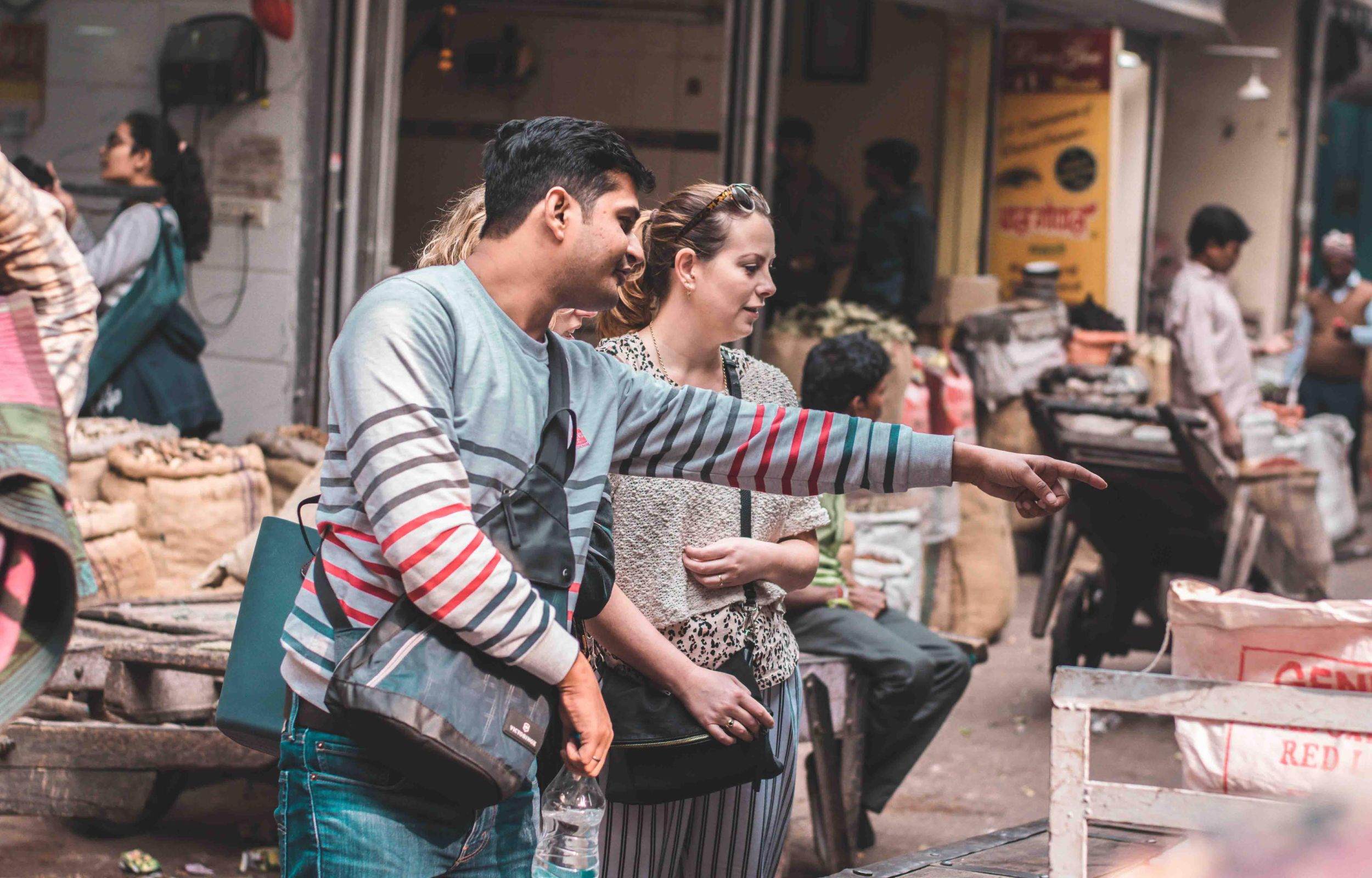
Ahmedabad – World Heritage City boasts of some of the finest Islamic monuments, Jain temples, vernacular wooden architecture, and a thriving ‘Walled City Culture’. One way to witness and experience this milieu of vibrant living culture is through a heritage walk. Heritage Walks will give you an unforgettable glimpse into six hundred years of history through old city highlights like Mangaldas ni Haveli, Jami Masjid, Bhadra Fort, Manek Chowk Vegetable Market, Chandla Ol, Sidi Saiyad Jali, Khetrapal Jain Shrine and the Teen Darwaja Market. Carrying a copy of Ahmedabad City Guide that we provide as a PDF that will make the walks more insightful and allow you to take the history home with you.
Available options
Morning Heritage Walk - house of mg
What's included
Welcome Drink & Transportation
Detailed itinerary
1
Stop 1
The Sidi Saiyed Mosque, commonly known as Sidi Saiyad Ni Jali is built in 1572-73 A.D. The mosque has beautiful stone latticework Jalis (windows) on the side and back arches. The back wall is packed with square stone cut panels in geometrical designs
2
Stop 2
Fort constructed in the year 1411 A.D. during the rule of Marathas, was established by Sultan Ahmad Shah, the founder of the city. Fort was named after the presence of Bhadra Kali goddess temple built during the reign of the Marathas. The Bhadra Fort consists of the palace, the beautiful Nagina Baugh and the Ahmed Shah's Mosque on the west along with an wide open area known as Maidan-Shah on the east side.
3
Stop 3
The Jumma Masjid was erected by Ahmed Shah 1 (A.D. 1411- 1441). It has three side entrances doorway on eastern, northern and southern side. The pillars of the prayer hall entrance have beautifully carved motifs influenced by different cultures of the city. It has 260 pillars and 15 domes.
4
Stop 4
The famous Ahmed shah’s tomb also known as Raja No Haziro is situated in Manek Chowk area close to Jumma Masjid and opposite to Rani no Hajiro. The mosque consists of tomb of Ahmed Shah I, the founder of Ahmedabad city, while the grandson of Ahmed shah Qut-ud-Din Shah is buried to his right. The mosque was completed in 1414 by his son Muhammad shah.
5
The Manek Chowk is a city square area got it named after the saint Baba Manek Nath a 15th century saint who lived on the banks of Sabarmati River. The Manek Chowk area has three phases during a day. In morning used a cow feeding area, then for day it turns to silver market and at night it converts to food market. Also the square is famous for silver jewelers market.
Available languages
Guide guide
HI
EN
Reviews breakdown
Viator
3.0
4 reviews
5★
2
4★
0
3★
0
2★
0
1★
2
Important information
Public transportation options are available nearby
Infants are required to sit on an adult’s lap
Not recommended for pregnant travelers
Not recommended for travelers with poor cardiovascular health
Travelers should have at least a moderate level of physical fitness
Meeting point
Opp. Sidi Saiyed Mosque
About Ahmedabad
Ahmedabad, a vibrant city in Gujarat, is renowned for its rich history, cultural heritage, and architectural marvels. Known as the Manchester of India for its textile industry, it offers a blend of traditional charm and modern dynamism, making it a unique travel destination.
Top Attractions
Sabarmati Ashram
This ashram was the residence of Mahatma Gandhi from 1917 to 1930. It is a significant historical site that offers insights into Gandhi's life and philosophy.
Historical
1-2 hours
Free
Sabarmati Riverfront
This beautifully developed riverfront offers a peaceful escape from the city's hustle and bustle. It's a great place for walking, cycling, and picnicking.
Nature
1-2 hours
Free
Adalaj Stepwell
This intricately carved stepwell is a marvel of Indian architecture. It was built in 1499 and is one of the most famous stepwells in India.
Historical
1 hour
₹100 for foreigners, ₹10 for Indians
Sarkhej Roza
This beautiful mosque and tomb complex is a blend of Hindu and Islamic architectural styles. It was built in the 16th century and is a significant historical site.
Historical
1 hour
₹5 for Indians, ₹100 for foreigners
Hutheesing Jain Temple
This stunning Jain temple is a masterpiece of marble architecture. It was built in 1848 and is dedicated to the 15th Jain Tirthankara, Dharmanatha.
Religious
30 minutes
Free
Must-Try Local Dishes
Dhokla
A steamed savory cake made from fermented rice and chickpea flour, often served with green chutney.
Snack
Vegetarian, Vegan, Gluten-free
Faafda-Jalebi
A popular street food combination of crispy faafda (gram flour snack) and sweet jalebi (deep-fried sweet syrup-coated dough).
Snack
Vegetarian, Contains gluten
Undhiyu
A mixed vegetable dish cooked with spices and gram flour, traditionally made during the winter season.
Main Course
Vegetarian, Contains gluten
Khandvi
A soft and fluffy snack made from gram flour and yogurt, often served with green chutney or coconut chutney.
Snack
Vegetarian, Contains gluten
Popular Activities
Cycling tours
Hot air balloon rides
Trekking in nearby forests
Spa and wellness treatments
Yoga and meditation classes
Riverfront walks
Heritage walks
Cooking classes
Best Time to Visit
October to March
This period offers pleasant weather, making it ideal for sightseeing and outdoor activities. The city hosts several festivals during this time, including the International Kite Festival in January.
15°C to 30°C
59°F to 86°F
Practical Information
Language
- Official: Gujarati
- Widely spoken: Hindi, English
- English: Moderately spoken
Currency
Indian Rupee (INR)
Time Zone
IST (GMT+5:30)
Electricity
230VV, 50HzHz
Safety Information
Overall Safety Rating: Generally safe, but exercise caution in crowded areas and at night
Ahmedabad is generally safe for travelers, but it's important to be aware of your surroundings, especially in crowded areas and at night. Petty crimes, such as pickpocketing and scams, can occur, so it's important to take precautions.
Important Precautions:
- • Use licensed taxis and auto-rickshaws
- • Be cautious of strangers offering help or services
- • Keep your valuables secure and out of sight
Getting there
By air
- Sardar Vallabhbhai Patel International Airport • 15 km from city center
By train
Ahmedabad Junction, Sabarmati Junction
By bus
Geeta Mandir Bus Stand, Sabarmati Bus Stand
Getting around
Public transport
The BRTS system is efficient and covers most parts of the city. Buses are air-conditioned and frequent.
Taxis
Available • Apps: Uber, Ola
Rentals
Car, Bike, Scooter
Neighborhoods
Old Ahmedabad
Sabarmati
SG Highway
Day trips
Gandhinagar
30 km • Half day to full day
Gandhinagar, the capital of Gujarat, offers a mix of modern and historical attractions, including the Akshardham Temple and the Indroda Nature Park.
Lothal
80 km • Full day
Lothal is an ancient Indus Valley civilization site that offers a glimpse into India's rich history. The site features a museum, a dockyard, and a variety of artifacts.
Dholavira
250 km • Overnight
Dholavira is another significant Indus Valley civilization site, known for its well-preserved ruins and artifacts. The site offers a unique insight into ancient Indian history.
Festivals
International Kite Festival • January
Navratri • October
Diwali • November
Pro tips
- Visit the Sabarmati Ashram early in the morning to avoid the crowds and heat.
- Explore Old Ahmedabad on foot or by bicycle to discover its hidden gems and rich history.
- Try a Gujarati thali at a local restaurant to experience the city's diverse and flavorful cuisine.
- Shop for textiles and handicrafts at the Law Garden Night Market or the Pol House Shopping areas.
- Attend a traditional dance performance or festival, such as the International Kite Festival, to immerse yourself in the city's vibrant culture.
From $25
per person
Price varies by option
Secure booking
Free cancellation available