Private Vienna Woods Wine Tour
Active
7h - 9h
For a full refund, cancel at least 24 hours before the scheduled departure time.
Instant confirmation
Mobile or paper ticket accepted
About this experience
Lower Austria is the cradle of Austrian viticulture, so we want to take you to the beautiful forests & vineyards of the Thermal Region, just south of Vienna. Home to traditionally quaint wine villages and some unique local varietals, we showcase the finest in farm-to-table Austrian wine tours. We offer two different tours, depending on the season:
In summer (Apr-Oct), we hike through forested trails and lush green vineyards to appreciate the beautifully expansive views over the Vienna basin from above the canopy. We then continue to one of Austria's oldest wine villages for lunch and a winery visit to sample the very best the region has to offer.
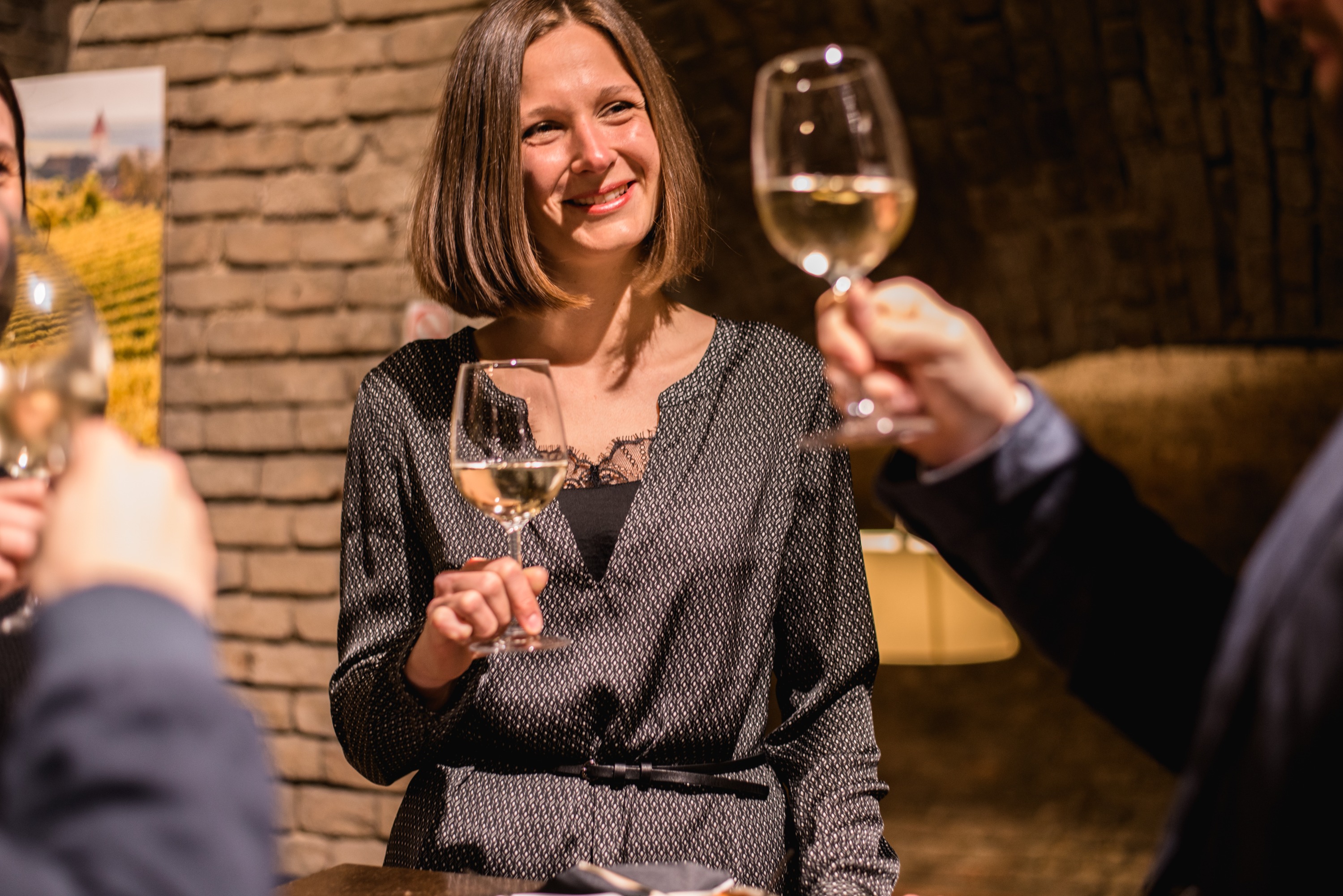
In winter (Nov-Mar), instead of hiking, we focus on the past, present and future of Austrian wine by first visiting one of its oldest wine-making institutions dating back to 1141. We then meet one of the region's finest vintners for a wonderfully intimate wine tasting and Q&A to showcase all that the Thermal Region has to offer.
Available options
Winter Itinerary
Duration: 7 hours: The winter schedule is shorter as there is no long hiking element. The day lasts around 7 hours.<br/>Winter itinerary: In winter we walk for just 25 mins through vineyards between villages, as well as conducting one longer wine tasting.
What's included
9km guided forest & vineyard hike (summer)
Live tour commentary provided in English by native speaker
Wine tastings in vineyard and/or winery settings
Detailed itinerary
1
The tour meeting point is Vienna's 'Wien Mitte' railway station (09:10 Apr-Oct & 09:40 Nov-Mar). Once we've met and introduced ourselves, we'll board a train southwards (approx 30 minutes) to the heart of the Vienna Woods.
2
Stop 2
Summer
We begin our hike in the lovely spa town of Baden, once a favourite country retreat of Beethoven. We meander through the classic village centre and its gorgeous parks before hiking along forest trails towards a magnificent elevated viewpoint which overlooks the Vienna basin & the Wienerwald in all directions. This spot alone is a photographer's dream! We then enter the vineyards, wandering through row upon row of lush green vines. As reward for our efforts, we'll take a break sat among the vines for an open-air wine tasting.
Winter
Our train brings us directly to the vineyards of the Thermal Region and to one of Austria’s oldest wine making institutions, steeped in middle-age tradition and history. We'll discover how the monastic orders became wine pioneers of their time, develop an understanding of what has shaped the Austrian wine landscape over time, and consider in what direction it may be moving forward...with a welcome glass of sekt in your hand, of course!
3
Summer & Winter
We then continue to the picturesque wine village of Gumpoldskirchen. On the summer itinerary we'll have lunch at one of its traditional Austrian wine taverns before our second wine tasting, while on the winter itinerary we do the wine tasting before lunch.
The tasting is led by one of the region's finest winemakers. This allows for plenty of opportunities to ask diverse questions ranging from family background and history, to the impacts of climate change, to organic production methods! All of which give an intimate insight into the challenges facing modern day vintners in Austria.
The tour ends with a short train ride back to the city centre. You'll arrive to your hotel in plenty of time to freshen up before dinner, the opera, the theatre, or the concert. Whichever it is, you'll sleep well that night!
What's not included
Lunch
Gratuities for your guide
Available languages
Guide guide
DE
EN
Reviews breakdown
Viator
5.0
1 reviews
5★
1
4★
0
3★
0
2★
0
1★
0
Tripadvisor
5.0
6 reviews
5★
6
4★
0
3★
0
2★
0
1★
0
Important information
Service animals allowed
Public transportation options are available nearby
Not recommended for travelers with poor cardiovascular health
Suitable for all physical fitness levels
The summer hike is accessible for most people, with regular breaks built into the itinerary. However, please note that this tour is not suitable for people with mobility issues. While the majority of the winter itinerary is indoors, there is a gentle 20 minute walk through flat vineyards as we move between villages, so do dress warmly for that.
Minimum age is 16 years old on the day of tour
Use comfortable footwear in summer time - either trainers or sturdier hiking shoes
To wear: Summer - shorts/light trousers, t-shirt, hat, extra layers/light rain jacket recommended for chillier conditions; Winter - check the weather forecast on the day of your tour and dress accordingly
To bring: Summer - rucksack with drinking water, hat & sun cream, cash, fully charged camera; Winter - camera, cash & possibly an umbrella
Go to the Venture Vienna website to read our FAQ and to learn more
Please bring a mask for public transport as Vienna still has this requirement
Meeting point
Meet outside Vienna's 'Wien Mitte' train station/shopping mall, next to the digital clock and temperature gauge. Walk here easily from anywhere in the center or come by taxi, tram or u-bahn (‘Landstraße’ u-bahn station on the U3 orange & U4 green lines). Look for the 'Landstraße Hauptstraße' exits.
About Vienna
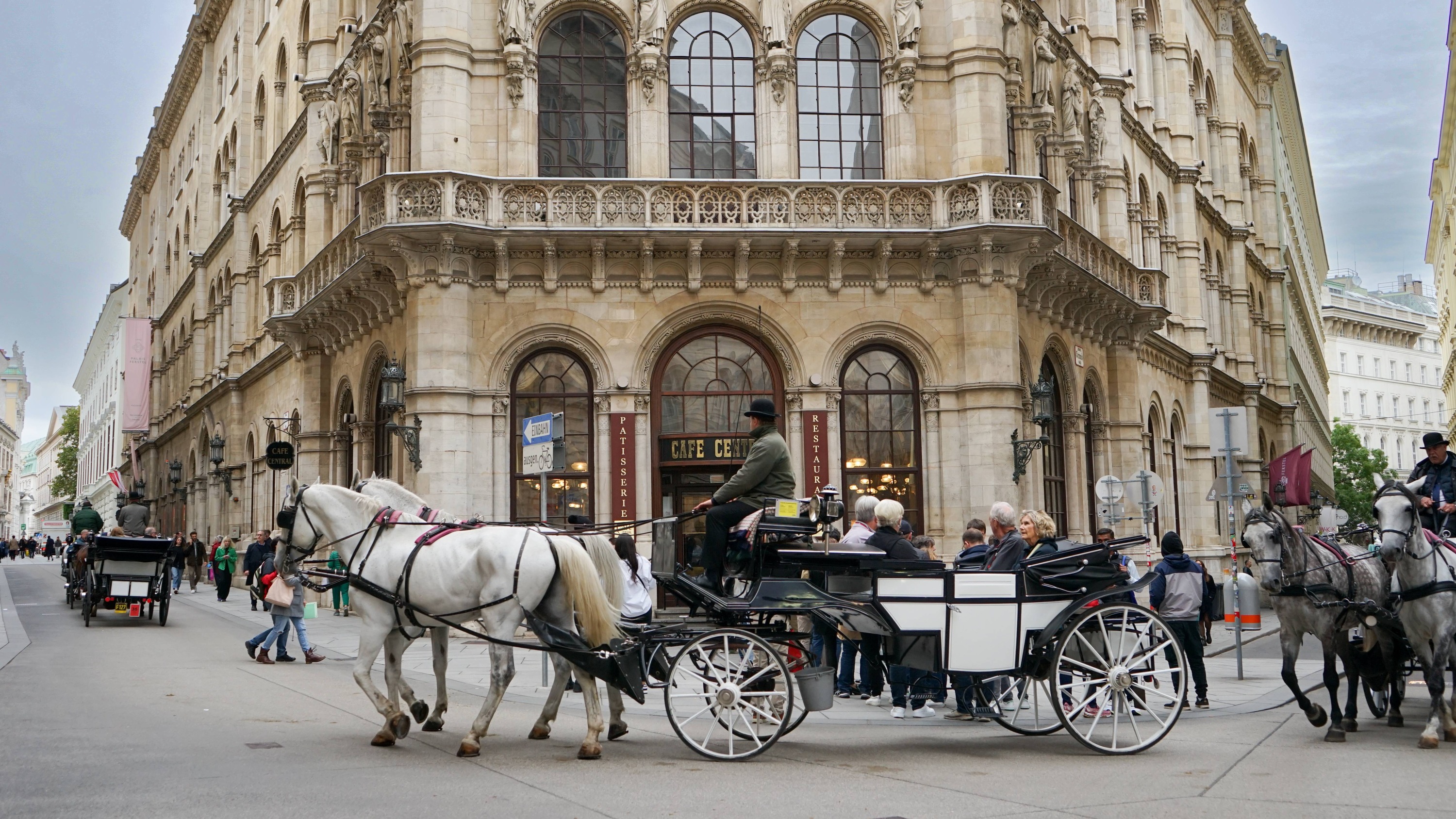
Vienna, the capital of Austria, is renowned for its rich imperial history, vibrant arts scene, and stunning architecture. Known as the 'City of Music', it has been home to legendary composers like Mozart, Beethoven, and Strauss. The city's elegant cafes, grand palaces, and world-class museums make it a cultural treasure trove.
Top Attractions
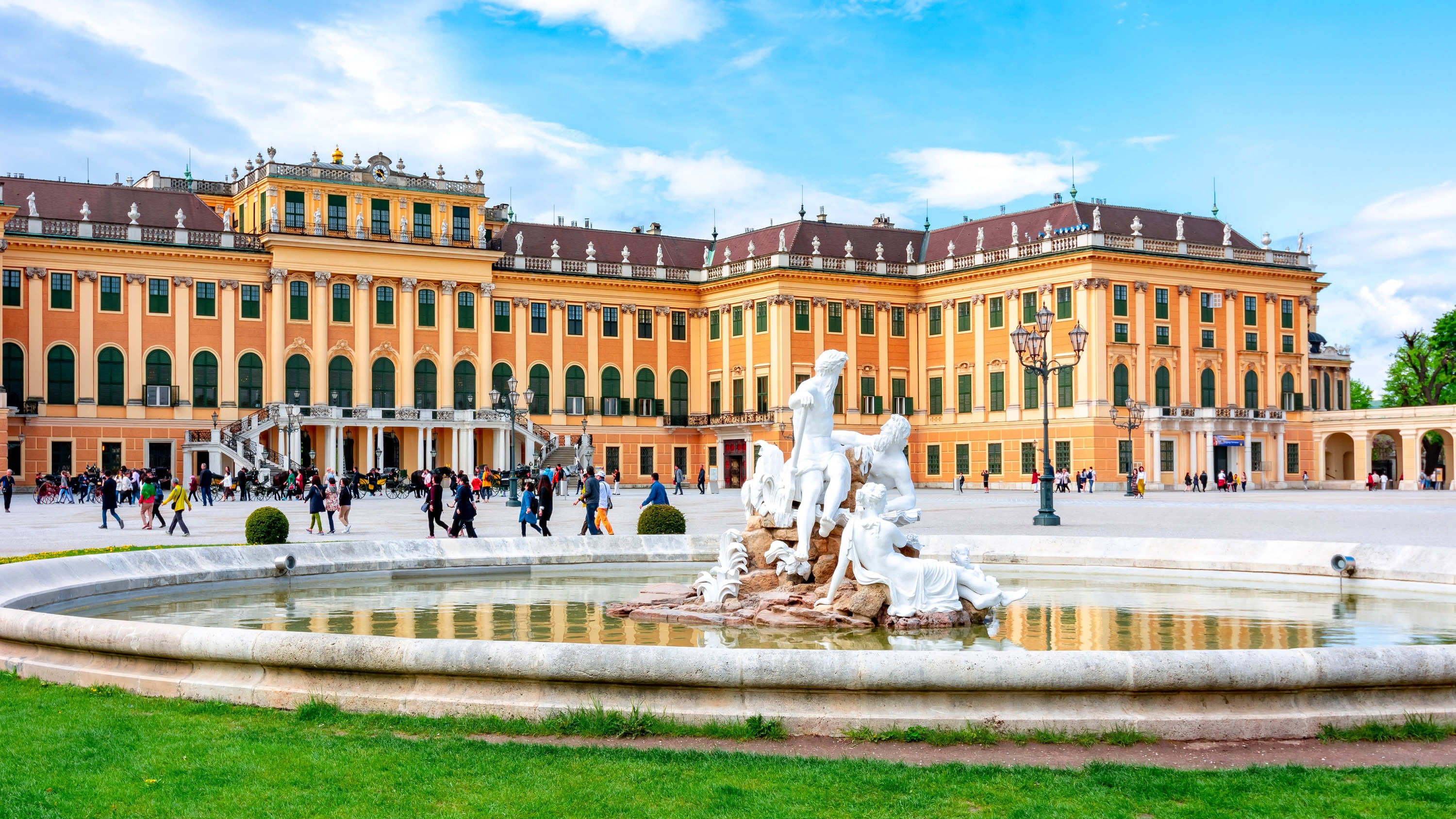
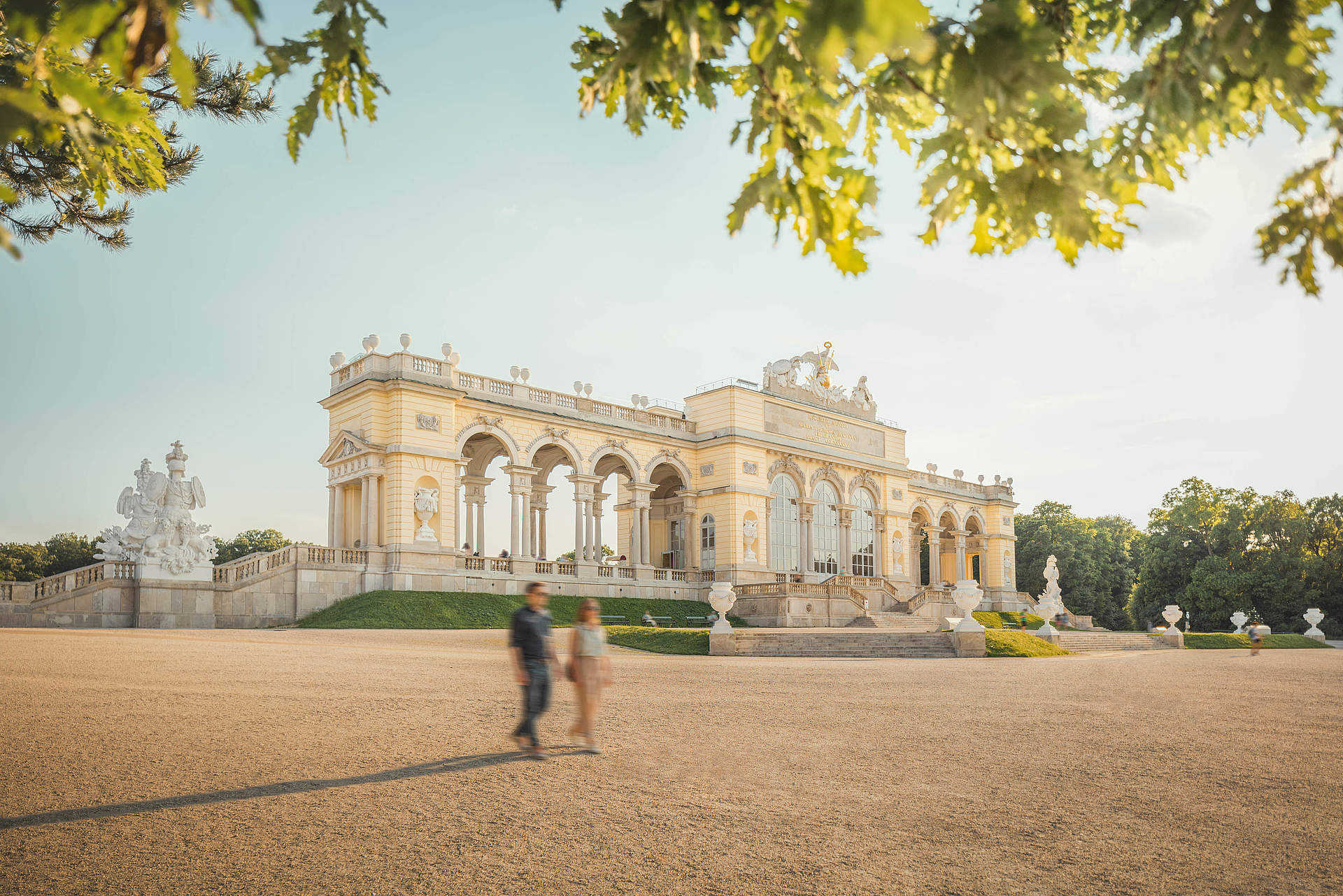
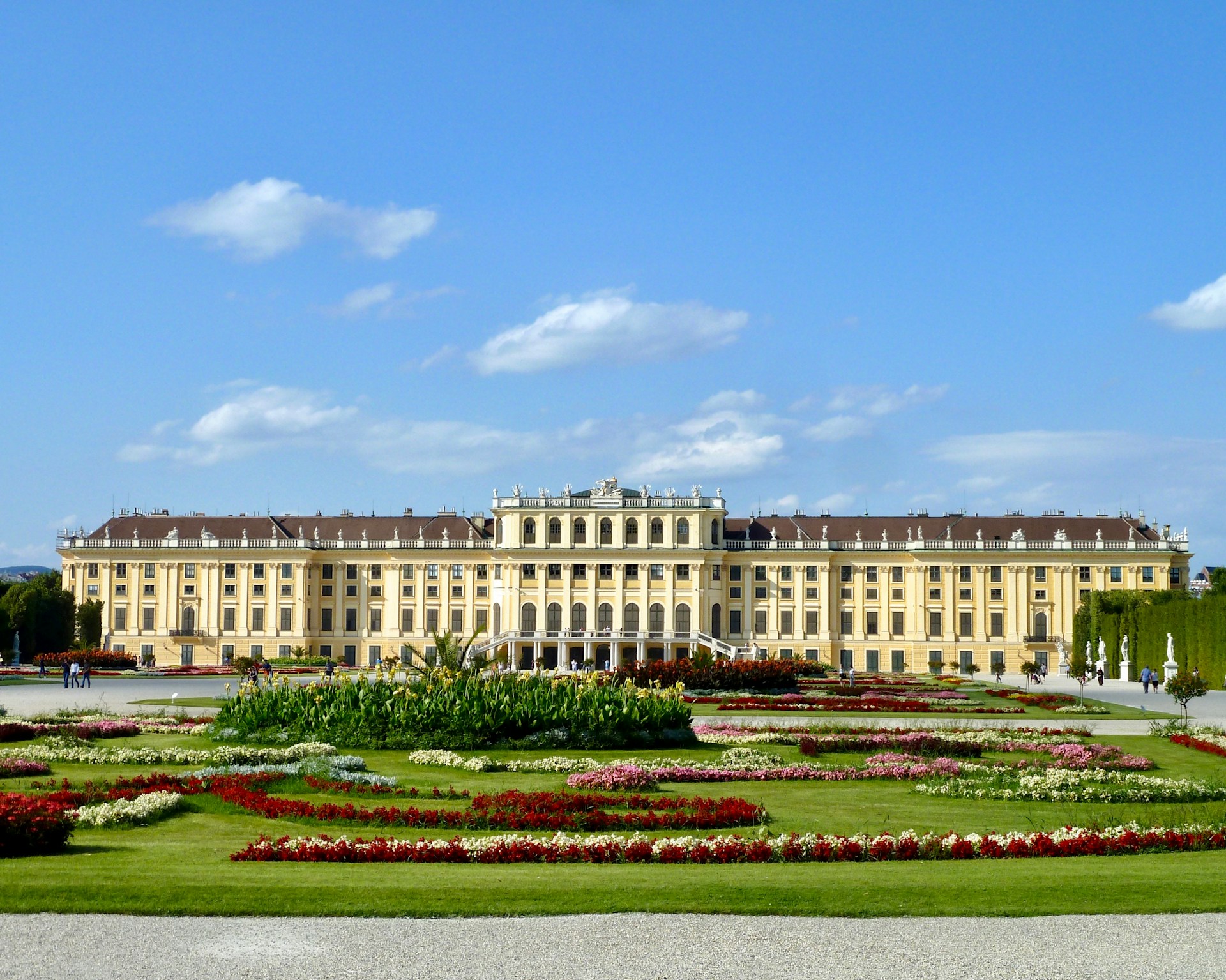
Schönbrunn Palace
A former imperial summer residence, Schönbrunn Palace is a stunning example of Baroque architecture. The palace and its gardens are a UNESCO World Heritage site.
Historical/Architecture
2-3 hours
€18 for Imperial Tour, €24 for Grand Tour
St. Stephen's Cathedral
A masterpiece of Gothic architecture, St. Stephen's Cathedral is a symbol of Vienna. The cathedral's multi-colored tile roof is iconic.
Religious/Architecture
1-2 hours
Free entry, €6 for tower climb, €7 for treasury
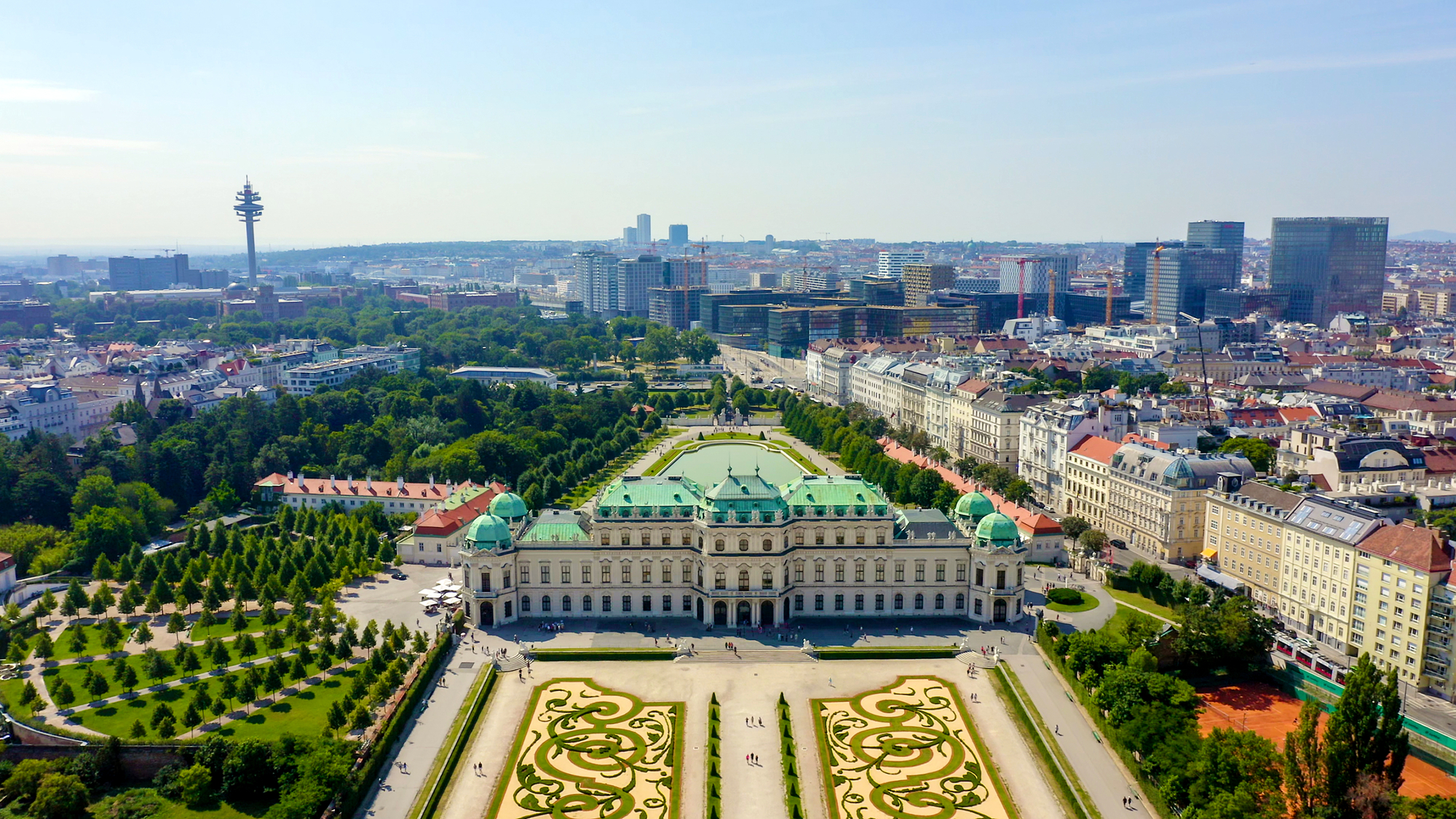
Belvedere Palace
A historic building complex with two Baroque palaces, the Belvedere houses the largest collection of Gustav Klimt paintings, including 'The Kiss'.
Historical/Art/Museum
2-3 hours
€16 for Upper Belvedere, €14 for Lower Belvedere
Vienna State Opera
One of the world's leading opera houses, the Vienna State Opera offers performances of opera, ballet, and concerts.
Cultural/Entertainment
2-4 hours (performance length)
€10-200 depending on performance and seat
Hofburg Palace
The former imperial palace, Hofburg Palace is now home to several museums, the Austrian National Library, and the Spanish Riding School.
Historical/Museum
2-3 hours
€14 for Sisi Museum and Imperial Apartments, €20 for Silver Collection
Must-Try Local Dishes
Wiener Schnitzel
A thin, breaded, and fried veal cutlet, traditionally served with lemon and potato salad or dumplings.
Dinner
Contains gluten and dairy
Tafelspitz
Boiled beef, usually served with root vegetables, apple sauce, and horseradish.
Dinner
Gluten-free, dairy-free
Sachertorte
A famous chocolate cake with a thin layer of apricot jam, covered in dark chocolate glaze.
Dessert
Contains gluten and dairy
Apfelstrudel
A thin pastry filled with spiced apples, raisins, and sugar, often served with vanilla sauce or ice cream.
Dessert
Contains gluten
Popular Activities
Hiking in the Vienna Woods
Cycling along the Danube
Kayaking on the Danube
Coffee house hopping
Spa day at a luxury hotel
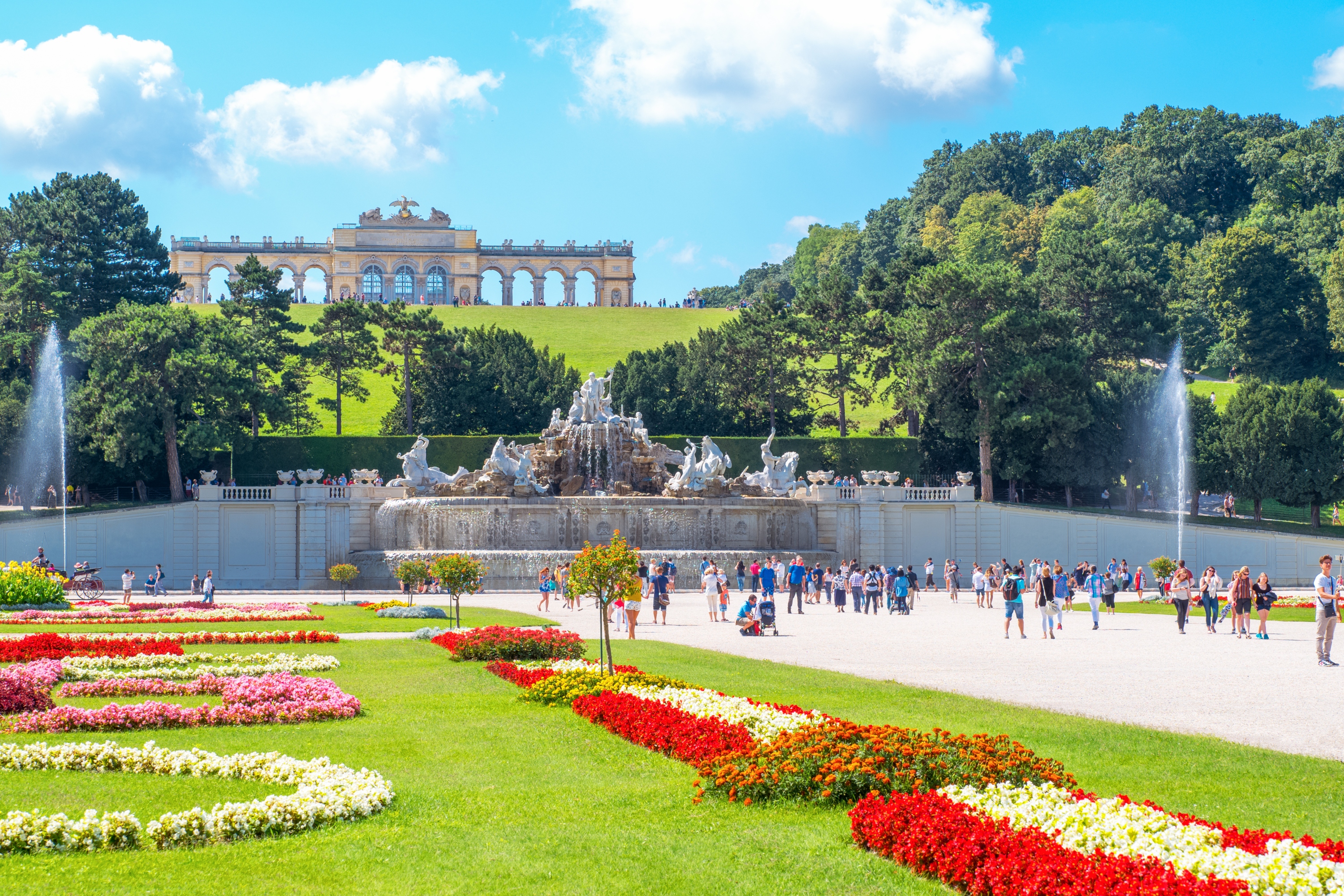
Strolling through Schönbrunn Palace Gardens
Visiting museums and galleries
Attending opera or concert performances
Best Time to Visit
May to September
This is the best time to visit Vienna for pleasant weather and outdoor activities. The city hosts numerous festivals and cultural events during these months.
15°C to 30°C
59°F to 86°F
Practical Information
Language
- Official: German
- Widely spoken: English, Austro-Bavarian dialect
- English: Widely spoken in tourist areas, moderately spoken elsewhere
Currency
Euro (EUR)
Time Zone
GMT+1 (CET), GMT+2 (CEST during daylight saving time)
Electricity
230VV, 50HzHz
Safety Information
Overall Safety Rating: Generally safe
Vienna is a safe city with low crime rates. However, as with any major city, petty crime and pickpocketing can occur in tourist areas.
Important Precautions:
- • Keep valuables secure and out of sight
- • Use licensed taxis or ride-sharing apps
- • Be cautious of strangers offering help or services
Getting there
By air
- Vienna International Airport • 18 km from city center
By train
Vienna Hauptbahnhof (Main Station), Vienna Westbahnhof
By bus
Vienna International Bus Terminal, Erdberg Bus Station
Getting around
Public transport
Vienna's metro system is efficient and user-friendly, with four lines (U1, U2, U3, U4).
Taxis
Available • Apps: Bolt, FreeNow
Rentals
Car, Bike, Scooter
Neighborhoods
Innere Stadt
Leopoldstadt
Wieden
Hietzing
Day trips
Bratislava
80 km (50 miles) • Full day
The capital of Slovakia, Bratislava is a charming city with a rich history, beautiful architecture, and a vibrant cultural scene.
Salzburg
300 km (186 miles) • Full day or overnight
The birthplace of Mozart, Salzburg is a beautiful city with a rich musical heritage, stunning architecture, and scenic surroundings.
Hallstatt
200 km (124 miles) • Full day or overnight
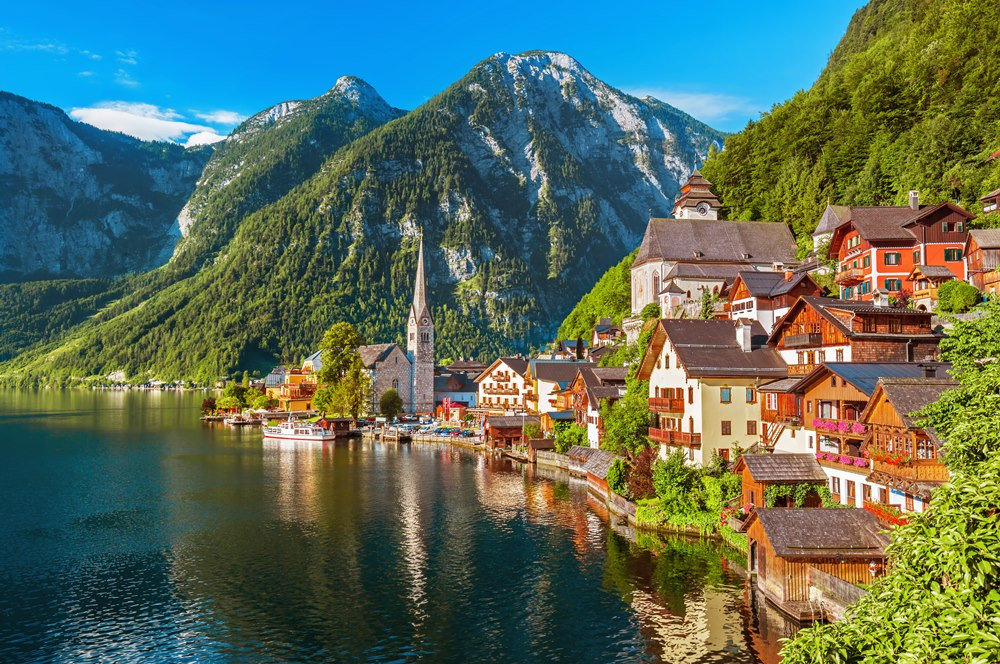
A picturesque lakeside village in the Austrian Alps, Hallstatt is known for its stunning natural beauty and historic salt mines.
Festivals
Vienna Festival (Wiener Festwochen) • May to June
Vienna Opera Ball (Wiener Opernball) • Late February or early March
Vienna Christmas Markets (Wiener Christkindlmarkt) • Late November to December 26
Pro tips
- Visit major attractions early in the morning or late in the afternoon to avoid crowds
- Purchase a Vienna Pass for unlimited transport and attractions, saving time and money
- Explore the city's coffee house culture and try traditional pastries like Sachertorte and Apfelstrudel
- Take a day trip to nearby cities like Bratislava or Salzburg for a change of pace
- Use public transport or walk to explore the city, as driving can be challenging and expensive
From $25
per person
Price varies by option
Secure booking
Free cancellation available
Instant confirmation