South Valley Half Day Tour
Active
5h
All sales are final. No refund is available for cancellations.
Instant confirmation
Mobile or paper ticket accepted
About this experience
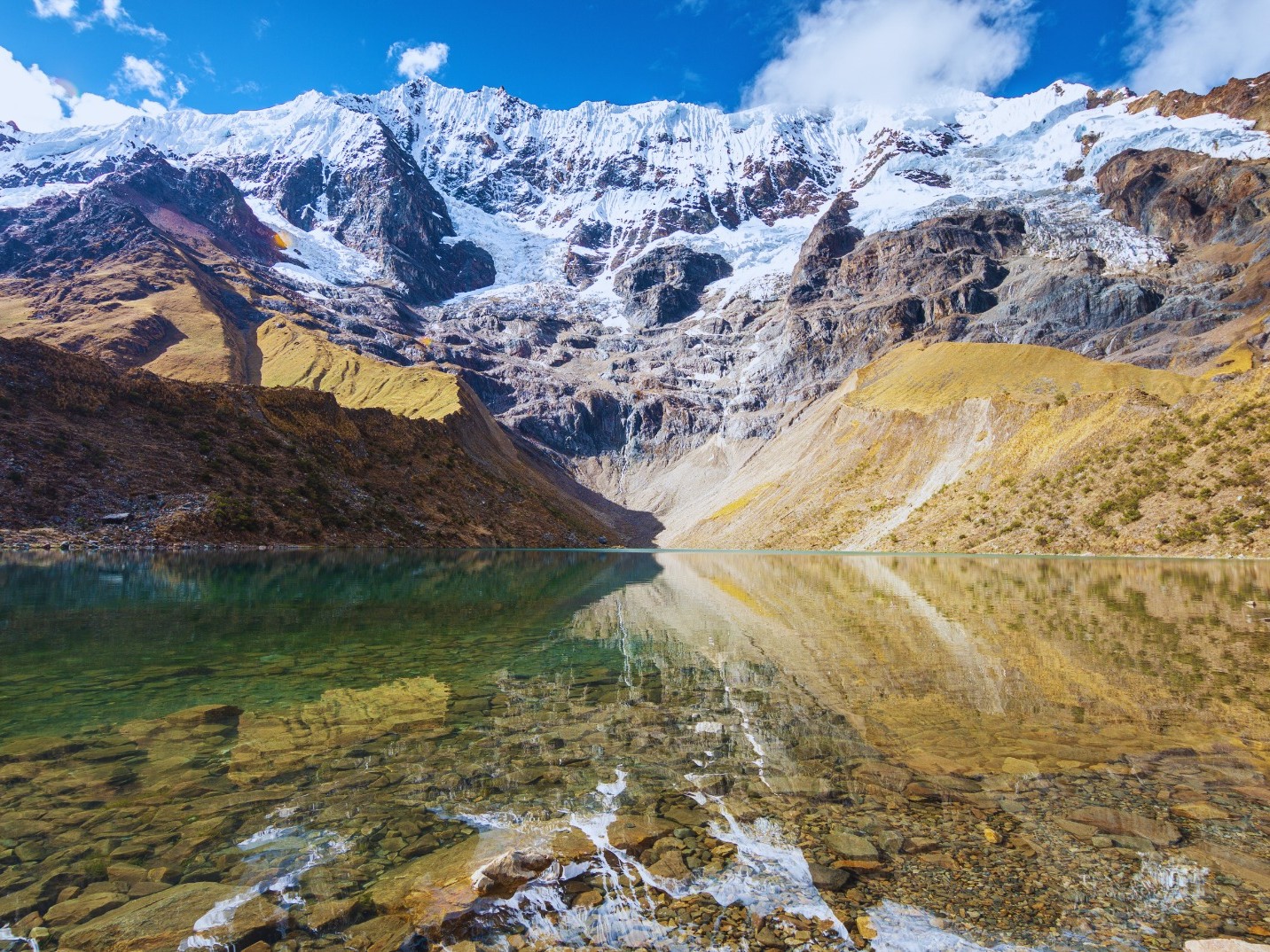
This Valle Sur tour including Tipon, Pikillaqta and Andahuaylillas it is a great opportunity to visit the non visited sector in Cusco, with beautiful lakes and villages, we have daily departures in our private guided tours, you can just book at our Office or by e-mail. Also you can find the best places where Cuzqueños eat Cuy al horno -Guinea pig.
Available options
South Valley Half Day Tour
What's included
Transport
Bi-Lingual Tour Guide
Detailed itinerary
1
Stop 1
Tipon is a 500-acre site near Cusco that is built around a spring. Although in many Peruvian ruins there is evidence of irrigation channels and constructions, Tipon is one of the only places where the irrigation system is still fully functional, with water flowing all year round (even in the dry season). In fact, Tipon has been touted as a masterpiece of water management, and the American Society of Civil Engineers has put Tipon on its list of International Historic Civil Engineering Landmarks.
The actual reason and historical use for Tipon is (as with many Peruvian ruins) not entirely known; it is surmised that it was constructed as part of a country estate for Inca nobility. Some of the finely cut stones and trapezoidal doors and windows imply an imperial air that was reserved for royalty.
Others suggest that Tipon was an agricultural lab (similar to Moray), since the many terraces of Tipon contain different micro-climates that would have been useful for testing various crops.
Others yet suggest that Tipon was a ritual garden, with the terraces constructed in a way that actually channels not only water, but also spirit and energy, from the surrounding mountains and springs into the crops that were likely grown on the terraces.
2
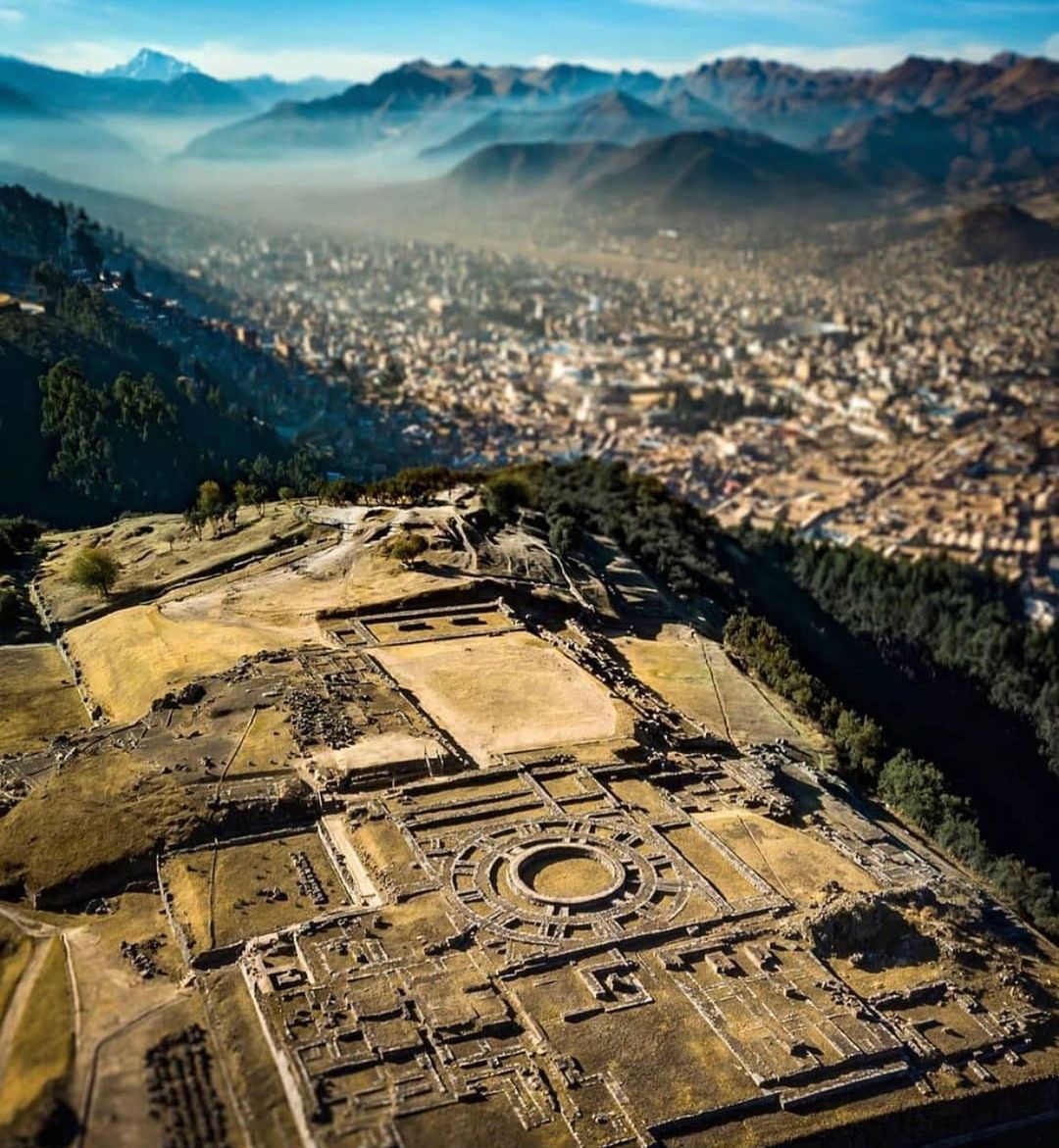
Pikillacta was built by the Wari people around 800 AD and used for approximately 2000 years before it was taken over by the Incas who modified it to suit their needs.
Pikillacta is considered to be one of the main cities of ancient Peru with over 700 buildings, yet very little is known about the Wari culture. It’s a great example of early engineering knowledge as the site is geometrical in design, divided into blocks and arrow straight streets. Most buildings were two or three storeys high, and unusual in that access to them appears to have been by ladders to the upper floors rather than having a ground floor entrance.
The complex is spread over at least 50 hectares, with tens of hectares more still to be unearthed. Pikillacta is still being excavated, and it was exciting to see a new and unfamiliar part of history being discovered with archaeologists working on site right in front of us. The original name of the city is sadly unknown, and the current label of ‘Pikillacta’ actually comes from two Quechua words. “Piki” which means “flea”, and “llacta” which means “city”. Thus, it’s called “Flea City”. The origins of this bizarre name are not known for sure, but some scholars think that the Incas used this term as a derogatory reference to what they saw as an inferior culture.
3
Stop 3
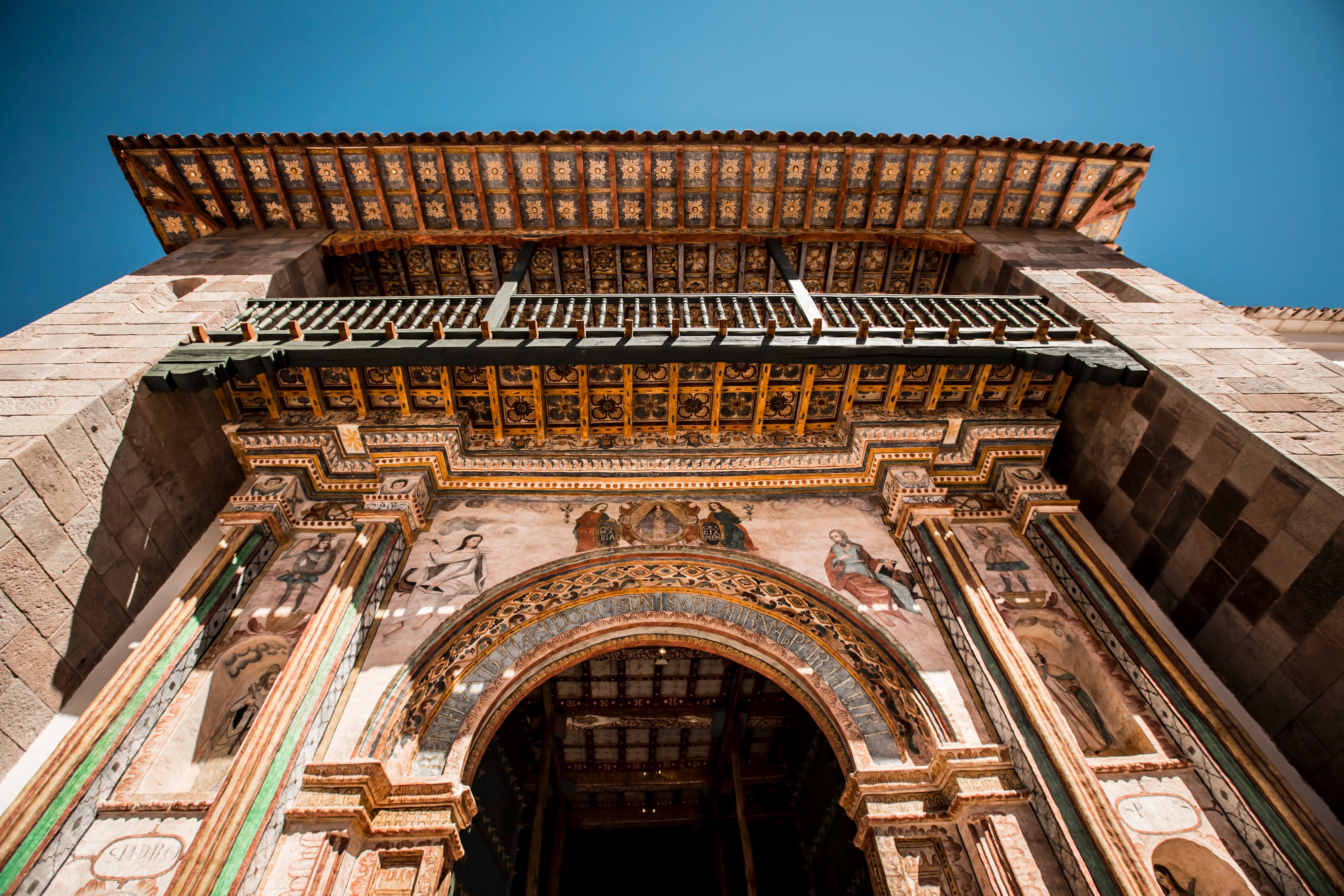
The actual chapel started to building in 1610; nevertheless it’s a general belief that there was a little church built above an ancient Inca temple in the end of the XVI century.
The chapel harbours artistic walls and valuable colonial paintings. Still we can observe some remains of the Inca architecture. In the main altarpiece stands the Saint of the village: La Virgen del Rosario.
Among the walls you can find the portrait of the only women that has ruled the Catholic Church between the years 855 – 857; the Pope Joan. Besides of many walls with evangelizing purposes, even images showing the paradise and hell, and texts in 5 languages such latin, quechua, aymara and puquina, native languages from the surrounding regions.
On many walls you will see several painting layers, painted in different eras; as a valuable testimony from the history and religiousness of the modern Andean and South American culture.
Andahuaylillas organs are the oldest of Latin America. Both are situated in the high choir, one in each side. They were made in the XVII century and were restored recently; they are used for Sunday masses.
This chapel features one of the best and varied decorations in the world, for its artistic value as well as its cultural value.
A few minutes from the village is located the wetlands of Lucre-Huacarpay, one the most important ecosystem types in Cusco, it harbours up to 120 bird species (between local and migratory), they can be spotted for the most of the year.
Also you might visit other places like crafts workshops, the Q’ewar Project, a cooperative that makes distinctive dolls in traditional costumes, the main products stores of the community and the eclectic Museo Ritos Andinos, as well the Qoriorcco’s cow house if you want to get some fresh milk; and finally get some delicious wheat tiny breads and sweets.
What's not included
Entrance Ticket All Sites (21 USD - 2 Days Access) | (39 USD - 10 Days Access)
Entrance to Andahuaylilas 15 Soles
Available languages
Guide guide
EN
ES
Reviews breakdown
Tripadvisor
5.0
2 reviews
5★
2
4★
0
3★
0
2★
0
1★
0
Important information
Suitable for all physical fitness levels
Meeting point
encuentro en la esquina de plaza de armas y calle triunfo alado de paddys pub
About Cusco
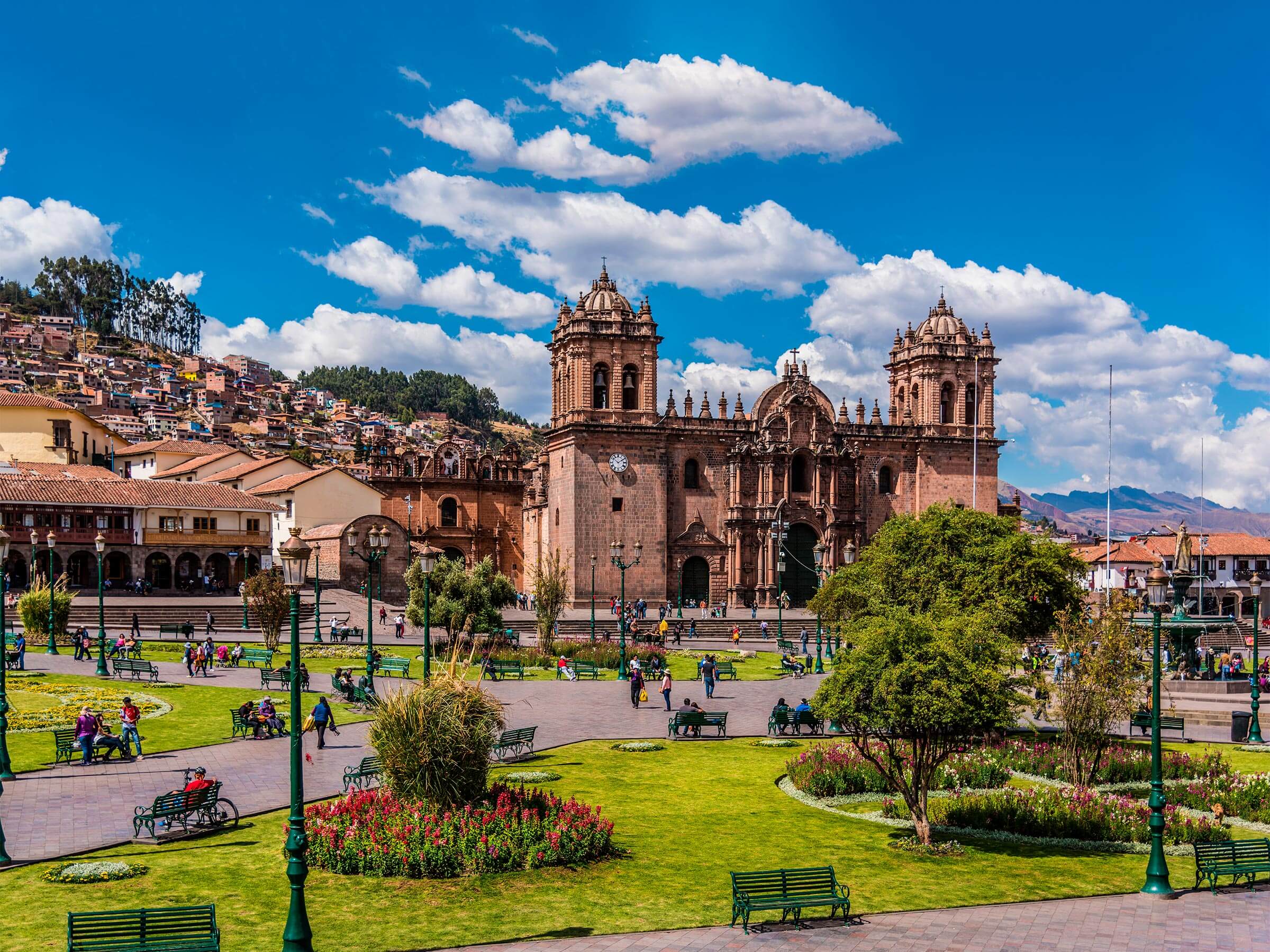
Cusco, the historic capital of the Inca Empire, is a captivating blend of Indigenous and colonial influences. Known for its well-preserved archaeological sites, vibrant culture, and stunning Andean landscapes, it's a gateway to Machu Picchu and the Sacred Valley. The city's rich history, combined with its lively arts scene and delicious cuisine, makes it a must-visit destination in South America.
Top Attractions
Sacred Valley
The Sacred Valley is a stunning region filled with Inca ruins, traditional villages, and breathtaking landscapes. It's a must-visit for history and nature lovers.
Historical/Nature
Full day
PEN 10-50 (USD 2.50-12.50) depending on the site
Machu Picchu
Machu Picchu is the iconic Inca citadel and one of the most famous archaeological sites in the world. Its breathtaking views and rich history make it a must-see.
Historical/Adventure
Full day or overnight
PEN 152 (USD 38) for entrance, train tickets vary
Qorikancha
Qorikancha, or the Temple of the Sun, was the most important temple in the Inca Empire. It's a fascinating blend of Inca and colonial architecture.
Historical/Religious
1-2 hours
PEN 10 (USD 2.50)
Sacsayhuaman
Sacsayhuaman is a massive Inca fortress with impressive stone walls and panoramic views of Cusco. It's a testament to Inca engineering and military might.
Historical
1-2 hours
PEN 10 (USD 2.50)
San Pedro Market
San Pedro Market is a bustling market offering a variety of fresh produce, local crafts, and traditional foods. It's a great place to experience local life.
Cultural/Food
1-2 hours
Free to enter, prices vary for purchases
Must-Try Local Dishes
Cuy al Horno
Roasted guinea pig, a traditional Andean dish.
Main Course
Not vegetarian
Lomo Saltado
Stir-fried beef with onions, tomatoes, and fries.
Main Course
Can be made vegetarian
Aji de Gallina
Shredded chicken in a creamy, spicy sauce.
Main Course
Not vegetarian
Sopa de Quinoa
Quinoa soup, a nutritious and traditional dish.
Soup
Can be made vegetarian
Popular Activities
Hiking
Trekking
Mountain biking
Whitewater rafting
Visiting spas
Exploring parks
Enjoying local cafes
Visiting museums
Best Time to Visit
May to September
This is the dry season, offering the best weather for exploring the city and its archaeological sites. The skies are clear, and temperatures are mild.
5°C to 20°C (41°F to 68°F)
41°F to 68°F
Practical Information
Language
- Official: Spanish
- Widely spoken: Quechua, English (in tourist areas)
- English: Moderately spoken in tourist areas, limited elsewhere
Currency
Peruvian Sol (PEN)
Time Zone
GMT-5
Electricity
220VV, 50HzHz
Safety Information
Overall Safety Rating: Generally safe with common-sense precautions
Cusco is generally safe for tourists, but petty crime can occur, especially in crowded areas. Be cautious with your belongings and avoid walking alone at night in poorly lit areas.
Important Precautions:
- • Keep valuables secure
- • Use reputable tour operators
- • Be cautious with street food
Getting there
By air
- Alejandro Velasco Astete International Airport • 5 km (3 miles) from city center
By train
San Pedro Station
By bus
Cusco Bus Terminal
Getting around
Public transport
Shared taxis (colectivos) are a common and affordable way to get around Cusco. They follow specific routes and can be flagged down.
Taxis
Available • Apps: InDriver, Easy Taxi
Rentals
Car, Bike, Scooter
Neighborhoods
Historic Center
San Blas
San Cristobal
Day trips
Pisac
35 km (22 miles) from Cusco • Full day
Pisac is a charming town known for its vibrant market and impressive Inca ruins. It's a great day trip from Cusco.
Ollantaytambo
60 km (37 miles) from Cusco • Full day or overnight
Ollantaytambo is a picturesque town with well-preserved Inca ruins and a gateway to Machu Picchu. It's a must-visit for history and adventure lovers.
Tipon
25 km (16 miles) from Cusco • Half day
Tipon is a beautiful archaeological site with well-preserved Inca terraces and water channels. It's a peaceful and less crowded alternative to other Inca sites.
Festivals
Inti Raymi • June 24
Cusco Festival of Music and Dance • August
Pro tips
- Acclimatize to the altitude before engaging in strenuous activities
- Dress in layers to accommodate changing temperatures
- Learn a few basic phrases in Spanish or Quechua to enhance your experience
- Visit the San Pedro Market early in the morning for the best selection and prices
- Book tickets and train tickets in advance for Machu Picchu and other popular attractions
From $25
per person
Price varies by option
Secure booking
Free cancellation available
Instant confirmation