Catacombs, Vatican Museums, Sistine Chapel and Roman Basilicas Private Tour
Active
8h - 9h
All sales are final. No refund is available for cancellations.
Instant confirmation
Mobile or paper ticket accepted
About this experience
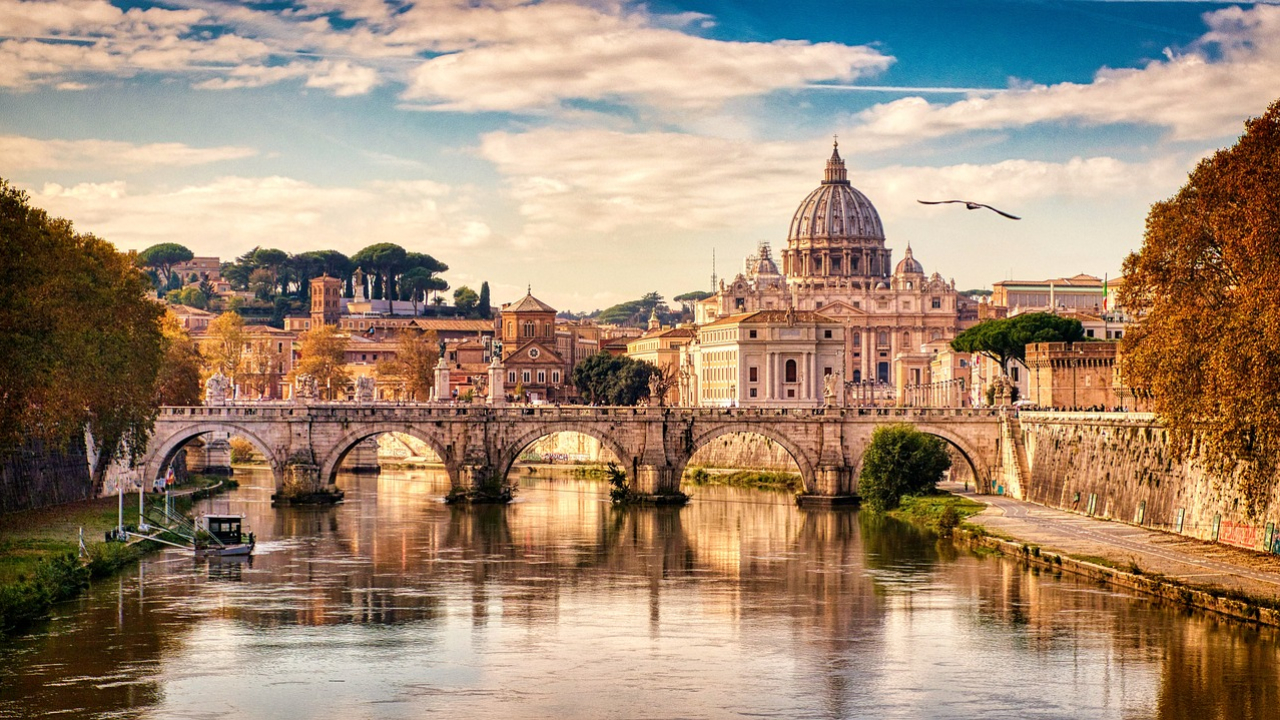
Rome, the heart of Christianity, the seat of the Catholic Church, is the place where history, faith, and art combine in a unique synthesis of majesty and beauty. The millennia of history of this city lives within each monument: basilicas, churches, catacombs. A journey through Christian Rome is a journey to discover places where one can savor the lively history of men and women, popes, saints, and artists who have dedicated their lives to the Church and to spread the Christian message. As the home of the Pope and the Catholic curia, as well as the locus of many sites and relics of veneration related to apostles, saints and Christian martyrs, Rome had long been a destination for pilgrims. The Via Francigena was an ancient pilgrim route between England and Rome. It was customary to end the pilgrimage with a visit to the tombs of Sts Peter and Paul. For many visitors to Rome, a trip to the catacombs is one of the most moving and memorable parts of their holiday.
Available options
Catacombs, Vatican Museums, Sistine Chapel and Roman Basilicas Private Tour
Pickup included
What's included
Professional Vatican guide inside Catacombs
Pick-up and drop off with luxury transportation and private chauffeur
Private professional guide (Roman Basilicas & Vatican Museums)
Private English speaking tour escort at your disposal
Detailed itinerary
1
Stop 1
For many visitors to Rome, a trip to the catacombs is one of the most moving and memorable parts of their holiday. While a visit to the Appian Way is worthwhile in itself – as you walk along the ancient cobblestones past vast tombstones and spectacular countryside you feel as though you’ve been transported back in time – a tour of the catacombs is undoubtedly the main highlight. Venture deep underground to explore the incredible tunnels that were dug out by hand nearly 2,000 years ago and learn all about the very beginning of Christianity. This is a side of Rome you’ve never seen before.
2
Stop 2
The Basilica di Santa Maria Maggiore is an ancient Catholic basilica that is considered to be the largest of the churches dedicated to the Virgin Mary in Rome. It is one of the city’s four major basilicas.
Basilica di Santa Maria Maggiore was built on a pagan temple dedicated to the goddess Cybele, the Basilica of Santa Maria Maggiore was built in the mid-fourth century under the orders of Pope Liberius. According to legend, the Virgin appeared before the Pope with the instructions for building the church, and the shape of the floor was designed based on a miraculous snowfall. Over the years, the basilica has had many different names, such as Saint Mary of the Snow (due to snow that led to the church’s shape), Santa Maria Liberiana (for Pope Liberius), St. Mary of the Nativity (because it received a relic of the Holy Nativity), and it was finally called Santa Maria Maggiore, as it is the largest of the 26 churches in Rome dedicated to the Virgin Mary.
3
Stop 3
The Lateran Palace was handed over by Constantine I to the Bishop of Rome, who converted the building into a temple during the fourth century. The Basilica is the oldest church in the world.
Founded during the fourth century in honour of St. John the Baptist and John the Evangelist, St John Lateran (Basilica di San Giovanni in Laterano) is the Cathedral of Rome and the most important of the four major basilicas. It is known as St John Lateran Archbasilica, as is it considered the mother church of the Roman Catholic faithful.In the early part of the fourth century, the Laterani family were stripped of their land as one of their members was accused of conspiring against the Emperor. It was given to the Bishop of Rome in order to build the first Roman basilica.Throughout the centuries, St John Lateran has survived several fires and an earthquake in 897. Nevertheless, it still maintains its first form even though it has been reconstructed on several occasions. The Basilica also houses a baptistery, which for many years was the only baptistery in Rome.
The Basilica of St. John Lateran has played an important role throughout history; it was here that all popes were enthroned up until 1870. Nowadays, Basilica di San Giovanni in Laterno is where the Pope, as Bishop of Rome, celebrates Holy Thursday Mass.
4
Stop 4
Erected during the fourth century AD, the Basilica of St. Paul Outside the Walls (Basilica di San Paolo Fuori le Mura) is one of the four major basilicas of Rome, and the second largest after St. Peter's Basilica. It was founded on the burial ground of St. Paul.
When Paul the Apostle was executed in the first century AD in Rome, his followers built a shrine over his grave. In 324 a small church was consecrated on the same grounds, which was later demolished in 386 to make space for the construction of a larger and more beautiful basilica, completed in 395. After the fire, many countries made donations for the restoration of the church, which was reopened in 1840. The temple was later declared a national monument. The interior of the Basilica of St. Paul is magnificent, with enormous marble columns and beautiful gold mosaics. Unfortunately, because of the fire of 1823, few parts of the Medieval basilica remain intact. However, the church still houses some mosaics from the thirteenth century, a large twelfth-century chandelier, or the marble tombstone under which the remains of St. Paul lie. On the basilica’s walls, visitors will be able to observe the portraits of each of the popes, while a ray of sunlight lights up the portrait of the current Pope.The atrium located in the exterior is one of the most noteworthy parts of the church. It is made up of 150 columns, and from here, visitors can see the façade of the Basilica covered by an enormous golden mosaic built between 1854 and 1874, which reflects the rays of sunlight. The centre of the portico houses a colossal statue of St. Paul.
Although the Basilica isn’t in the heart of the city, we recommend visiting this unique and astonishing church in order to see its impressive mosaics, atrium and interior. It is one of the most worthwhile of Rome.
5
Stop 5
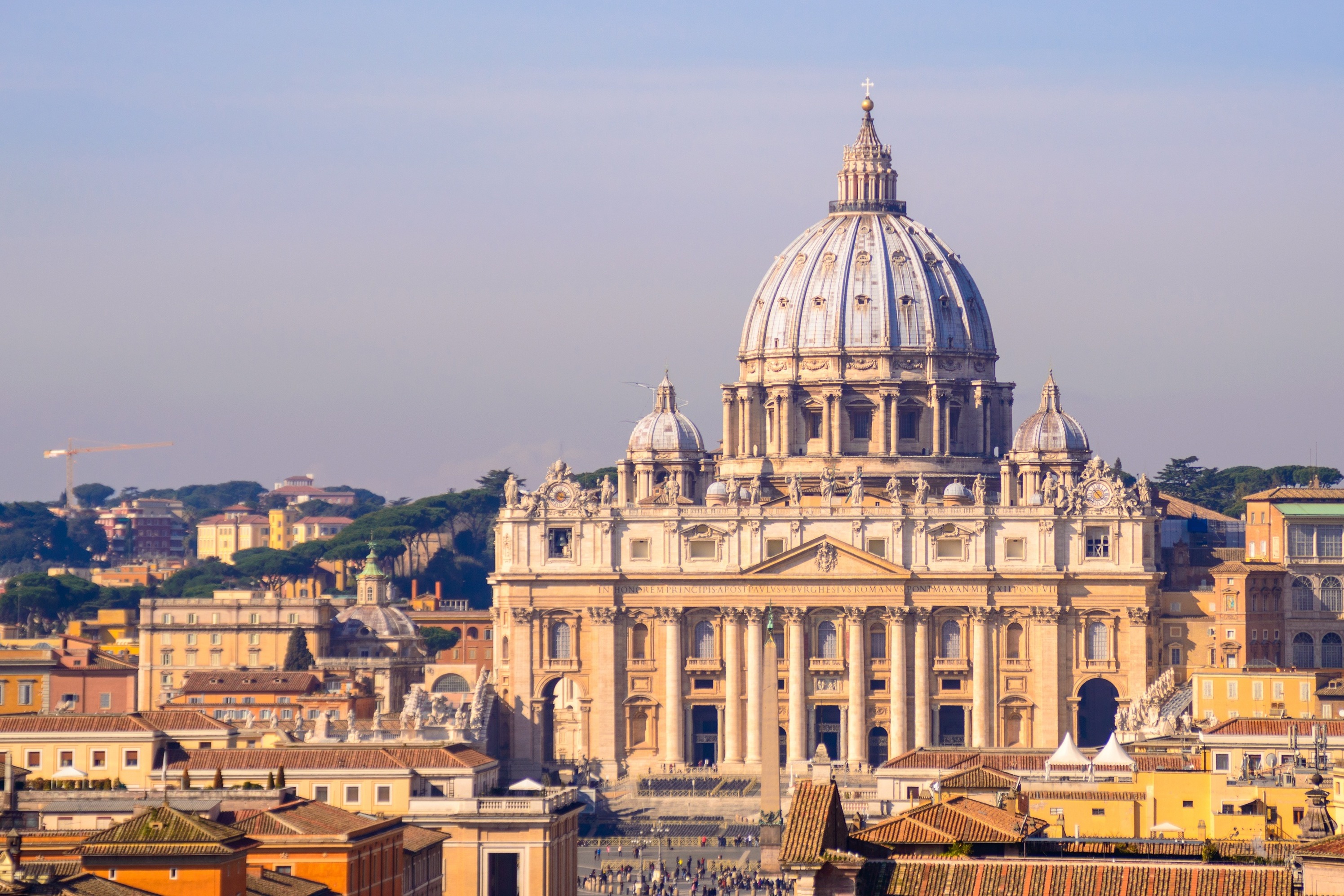
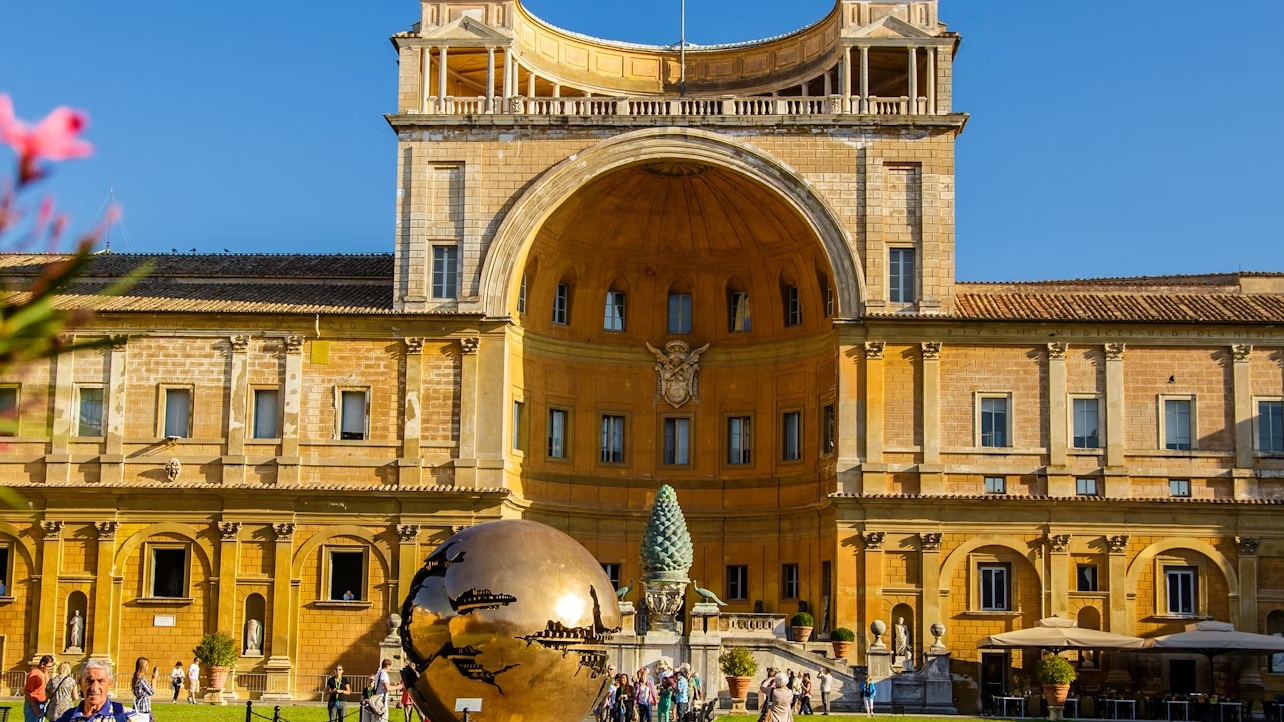
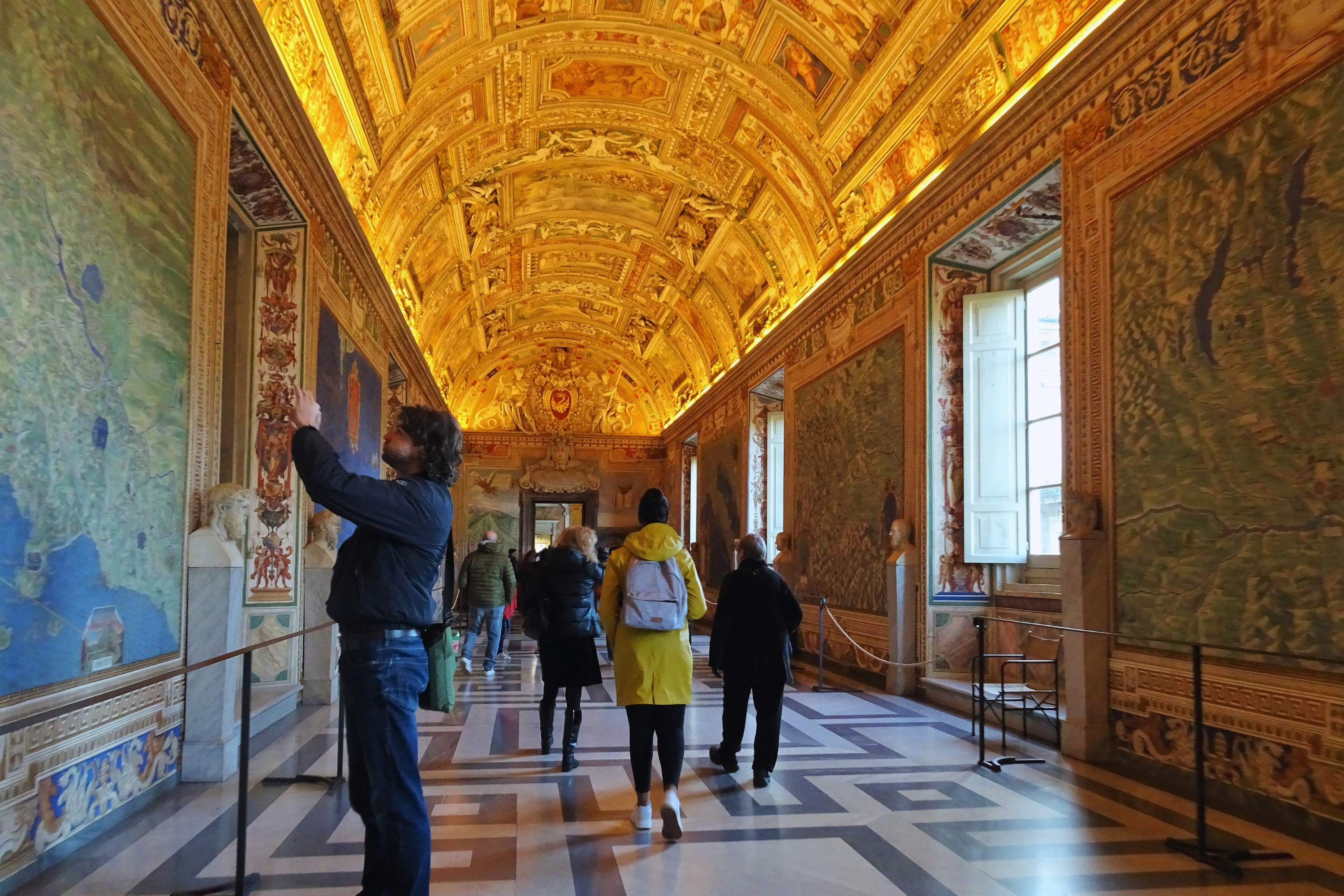
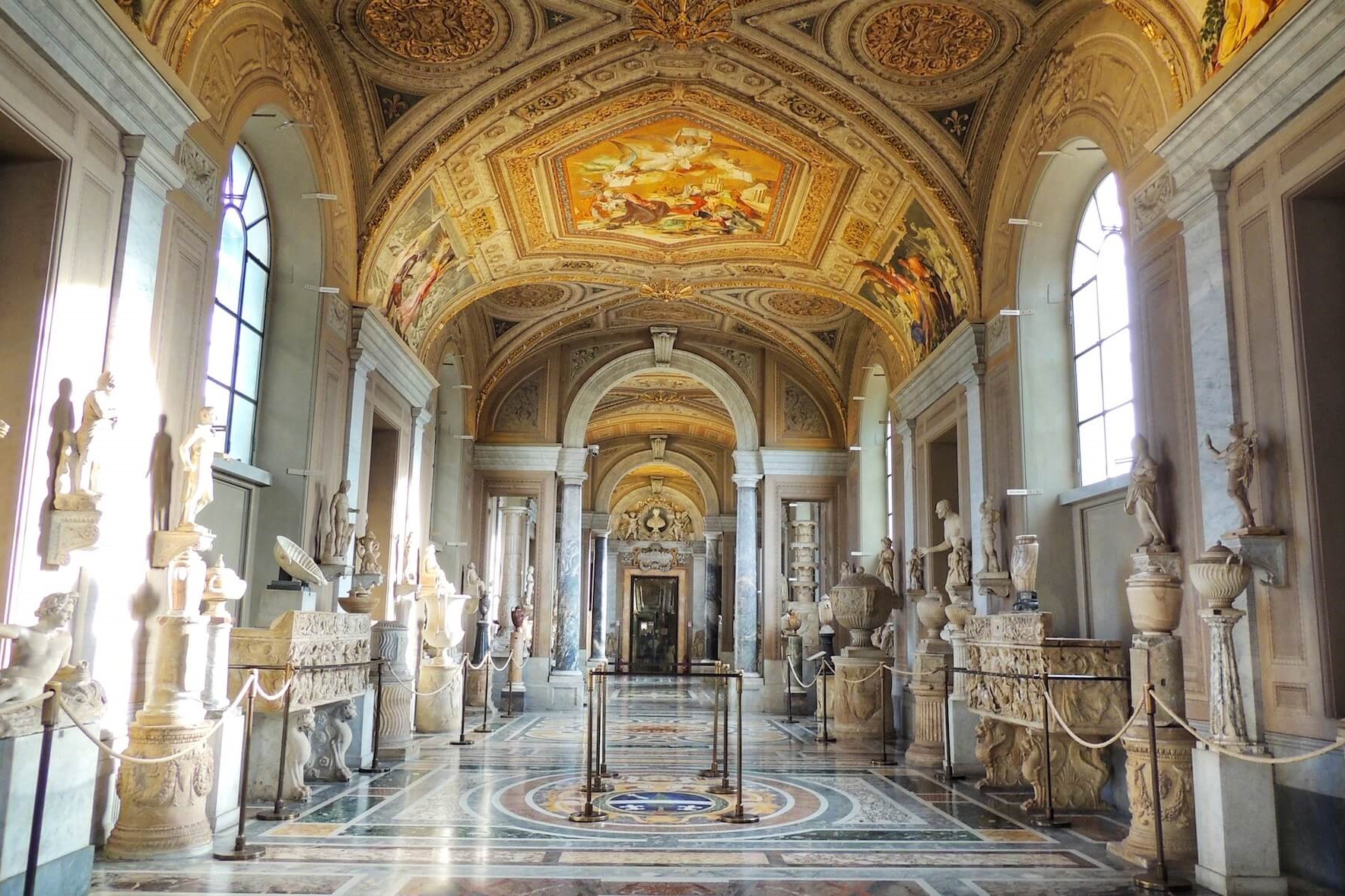
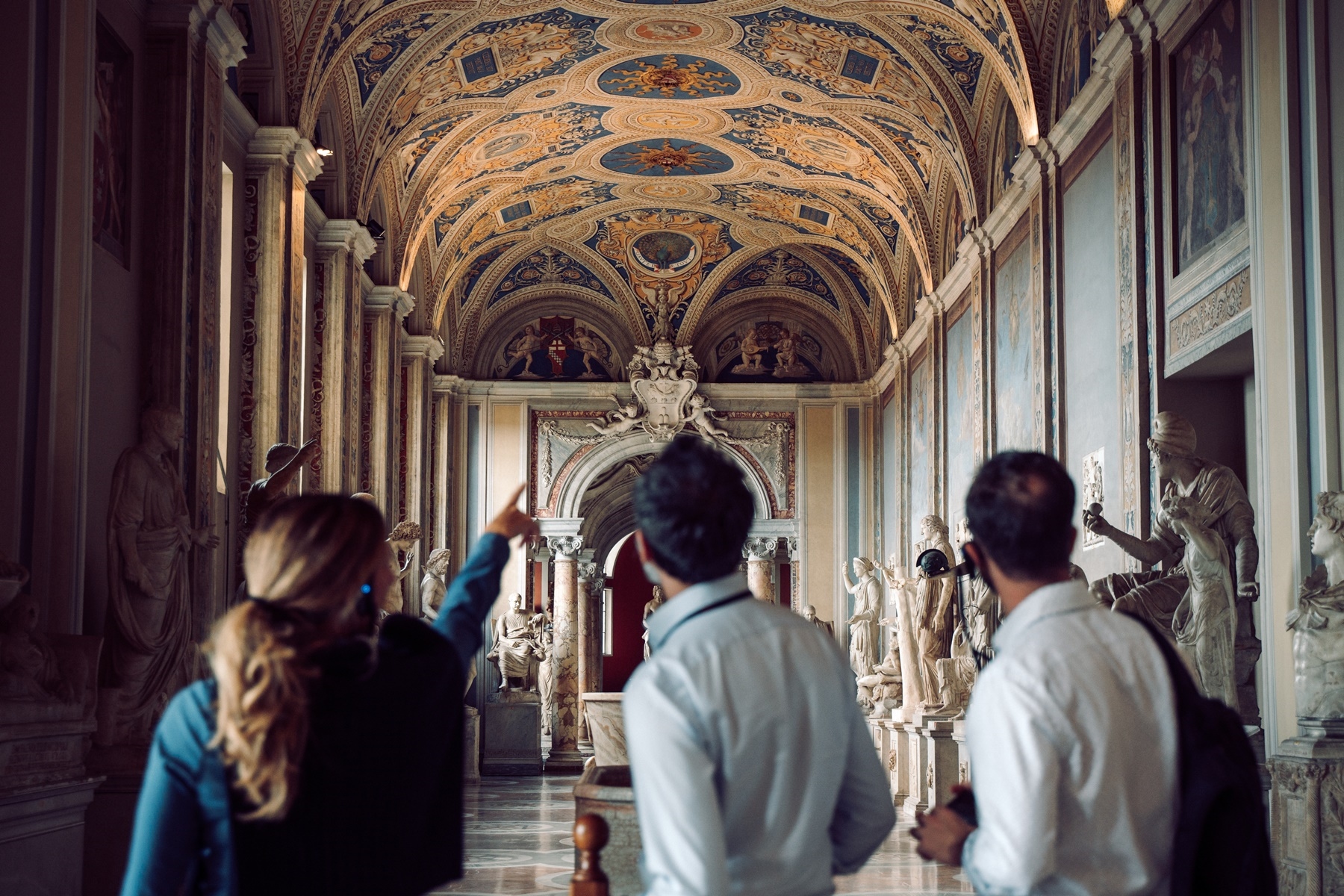
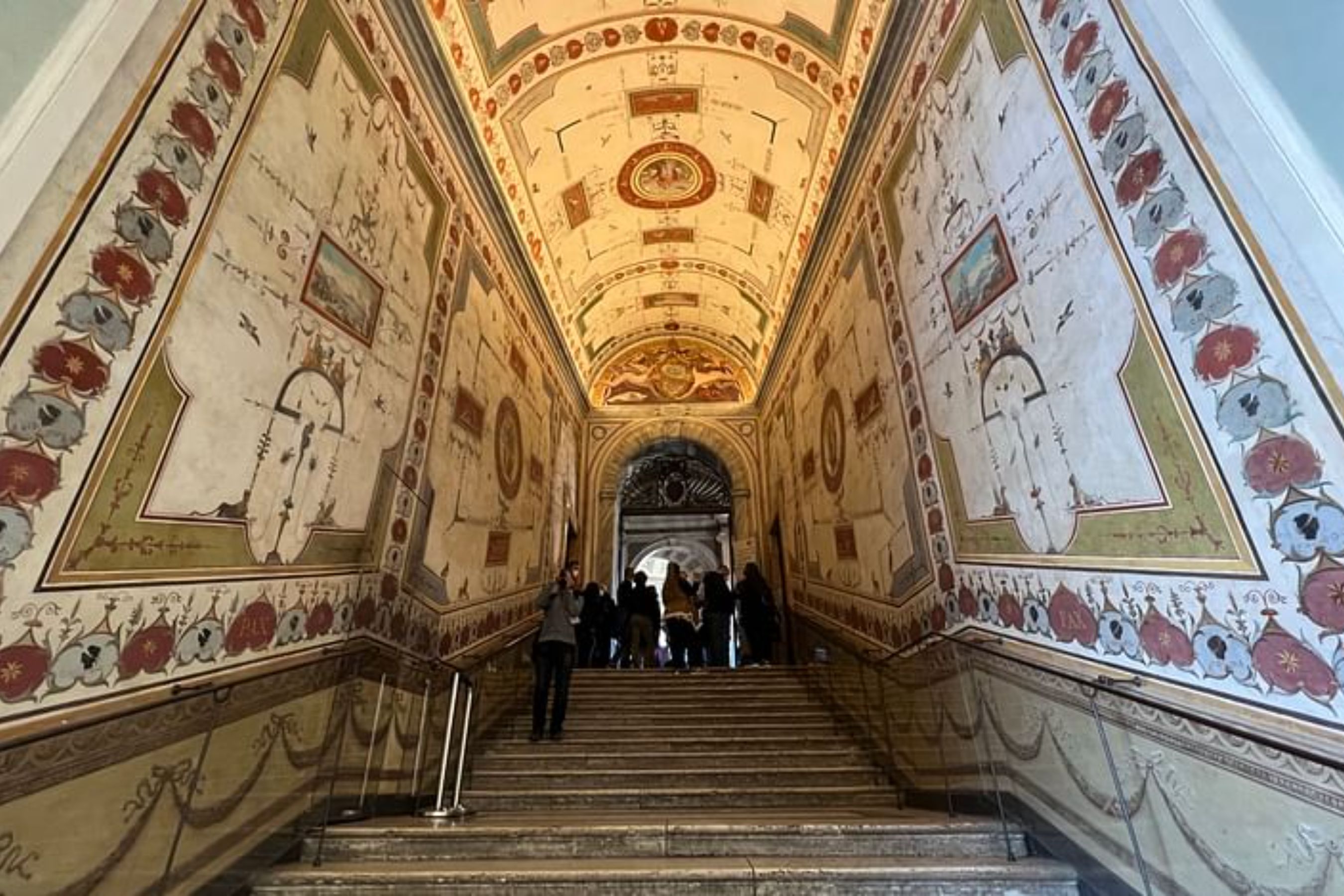
Experience a personal tour of the Vatican's collection with your own private, licensed guide at your side. Described as one of the best experiences in Rome, this tour takes you on a journey of discovery. Revere priceless masterpieces of the Renaissance together with sculptures and mosaics from antiquity. All in the papal collection. All waiting for you to discover them. Taking a private tour means you can customize your time in the Eternal City's epicenter to include exactly what you want. The Sistine Chapel, Saint Peter's Basilica, and the Vatican Museums' mind-blowing collection await you, but so too do Bernini’s stunning sculptures, the Raphael Rooms’ unforgettable frescoes, the stirringly beautiful Flemish artworks of the Gallery of Tapestries, and the hauntingly lifelike statues of the Gallery of the Candelabra.
6
Stop 6
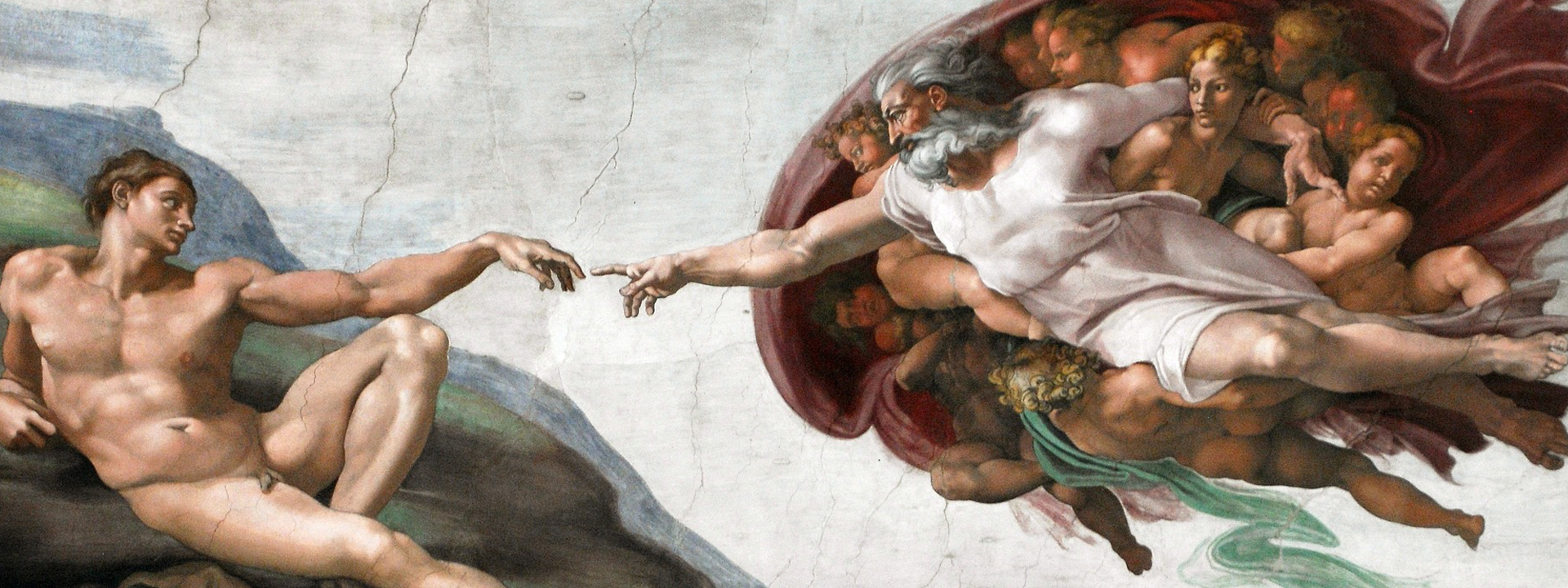
Regarded as Michelangelo’s masterpiece, the Sistine Chapel is a jaw-dropping attraction you must see at least once in your lifetime.The Sistine Chapel is one of the greatest treasures of the Vatican City, of Rome and of the world in general. It is known as much for its decoration, as for being the temple in which popes are chosen and crowned.The construction of the building was between 1473 and 1481 during the mandate of Pope Sixtus IV, to whom it owes its current name. What grabs the attention in the Sistine are the frescoes that completely cover the walls and the ceiling. Some of the most important artists who worked in the chapel are Botticelli, Perugino, Luca and Michelangelo.Without any doubt, The Creation of Adam is the best-known image from the Sistine Chapel. It is located in the central part of the vault and represents the story from Genesis in which God gives life to Adam.Located over the high altar Michelangelo’s other masterpiece, The Final Judgment.
What's not included
Gratuities (optional)
Food and Beverages
Available languages
Guide guide
EN
IT
ES
Reviews breakdown
Viator
5.0
2 reviews
5★
2
4★
0
3★
0
2★
0
1★
0
Tripadvisor
5.0
1 reviews
5★
1
4★
0
3★
0
2★
0
1★
0
Important information
Infants are required to sit on an adult’s lap
Specialized infant seats are available
Public transportation options are available nearby
Infants and small children can ride in a pram or stroller
Suitable for all physical fitness levels
Child rate applies only when shared with 2 paying adults
Dress code required: knees and shoulders must be covered
A small amount of walking is involved
According to the Vatican regulation the entrance in the catacombs is organized in groups.
People with claustrophobia may find this tour difficult under the catacombs
About Rome
Rome, the capital of Italy, is a city of ancient ruins, artistic masterpieces, and vibrant culture. Known as the Eternal City, it is a living museum where every corner tells a story of its rich history spanning over 2,500 years.
Top Attractions
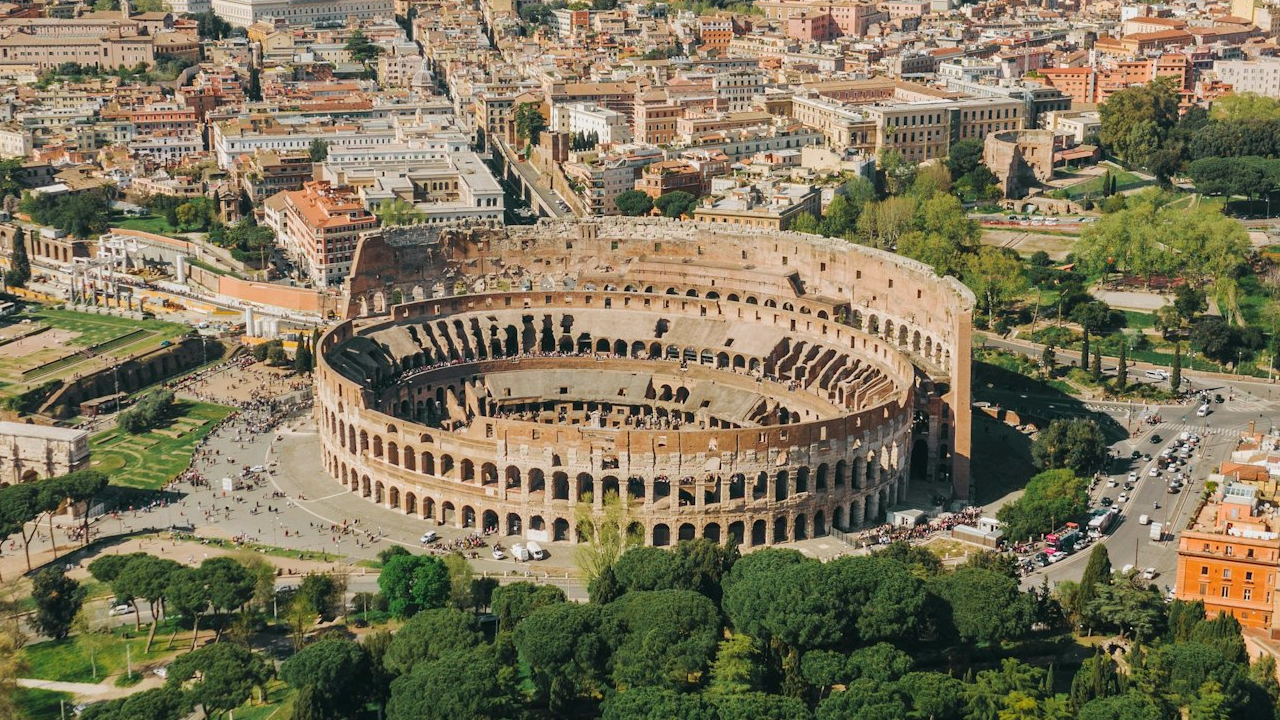
Colosseum
The Colosseum is an iconic symbol of Rome and one of the most famous ancient amphitheaters in the world. It was used for gladiatorial contests and public spectacles.
Historical
1-2 hours
€16 (combined ticket with Roman Forum and Palatine Hill)
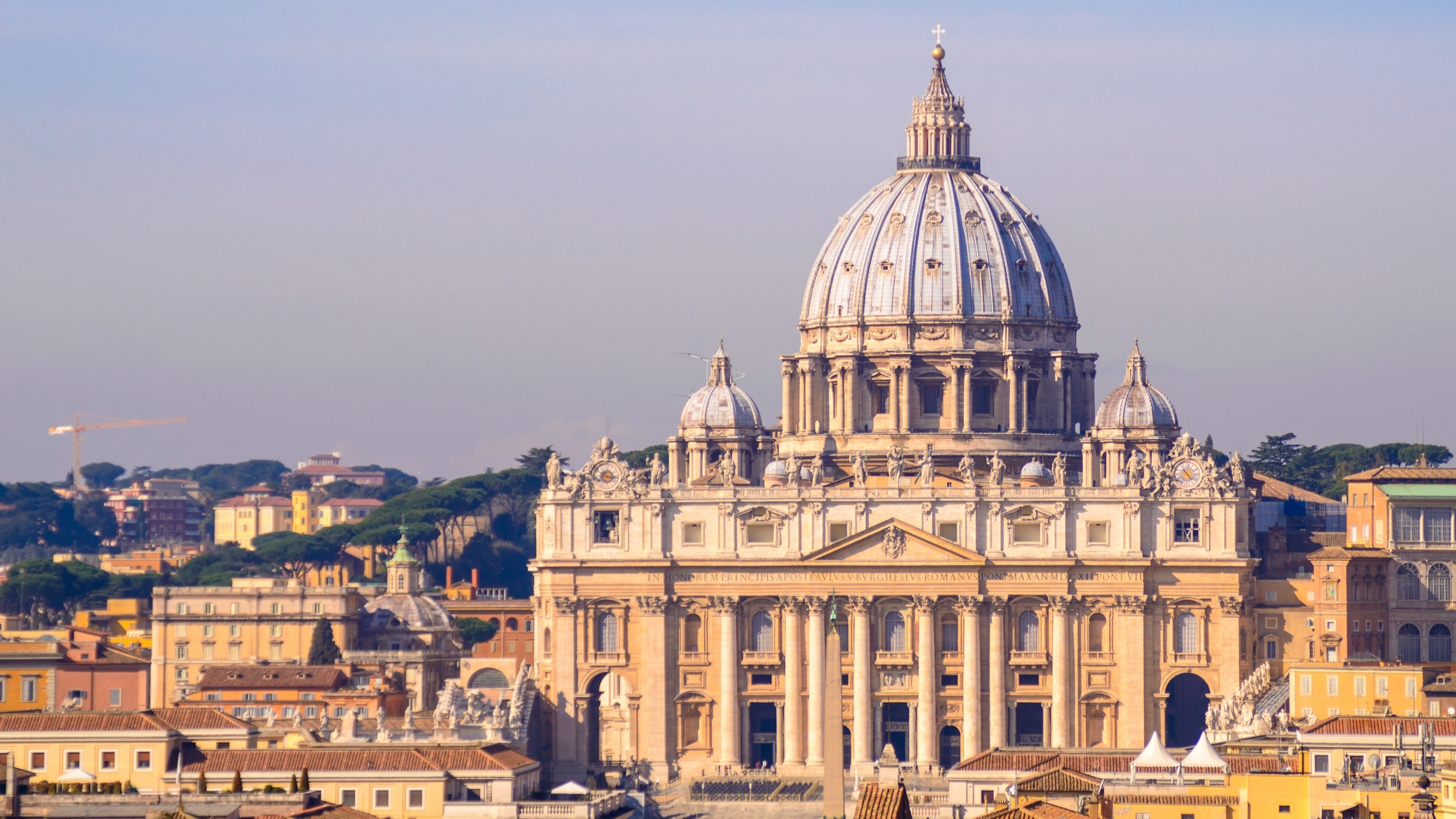
Vatican City
Vatican City is an independent city-state enclaved within Rome. It is the spiritual and administrative center of the Roman Catholic Church.
Religious
Half day
€17 (Vatican Museums and Sistine Chapel), Free (St. Peter's Basilica)
Roman Forum
The Roman Forum was the political, commercial, and legal hub of the Roman Republic and Empire. It is a sprawling ruin of temples, basilicas, and arches.
Historical
1-2 hours
€16 (combined ticket with Colosseum and Palatine Hill)
Pantheon
The Pantheon is a former Roman temple, now a church, known for its large dome and oculus. It is one of the best-preserved ancient buildings in Rome.
Historical
30 minutes to 1 hour
Free
Trevi Fountain
The Trevi Fountain is a Baroque masterpiece and the largest fountain in Rome. It is a popular spot for visitors to throw coins and make wishes.
Architecture
15-30 minutes
Free
Must-Try Local Dishes
Cacio e Pepe
A simple yet delicious pasta dish made with Pecorino Romano cheese and black pepper.
Pasta
Vegetarian
Carbonara
A rich pasta dish made with eggs, Pecorino Romano, guanciale (cured pork cheek), and black pepper.
Pasta
Contains pork and eggs
Supplì
Fried rice balls filled with mozzarella and tomato sauce.
Snack
Vegetarian (some variations may contain meat)
Carciofi alla Romana
Artichokes braised with garlic, mint, and olive oil.
Vegetable
Vegetarian
Popular Activities
Hiking in the Appian Way Regional Park
Biking along the Tiber River
Rock climbing in the nearby mountains
Picnicking in Villa Borghese Gardens
Boating on Lake Albano
Enjoying a spa day at a luxury hotel
Visiting the Vatican Museums
Attending an opera at the Teatro dell'Opera di Roma
Best Time to Visit
April to June, September to October
Spring and fall offer pleasant weather and fewer crowds compared to the summer peak. Ideal for sightseeing and outdoor activities.
15-30°C
59-86°F
Practical Information
Language
- Official: Italian
- Widely spoken: English, Spanish, French
- English: Moderately spoken
Currency
Euro (EUR)
Time Zone
GMT+1 (CET), GMT+2 (CEST during daylight saving time)
Electricity
230VV, 50HzHz
Safety Information
Overall Safety Rating: Generally safe
Rome is generally safe for tourists, but pickpocketing and scams can be a problem in crowded areas. Be aware of your surroundings and take precautions to protect your belongings.
Important Precautions:
- • Keep valuables secure and out of sight
- • Use official taxis or ride-sharing services
- • Be cautious of strangers approaching you with petitions or bracelets
Getting there
By air
- Leonardo da Vinci International Airport • 35 km from city center
- Ciampino Airport • 15 km from city center
By train
Roma Termini, Roma Tiburtina
By bus
Tiburtina Bus Station, Roma Termini
Getting around
Public transport
The metro system is efficient and covers major tourist areas. It operates from 5:30 AM to 11:30 PM.
Taxis
Available • Apps: Uber, FreeNow
Rentals
Car, Bike, Scooter
Neighborhoods
Trastevere
Monti
Prancipio
Testaccio
Day trips
Ostia Antica
30 km from Rome • Half day
An ancient Roman port city with well-preserved ruins, including a theater, baths, and mosaics. It offers a glimpse into daily life in ancient Rome.
Tivoli
30 km from Rome • Full day
A picturesque town known for its stunning villas and gardens, including the famous Villa d'Este with its elaborate fountains and gardens.
Orvieto
120 km from Rome • Full day
A charming hilltop town known for its stunning cathedral, underground caves, and local wine. It offers a mix of history, culture, and scenic views.
Festivals
Natale di Roma • April 21
Festa de' Noantri • July
Rome Film Festival • October
Pro tips
- Visit major attractions early in the morning or late in the afternoon to avoid crowds
- Use public transport or walk instead of taking taxis to save money and experience the city like a local
- Try local specialties and ask for recommendations from locals and restaurant staff
- Dress modestly when visiting religious sites and be respectful of local customs and traditions
- Be aware of pickpockets and scams, especially in crowded areas and tourist hotspots
From $25
per person
Price varies by option
Secure booking
Free cancellation available
Instant confirmation