Raphael and Caravaggio in the Roman Churches Private Tour
Active
3h
For a full refund, cancel at least 24 hours before the scheduled departure time.
Instant confirmation
Mobile or paper ticket accepted
About this experience
The masterful paintings of 16th-century artist Michelangelo Merisi (1571-1610), better known as Caravaggio, continue to fascinate more than 400 years after his death. The artist's paintings combine with gritty, realistic observation of the human state, both physical and emotional, and make dramatic use of chiaroscuro. Today Rome hosts about 25 Caravaggio masterpieces that can be viewed by the public: several can be seen in the churches, others by some of the most important art collections in palaces and museums.
Raffaello Sanzio known as Raphael was an Italian painter and architect of the High Renaissance. Together with Michelangelo and Leonardo da Vinci, which forms the traditional trinity of great masters of that period. Raphael was enormously productive, running an unusually large workshop and, despite his death at 37, leaving a large body of work. Many of his works are found in the Vatican but also in some churches.
Available options
Raphael and Caravaggio in the Roman Churches Private Tour
Pickup included
What's included
Entrance in Church Santa Maria della Pace
Entrance in the Churche of Sant'Agostino and Santa Maria della Pace
Private English-speaking tour escort at your disposal
Pick-up and drop off with luxury transportation and private chauffeur
Entrance in the Churches of Santa Maria del Popolo and San Luigi dei Francesi
Private professional guide by your side
Detailed itinerary
1
Stop 1
A legend had it that the site where the church was eventually erected was haunted by the ghost of Nero, the Roman Emperor. On his burial ground had grown a bewitched walnut tree full of crows. To put an end to this myth, Pope Paschal II in 1099 ordered the tree to be cut down and commissioned a Romanesque chapel to be built instead. In 1513, various of the most influential artists of the period, like Pinturicchio, Raphael, Caravaggio and Bernini were requested to decorate the walls and ceilings of the temple. Santa Maria del Popolo's decoration is unlike any other church in Rome.
Among the beautiful art work found in the church, it is worth highlighting the Chapel Cerasi, which houses two canvases by Caravaggio from 1600, and the Chapel Chigi, built and decorated by Raphael.
The Basilica of Santa Maria del Popolo is one of these that are definitely worth visiting, not because of its structure or its façade, but because of its impressively decorated chapels.
2
Stop 2
Sant'Agostino in Campo Marzio is an important 15th century minor basilica and parish church in the rione Sant'Eustachio. The Madonna di Loreto (or Pilgrim’s Madonna) was commissioned from Caravaggio thanks to a legacy left by Ermete Cavalletti for the family chapel in Sant’Agostino. The subject had been specified by the contract of 1603 as the deceased Marquis was devoted to Our Lady of Loreto.
Whereas the Madonna of Loreto is generally depicted in her Holy House, the birthplace of Jesus, enthroned and transported on the wings of angels, here she is depicted as a simple commoner in front of a doorway and holding the well lit Infant Jesus, who blesses pilgrims, common people kneeling down, wearing worn clothes and with dirty, bare feet. The idea of putting Madonna in direct contact with poor pilgrims was absolutely revolutionary and was much criticized.
3
Stop 3
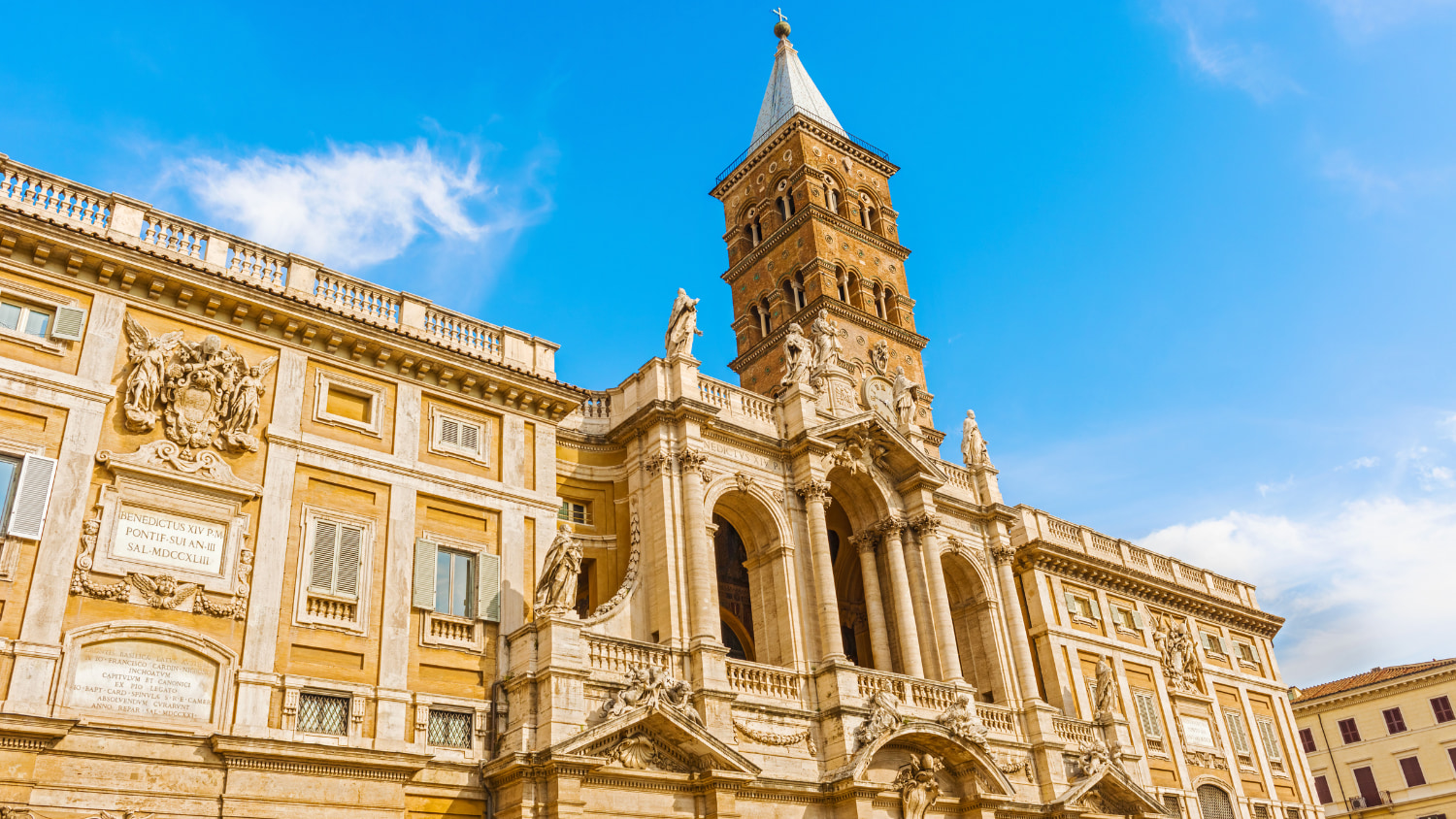
Santa Maria della Pace the church groundwork on the site of the medieval chapel of Sant'Andrea de Acquaricariis. In the end of the 15th century. Pope Sisto IV commissioned its fabrication to Baccio Pontelli. The building while we know today is rebuilt by Pietro da Cortona, whose facade with a semicircular pronaos his architectural masterpiece and one of the greatest achievements of Roman Baroque architecture. After the discovery, the entire square became like a baroque theater, of which the church is an ideal stage. Inside the masterpieces of Raphael, Maderno and the Cloister of Bramante stand out.
4
Stop 4
The famous Contarelli Chapel, where you'll find Caravaggio's triptych composed of The Martyrdom of St. Matthew, The Vocation of St. Matthew and St. Matthew and the Angel, deserves a separate chapter.
The chapel takes its name from Cardinal Mathieu Cointrel, later Italianized to Contarelli, who commissioned Michelangelo Merisi with the three altarpieces focused on the figure of San Matteo. The Martyrdom of San Matteo is the first canvas created by Caravaggio for the chapel. Compared to the others, the composition is overcrowded with a tangle of bodies that refers to Mannerism while the nudes are clear Michelangelesque elements.
What's not included
Food and Beverages;
Gratuities (optional)
Available languages
Guide guide
EN
IT
ES
Reviews breakdown
Tripadvisor
5.0
10 reviews
5★
10
4★
0
3★
0
2★
0
1★
0
Important information
Wheelchair accessible
Infants and small children can ride in a pram or stroller
Public transportation options are available nearby
Infants are required to sit on an adult’s lap
Specialized infant seats are available
Transportation options are wheelchair accessible
All areas and surfaces are wheelchair accessible
Suitable for all physical fitness levels
Child rate applies only when shared with 2 paying adults
Wheelchair available on request. Please advise at time of booking if wheelchair assistance is required
Dress code required to enter in churches: knees and shoulders must be covered
About Rome
Rome, the capital of Italy, is a city of ancient ruins, artistic masterpieces, and vibrant culture. Known as the Eternal City, it is a living museum where every corner tells a story of its rich history spanning over 2,500 years.
Top Attractions
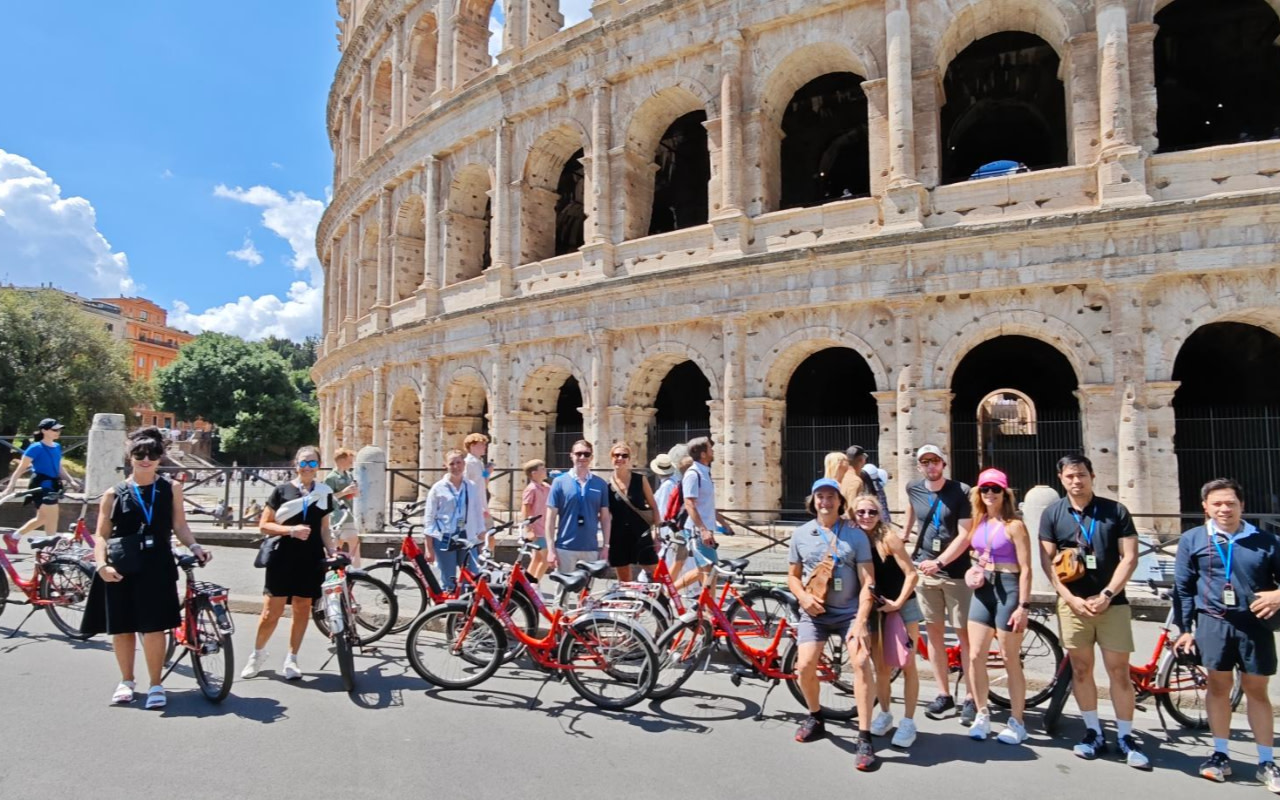
Colosseum
The Colosseum is an iconic symbol of Rome and one of the most famous ancient amphitheaters in the world. It was used for gladiatorial contests and public spectacles.
Historical
1-2 hours
€16 (combined ticket with Roman Forum and Palatine Hill)
Vatican City
Vatican City is an independent city-state enclaved within Rome. It is the spiritual and administrative center of the Roman Catholic Church.
Religious
Half day
€17 (Vatican Museums and Sistine Chapel), Free (St. Peter's Basilica)
Roman Forum
The Roman Forum was the political, commercial, and legal hub of the Roman Republic and Empire. It is a sprawling ruin of temples, basilicas, and arches.
Historical
1-2 hours
€16 (combined ticket with Colosseum and Palatine Hill)
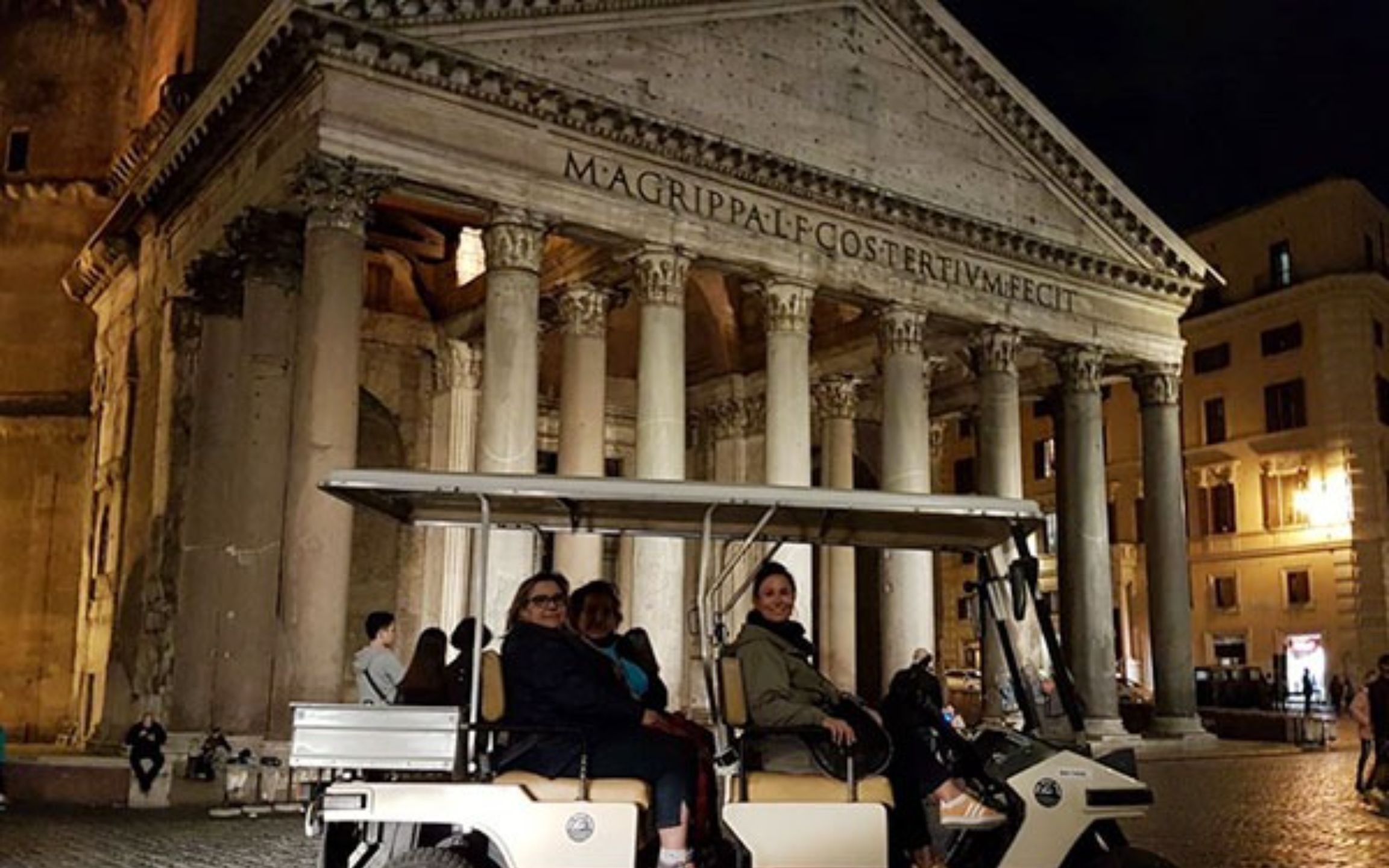
Pantheon
The Pantheon is a former Roman temple, now a church, known for its large dome and oculus. It is one of the best-preserved ancient buildings in Rome.
Historical
30 minutes to 1 hour
Free
Trevi Fountain
The Trevi Fountain is a Baroque masterpiece and the largest fountain in Rome. It is a popular spot for visitors to throw coins and make wishes.
Architecture
15-30 minutes
Free
Must-Try Local Dishes
Cacio e Pepe
A simple yet delicious pasta dish made with Pecorino Romano cheese and black pepper.
Pasta
Vegetarian
Carbonara
A rich pasta dish made with eggs, Pecorino Romano, guanciale (cured pork cheek), and black pepper.
Pasta
Contains pork and eggs
Supplì
Fried rice balls filled with mozzarella and tomato sauce.
Snack
Vegetarian (some variations may contain meat)
Carciofi alla Romana
Artichokes braised with garlic, mint, and olive oil.
Vegetable
Vegetarian
Popular Activities
Hiking in the Appian Way Regional Park
Biking along the Tiber River
Rock climbing in the nearby mountains
Picnicking in Villa Borghese Gardens
Boating on Lake Albano
Enjoying a spa day at a luxury hotel
Visiting the Vatican Museums
Attending an opera at the Teatro dell'Opera di Roma
Best Time to Visit
April to June, September to October
Spring and fall offer pleasant weather and fewer crowds compared to the summer peak. Ideal for sightseeing and outdoor activities.
15-30°C
59-86°F
Practical Information
Language
- Official: Italian
- Widely spoken: English, Spanish, French
- English: Moderately spoken
Currency
Euro (EUR)
Time Zone
GMT+1 (CET), GMT+2 (CEST during daylight saving time)
Electricity
230VV, 50HzHz
Safety Information
Overall Safety Rating: Generally safe
Rome is generally safe for tourists, but pickpocketing and scams can be a problem in crowded areas. Be aware of your surroundings and take precautions to protect your belongings.
Important Precautions:
- • Keep valuables secure and out of sight
- • Use official taxis or ride-sharing services
- • Be cautious of strangers approaching you with petitions or bracelets
Getting there
By air
- Leonardo da Vinci International Airport • 35 km from city center
- Ciampino Airport • 15 km from city center
By train
Roma Termini, Roma Tiburtina
By bus
Tiburtina Bus Station, Roma Termini
Getting around
Public transport
The metro system is efficient and covers major tourist areas. It operates from 5:30 AM to 11:30 PM.
Taxis
Available • Apps: Uber, FreeNow
Rentals
Car, Bike, Scooter
Neighborhoods
Trastevere
Monti
Prancipio
Testaccio
Day trips
Ostia Antica
30 km from Rome • Half day
An ancient Roman port city with well-preserved ruins, including a theater, baths, and mosaics. It offers a glimpse into daily life in ancient Rome.
Tivoli
30 km from Rome • Full day
A picturesque town known for its stunning villas and gardens, including the famous Villa d'Este with its elaborate fountains and gardens.
Orvieto
120 km from Rome • Full day
A charming hilltop town known for its stunning cathedral, underground caves, and local wine. It offers a mix of history, culture, and scenic views.
Festivals
Natale di Roma • April 21
Festa de' Noantri • July
Rome Film Festival • October
Pro tips
- Visit major attractions early in the morning or late in the afternoon to avoid crowds
- Use public transport or walk instead of taking taxis to save money and experience the city like a local
- Try local specialties and ask for recommendations from locals and restaurant staff
- Dress modestly when visiting religious sites and be respectful of local customs and traditions
- Be aware of pickpockets and scams, especially in crowded areas and tourist hotspots
From $25
per person
Price varies by option
Secure booking
Free cancellation available
Instant confirmation