Traditional Rwandan Cooking Day
Active
5h - 8h
For a full refund, cancel at least 24 hours before the scheduled departure time.
Manual confirmation
Mobile or paper ticket accepted
About this experience
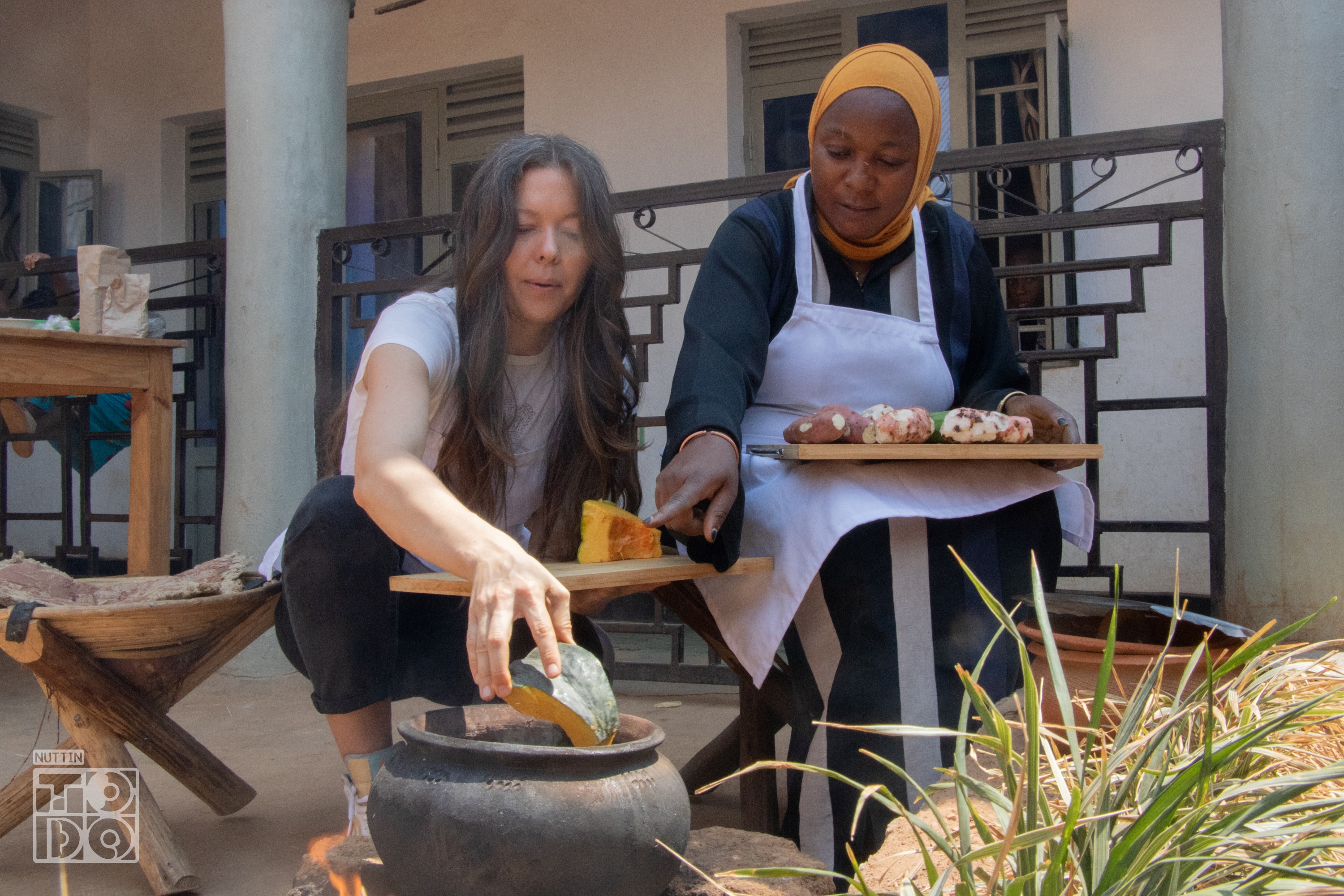
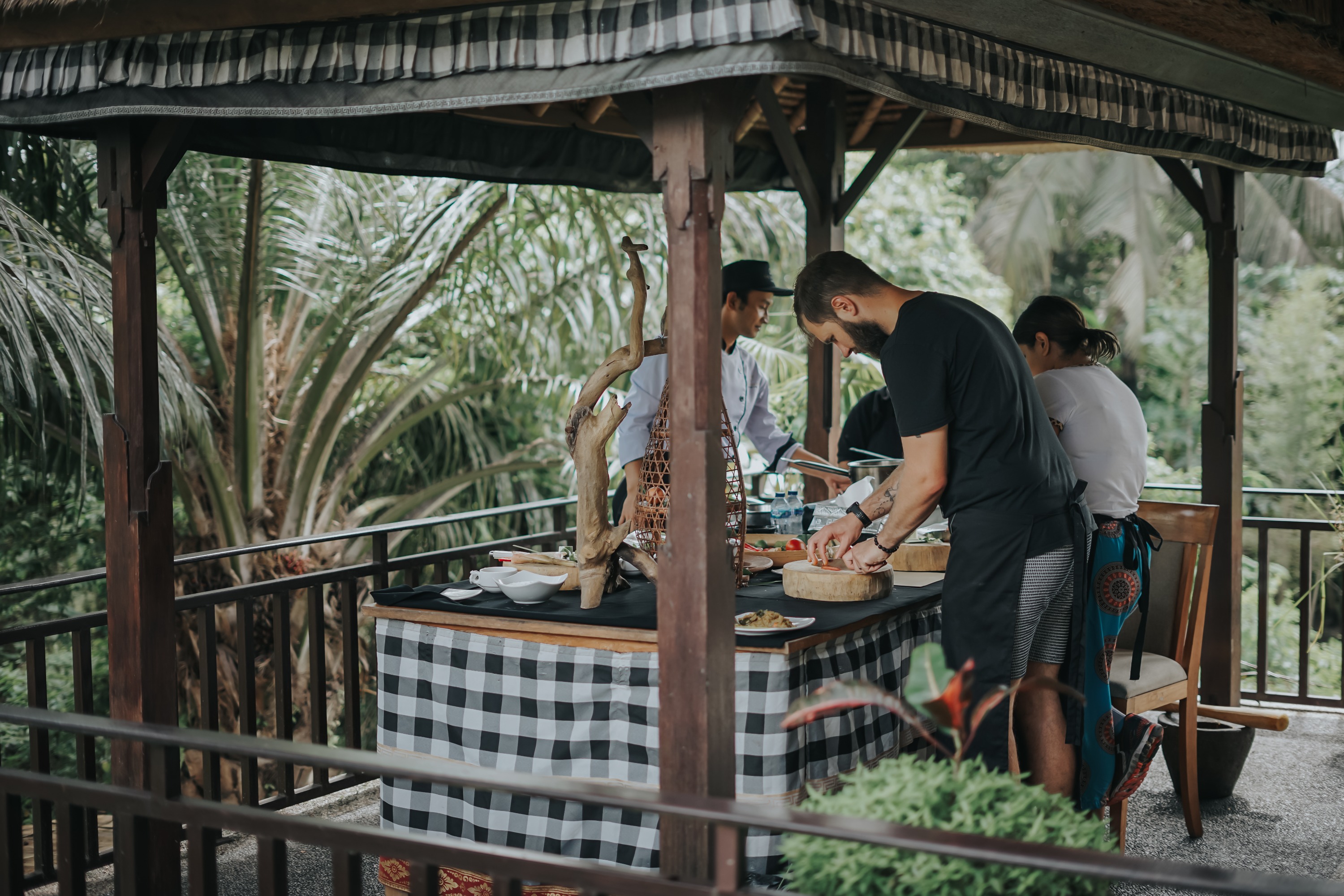
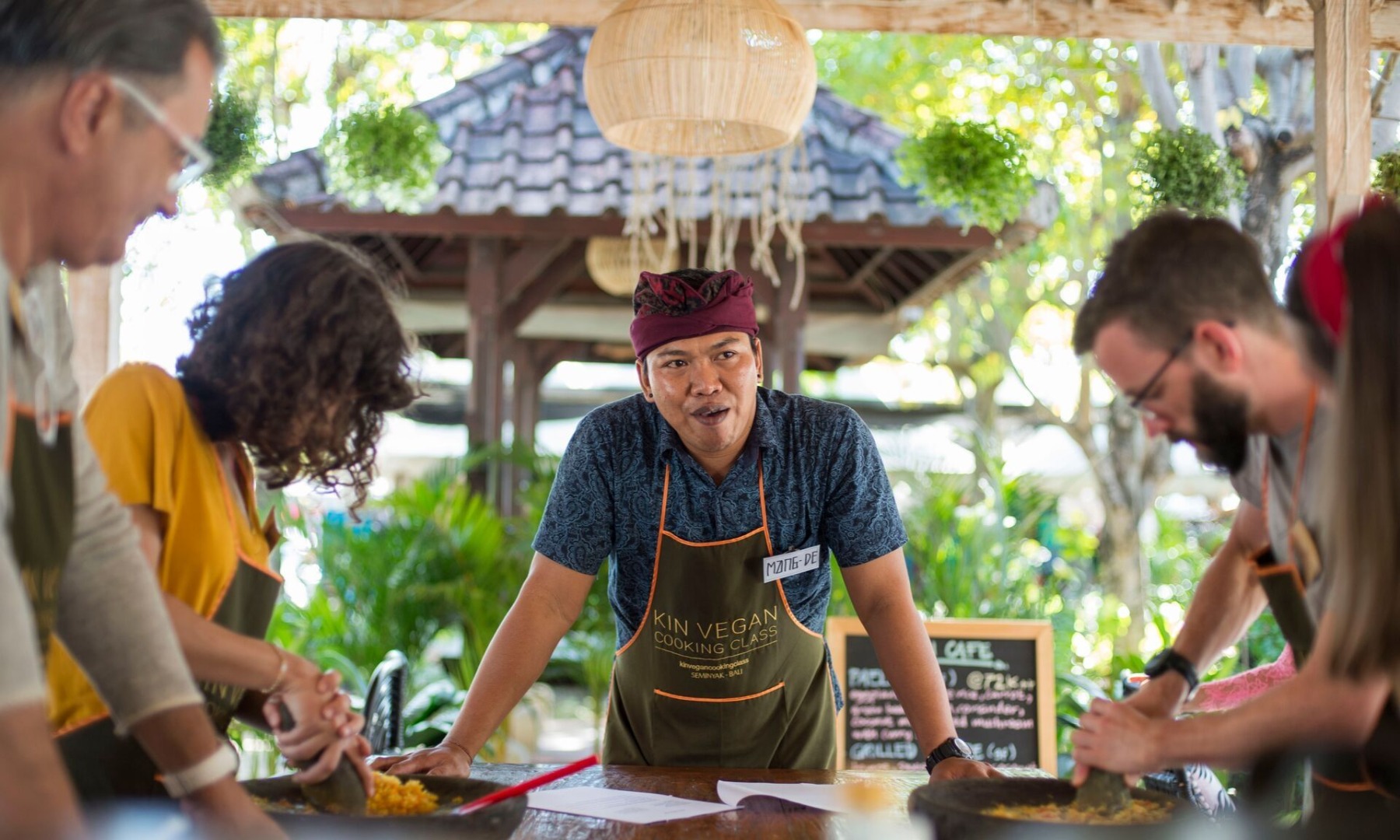
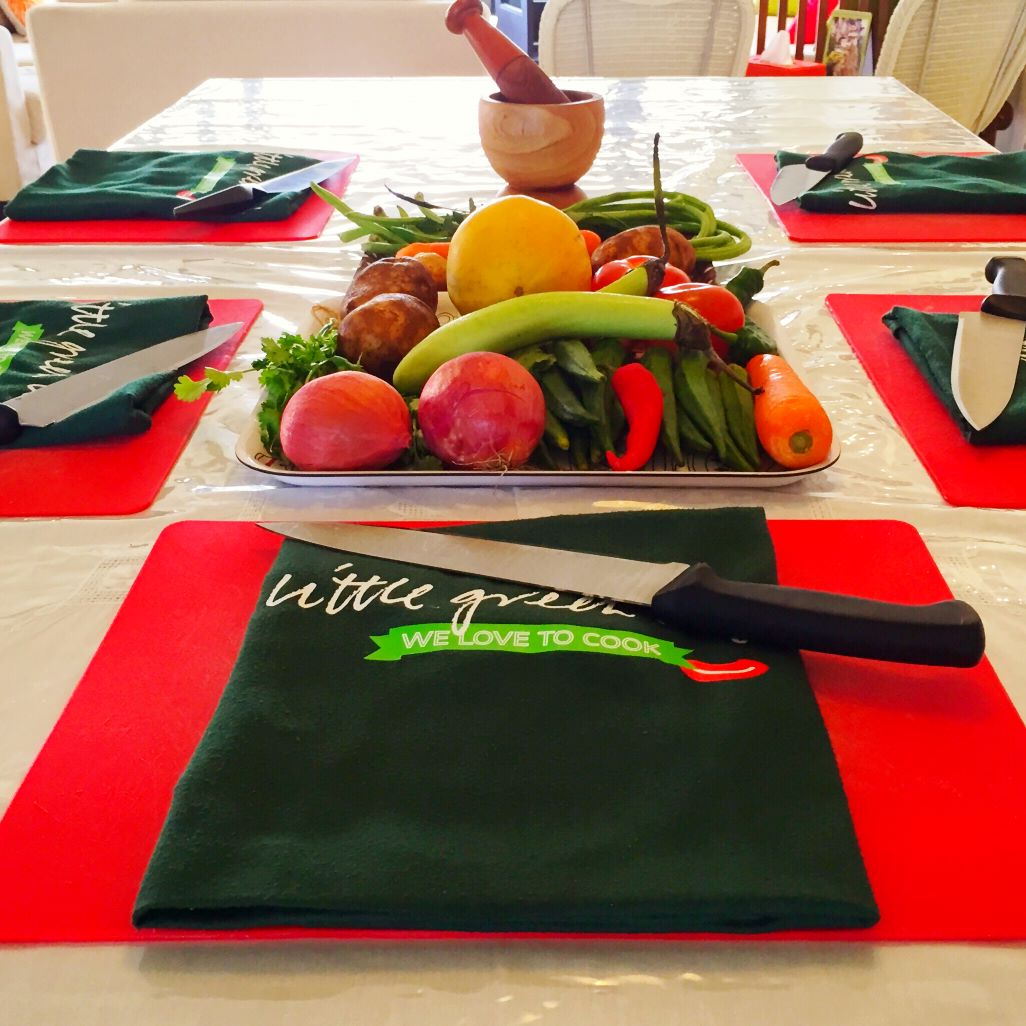
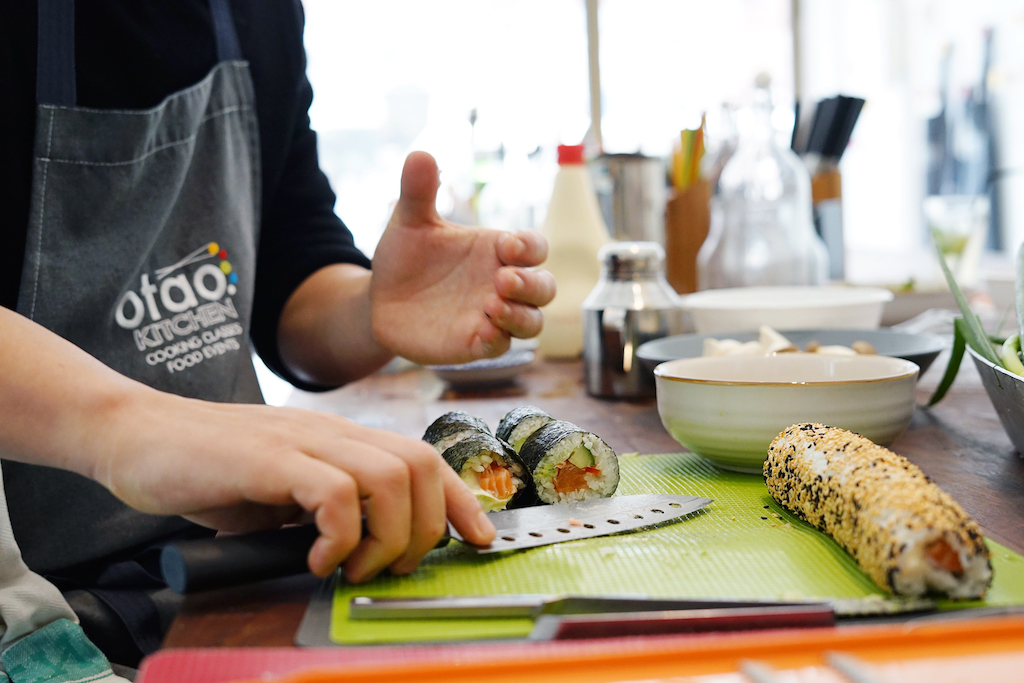
Learn Traditional Rwandan Cooking from Crop all the way to your plate. You start in the fields and finish with a feast.
Available options
Traditional Rwandan Cooking
Lunch & Water: Traditional Rwandan meal included with family. Plus bottles water during the day.
What's included
Local guide
Bottled water
Transport from Muhanga (Gitarama) town out to the village and back
Lunch
Local taxes
Gratuities
Detailed itinerary
1
The experience starts with a briefing before being transported to the rural community. Here you will be welcomed by the artisans and meet your host family and the traditional day activities will begin. You will learn how to get crops from the field and prepare them for lunch in a number of stages. You will grind flour using the traditional local tools and make your own cassava bread and sorghum beer. The artisans will show you how to do the activity and will work alongside you.
Then you can either help fetch water or continue to help with food preparation. Lunch will be served and this will be the food that you have prepared in the morning. Over lunch is a great time to ask your hosts about life in their community. They may have questions for you too about life in your home country.
After this you will be transferred back to the office where you can have a cool drink and have the chance to debrief. Finally, there will be a chance to shop for gifts in the local gift shop.
What's not included
Transportation to/from Muahanga (Gitarama) Town - this can be arranged for an additional charge.
Available languages
Guide guide
EN
FR
Important information
Wheelchair accessible
Infants and small children can ride in a pram or stroller
Service animals allowed
Public transportation options are available nearby
Not recommended for travelers with spinal injuries
Not recommended for pregnant travelers
Not recommended for travelers with poor cardiovascular health
Travelers should have at least a moderate level of physical fitness
A minimum of 2 people per booking is required
Child rate applies only when sharing with 2 paying adults
Meeting point
Coming from Kigali as you enter Muhanga/Gitarama you will the prison on your left. After 30 metres there is a road forking off to your right; ignore this. Keep going on the main road about 100 metres further on the left hand-side of the road you will see the Azizi Life sign.
Important notes
How to prepare for your visit
• Men may wear trousers or shorts. Women should wear trousers or a skirt that covers the knees as Rwandan women usually don’t show their knees.
• You might consider wearing or bringing a long-sleeved shirt in case you cut grass for animals, as this can irritate the skin.
• We recommend that you wear closed-toed shoes: Walking shoes are useful on the paths, which can be steep and slippery. You might want to bring a spare pair of shoes, as one pair may get muddy if you work in the fields.
• Be prepared to spend time in the sun.
• Bring a camera or video camera if you wish: the artisans and their families won’t mind.
• There will be a translator with you: feel free to ask as many questions as you wish.
• Please let us know in advance if you have any food allergies. Food served may contain nuts.
• Ensure that you have health insurance to cover your visit. We do all we can to ensure your safety during your visit. In the case of an accident, we will ensure you get appropriate medical attention. However, you must cover the costs through your insurance.You should also know that:
• Some of the paths are steep and can be slippery after rain, but you will be given a hand if you need it.
• You will be supplied by Azizi Life with plenty of bottled water.
• The food is thoroughly cooked and no previous visitors have become ill after eating it. But if you prefer not to eat, or to eat just a little, you will not offend your host.
• Soap and water are available for washing your hands.
• Each house has a pit latrine.
• We take a first aid kit, hand sanitizer and toilet paper.
• Sometimes other members of the community come and stare at white visitors for a while, as white people are seldom seen in rural communities. They are simply curious.
About Kigali
Kigali, the capital of Rwanda, is known for its cleanliness, safety, and vibrant culture. It's a city of rolling hills, bustling markets, and a rich history, offering a unique blend of urban development and traditional Rwandan charm. The city is a gateway to Rwanda's incredible wildlife and natural beauty, making it an ideal starting point for any visit to the country.
Top Attractions
Kigali Genocide Memorial
A poignant and important site that commemorates the victims of the 1994 genocide against the Tutsi. The memorial includes a museum, mass graves, and a garden of remembrance.
Historical
2-3 hours
Free (donations appreciated)
Mount Kigali
A scenic hill offering hiking trails and panoramic views of the city. It's a popular spot for outdoor enthusiasts and those looking to escape the urban hustle.
Nature
2-4 hours
Free
Kigali City Tower
A historic tower built by the Germans in 1907, offering a glimpse into Kigali's colonial past. The tower is surrounded by a small park and is a popular spot for photos.
Architecture
1 hour
Free
Must-Try Local Dishes
Brochettes
Grilled meat skewers, typically made with goat or beef, and served with a side of salad or fried potatoes.
Snack
Not vegetarian or vegan.
Ugali
A staple dish made from maize flour, often served with a side of vegetables, meat, or stew.
Main course
Vegetarian (check for meat in accompanying dishes).
Isombe
A traditional dish made with cassava leaves, eggplant, and often served with peanuts or beans.
Main course
Vegetarian (can be made vegan if needed).
Popular Activities
Gorilla trekking in Volcanoes National Park
Hiking in Nyungwe National Park
Boating on Lake Kivu
Visiting a traditional Rwandan spa
Exploring the Kigali Genocide Memorial
Visiting local markets and cultural centers
Boating and fishing on Lake Kivu
Not applicable
Best Time to Visit
June to September and December to February
These months offer the best weather for exploring Kigali and its surroundings. The dry season means fewer rain showers and more comfortable temperatures for outdoor activities.
15°C to 25°C
59°F to 77°F
Practical Information
Language
- Official: Kinyarwanda, English, French
- Widely spoken: English, French, Swahili
- English: Widely spoken, especially in urban areas and among younger generations
Currency
Rwandan Franc (RWF)
Time Zone
GMT+2
Electricity
220VV, 50HzHz
Safety Information
Overall Safety Rating: Generally safe
Kigali is one of the safest cities in Africa, with low crime rates and a strong police presence. However, as with any destination, it's important to stay aware of your surroundings and take basic precautions.
Important Precautions:
- • Avoid walking alone at night, especially in isolated areas.
- • Keep valuables secure and out of sight.
- • Be cautious when using ATMs, especially at night.
Getting there
By air
- Kigali International Airport • 10 km from city center
By bus
Kigali Bus Terminal
Getting around
Public transport
SACCO buses are the primary mode of public transportation in Kigali. They are affordable and cover most of the city. However, they can be crowded during peak hours.
Taxis
Available • Apps: InDrive, Yango
Rentals
Car, Bike, Scooter
Neighborhoods
Nyamirambo
Kacyiru
Day trips
Volcanoes National Park
2-3 hours by car • Full day
A UNESCO World Heritage Site known for its mountain gorilla trekking. The park offers a unique opportunity to see these endangered animals in their natural habitat.
Lake Kivu
2-3 hours by car • Full day or overnight
A beautiful lake offering a variety of water activities, scenic views, and relaxation. The surrounding towns, such as Gisenyi and Kibuye, offer accommodations and dining options.
Festivals
Kigali Up • Annual, typically in July
Rwanda Film Festival (HoroMbye) • Annual, typically in October
Pro tips
- Learn a few basic phrases in Kinyarwanda to enhance your cultural experience and connect with locals.
- Hire a local guide for a more informative and immersive experience, especially when visiting cultural sites and markets.
- Take advantage of Kigali's vibrant coffee culture by visiting local cafes and coffee tours.
- Be respectful of local customs and traditions, and always ask permission before taking someone's photo.
- Stay aware of your surroundings and take basic safety precautions, especially when walking alone at night.
From $25
per person
Price varies by option
Secure booking
Free cancellation available