J.R.R. Tolkien's Oxford and Stonehenge Private Tour
Active
8h
All sales are final. No refund is available for cancellations.
Manual confirmation
Mobile or paper ticket accepted
About this experience
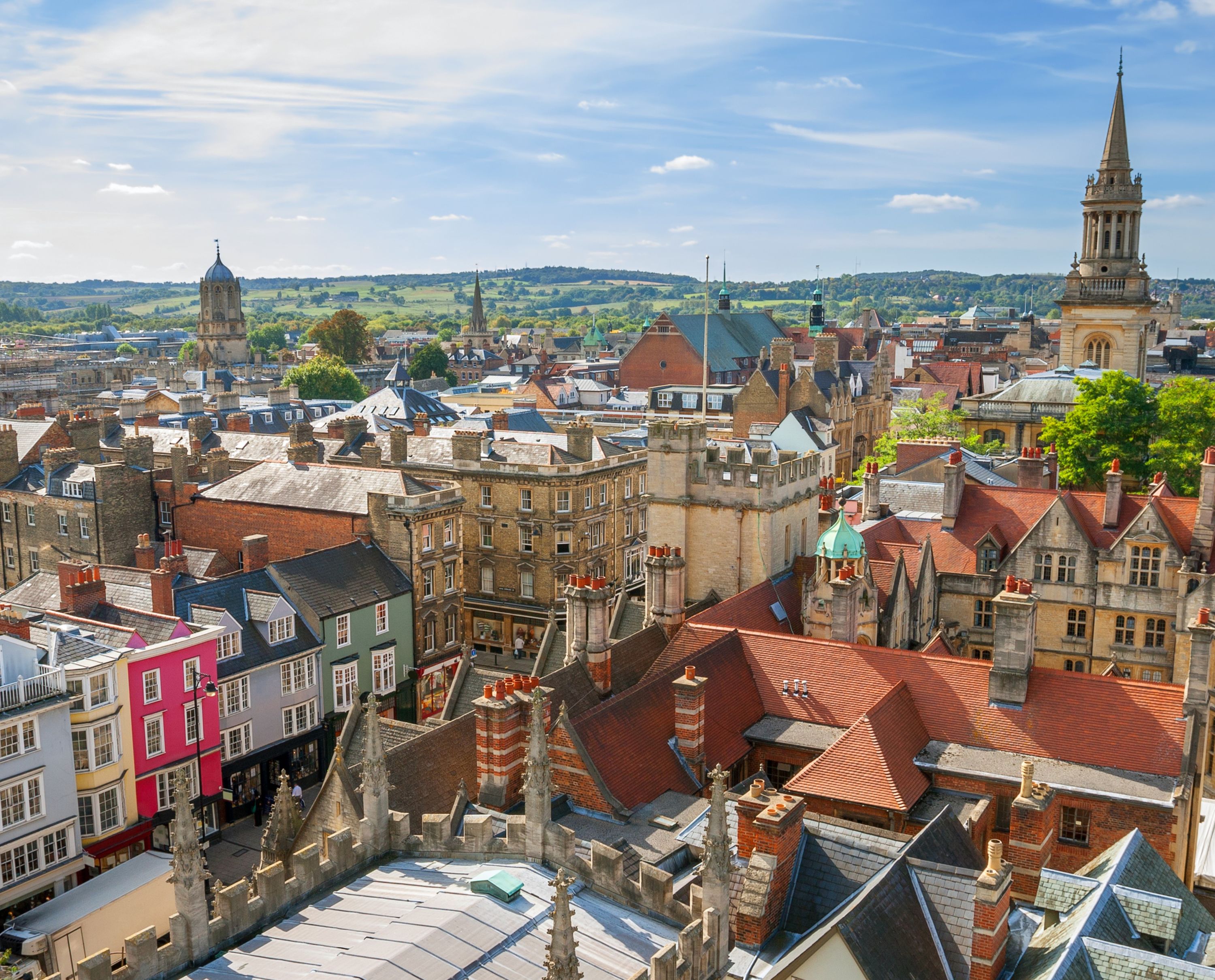
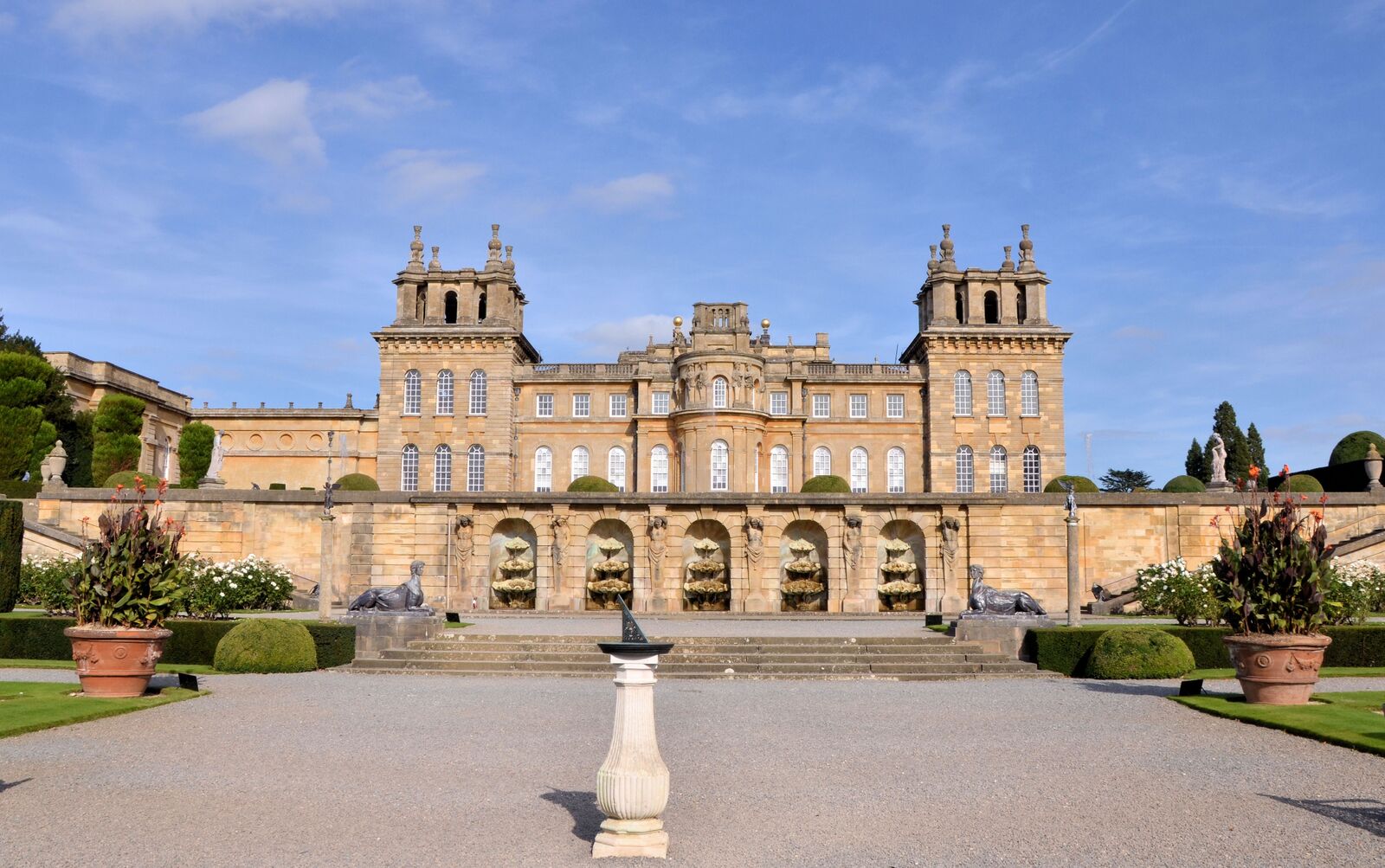
JRR Tolkien may be the most imaginative, remarkable and influential author in our lovely country. His two most famous creations, "The Hobbit" and "The Lord of the Rings" are probably the masterpieces of the fantasy literature. This tour is dedicated to John Ronald Reuel Tolkien in Oxfordshire. Let's not forget J. K. Rowling as well. In Oxford, we will see the pubs where the Inklings met to discuss his famous works "The Hobbit" and "The Lord of the Rings". Our professional blue badge guides will show you various Oxford Colleges and other important places connected to him. We will follow the footsteps of Tolkien. Our journey leads us to magnificent Stonehenge where we will reveal its mystery. After spending an hour, we shall either proceed to London or we may add some important locations such as Cotswolds, Blenheim Palace or Salisbury or Bath. You decide, so please contact us.
Available options
Private Minibus for 10 People
Private Minibus for 10 People: If you are 10 people in a party, this is the best option for exploring the jewels of our English Heritage.<br/>Pickup included
Private London Black Cab for 5
Private London Black Cab for 5: Absolutely, there is no better way to get close to England's famous sights than by an iconic London Black Cab.<br/>Pickup included
Private Minibus for 15 People
Private Minibus for 15 People: If you are a large group of traveller, you can have this option up to 15 people at a time. Please inquire for more than 15 px<br/>Pickup included
Private Van for 7 People
Private Van for 7 People: If you are 7 people or less, this would be a suitable option for your group.<br/>Pickup included
Private Estate Car For 3 Pax
Private Estate Car For 3 Pax: You, your guide and the car. What a perfect combination of exploring our wonderful heritage!<br/>Pickup included
What's included
Private transportation
Bottled water
Air-conditioned vehicle
Fuel surcharge
Parking Fees
Detailed itinerary
1
Wolvercote Cemetery is in the parish of Wolvercote, Oxford, England. Its main entrance is on Banbury Road and it has a side entrance in Five Mile Drive. It has a funeral chapel and public toilets. The cemetery was opened in 1889 and now contains more than 15,000 burials. The grave of JRR and Edith Tolkien is one of the graves in the cemetery. When it was time for him to join Edith in ‘Middle-earth’ in September 1973 (aged 81), Tolkien was buried in the same grave in Wolvercote Cemetery, which is about 1¾ miles further north than Tolkien’s former homes in Northmoor Road. The grave bears not only the names of husband and wife but also Beren (male) and Lúthien (female), characters and lovers from ‘The Silmarillion’. It seems that Tolkien was just an old romantic. In fiction, Beren is killed but restored to life as a result of Lúthien’s pleading. In reality, there was no ‘second-coming’ for JRR perhaps because his real Lúthien had already predeceased him.
2
In Oxford, perhaps the most famous resident of Northmoor Road was the Oxford academic and author J. R. R. Tolkien. He lived at No. 22 in 1926–30 and then a larger house at No. 20 in 1930–47. Tolkien wrote The Hobbit and most of The Lord of the Rings while living at 20 Northmoor Road. There is now a blue plaque on the house. After Wolvercote Cemetery, we will visit both his houses in Oxford.
3
JRR Tolkien matriculated (formally entered Exeter College) on 17 October 1911, aged 19, as an exhibitioner in Classics. He changed course to English Language and Literature graduating in 1915 with first class Honours. In 1914 Tolkien was awarded the college’s Skeat prize for English and the Library has acquired the book presented to him Some Hints on Pattern Designing by William Morris, another Exeter College alumnus. Exeter College Archives has information about his matriculation, tuition and accommodation at College, with details of scholarships and examination results. Loans from the college library included an annotated Finnish grammar, now in the Library special collections. He participated in the College’s 600th-anniversary celebrations in 1914, and was a prominent member of the college’s debating society, the Stapeldon Society, and Essay Club.
4
Pembroke College is an important venue in his career. Tolkien returned to Oxford before 1925. This time he would shift to the other side of the fence, still entrenched in academia, but as a professor, becoming firstly, a professor of Anglo-Saxon (1925-45), then of English Language and Literature (1945-59). That first spell of 20 years, immersed in Anglo-Saxon, was at Pembroke College, where Tolkien held a fellowship. He had also begun some private tutoring from mid-1919, including undergraduates at the all-women (at the time) colleges of Lady Margaret Hall and St Hugh’s College. Tolkien would busy himself with writing too. It was during the Pembroke years that he’d write ‘The Hobbit’ and the first two volumes of ‘The Lord of the Rings’.
5
In 1945, Tolkien moved to Merton College where he was a Professor of English Language and Literature until 1959 when he retired aged 67. It was during the Merton years that Tolkien finished the last part of ‘The Lord of the Rings’ (1948), close to a decade after he’d first begun sketching the stories. Getting things finished quickly was never a trait of his.
6
Stop 6
Pass by
Christ Church is one of the famous colleges in Oxford. The School of many British Prime Ministers was founded by Henry VIII, where the Chapel of the college doubled as the Cathedral of the city. The Grand Hall of the Harry Potter films was filmed in three different spots. On the walls there are portraits of alumni–Prime Ministers, churchmen and philosophers; and Alice in Wonderland writer Lewis Carroll was teaching at the university. Our APTG qualified blue badge tourist guides will tell you all interesting stories about Christ Church.
7
Stop 7
Pass by
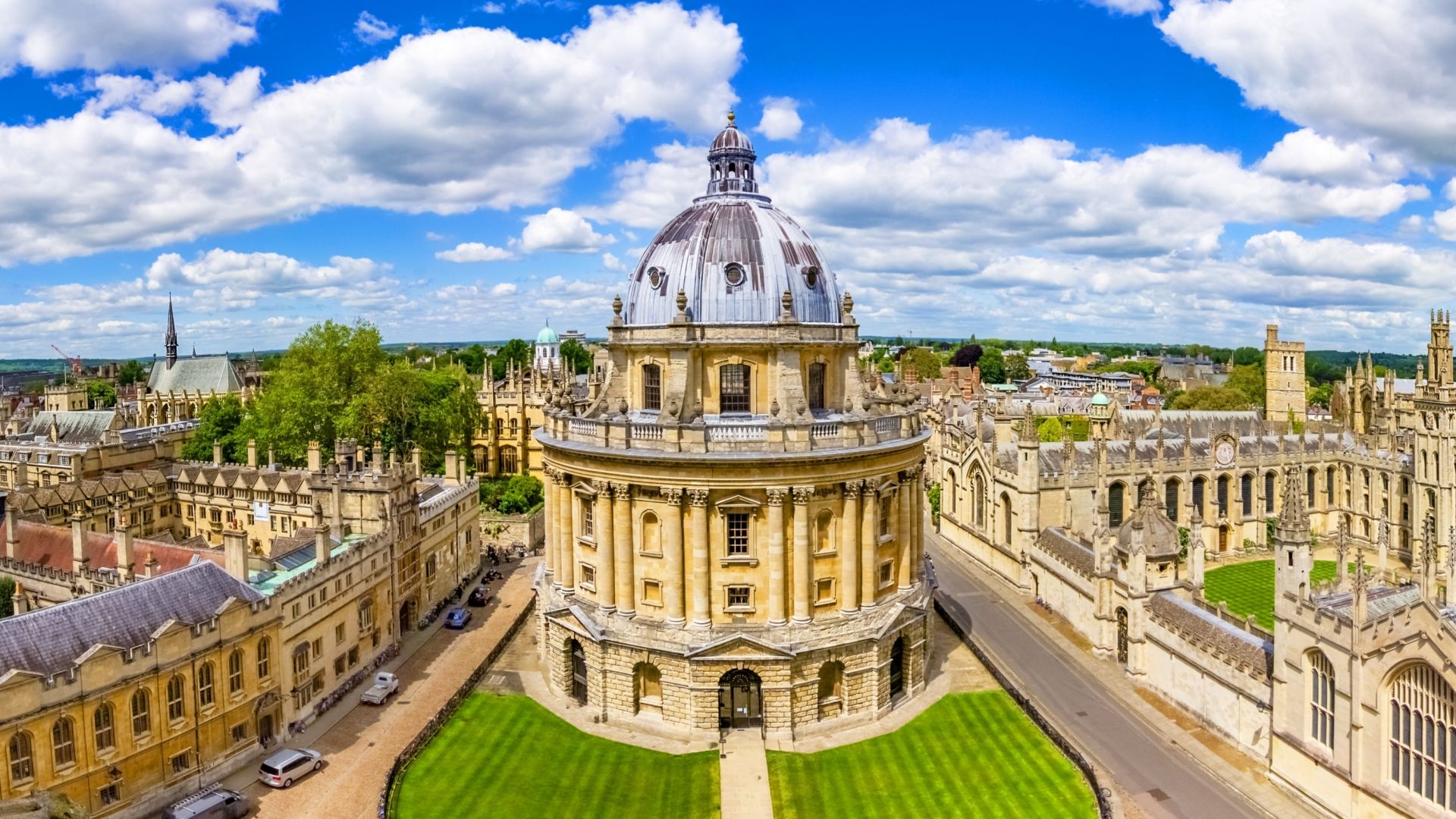
Completed in 1737, this domed classical building forms the hub of architectural Oxford and is considered one of England's earliest examples of a round library. Funded by Dr John Radcliffe, designed by James Gibbs and built between 1737 and 1748, this grand circular building in the middle of Radcliffe Square is an iconic landmark in Oxford and a working library. The domed classical building is considered to be one of England's earliest examples of a round library. Public access is restricted to tours only.
8
Stop 8
Pass by
The Bodleian Library is a working library which forms part of the University of Oxford. It is housed in a remarkable group of buildings which forms the historic heart of the University, and you can explore the quadrangles of these magnificent structures at no charge. Some of the buildings, such as the University’s oldest teaching and examination room, The Divinity School (built 1427-88) are where you will discover more of the University’s fascinating history by Tourope UK's APTG qualified blue badge tourist guides telling behind the scenes in the Library, including its oldest research library, dating from 1602-20. You will marvel at 5 basic orders of the architecture of columns, Doric, Ionic, Corianthian, Tucson and Composite.
Pass By: Sheldonian Theatre The Sheldonian Theatre, an exquisite Grade I listed building situated in Oxford's city centre, is the official ceremonial hall of Oxford University.
9
Stop 9
Pass by
The main buildings at Hertford College are linked together by a corridor called the "Bridge of Sighs," built-in 1913-14 and named after the Ponte Dei Sospiri in Venice. The Bridge of Sighs lies right opposite the entrance to the Bodleian Library, famous for its similarity to the Bridge of Sighs in Venice, has never intended to be a replica of the Venetian bridge, and instead, it bears a closer resemblance to the Rialto Bridge in the same city. Nevertheless, the bridge provides a popular photo opportunity for tourists and newcomers. Just pay attention to our guide why we call the bridge as "Bridge of Sighs"
10
Stop 10
Pass by
The Sheldonian Theatre, an exquisite Grade I listed building situated in Oxford's city centre, is the official ceremonial hall of Oxford University. The Theatre is a popular tourist attraction particular because it offers one of the best indoor panoramic views of Oxford's famous skyline from its Cupola. It was designed by Sir Christopher Wren and built between 1664 and 1669. Learn about how the University was formed, how long it's been in existence and the secrets of its past by Tourope UK's APTG qualified blue badge tourist guides. Next to the Sheldonian Theatre, we will also visit Divinity School. You will be amazed at the Divinity School’s intricate ceiling patterns and gorgeous tall windows. On your visit make sure to take a sit on a bench and imagine oral exams taking places within those magnificent walls. The Divinity School is a medieval building and room in the Perpendicular style characterised by its rich ornamentation and tracery.
11
Built-in 1712 by the Oxford University Press for the University's printing, the building is now part of the Bodleian Library. It was built to house the Oxford University Press, which had previously been occupying a large room over the ceiling of the Sheldonian Theatre. It owes it name to the fact that it was partly paid for by the profits from the History of the Great Rebellion by Lord Clarendon, whose son presented the University with its copyright. It was known as “The Printing House” until the University Press moved to Walton Street in 1832. Today the building is used as an international exam centre.
12
Stop 12
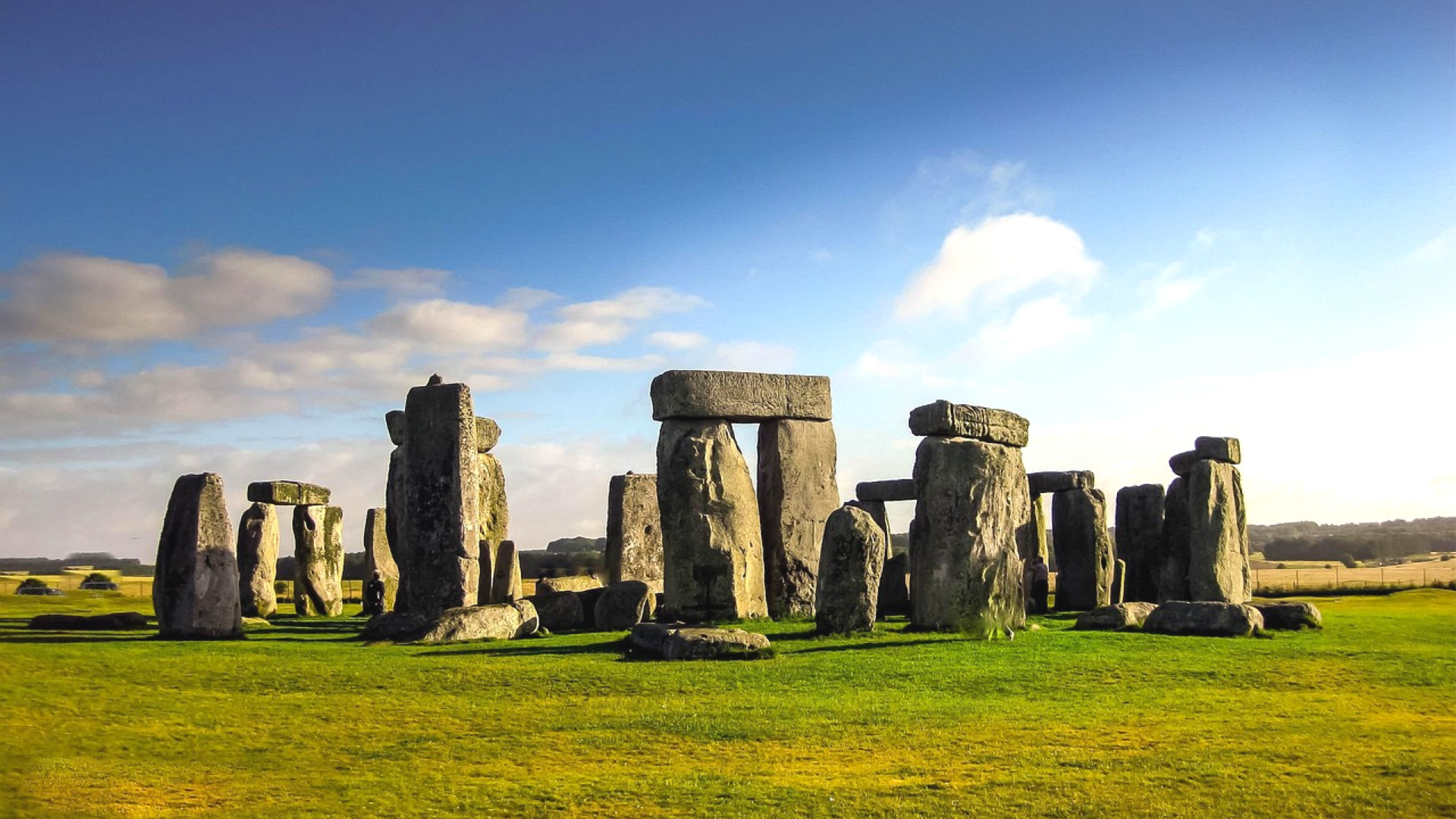
Stonehenge stands alone in the vast, empty section of the Salisbury Valley as the world's most famous prehistoric and now a World Heritage Site. Its origins date back almost 5,000 years and since then it has been home to pagan religions and spiritual worship. What was the purpose of this huge collection of stones? Was it a Moon Sighting Observatory, a Sun Temple, or a complex cemetery? Who were those people that took these 40-ton rocks and carved them? You will learn all the answers and marvel at this remarkable and mysterious feat of ancient design and engineering here today. You will first visit Stonehenge Visitors Centre to understand the idea of this prehistoric burial ground. Just listen to this ancient story from your APTG qualified blue badge tourist guides provided by Tourope UK today.
What's not included
Lunch
Available languages
Guide guide
EN
TR
Important information
Wheelchair accessible
Infants and small children can ride in a pram or stroller
Service animals allowed
Infants are required to sit on an adult’s lap
Specialized infant seats are available
Transportation options are wheelchair accessible
All areas and surfaces are wheelchair accessible
Travelers should have at least a moderate level of physical fitness
About London
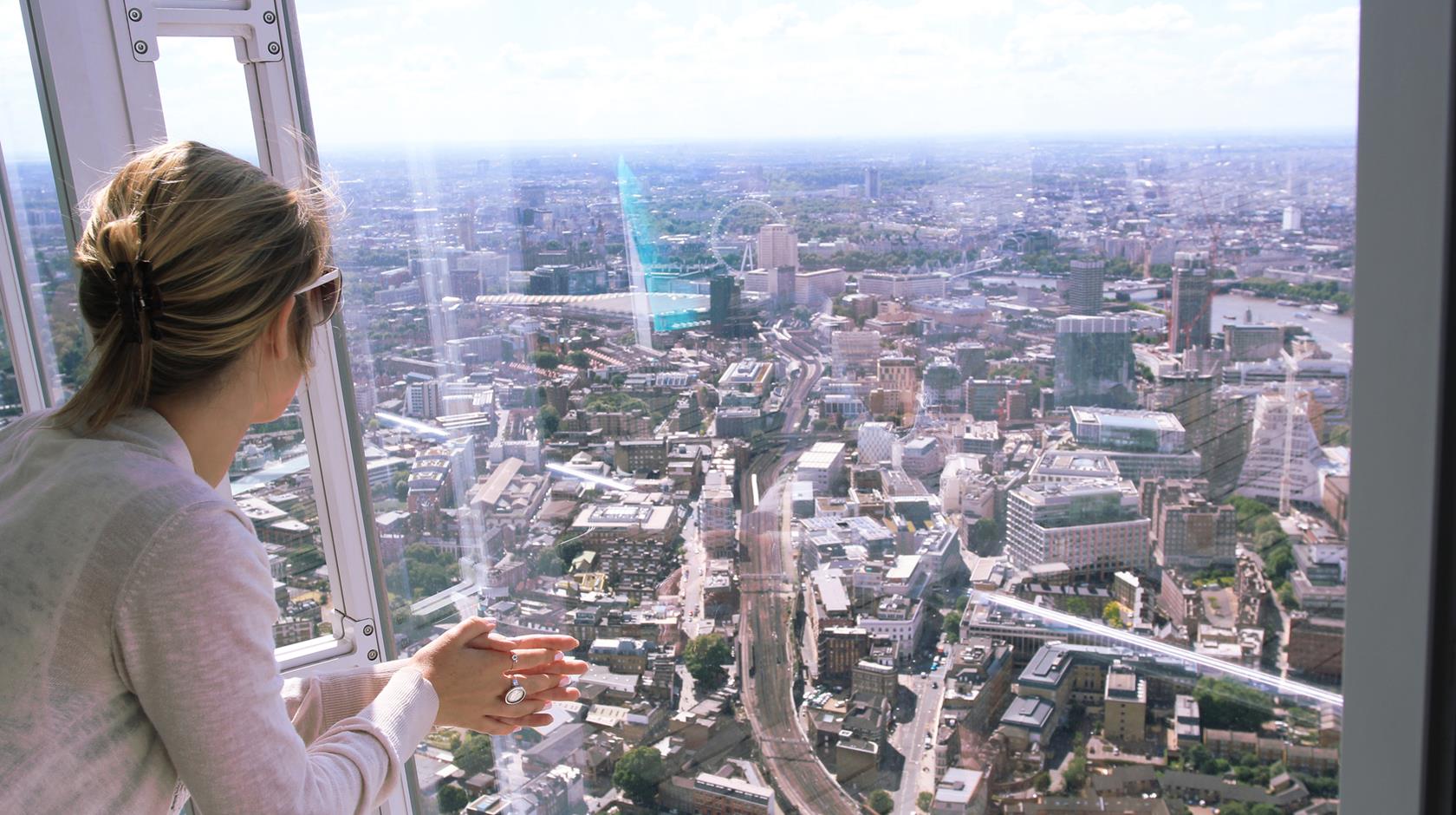
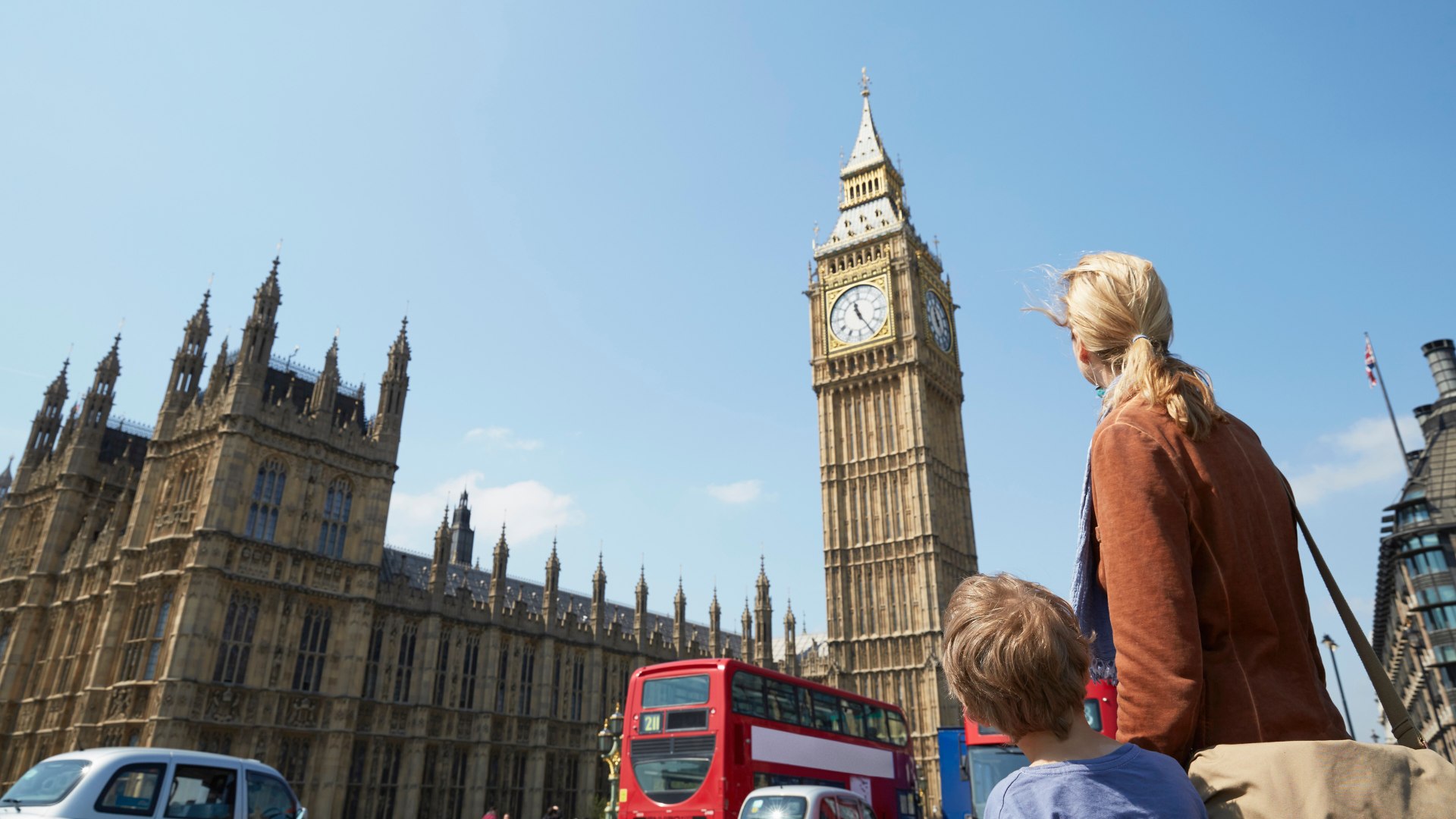
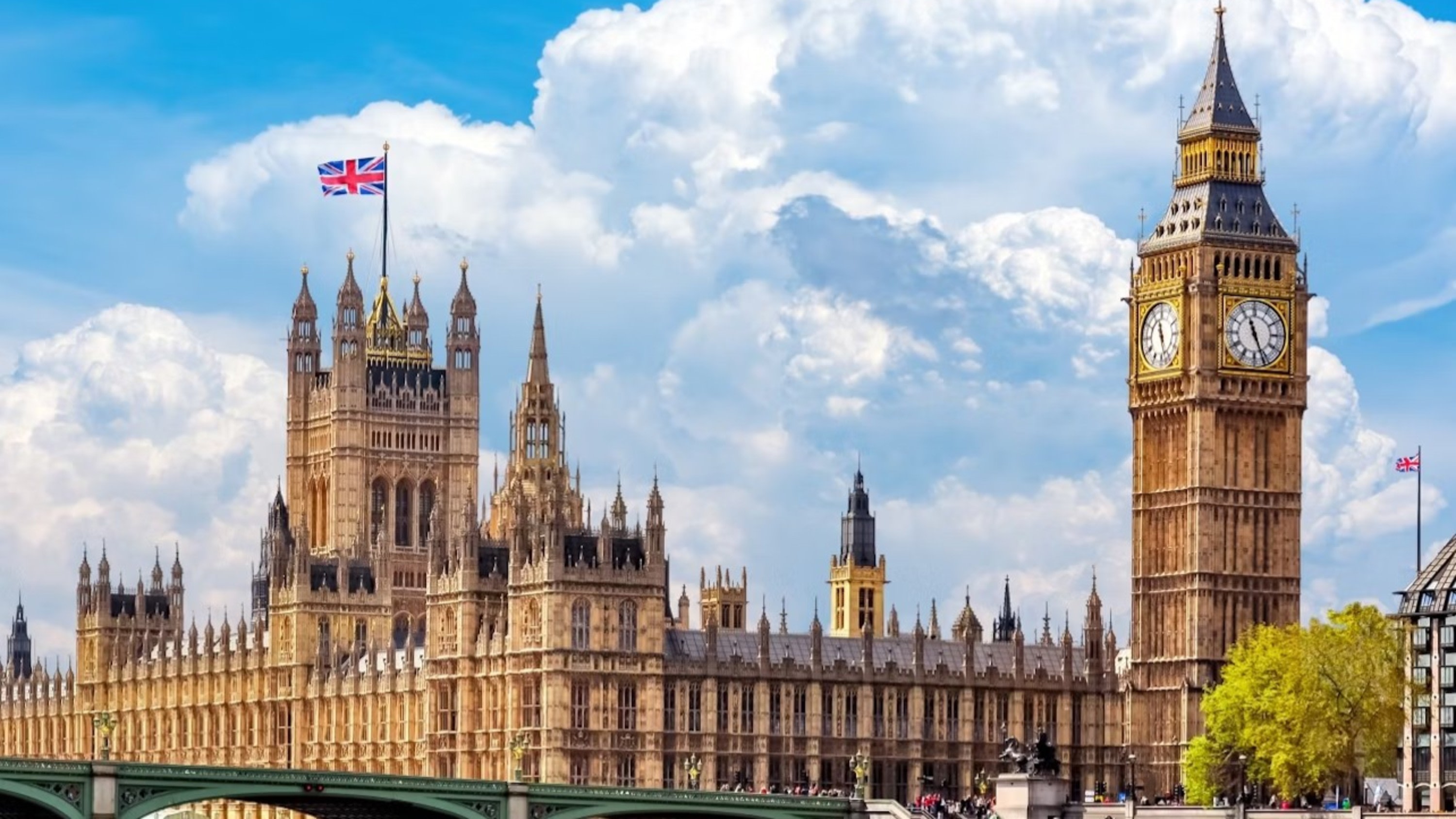
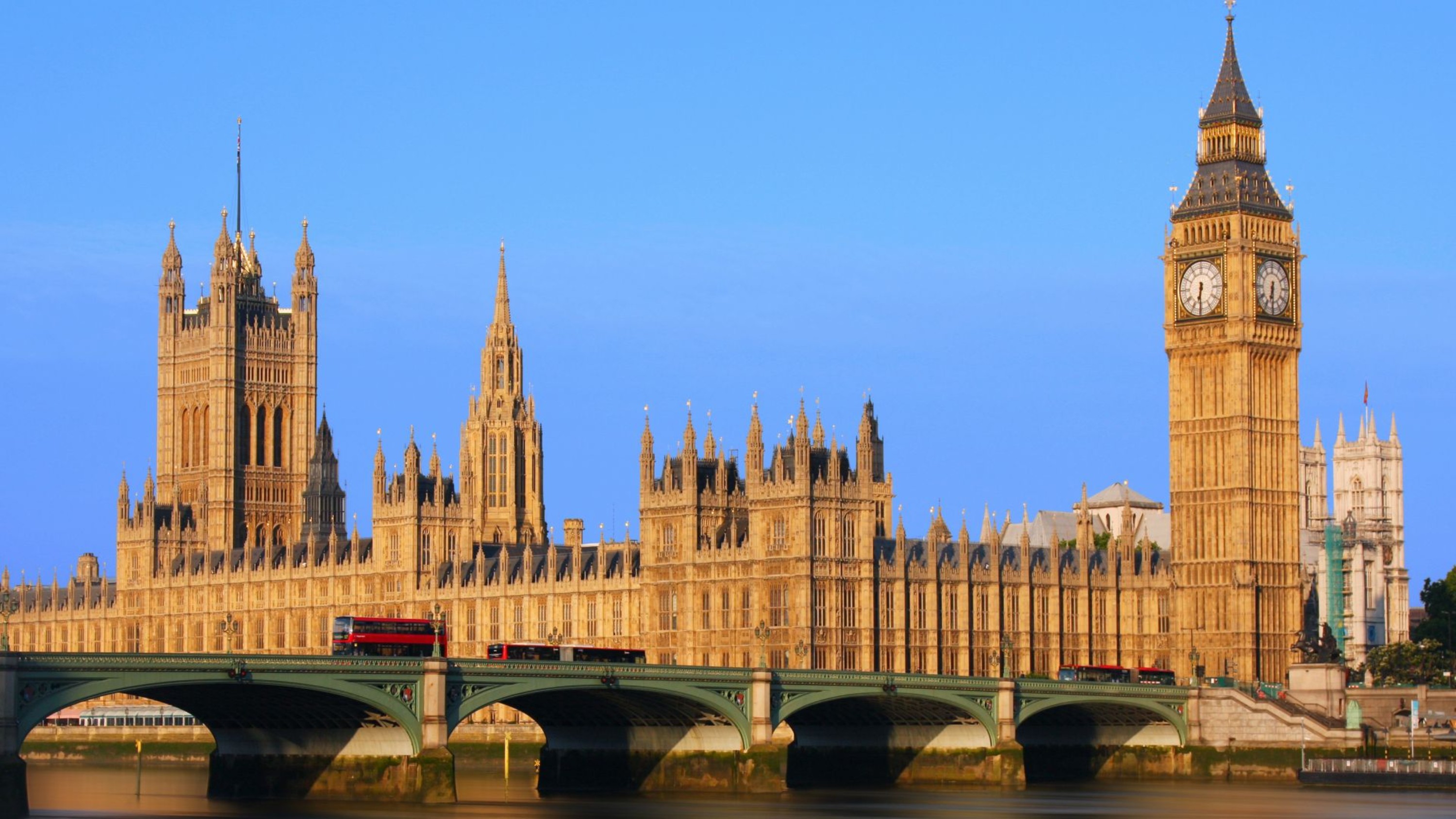
London, the capital of England and the United Kingdom, is a vibrant, multicultural metropolis known for its rich history, iconic landmarks, and dynamic cultural scene. From the ancient Tower of London to the modern Shard, the city offers a blend of the old and the new, making it a fascinating destination for travelers from around the world.
Top Attractions
Tower of London
A historic castle located on the north bank of the River Thames. It has served as a royal palace, prison, armory, and treasury. The Crown Jewels are also housed here.
Historical
2-3 hours
£28 (adult ticket)
Buckingham Palace
The official residence of the British monarch. Visitors can watch the Changing of the Guard ceremony and tour the State Rooms during the summer.
Historical
1-2 hours
£27.50 (adult ticket for State Rooms)
The British Museum
One of the world's largest and most comprehensive museums, housing a vast collection of artifacts from around the globe.
Museum
2-3 hours
Free (special exhibitions may have a charge)
The London Eye
A giant Ferris wheel on the South Bank of the River Thames, offering panoramic views of the city.
Entertainment
30 minutes
£27-£33 (adult ticket)
Westminster Abbey
A large, mainly Gothic abbey church just to the west of the Palace of Westminster. It is one of the most notable religious buildings in the UK and the traditional place of coronation and burial for English and, later, British monarchs.
Religious
1-2 hours
£27 (adult ticket)
Tower Bridge
An iconic symbol of London, this combined bascule and suspension bridge spans the River Thames. Visitors can explore the bridge's walkways and the Tower Bridge Exhibition.
Architecture
1-2 hours
£11 (adult ticket for the exhibition)
Must-Try Local Dishes
Fish and Chips
A classic British dish consisting of battered and fried fish, usually cod or haddock, served with thick-cut chips (fries).
Dinner
Contains gluten and fish
Full English Breakfast
A hearty breakfast consisting of eggs, bacon, sausages, baked beans, grilled tomatoes, mushrooms, black pudding, and toast.
Breakfast
Contains meat and gluten
Afternoon Tea
A quintessential British tradition involving a selection of finger sandwiches, scones with clotted cream and jam, and a variety of pastries, all served with tea.
Snack
Can be adapted for vegetarian, vegan, and gluten-free diets
Sunday Roast
A traditional British meal served on Sundays, featuring roasted meat (usually beef, lamb, or chicken), Yorkshire pudding, roast potatoes, vegetables, and gravy.
Dinner
Contains meat and gluten
Popular Activities
Rock climbing
Kayaking on the Thames
Cycling tours
Afternoon tea
Spas and wellness centers
Punting on the River Cam
Museum visits
Theater performances
Best Time to Visit
June to August
Summer is the peak tourist season in London, with long daylight hours and a variety of festivals and events. The weather is generally pleasant, though it can be unpredictable.
15°C to 25°C
59°F to 77°F
Practical Information
Language
- Official: English
- Widely spoken: English
- English: Widely spoken
Currency
British Pound (GBP)
Time Zone
GMT (UTC+0) or BST (UTC+1) during daylight saving time
Electricity
230VV, 50HzHz
Safety Information
Overall Safety Rating: Generally safe
London is generally safe for travelers, but like any major city, it's important to be aware of your surroundings and take precautions to protect yourself and your belongings.
Important Precautions:
- • Keep your belongings secure and be aware of your surroundings
- • Avoid carrying large amounts of cash
- • Use licensed taxis or ride-sharing services
Getting there
By air
- Heathrow Airport • 23 km from city center
- Gatwick Airport • 40 km from city center
By train
London Waterloo, London King's Cross
By bus
Victoria Coach Station, Earls Court, Farringdon
Getting around
Public transport
The Tube is the fastest and most efficient way to get around London. It operates from early morning until late at night and covers all major attractions.
Taxis
Available • Apps: Uber, Bolt
Rentals
Car, Bike, Scooter
Neighborhoods
Westminster
Camden Town
Soho
Notting Hill
Shoreditch
Greenwich
Day trips
Windsor Castle
34 km from London • Half day to full day
Windsor Castle is the oldest and largest occupied castle in the world, and it's one of the official residences of the British monarch.
Stonehenge
130 km from London • Full day
Stonehenge is a prehistoric monument consisting of a ring of standing stones, located in the English county of Wiltshire.
Brighton
80 km from London • Full day
Brighton is a vibrant coastal city known for its beaches, lively atmosphere, and eclectic mix of shops, restaurants, and attractions.
Festivals
Notting Hill Carnival • Last Sunday and Monday of August
London Film Festival • October
New Year's Eve Fireworks • December 31
Pro tips
- Use an Oyster card or contactless payment for cheaper and more convenient public transportation
- Book tickets in advance for popular attractions to skip the queue and save money
- Explore the city's neighborhoods and markets for a unique and authentic experience
- Try the local street food and international cuisine at markets like Borough Market and Camden Market
- Visit the city's parks and gardens for a peaceful escape from the bustling streets
From $25
per person
Price varies by option
Secure booking
Free cancellation available