Holiday in Jakarta, Private Tour With Guide
Active
5h - 6h
For a full refund, cancel at least 24 hours before the scheduled departure time.
Instant confirmation
Mobile or paper ticket accepted
About this experience
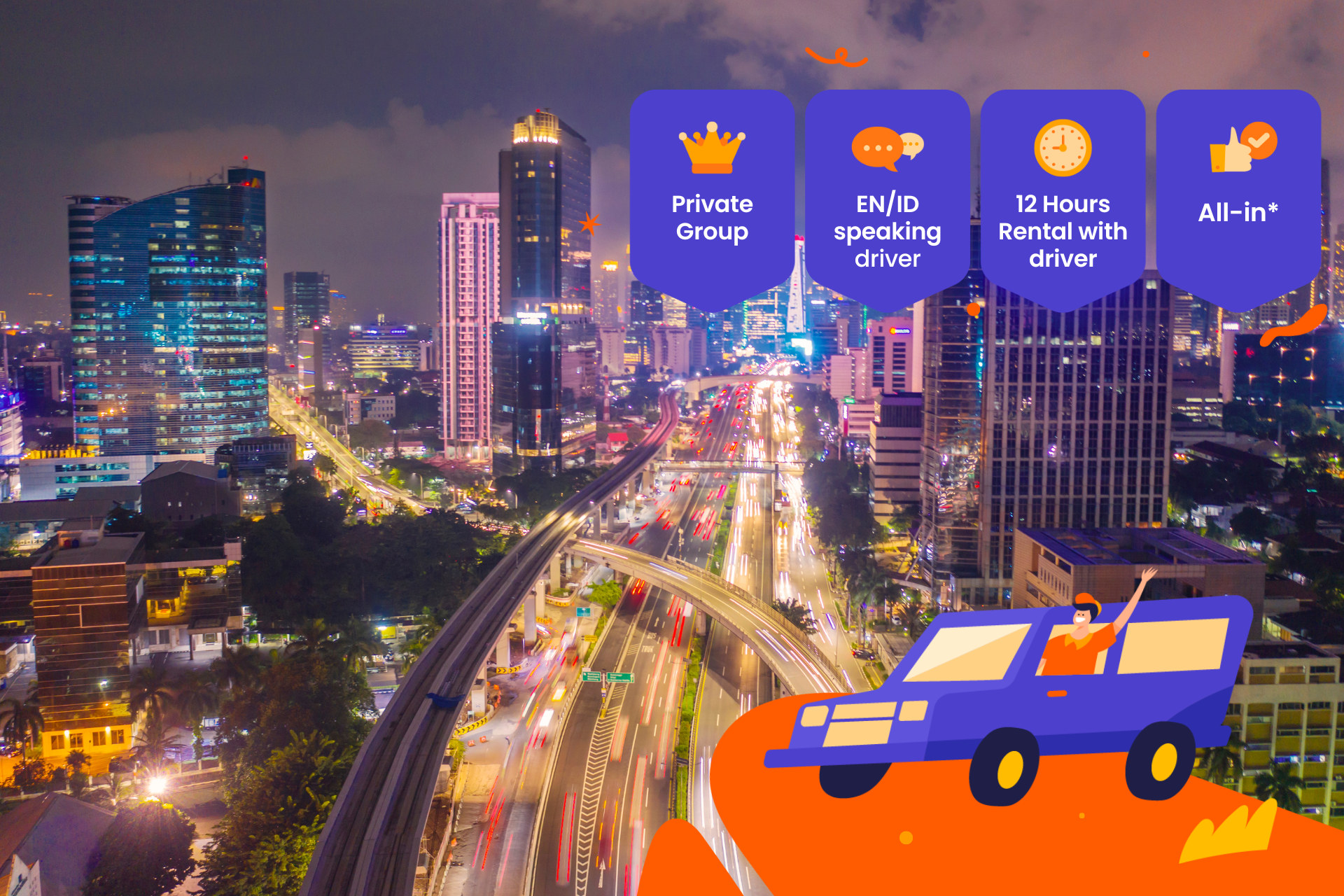
by ordering a city tour of Jakarta, we will introduce you closer to the city of Jakarta and try authentic food from the city of Jakarta. accompanied by a professional and reliable guide also experienced drivers. make you and your family or friends comfortable.
Available options
Holiday in Jakarta, Private Tour With Guide
Pickup included
What's included
Private transportation
Lunch With Local Food
Bottled water
All Fees and Taxes
Air-conditioned vehicle
Use of bicycle
Enjoying archipelago snacks such as egg crust, pancake etc.
Detailed itinerary
1
Stop 1
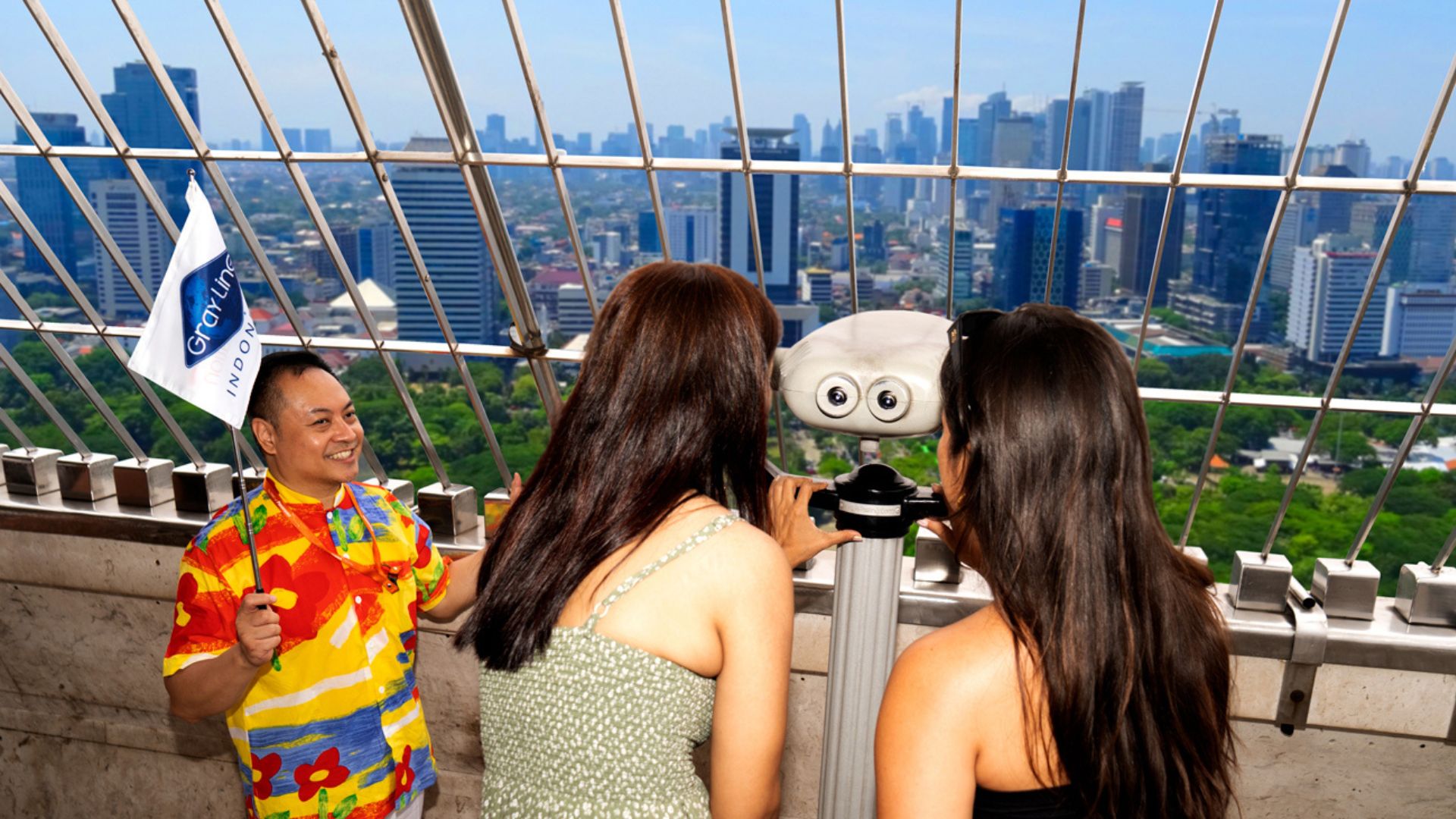
The National Monument is a rectangular tower with the height of 132 meters. The typical part of the building that became a special characteristic of it is the flame shape covered with gold foil located on the top of the tower. There is a museum at the base part of the tower with the size of 80 x 80 meters. Everyone can visit the museum to learn the history of Indonesia. There is also an amphitheater in this building called Ruang Kemerdekaan, it is located in the "cup" part of Monas and it can be reached by using spiral stairs at the north and south doors. If you go to the southern side of the building, you will find an elevator that can be use to access the top platform where we will find the observation deck and also the flame of independence.
2
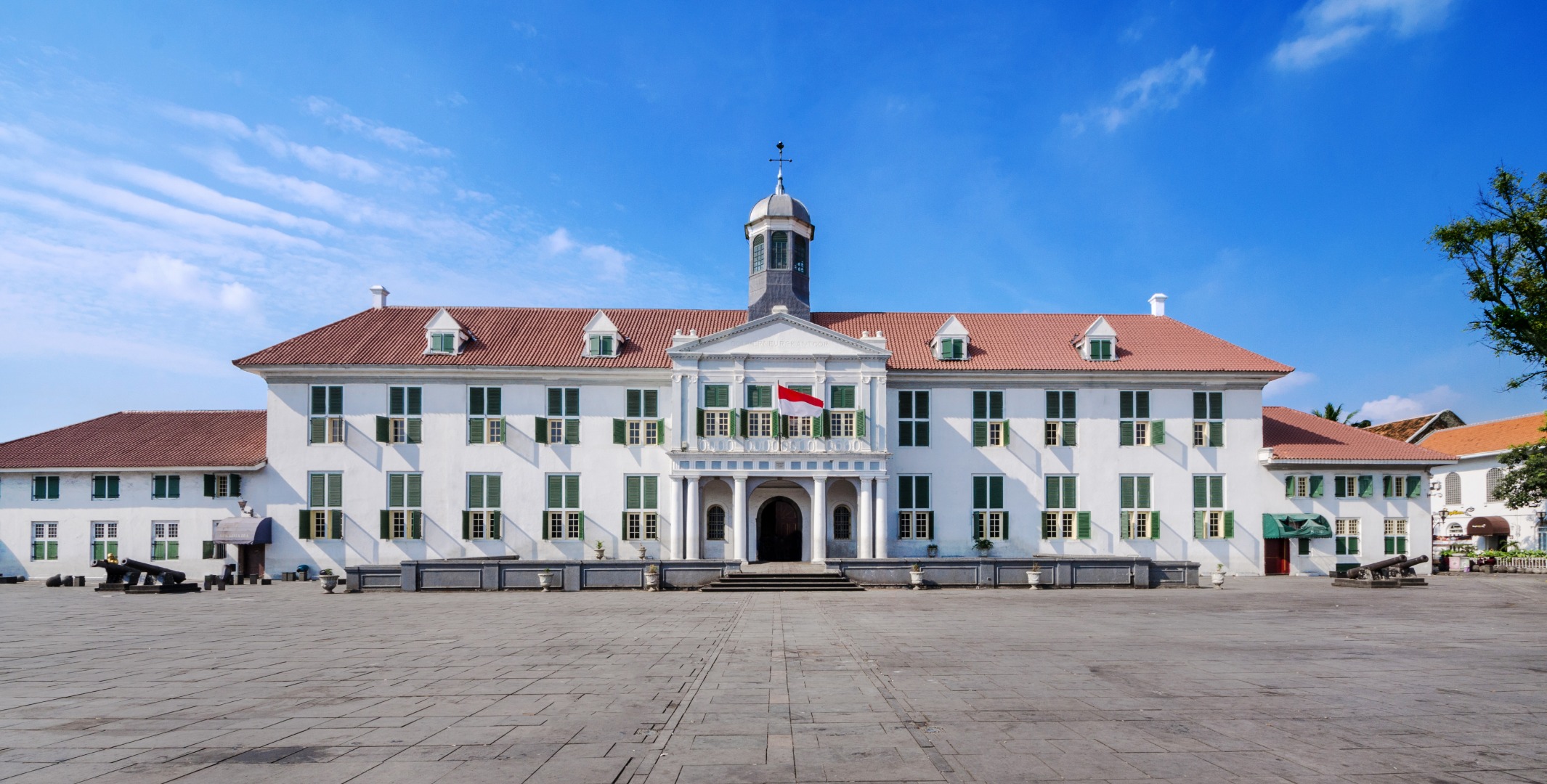
Guide and Client walk Kota Tua Jakarta, also known as the Old Batavia (Oud Batavia), is a small area in Jakarta, Indonesia. This special area has an area of 1.3 square kilometers across North Jakarta and West Jakarta (Pinangsia, Taman Sari and Roa Malaka).
Nicknamed the "Asian Gem" and "Queen of the East" in the 16th century by European sailors, Jakarta Lama was considered the trade center for the Asian continent because of its strategic location and abundant resources.
3
Stop 3
Sunda Kelapa, better known as Pasar Ikan (meaning fish market) is located at the mouth of the Ciliwung River. The fish catch of the day was auctioned in the early morning at the old fish market. The street leading to it was lined with shops selling all sorts of shells, dehydrated turtles, lobsters and mostly everything the seafarer might need. This 500-year-old harbor area was a vital link to markets of the outside world for the 15th century kingdom of Pajajaran. It was formerly the harbor town of Sunda Kelapa where the Portuguese traded with the Hindu Kingdom of Pajajaran in the early 16th century. Since than this port has belonged to the portuguese and Dutch.
Dutch domination of Jakarta and the rest of Indonesia began from this area, whereas the remnants of Kasteel Batavia, an old fort and trading post of the Dutch East Indies Company can still be seen now. Sunda Kelapa is at present a fisherman's wharf and an inter island port. Tall-misted Bugis schooners from South Sulawesi anchoring there offer a picturesque scene. They belong to one of the last-fleets of sailboats in the world and still ply the seas between the islands, as they did centuries ago, carrying merchandise.
Tough little remains of bustling old Sunda Kelapa except the name, the harbor is still one of the most important calls for sailing vessels from all over Indonesia. The magnificent and brightly painted Makassar schooner called Pinisi is still an important means of transporting goods to and from the outer islands. This is one of the finest sights in Jakarta.
Wander around the old Sunda Kelapa port, watching gangs of sinew-stretched coolies smoking pungent clove-laced cigarettes unload cargos of timber, coal and spices from stunning wooden schooners. Hire a dugout canoe and paddlers and enjoy the waterside scenery. The boats also go to the nearby old fish market, which can be reached easily by foot from the port and is free to enter. Work starts here at 3am and it's essential to arrive by 6am to see the best of the action.
4
Istiqlal Mosque in Jakarta, Indonesia is the biggest mosque in Southeast Asia, befitting its location in the largest Muslim country in the world (in terms of population). The mosque was constructed to conform to then-President Sukarno's grand vision of a strong, multi-faith state with the government at its center: Istiqlal Mosque stands across the street from the Catholic Jakarta Cathedral, and both places of worship stand next to Merdeka Square, home to Monas (Independence Monument) which towers over them.
5
After the arrival of Dutch East India Company in 1619, the Roman Catholic Church was banned in the East Indies and only survived in Flores and Timor. The Netherlands was known to support Protestantism and tried to limit the influence and authority of the Holy See. During the Napoleonic Wars, the Netherlands fell under the French Empire, including its possession, the colony of Dutch East Indies. In 1806 Napoleon Bonaparte installed his Catholic younger brother Louis Napoleon (Dutch: Lodewijk) as the King of The Netherlands. Since then, the Catholic Church has been free to operate in the East Indies.
The Commissary General of Batavia, Du Bus de Gisignies (1825–1830), was credited with providing land to build the first Catholic church in Batavia. The former residence of General de Kock in the Weltevredeen area was renovated to be a church. Monseigneur Prinsen blessed and inaugurated the church on 6 November 1829 and named it "Our Lady of the Assumption." The church was renovated in 1859, but collapsed on 9 April 1890.
The present church is the one rebuilt between 1891 and 1901. Pastor Antonius Dijkmans, SJ was appointed as the architect. Construction was halted due to a lack of funding, but the church's new bishop, Mgr E. S. Luypen, SJ, raised the necessary funds in The Netherlands and architect MJ Hulswit resumed construction in 1899. "De Kerk van Onze Lieve Vrowe ten Hemelopneming - The Church of Our Lady of the Assumption" was blessed and inaugurated by Mgr Edmundus Sybrandus Luypen, SJ on 21 April 1901. The church was renovated in 1988 and 2002.
Available languages
Guide guide
EN
Important information
Suitable for all physical fitness levels
About Jakarta
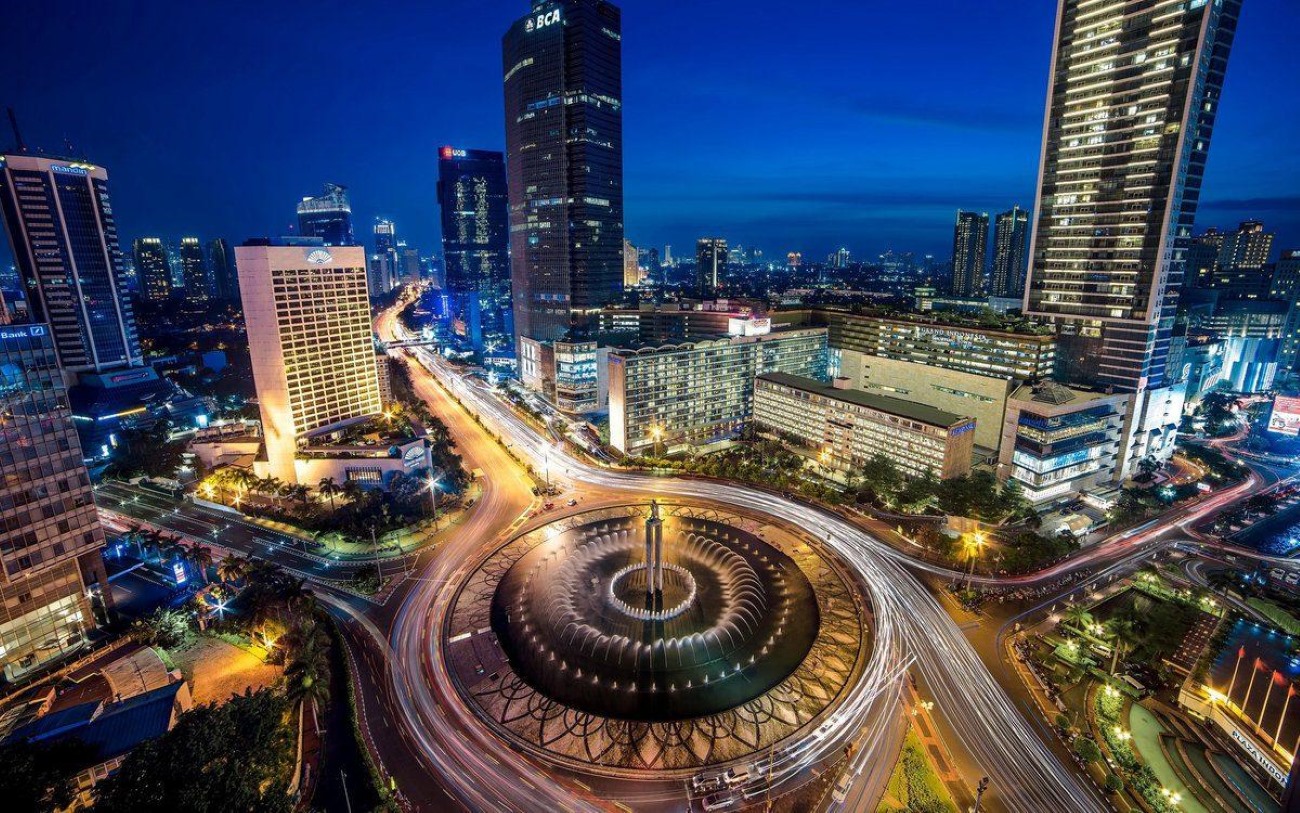
Jakarta, the bustling capital of Indonesia, is a vibrant metropolis where modern skyscrapers coexist with traditional markets and colonial-era buildings. Known for its dynamic street life, rich culinary scene, and historic landmarks, Jakarta offers a unique blend of cultural experiences and contemporary urban living.
Top Attractions
National Monument (Monas)
The National Monument, commonly known as Monas, is an iconic symbol of Jakarta. It features a 137-meter obelisk topped with a golden flame and a museum at its base.
Historical
1-2 hours
IDR 4,000 (museum only)
Istiqlal Mosque
The Istiqlal Mosque is the largest mosque in Southeast Asia and a significant religious and architectural landmark in Jakarta.
Religious
1 hour
Free
Kota Tua (Old Town)
Kota Tua, or Old Town, is a historic area in Jakarta that showcases the city's colonial past with well-preserved buildings, museums, and cultural sites.
Historical
Half day
IDR 5,000 - 10,000 for museums
Taman Mini Indonesia Indah
Taman Mini Indonesia Indah is a cultural park that showcases the diversity of Indonesian culture, traditions, and architecture through various pavilions and exhibits.
Cultural
Half day to full day
IDR 15,000
Ancol Dreamland
Ancol Dreamland is a popular resort and entertainment complex offering a variety of attractions, including an amusement park, water park, and beach.
Entertainment
Full day
IDR 50,000 - 200,000 depending on attractions
Must-Try Local Dishes
Nasi Goreng
Fried rice cooked with sweet soy sauce, shallots, garlic, tamarind, and chili, often served with a fried egg and prawn crackers.
Lunch/Dinner
Can be made vegetarian or vegan.
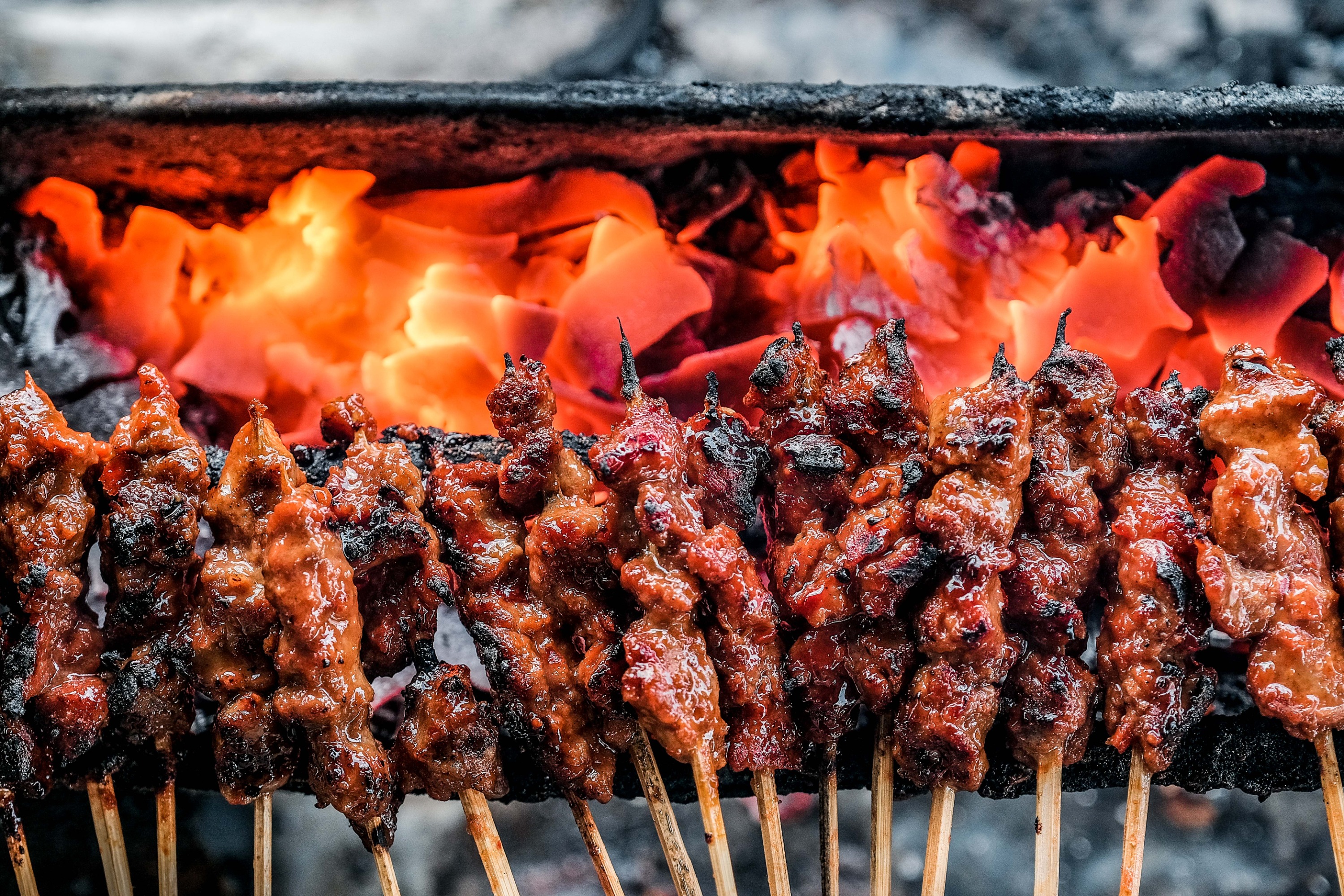
Sate
Grilled skewered meat, typically chicken, beef, or pork, served with peanut sauce.
Snack/Dinner
Available with various types of meat and vegetarian options.
Soto Betawi
A traditional Jakarta soup made with beef or cow offal, coconut milk, and spices, served with rice and condiments.
Lunch/Dinner
Contains beef or cow offal.
Gado-Gado
A traditional Indonesian salad made with vegetables, tofu, and boiled eggs, served with peanut sauce.
Lunch/Dinner
Vegetarian and vegan options available.
Popular Activities
Hiking in the surrounding mountains and nature reserves
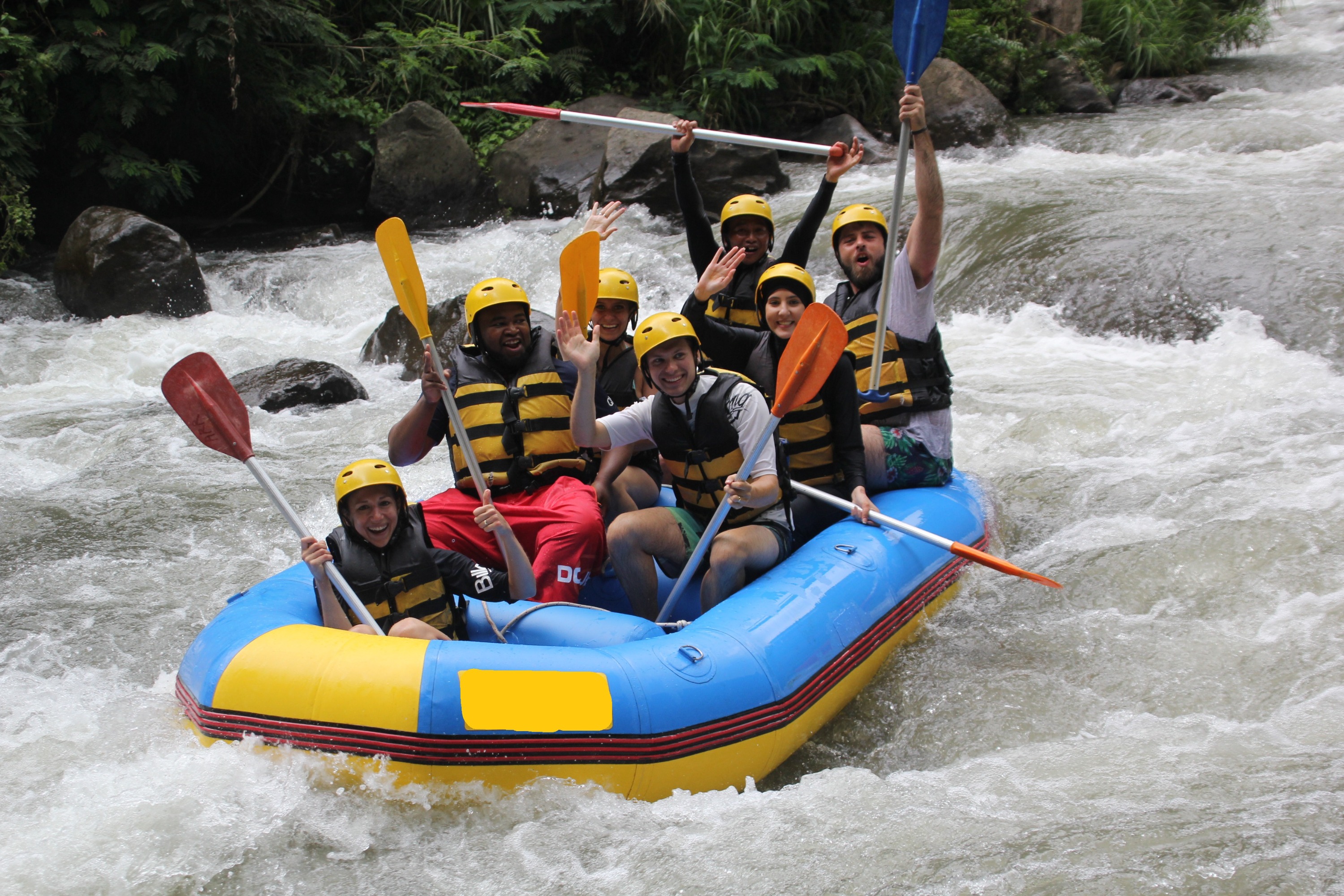
White-water rafting in nearby rivers
Spa and wellness treatments in luxury resorts
Strolling through parks and gardens
Exploring historic sites and museums
Attending traditional performances and festivals
Beach activities at Ancol Dreamland
Boat tours and water sports
Best Time to Visit
May to September
This is the dry season, with lower humidity and less rainfall, making it ideal for outdoor activities and sightseeing. The weather is generally pleasant, and it's the most popular time for tourists.
24-32°C
75-90°F
Practical Information
Language
- Official: Indonesian
- Widely spoken: English, Javanese, Sundanese
- English: Moderately spoken in urban areas, limited in rural areas
Currency
Indonesian Rupiah (IDR)
Time Zone
GMT+7
Electricity
220VV, 50HzHz
Safety Information
Overall Safety Rating: Exercise caution
Jakarta is generally safe for tourists, but petty crime, traffic accidents, and occasional political demonstrations can pose risks. Be aware of your surroundings and take necessary precautions.
Important Precautions:
- • Keep valuables secure and out of sight.
- • Use reputable transportation services and avoid unmarked taxis.
- • Be cautious when using ATMs, especially at night.
Getting there
By air
- Soekarno-Hatta International Airport • 20 km from city center
- Halim Perdanakusuma Airport • 15 km from city center
By train
Gambir Station, Jatinegara Station
By bus
Pulo Gebang Bus Terminal, Leuwipang Bus Terminal
Getting around
Public transport
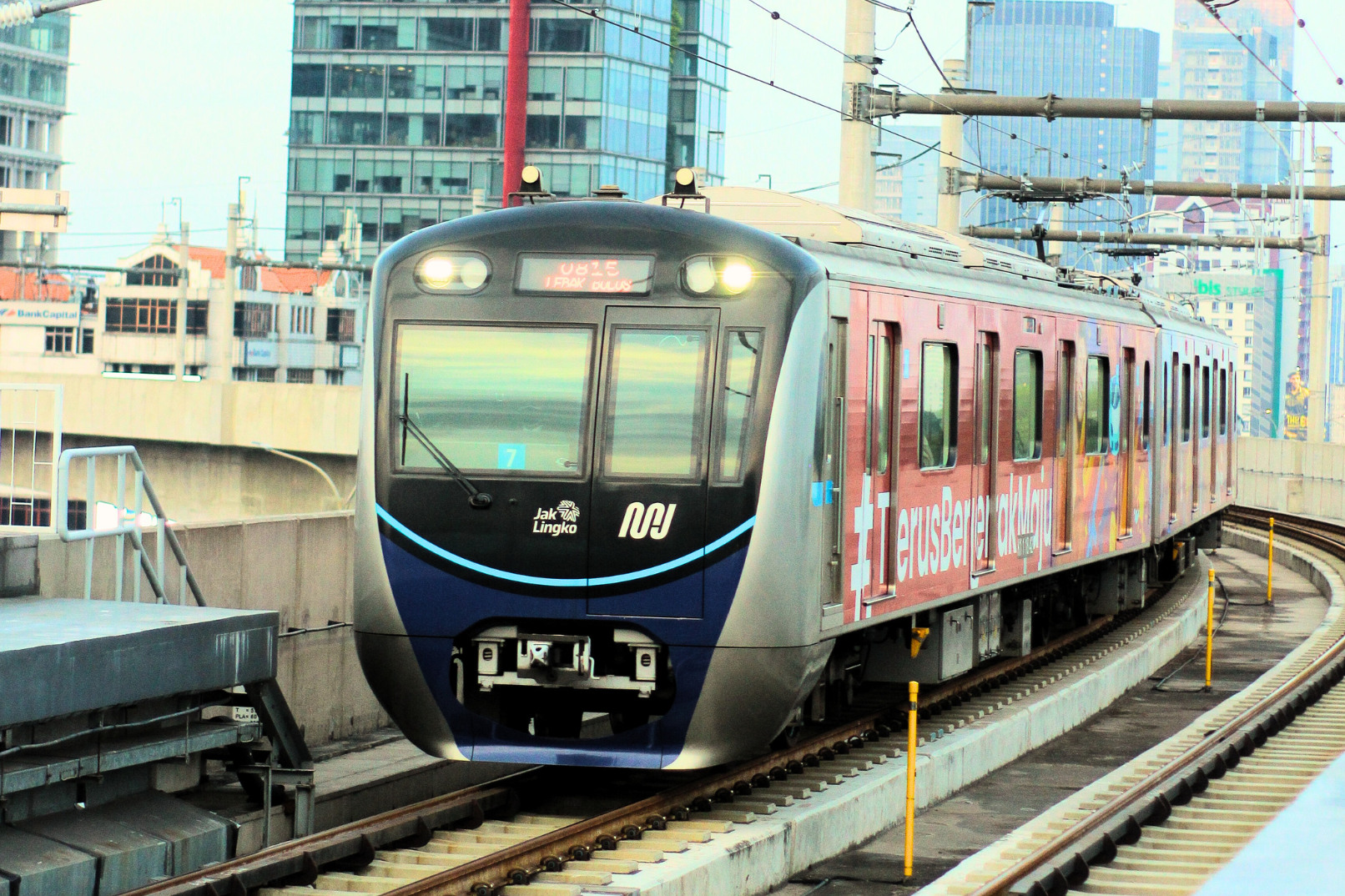
A dedicated bus rapid transit system with dedicated lanes, offering a more efficient way to navigate the city.
Taxis
Available • Apps: Gojek, Grab
Rentals
Car, Bike, Scooter
Neighborhoods
Menteng
Kemang
Kebayoran Baru
Glodok
Day trips
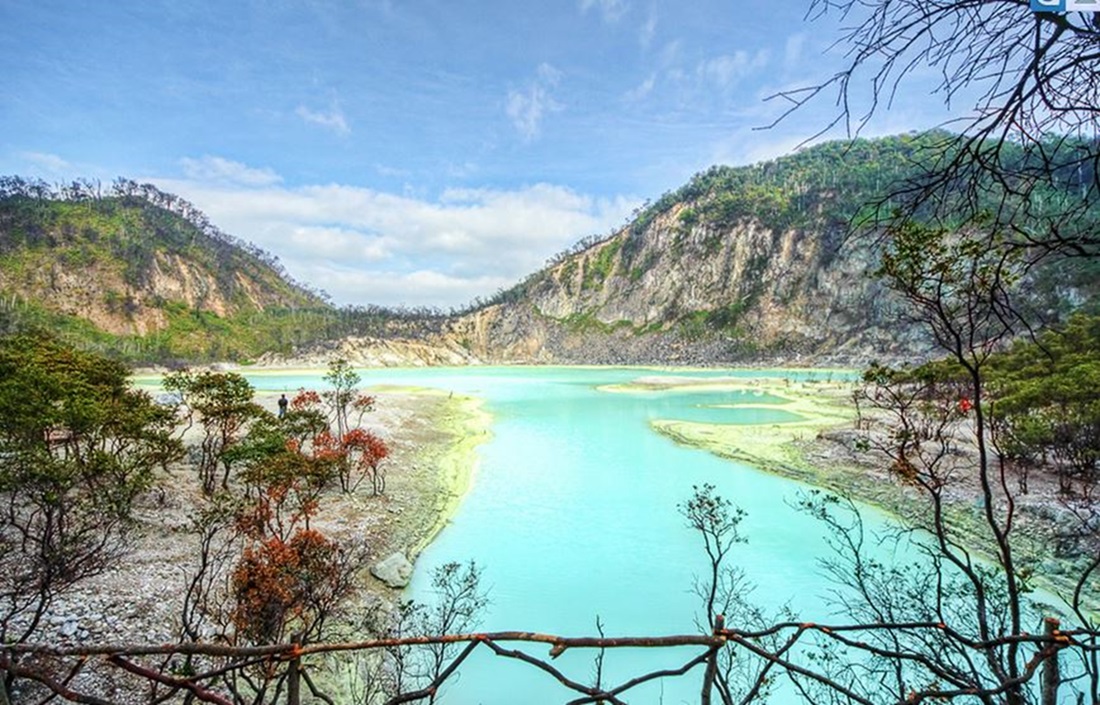
Bandung
150 km from Jakarta • Full day to overnight
Bandung, the capital of West Java, is known for its cool climate, colonial architecture, and vibrant arts and culture scene. It's a popular destination for shopping, dining, and exploring nature.
Bogor
60 km from Jakarta • Half day to full day
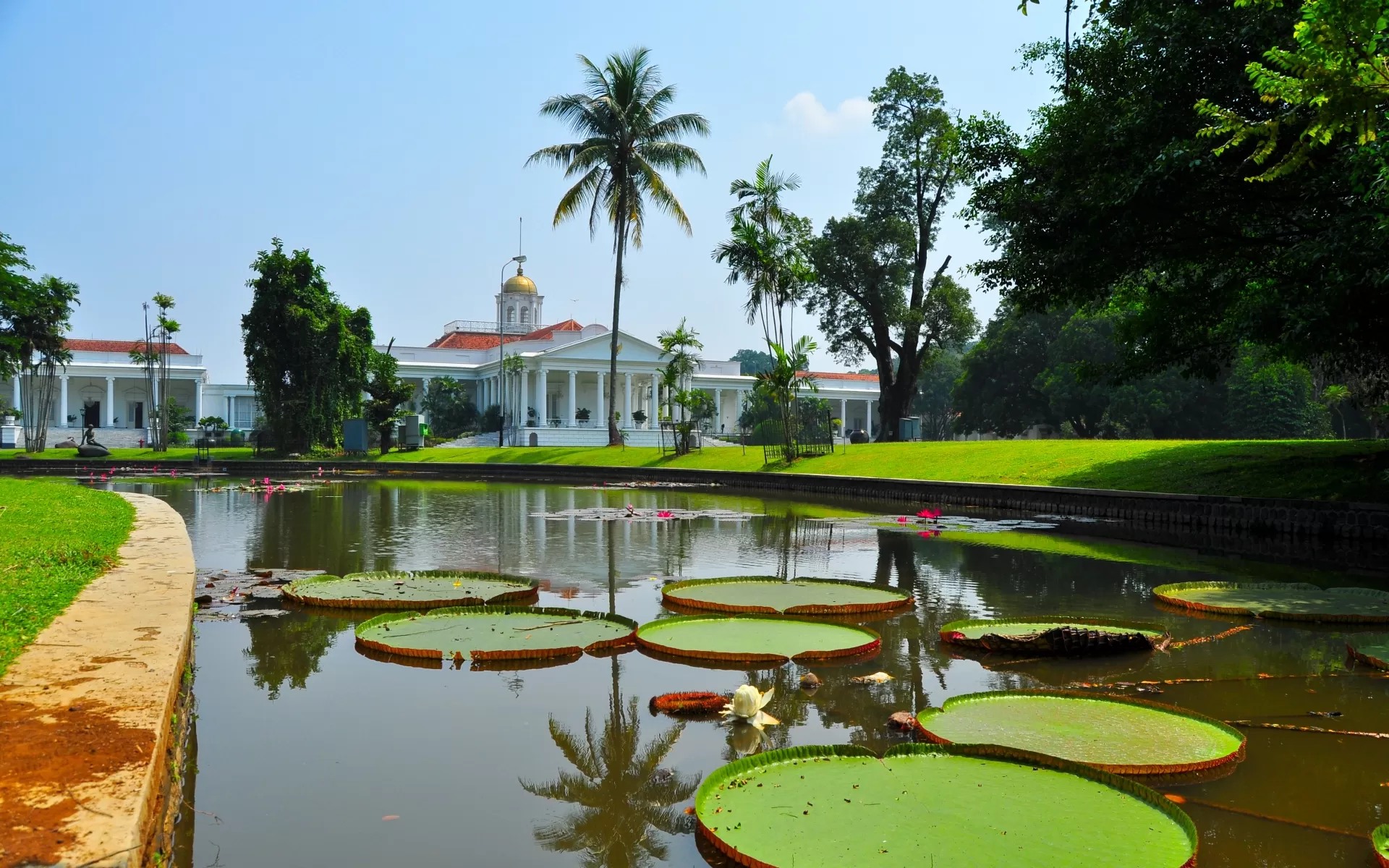
Bogor is a city known for its lush greenery, historic sites, and pleasant climate. It's home to the Bogor Botanical Gardens and the Istana Bogor presidential palace.
Puncak
90 km from Jakarta • Full day
Puncak is a mountainous area known for its cool climate, tea plantations, and scenic views. It's a popular destination for hiking, camping, and enjoying nature.
Festivals
Jakarta Fair (Pekan Raya Jakarta) • Early June to early July
Jakarta International Java Jazz Festival • Late February to early March
Idul Fitri (Eid al-Fitr) • Varies (depends on the Islamic lunar calendar)
Pro tips
- Learn a few basic Indonesian phrases to enhance your experience and connect with locals.
- Use ride-hailing apps like Gojek or Grab for convenient and affordable transportation.
- Carry small denominations of Indonesian Rupiah for street food, markets, and tipping.
- Plan your visits to popular attractions during off-peak hours to avoid crowds and long lines.
- Stay hydrated and protect yourself from the sun, as Jakarta's hot and humid climate can be challenging.
From $25
per person
Price varies by option
Secure booking
Free cancellation available
Instant confirmation