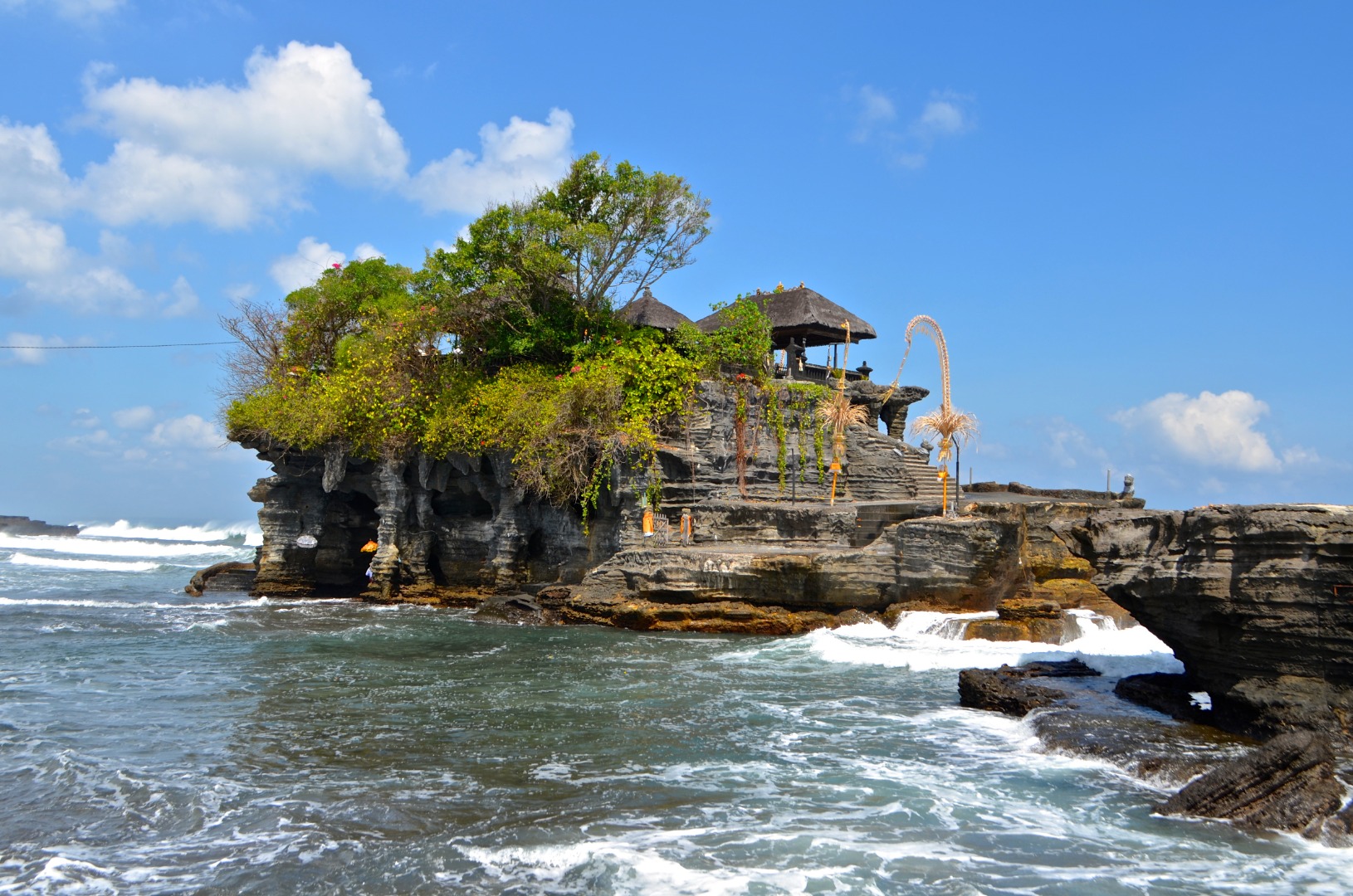
Bali Culture and Temple Tour
Active
6h - 10h
For a full refund, cancel at least 24 hours before the scheduled departure time.
Instant confirmation
Mobile or paper ticket accepted
About this experience
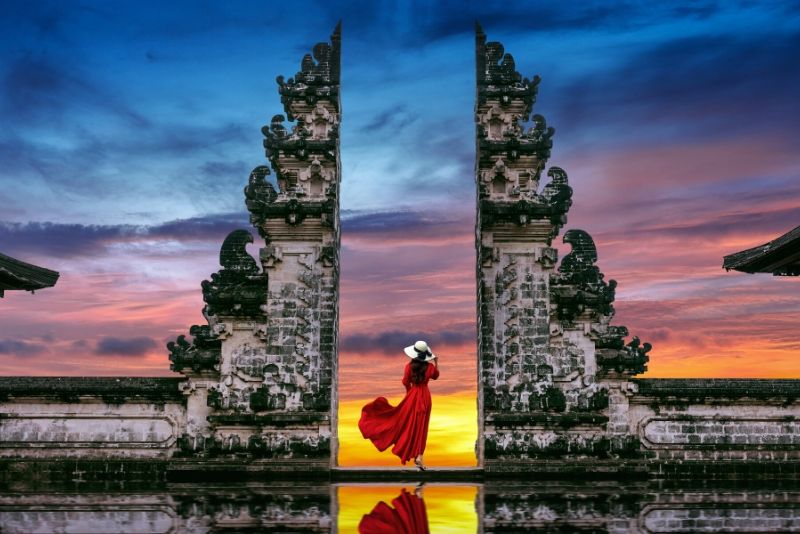
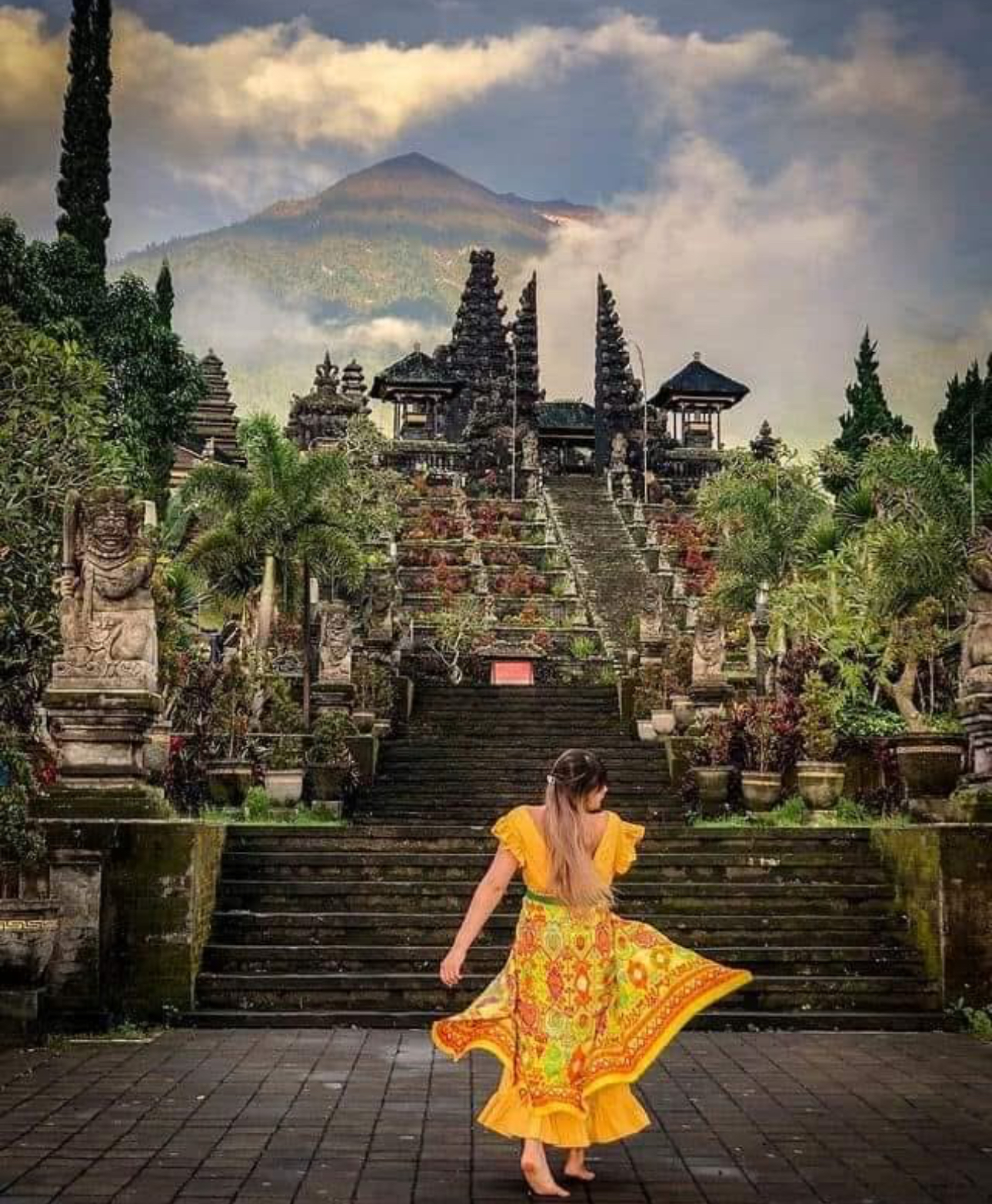
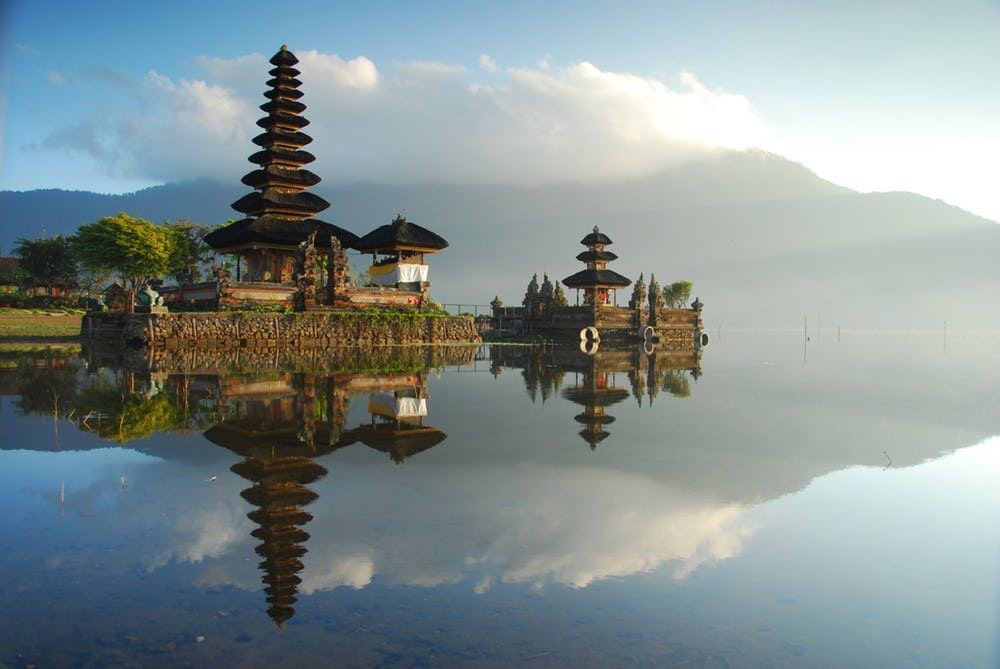
This private tour offers a meaningful cultural journey to discover the authentic soul of Bali. You won’t just visit temples—you’ll explore the traditional way of Balinese life, learn about spiritual beliefs, and hear untold stories from the days of ancient Balinese kingdoms.
Your local guide will share unique insights about the difference between Western and Balinese culture, and how history, religion, and community are deeply connected here. Perfect for travelers seeking more than just sightseeing—this tour is an immersive experience into Bali’s living culture.
Available options
Bali Culture and Temple Tour
Best Experience Culture Guide<br/>Pickup included
What's included
Private transportation
Bottled water
Sarung to enter the temple.
Air-conditioned vehicle
Fuel surcharge
Parking Fees
Detailed itinerary
1
Traditional Classical Barong Dance
The play tells the story of Kunti, the mother of Sadewa, who promised to give her child to the devilish Rangda. However, Kunti was unable to surrender her beloved son to the forces of evil. Of course, this refusal angered the wicked Rangda who bewitched Kunti and her guards, forcing the guards to Sadewa deep into the forest and leave him in front of Rangda’s palace. The Lord Shiva, who witnesses the helplessness of the innocent child, comes down to help Sadewa, granting the boy immortality.
Essentially, the play is about how good triumphs over evil. This is generally the underlying theme in most Balinese performances, which through dance, music and drama aim to spread good moral teachings.The most popular Barong Dance at Batubulan in Gianyar, and the Denpasar suburbs. Shows are locally managed locally; dances performed by villagers, and live gamelan orchestra accompanies the full length of the show.
2
The Balinese traditional compound is basically divided into three parts on which part has different purposes. Applying the directional concept of their traditional compass, holy structures are built at the mountain at the mountain – wards of the compound such as shrines ( head ), in the middle yard are built all structures of living quarter ( body ), and at the seawards for kitchen and remaining land where they usually throw garbage away. A Balinese traditional compound is mostly enclosed either red bricks, sand stones, or odove walls covered with thatch roof made sedge grass or rice stubble. In front of the compound is the entrance gate.On both sides of the entrance walls, there are two niches as the substitution of shrines where , if the family is a bit financially better off they usually construct separate shrines, sometimes elaborate ones.
3
Stop 3
This 11th century temple faces a separate large communal hall,
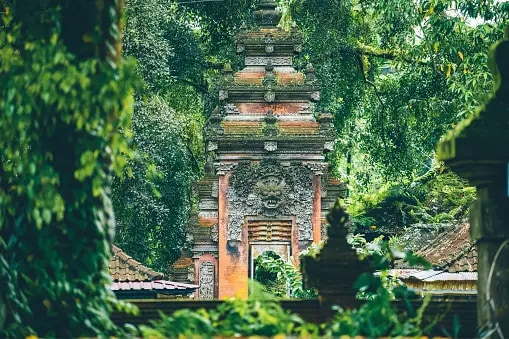
Batuan Temple, referred to locally as ‘Pura Puseh lan Pura Desa Adat Batuan’, is a focal landmark in the namesake village of Batuan, Up the five-tiered ‘candi bentar’ gate of Batuan Temple, you’ll come across various reliefs depicting mythical Balinese figures and floral themes, as well as statues depicting the Hindu trinity, Brahma, Vishnu and Shiva further inside. A series of multi-tiered thatched-roof shrines within the temple’s inner courtyard are set in a layout that is typical of all large temple complexes in Bali. The temple pavilion’s wooden beams and ceilings are heavily engraved and gold gilded.
4
Stop 4
Goa Gajah’s name is slightly misleading, lending the impression that it’s a gigantic dwelling full of elephants. Nevertheless, Goa Gajah ‘Elephant Cave’ is an archaeological site of significant historical value that makes it a special place to visit. Goa Gajah dates back to the 11th century, built as a spiritual place for meditation. Upon reaching the base you will come across a large ‘wantilan’ meeting hall and an assortment of large old stone carvings, some restored to their former full glory. The pool, excavated in 1954, features five out of supposedly seven statues depicting Hindu angels holding vases that act as waterspouts. Various structures reveal Hindu influences dating back to the 10th century, and some relics feature elements of Buddhism dating even earlier to the 8th century. The cave is shallow; inside are three stone idols each wrapped in red, yellow and black cloths. Black soot lines the cave’s walls as result from the current-day incense burning.
5
Stop 5
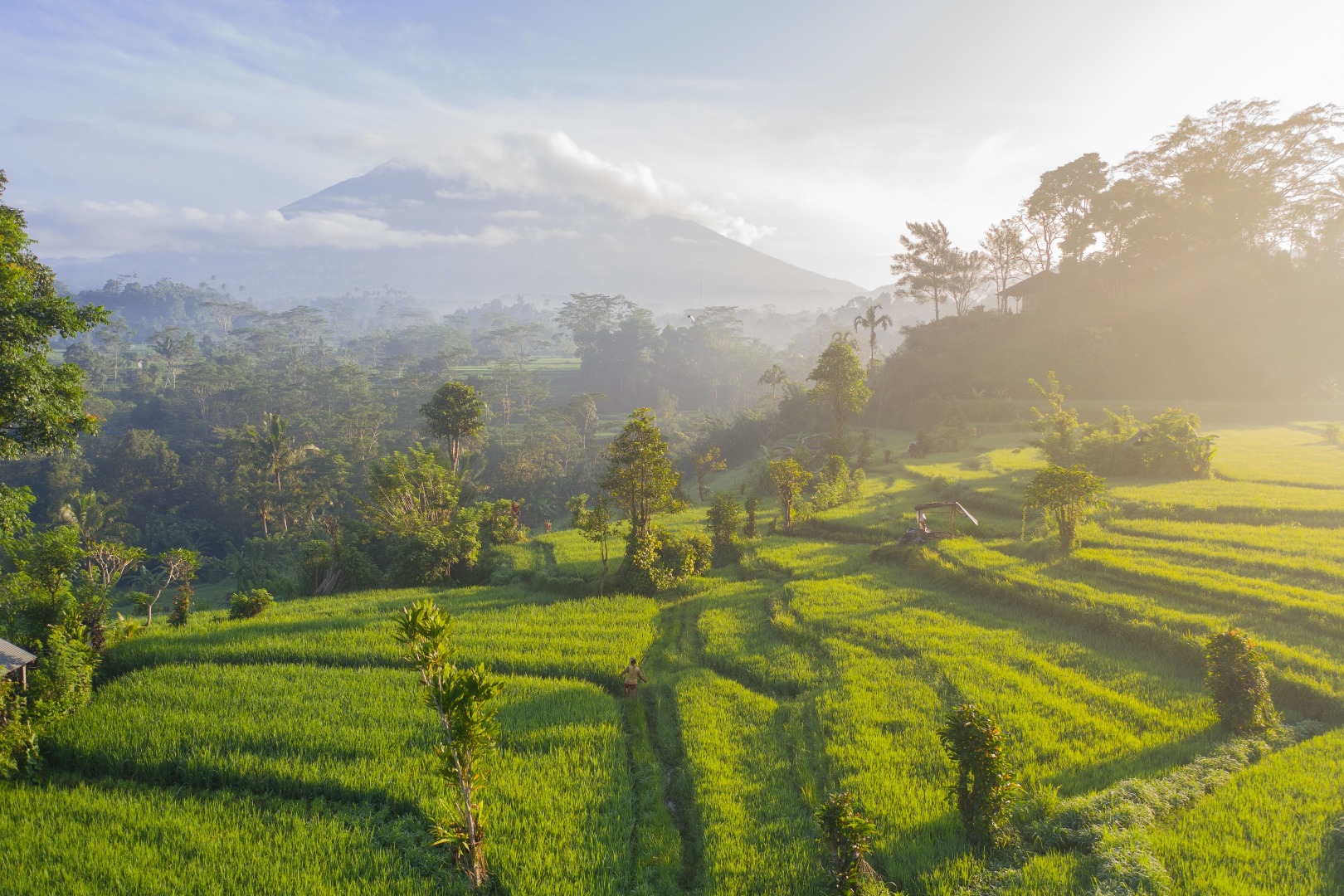
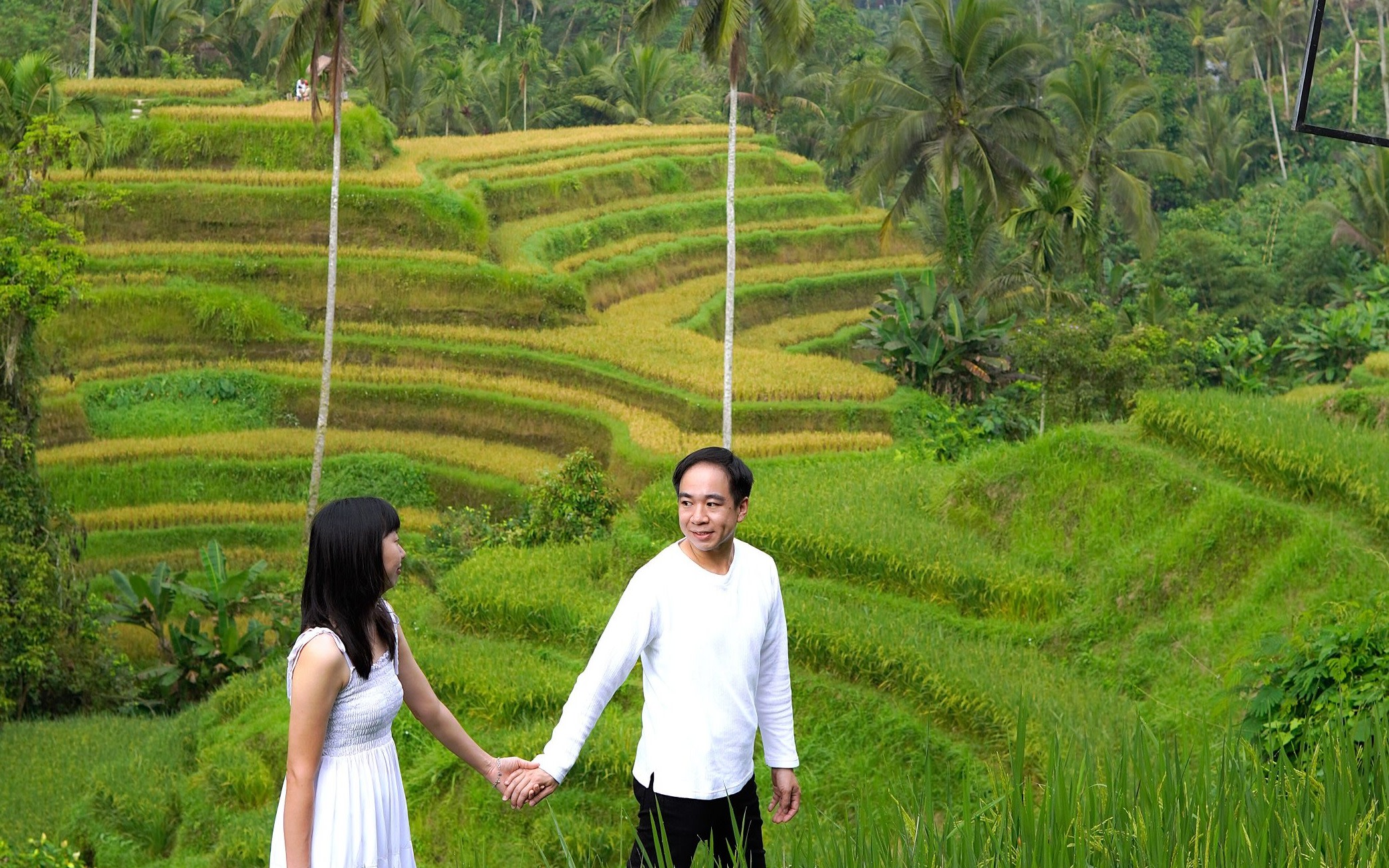
Tegallalang Rice Terraces in Ubud is famous for its beautiful scenes of rice paddies involving the subak (traditional Balinese cooperative irrigation system), Tegallalang forms the three most splendid terraced landscapes in Ubud's shared region, with the others being in the villages of Pejeng and Campuhan. The Tegallalang rice terraces alone offers a scenic outlook that spreads down before you and away to the rice paddies on the slopes across the valley. The high roadside location is cool and breezy and it is a well-known spot for tourists to stop and take photos.
6
Stop 6
Tirta Empul is an important temple complex and holy mountain spring. The complex, built circa 960 AD, is also a silent witness to the old Balinese kingdom years, particularly at the time of the Warmadewa Dynasty. Tirta Empul, meaning ‘holy water spring’ is actually the name of a water source located within the temple. The spring feeds various purification baths, pools and fish ponds surrounding the outer perimeter, which all flow to the Tukad Pakerisan River. Inside the central courtyard, referred to as ‘madya mandala’ or ‘jaba tengah’, pilgrims first approach a rectangular purification bath where a total of 13 elaborately sculpted spouts that line the edge from west to east. After solemn prayers at an altar-like shrine, they proceed to enter the crystal-clear, cold mountain water. With hands pressed together, they bow under the gushing water of the first spout, carrying on to the eleventh. The water from the last two ofthe 13 spouts is meant for purification purposes in funerary rites
What's not included
Lunch
Additional pickup charge for locations outside Ubud area (cost depends on distance)
Entrance tickets to all sites are not included and need to be paid directly on the spot.
Available languages
Guide guide
EN
Reviews breakdown
Tripadvisor
5.0
29 reviews
5★
29
4★
0
3★
0
2★
0
1★
0
Important information
Specialized infant seats are available
Not recommended for travelers with spinal injuries
Not recommended for pregnant travelers
Not recommended for travelers with poor cardiovascular health
Suitable for all physical fitness levels
About Ubud
Ubud is a picturesque town nestled in the lush highlands of Bali, renowned for its vibrant arts scene, traditional dance, and serene landscapes. Known as the cultural heart of Bali, it offers a perfect blend of nature, spirituality, and Balinese heritage, making it a must-visit destination for travelers seeking a deeper cultural experience.
Top Attractions
Sacred Monkey Forest Sanctuary
A sacred nature reserve and temple complex that is home to hundreds of long-tailed macaques. The forest is a spiritual and cultural hub, offering a unique blend of nature and spirituality.
Nature
1-2 hours
80,000 IDR
Tegalalang Rice Terrace
Iconic terraced rice fields offering stunning views and a glimpse into traditional Balinese farming. The terraces are a UNESCO World Heritage Site and a popular spot for photography.
Nature
1-2 hours
50,000 IDR (entry fee for some areas)
Ubud Palace (Puri Saren Agung)
The royal palace of Ubud, showcasing traditional Balinese architecture and hosting daily dance performances. The palace is a cultural landmark and a must-visit for history and architecture enthusiasts.
Historical
1 hour
50,000 IDR
Goa Gajah (Elephant Cave)
An archaeological site featuring an ancient cave, baths, and temple ruins. The site is believed to date back to the 9th century and is a significant cultural and historical landmark.
Historical
1-2 hours
50,000 IDR
Campuhan Ridge Walk
A scenic walking trail offering panoramic views of the surrounding countryside. The trail is a popular spot for hiking and enjoying the natural beauty of Ubud.
Nature
1-2 hours
Free
Must-Try Local Dishes
Babi Guling
Suckling pig roasted with traditional Balinese spices, a must-try for meat lovers.
Dinner
Not vegetarian or vegan
Nasi Campur
A mixed rice dish with a variety of side dishes, offering a taste of Balinese flavors.
Lunch
Can be vegetarian or vegan with modifications
Bebek Betutu
Duck cooked with traditional Balinese spices and wrapped in banana leaves, a slow-cooked delicacy.
Dinner
Not vegetarian or vegan
Mie Goreng
Fried noodles with vegetables, meat, and eggs, a popular Indonesian dish.
Lunch
Can be vegetarian or vegan with modifications
Popular Activities
Hiking
Zip-lining
White-water rafting
Mountain biking
Yoga
Meditation
Spa treatments
Beach relaxation
Best Time to Visit
April to September (Dry Season)
The dry season is the best time to visit Ubud, with clear skies and pleasant weather ideal for exploring the outdoors and attending cultural events. This period also sees the highest number of tourists.
24°C to 30°C
75°F to 86°F
Practical Information
Language
- Official: Indonesian
- Widely spoken: Balinese, English
- English: Moderately spoken in tourist areas, limited in rural areas
Currency
Indonesian Rupiah (IDR)
Time Zone
GMT+8
Electricity
230VV, 50HzHz
Safety Information
Overall Safety Rating: Generally safe
Ubud is generally safe for travelers, with a low crime rate and a welcoming local community. However, it's important to be aware of common scams, traffic safety, and cultural norms to ensure a safe and enjoyable trip.
Important Precautions:
- • Be cautious of fake tour operators and always book through reputable companies
- • Use metered taxis or agree on a fare before starting your journey
- • Keep your belongings secure in crowded areas
Getting there
By air
- Ngurah Rai International Airport (DPS) • 1.5 hours by car (30 km)
By bus
Ubud Bus Terminal
Getting around
Public transport
Local bemos (small minivans) are a cheap and common way to get around, but they can be crowded and may not follow a strict schedule.
Taxis
Available • Apps: Grab, Gojek
Rentals
Car, Bike, Scooter
Neighborhoods
Central Ubud
North Ubud
East Ubud
West Ubud
Day trips
Tirta Empul Temple
20 km (1.5 hours by car) • Half day
A sacred water temple known for its holy purification rituals. Visitors can participate in a traditional cleansing ceremony, where they are sprinkled with holy water from the temple's springs.
Tegallalang Rice Terraces
5 km (15 minutes by car) • Half day
Iconic terraced rice fields offering stunning views and a glimpse into traditional Balinese farming. The terraces are a UNESCO World Heritage Site and a popular spot for photography.
Mount Batur
60 km (1.5 hours by car) • Full day
An active volcano offering stunning sunrise views and hiking opportunities. The hike to the summit is challenging but rewarding, with panoramic views of the surrounding landscape.
Festivals
Nyepi (Bali's New Year) • March (date varies based on the Balinese lunar calendar)
Galungan • Every 210 days (date varies based on the Balinese lunar calendar)
Kuningan • 10 days after Galungan (date varies based on the Balinese lunar calendar)
Pro tips
- Hire a local guide for a deeper understanding of Balinese culture and history
- Visit the Sacred Monkey Forest early in the morning to avoid crowds and see the monkeys at their most active
- Try a traditional Balinese cooking class to learn about the local cuisine and spices
- Explore the rice terraces on foot or by bicycle for a unique perspective and a more immersive experience
- Attend a traditional Balinese dance performance at the Ubud Palace for a cultural experience
From $25
per person
Price varies by option
Secure booking
Free cancellation available
Instant confirmation