From Bucharest: Roman Empire footsteps and Constanta day tour
Active
10h
For a full refund, cancel at least 24 hours before the scheduled departure time.
Instant confirmation
Mobile or paper ticket accepted
About this experience
From Bucharest: Roman Empire footsteps and Constanta day tour
Things to do in Romania
Things to do in Bucharest
Starting from your hotel in Bucharest.
Visits:
Adamclisi Tropaeum Traiani monument
Archaeological Museum Adamclisi
The Roman building with mosaics in Constanța
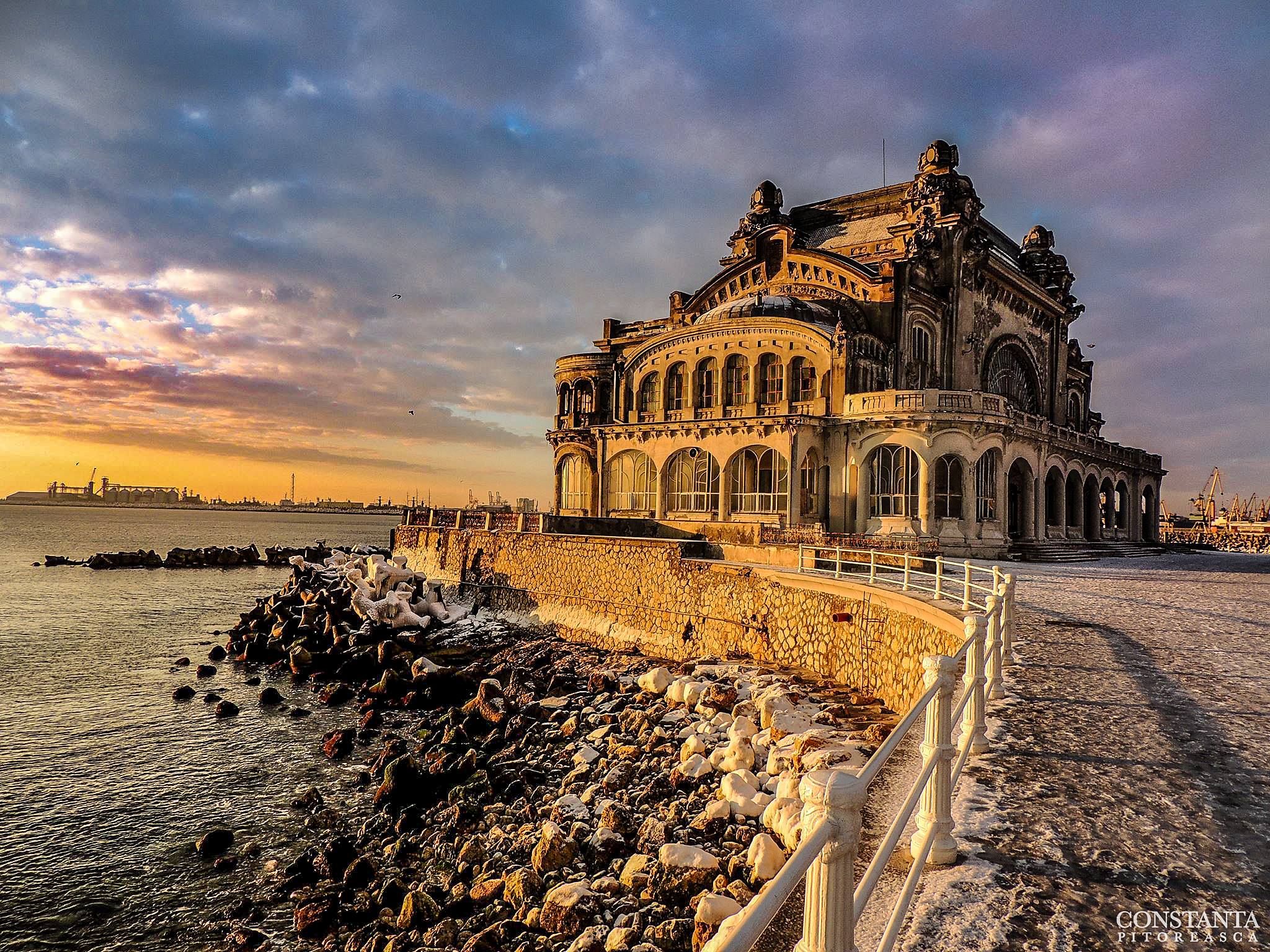
Constanta Cazino Building
This unique tour includes ancient history starting with the 2nd century.
Recommended for history and architecture enthusiasts.
Available options
From Bucharest: Roman Empire footsteps and Constanta day tour
Pickup included
What's included
Adamclisi Tropaeum Traiani monument & Archaeological Museum Adamclisi
Private car, minivan or minibus depending on the size of the group
The Roman building with mosaics & Constanta Cazino Building
Air-conditioned vehicle
Hotel pickup or drop-off
Visits to:
Road taxes, fuel, parkings!
What you'll see
From Bucharest: Roman Empire footsteps and Constanta day tour
Things to do in Romania
Things to do in Bucharest
Starting from your hotel in Bucharest.
Visits:
Adamclisi Tropaeum Traiani monument
Archaeological Museum Adamclisi
The Roman building with mosaics in Constanța
Constanta Cazino Building
This unique tour includes ancient history starting with the 2nd century.
Recommended for history and architecture enthusiasts.
The Adamclisi monument, Tropaeum Traiani, was built in 109 CE, as evidenced by the dedicatory inscription on the plinth of the trophy statue stating the titles held by Emperor Traian. The monument was erected to celebrate the victory of the Roman army in the Daco-Roman war of 101-102 CE. On this occasion, the Roman army, led by Emperor Trajan, suffered significant human losses. Second century AD. begins with the expansion of the Roman Empire to the much-coveted Dacian Kingdom led by Decebalus. Aware of the danger of seeing Sarmisegetuza fall, Decebal organizes a diversion in Dobrogea, trying to distract the Roman army.
Allied with the Boers and Roxolani Sarmatians, the barbarian tribes, in the winter of 102 AD Decebals entered into direct conflict with the Roman army probably right on the plateau of Adamclisi and nearby, at Istrum or Nicopolis. The decisive battle at Adamclisi proves bitter, with many lives lost. The Roman army, emerging victorious from this war, suffers the loss of approximately 4000 soldiers.
Following this important victory for the empire, Trajan ordered the construction of the commemorative monument in 109 CE. Proof of this fact is the very inscription on the upper part of the triumphal monument, which describes the Emperor: "To the god Mars the avenger, emperor Caesar, son of the divine Nerva, Nerva Trajan, Augustus, conqueror of the Germans, of the Dacians, high priest, having the power of tribune of the plebeians for the 13th time, proclaimed emperor by the army for the 6th time, elected consul for the 5th time, father of the country after defeating the Dacian and Sarmatian army..." Dedicated to the god Mars the Avenger, Mars Ultar, this monument marks the beginning of Roman rule over the province.
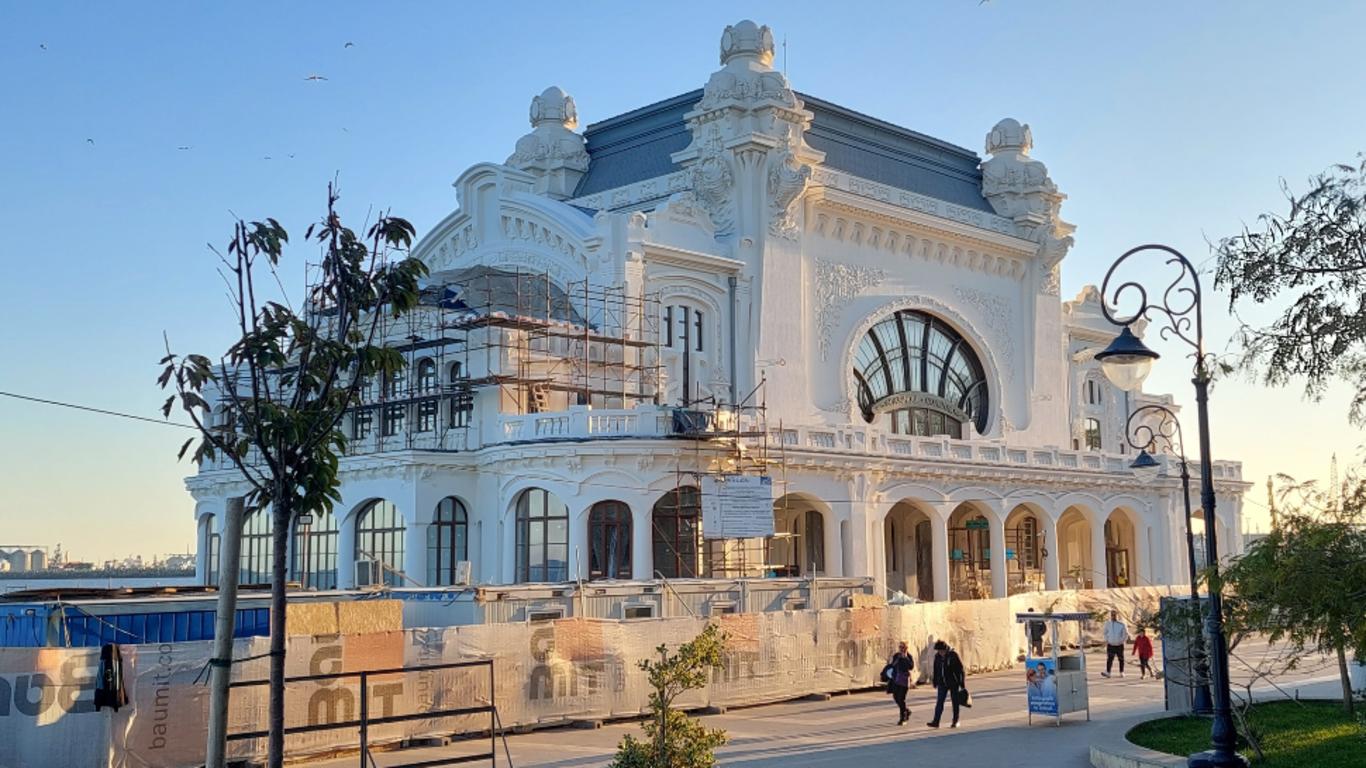
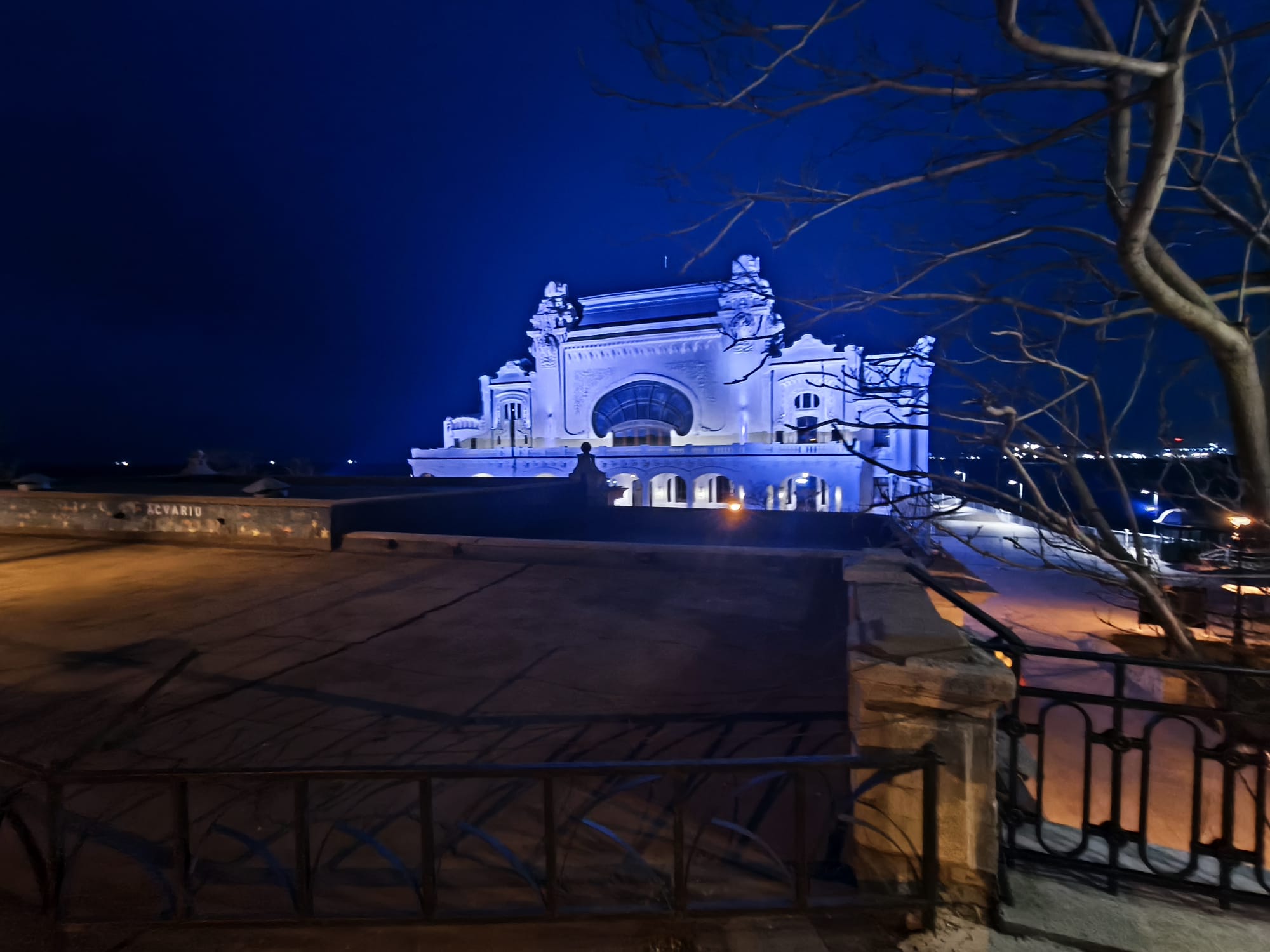
The first version of the Constanța Casino was built with a wood frame in 1880 and was named Cazin or Kursaal l. It was the first Romanian building to be constructed on the shore of the Black Sea shortly after Northern Dobruja came under Romanian administration as a result of the Russo-Turkish War (1877–1878) and the Romanian War of Independence.
The building's design utilized slopes to create two rounded, overlapping terraces with the purpose of providing a full view of the cliff, the sea, and the Constanța harbor from all angles. It was situated adjacent to the Genoese Lighthouse. The interior housed a ballroom, two games halls, and two reading halls, where visitors could read local, national, and international press. Initially, the City of Constanța leased and rented the building and space to entrepreneurs. One of those casino entrepreneurs was Captain Constantin Creangă, son of writer Ion Creangă and father of Horia Creangă, the leading Romanian architect during the interwar period. The building was later transferred and administered by the County Council, which opened it up for use. Finding that the building merely produced enough income to cover maintenance, it was once again leased out to wealthy entrepreneurs.In 1891, the wood-structured Cazinoul din Constanța was almost entirely destroyed by a storm, and on January 29, 1892, its demolition was approved.
The Roman building with mosaics in Constanța, with almost 2,000 square meters of mosaics, erected in the 4th century CE, probably under the reign of Emperor Constantine the Great, in place of earlier port buildings, was repaired in various stages until the beginning of the 7th century, when it ended its existence with the abandonment of the ancient fortress of Tomis, following the great raids.
What's not included
Food and Drinks
Entry tickets
Available languages
Guide guide
EN
Important information
Infants and small children can ride in a pram or stroller
Public transportation options are available nearby
Specialized infant seats are available
Suitable for all physical fitness levels
Confirmation will be received at time of booking
In accordance with the legal provisions in force, the child seat is mandatory, please request at time of booking.
Departure hour is flexible, by your request
This is a private transfer. Only your group will participate
About Bucharest
Bucharest, the capital of Romania, is a vibrant city known for its blend of historic architecture and modern development. With a rich cultural scene, lively nightlife, and significant historical landmarks, it offers a unique experience for travelers.
Top Attractions
Palace of the Parliament
One of the largest administrative buildings in the world, a symbol of communist architecture and power.
Historical/Architecture
2-3 hours
€7-10
Old Town (Lipscani)
The historic center of Bucharest, filled with charming streets, cafes, restaurants, and nightlife.
Historical/Cultural
Half-day
Free to explore
Village Museum (Muzeul Satului)
An open-air museum showcasing traditional Romanian village life with authentic houses and buildings.
Cultural
2-3 hours
€3-5
Must-Try Local Dishes
Sarmale
Cabbage rolls stuffed with minced meat, rice, and spices, usually served with polenta and sour cream
Main Course
Contains meat and gluten
Mămăligă
Polenta made from cornmeal, often served with cheese, sour cream, or meat dishes
Side Dish
Vegetarian, gluten-free
Ciorbă
A sour soup made with various ingredients such as meat, vegetables, or fish, often served with a boiled egg and sour cream
Soup
Can be vegetarian or with meat
Popular Activities
Hiking in the Carpathian Mountains
Skiing in Poiana Brașov
Spa treatments
Strolling through Herăstrău Park
Visiting museums and art galleries
Attending classical concerts at the Romanian Athenaeum
Boating on Lake Herăstrău
Skiing
Best Time to Visit
June to August
This is the warmest time of the year with the most outdoor activities and festivals. However, it can be crowded with tourists.
20°C to 30°C
68°F to 86°F
Practical Information
Language
- Official: Romanian
- Widely spoken: English, French
- English: Moderately spoken
Currency
Romanian Leu (RON)
Time Zone
GMT+2 (EET), GMT+3 (EEST) during daylight saving time
Electricity
230VV, 50HzHz
Safety Information
Overall Safety Rating: Generally safe, but exercise caution in certain areas
Bucharest is generally safe for tourists, but petty crime such as pickpocketing and scams can occur, especially in crowded areas. Be cautious at night and avoid poorly lit streets.
Important Precautions:
- • Keep valuables secure and out of sight
- • Use licensed taxis or ride-sharing apps
- • Be cautious of strangers approaching you with unsolicited offers or requests
Getting there
By air
- Henri Coandă International Airport • 16.7 km (10.4 miles) from city center
- Aurel Vlaicu International Airport • 8 km (5 miles) from city center
By train
Gara de Nord, Băneasa
By bus
Autogara Nord, Autogara Sud
Getting around
Public transport
Clean, efficient, and affordable. The metro system is the fastest way to get around Bucharest.
Taxis
Available • Apps: Bolt, Uber
Rentals
Car, Bike, Scooter
Neighborhoods
Old Town (Lipscani)
Dorobanți
Cotroceni
Day trips
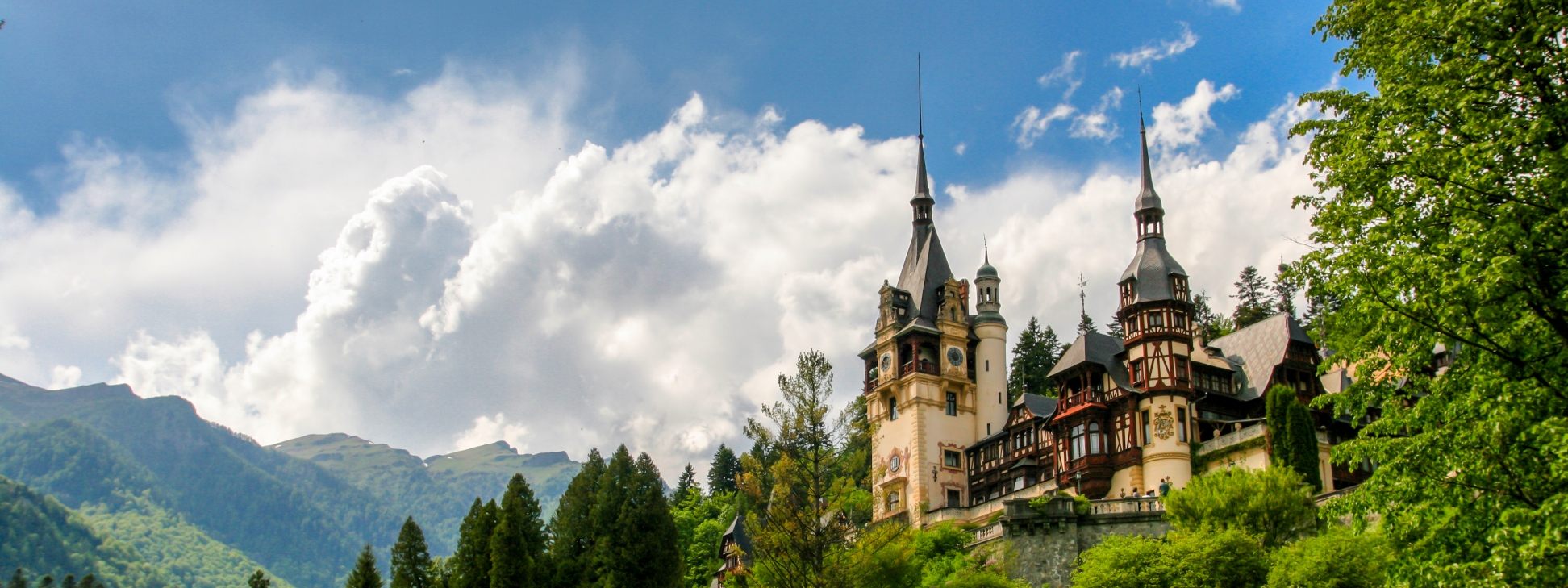
Peleș Castle
120 km (75 miles) • Full day
A stunning neo-Renaissance castle nestled in the Carpathian Mountains, once the summer residence of the Romanian royal family.
Bran Castle
160 km (100 miles) • Full day
A medieval fortress often associated with Dracula, offering a glimpse into Romania's rich history and folklore.
Sinaia
120 km (75 miles) • Full day
A beautiful mountain town known for its stunning landscapes, historic sites, and outdoor activities.
Festivals
Bucharest International Film Festival (BIFF) • April
George Enescu Festival • September
Bucharest Pride • June
Pro tips
- Learn a few basic Romanian phrases to enhance your experience and interact with locals
- Explore beyond the tourist hotspots to discover hidden gems and local culture
- Use public transport or walk to get a sense of the city's rhythm and avoid traffic
- Try local street food for an authentic and affordable culinary experience
- Visit major attractions early in the morning or late in the afternoon to avoid crowds
From $25
per person
Price varies by option
Secure booking
Free cancellation available
Instant confirmation