Bulgaria -Private Tour- Basarbovo, Arbanasi, Veliko Tarnovo
Active
11h
For a full refund, cancel at least 24 hours before the scheduled departure time.
Instant confirmation
Mobile or paper ticket accepted
About this experience
Enjoy a comfortable private tour to Bulgaria in our air-conditioned vehicles, with interesting commentary from your expert host/guide.
The firts visit is to St. Dimitrii of Basarbovo Monastery, the only active rock-hewn monastery in Bulgaria.
Next, we head to the picturesque architectural reserve of Arbanasi, perched above Veliko Tarnovo.
Enjoy a traditional Bulgarian lunch in a charming local tavern, surrounded by centuries-old stone houses.
Afterward, take a short walk through the cobbled streets to admire the village’s unique architecture.
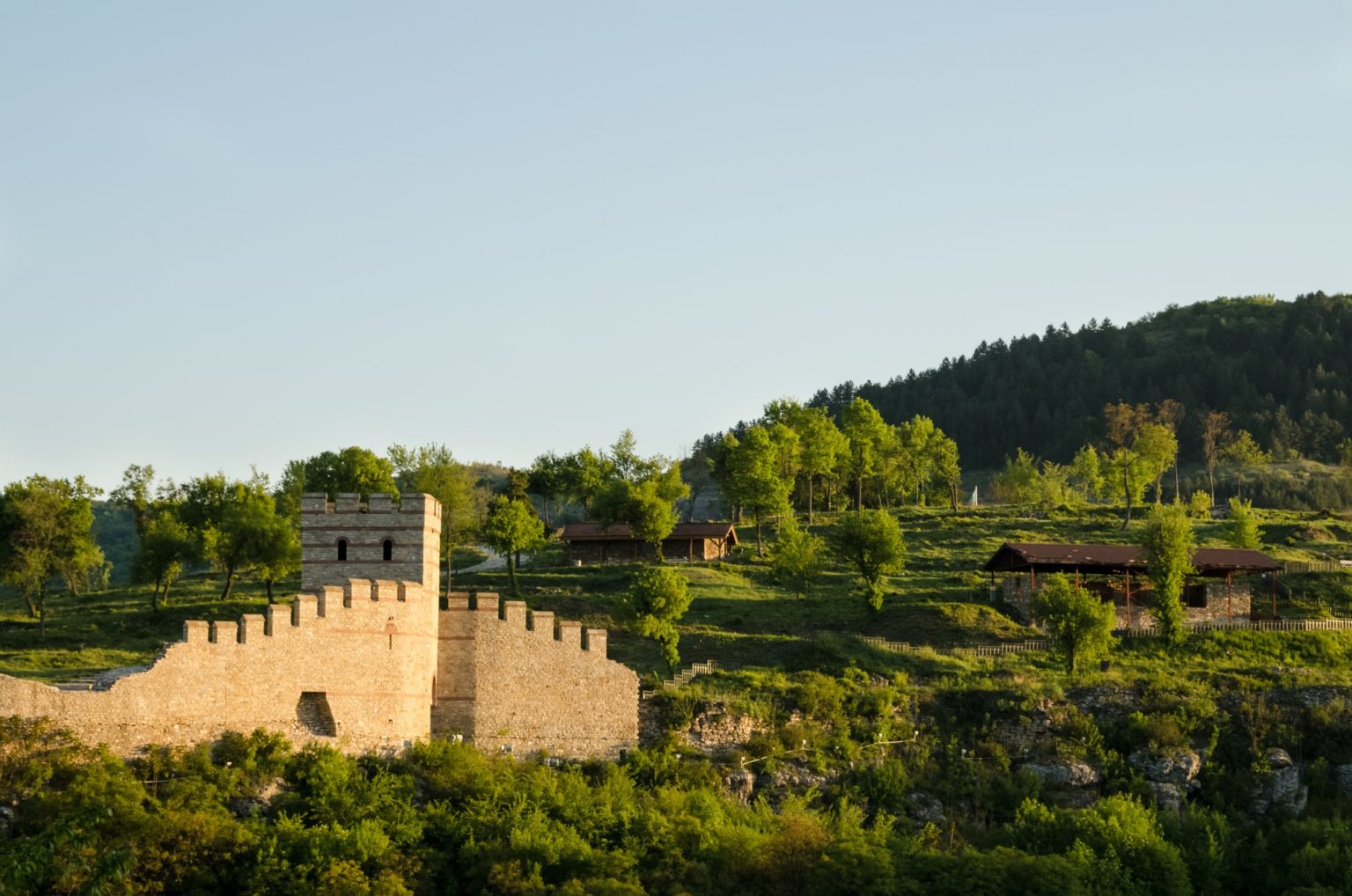
After lunch, explore the Bulgaria’s medieval past at Tsarevets Fortress. Once the royal seat of the Second Bulgarian Empire, the hilltop citadel offers panoramic views, the ruins of royal palaces, Baldwin’s Tower, and the reconstructed Patriarchal Cathedral.
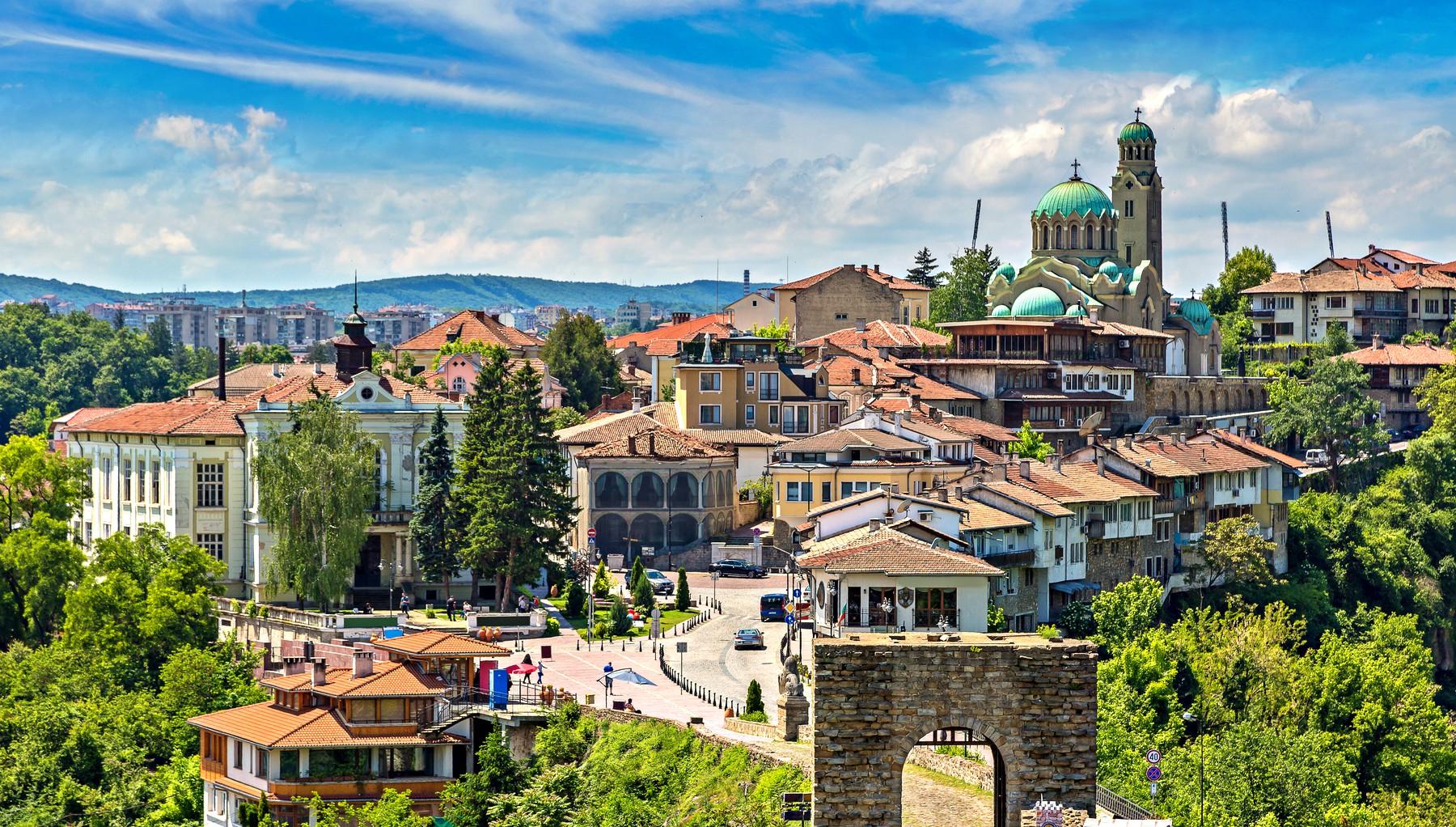
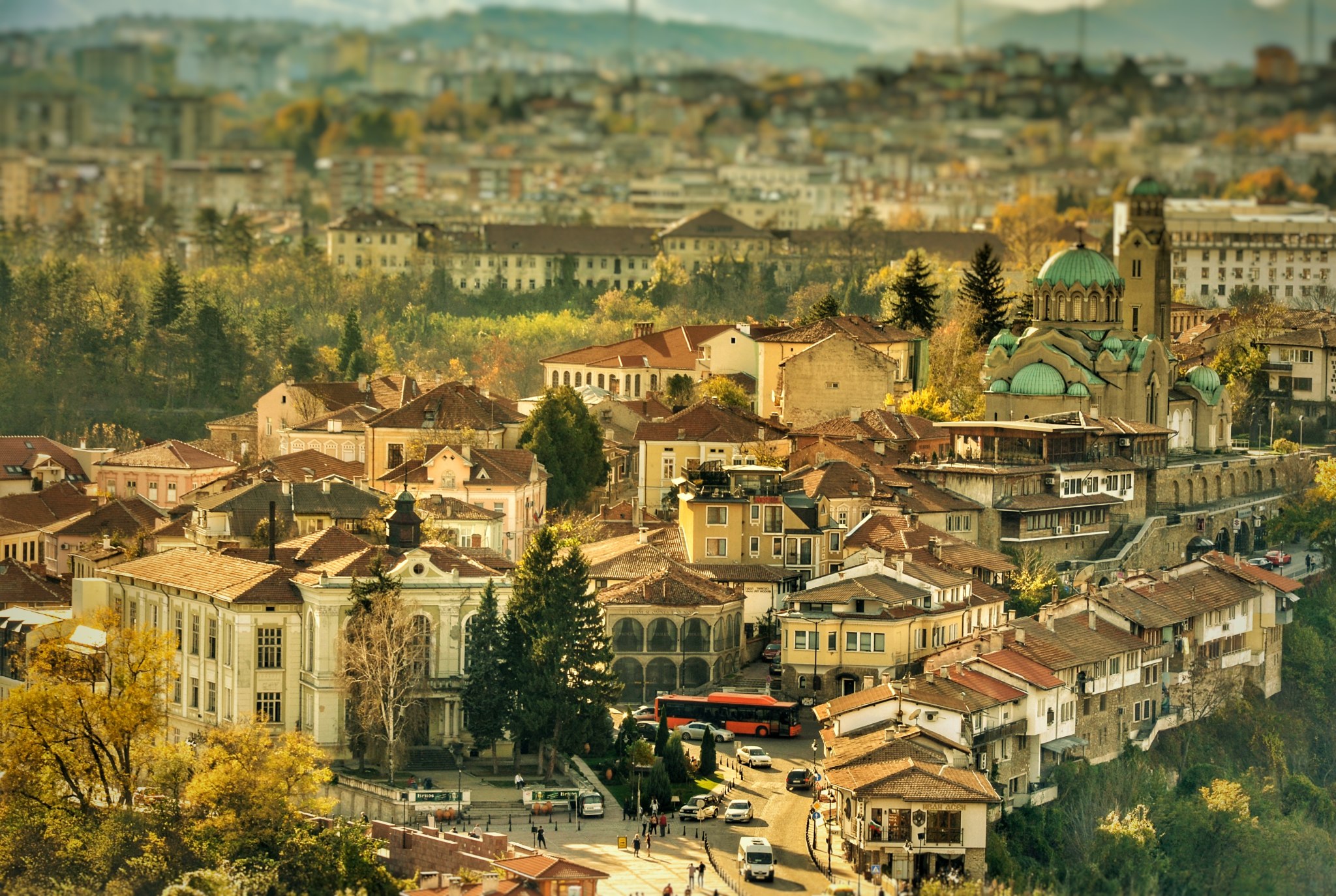
We conclude the tour with a leisurely stroll through the charming streets of Veliko Tarnovo, the “City of the Tsars.”
Discover local artisan shops, visit the Samovodska Charshiya.
Available options
Private Tour in English
Only your group will participa<br/>Pickup included
Private Tour by SUV
Only your group will participa<br/>Pickup included
Private Tour in English
Only your group will participa<br/>Pickup included
What's included
Private transportation
Air-conditioned vehicle
Professional tour guide in English
Hotel Pick-up and Drop-off
Detailed itinerary
1
St. Dimitrii of Basarbovo Monastery is a unique Bulgarian Orthodox rock-hewn monastery located near the village of Basarbovo, approximately 10 km south of Ruse, along the Rusenski Lom River. It is renowned as Bulgaria's only active rock monastery.
Historical Background
The monastery's origins trace back to the Second Bulgarian Empire (12th–14th centuries), with its first documented mention appearing in an Ottoman tax register from 1431. Its most celebrated inhabitant was St. Dimitrii of Basarbovo, born in 1685 in the nearby village. He led an ascetic life within the monastery's caves and passed away in 1685. Initially interred in the village church, his relics were later transferred to Bucharest during the Russo-Turkish War (1768–1774) and are currently enshrined in the Church of Sts. Constantine and Helena, where he is venerated as the patron saint of the Romanian capital.
2
Arbanasi is a picturesque village in central northern Bulgaria, situated approximately 4 km from Veliko Tarnovo, the historic capital of the Second Bulgarian Empire. Perched on a high plateau between the Tsarevets and Trapezitsa hills, Arbanasi is renowned for its rich history, unique architecture, and well-preserved cultural heritage.
---
️ Historical Significance
The village's origins date back to the 13th century, with some sources suggesting it was founded by Bulgarian boyars (nobles) who settled there after the Battle of Klokotnitsa in 1230. The name "Arbanasi" is believed to derive from the medieval Bulgarian word "Arbanas," meaning "Albanian," reflecting the settlement's early inhabitants.
In the 16th and 17th centuries, Arbanasi flourished as a prosperous trading center. Wealthy merchants built distinctive two-story houses resembling fortresses, characterized by high stone walls, narrow windows, and heavy wooden gates, designed to protect against frequent raids.
3
Stop 3
The Konstantsalieva House is a well-preserved traditional Bulgarian house located in Arbanasi, a historic village near Veliko Tarnovo, Bulgaria. It is a prime example of the Bulgarian National Revival architecture from the 17th to 18th centuries.
Key Facts about Konstantsalieva House:
Historical significance: Built in the 17th century, it belonged to a wealthy merchant family and reflects the prosperity of Arbanasi during the Ottoman period.
Architecture: The house is built from stone and wood, with fortified walls, small windows (for protection), and beautifully carved wooden ceilings and furniture inside. It blends both defensive features and luxurious interior design, characteristic of affluent homes from that era.
Interior: Visitors can explore rooms furnished with traditional Bulgarian textiles, rugs, costumes, and household items, giving insight into daily life during the National Revival period.
4
Stop 4
Tsarevets Fortress is a medieval stronghold located in Veliko Tarnovo, Bulgaria, and it is one of the most significant historical monuments in the country. It served as the primary fortress and royal residence of the Second Bulgarian Empire (1185–1396), when Veliko Tarnovo was the capital.
---
Key Features:
Hilltop Location: The fortress sits on Tsarevets Hill, surrounded on three sides by the Yantra River, offering a natural defense and dramatic views.
Fortification Walls: The outer walls are about 3 meters thick and enclose a large area with over 400 residential and administrative buildings, churches, and towers.
Baldwin’s Tower: A reconstructed watchtower named after Baldwin I of Constantinople, who was captured and allegedly died in the fortress after the Battle of Adrianople (1205).
Royal Palace: Located at the highest point, the ruins of the Palace of the Bulgarian Tsars include a throne hall, royal church, and royal chambers.
5
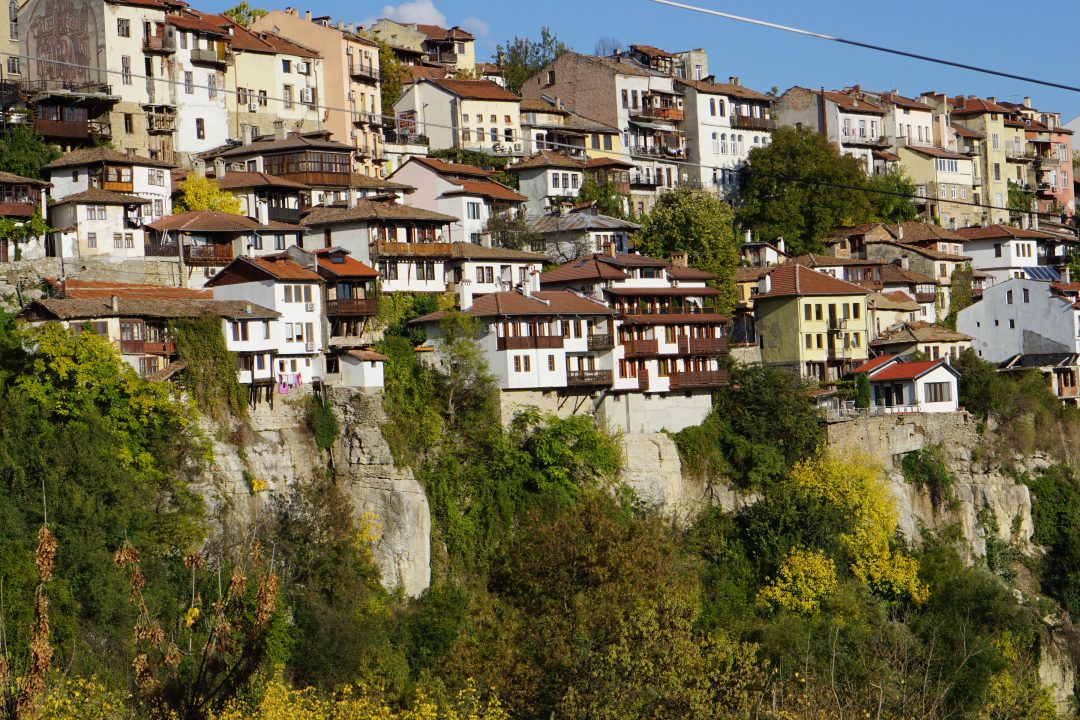
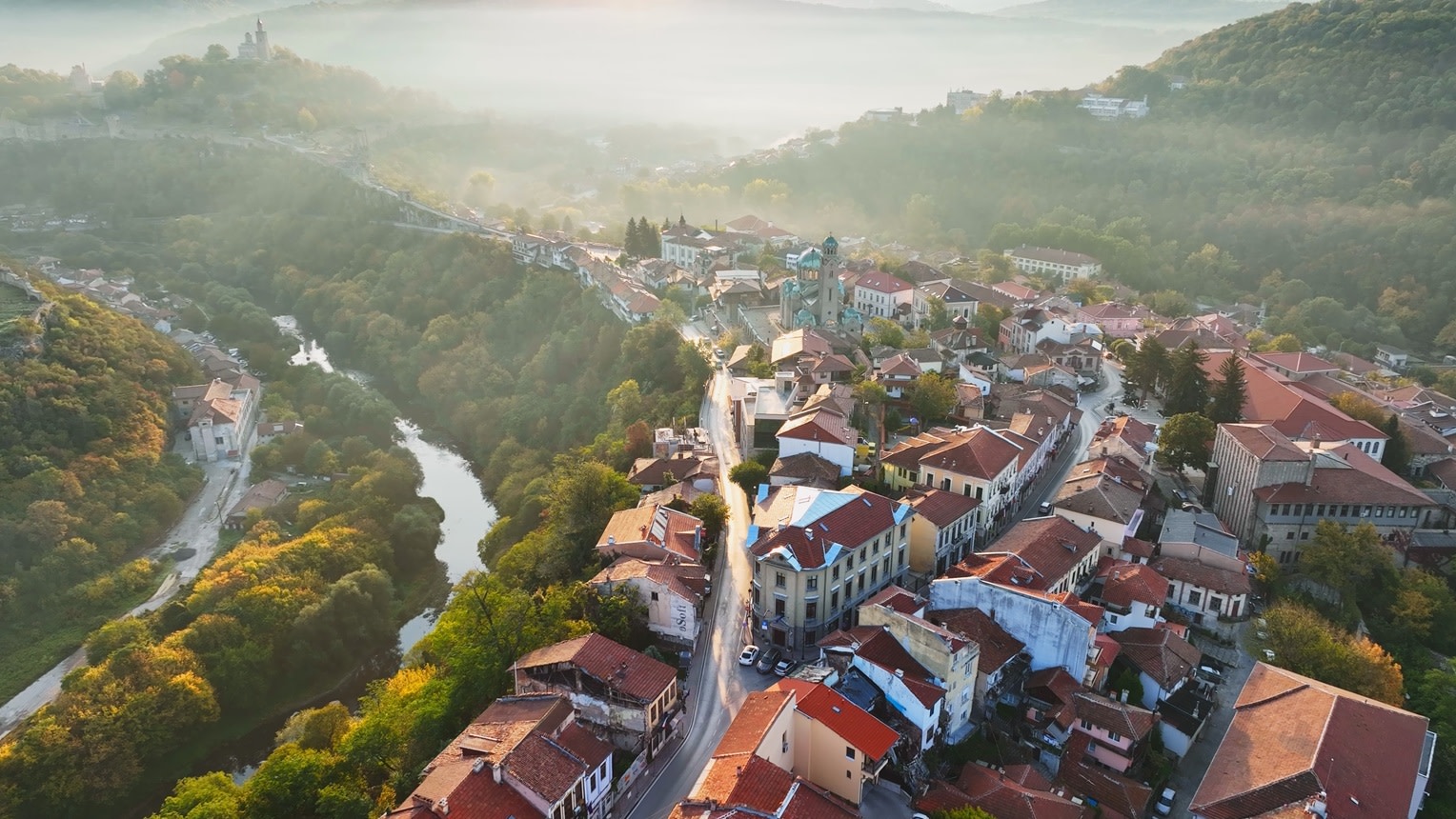
Veliko Tarnovo is a historic city in central northern Bulgaria, famously known as the medieval capital of the Second Bulgarian Empire (1185–1396). Perched on three hills—Tsarevets, Trapezitsa, and Sveta Gora—and overlooking the winding Yantra River, the city is one of Bulgaria’s most picturesque and culturally significant destinations.
---
Historical Overview:
Ancient Origins: Archaeological evidence shows that Veliko Tarnovo was inhabited since the Neolithic period, later becoming an important Thracian and Roman settlement.
Medieval Glory: It rose to prominence after the successful uprising of the Asen and Peter brothers in 1185, becoming the capital of the Second Bulgarian Empire.
Cultural and Spiritual Center: The city was a hub for Orthodox Christianity, literature, and architecture, earning it the nickname “Third Rome” by some historians.
---
Key Attractions:
Tsarevets Fortress – The grand medieval stronghold with royal and patriarchal buildings.
6
Samovodska Charshiya is a historic artisan district in the heart of Veliko Tarnovo, Bulgaria, renowned for its well-preserved 19th-century architecture and vibrant cultural heritage. Established in the 1860s and 1870s, it served as the city's bustling market and craft center during the National Revival period .
---
️ Historical Significance
The name "Samovodska" originates from the nearby village of Samovodene, whose women would lay out their produce on colorful rugs in the market, a tradition that continues in spirit today. The district comprises two narrow cobblestone streets lined with Revival-style houses, workshops, and inns, reflecting the economic and cultural life of Veliko Tarnovo during the late 19th century .
---
️ Artisan Workshops
Samovodska Charshiya remains a living testament to traditional Bulgarian craftsmanship. Visitors can explore various active workshops, including:
7
Ruse city
What's not included
Tsarevets Fortress
St. Dimitrii of Basarbovo Monastery
Konstantsalieva House
Lunch
Available languages
Guide guide
EN
RO
Reviews breakdown
Viator
4.6
32 reviews
5★
28
4★
1
3★
0
2★
1
1★
2
Tripadvisor
4.9
40 reviews
5★
37
4★
2
3★
0
2★
0
1★
1
Important information
Public transportation options are available nearby
Suitable for all physical fitness levels
About Bucharest
Bucharest, the capital of Romania, is a vibrant city known for its blend of historic architecture and modern development. With a rich cultural scene, lively nightlife, and significant historical landmarks, it offers a unique experience for travelers.
Top Attractions
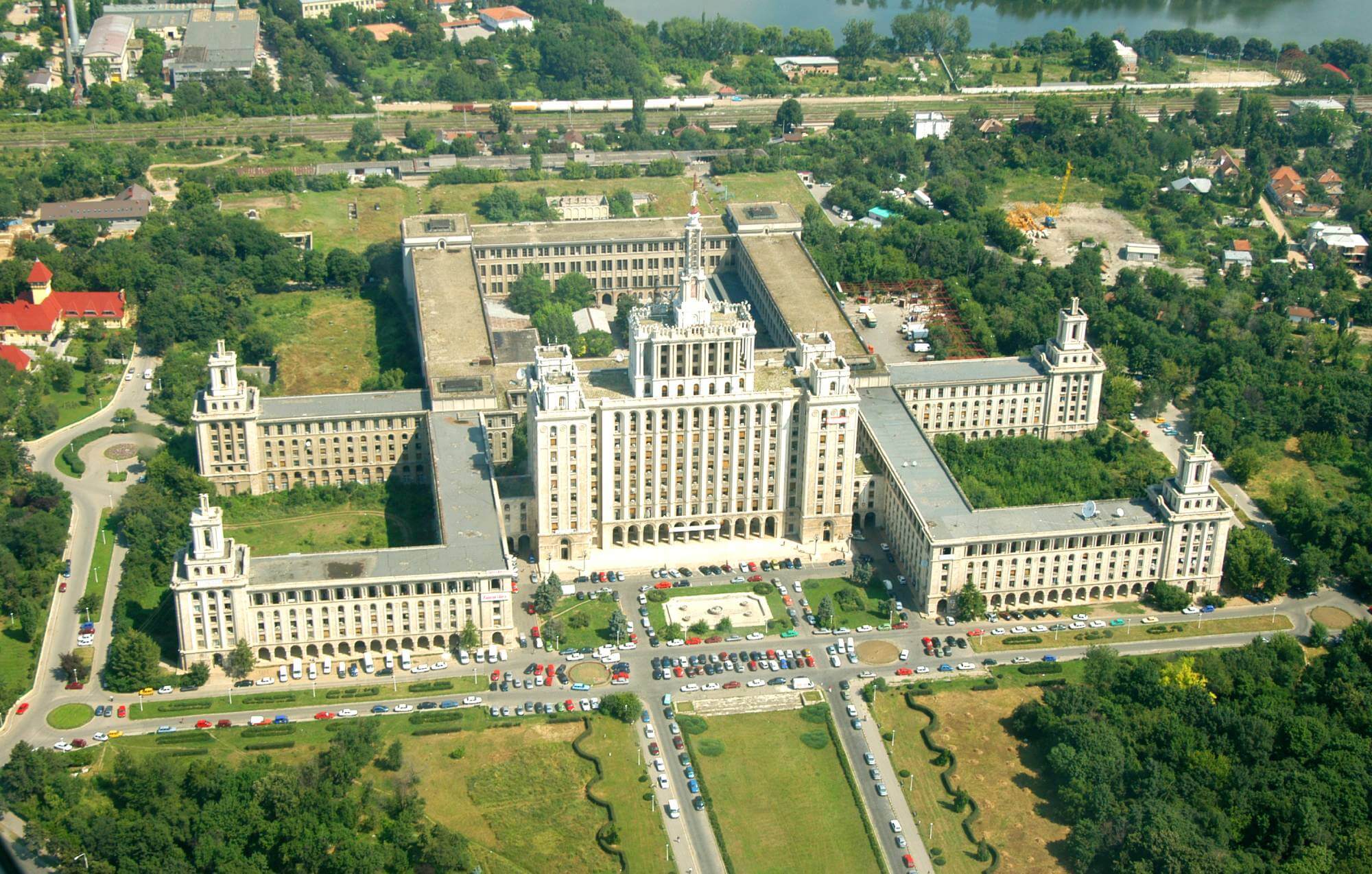
Palace of the Parliament
One of the largest administrative buildings in the world, a symbol of communist architecture and power.
Historical/Architecture
2-3 hours
€7-10
Old Town (Lipscani)
The historic center of Bucharest, filled with charming streets, cafes, restaurants, and nightlife.
Historical/Cultural
Half-day
Free to explore
Village Museum (Muzeul Satului)
An open-air museum showcasing traditional Romanian village life with authentic houses and buildings.
Cultural
2-3 hours
€3-5
Must-Try Local Dishes
Sarmale
Cabbage rolls stuffed with minced meat, rice, and spices, usually served with polenta and sour cream
Main Course
Contains meat and gluten
Mămăligă
Polenta made from cornmeal, often served with cheese, sour cream, or meat dishes
Side Dish
Vegetarian, gluten-free
Ciorbă
A sour soup made with various ingredients such as meat, vegetables, or fish, often served with a boiled egg and sour cream
Soup
Can be vegetarian or with meat
Popular Activities
Hiking in the Carpathian Mountains
Skiing in Poiana Brașov
Spa treatments
Strolling through Herăstrău Park
Visiting museums and art galleries
Attending classical concerts at the Romanian Athenaeum
Boating on Lake Herăstrău
Skiing
Best Time to Visit
June to August
This is the warmest time of the year with the most outdoor activities and festivals. However, it can be crowded with tourists.
20°C to 30°C
68°F to 86°F
Practical Information
Language
- Official: Romanian
- Widely spoken: English, French
- English: Moderately spoken
Currency
Romanian Leu (RON)
Time Zone
GMT+2 (EET), GMT+3 (EEST) during daylight saving time
Electricity
230VV, 50HzHz
Safety Information
Overall Safety Rating: Generally safe, but exercise caution in certain areas
Bucharest is generally safe for tourists, but petty crime such as pickpocketing and scams can occur, especially in crowded areas. Be cautious at night and avoid poorly lit streets.
Important Precautions:
- • Keep valuables secure and out of sight
- • Use licensed taxis or ride-sharing apps
- • Be cautious of strangers approaching you with unsolicited offers or requests
Getting there
By air
- Henri Coandă International Airport • 16.7 km (10.4 miles) from city center
- Aurel Vlaicu International Airport • 8 km (5 miles) from city center
By train
Gara de Nord, Băneasa
By bus
Autogara Nord, Autogara Sud
Getting around
Public transport
Clean, efficient, and affordable. The metro system is the fastest way to get around Bucharest.
Taxis
Available • Apps: Bolt, Uber
Rentals
Car, Bike, Scooter
Neighborhoods
Old Town (Lipscani)
Dorobanți
Cotroceni
Day trips
Peleș Castle
120 km (75 miles) • Full day
A stunning neo-Renaissance castle nestled in the Carpathian Mountains, once the summer residence of the Romanian royal family.
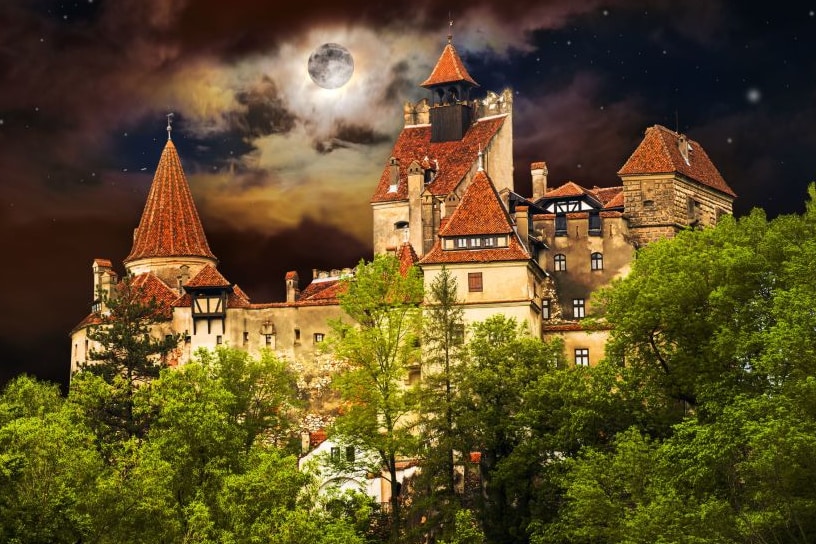
Bran Castle
160 km (100 miles) • Full day
A medieval fortress often associated with Dracula, offering a glimpse into Romania's rich history and folklore.
Sinaia
120 km (75 miles) • Full day
A beautiful mountain town known for its stunning landscapes, historic sites, and outdoor activities.
Festivals
Bucharest International Film Festival (BIFF) • April
George Enescu Festival • September
Bucharest Pride • June
Pro tips
- Learn a few basic Romanian phrases to enhance your experience and interact with locals
- Explore beyond the tourist hotspots to discover hidden gems and local culture
- Use public transport or walk to get a sense of the city's rhythm and avoid traffic
- Try local street food for an authentic and affordable culinary experience
- Visit major attractions early in the morning or late in the afternoon to avoid crowds
From $25
per person
Price varies by option
Secure booking
Free cancellation available
Instant confirmation