Private Day Trip to Wadi Al Hoqain & Al Hazm Castle
Active
7h - 8h
For a full refund, cancel at least 24 hours before the scheduled departure time.
Instant confirmation
Mobile or paper ticket accepted
About this experience
Wadi Al Huqain & Al Hazm Castle are not far from each other, a short drive from Muscat approximately 1 hour and 15 minutes.
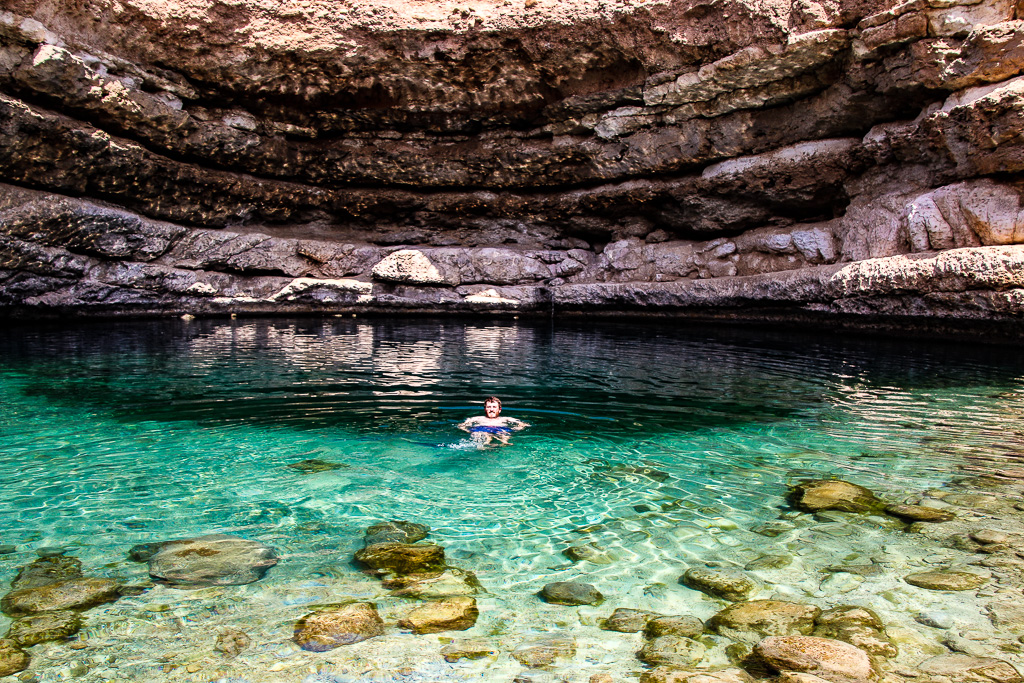
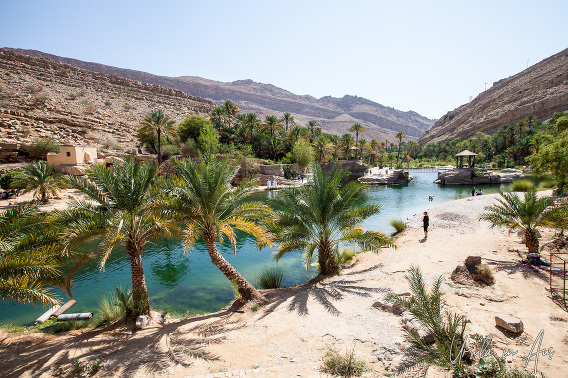
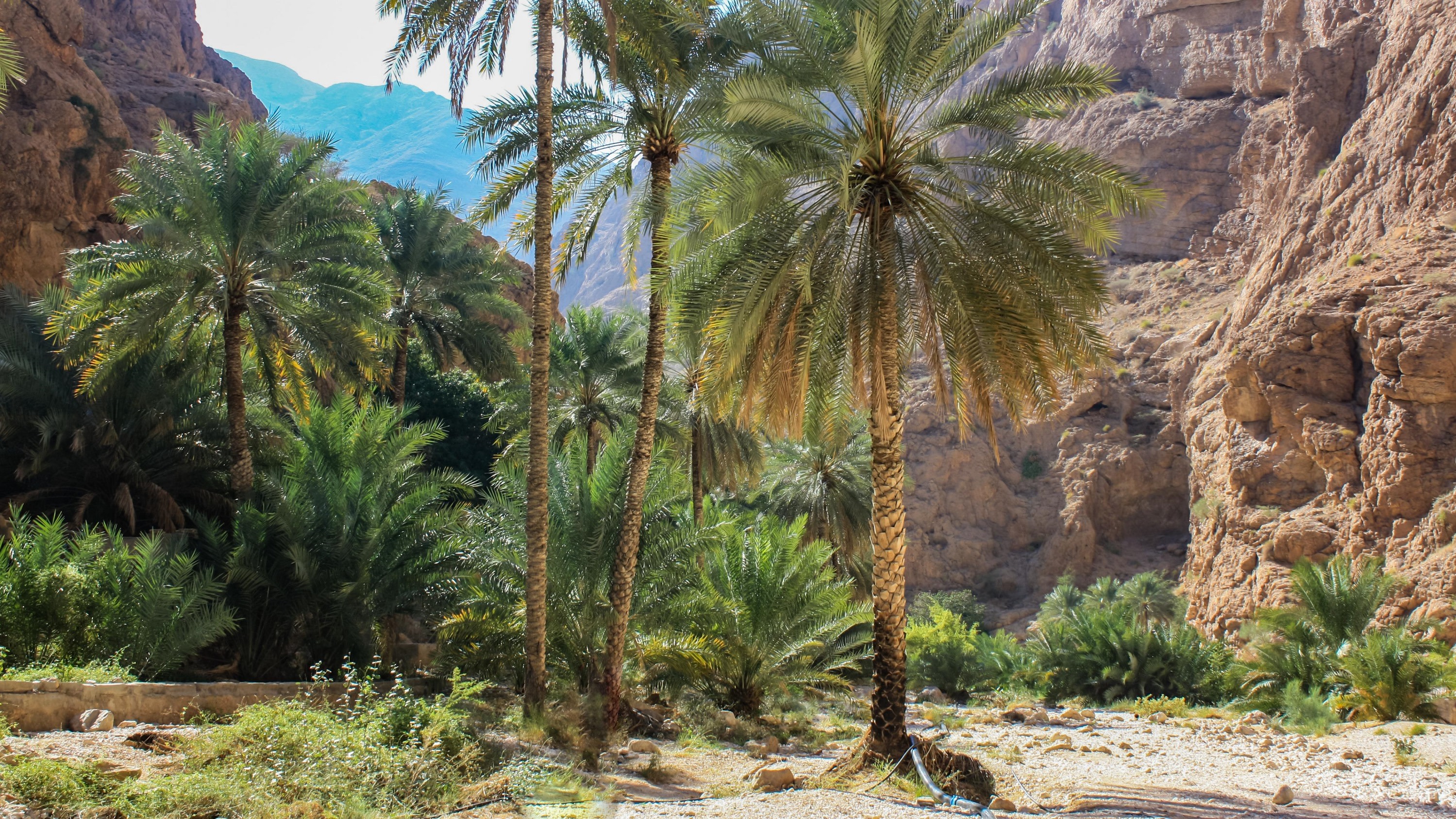
Wadi Al Hoqain has blue clean sparkling water pools, water flowing all year round, a calm place lunch green because of the collection of date palms and garden.
Al Hazm Castle is an architectural masterpiece inspiring, it was built by the Imam Sultan Bin Saif in 1708, it was built as the residence for the Imam, he was buried within the castle.
Available options
Private Day Trip to Wadi Al Hoqain & Al Hazm Castle
Pickup included
What's included
Hotels, Port, Airport, Residence Pick up & Drop off
Bottled Water
Taxes
Transportation By Air-Conditioned Vehicle 4WD or Saloon
Detailed itinerary
1
Stop 1
Fun swimming in the deep blue water pools, Wadi Al Hoqain it's about 01:15 Hrs drive from Muscat once we reach there we walk over the Wadi slopes which is not too high, and easy walk up to the end where are the tunnels of Wadi Al Hoqain, then we walk from the tunnels which include some easy swimming, then no walk any more only swim in beautiful marvelous water pools.
2
Stop 2
From the Wadi we'll visit Al Hazm Castle, located in the town of Al Hazm in the Wilayat of Rustaq in the Al Batinah region its very near from Wadi Al Hoqain, the great military stronghold of Al Hazm is full use of traditional Omani defensive features such as the huge wooden gate, secret escape tunnels, dungeons, cannon towers and slots on the upper floors and there are troughs above the main entrance to pour boiling oil or honey (dates Syrup) on the rushing attackers.
It was built by Imam Sultan bin Saif Al Yarubi, son of Imam Saif bin Sultan, nicknamed “The Land of the Land” in 1711 AD, he made Al Hazm his capital when he moved to it from Rustaq, it contains his tomb where he was buried, and it was restored by the Ministry of Heritage & Culture in 1996.
Architecturally, the fort is characterized by the absence of any timber in its ceilings, which are round arches fixed on cylinders - columns - and the width of one wall - is not less than three meters.
What's not included
Al Hazm Castle entry fees
Lunch
Available languages
Guide guide
EN
Important information
Public transportation options are available nearby
Specialized infant seats are available
Suitable for all physical fitness levels
Not stroller accessible
Infants must not sit on laps
About Muscat
Muscat, the capital of Oman, is a beautiful coastal city known for its stunning architecture, rich history, and strategic location along the Gulf of Oman. With a unique blend of traditional Omani culture and modern development, Muscat offers visitors a mix of historic forts, luxurious resorts, and vibrant souks.
Top Attractions
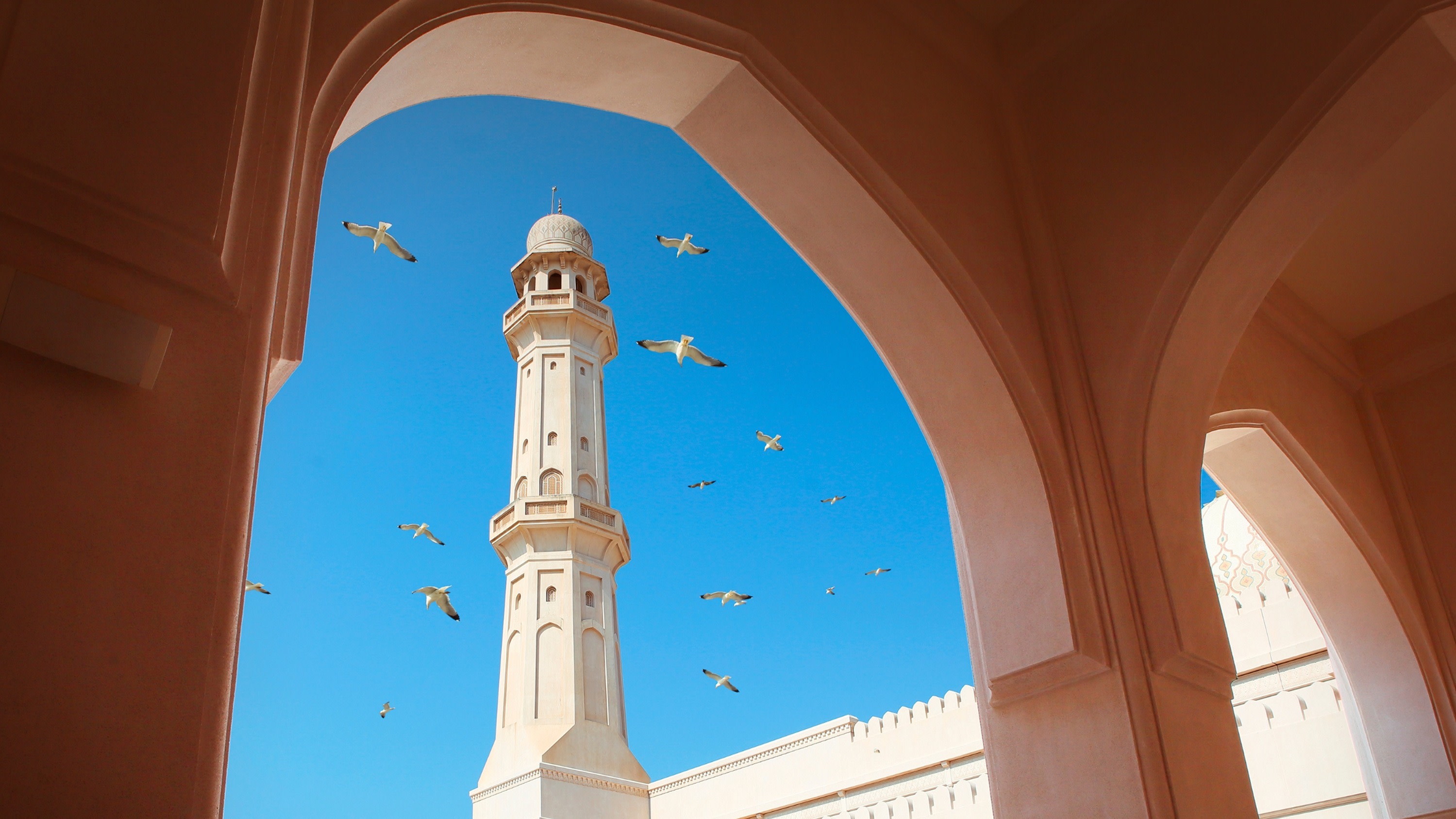
Sultan Qaboos Grand Mosque
One of the most stunning landmarks in Muscat, this mosque is a masterpiece of Islamic architecture and a symbol of Omani heritage.
Religious/Architecture
1-2 hours
Free (guided tours may have a fee)
Mutrah Souq
A traditional market offering a variety of goods, including spices, textiles, and souvenirs. The souq is a great place to experience Omani culture and haggle for bargains.
Market/Cultural
1-2 hours
Free to enter, prices vary for goods
Royal Opera House Muscat
A world-class venue for opera, ballet, and other performing arts, offering a glimpse into the cultural richness of Oman.
Cultural/Entertainment
2-3 hours (depending on the performance)
Varies by event (moderate to expensive)
Must-Try Local Dishes
Shuwa
Slow-cooked lamb or goat marinated in spices and wrapped in banana leaves.
Dinner
Not vegetarian
Harees
A porridge-like dish made from wheat and meat, often served during Ramadan.
Dinner
Not vegetarian
Halwa
A sweet dessert made from sugar, ghee, and spices, often served with tea.
Dessert
Vegetarian
Popular Activities
Hiking in Wadi Shab
Dune bashing in the desert
Beach relaxation at Qurum Beach
Spa treatments at luxury resorts
Exploring Mutrah Souq
Visiting the Royal Opera House Muscat
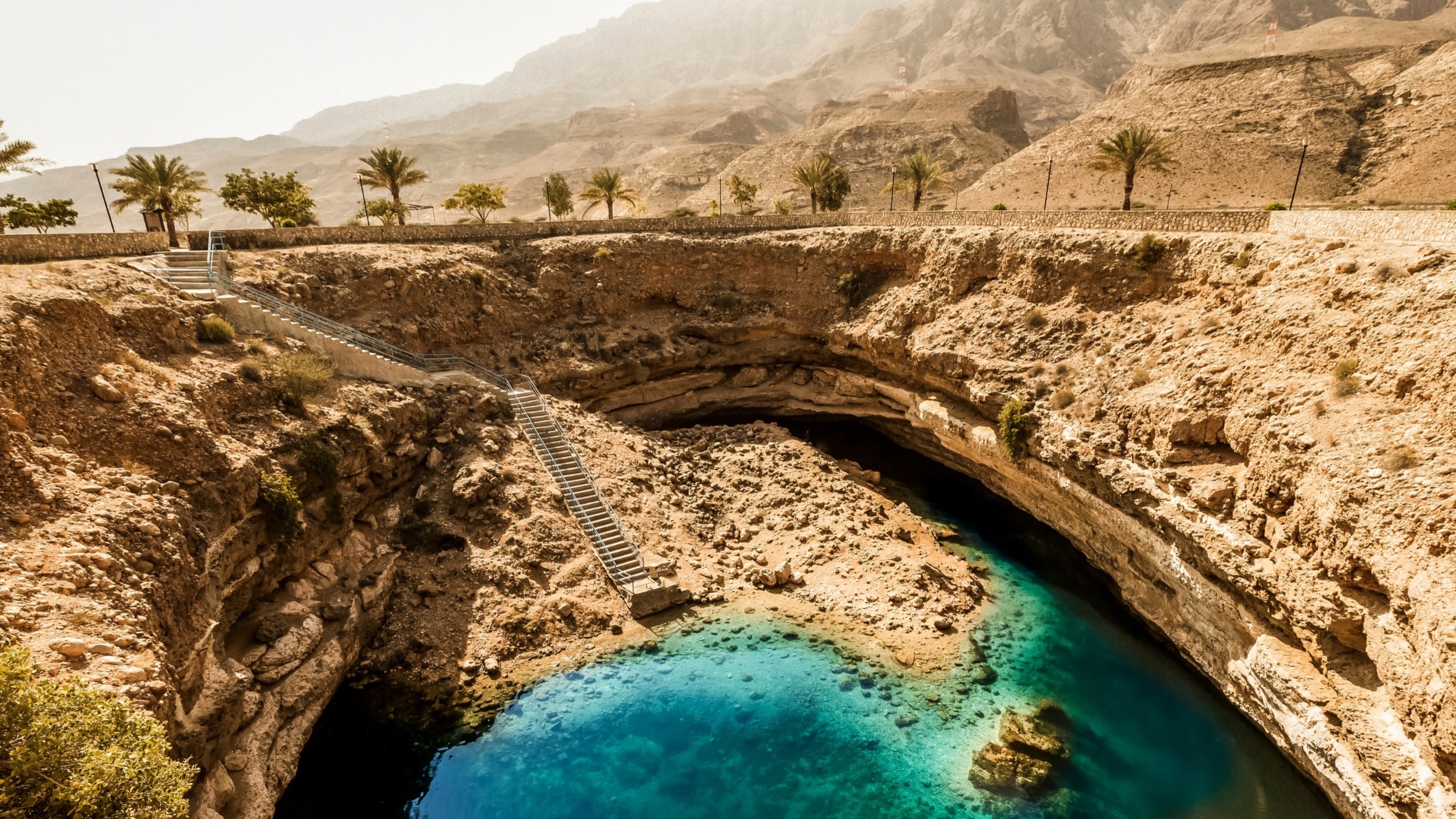
Swimming in Bimmah Sinkhole
Boat tours in the Gulf of Oman
Best Time to Visit
November to March
The best time to visit Muscat is during the cooler months from November to March when the weather is pleasant and ideal for outdoor activities. This period also sees the highest number of tourists.
18°C to 30°C
64°F to 86°F
Practical Information
Language
- Official: Arabic
- Widely spoken: English, Urdu, Balochi
- English: Widely spoken in tourist areas
Currency
Omani Rial (OMR)
Time Zone
GMT+4
Electricity
240VV, 50HzHz
Safety Information
Overall Safety Rating: Generally safe
Muscat is generally safe for travelers, with low crime rates. However, it's always important to stay vigilant and follow local customs and laws.
Important Precautions:
- • Use licensed taxis or ride-hailing apps
- • Be cautious of strangers offering unsolicited help
- • Keep valuables secure
Getting there
By air
- Muscat International Airport • 30 km from city center
By bus
Muscat Central Bus Station
Getting around
Public transport
The bus service is affordable and connects key points in Muscat. However, it may not be as extensive as in other major cities.
Taxis
Available • Apps: Uber, Careem
Rentals
Car
Neighborhoods
Mutrah
Al Khuwair
Shati Al Qurum
Day trips
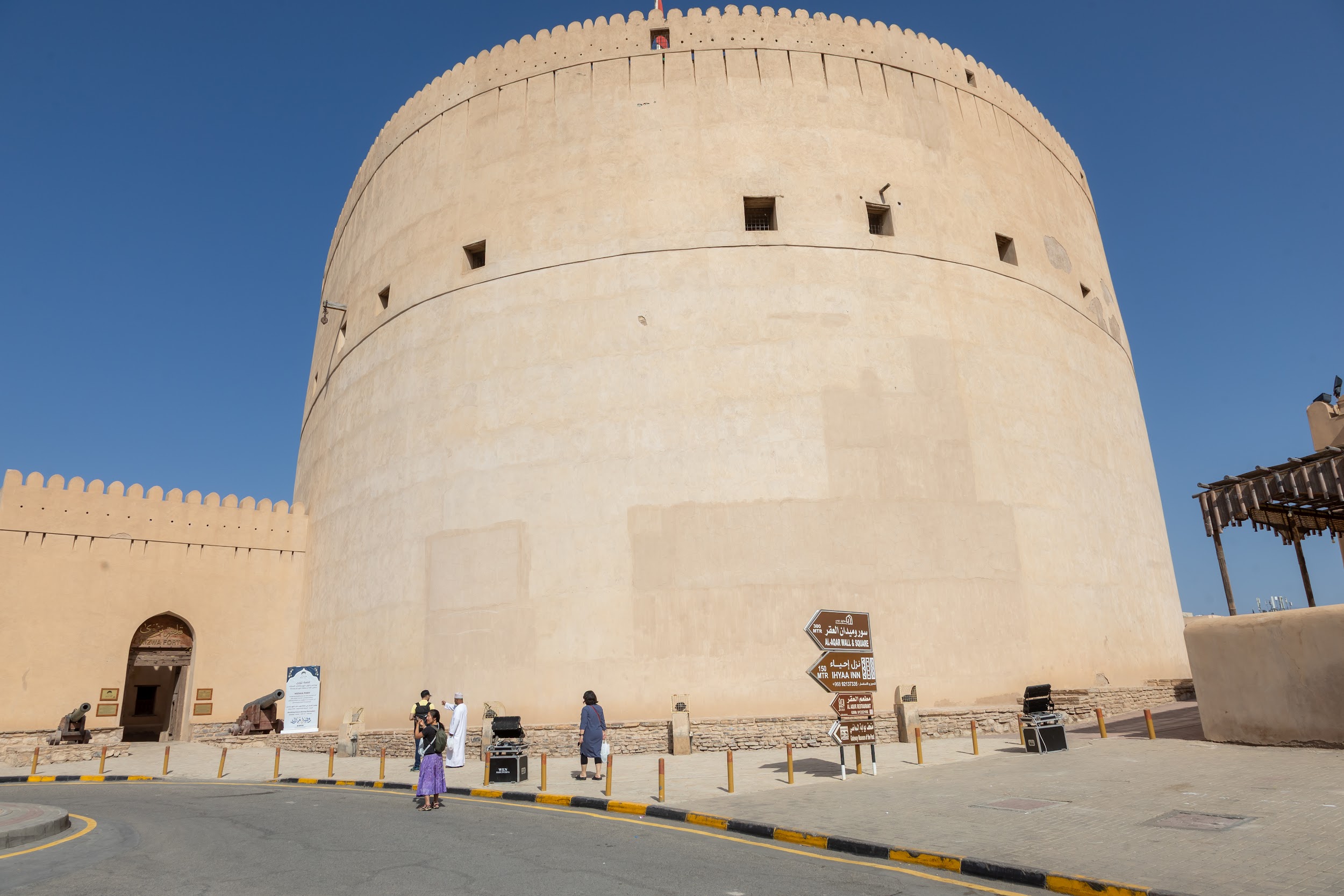
Nizwa
160 km from Muscat • Full day
Nizwa is a historic city known for its fort, souq, and traditional Omani architecture.
Wadi Shab
90 km from Muscat • Full day
Wadi Shab is a stunning natural area with waterfalls, pools, and hiking trails.
Bimmah Sinkhole
120 km from Muscat • Half day
A natural sinkhole with crystal-clear waters, perfect for swimming and photography.
Festivals
Muscat Festival • January to February
Eid al-Fitr • Varies (depends on the Islamic lunar calendar)
Pro tips
- Visit the Sultan Qaboos Grand Mosque early in the morning to avoid the heat and crowds
- Explore Mutrah Souq in the evening when it's cooler and more lively
- Try traditional Omani coffee and dates at a local café
- Book a guided tour for day trips to learn more about the history and culture
- Carry a reusable water bottle and stay hydrated, especially in the summer
From $25
per person
Price varies by option
Secure booking
Free cancellation available
Instant confirmation