Private Day Trip from Salalah to Rub Al Khali (Empty Quarter)
Active
8h - 9h
For a full refund, cancel at least 24 hours before the scheduled departure time.
Instant confirmation
Mobile or paper ticket accepted
About this experience
Unforgettable experience to see the biggest sandy desert in the world, at the same time seeing some history of the country like the frankincense garden which is listed to the UNESCO, and the lost city which is mentioned in the holy book and listed to the UNESCO as well.
Available options
Private Day Trip from Salalah to Rub Al Khali (Empty Quarter)
Pickup included
What's included
Hotels, Port, Airport, Residence Pick up & Drop off
All fees and taxes
bottled water
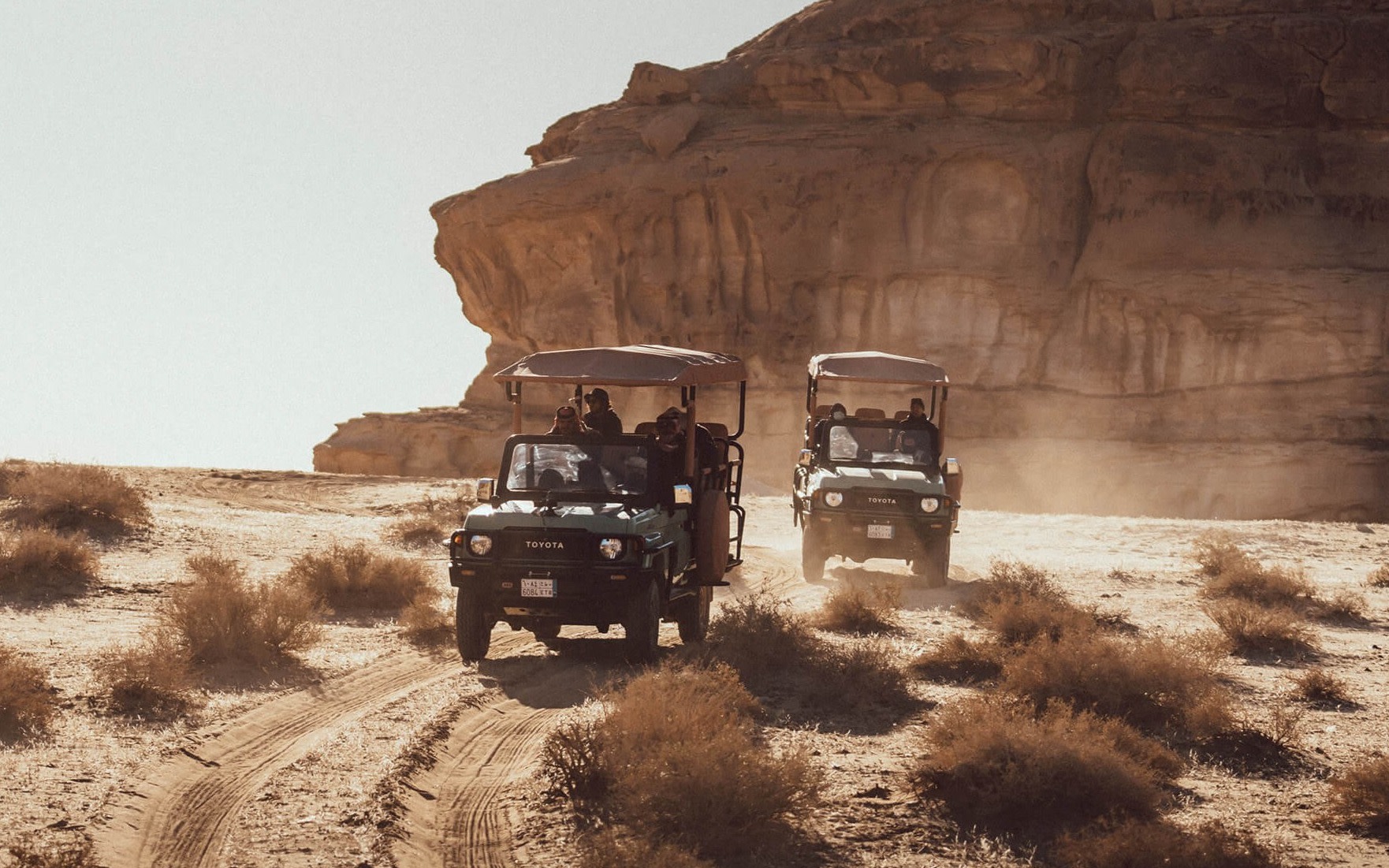
Transportation by Air-Conditioned Vehicle 4WD
Detailed itinerary
1
Today we drive towards Rub Al Khali (Empty Quarter) the biggest sandy desert in the world, on the way, we’ll visit Wadi Dawkah, Wadi Dawkah is located in the Najd area behind the northern slopes of the Dhofar mountain range, 35 km north of Salalah city, and extends north towards the state of Thumrait.
It's one of the growth areas of the frankincense trees in the Dhofar Governorate, it's a natural reserve for large frankincense trees and it’s listed with the World Heritage and Culture organization UNESCO.
2
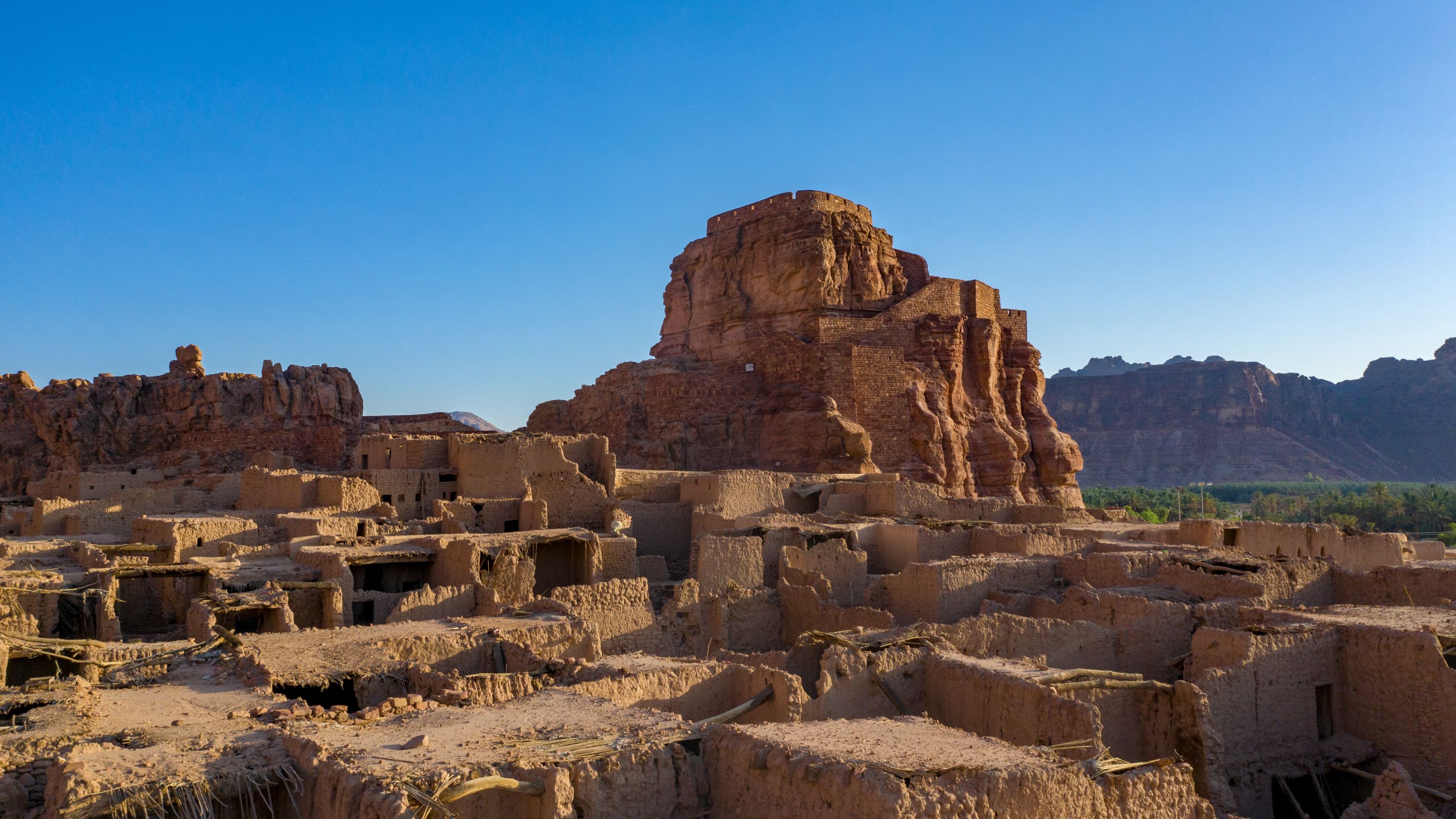
From Wadi Dawkah we’ll visit Al Shisr (the Lost City) one of the sites of Al Luban (Frankincense) Road, which is part of the World Heritage Sites in the Sultanate of Oman, it’s located in the province of Dhofar the state of Thamrit, the capital of the Badia (Najd Dhofar), it's at the southern end of the desert of the Empty Quarter, evidence suggests that the site has been inhabited since the Stone Age.
Exploration and excavation work at Al-Shisr site revealed the existence of an ancient archaeological city (believed to be the city of “Erm” which is mentioned by God in the Holy Quran, the land of the people of Hood who did not create the same in the country as mentioned in the Qur’anic text) Continuous exploration of this important archaeological site, this archaeological site was discovered in 1990 by a group of archaeologists and was included in the World Heritage Organization UNESCO for the most important.
3
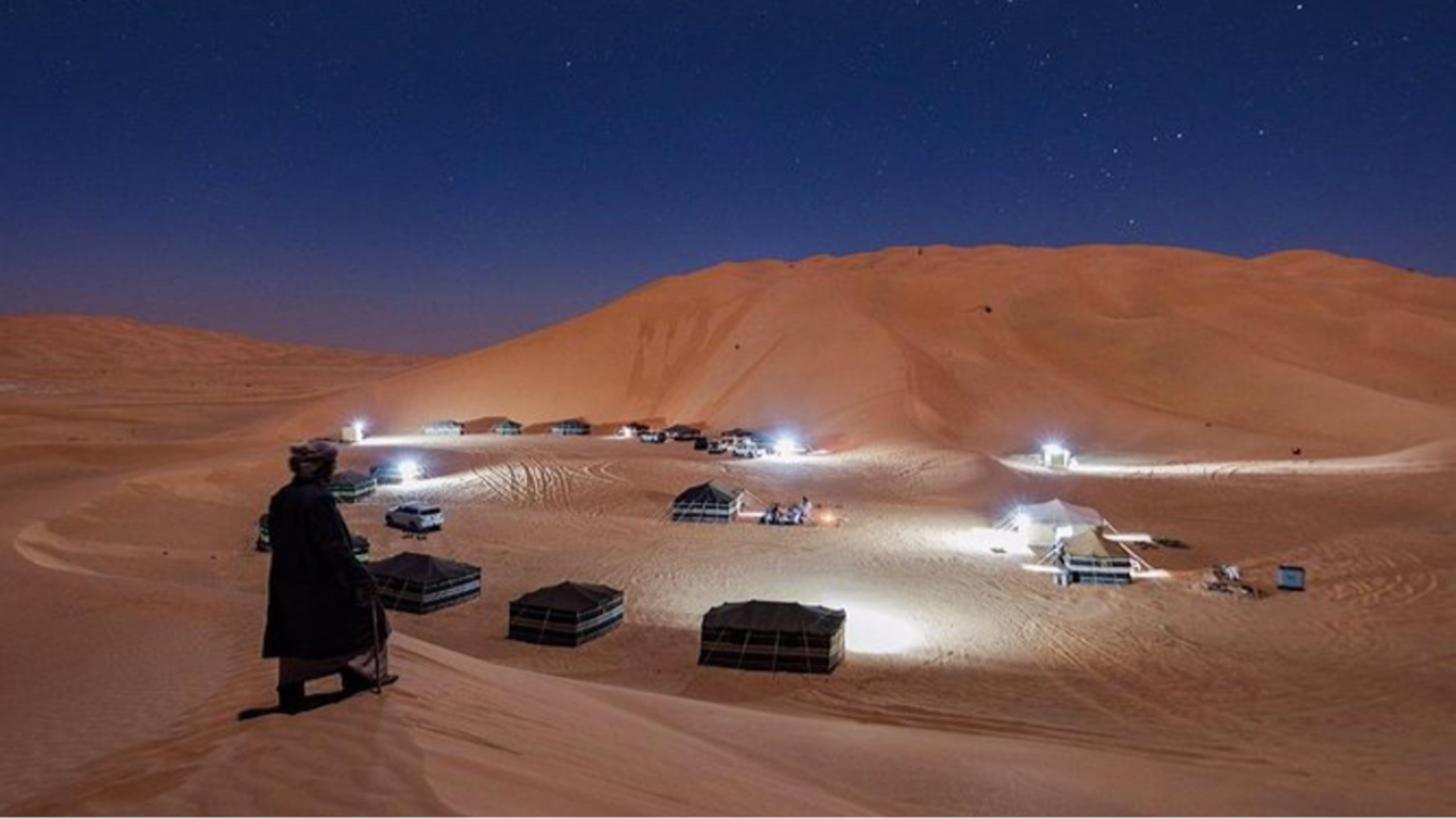
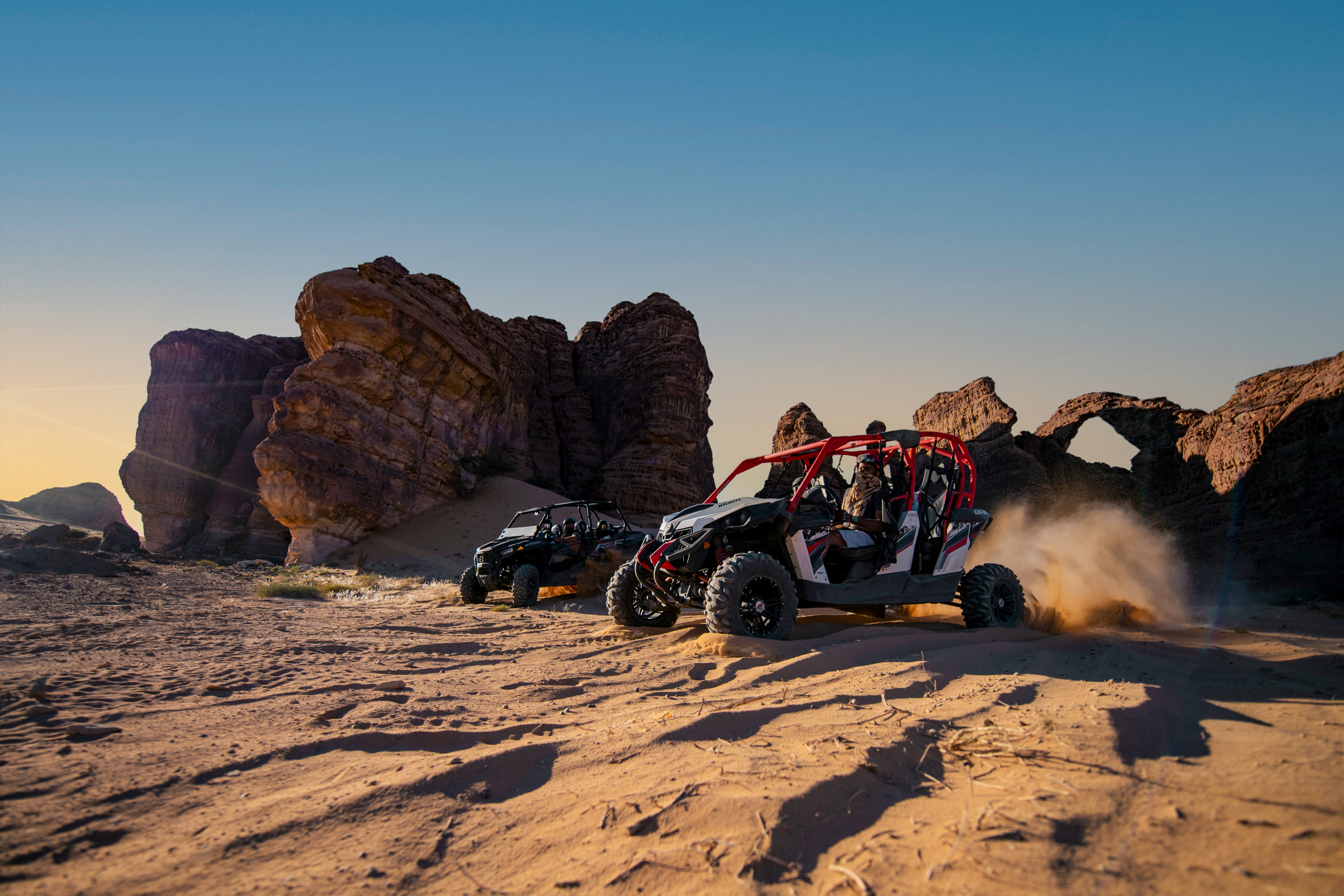
From Al Shisr we drive towards Rub’ Al Khali the largest contiguous sand desert in the world, encompassing most of the southern third of the Arabian Peninsula, the desert covers some 650,000 km2 (250,000 sq. mi) including parts of Saudi Arabia, Oman, the United Arab Emirates, and Yemen, it's part of the larger Arabian desert, Wherever you look, you'll see tall white dunes and crystal stone that have been toned due to erosion.
What's not included
Lunch
Available languages
Guide guide
EN
Reviews breakdown
Tripadvisor
5.0
1 reviews
5★
1
4★
0
3★
0
2★
0
1★
0
Important information
Public transportation options are available nearby
Specialized infant seats are available
Suitable for all physical fitness levels
Not stroller accessible
Infants must not sit on laps
About Salalah
Salalah is a beautiful coastal city in southern Oman, known for its lush greenery, historic sites, and unique climate. It's a city where ancient traditions blend seamlessly with modern life, offering visitors a rich cultural experience.
Top Attractions
Al Baleed Archaeological Site
This UNESCO World Heritage site is an ancient city that dates back to the 4th century BC. It features ruins of palaces, mosques, and residential buildings.
Historical
2-3 hours
Moderate
Al Husn Souq
A traditional market where you can find a variety of goods, including spices, textiles, and handmade crafts. It's a great place to experience the local culture and buy souvenirs.
Cultural
1-2 hours
Free to enter, prices vary for purchases
Al Mughsail Beach
A beautiful beach with white sand and clear waters. It's a popular spot for swimming, sunbathing, and picnicking.
Beach
Half day
Free
Must-Try Local Dishes
Shuwaa
Slow-cooked marinated meat, traditionally cooked in an underground oven. It's tender, flavorful, and a must-try in Oman.
Main Course
Contains meat
Harees
A porridge-like dish made from wheat and meat, often served during special occasions.
Main Course
Contains meat
Halwa
A sweet, gel-like dessert made from sugar, ghee, and nuts. It's a popular treat in Oman.
Dessert
Vegetarian
Popular Activities
Hiking in Wadi Darbat
Exploring ancient ruins
Beach lounging at Al Mughsail Beach
Picnicking in Wadi Darbat
Visiting Al Husn Souq
Exploring Al Baleed Archaeological Site
Swimming at Al Mughsail Beach
Not applicable
Best Time to Visit
June to September
This is the monsoon season, bringing heavy rains and making the landscape lush and green. The weather is pleasant and ideal for exploring the city's natural beauty.
25-35°C
77-95°F
Practical Information
Language
- Official: Arabic
- Widely spoken: English
- English: Moderately spoken
Currency
Omani Rial (OMR)
Time Zone
GMT+4
Electricity
230VV, 50HzHz
Safety Information
Overall Safety Rating: Generally safe
Salalah is generally a safe city with low crime rates. However, travelers should always be cautious and aware of their surroundings.
Important Precautions:
- • Keep valuables secure and out of sight.
- • Be cautious when using ATMs and avoid using them at night.
- • Use reputable tour operators and guides.
Getting there
By air
- Salalah Airport • 10 km from city center
By bus
Salalah Bus Station
Getting around
Public transport
The bus service is affordable and covers most parts of the city. Buses are a convenient way to get around, but schedules can be irregular.
Taxis
Available • Apps: Uber, Careem
Rentals
Car
Neighborhoods
Al Husn
Al Baleed
Al Mughsail
Day trips
Sumhuram (Khor Rori)
30 km from Salalah • Half day
An ancient port city that was part of the frankincense trade route. It features ruins of buildings, a mosque, and a fortress.
Wadi Darbat
30 km from Salalah • Full day
A beautiful wadi with lush greenery, waterfalls, and pools. It's a popular spot for picnics and nature walks.
Festivals
Khareef Festival • June to September
Pro tips
- Visit during the Khareef Festival to experience the lush greenery and cultural events.
- Try traditional Omani dishes like Shuwaa and Harees.
- Explore the historic sites of Al Baleed and Sumhuram for a glimpse into the past.
- Enjoy the natural beauty of Wadi Darbat and Al Mughsail Beach.
- Shop for local crafts and spices at Al Husn Souq.
From $25
per person
Price varies by option
Secure booking
Free cancellation available
Instant confirmation