Private Car Charter - Explore Best of Bali
Active
1h - 10h
For a full refund, cancel at least 24 hours before the scheduled departure time.
Instant confirmation
Mobile or paper ticket accepted
About this experience
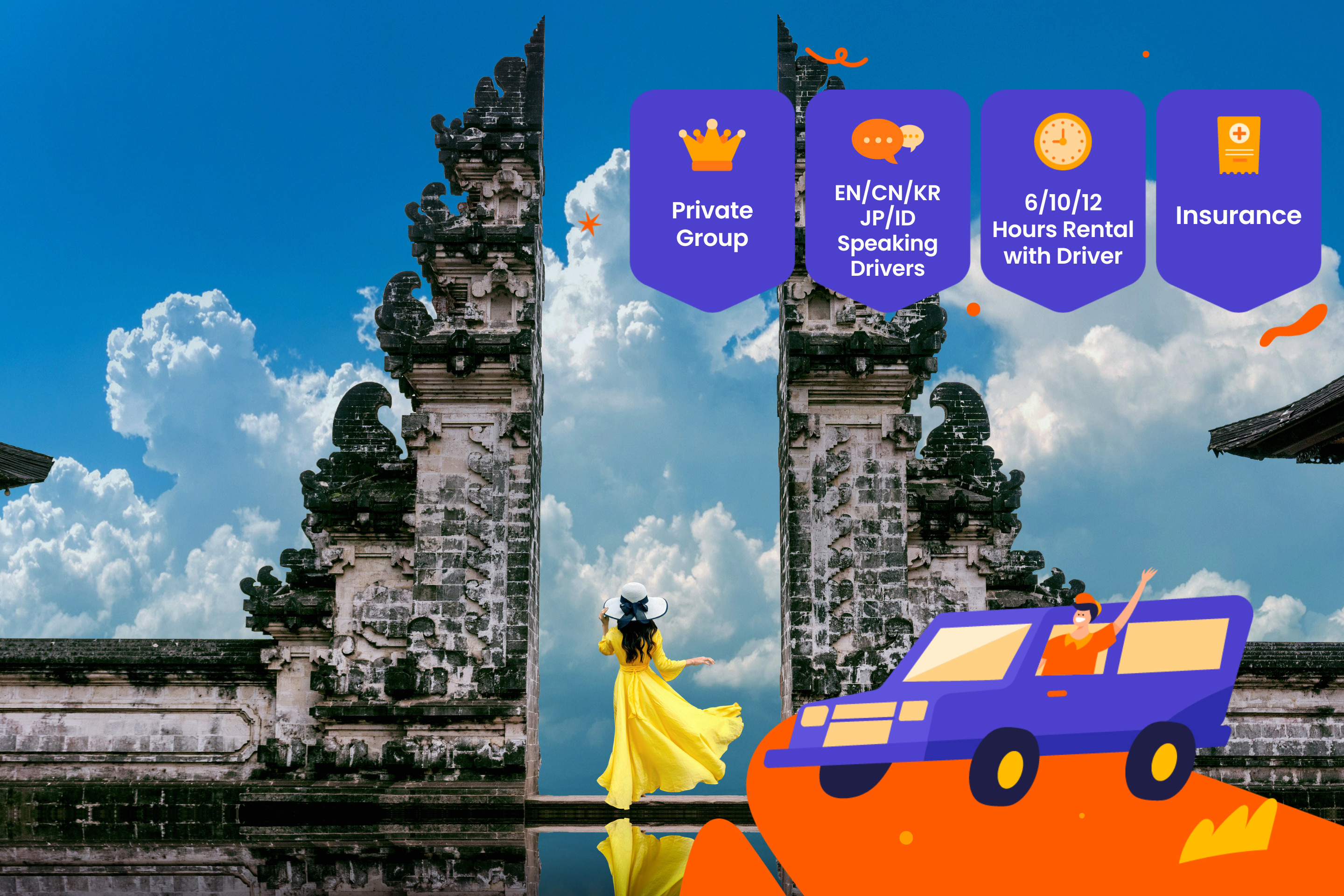
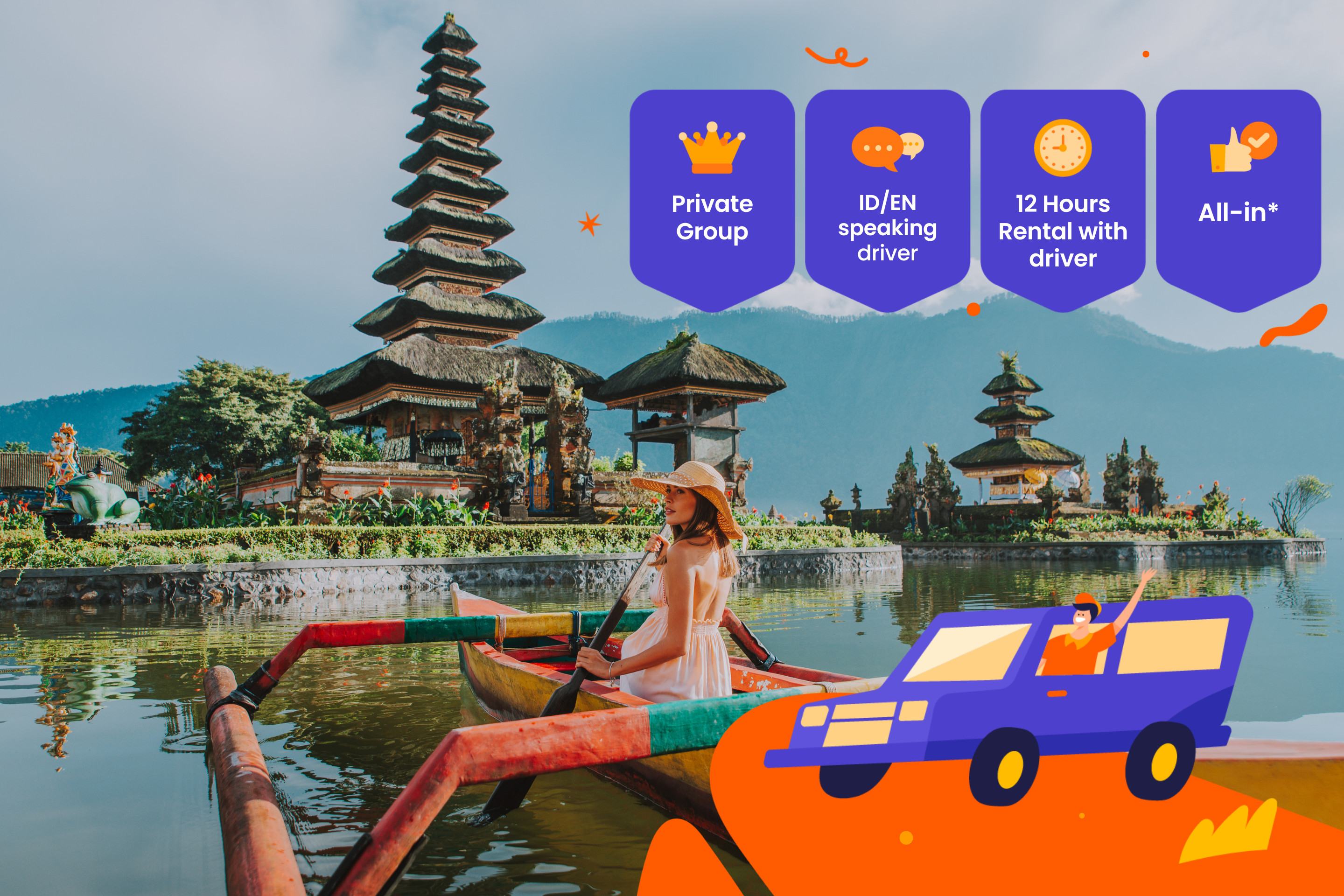
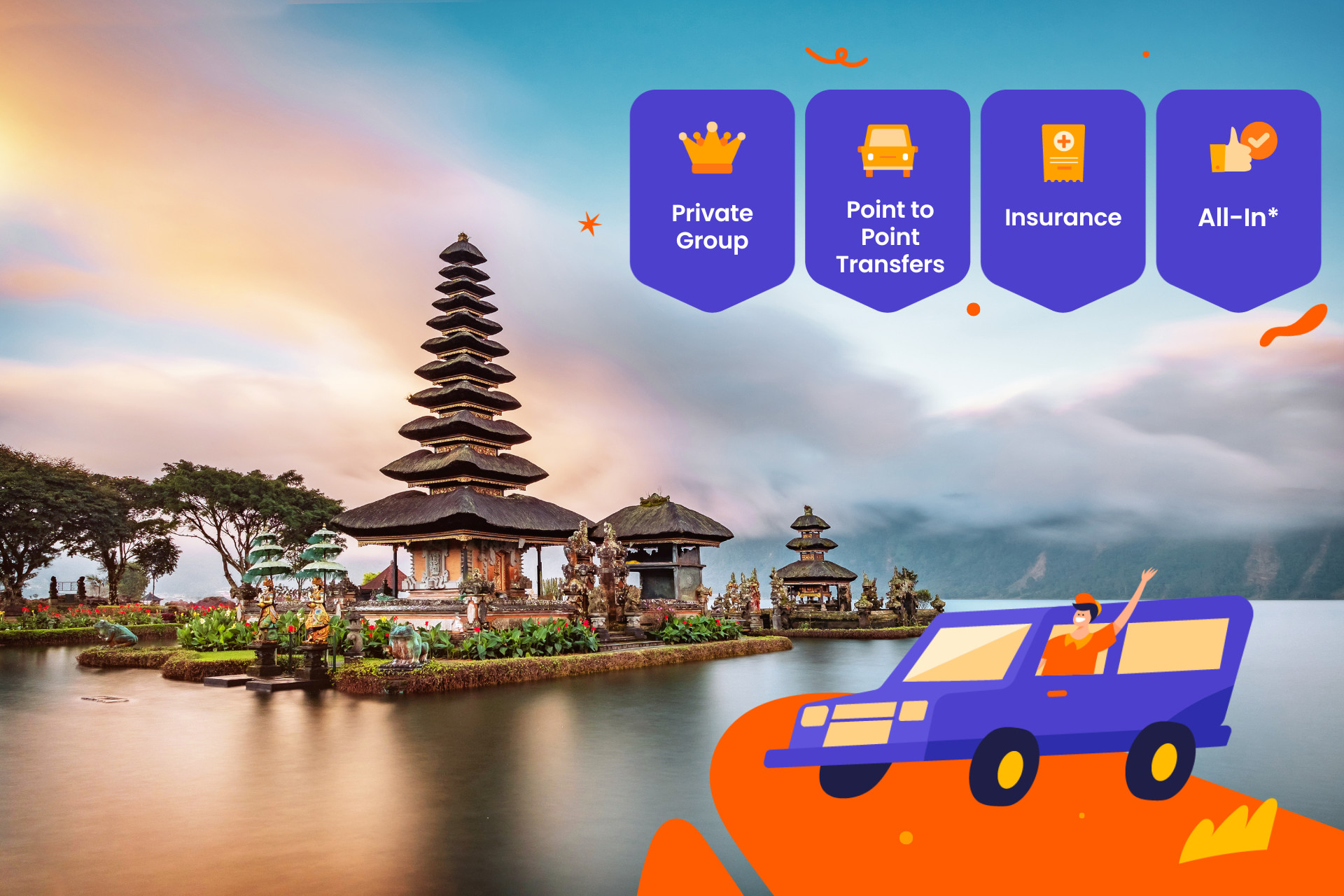
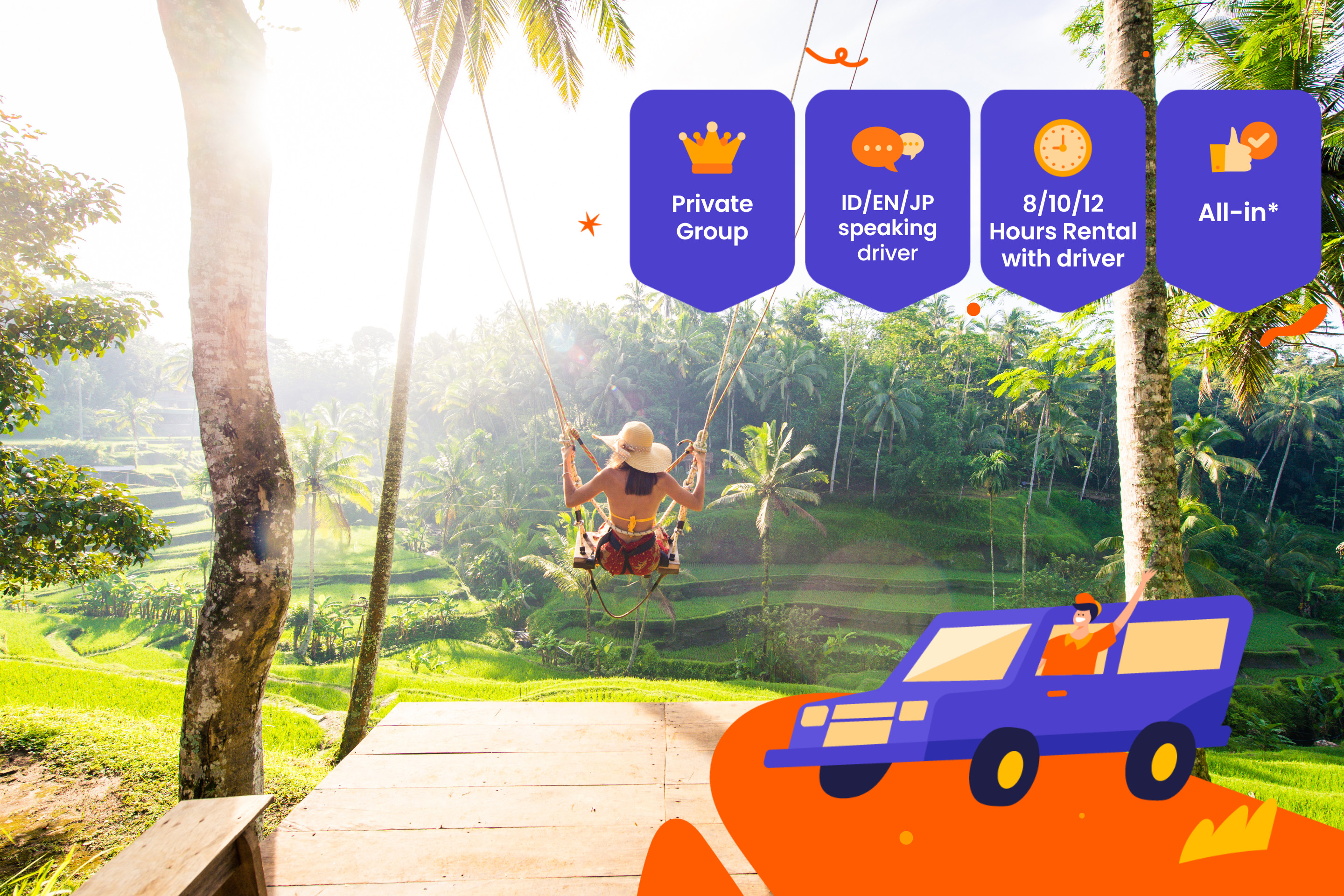
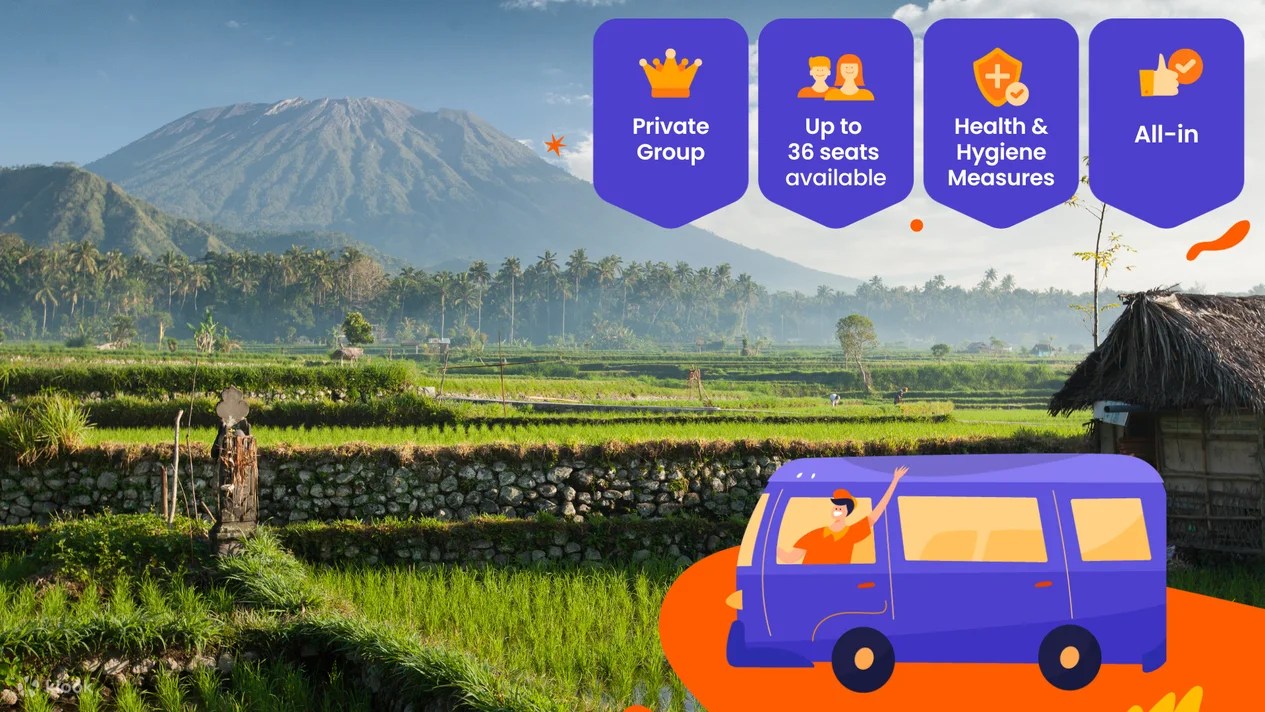
Discover Bali at your own preference with our car charter service. You could explore the main tourism places, covering areas of Tabanan, Badung, Denpasar, Gianyar, and Bangli regencies within 10 hours. Plan your own itinerary or discuss the popular attractions with our driver before you start (Please read Tour Details to find our recommendation places to visit). You could 100% manage your trip, either spending longer time in one place or just do a quick stop to visit as many places as possible. The service includes 7 seaters minivan and professional english speaking driver who will lead your way and help you to make your trip in Bali.
Available options
Luxury Car
Toyota Innova: Pick up time could be adjusted anytime from 08.00 to 12.00<br/>Pickup included
Private Car Charter
Include private car, petrol, english speaking driver, and tour service up to 10 hours<br/>Pickup included
What's included
Service & government tax
English Speaking Driver
Private tour service
Tour service up to 10 hours
Air-conditioned vehicle
Detailed itinerary
1
Traditional Balinese House Compound is located in the village of Batuan, Gianyar regency, Bali. It is 45 minutes drive from Denpasar airport. The buildings are mostly designed by Balinese architectures taking daily social Balinese life concept pointing out the hospitality. It is very charming concept of house building consisted on several building with different purpose of activities. The Balinese family compound comprises a rectangular perimeter wall and several important structures, each significant and carefully laid out. The Balinese think that the family compound reflects the human body and the first step in building a new compound is consulting a Balinese calendar to choose a suitable day to buy the land and start work.
2
Batuan Temple is a secret Hindu temple set in the center of Batuan Village as a shrine for local people to worship the god. It is strategically located beside the main road from Denpasar City to Ubud or just 25 minutes to the south away from Ubud Village. It is a local village temple and a part of three major temples in a village that is called Tri Khayangan. Batuan Temple is also called Pura Desa beautifully designed with Balinese architecture and antique Balinese ornaments decorate the entire temple building including the entrance gate. This Batuan Temple has also featured three areas including Nista Mandala (outside area) Madya Mandala (Middle area) and Utama Mandala (Main temple area).
3
Stop 3
Tegenungan Waterfall is a popular, easily accessible waterfall near Ubud, Bali, known for its powerful flow, lush jungle setting on the Petanu River, and refreshing swimming spots in its natural pool. It's famous for its impressive height (around 15-20 meters) and the ability for visitors to get close to the falls via well-maintained stairs, offering great photo opportunities and a chance to cool off in the mist and water. The area features viewpoints, local cafes, souvenir shops, and sometimes even swings for memorable photos.
4
Stop 4
The Goa Gajah ‘Elephant Cave’ is an archeological site on the cool western borders of Bedulu Village, 6 km out of central Ubud. To the unknowing, Goa Gajah’s name can be slightly misleading, often creating an impression that the site is a gigantic dwelling full of elephants. After taking the flight of stone steps down to the Goa Gajah temple complex, you often don’t need more than an hour to explore and admire the relic-filled courtyard and view the rock-wall carvings. The site contains a namesake meditational cave, bathing pools and fountains.
5
Gunung Kawi Temple Tampaksiring is beautifully situated in a river valley surrounded by rice fields and jungle. This has been one of our favorite day trips for years. Gunung Kawi Temple is a collection of ten candi, created to evoke the appearance of temple fronts and designed to provide residence for the souls of ancient kings. The candi are hewn into the valley walls on both sides of the Pekerisan River. The Gunung Kawi Temple does have an interesting history. Inscriptions over each Candi approximate the date of construction to be in the 11th C. It is believed that each temple served as a memorial to a deified royalty principally because they are shaped like the burial towers, or Candi’s, found throughout Central Java.
6
Pura Mengening is one of Bali’s Bali‘s best-kept secrets and a true hidden gem. Tucked away in the shadows of the more popular Tirta Empul and Gunung Kawi Tampaksiring, Pura Mengening is a beautiful oasis surrounded by lush vegetation on all sides. Also, much like in Tirta Empul, its popular neighbour temple from down the street, you can take part in a water purification ritual but in a much more relaxed atmosphere with fewer other tourists. To help you plan your visit and get the most out of your time here, we put together this Temple Visiting Guide for Bali’s Pura Pura Mengening. Since Pura Mengening is one of three temples in the town of Tampaksiring, it’s easy to see several temples within a single day-trip from Ubud
7
Stop 7
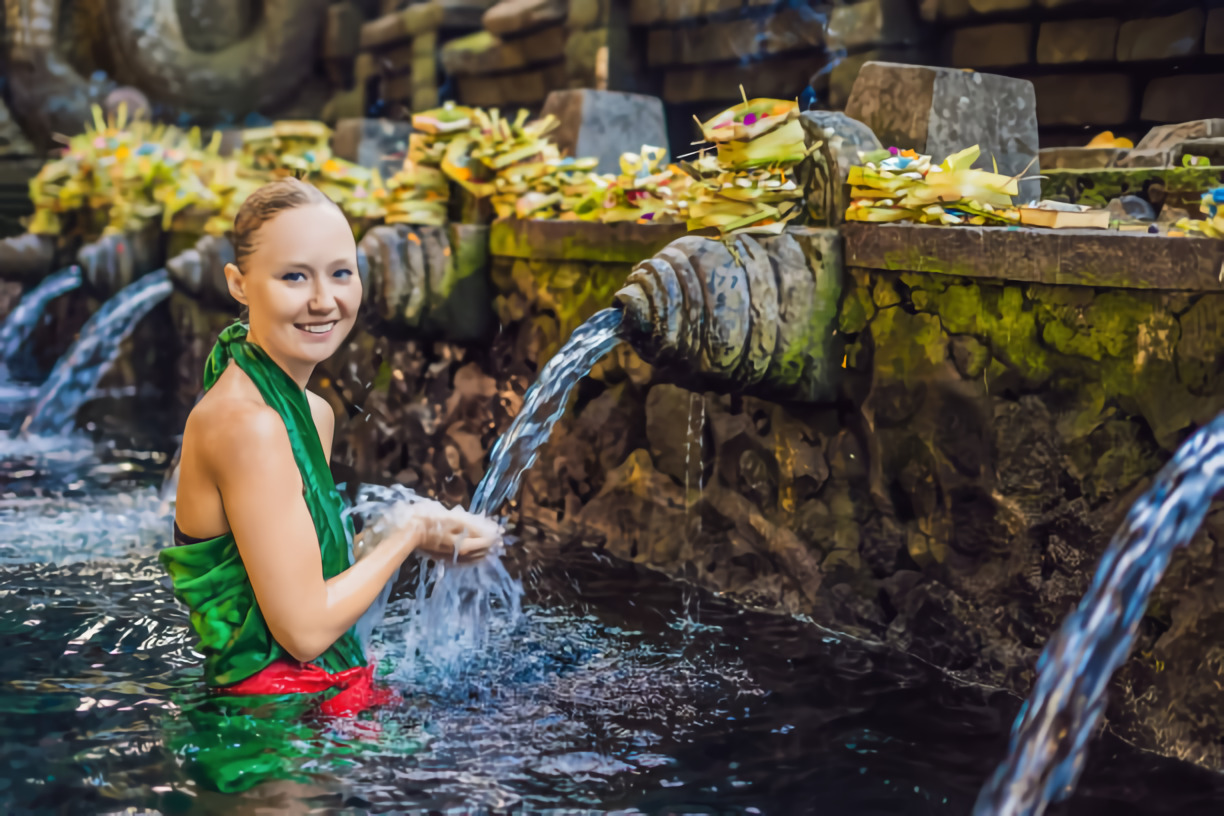
Tirta Empul Temple is a significant Balinese Hindu water temple near Ubud, famous for its holy spring water used in purification rituals (melukat), where devotees cleanse themselves under 30 spouts dedicated to Vishnu. Founded in 926 AD, it's a cultural heritage site with ancient origins, connected to legends of God Indra, and features beautiful pools, shrines, and the nearby Presidential Palace (Istana Tampaksirig)
8
Pura Gunung Kawi Sebatu is a hidden gem that radiates peace and spiritual energy. Far from the bustling crowds, this serene water temple offers a quiet sanctuary where visitors can immerse themselves in the island's natural beauty and rich spiritual traditions. Dedicated to Vishnu, the Hindu god of preservation, the temple is renowned for its sacred springs, lotus-filled ponds, and tranquil water features. It's a perfect spot for those seeking a moment of reflection or meditation in a setting that feels worlds away from Bali’s more popular tourist destinations.
9
Stop 9
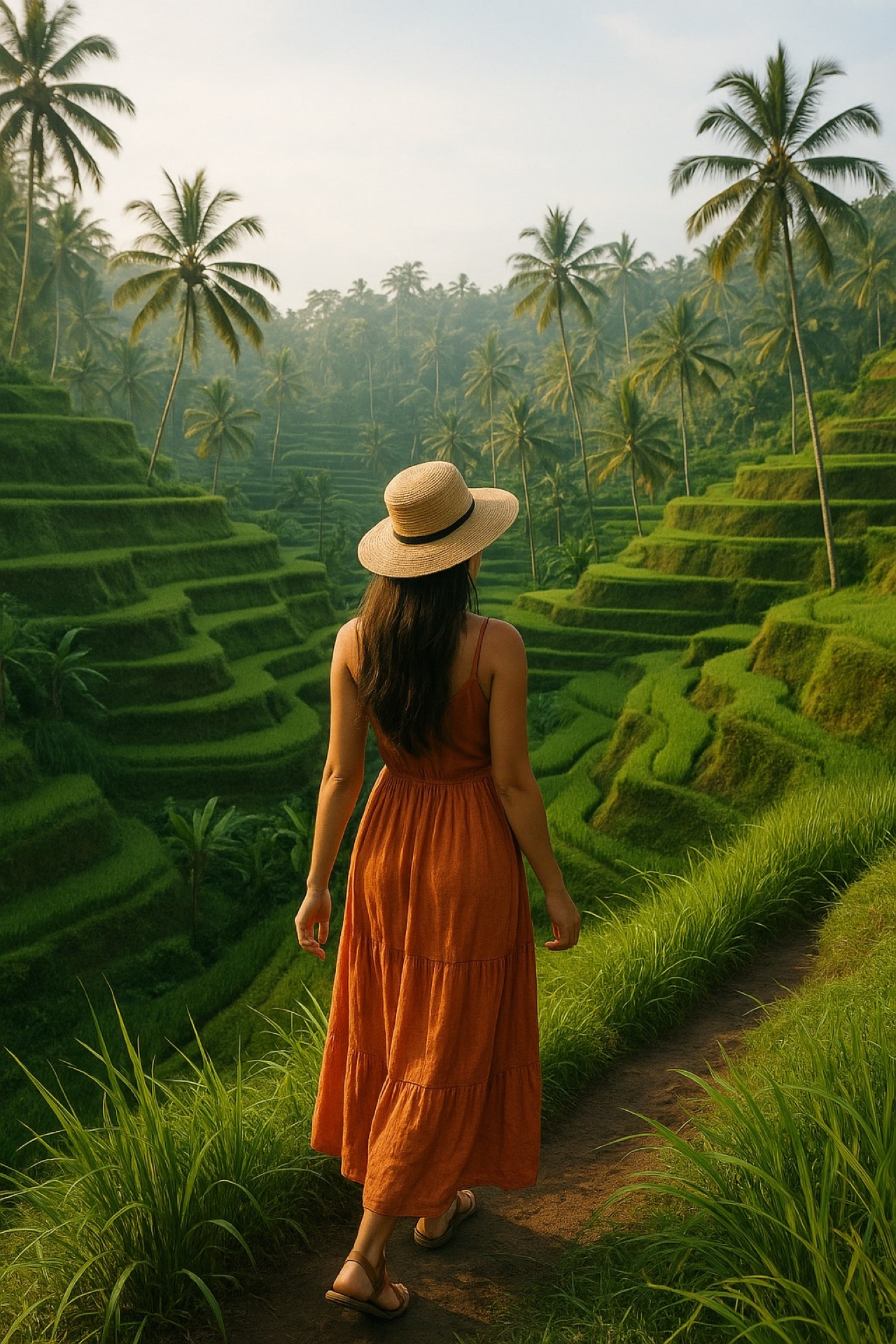
Tegalalang Rice Terrace is famous for its stunning emerald-green, stepped rice paddies shaped by the traditional Balinese Subak irrigation system, offering picturesque views, cultural immersion, and photo opportunities, though it can get crowded, with small entrance fees and optional charges for activities like swings and local photos. Visitors can enjoy walks through the valley, see local farmers at work, and find cafes, but should be prepared for narrow, potentially slippery paths and support local vendors.
10
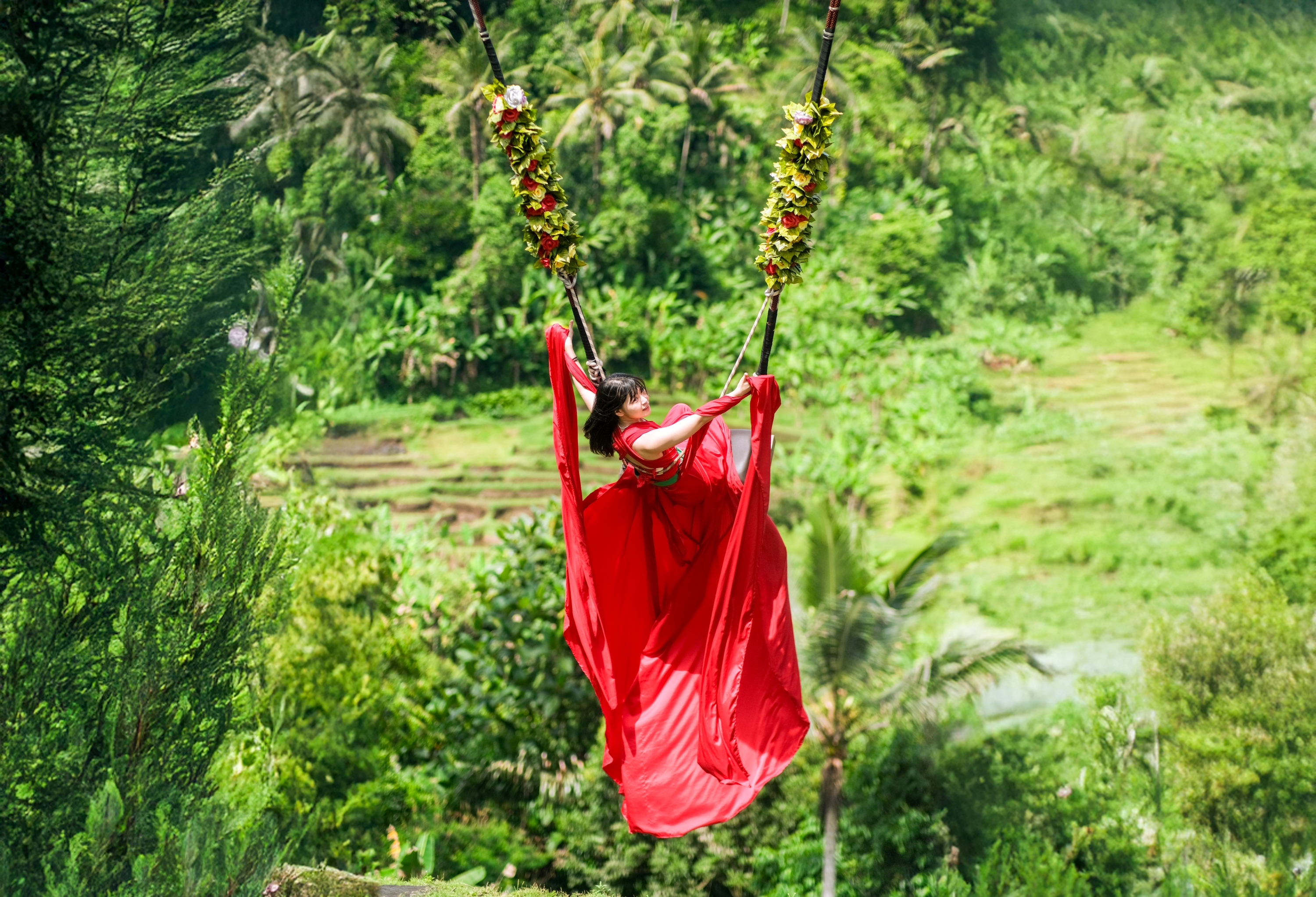
Happy Swing Bali (part of Bali Swing) is a famous adventure & photo spot in Tegallalang, Bali, offering giant swings over lush rice terraces for thrilling rides and iconic Instagram photos, featuring multiple swing types, nests, and photo spots with stunning jungle/valley views, operating daily (around 9 AM - 5 PM), popular for adventure seekers and nature lovers wanting that quintessential Bali experience
11
Stop 11
The Campuhan Ridge Walk is one of the most popular natural trails in Bali, and it’s a scenic trek along a ridge line above a beautiful lush and green valley below. If you’re going to spend time in Ubud, then you have to do the Campuhan Ridge Walk. It’s one of the most beautiful walks in Bali, and it’s truly spectacular in the late afternoon at sunset or in the early morning at sunrise.
12
Stop 12
Ubud Water Palace or Pura Taman Saraswati is an iconic, free-to-enter Balinese water temple in central Ubud dedicated to Dewi Saraswati, the goddess of knowledge, known for its stunning lotus pond, intricate carvings, and nightly traditional dance shows. Built by artist I Gusti Nyoman Lempad for the Ubud Prince Cokorda Gede Agung Sukawati, it offers beautiful photo opportunities and a cultural experience through its gardens and performances, though the main shrine is for worship.
13
Stop 13
Ubud Palace (Puri Saren Agung) is a historic royal residence in central Ubud, Bali, known for its stunning traditional Balinese architecture, intricate carvings, and as a hub for cultural performances like the nightly Legong Dance, offering a glimpse into the island's royal heritage and living art scene, still home to the royal family.
14
Stop 14
The Ubud Art Market (Pasar Seni Ubud) is a bustling, traditional marketplace in central Ubud, Bali, known for its wide array of local handicrafts, souvenirs, clothing, wood carvings, textiles, and art, directly across from the Ubud Royal Palace, offering a vibrant cultural shopping experience with lots of bargaining and unique Balinese items, plus a separate section for daily local goods
15
Stop 15
Ubud Monkey Forest (Mandala Suci Wenara Wana) is a sacred natural sanctuary in Padangtegal, Bali, home to over 1,200 long-tailed macaques, ancient temples (like Dalem Agung Padangtegal), and lush nutmeg forests, serving as a vital conservation, spiritual, and eco-tourism site reflecting the Balinese belief in harmony between humans, nature, and God (Tri Hita Karana). Visitors can explore marked paths, observe monkeys in their natural habitat, and see historic temples, but should follow rules like not feeding monkeys or making eye contact to ensure safety, as these animals are considered sacred guardians.
What's not included
Entrance fee of tourism places
Available languages
Guide guide
EN
Reviews breakdown
Viator
4.7
7 reviews
5★
6
4★
0
3★
1
2★
0
1★
0
Tripadvisor
5.0
82 reviews
5★
81
4★
1
3★
0
2★
0
1★
0
Important information
Not recommended for travelers with spinal injuries
Not recommended for pregnant travelers
Not recommended for travelers with poor cardiovascular health
Suitable for all physical fitness levels
About Ubud
Ubud is a picturesque town nestled in the lush highlands of Bali, renowned for its vibrant arts scene, traditional dance, and serene landscapes. Known as the cultural heart of Bali, it offers a perfect blend of nature, spirituality, and Balinese heritage, making it a must-visit destination for travelers seeking a deeper cultural experience.
Top Attractions
Sacred Monkey Forest Sanctuary
A sacred nature reserve and temple complex that is home to hundreds of long-tailed macaques. The forest is a spiritual and cultural hub, offering a unique blend of nature and spirituality.
Nature
1-2 hours
80,000 IDR
Tegalalang Rice Terrace
Iconic terraced rice fields offering stunning views and a glimpse into traditional Balinese farming. The terraces are a UNESCO World Heritage Site and a popular spot for photography.
Nature
1-2 hours
50,000 IDR (entry fee for some areas)
Ubud Palace (Puri Saren Agung)
The royal palace of Ubud, showcasing traditional Balinese architecture and hosting daily dance performances. The palace is a cultural landmark and a must-visit for history and architecture enthusiasts.
Historical
1 hour
50,000 IDR
Goa Gajah (Elephant Cave)
An archaeological site featuring an ancient cave, baths, and temple ruins. The site is believed to date back to the 9th century and is a significant cultural and historical landmark.
Historical
1-2 hours
50,000 IDR
Campuhan Ridge Walk
A scenic walking trail offering panoramic views of the surrounding countryside. The trail is a popular spot for hiking and enjoying the natural beauty of Ubud.
Nature
1-2 hours
Free
Must-Try Local Dishes
Babi Guling
Suckling pig roasted with traditional Balinese spices, a must-try for meat lovers.
Dinner
Not vegetarian or vegan
Nasi Campur
A mixed rice dish with a variety of side dishes, offering a taste of Balinese flavors.
Lunch
Can be vegetarian or vegan with modifications
Bebek Betutu
Duck cooked with traditional Balinese spices and wrapped in banana leaves, a slow-cooked delicacy.
Dinner
Not vegetarian or vegan
Mie Goreng
Fried noodles with vegetables, meat, and eggs, a popular Indonesian dish.
Lunch
Can be vegetarian or vegan with modifications
Popular Activities
Hiking
Zip-lining
White-water rafting
Mountain biking
Yoga
Meditation
Spa treatments
Beach relaxation
Best Time to Visit
April to September (Dry Season)
The dry season is the best time to visit Ubud, with clear skies and pleasant weather ideal for exploring the outdoors and attending cultural events. This period also sees the highest number of tourists.
24°C to 30°C
75°F to 86°F
Practical Information
Language
- Official: Indonesian
- Widely spoken: Balinese, English
- English: Moderately spoken in tourist areas, limited in rural areas
Currency
Indonesian Rupiah (IDR)
Time Zone
GMT+8
Electricity
230VV, 50HzHz
Safety Information
Overall Safety Rating: Generally safe
Ubud is generally safe for travelers, with a low crime rate and a welcoming local community. However, it's important to be aware of common scams, traffic safety, and cultural norms to ensure a safe and enjoyable trip.
Important Precautions:
- • Be cautious of fake tour operators and always book through reputable companies
- • Use metered taxis or agree on a fare before starting your journey
- • Keep your belongings secure in crowded areas
Getting there
By air
- Ngurah Rai International Airport (DPS) • 1.5 hours by car (30 km)
By bus
Ubud Bus Terminal
Getting around
Public transport
Local bemos (small minivans) are a cheap and common way to get around, but they can be crowded and may not follow a strict schedule.
Taxis
Available • Apps: Grab, Gojek
Rentals
Car, Bike, Scooter
Neighborhoods
Central Ubud
North Ubud
East Ubud
West Ubud
Day trips
Tirta Empul Temple
20 km (1.5 hours by car) • Half day
A sacred water temple known for its holy purification rituals. Visitors can participate in a traditional cleansing ceremony, where they are sprinkled with holy water from the temple's springs.
Tegallalang Rice Terraces
5 km (15 minutes by car) • Half day
Iconic terraced rice fields offering stunning views and a glimpse into traditional Balinese farming. The terraces are a UNESCO World Heritage Site and a popular spot for photography.
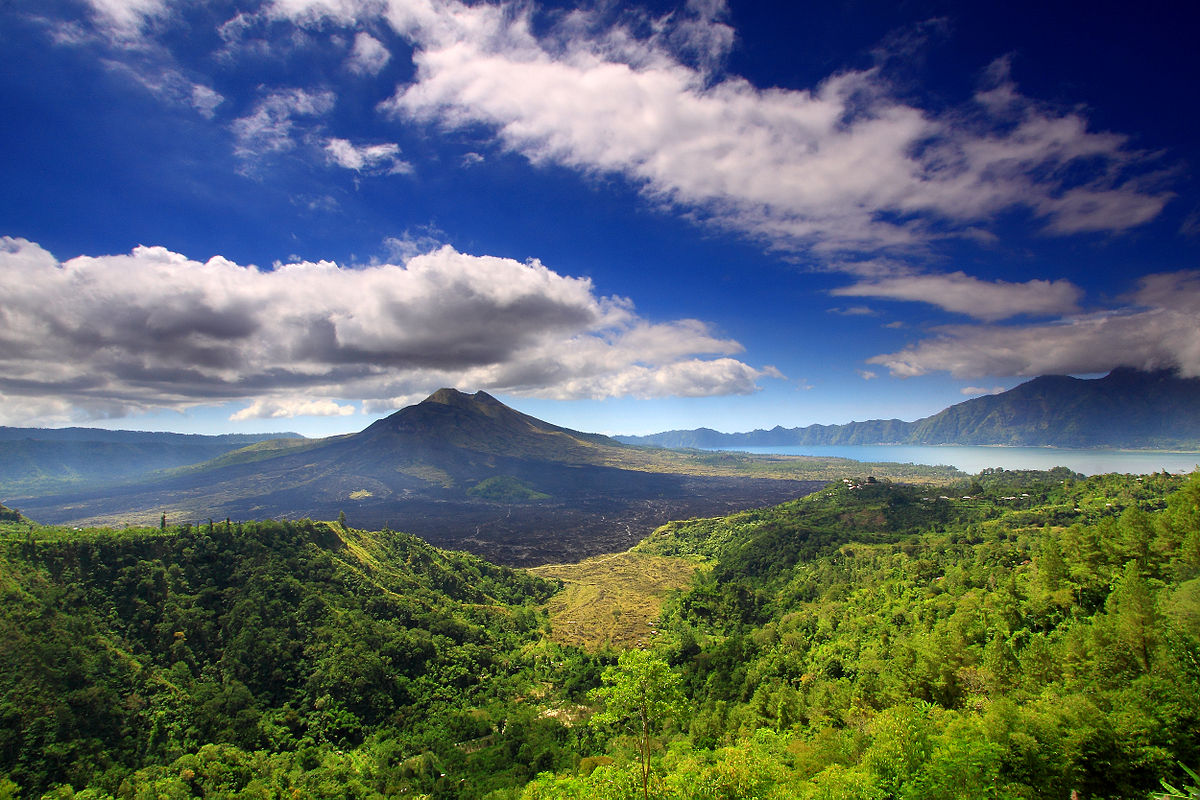
Mount Batur
60 km (1.5 hours by car) • Full day
An active volcano offering stunning sunrise views and hiking opportunities. The hike to the summit is challenging but rewarding, with panoramic views of the surrounding landscape.
Festivals
Nyepi (Bali's New Year) • March (date varies based on the Balinese lunar calendar)
Galungan • Every 210 days (date varies based on the Balinese lunar calendar)
Kuningan • 10 days after Galungan (date varies based on the Balinese lunar calendar)
Pro tips
- Hire a local guide for a deeper understanding of Balinese culture and history
- Visit the Sacred Monkey Forest early in the morning to avoid crowds and see the monkeys at their most active
- Try a traditional Balinese cooking class to learn about the local cuisine and spices
- Explore the rice terraces on foot or by bicycle for a unique perspective and a more immersive experience
- Attend a traditional Balinese dance performance at the Ubud Palace for a cultural experience
From $25
per person
Price varies by option
Secure booking
Free cancellation available
Instant confirmation