Hanoi City Half Day Private Tour: Hidden Corners & Train Street
Active
4h - 5h
For a full refund, cancel at least 24 hours before the scheduled departure time.
Instant confirmation
Mobile or paper ticket accepted
About this experience
1. A good chance to admire Hanoi Old Quarter of long history of 2000 years history.
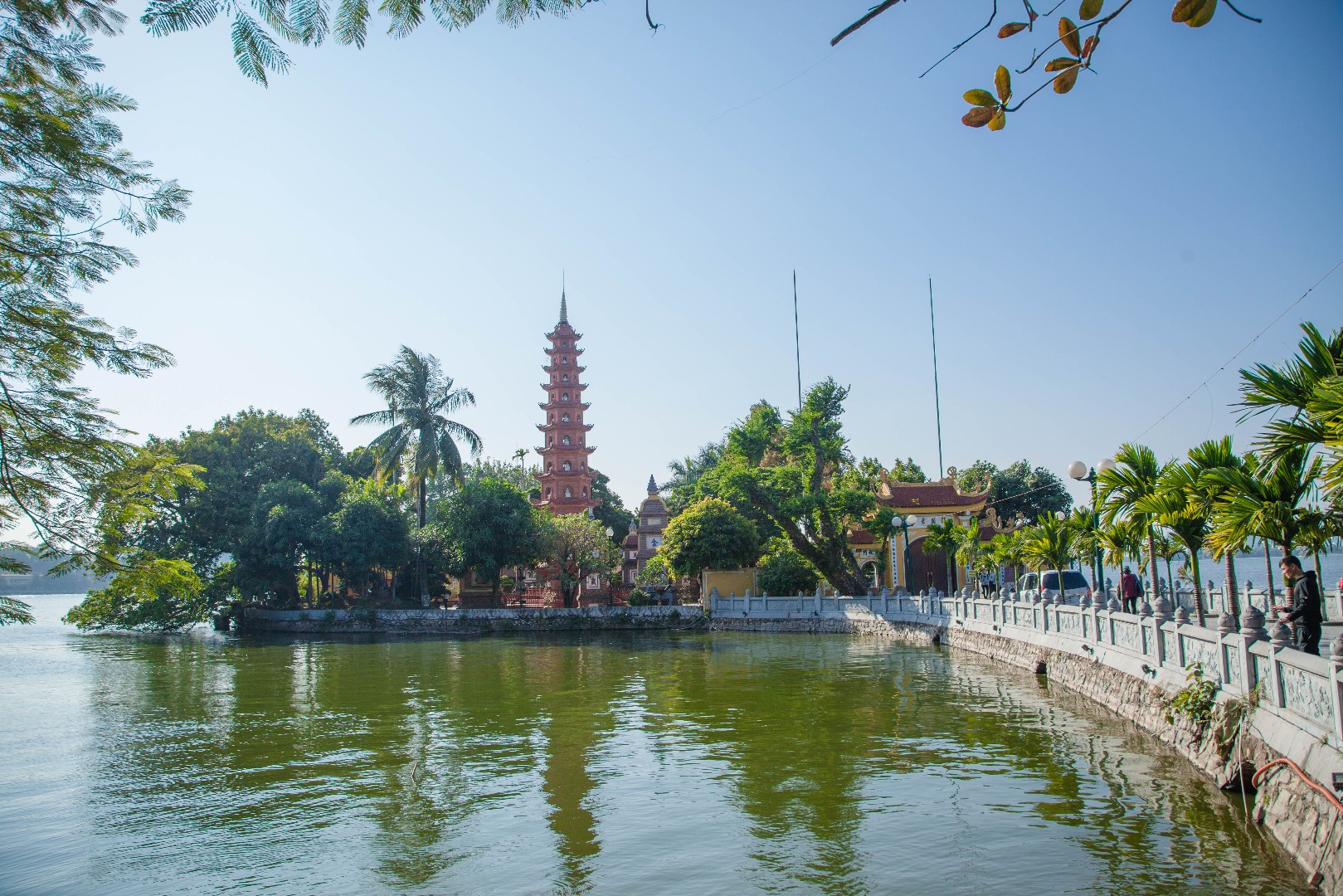
2. Pass by French colonial architecture, peaceful lakes and traditional pagodas and temples that date back hundreds of years.
3. Private Hanoi city sightseeing Half Day tour, led by an experienced tour guide help you see as many things in a half-day tour as full day one.
4. Flexible to choose a morning or afternoon itinerary or any start time you wish during the day.
5. With your limited time, you can explore most of highlights and hidden things; all hidden corners of beautiful Hanoi.
6. See all aspects of Hanoi (modern and old) and a good chance to understand the local life and their history and culture.
7. Experience a unique "train street' - a new "must-see" place of Hanoi City.
Available options
Price varied by group size
Pickup included
What's included
Private transfers whole tour.
Entrance fees
English speaking guide
Tea (or egg-coffee) while visiting the train street
Detailed itinerary
1
Your tour guide and car from Paradise Indochina Travel pick you up at your hotels then start discovering Hanoi City. The first place is Ho Chi Minh mausoleum (open only in morning time 8:00 AM - 11:30 AM and close on Monday & Friday weekly). It is the final resting place of Ho Chi Minh, the most iconic and popular leader of Vietnam, known to his people as ‘Uncle Ho’. His body is preserved here in a glass case at the mausoleum (albeit against his wishes). Started in 1973, the construction of the mausoleum was modeled on Lenin's mausoleum in Russia and was first open to the public in 1975. Security is tight and visitors should dress with respect (no shorts, sleeveless shirts and miniskirts) and everyone has to deposit their bags and cameras before getting in. PLEASE NOTE that the mausoleum is closed from June 10 to August 12 yearly for maintenance.
2
Stop 2
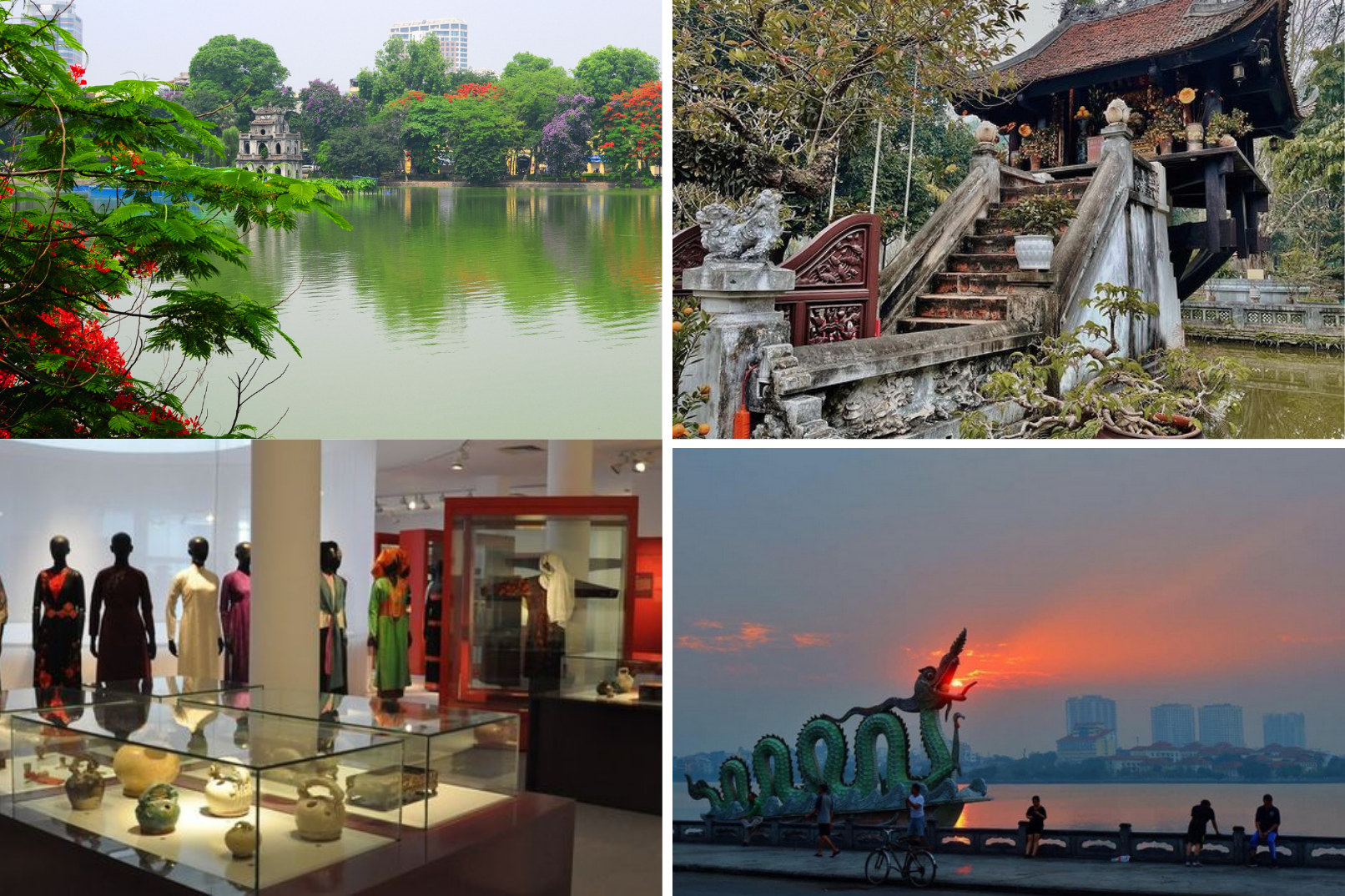
Legend claims that The One Pillar Pagoda was built following a dream by the fatherless emperor in which the enlightened being Avalokiteshvara gave him a baby son resting on a lotus flower. Emperor Ly Thai Tong commissioned the pagoda to be created in resemblance of this lotus flower which is also the Buddhist symbol of enlightenment. The Emperor remained in gratitude to the bodhisattva and subsequently to to Quan Am, the Goddess of Mercy following the birth of his son. Inside the temple a richly gilded statue of Quan Am takes centre place at the main altar. Today, the concrete pillar that supports the tiny wooden pagoda is a replacement for the original one which was blown up by the departing French, it remains unclear how much of the wooden temple is the original one.
Another point of interest is a bo tree that grows behind the pagoda which legend state is an offshoot of the one under which Buddha became enlightened - the tree was given as a gift from India in 1958.
3
Stop 3
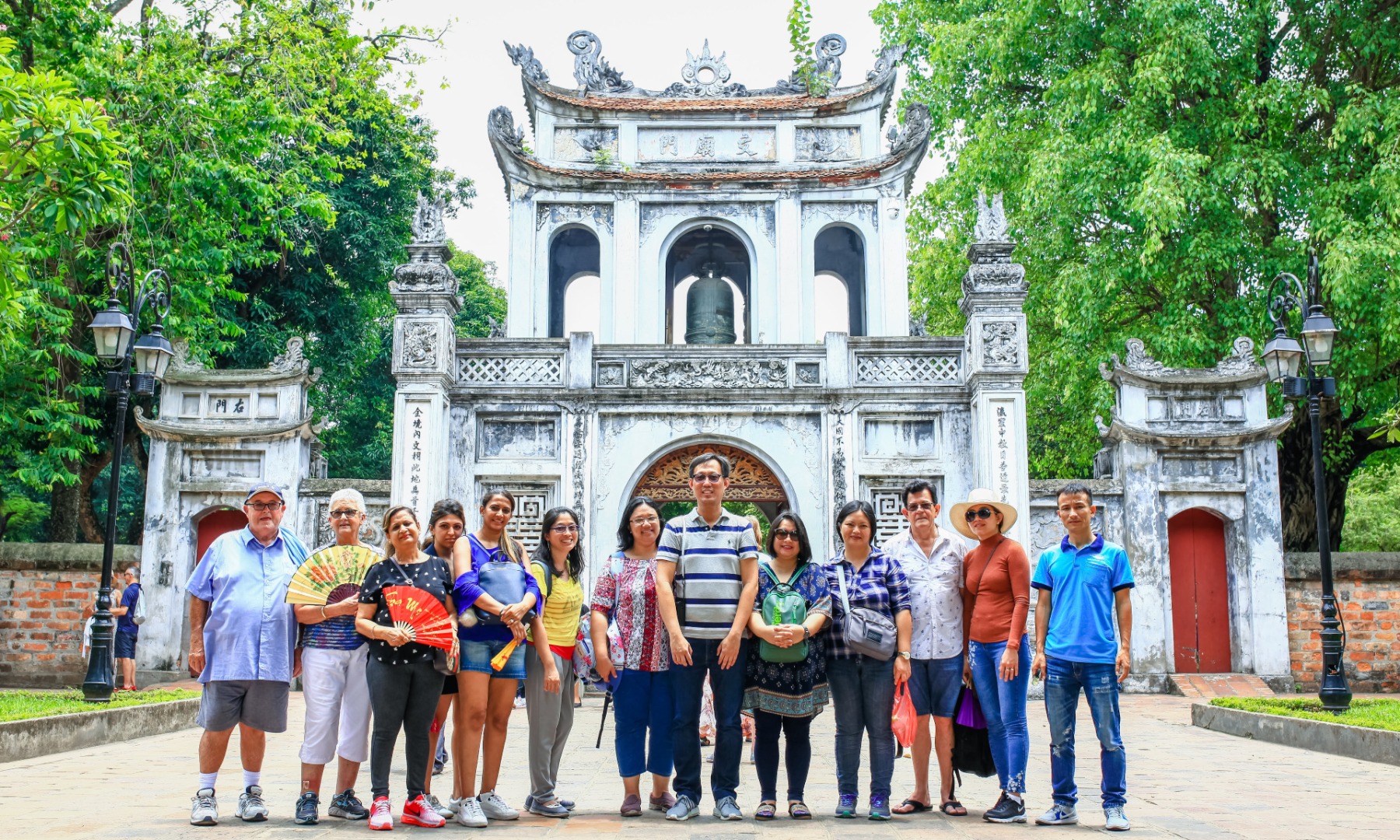
The Temple of Literature is often cited as one of Hanoi’s most picturesque tourist attractions. Originally built as a university in 1070 dedicated to Confucius, scholars and sages, the building is extremely well preserved and is a superb example of traditional-style Vietnamese architecture.
This ancient site offers a lake of literature, the Well of Heavenly Clarity, turtle steles, pavilions, courtyards and passageways that were once used by royalty. Visiting the Temple of Literature you will discover historic buildings from the Ly and Tran dynasties in a revered place that has seen thousands of doctors’ graduate in what has now become a memorial to education and literature.
Originally the university only accepted aristocrats, the elite and royal family members as students before eventually opening its doors to brighter ‘commoners’. Successful graduates had their names engraved on a stone stele which can be found on top of the stone turtles.
4
Stop 4
Dong Xuan Market, the largest wholesale market in Hanoi was built in 1889. Dong Xuan Market has long been a tourist attraction in Hanoi, thanks to its prime location in the heart of this city as well as the impressive architecture and history. Coming to Dong Xuan Market, you can find a wide range of commodities from fabric, clothing, local handicrafts, souvenirs and street foods. Read on to explore all the specific things about Dong Xuan Market. When the nationwide war broke out in 1946, Dong Xuan Market witnessed the fierce battles of Vietnamese resistance fighters against the French soldiers, especially the combat of deciding-to-die soldiers (Quyết Tử Quân) to prevent the French attack on the Inter-resistance Zone 1 in February 1947.
For more than 100 years, Dong Xuan Market has associated with many important milestones throughout the history of Hanoi, contained all the material and sentimental value of Hanoi and become one of the inseparable symbols of Hanoi.
5
Stop 5
In 1882, after the French army conquered Hanoi, the bridge was constructed in 1899 and completed in 1902. A symbol of the tenacity and resilience of the Hanoian people, the Long Bien Bridge was bombed on several occasions during the American War, and each time quickly repaired by the Vietnamese. The bridge, used by trains, mopeds and pedestrians, is undergoing reconstruction to restore its original appearance. It's colourfully illuminated at night.
6
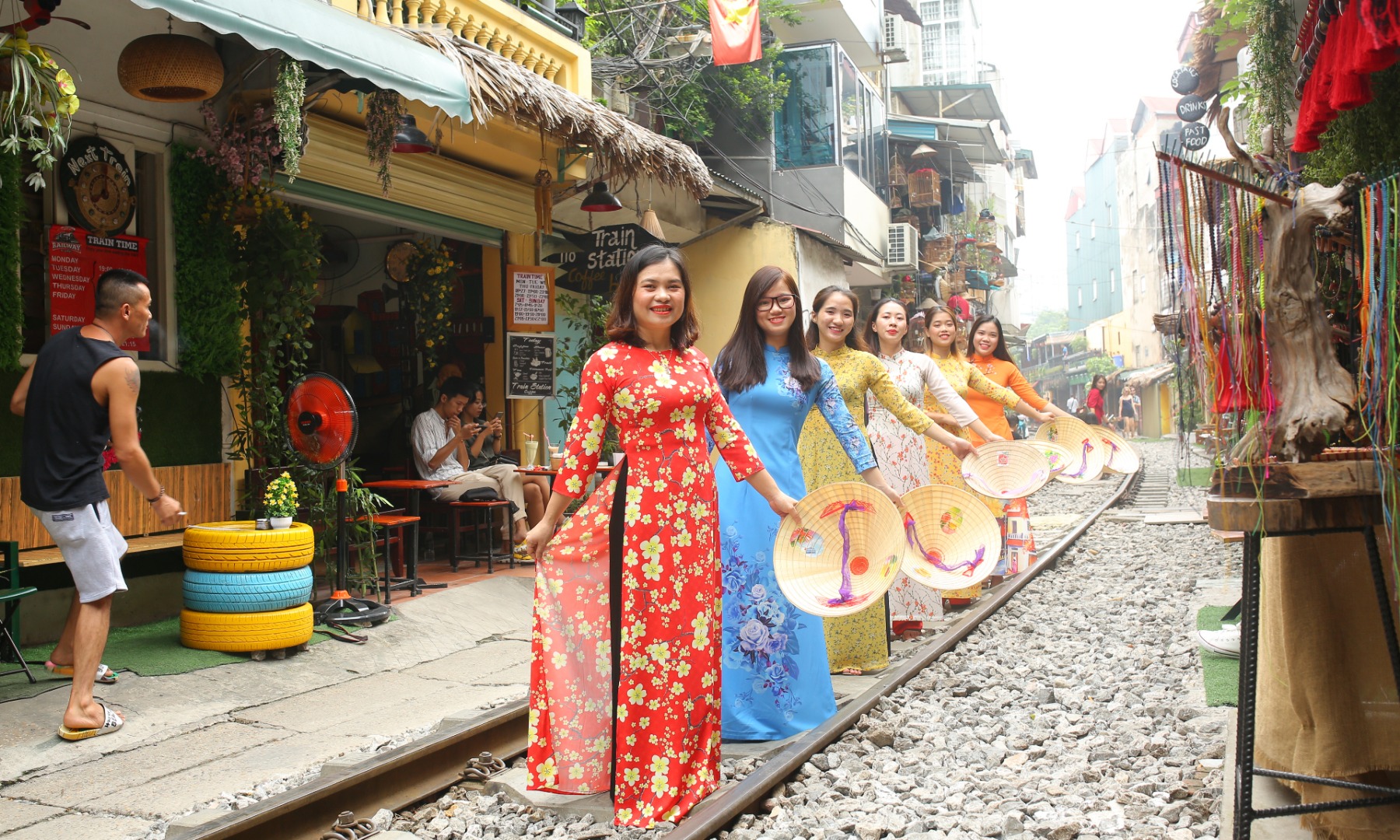
Visiting Hanoi Train Street in Hanoi is one of the Best Things To Do to learn and explore Hanoi local life. Rather than being a normal road with car or motorbike traffic, it has actual real railway lines running through it. Nestled in Hanoi’s Old Quarter, this narrow alley attracts travelers hoping to snap a picture on the active train track, and even catch a train whizz by! This alley is actually a residential area - many locals have converted their houses into quaint little cafes where you can sip on traditional egg coffee. It is a very wonderful experience once visting Hanoi city.
7
Stop 7
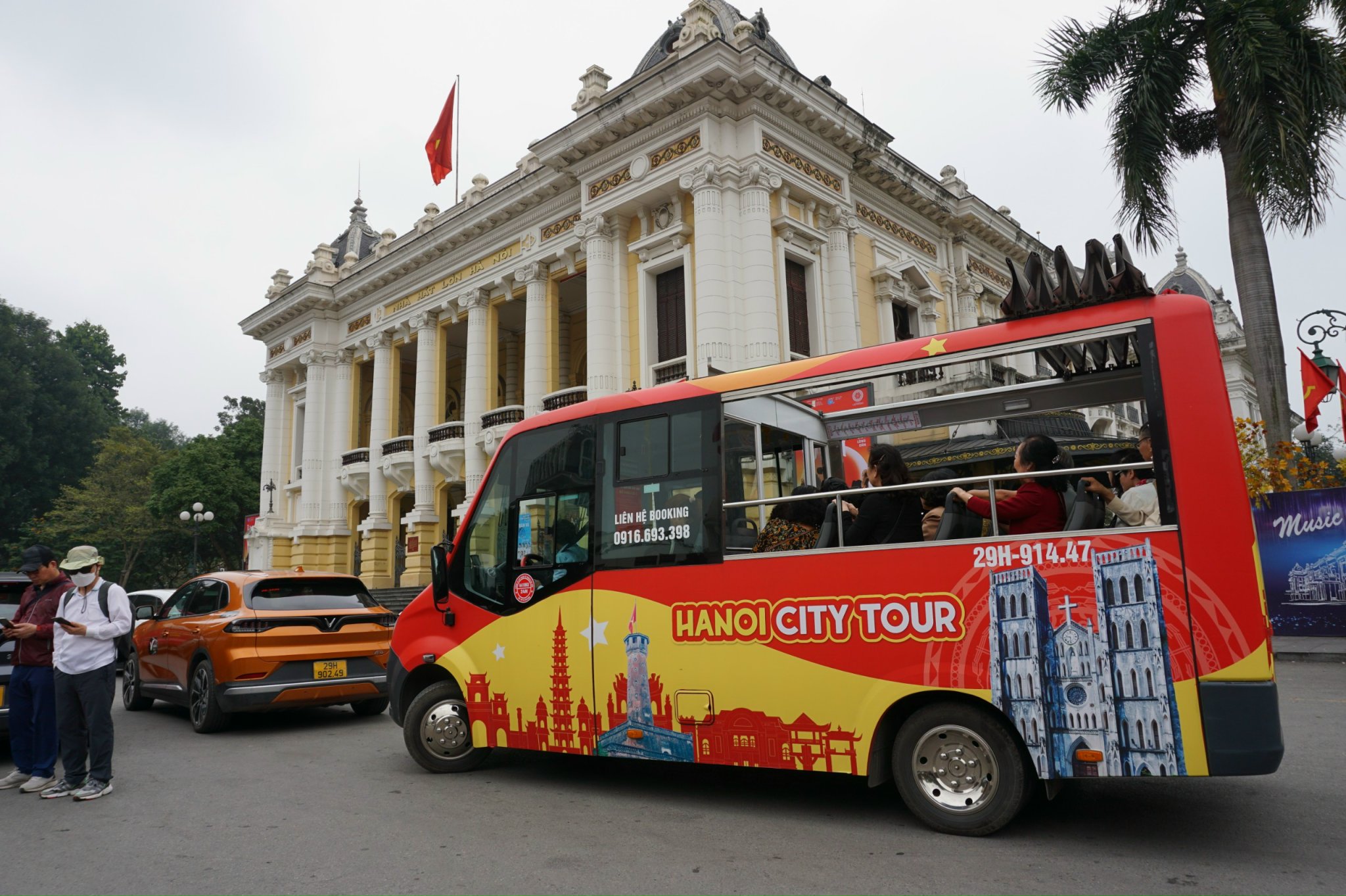
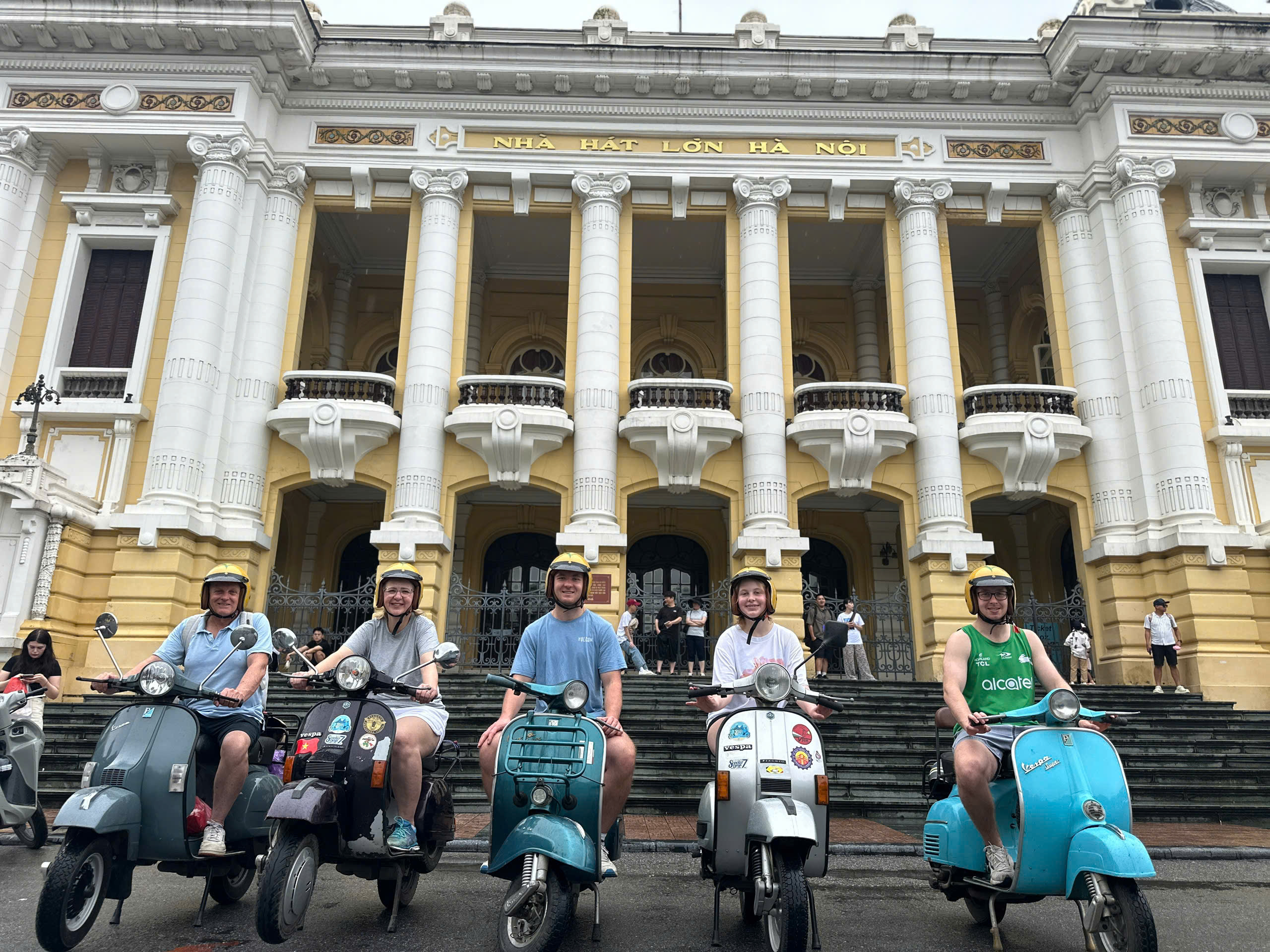
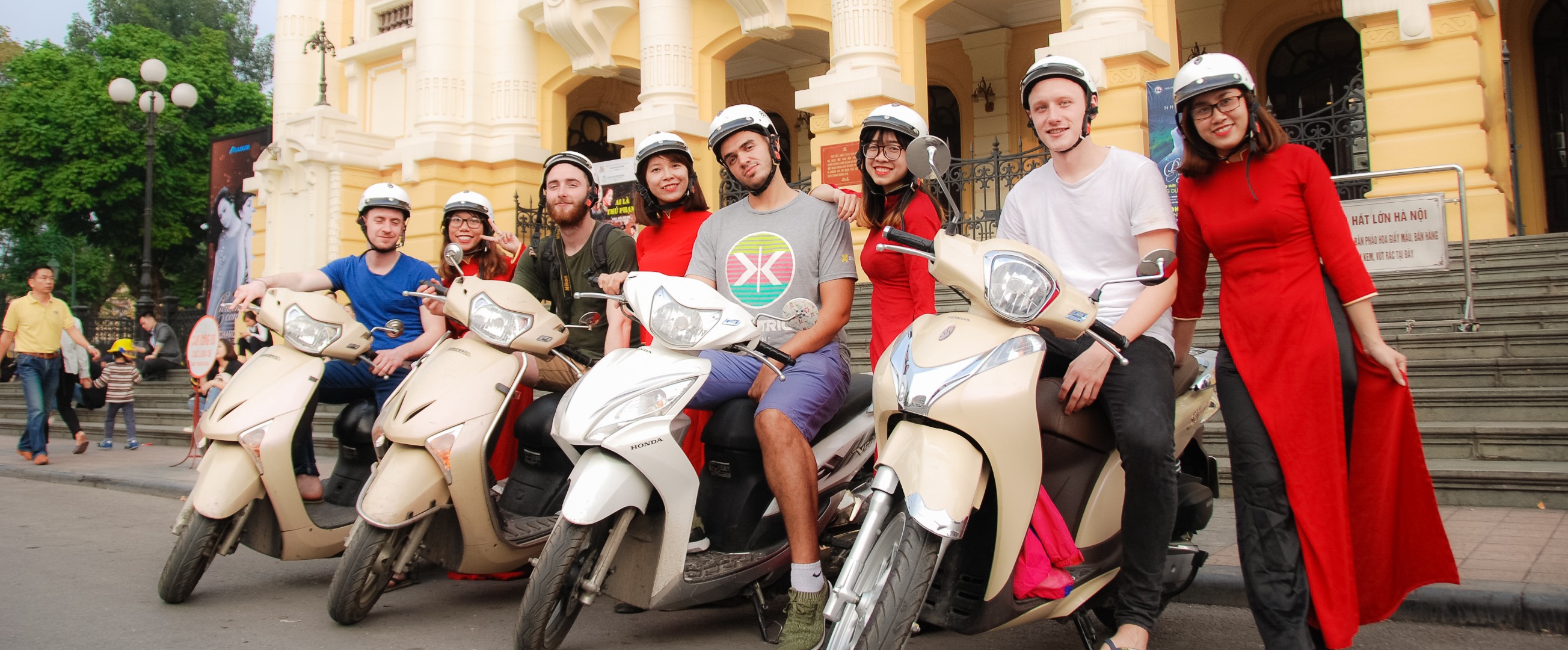
The Hanoi Opera House (French: Opéra de Hanoï) was erected by the French colonial administration between 1901 and 1911 (you are allowed to visit the outside of the building). It is one of three opera houses that the French built during their time in Indochina, the others are Haiphong Opera House and Municipal Theatre in Ho Chi Minh city.
It was modeled on the Palais Garnier, the older of Paris's two opera houses, and is considered to be one of the architectural landmarks of Hanoi. The main architectural style of the Opera House is Neoclassicism. After the departure of the French the opera house became the scene for several political events. as well as the scene of street fighting during the fight for Hanoi. After this place, our car and driver will drop you off same pickup place. End of the service!
What's not included
Tips/gratuites
Extra sight-seeing places
Pickup at Hanoi airport or at hotel near Hanoi airport
Available languages
Guide guide
VI
EN
Reviews breakdown
Viator
4.5
183 reviews
5★
137
4★
23
3★
13
2★
6
1★
4
Tripadvisor
4.8
105 reviews
5★
94
4★
7
3★
3
2★
0
1★
1
Important information
Public transportation options are available nearby
Infants are required to sit on an adult’s lap
Suitable for all physical fitness levels
Ho Chi Minh mausoleum opens only in the morning (untill 11:30am) and closed weekly on Monday; Friday. So you will visit outside if you choose tours on Monday, Friday or tours sheduled after 10:00am
All passengers must dress modestly when visiting Ho Chi Minh mausoleum. Passengers' shoulders must be covered; shorts must be to knee length.
Hanoi Opera House is closed and only open to public for its ceremony and some special events. The visit to this site is to experience the French style architectures and history information.
The Ho Chi Minh mausoleum is closed from June 10 to August 12 yearly for maintenance.
If you hotel is located near Noi Bai airport, you need to go to the meeting point for pickup or contact the local operator for more details.
Please contact our operations team via WhatsApp +84-982-804-399 to double check your pick-up location.
Meeting point
This meeting point is only for those who do not need the hotel pickup or whose locations are outside of our pickup defined area.
Important notes
Voucher ticket
You are suggested to contact the local operator via WhatsApp/Call at +84982804399 to confirm the pickup.
About Hanoi
Hanoi, the capital of Vietnam, is a vibrant city steeped in history and culture. Known for its French colonial architecture, bustling Old Quarter, and rich culinary scene, Hanoi offers a unique blend of traditional and modern experiences.
Top Attractions
Hoan Kiem Lake
Hoan Kiem Lake is a serene oasis in the heart of Hanoi, surrounded by lush greenery and historical landmarks. The lake is a popular spot for locals and tourists to relax and enjoy the scenery.
Nature
1-2 hours
Free
Hanoi Old Quarter
The Old Quarter is the historic and cultural heart of Hanoi, featuring narrow streets lined with traditional shops, temples, and colonial-era architecture. It's a vibrant area with a rich history and bustling atmosphere.
Historical
Half day to full day
Free to explore, shopping and dining vary
Temple of Literature
The Temple of Literature is a historic Confucian temple dedicated to education and literature. It's a serene and culturally significant site, featuring beautiful architecture and a peaceful garden.
Historical
1-2 hours
30,000 VND
Ho Chi Minh Mausoleum
The Ho Chi Minh Mausoleum is a significant historical site where the embalmed body of Vietnam's revolutionary leader, Ho Chi Minh, is displayed. The mausoleum is a place of pilgrimage and a symbol of Vietnam's history.
Historical
1-2 hours
Free
Hanoi Opera House
The Hanoi Opera House is a stunning example of French colonial architecture, featuring elegant design and a rich history. It's a popular venue for cultural performances and events.
Architecture
1-2 hours for a performance
Varies by event
Must-Try Local Dishes
Pho
A traditional Vietnamese noodle soup with a flavorful broth, rice noodles, and thinly sliced meat, typically beef or chicken.
Lunch/Dinner
Can be made vegetarian or vegan
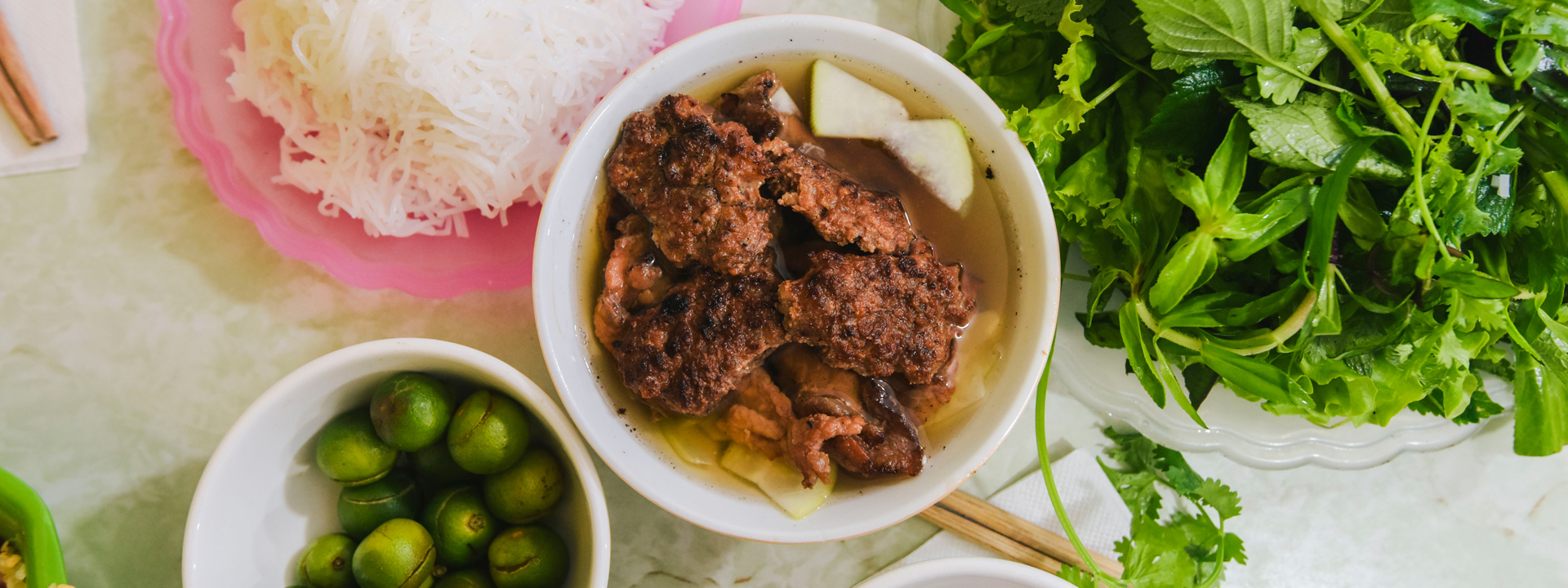
Bun Cha
Grilled pork patties served with rice noodles, fresh herbs, and a dipping sauce.
Lunch/Dinner
Contains meat
Banh Mi
A Vietnamese sandwich with a crispy baguette, filled with various ingredients such as grilled meat, pâté, pickled vegetables, and fresh herbs.
Snack/Lunch
Can be made vegetarian or vegan
Egg Coffee
A unique Vietnamese coffee made with strong drip coffee, condensed milk, and a frothy egg yolk mixture.
Drink
Contains eggs and dairy
Popular Activities
Kayaking in Ha Long Bay
Trekking in Sapa
Boat ride in Hoan Kiem Lake
Coffee at a local café
Exploring the Temple of Literature
Visiting the Ho Chi Minh Mausoleum
Swimming and snorkeling in Ha Long Bay
Egg coffee tasting
Best Time to Visit
October to December
This period offers pleasant weather with lower humidity and temperatures, making it ideal for sightseeing and outdoor activities. The city is less crowded compared to the peak tourist season.
15°C to 25°C
59°F to 77°F
Practical Information
Language
- Official: Vietnamese
- Widely spoken: English, French
- English: Moderately spoken in tourist areas, limited in other areas
Currency
Vietnamese Dong (VND)
Time Zone
GMT+7
Electricity
220VV, 50HzHz
Safety Information
Overall Safety Rating: Generally safe
Hanoi is generally safe for travelers, with low crime rates and a welcoming atmosphere. However, petty crime and scams can occur, and travelers should exercise caution and be aware of their surroundings.
Important Precautions:
- • Be cautious of your belongings, particularly in crowded areas and on public transportation.
- • Use reputable taxi companies and insist on using the meter or agree on a price before starting your journey.
- • Be wary of strangers offering help or services, as they may be trying to scam you.
Getting there
By air
- Noi Bai International Airport • 28 km from city center
By train
Hanoi Railway Station
By bus
Giap Bat Bus Station, My Dinh Bus Station
Getting around
Public transport
The bus system in Hanoi is affordable and covers most of the city. However, it can be crowded and confusing for first-time visitors.
Taxis
Available • Apps: Grab, Gojek
Rentals
Car, Bike, Scooter
Neighborhoods
Old Quarter
French Quarter
Ba Dinh District
Tay Ho District
Day trips
Ha Long Bay
165 km from Hanoi • Full day to overnight
Ha Long Bay is a UNESCO World Heritage Site known for its stunning limestone karsts and islets, emerald waters, and scenic beauty. It's a popular destination for cruises, kayaking, and exploring caves.
Ninh Binh
90 km from Hanoi • Full day
Ninh Binh is known as 'Halong Bay on land' due to its stunning limestone karsts, rice paddies, and historic sites. It's a popular destination for cycling, boat rides, and exploring ancient temples.
Sapa
320 km from Hanoi • Overnight to multi-day
Sapa is a mountainous region known for its stunning rice terraces, ethnic minority villages, and trekking opportunities. It's a popular destination for outdoor enthusiasts and cultural experiences.
Festivals
Tet Nguyen Dan (Lunar New Year) • January or February (based on the lunar calendar)
Mid-Autumn Festival • September or October (based on the lunar calendar)
Hanoi International Film Festival • October or November (annual)
Pro tips
- Learn a few basic Vietnamese phrases to enhance your experience and connect with locals.
- Explore the city's hidden gems and lesser-known attractions, such as the Hanoi Ceramic Mosaic Mural and the Temple of Literature.
- Try local street food and visit markets for an authentic and delicious culinary experience.
- Use a navigation app, such as Google Maps or GrabMaps, to help you get around the city and avoid getting lost.
- Be cautious of your belongings, particularly in crowded areas and on public transportation, to avoid petty crime and scams.
From $25
per person
Price varies by option
Secure booking
Free cancellation available
Instant confirmation