Private Tour Hanoi Highlights - Bat Trang Village - Pottery Class
Active
8h - 9h
For a full refund, cancel at least 24 hours before the scheduled departure time.
Instant confirmation
Mobile or paper ticket accepted
About this experience
1. Throughout its thousand-year history, Hanoi still preserves many ancient architectural works such as Old Quarter and over 600 pagodas and temples, as well as countless fascinating sites and attractions.
2. The tour take you to Hanoi highlights: Ho Chi Minh mausoleum, One-Pillar Pagoda, Temples of Literature and Tran Quoc Pagoda.
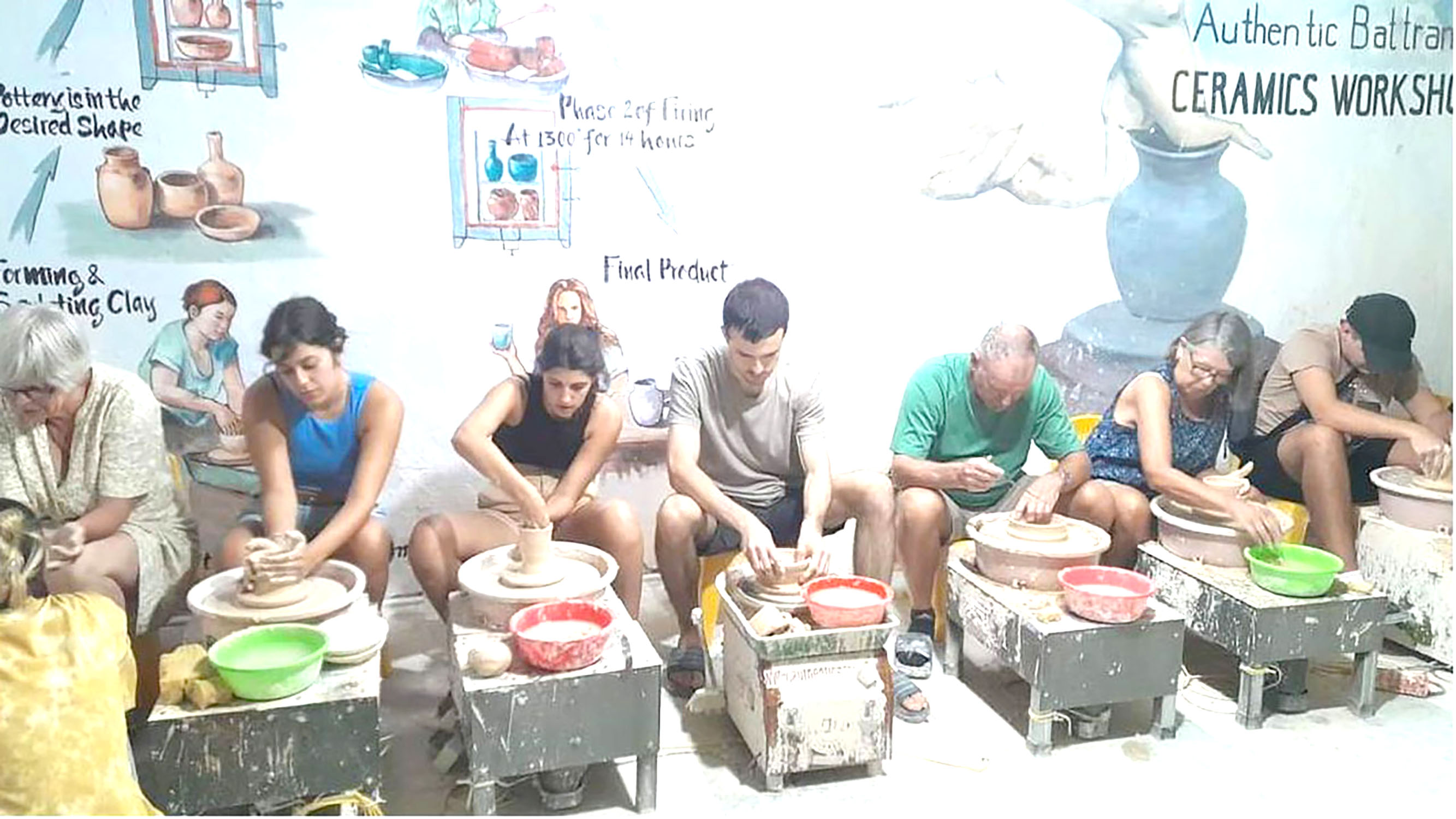
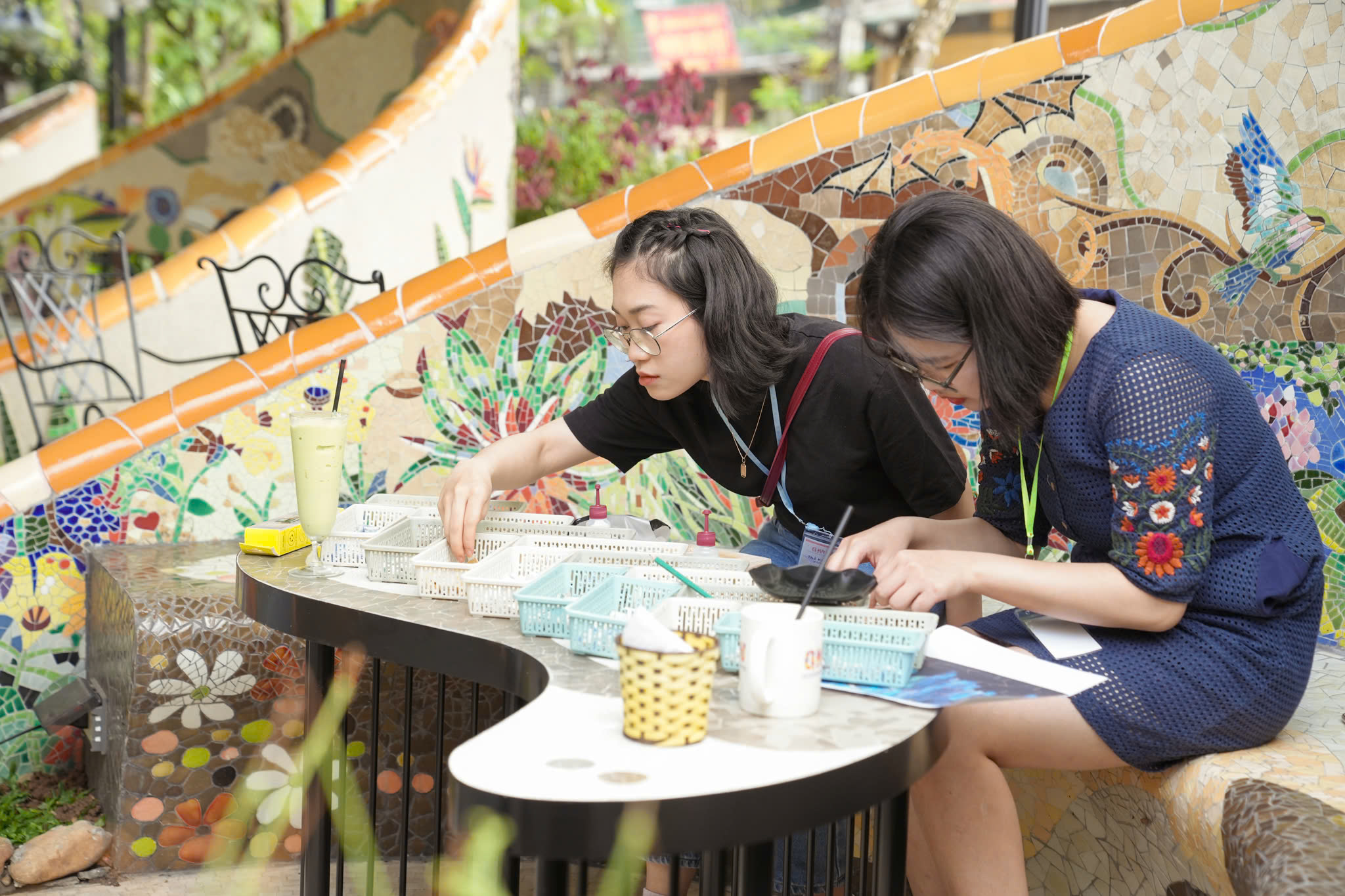
3. Bring you a chance and to visit the pottery village and Pottery making class and you can take part in a session learning how to makes products.
Available options
Group Size 2pax
Pickup included
Group Size 3pax - 5pax
Pickup included
Group Size 10pax to 15pax
Pickup included
Group Size 6pax - 9pax
Pickup included
What's included
A bottled water
English speaking guide
Pottery class in Bat Trang
Entrance fees/Sightseeing fees
Lunch (a bowl of noodle soup with beef or chicken)
Private transfer by Air-conditioned round trip
Detailed itinerary
1
8:00 am Tour guide and car from Paradise Indochina Travel come to pick you up at your hotels and start the tour with a visit to Tran Quoc Pagoda, the oldest of its kind dating back to the 6th century during the reign of Emperor Ly Nam De Dynasty (544 - 548). The Buddhist shrine has undergone several changes throughout the years, particularly its renaming from An Quoc to Tran Quoc (protecting the country) by Emperor Le Huy Tong in the 17th century.
Although it’s now set on an islet within West Lake, the pagoda was originally located on banks of Red River before it’s relocated in 1615due to the river’s encroachment. Surrounded by lush greenery, Tran Quoc Pagoda was a favourite amongst the kings and royal families for festivals, full moons, and Tet Festival.
2
Your next stop is Ho Chi Minh Mausoleum complex and explore the architectural, historical aspects of Uncle Ho’s final resting-place.
It is the final resting place of Ho Chi Minh, the most iconic and popular leader of Vietnam, known to his people as ‘Uncle Ho’. His body is preserved here in a glass case at the Ho Chi Minh Mausoleum in central Hanoi (albeit against his wishes).
For visitors, a trip to Uncle Ho’s final resting place can be an extraordinary experience as it is not just an average attraction; it’s a part of a unique history.
Started in 1973, the construction of the mausoleum was modeled on Lenin's mausoleum in Russia and was first open to the public in 1975.
Security is tight and visitors should dress with respect (no shorts, sleeveless shirts and miniskirts) and everyone has to deposit their bags and cameras before getting in.
3
Continue the trip is historical site, Presidential Palace Hanoi. It was constructed in 1900 by French architect Auguste Henri Vildieu, was intended to be Ho Chi Minh’s official residence but the Vietnamese leader had opted for a traditional Vietnamese stilt-house instead. The three-storey, mustard yellow building features 30 rooms built in colonial French architectural style, an orchard, carp pond, and a 91-metre long boulevard surrounded by lush gardens.
As political gatherings are still held at Presidential Palace Hanoi, visitors are only allowed to explore the gardens and Ho Chi Minh’s stilt home. The peaceful grounds surrounding the palace are home to well-kept botanical gardens and lush fruit groves, making it an ideal place for those looking to escape the bustling Old Quarter during their holiday.
4
This humble, traditional stilt house where Ho lived intermittently from 1958 to 1969 is set in a well-tended garden adjacent to a carp-filled pond and has been preserved just as Ho left it. The clear views through the open doorways and windows permit insights more fascinating than many museum displays. The stilt house is now used for official receptions and isn’t open to the public, but visitors may wander the grounds if sticking to the paths.
From here, you look out on to the opulent beaux-arts Presidential Palace. There is a combined entrance gate to the stilt house and palace grounds on P Ong Ich Kiem inside the Ho Chi Minh Mausoleum Complex.
5
Stop 5
Legend claims that The One Pillar Pagoda was built following a dream by the fatherless emperor in which the enlightened being Avalokiteshvara gave him a baby son resting on a lotus flower. Emperor Ly Thai Tong commissioned the pagoda to be created in resemblance of this lotus flower which is also the Buddhist symbol of enlightenment. The Emperor remained in gratitude to the bodhisattva and subsequently to to Quan Am, the Goddess of Mercy following the birth of his son. Inside the temple a richly gilded statue of Quan Am takes centre place at the main altar.
After the temple was completed loyal followers flocked daily to give thanks and support to the emperor, praying to Quan Am for a long and successful sovereignty.
6
Stop 6
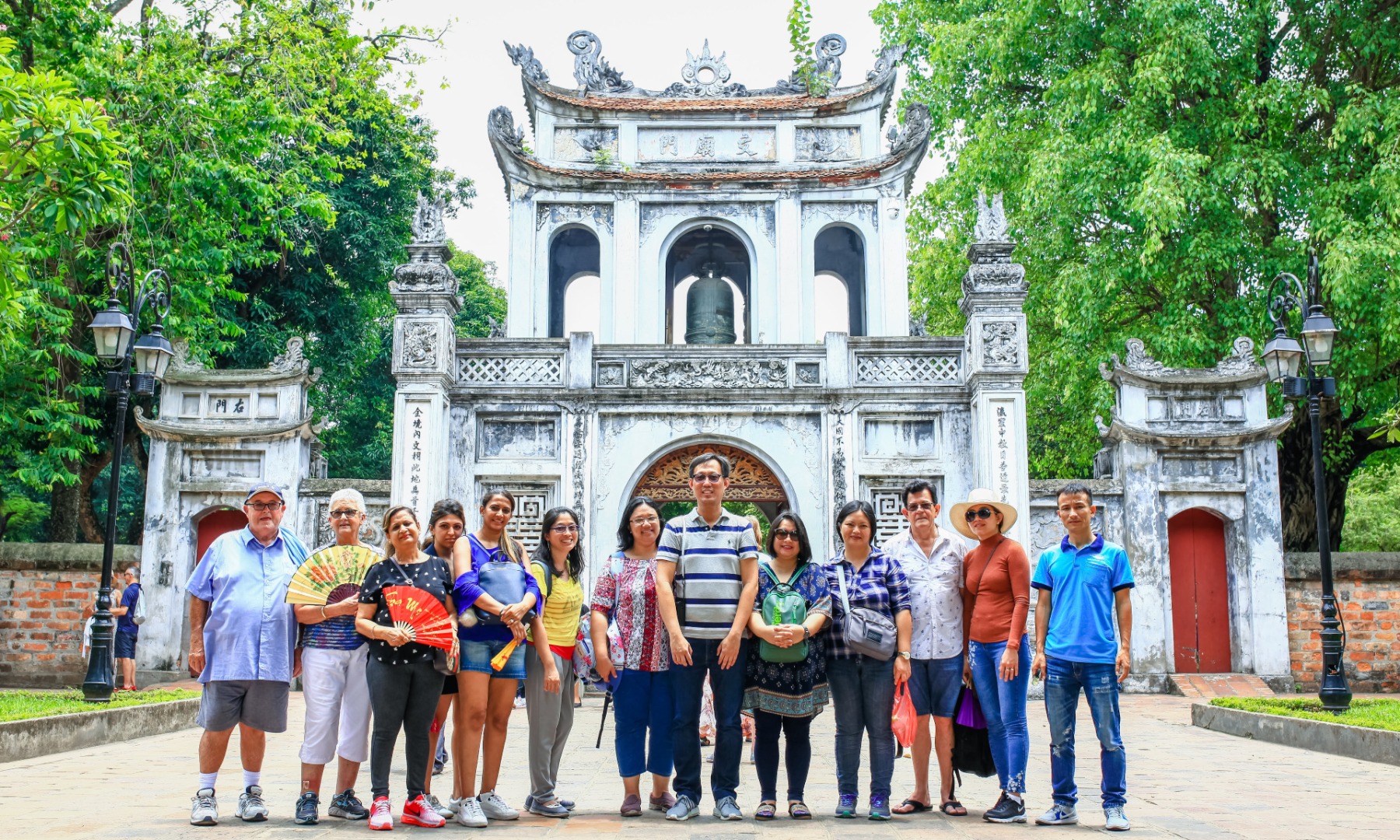
The Temple of Literature is often cited as one of Hanoi’s most picturesque tourist attractions. Originally built as a university in 1070 dedicated to Confucius, scholars and sages, the building is extremely well preserved and is a superb example of traditional-style Vietnamese architecture.
This ancient site offers a lake of literature, the Well of Heavenly Clarity, turtle steles, pavilions, courtyards and passageways that were once used by royalty. Visiting the Temple of Literature you will discover historic buildings from the Ly and Tran dynasties in a revered place that has seen thousands of doctors’ graduate in what has now become a memorial to education and literature.
Originally the university only accepted aristocrats, the elite and royal family members as students before eventually opening its doors to brighter ‘commoners’. Successful graduates had their names engraved on a stone stele which can be found on top of the stone turtles.
7
This is a "must-see" one while in Hanoi City. Tourists will be amazed at the great artifacts carefully displayed here such as: clothes, tools and models of rituals, funerals, weddings, etc. Everything are displayed as a small corner of life and traditional culture of ancient ethnic people.
8
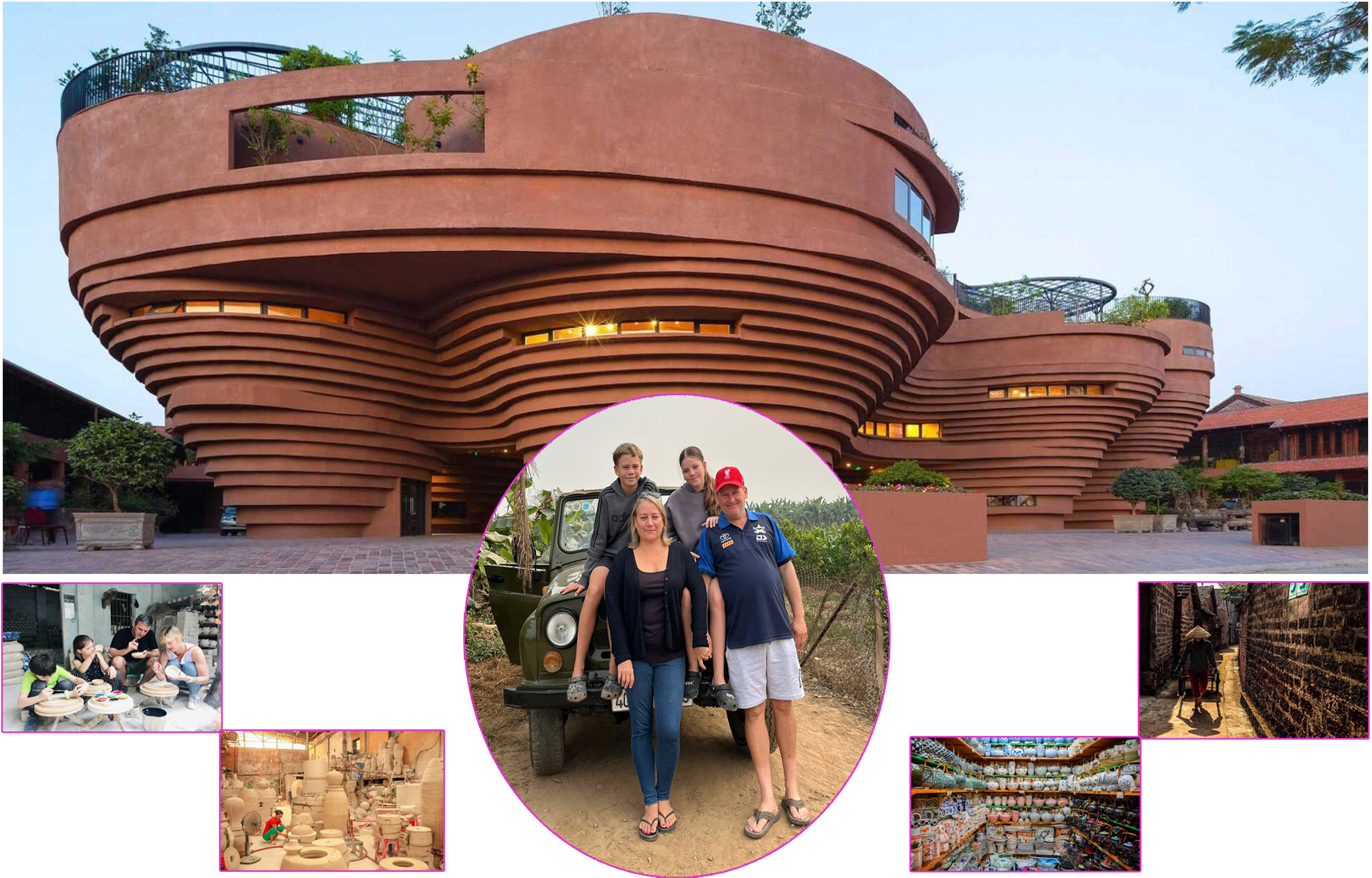
After the lunch (tasting a special noodle soup in Hanoi Old Quarter) we continue to visit Bat Trang Ceramic & Pottery village. Here you will see a massive of product trading. Also,you can take part in the Pottery Class and learn how to form and make hand products by hand.
Bat Trang Ceramics Village is a 14th century porcelain and pottery village near Hanoi, housing local artisans who combine both traditional and modern techniques to create beautiful porcelain artworks. Not only are you able to purchase some of the finest handmade ceramic products in Vietnam, you can also see them made right before your eyes during your visit.
Located next to the Red River within the Gia Lam District, Bat Trang Ceramics Village Hanoi holds an important place in history of the ceramics industry in Asia, as it’s close to trading ports Thang
Long and Pho Hien. Today, visitors can explore its many ceramic stores and workshops to browse through a vast selection of vases, bowls, cups, and plates.
9
The rest of the time you take a walk to Long Bien bridge for a visit of a historical site. From here you overlook on Eco-farm such as: Garden Guava, banana and corn, etc... Long Bien Bridge (also known as Paul Doumer Bridge) was constructed between 1899 and 1902 and designed by Gustave Eiffel, the father of Eiffel Tower in Paris. Because of the strategic position in connecting Hanoi Capital to the coastal Hai Phong city, Long Bien Bridge had to be severely bombed during the American war of Vietnamese people against invaders. Nowadays, this bridge is still alive and used for trains, mopeds, and pedestrians crossing the romantic Red River. The unique architecture with the festive life of locals here makes Long Bien Bridge Hanoi become a symbol of the desire for a peach of Hanoians. A visit to Long Bien bridge definitely marks good impressive in your minds!
10
The Hanoi Opera House was erected by the French colonial administration between 1901 and 1911 (you are allowed to visit the outside of the building). It was modeled on the Palais Garnier, the older of Paris's two opera houses, and is considered to be one of the architectural landmarks of Hanoi. The main architectural style of the Opera House is Neoclassicism. After the departure of the French the opera house became the scene for several political events. as well as the scene of street fighting during the fight for Hanoi. After this place, our car and driver will drop you off same pickup place. End of the service!
What's not included
Drinks during lunch
Personal expenses
Tips/Gratuities
Available languages
Guide guide
EN
Reviews breakdown
Tripadvisor
5.0
10 reviews
5★
10
4★
0
3★
0
2★
0
1★
0
Important information
Infants are required to sit on an adult’s lap
Suitable for all physical fitness levels
For further information and better support, please connect us via WhatsApp at +84-9-8-2-8-0-4-3-9-9
Ho Chi Minh mausoleum opens only in morning time and closed weekly on Monday; Friday
All passengers must dress modestly, shorts wearing must be to knee length when visiting Ho Chi Minh mausoleum
All passenger shoulders must be covered by scarfs when visiting Ho Chi Minh mausoleum
Meeting point
Important notes
Booking process successful: Please provide us your hotel name and address in Hanoi.
About Hanoi
Hanoi, the capital of Vietnam, is a vibrant city steeped in history and culture. Known for its French colonial architecture, bustling Old Quarter, and rich culinary scene, Hanoi offers a unique blend of traditional and modern experiences.
Top Attractions
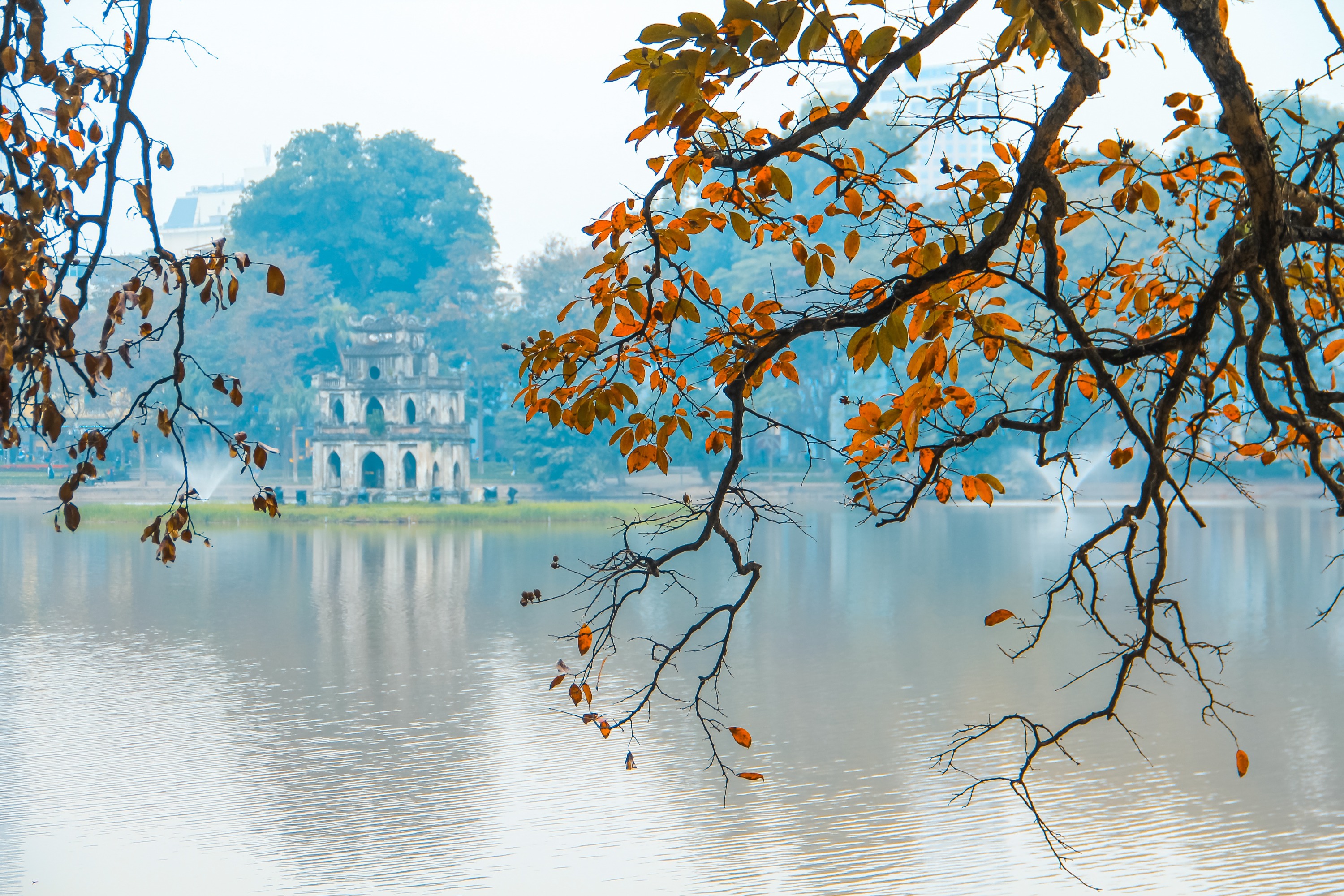
Hoan Kiem Lake
Hoan Kiem Lake is a serene oasis in the heart of Hanoi, surrounded by lush greenery and historical landmarks. The lake is a popular spot for locals and tourists to relax and enjoy the scenery.
Nature
1-2 hours
Free
Hanoi Old Quarter
The Old Quarter is the historic and cultural heart of Hanoi, featuring narrow streets lined with traditional shops, temples, and colonial-era architecture. It's a vibrant area with a rich history and bustling atmosphere.
Historical
Half day to full day
Free to explore, shopping and dining vary
Temple of Literature
The Temple of Literature is a historic Confucian temple dedicated to education and literature. It's a serene and culturally significant site, featuring beautiful architecture and a peaceful garden.
Historical
1-2 hours
30,000 VND
Ho Chi Minh Mausoleum
The Ho Chi Minh Mausoleum is a significant historical site where the embalmed body of Vietnam's revolutionary leader, Ho Chi Minh, is displayed. The mausoleum is a place of pilgrimage and a symbol of Vietnam's history.
Historical
1-2 hours
Free
Hanoi Opera House
The Hanoi Opera House is a stunning example of French colonial architecture, featuring elegant design and a rich history. It's a popular venue for cultural performances and events.
Architecture
1-2 hours for a performance
Varies by event
Must-Try Local Dishes
Pho
A traditional Vietnamese noodle soup with a flavorful broth, rice noodles, and thinly sliced meat, typically beef or chicken.
Lunch/Dinner
Can be made vegetarian or vegan
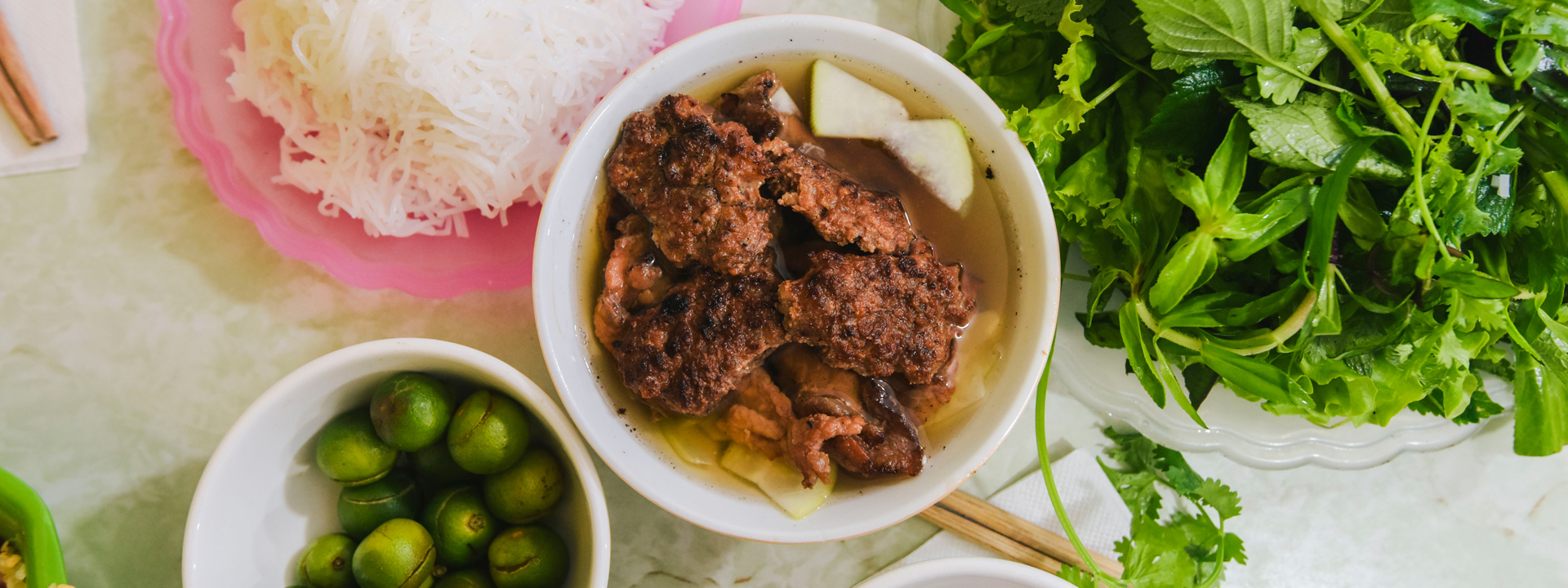
Bun Cha
Grilled pork patties served with rice noodles, fresh herbs, and a dipping sauce.
Lunch/Dinner
Contains meat
Banh Mi
A Vietnamese sandwich with a crispy baguette, filled with various ingredients such as grilled meat, pâté, pickled vegetables, and fresh herbs.
Snack/Lunch
Can be made vegetarian or vegan
Egg Coffee
A unique Vietnamese coffee made with strong drip coffee, condensed milk, and a frothy egg yolk mixture.
Drink
Contains eggs and dairy
Popular Activities
Kayaking in Ha Long Bay
Trekking in Sapa
Boat ride in Hoan Kiem Lake
Coffee at a local café
Exploring the Temple of Literature
Visiting the Ho Chi Minh Mausoleum
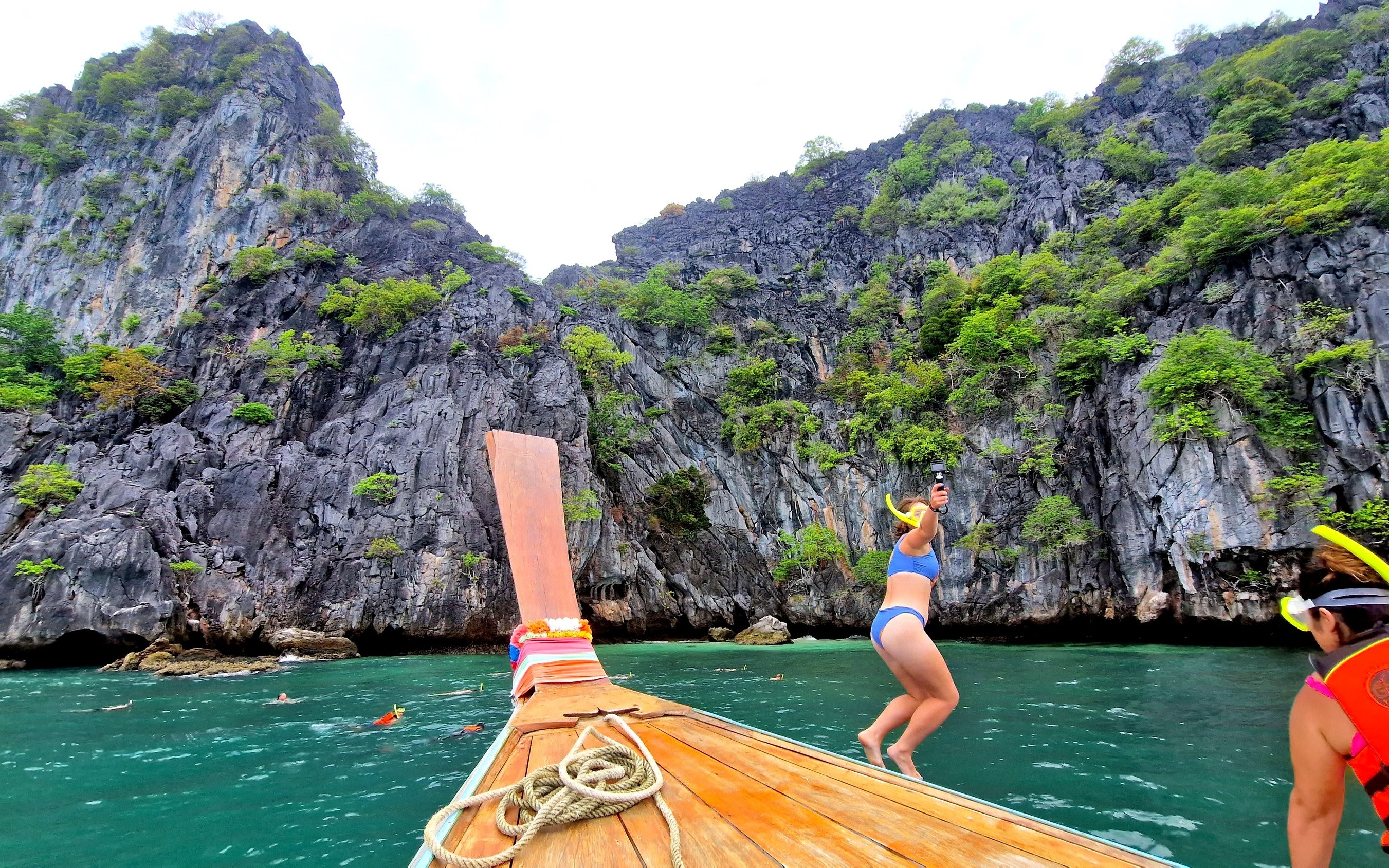
Swimming and snorkeling in Ha Long Bay
Egg coffee tasting
Best Time to Visit
October to December
This period offers pleasant weather with lower humidity and temperatures, making it ideal for sightseeing and outdoor activities. The city is less crowded compared to the peak tourist season.
15°C to 25°C
59°F to 77°F
Practical Information
Language
- Official: Vietnamese
- Widely spoken: English, French
- English: Moderately spoken in tourist areas, limited in other areas
Currency
Vietnamese Dong (VND)
Time Zone
GMT+7
Electricity
220VV, 50HzHz
Safety Information
Overall Safety Rating: Generally safe
Hanoi is generally safe for travelers, with low crime rates and a welcoming atmosphere. However, petty crime and scams can occur, and travelers should exercise caution and be aware of their surroundings.
Important Precautions:
- • Be cautious of your belongings, particularly in crowded areas and on public transportation.
- • Use reputable taxi companies and insist on using the meter or agree on a price before starting your journey.
- • Be wary of strangers offering help or services, as they may be trying to scam you.
Getting there
By air
- Noi Bai International Airport • 28 km from city center
By train
Hanoi Railway Station
By bus
Giap Bat Bus Station, My Dinh Bus Station
Getting around
Public transport
The bus system in Hanoi is affordable and covers most of the city. However, it can be crowded and confusing for first-time visitors.
Taxis
Available • Apps: Grab, Gojek
Rentals
Car, Bike, Scooter
Neighborhoods
Old Quarter
French Quarter
Ba Dinh District
Tay Ho District
Day trips
Ha Long Bay
165 km from Hanoi • Full day to overnight
Ha Long Bay is a UNESCO World Heritage Site known for its stunning limestone karsts and islets, emerald waters, and scenic beauty. It's a popular destination for cruises, kayaking, and exploring caves.
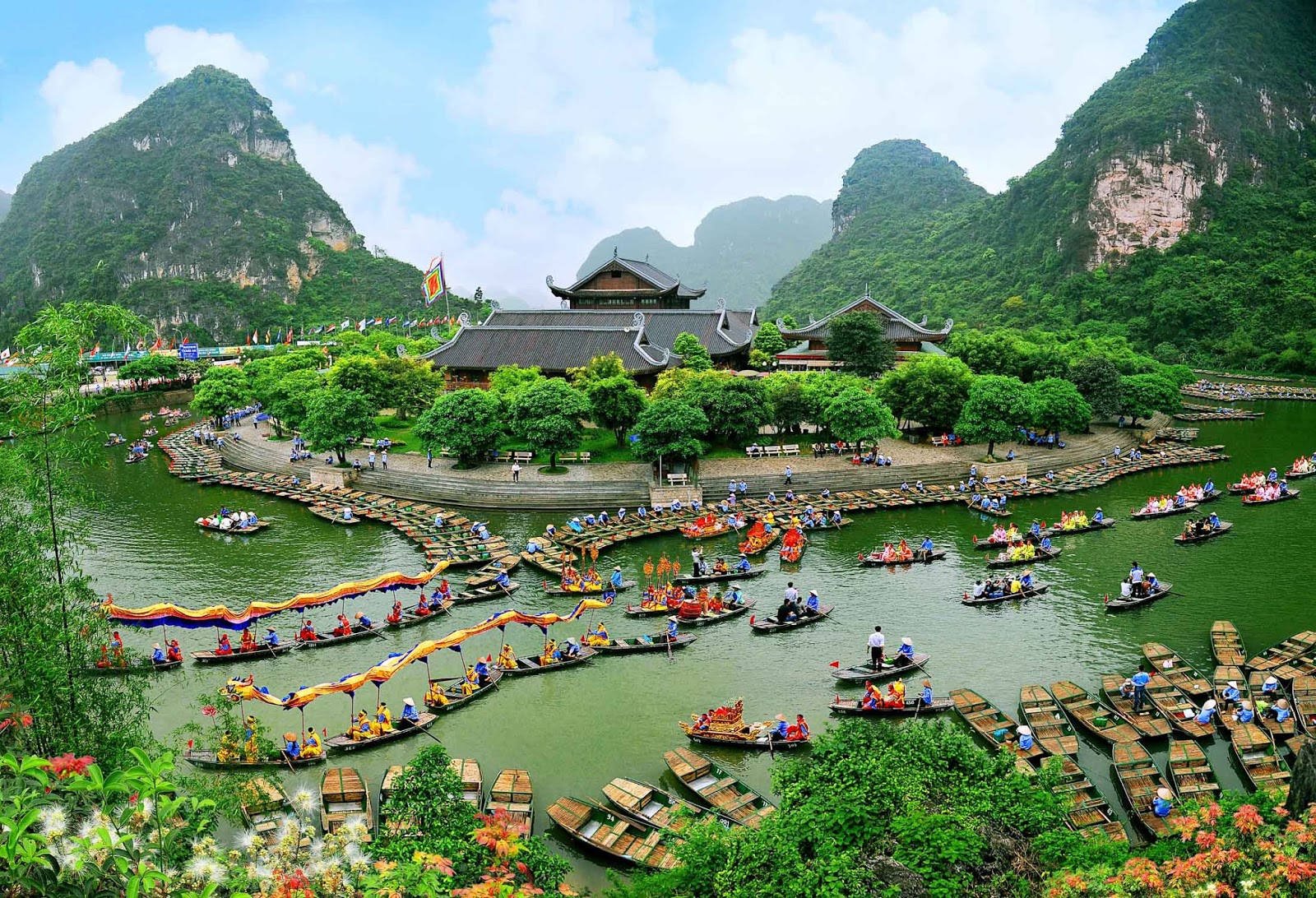
Ninh Binh
90 km from Hanoi • Full day
Ninh Binh is known as 'Halong Bay on land' due to its stunning limestone karsts, rice paddies, and historic sites. It's a popular destination for cycling, boat rides, and exploring ancient temples.
Sapa
320 km from Hanoi • Overnight to multi-day
Sapa is a mountainous region known for its stunning rice terraces, ethnic minority villages, and trekking opportunities. It's a popular destination for outdoor enthusiasts and cultural experiences.
Festivals
Tet Nguyen Dan (Lunar New Year) • January or February (based on the lunar calendar)
Mid-Autumn Festival • September or October (based on the lunar calendar)
Hanoi International Film Festival • October or November (annual)
Pro tips
- Learn a few basic Vietnamese phrases to enhance your experience and connect with locals.
- Explore the city's hidden gems and lesser-known attractions, such as the Hanoi Ceramic Mosaic Mural and the Temple of Literature.
- Try local street food and visit markets for an authentic and delicious culinary experience.
- Use a navigation app, such as Google Maps or GrabMaps, to help you get around the city and avoid getting lost.
- Be cautious of your belongings, particularly in crowded areas and on public transportation, to avoid petty crime and scams.
From $25
per person
Price varies by option
Secure booking
Free cancellation available
Instant confirmation