From Vilnius: Day tour to Rumsiskes, Kaunas and Panemune castles
Active
8h - 9h
For a full refund, cancel at least 24 hours before the scheduled departure time.
Instant confirmation
Mobile or paper ticket accepted
About this experience
Full day scenic tour to Panemune and its castles including Rumsiskes open air museum.
Be ready your photo camera is charged well for taking best pictures!
Available options
Day tour to Rumsiskes open air museum and Panemune road and its castles
Pickup included
Minivan for 7 persons
Minivan 7persons<br/>Pickup included
What's included
Private transportation
Bottled water
English speaking guide
Air-conditioned vehicle
Detailed itinerary
1
Stop 1
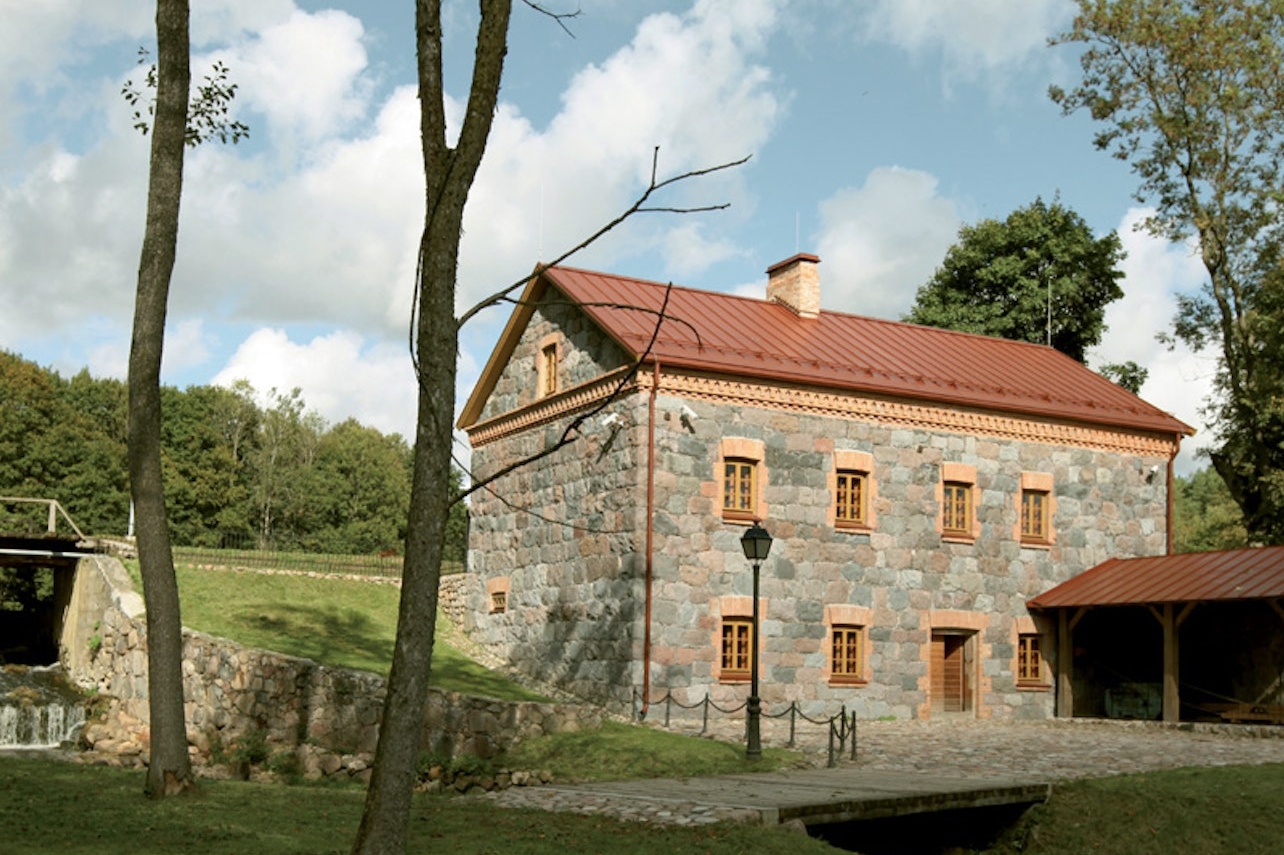
The Open-Air Museum of Lithuania is one of the largest ethnographic open-air museums in Europe that stretches across the area of 195 ha. The museum was established on the picturesque shores of Kaunas Lagoon in Rumšiškės in 1966. The exhibitions at the museum are intended to introduce the ethnographic regions of Lithuania, i.e. Dzūkija (Dainava), Aukštaitija (Highlands), Suvalkija (Sudovia), Žemaitija (Samogitia) and Lithuania Minor, as they looked at the end of the 18th century and the first half of the 20th century.
The houses representing each of the regions stand in their natural environment and have the interior and exterior of the respective period. Exhibitions of household appliances, crafting, trading, agricultural machinery and ethnobotany are presented inside the buildings.
2
Stop 2
The castle at the confluence of the Nemunas and Neris rivers was built in the 14th century to defend against the onslaught of crusaders. This is not only one of the first stone castles in Lithuania, but also the only one that has two rows of defensive walls. A settlement that grew into the current city was created around the Gothic defences. Kaunas castle first mentioned in written sources in 1361.
3
Raudondvaris manor is the monument of the beginning of the 17th century of Renaissance architecture in Lithuania. Manor overlooks on the right bank of the upper terrace of the river Nevėžis near the confluence of the Nemunas and Nevėžis. The estate, together with 3.8 hectares of park and two Oficina buildings, an orangery, stables and an ice-house, consists a single ensemble.
4
The magnificent hill fort standing on the bank of the Nemunas, is also called Mount Palemonas. According to legend, the legendary Roman duke, Palemonas, was buried here. At the top of the tall and steep mound in the 13th-14th centuries there was a fortress, and now there is a fantastic sightseeing platform offering wonderful views of the Nemunas Valley and the confluence of the Nemunas and Dubysa.
5
It is one of the oldest Catholic temples in Samogitia. It was burned down during the Samogitian uprising yet rebuilt by Grand Duke of Lithuania Vytautas. In the 17th century the church was reconstructed by Albertas Stanislovas Radvila who, like his family, worshipped the shapes of Renaissance architecture. Today the tall square-shaped tower of the church overlooks the panorama of the River Nemunas and the town of Veliuona, which is worth the painter’s brush. The tower stores a unique collection of the canonicals and church books.
6
It is one of the most authentic Lithuanian castles. Passing time has little changed its architecture, and the project of the then famous architect Peter Nonhart is considered to be perfect. Reserved and at the same time majestic shapes witness the ambitions and majesty of the noble Eperjesz family from Hungary, which shrank with years. The castle was reconstructed by its new owner Antanas Gelgaudas, the standard-bearer of the Grand Duchy of Lithuania. Today the castle organises art exhibitions and theatricalised performances.
What's not included
Food
Entrance tickets to the Open air Museum 10 EUR/pp
Car permission to drive in to Open air museum 30 EUR per car
Entrance tickets to Panemune castle 4 EUR/pp
Available languages
Guide guide
EN
Important information
Infants and small children can ride in a pram or stroller
Public transportation options are available nearby
Infants are required to sit on an adult’s lap
Specialized infant seats are available
Suitable for all physical fitness levels
About Vilnius
Vilnius is the charming capital of Lithuania, known for its medieval Old Town, a UNESCO World Heritage site, and its rich history blending various cultures. The city offers a unique mix of baroque architecture, vibrant arts scene, and lively café culture, making it a captivating destination for travelers.
Top Attractions
Vilnius Old Town
A UNESCO World Heritage site, the Old Town is the heart of Vilnius, filled with cobblestone streets, baroque churches, and colorful buildings.
Historical/Architecture
Half day to full day
Free to explore
Gediminas Castle Tower
A symbol of Vilnius, this castle tower offers panoramic views of the city and is a key historical landmark.
Historical/Architecture
1-2 hours
€5
Užupis Republic
A bohemian district with its own constitution and flag, Užupis is known for its artistic community and unique charm.
Cultural/Artistic
1-2 hours
Free
Vilnius Cathedral
The main cathedral of Vilnius, located in the heart of the Old Town, is a stunning example of neoclassical architecture.
Religious/Architecture
30 minutes to 1 hour
Free (€5 for the crypts and bell tower)
Vilnius University
One of the oldest universities in Eastern Europe, Vilnius University is known for its beautiful courtyards and historic buildings.
Historical/Educational
1-2 hours
€3 for a guided tour
Must-Try Local Dishes
Cepelinai
Large dumplings filled with minced meat, curd cheese, or mushrooms, typically served with sour cream.
Main Course
Vegetarian options available (cheese or mushroom filling)
Šaltibarščiai
A cold beetroot soup made with kefir, cucumbers, and dill, perfect for summer.
Soup
Vegetarian
Kibinai
Lithuanian pastries filled with meat, cheese, or vegetables, originating from the Lithuanian Karaites.
Snack
Vegetarian options available
Šakotis
A traditional Lithuanian tree cake made from a batter of flour, eggs, and sugar, baked on a spit.
Dessert
Contains gluten and eggs
Popular Activities
Hiking in the nearby forests and parks
Cycling along the EuroVelo routes
Spa and wellness treatments
Strolling through the Old Town and parks
Visiting museums and art galleries
Attending local festivals and events
Boat rides on the Vilnia River and nearby lakes
Skiing and snowboarding at nearby resorts
Best Time to Visit
June to August
This is the warmest and most popular time to visit, with long daylight hours and plenty of festivals and outdoor activities.
15°C to 25°C
59°F to 77°F
Practical Information
Language
- Official: Lithuanian
- Widely spoken: English, Russian
- English: Moderately spoken, especially among younger people and in tourist areas
Currency
Euro (EUR)
Time Zone
GMT+2 (EET), GMT+3 (EEST) during daylight saving time
Electricity
230VV, 50HzHz
Safety Information
Overall Safety Rating: Generally safe
Vilnius is generally safe for tourists, with low crime rates and a welcoming atmosphere. However, as with any destination, it's important to stay aware of your surroundings and take basic precautions.
Important Precautions:
- • Keep valuables secure and be aware of your surroundings in crowded areas.
- • Use licensed taxis or ride-sharing apps to avoid overcharging.
- • Be cautious when accepting drinks from strangers to avoid drink spiking.
Getting there
By air
- Vilnius Airport • 6 km from city center
By train
Vilnius Railway Station
By bus
Vilnius Bus Station
Getting around
Public transport
Buses are the most common form of public transport in Vilnius. The system is efficient and covers most of the city.
Taxis
Available • Apps: Bolt, Taxify
Rentals
Car, Bike, Scooter
Neighborhoods
Old Town (Senamiestis)
Užupis
Žvėrynas
Naujamiestis
Day trips
Trakai Island Castle
26 km from Vilnius • Half day to full day
A stunning medieval castle located on an island in Lake Galvė, offering a glimpse into Lithuania's rich history and beautiful surroundings.
Kaunas
93 km from Vilnius • Full day
The second-largest city in Lithuania, known for its rich history, vibrant arts scene, and beautiful architecture.
Hill of Crosses
12 km from Šiauliai (140 km from Vilnius) • Full day
A unique and moving site featuring thousands of crosses, a symbol of Lithuanian faith and resistance.
Festivals
Vilnius International Film Festival • March
Street Music Day • June
Vilnius Christmas Market • December
Pro tips
- Visit the Užupis Republic for a unique and quirky experience, and read the Užupis Constitution for a taste of the district's independent spirit.
- Take a guided tour of the Old Town to learn about Vilnius' rich history and hidden gems.
- Try traditional Lithuanian dishes like cepelinai, šaltibarščiai, and kibinai for an authentic culinary experience.
- Explore the local craft beer scene by visiting breweries and beer bars, such as Pilies Vartai and Alaus ir Kava.
- Visit the Hill of Crosses for a deeply spiritual and culturally significant experience, best done with a guided tour for context.
From $25
per person
Price varies by option
Secure booking
Free cancellation available
Instant confirmation