Private Tour: Ultimate History of London with Local Expert
Active
3h
For a full refund, cancel at least 24 hours before the scheduled departure time.
Instant confirmation
Mobile or paper ticket accepted
About this experience
Let's take a journey to the times of eras crossing and see the traces of the cultures long gone around you. The Roman Wall, the statue of Emperor Trajan, and the Tower of London can serve as examples.
Imagine you are Samuel Pepys walking down the London streets. Hear amazing stories of London's history. Take a stroll through the Seething Lane to find the diaries of this outstanding person.
You will visit St Dunstan's, a building, which was restored after the London's Great Fire, Guildhall that is located right beside the Roman amphitheater, and St Paul's Cathedral, the highlight of the city!
Head to York Water Gate and discover what’s left from the 17th-century palace.
• Stroll through the most significant historical sights of London
• An engaging guide knows how to liven up even the most uncomfortable weather with the London history insights.
• Get a deep dive into the most interesting facts of the capital.
• Put yourself in the shoes of Romans or the Great Fire witnesses.
Available options
Private Tour: Ultimate History of London with Local Expert
What's included
Iconic places for photoshoot
Must see and off the beaten path
Multiple start times available
Customizable itinerary
Private walking tour
All Fees and Taxes
Expert advice where to go and what to do after the tour
Friendly local guide
Detailed itinerary
1
Get to know the roots of the word “London” while exploring the Tower Hill SunDial.
The memorial commemorates the sea soldiers who gave their lives during both world wars and have no grave but the sea. The two wars brought horrible devastation and resulted in the broken lives of millions of people. Continue your tour with the Sundial by Edwin Russel and Lorne McKean. Apart from telling the time, it tells the history of the capital and its transport. Starting from the Roman city of Londinium in 43 AD up to the Thames Barrier construction from 1972 to 1982.
2
Take a look at the Roman Wall and the Emperor Trajan statue, and find out how the Romans laid the cornerstone of the city.
Take a stroll to the north to find the Trinity House, where the General Lighthouse Authority is located. As you walking east, you will find a Roman wall, which was built between the 2nd and 3rd centuries. Once the biggest construction in Roman Britain it is definitely a witness of the times long gone. Take a picture with the Statue of Trajan made in the 12th century and installed there in 1980.
3
Stop 3
Enjoy the Samuel Pepys’s bust, be amazed by St Olave’s Church, and go through the pages of Samuel Pepys’s diary.
Known also as Pepys Garden, the park invites you to brush up the diary of the navy administrator and Member of Parliament Samuel Pepys, who fixed his eyewitnesses of the Great Plague of London, the Great Fire, and the Second Dutch War.
4
Stop 4
This site will load up your travel palette with a mystical mood when you hear about the Blitz of WWII, get to the Wren Church, and discover the Hidden Coronation Tree planted in 1937.
Wander around the site of a ruined church built in circa 1100 and bombed out in the Blitz in 1941. Once devastated place now will show you a beautiful city park. Trees growing through the building will definitely immerse you in the mood of thinking about history as intertwined vines.
5
Stop 5
Immerse yourself to the times of the Great Fire visiting a memorial tablet by the Thomas Farriner’s Bakery, which was a starting point of the fire.
The Monument was designed by Sir Christopher Wren, and constructed in 1671-1677, commemorating the Great Fire of London near the spot, where it started. Here you hear the story about how medieval London went down in flames, leaving about 80,000 inhabitants without their homes.
6
Stop 6
Your enthusiastic guide will lead you to the medieval Guildhall, which houses most of the City’s administration units.
Get to know the building, which has been a London powerhouse since the 12th century. Feel the atmosphere of the heart of the city, admiring the Gothic grandeur of the Guildhall, and enjoy a new portion of interesting stories, which will feed your mind and impress you.
7
Stop 7
Be awed by this majestic cathedral and be captivated by the history of its survival in the Blitz.
A unique Anglican cathedral constructed in 1679 is one of the most famous sights of London. Being an architectural masterpiece, it also offers you an adventure of the historical events it witnessed. You will have an unforgettable experience of exploring the second-largest church building in the United Kingdom.
8
Finish your historical trip with the relics of York House, a former palace, and hear the story about how the Victorians managed to rescue the city.
This is a finishing touch of your historic tour by London. The Watergate marks the original course of the Thames before the Embankment was constructed in the 19th century. Hear the fascinating story about the former palace. The York House Watergate allows you to imagine, how far the bank of the Thames was back then.
What's not included
Hotel pick-up and drop-off
Available languages
Guide guide
EN
Important information
Public transportation options are available nearby
Travelers should have at least a moderate level of physical fitness
About London
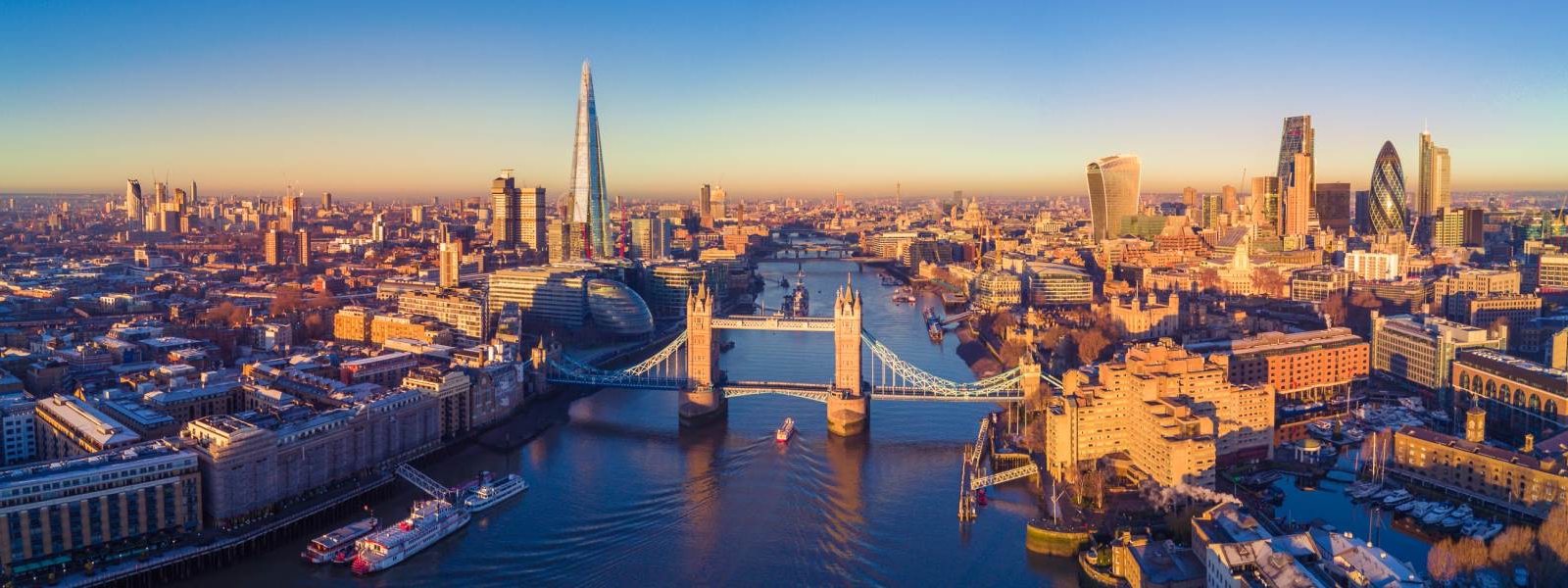
London, the capital of England and the United Kingdom, is a vibrant, multicultural metropolis known for its rich history, iconic landmarks, and dynamic cultural scene. From the ancient Tower of London to the modern Shard, the city offers a blend of the old and the new, making it a fascinating destination for travelers from around the world.
Top Attractions
Tower of London
A historic castle located on the north bank of the River Thames. It has served as a royal palace, prison, armory, and treasury. The Crown Jewels are also housed here.
Historical
2-3 hours
£28 (adult ticket)
Buckingham Palace
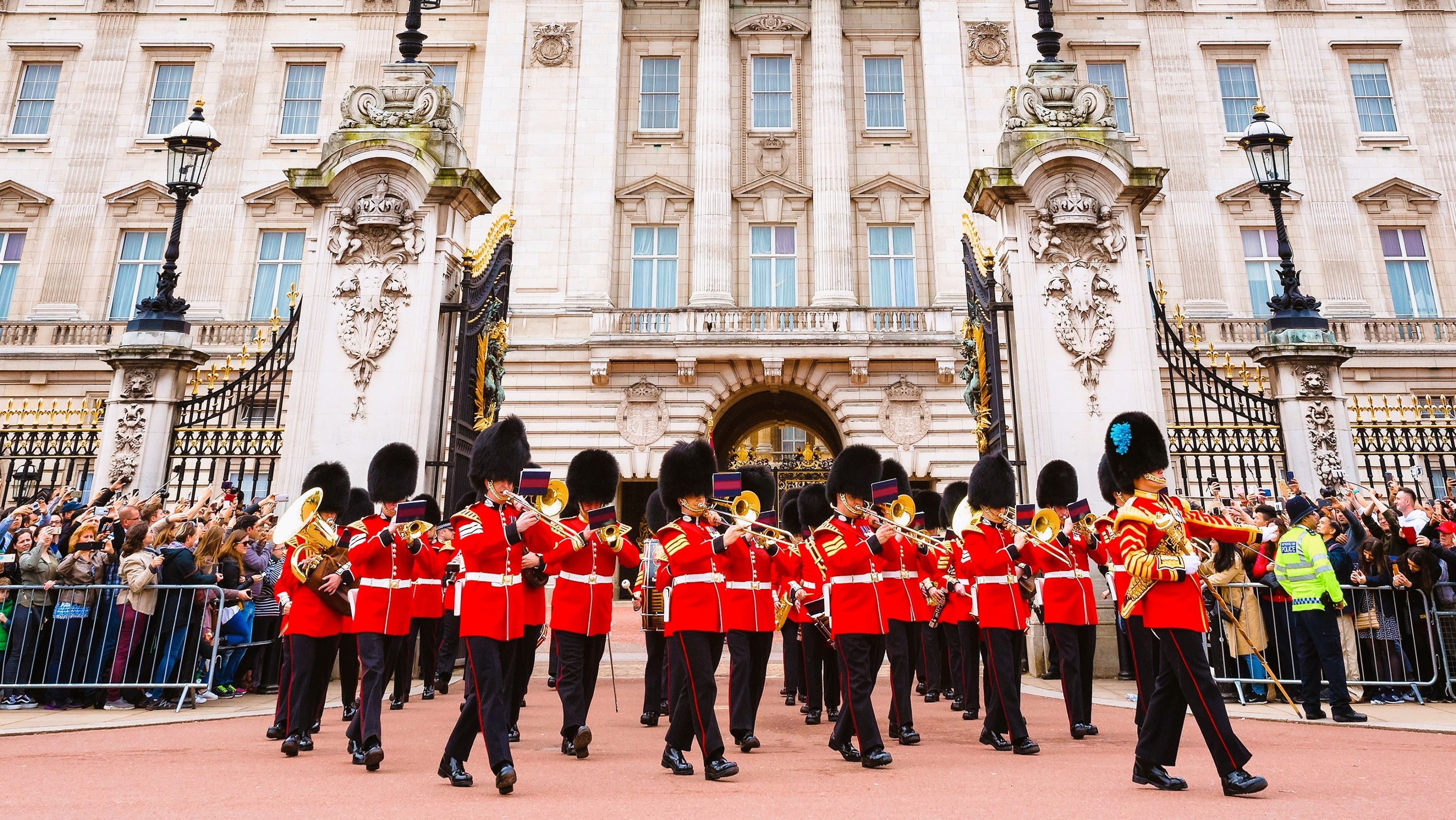
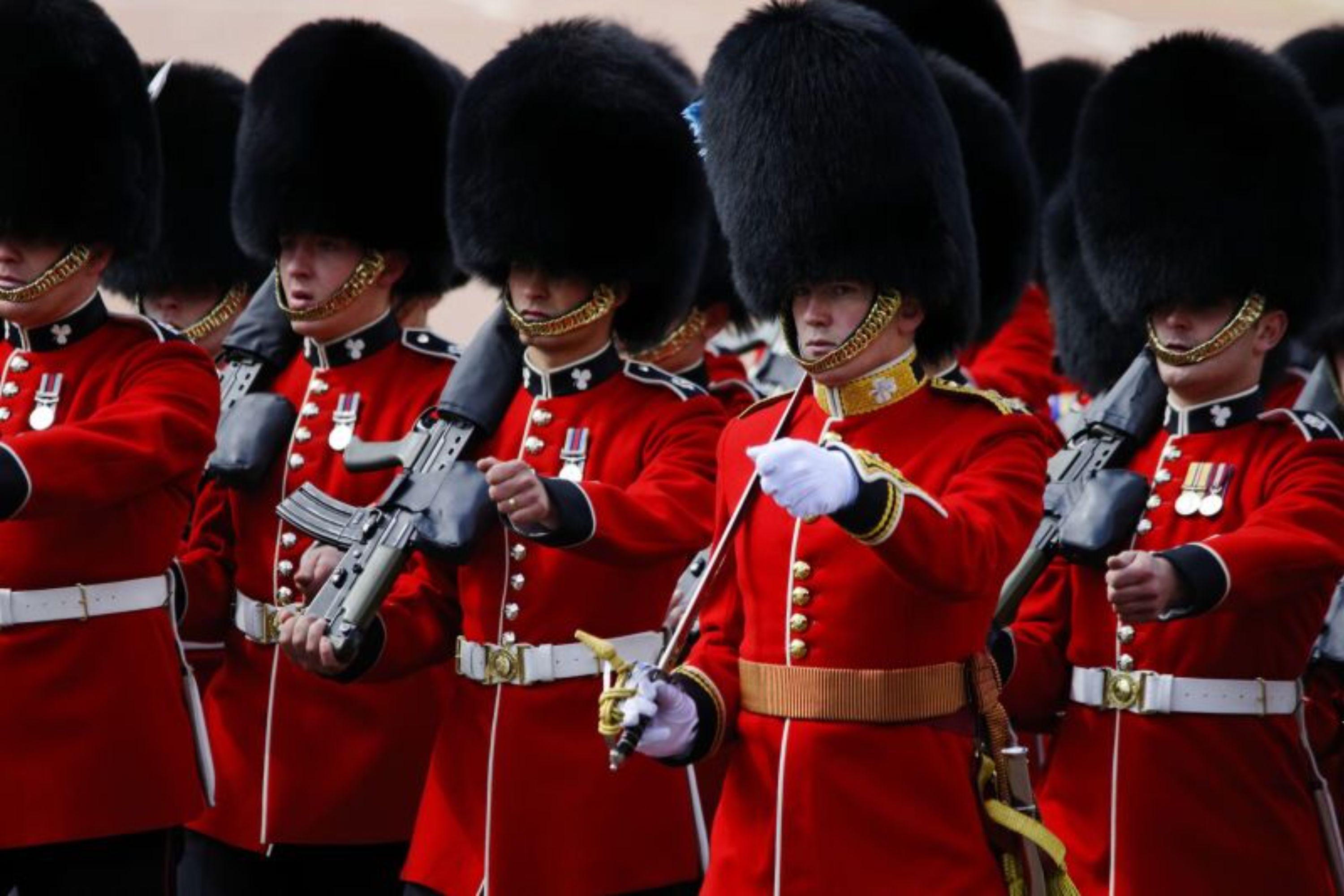
The official residence of the British monarch. Visitors can watch the Changing of the Guard ceremony and tour the State Rooms during the summer.
Historical
1-2 hours
£27.50 (adult ticket for State Rooms)
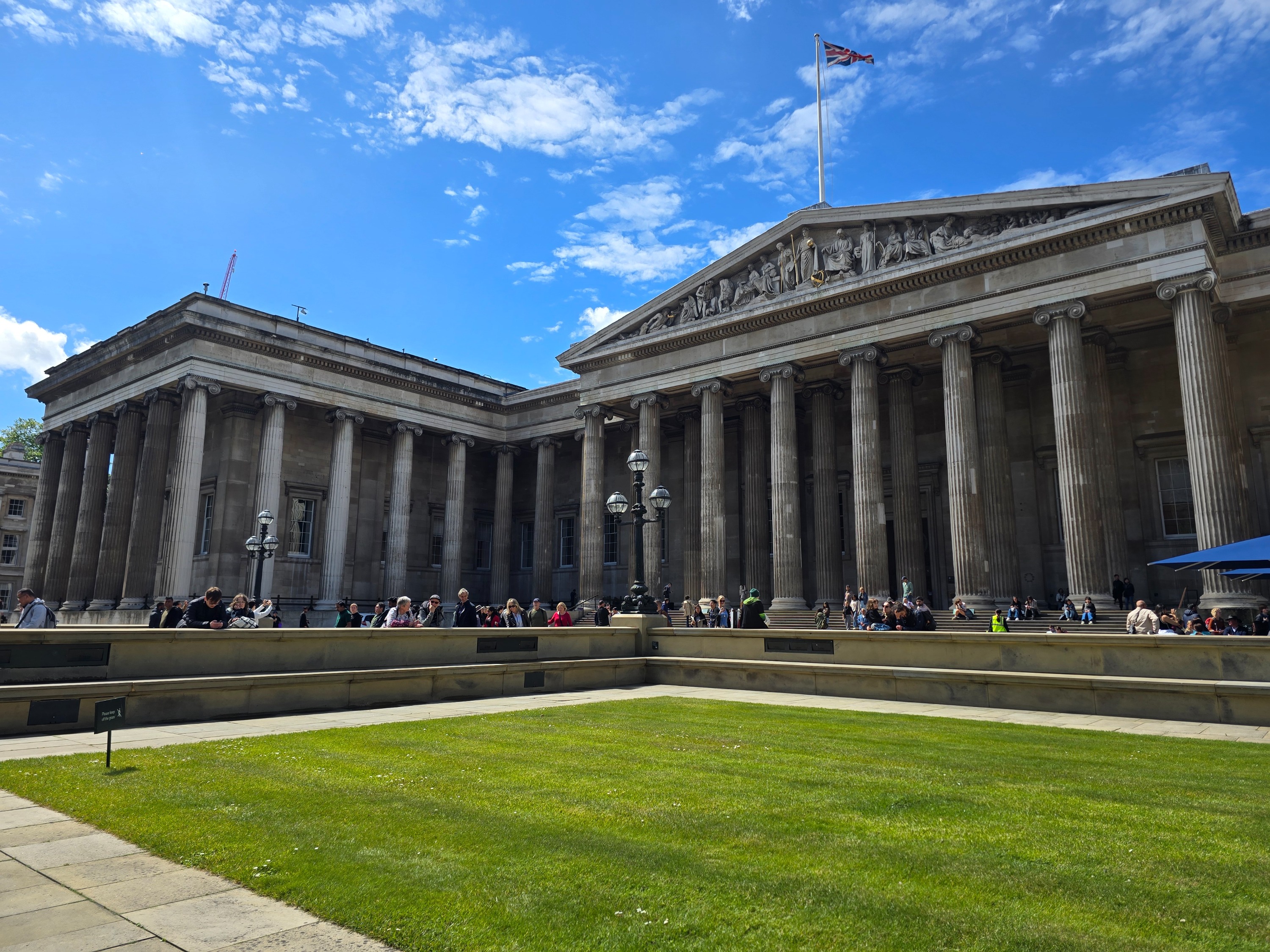
The British Museum
One of the world's largest and most comprehensive museums, housing a vast collection of artifacts from around the globe.
Museum
2-3 hours
Free (special exhibitions may have a charge)
The London Eye
A giant Ferris wheel on the South Bank of the River Thames, offering panoramic views of the city.
Entertainment
30 minutes
£27-£33 (adult ticket)
Westminster Abbey
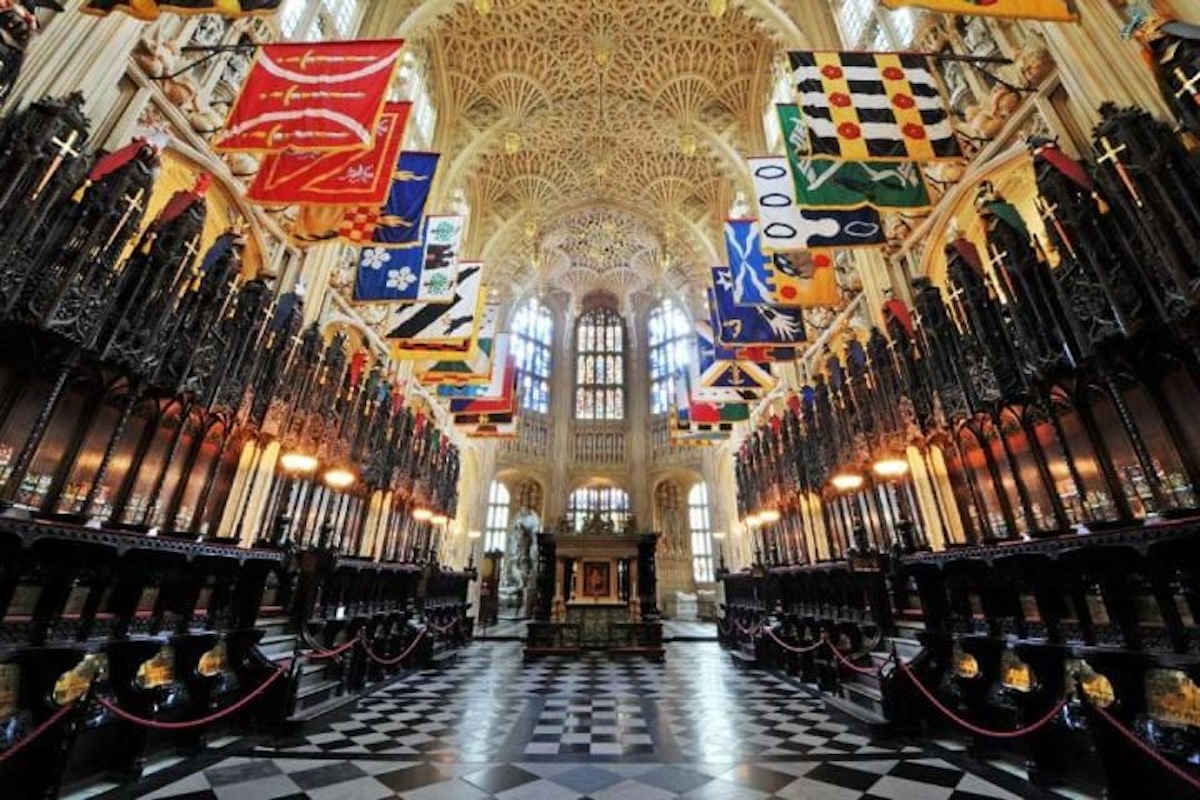
A large, mainly Gothic abbey church just to the west of the Palace of Westminster. It is one of the most notable religious buildings in the UK and the traditional place of coronation and burial for English and, later, British monarchs.
Religious
1-2 hours
£27 (adult ticket)
Tower Bridge
An iconic symbol of London, this combined bascule and suspension bridge spans the River Thames. Visitors can explore the bridge's walkways and the Tower Bridge Exhibition.
Architecture
1-2 hours
£11 (adult ticket for the exhibition)
Must-Try Local Dishes
Fish and Chips
A classic British dish consisting of battered and fried fish, usually cod or haddock, served with thick-cut chips (fries).
Dinner
Contains gluten and fish
Full English Breakfast
A hearty breakfast consisting of eggs, bacon, sausages, baked beans, grilled tomatoes, mushrooms, black pudding, and toast.
Breakfast
Contains meat and gluten
Afternoon Tea
A quintessential British tradition involving a selection of finger sandwiches, scones with clotted cream and jam, and a variety of pastries, all served with tea.
Snack
Can be adapted for vegetarian, vegan, and gluten-free diets
Sunday Roast
A traditional British meal served on Sundays, featuring roasted meat (usually beef, lamb, or chicken), Yorkshire pudding, roast potatoes, vegetables, and gravy.
Dinner
Contains meat and gluten
Popular Activities
Rock climbing
Kayaking on the Thames
Cycling tours
Afternoon tea
Spas and wellness centers
Punting on the River Cam
Museum visits
Theater performances
Best Time to Visit
June to August
Summer is the peak tourist season in London, with long daylight hours and a variety of festivals and events. The weather is generally pleasant, though it can be unpredictable.
15°C to 25°C
59°F to 77°F
Practical Information
Language
- Official: English
- Widely spoken: English
- English: Widely spoken
Currency
British Pound (GBP)
Time Zone
GMT (UTC+0) or BST (UTC+1) during daylight saving time
Electricity
230VV, 50HzHz
Safety Information
Overall Safety Rating: Generally safe
London is generally safe for travelers, but like any major city, it's important to be aware of your surroundings and take precautions to protect yourself and your belongings.
Important Precautions:
- • Keep your belongings secure and be aware of your surroundings
- • Avoid carrying large amounts of cash
- • Use licensed taxis or ride-sharing services
Getting there
By air
- Heathrow Airport • 23 km from city center
- Gatwick Airport • 40 km from city center
By train
London Waterloo, London King's Cross
By bus
Victoria Coach Station, Earls Court, Farringdon
Getting around
Public transport
The Tube is the fastest and most efficient way to get around London. It operates from early morning until late at night and covers all major attractions.
Taxis
Available • Apps: Uber, Bolt
Rentals
Car, Bike, Scooter
Neighborhoods
Westminster
Camden Town
Soho
Notting Hill
Shoreditch
Greenwich
Day trips
Windsor Castle
34 km from London • Half day to full day
Windsor Castle is the oldest and largest occupied castle in the world, and it's one of the official residences of the British monarch.
Stonehenge
130 km from London • Full day
Stonehenge is a prehistoric monument consisting of a ring of standing stones, located in the English county of Wiltshire.
Brighton
80 km from London • Full day
Brighton is a vibrant coastal city known for its beaches, lively atmosphere, and eclectic mix of shops, restaurants, and attractions.
Festivals
Notting Hill Carnival • Last Sunday and Monday of August
London Film Festival • October
New Year's Eve Fireworks • December 31
Pro tips
- Use an Oyster card or contactless payment for cheaper and more convenient public transportation
- Book tickets in advance for popular attractions to skip the queue and save money
- Explore the city's neighborhoods and markets for a unique and authentic experience
- Try the local street food and international cuisine at markets like Borough Market and Camden Market
- Visit the city's parks and gardens for a peaceful escape from the bustling streets
From $25
per person
Price varies by option
Secure booking
Free cancellation available
Instant confirmation