


Private tour Beautiful Stockholm; Old Town and other highlights
Active
2h
For a full refund, cancel at least 24 hours before the scheduled departure time.
Instant confirmation
Mobile or paper ticket accepted
About this experience
Experience Stockholm! Built on 14 islands at the entrance to Lake Malaren from the Baltic Sea, this city is world famous for its beauty. And Stockholm Old Town is the best-preserved medieval city center in the world.
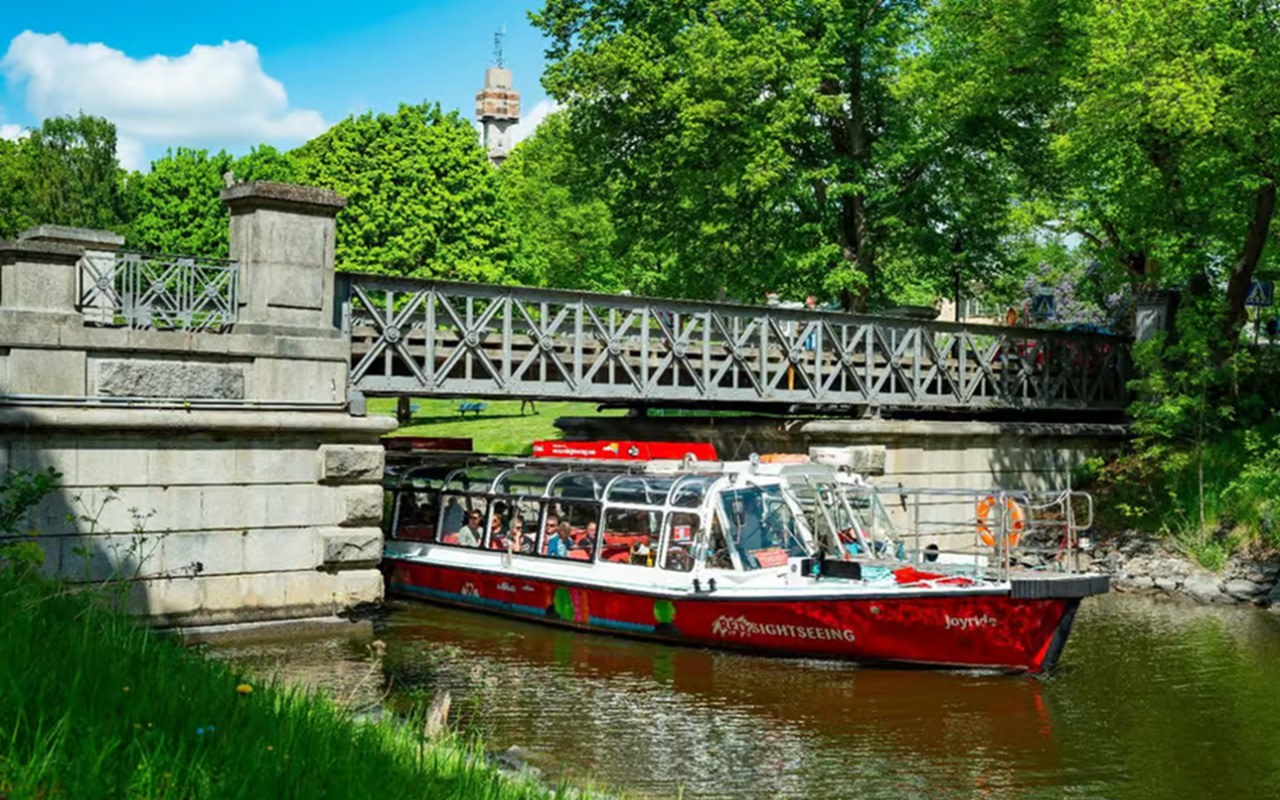
We will start at the Opera house and follow "Stockholm Ström", the short river connecting Lake Mälaren to the Baltic Sea. We will then go on a walking tour of the cobblestone alleyways in Old Town. During the walking tour, you will learn about and connect with the history of Stockholm and Sweden.
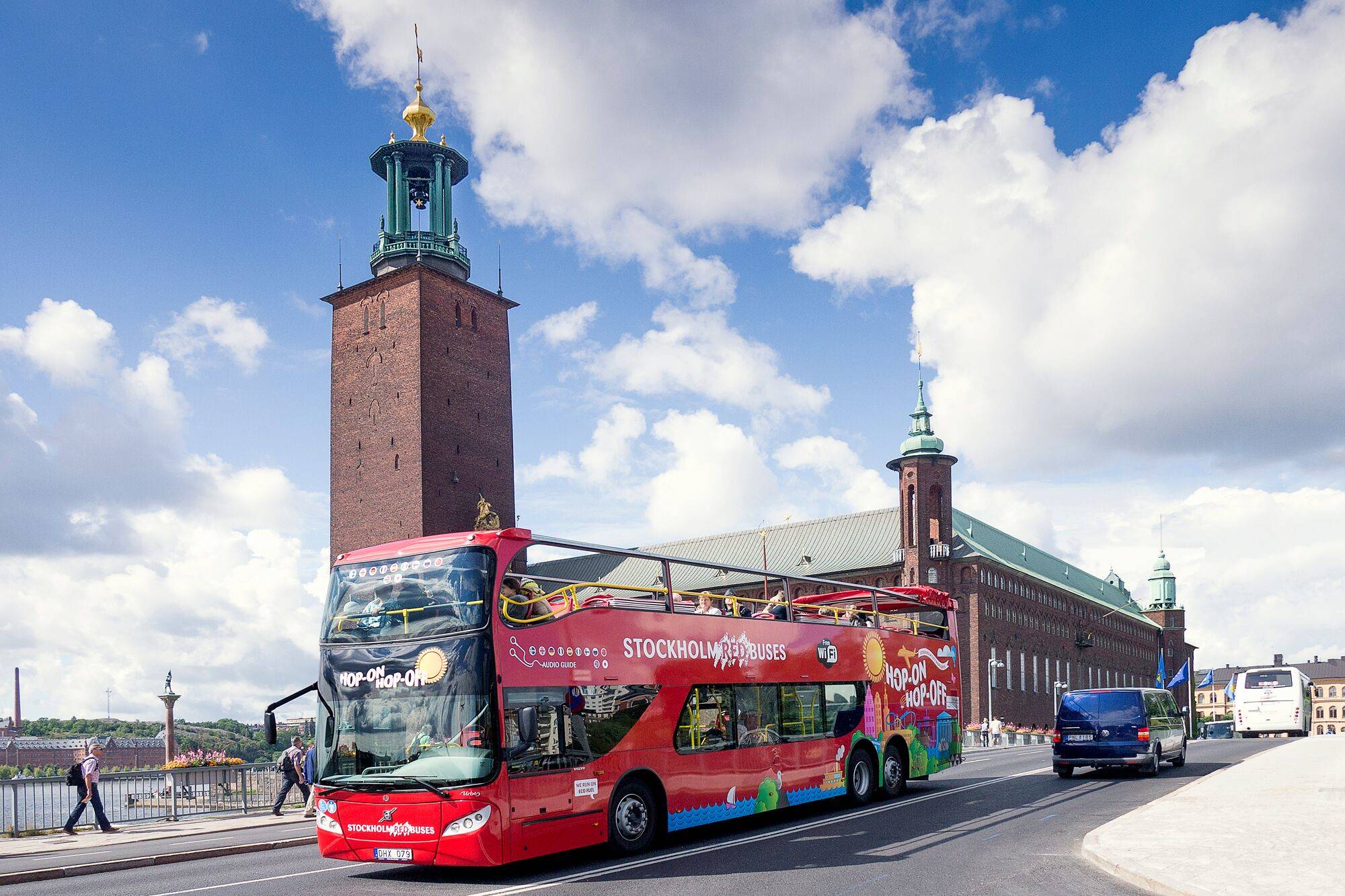
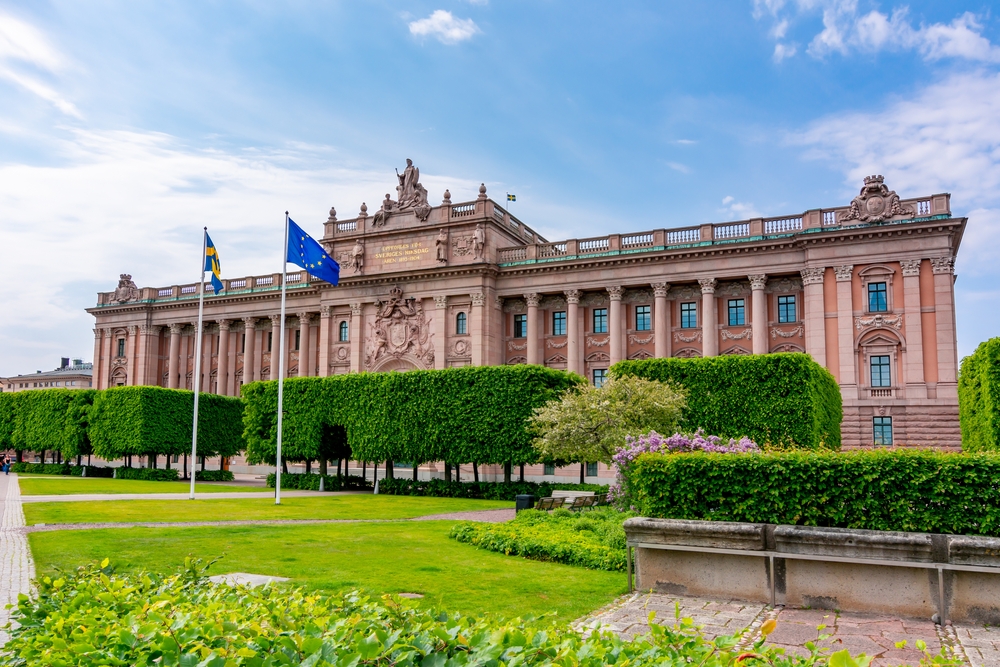
You will take in several historic and beautiful buildings. You will see the City Hall, the Parliament building, the Royal Palace, and Stortorget in Old Town and walk through the medieval streets of Old Town. The tour finishes at Stortorget.
After the tour, you can take a five-minute walk to the Royal Palace and watch the changing of the guards!!
Available options
Private tour Beautiful Stockholm; Old Town and other highlights
What's included
Guided tour of Stockholm Highlights and Old Town
Detailed itinerary
1
You will begin this picturesque journey with a short introduction to Sweden and Stockholm. The formal name of Sweden is “Kingdom of Sweden”. Many of the buildings you will see at this point have a Royal connection. The majestic Royal Palace in front of you was built at the beginning of the 18th century in the magnificent Baroque style. The Opera house figured in the opera "The Masked Ball" composed by Guiseppe Verdi about the Swedish king Gustav III. The beautiful house in the classic style on the other side of the square, which now houses the Ministry of Foreign affairs, was once the Heir Presumptive palace.
2
Stop 2
The predecessor of the parliament (riksdagen) was the “Riksdag of the Estates” (Ståndsriksdagen) where Nobility, Clergy, Burghers, Peasants met separately for discussions before meeting the King in the palace. Until its dissolution in 1866, the institution was the highest authority in Sweden next to the King. In 1866 a parliament with two chambers was introduced, but still without equal voting rights for all citizens. The first elections with general suffrage was held in 1921. This was after a long political struggle led by liberals and socialists.
3
We stop outside Riddarhuset, the House of Nobility, and look at the statue of Gustav Vasa, "the father of Sweden". Here starts Chapter two in our history about Stockholm and Sweden. Since Gustav Vasa 1523 marched into Stockholm, Sweden has been a sovereign state, never occupied by foreign powers. Gustav, after his father and between 80 to 100 other noblemen were killed in “The bloodbath of Stockholm”, organised an uprising against our southern neighbour who had taken control over Sweden. He also changed the religion in Sweden from Catholicism to Lutheran Protestantism
4
The story continues... Outside the Riddarholmen Church we will meet the presumed founder of Stockholm, Birger Jarl, or at least a statue of him. 1252 is the year when "Stockholm" was first mentioned in a written text that is preserved until today. Birger Jarl signed the paper...
5
Stop 5
Next stop at "Lejonbacken" on the north side of the Royal Palace. Here we start Chapter 3 of our story of Sweden. Peter the Great of Russia put an end to the Swedish dreams of being a great power in Northern Europe. Karl XII, the last of our warrior kings is still pointing to the east (i.e. the statue is pointing), where he and his army, the Caroleans, first had some great victories, but in the end were defeated by Peter the Great in Poltava 1709.
The age of enlightenment, with growing interest in arts and science, influenced Sweden. Gustav III, an enlightened despot with great interest in theatre, made several contributions in these fields.
6
Stop 6
Below the statue of Carl XIV Johan we continue the story about Sweden. This king, the first of the Bernadottes, was imported to Sweden from France in the beginning of the 19th century to win back what we lost to the Russians. Instead he put his efforts into diplomacy, building infrastructure and develop education! In 2014 200 years of peace was celebrated in Sweden. The industrial revolution, natural resources and great Swedish inventions created a foundation for a welfare state, and several entrepreneurs continued the development in the 20th and 21th centuries. !
7
The end of our tour! The Nobel Price Museum is situated at Stortorget. The Swedish Royal Academies designate the winners of the most prestigious prices in many important fields of science and art. After the tour, 5 minutes walk to the Royal Palace if you would like to see the changing of the guards.
Available languages
Guide guide
EN
Important information
Infants and small children can ride in a pram or stroller
Service animals allowed
Public transportation options are available nearby
Travelers should have at least a moderate level of physical fitness
Meeting point
On the stairs of the Opera house.
About Stockholm
Stockholm, the capital of Sweden, is an archipelago city of 14 islands connected by 57 bridges. Known for its stunning waterfront, rich Viking history, and vibrant cultural scene, Stockholm offers a unique blend of modern urban life and historic charm. The city is also renowned for its innovative design, eco-friendly initiatives, and high quality of life.
Top Attractions
Gamla Stan
The Old Town of Stockholm is a charming labyrinth of cobblestone streets, colorful buildings, and historic sites. It's the heart of Stockholm and a must-visit for history and architecture lovers.
Historical
Half day to full day
Free to explore, attractions vary
Vasa Museum
The Vasa Museum houses the only preserved 17th-century ship in the world, the Vasa, which sank on its maiden voyage in 1628. It's a fascinating look at maritime history and shipbuilding.
Museum
1-2 hours
170 SEK
Skansen
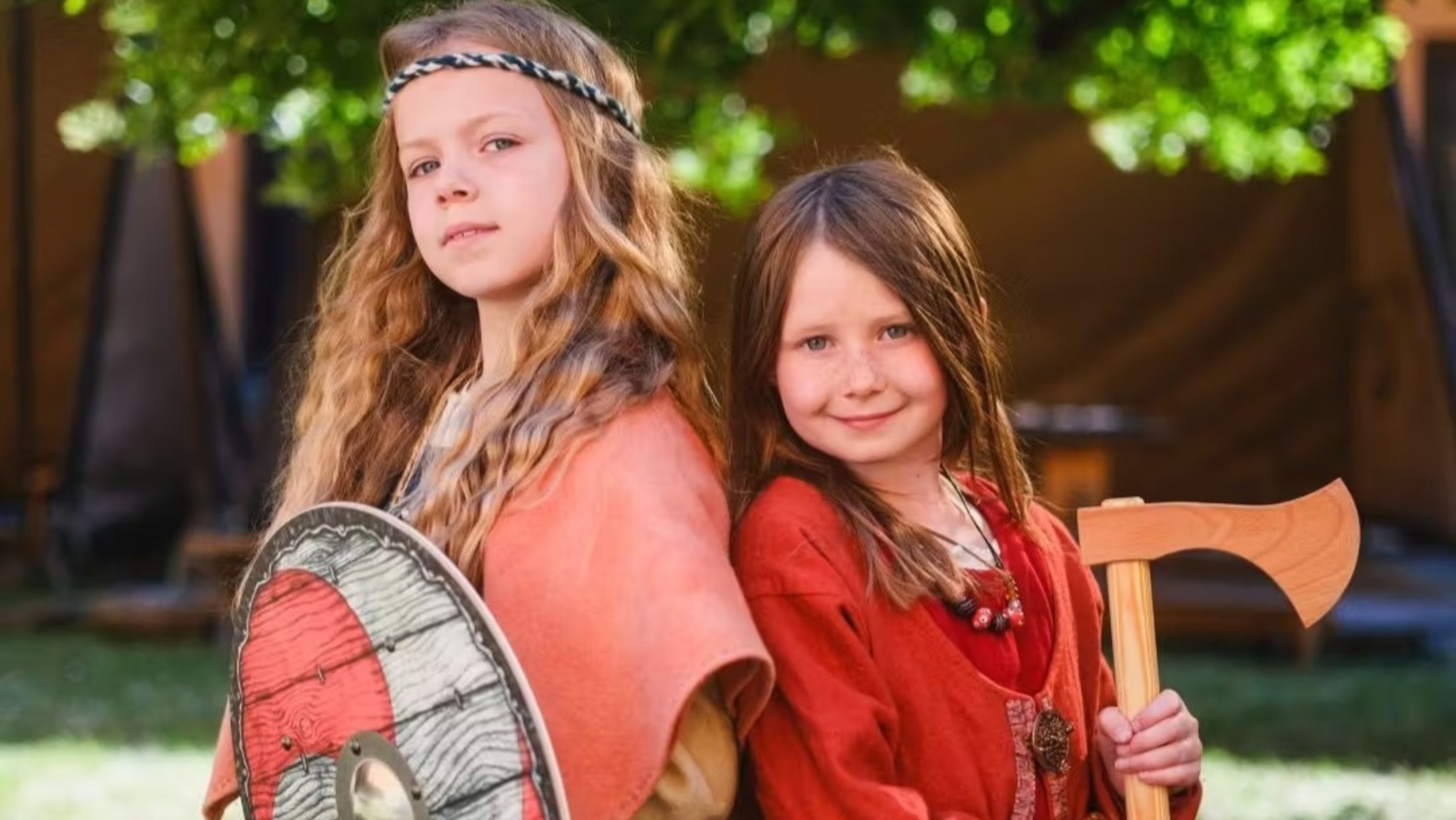
Skansen is the world's oldest open-air museum, showcasing Swedish history and culture through historic buildings, animals, and traditional crafts. It's a great place for families and history enthusiasts.
Cultural
Half day
170 SEK
ABBA The Museum
A fun and interactive museum dedicated to the famous Swedish pop group ABBA. It's a must-visit for fans of the band and those interested in music history.
Museum
1-2 hours
250 SEK
Drottningholm Palace
The private residence of the Swedish royal family, Drottningholm Palace is a UNESCO World Heritage site. The palace and its gardens offer a glimpse into royal life and Swedish history.
Historical
Half day
150-200 SEK
Must-Try Local Dishes
Swedish Meatballs
A classic Swedish dish made with ground meat (usually beef and pork), served with gravy, lingonberry jam, and mashed potatoes or boiled potatoes.
Dinner
Can be made with gluten-free breadcrumbs and vegetarian versions are available.
Surströmming
Fermented Baltic herring, known for its strong smell. It's typically served with potatoes, sour cream, and onions.
Snack
Not suitable for those sensitive to strong smells.
Gravlax
Cured salmon, traditionally served with mustard sauce, dill, and bread.
Appetizer
Gluten-free and often available in vegetarian versions.
Kanelbullar
Cinnamon buns, a Swedish favorite, often enjoyed with coffee during fika (a traditional coffee break).
Dessert
Can be made gluten-free and vegan.
Popular Activities
Kayaking in the archipelago
Hiking in the national parks
Biking around the city
Fika (coffee break) at a local café
Boat tours in the archipelago
Spa treatments
Visiting museums and historic sites
Attending cultural events and festivals
Best Time to Visit
June to August
Summer is the peak tourist season with warm weather, long daylight hours, and numerous outdoor festivals. It's the best time for exploring the archipelago and enjoying outdoor activities.
15°C to 25°C
59°F to 77°F
Practical Information
Language
- Official: Swedish
- Widely spoken: English, Finnish, Arabic
- English: Widely spoken
Currency
Swedish Krona (SEK)
Time Zone
GMT+1 (CET), GMT+2 (CEST) during daylight saving time
Electricity
230VV, 50HzHz
Safety Information
Overall Safety Rating: Generally safe
Stockholm is generally safe with low crime rates. However, as with any major city, it's important to be aware of your surroundings and take precautions to protect yourself and your belongings.
Important Precautions:
- • Keep valuables secure and out of sight
- • Be cautious when using ATMs
- • Avoid poorly lit areas at night
Getting there
By air
- Stockholm Arlanda Airport • 42 km from city center
- Stockholm Bromma Airport • 8 km from city center
By train
Stockholm Central Station
By bus
Stockholm City Terminal
Getting around
Public transport
The Stockholm Metro (Tunnelbana) is efficient, clean, and easy to navigate. It's the fastest way to get around the city.
Taxis
Available • Apps: Uber, Cabonline
Rentals
Car, Bike, Scooter
Neighborhoods
Gamla Stan
Södermalm
Östermalm
Vasastan
Kungsholmen
Day trips
Uppsala
70 km north of Stockholm • Half day to full day
Uppsala is a historic university city known for its cathedral, the oldest university in Scandinavia, and Viking history.
Mariefred and Gripsholm Castle
60 km west of Stockholm • Full day
Mariefred is a charming town on Lake Mälaren, home to the beautiful Gripsholm Castle and the famous steam train, the Lilla Ångbåtslinjen.
Sigtuna
60 km north of Stockholm • Half day
Sigtuna is Sweden's oldest town, founded in 970 AD. It's known for its historic churches, cobbled streets, and Viking history.
Festivals
Stockholm Pride • Late July to early August
Stockholm Jazz Festival • Early October
Stockholm Film Festival • Mid-November
Pro tips
- Use the SL Access app for public transportation tickets and journey planning
- Visit Gamla Stan early in the morning or late in the afternoon to avoid crowds
- Take a boat tour of the archipelago for a unique perspective on the city
- Try a traditional Swedish fika (coffee break) at a local café
- Explore the city's green spaces, such as Djurgården and Kungsträdgården
From $25
per person
Price varies by option
Secure booking
Free cancellation available
Instant confirmation




![[Private Group] 5-Day Yunnan Tengchong High-Luxury Vacation](https://res.klook.com/image/upload/activities/w1qvusflzrcutpr1lujm.jpg)