Private Tour to Lama Temple, Tian'anmen Square and Forbidden City
Active
4h - 5h
For a full refund, cancel at least 24 hours before the scheduled departure time.
Instant confirmation
Mobile or paper ticket accepted
About this experience
Immerse yourself in Beijing’s imperial and spiritual heritage on this fully personalized private guided tour, which includes all entrance tickets for two iconic landmarks—Yonghe Temple, one of China’s most revered Tibetan Buddhist sanctuaries home to the priceless Maitreya Buddha statue, and the Forbidden City, the centuries-old imperial palace of Ming and Qing dynasties with exclusive skip-the-line access—plus a stop at Tiananmen Square. Travel at your convenience with three flexible options: explore like a local via Beijing’s efficient subway system, enjoy door-to-door comfort in a private air-conditioned car, or upgrade to the premium private car package that also treats you to a delicious traditional dim sum lunch. Your dedicated private guide provides undivided attention throughout, sharing insightful stories and tailoring the pace to your preferences for a truly immersive and hassle-free Beijing experience.
Available options
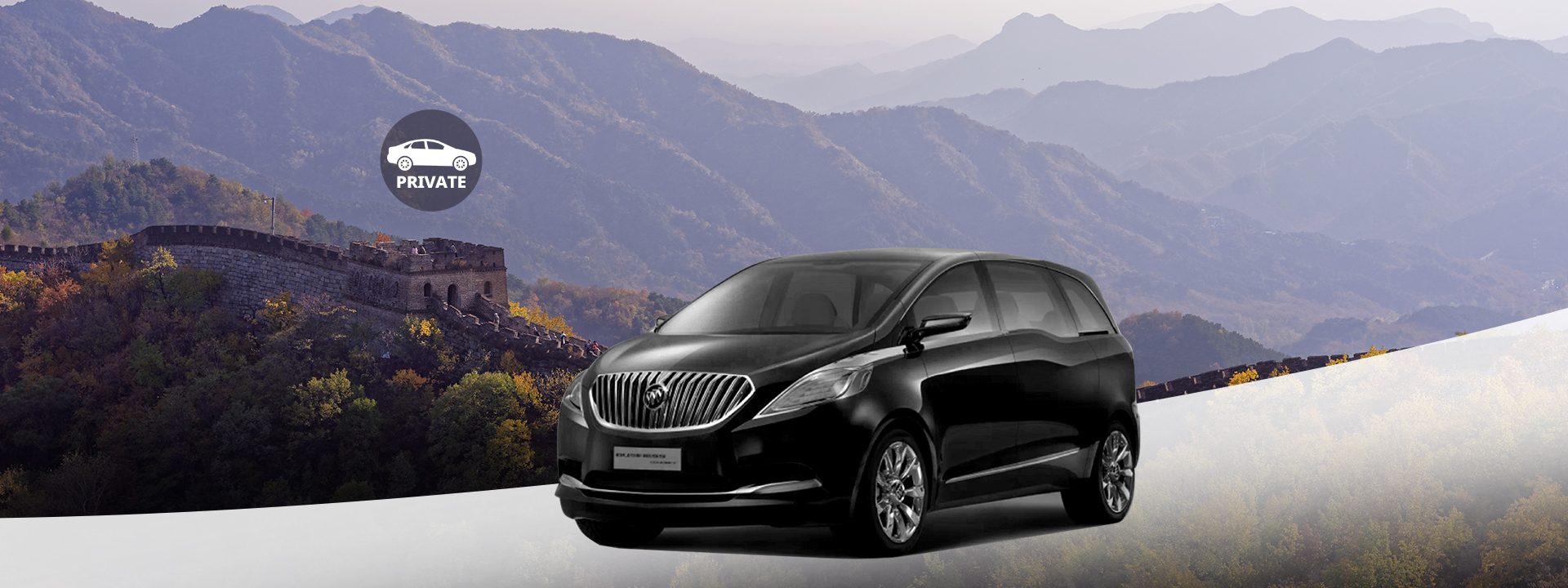
Package 2: Tour with transfer
Package 2: Tour with transfer: Choose this option to visit Lama Temple, Tian'anmen Square and Forbidden city with round trip hotel transfer.<br/>Pickup included
Package 3: Tour+Lunch/Dinner
Package 3: Tour+Lunch/Dinner: This option including English speaking tour guide, private transfer, entry tickets and Dim Sum lunch or dinner.<br/>Pickup included
Package 1: Tour by subway
Package 1: Tour by subway: Guide meet you in the lobby of your downtown hotel, travel by taxi or subway at your own cost to visit the sites.<br/>Pickup included
What's included
Professional guide
Private Transfer if you choose option 2&3
If you choose package 3 then lunch or dinner included in this tour
Entrance fee
Detailed itinerary
1
Stop 1
Choose from 3 flexible packages for this exclusive tour: 1: travel via the city’s efficient subway system. 2: enjoy round-trip private car transfers from your hotel. 3: upgrade to the premium private car package with a delicious dim sum meal.
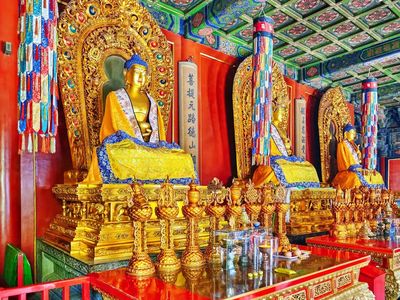
Your guide will meet you in your hotel lobby at your pre-selected pickup time, then you’ll head straight to Lama Temple. Once a princely residence of Emperor Yongzheng before he ascended the throne, the site was converted into a lamasery for Tibetan and Mongolian monks in 1744.
Wander through its serene courtyards and halls with your knowledgeable guide, who will share insights into its transformation from a royal abode to a sacred Buddhist temple, the rise of Yellow Sect Tibetan Buddhism in China, and local perspectives on Buddhism. Admire the temple’s 3 renowned treasures: the world’s largest sandalwood Buddha statue, the bronze Buddhas representing the past, present and future, and the intricate 500-Arhat-Hill.
2
Stop 2
Next, head to Tian’anmen Square—the world’s largest downtown square located at the core of Beijing’s central axis. After entering the square, you’ll admire iconic buildings from the outside, including the Great Hall of the People, the National Museum of China, Chairman Mao’s Mausoleum, the Monument to the People's Heroes, and Tian’anmen Gate.
Your guide will share fascinating stories and historical insights behind these landmark structures, deepening your understanding of their cultural and national significance. Please note that during peak seasons and special dates, the square implements extremely strict security checks. Queue times may last 1 to 2 hours, so we kindly ask for your advance awareness and understanding to ensure a smooth tour.
3
Stop 3
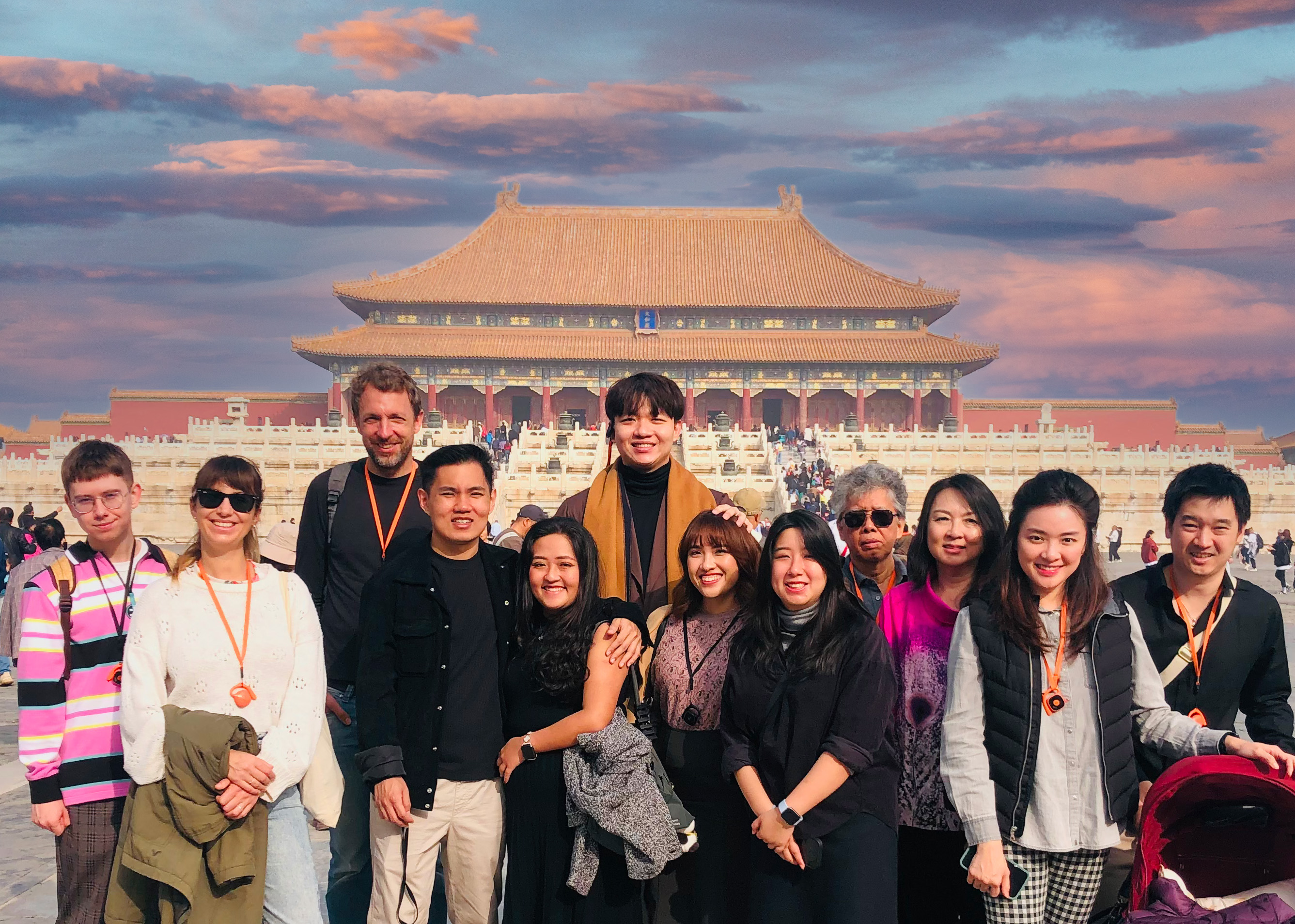
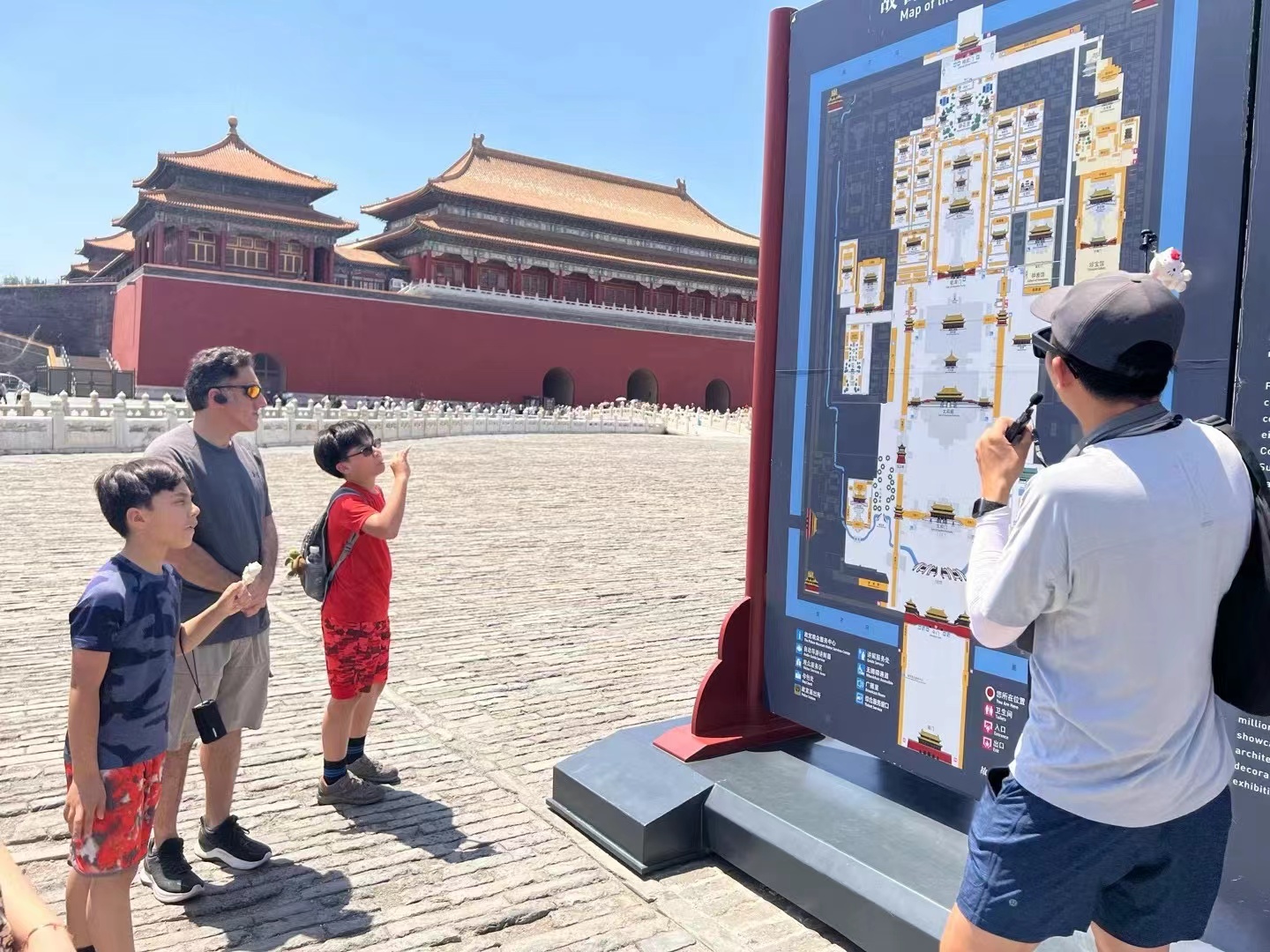
Pass through the south gate to the magnificent Forbidden City, a 250-acre complex of courtyards, palaces, pavilions and gardens, which served as the imperial palace for emperors and their households for more than 500 years.
The Forbidden City was the imperial palace from the Ming and Qing Dynasties. It is located in the middle of Beijing, and now houses the Palace Museum. For almost 500 years, it served as the home of emperors and their households, as well as the ceremonial and political center of Chinese government.
4
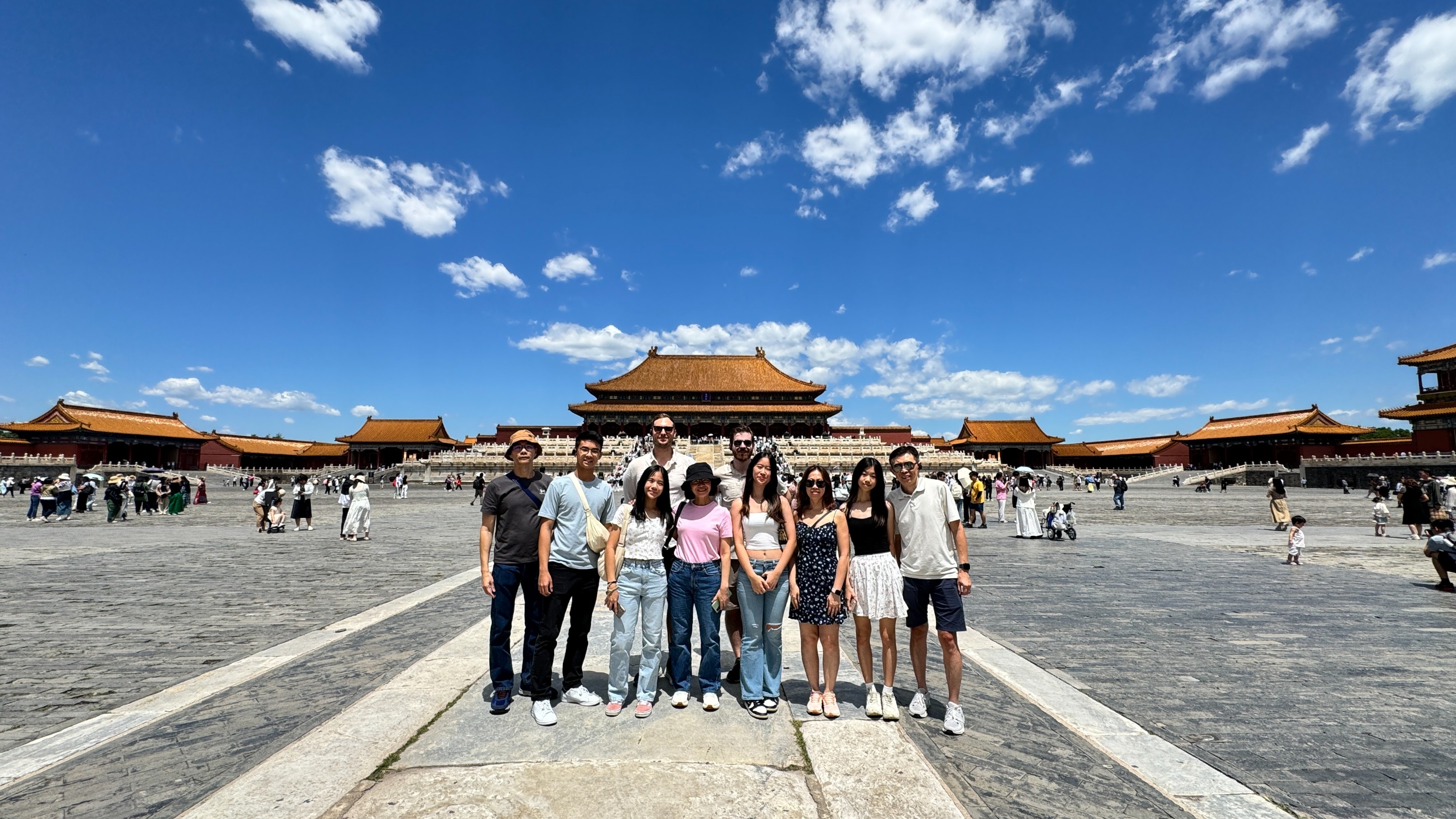
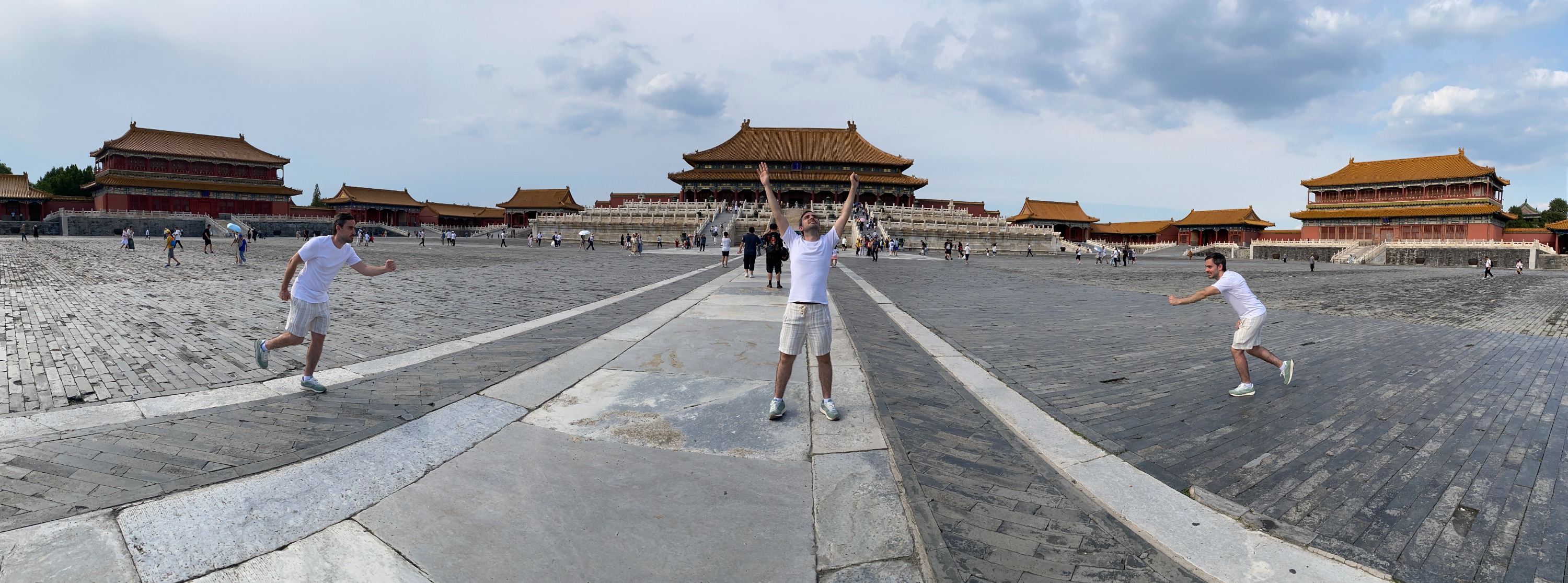
Follow your tour guide to explore the most important buildings along the Forbidden City’s central axis, including the Hall of Great Harmony, the Hall of Central Harmony, and the Hall of Complete Harmony. The Hall of Great Harmony served as the imperial throne hall, hosting grand ceremonies such as coronations, imperial weddings, and celebrations of major festivals during the Ming and Qing dynasties. The Hall of Central Harmony was the emperor’s resting place where he would pause to adjust his attire and receive briefings from officials before proceeding to ceremonies. The Hall of Complete Harmony functioned as the venue for the emperor to review memorials and practice rituals prior to important events.
5
Continue on to the imperial living quarters, where you’ll visit the Hall of Heavenly Purity, the Hall of Union, and the Hall of Earthly Tranquility. The Hall of Heavenly Purity served as the emperor’s bedroom and study in the Ming dynasty, later becoming the venue for imperial succession ceremonies in the Qing dynasty. The Hall of Union was a sacred space for storing imperial seals, while the Hall of Earthly Tranquility was the imperial bridal chamber for Qing emperors’ weddings and the empress’s residence.
Your guide will regale you with intriguing tales of the emperor, his family, and the daily lives of concubines and eunuchs who once inhabited these opulent yet secluded chambers.
6
Stop 6
Conclude your Forbidden City exploration at the Imperial Garden—a lush, centuries-old oasis dotted with exotic rock formations, ancient pines, and elegant pavilions, serving as the former imperial family’s private retreat to relax and unwind away from courtly duties.
Your Forbidden City tour wraps up right here. If you’ve opted for the subway package, your guide will point you to the nearest taxi stands and subway stations for your onward journey (at your own expense). For those who chose the private car package, our driver will transfer you back to your downtown hotel directly. If you selected the premium private car & dim sum package, your guide will escort you to savor a authentic dim sum meal—either lunch or dinner, tailored to your departure time—before sending you back to your hotel comfortably.
What's not included
Additional entrance fee to the Museums inside the Forbidden City
Food and drinks
Gratuities
Transportation fee if you choose the tour without transfer
Available languages
Guide guide
ZH-TW
CMN
EN
Reviews breakdown
Viator
5.0
2 reviews
5★
2
4★
0
3★
0
2★
0
1★
0
Tripadvisor
5.0
1 reviews
5★
1
4★
0
3★
0
2★
0
1★
0
Important information
Suitable for all physical fitness levels
Passport name, number, expiry and country is required at time of booking for all participants
A current valid passport is required on the day of travel
Operates in all weather conditions, please dress appropriately
Security checks at Tiananmen Square are strict. If waiting exceeds 1 hour, consider an alternative: taking a bus past the square. Sweltering heat risks heat-related illnesses.
Tiananmen Square may close unannounced due to government activities, in which case it will be skipped. No refunds as the square is free
Chinese citizens (including Hong Kong, Macau, and Taiwan) need to book this tour 7 days in advance. By regulation, please submit Chinese name & ID number when reserving and present the ID on the tour day to join the group
Important notes
• Comfortable walking shoes are recommended
• A current valid passport is required on the day of travel
About Beijing
Beijing, the capital of China, is a city of immense historical significance and modern dynamism. It's home to iconic landmarks, ancient palaces, and a vibrant contemporary culture that blends tradition with modernity. The city offers a unique mix of ancient history, cultural treasures, and modern advancements.
Top Attractions
The Great Wall of China
One of the most iconic landmarks in the world, the Great Wall of China stretches over 21,000 kilometers. The most accessible sections near Beijing are Badaling and Mutianyu.
Historical
Half day to full day
¥40-80 (depending on the section)
Forbidden City
The Forbidden City, also known as the Palace Museum, was the imperial palace during the Ming and Qing dynasties. It houses an extensive collection of artifacts and offers a glimpse into China's imperial past.
Historical
2-3 hours
¥60 (March-October), ¥40 (November-February)
Temple of Heaven
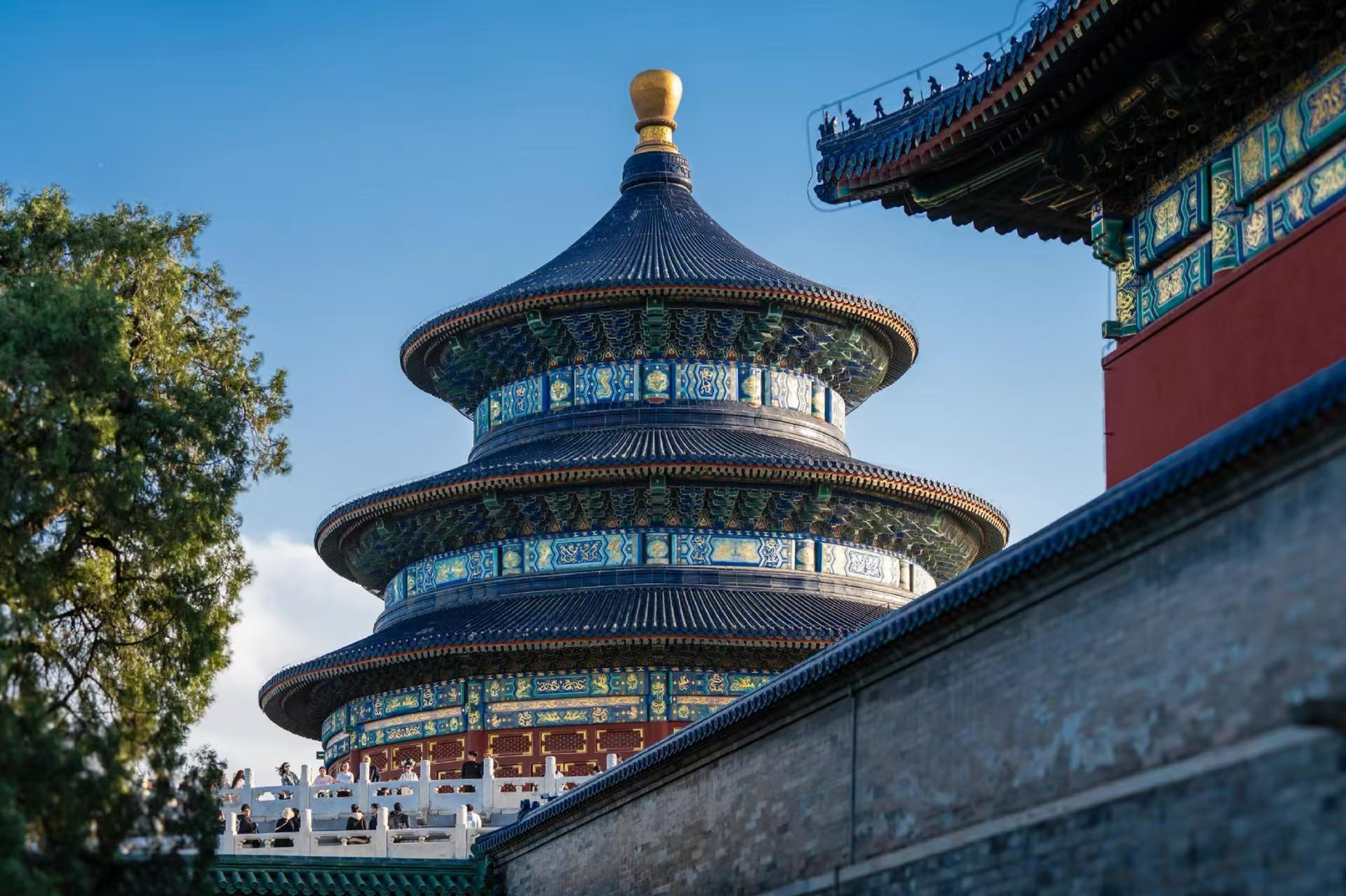
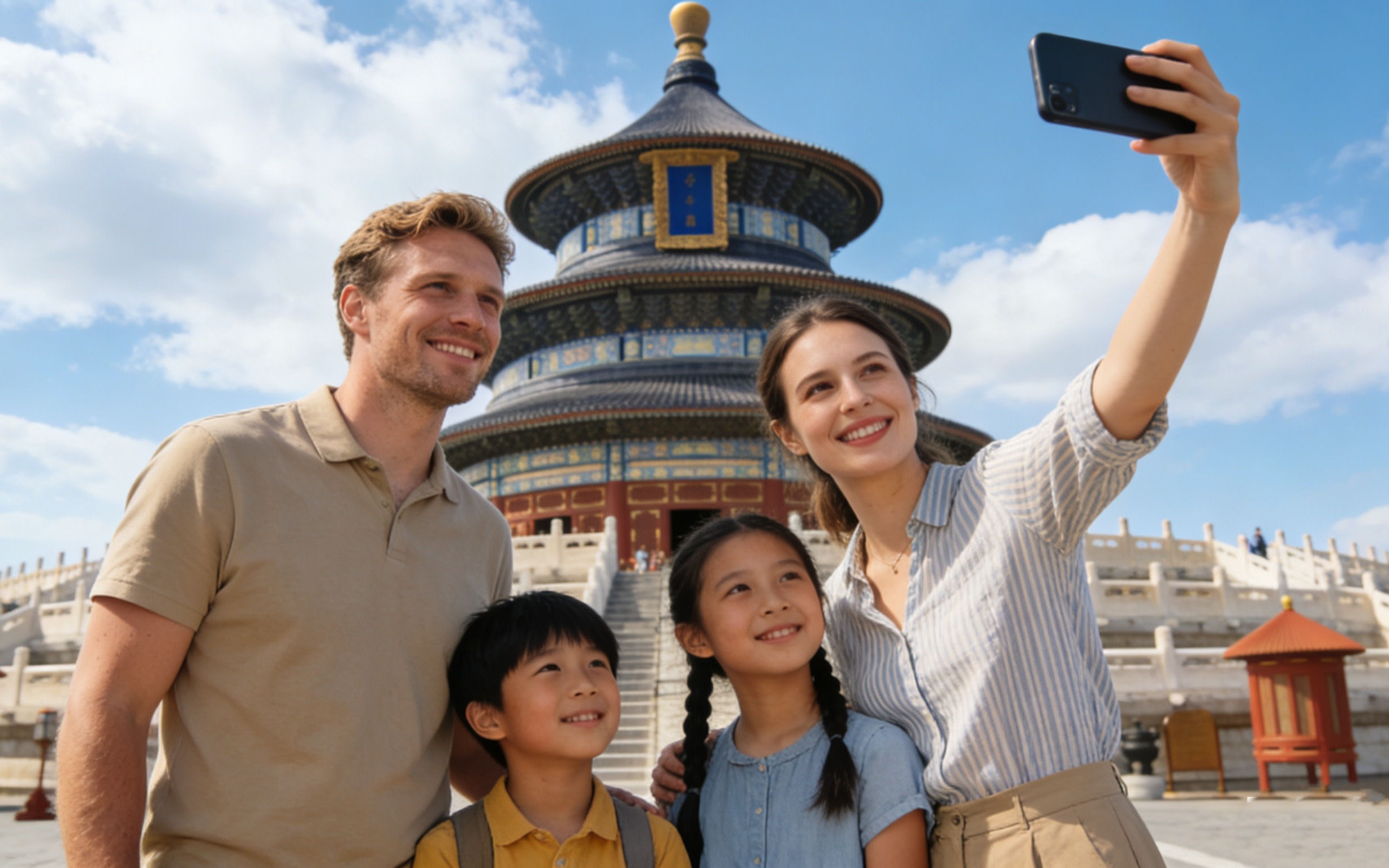
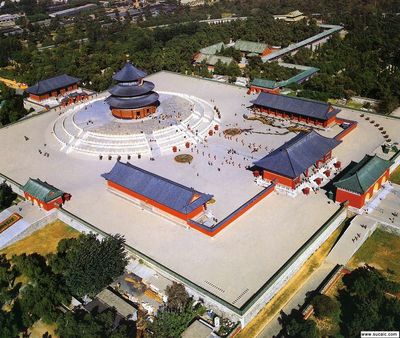
The Temple of Heaven is a complex of religious buildings where emperors of the Ming and Qing dynasties performed annual ceremonies of prayer to heaven for good harvests.
Historical
1-2 hours
¥15 (Temple area), ¥35 (Temple and park)
Summer Palace
The Summer Palace is a vast ensemble of lakes, gardens, and palaces. It served as a retreat for emperors to escape the summer heat and is known for its beautiful landscapes and architecture.
Historical
3-4 hours
¥30 (Park and palace area), ¥60 (Boat ride included)
Hutongs
Hutongs are traditional narrow alleys and residential neighborhoods that offer a glimpse into old Beijing's way of life. Exploring hutongs provides an authentic experience of local culture and history.
Cultural
Half day to full day
Free to explore, but consider paying for guided tours or Rickshaw rides
798 Art Zone
The 798 Art Zone is a contemporary art district located in a former military factory. It's home to numerous art galleries, studios, and cultural events, making it a hub for Beijing's art scene.
Cultural
1-2 hours
Free to explore, but some galleries may charge admission
Must-Try Local Dishes
Peking Duck
A iconic dish of Beijing, Peking Duck is roasted to perfection and served with thin pancakes, hoisin sauce, and scallions. The crispy skin and tender meat make it a must-try for any visitor.
Main Course
Contains meat (duck), gluten (pancakes and sauce)
Zhajiangmian (Fried Sauce Noodles)
A popular Beijing street food, Zhajiangmian consists of hand-pulled noodles topped with a rich, savory sauce made from fermented soybean paste and minced pork. It's often served with cucumber and bean sprouts.
Main Course
Contains meat (pork), gluten (noodles and sauce)
Jianbing (Savory Crepes)
A popular Beijing street food, Jianbing is a savory crepe made with a batter of wheat and mung bean flour, filled with egg, scallions, and hoisin sauce. It's crispy, delicious, and perfect for a quick breakfast on the go.
Breakfast
Contains eggs, gluten (batter and sauce)
Baozi (Steamed Buns)
Baozi are steamed buns filled with various ingredients, such as pork, beef, or vegetables. They are a popular street food and can be found in many markets and food stalls throughout Beijing.
Snack
Can be vegetarian or contain meat, depending on the filling; contains gluten (bun)
Popular Activities
Hiking the Great Wall
Rock climbing in the Huairou District
Mountain biking in the outskirts of Beijing
Boat rides on Kunming Lake at the Summer Palace
Tea ceremonies at traditional teahouses
Gardens and parks at the Temple of Heaven and Beihai Park
Exploring the Forbidden City and other imperial palaces
Visiting temples and religious sites
Best Time to Visit
September to October, April to May
These months offer the most pleasant weather with clear skies and comfortable temperatures, making it ideal for sightseeing. The city is vibrant with cultural festivals and outdoor activities.
15-25°C (59-77°F)
59-77°F
Practical Information
Language
- Official: Mandarin Chinese
- Widely spoken: English (in tourist areas and by younger generations)
- English: Moderately spoken in tourist areas, limited elsewhere
Currency
Chinese Yuan (CNY)
Time Zone
GMT+8 (China Standard Time)
Electricity
220VV, 50HzHz
Safety Information
Overall Safety Rating: Generally safe, but exercise caution in crowded areas and tourist spots
Beijing is generally a safe city for travelers, with low crime rates and a strong police presence. However, petty crimes such as pickpocketing and scams can occur, especially in crowded areas and tourist spots. Exercise caution and be aware of your surroundings, particularly at night and in less touristy areas.
Important Precautions:
- • Be cautious when using taxis, and insist on using the meter or agreeing on a price before starting the journey
- • Keep valuables secure and be aware of your surroundings in crowded areas and tourist spots
- • Be wary of strangers offering services or attractions at inflated prices, and only use licensed and reputable tour guides and operators
Getting there
By air
- Beijing Capital International Airport • 32 km (20 miles) northeast of city center
- Beijing Daxing International Airport • 46 km (29 miles) south of city center
By train
Beijing Railway Station, Beijing West Railway Station
By bus
Beijing Sihui Bus Station, Beijing Liuliqiao Bus Station
Getting around
Public transport
The Beijing Subway is efficient, affordable, and widely used. It's the best way to navigate the city, especially during peak hours.
Taxis
Available • Apps: Didi Chuxing, Tencent Taxi
Rentals
Car, Bike, Scooter
Neighborhoods
Dongcheng
Xicheng
Chaoyang
Haidian
Shijingshan
Day trips
The Great Wall at Mutianyu
70 km (43 miles) northeast of Beijing • Full day
The Great Wall at Mutianyu is a less crowded and more scenic section of the Great Wall, offering stunning views of the surrounding mountains and valleys. It's a popular day trip from Beijing for those looking to experience the Great Wall without the large crowds.
The Great Wall at Jinshanling
130 km (81 miles) northeast of Beijing • Full day
The Great Wall at Jinshanling is a remote and less restored section of the Great Wall, offering a more authentic and adventurous experience. It's a popular day trip for those looking to explore the Great Wall's wild and rugged beauty.
The Great Wall at Simatai
120 km (75 miles) northeast of Beijing • Full day
The Great Wall at Simatai is a unique and well-preserved section of the Great Wall, known for its dramatic and picturesque landscape. It's a popular day trip for those looking to experience the Great Wall's beauty and history in a more intimate setting.
Festivals
Chinese New Year (Spring Festival) • January or February (varies by lunar calendar)
Lantern Festival • 15th day of the first lunar month (varies by year)
Qingming Festival (Tomb-Sweeping Day) • April 4th or 5th (varies by solar calendar)
Pro tips
- Use the official Beijing Subway app for route planning and real-time updates
- Carry a VPN to access restricted apps and websites, such as Google, Facebook, and Instagram
- Learn a few basic Mandarin phrases to enhance your experience and interact with locals
- Wear comfortable shoes for exploring the city's many attractions and neighborhoods
- Try local snacks and street food for an authentic and delicious culinary experience
From $25
per person
Price varies by option
Secure booking
Free cancellation available
Instant confirmation