Bohol Day Tour from Cebu (Shared) w/ RT Transfers & Ferry
Active
16h
For a full refund, cancel at least 24 hours before the scheduled departure time.
Instant confirmation
Mobile or paper ticket accepted
About this experience
Discover Bohol's treasures on this complete day tour from Cebu! Starting with early hotel pickup and a sunrise ferry ride, explore the iconic Chocolate Hills, meet endangered tarsiers at the Pizarras Conservation Area, and visit the historic Baclayon Church. Enjoy a unique lunch cruise down Loboc River with cultural shows, drive through the magical man-made forest, and learn about the Blood Compact site. Shop for authentic souvenirs at Aproniana before your return ferry to Cebu.
Package includes:
Round-trip Cebu hotel transfers
Ferry tickets
All entrance fees
Shared transport in Bohol
Buffet lunch
Professional guide
Flexible return options
Experience Bohol's highlights in one seamless adventure, with everything arranged for your convenience!
Available options
Bohol Day Tour from Cebu (Shared) w/ RT Transfers & Ferry
Pickup included
What's included
Driver cum Guide
Shared Transportation in Bohol
Fuel
All Fees and Taxes
Parking Fees
Lunch during Loboc River Cruise
Round Trip Ferry Tickets
Round Trip Cebu Hotel Transfers
Detailed itinerary
1
Your Cebu hotel pickup is between 4:00-5:30 AM, varying by location and distance to Cebu City Pier 1. Since this group tour covers three cities, exact pickup times depend on other travelers. Please wait in your hotel lobby during this window and keep your phone accessible for driver coordination. Consider a private tour for guaranteed exact pickup times.
Key Points:
4:00-5:30 AM pickup window
Meet in hotel lobby
Phone must be accessible
2
05:30-06:00 am
Present your e-ticket at the terminal entrance for access and during check-in for boarding.
Please prepare:
-₱25 terminal fee per person (exact change required)
-Be ready to present valid ID when asked
3
Zip across the Cebu Strait in a sleek 2-hour ferry ride! Whether you're catching up on those early morning z's in the air-conditioned cabin or watching the sun paint the Visayan waters in golden hues, the choice is yours. While the ferry keeps things simple (think cozy seats and tiny bathrooms), you won't go hungry – roaming attendants offer snacks, coffee, and juice. Pro tip: grab extra munchies at the terminal before boarding. And don't worry about going off-grid – your phone should keep you connected through most of the crossing, perfect for sharing those sunrise shots or scrolling through your feed.
4
From Tagbilaran Port, we embark on our comprehensive Bohol countryside tour. This first leg involves multiple short drives between the port and our main destinations, with the cumulative travel time totaling approximately 2 hours spread throughout the day. The port serves as our gateway to Bohol's iconic attractions, situated strategically for efficient routing to various landmarks.
5
Stop 5
This historic landmark commemorates the first treaty of friendship between the Philippines and Spain, known as "Sandugo" (one blood). In 1565, Spanish explorer Miguel López de Legazpi and Datu Sikatuna, the chieftain of Bohol, performed a blood compact ceremony by mixing drops of their blood with wine and drinking it – a traditional ritual symbolizing their peace agreement.
The site features life-sized bronze statues depicting the historic moment, created by National Artist Napoleon Abueva. Located along the national highway in Barangay Bool, Tagbilaran City, the monument offers scenic views of the Bohol Sea and Mindanao Sea.
6
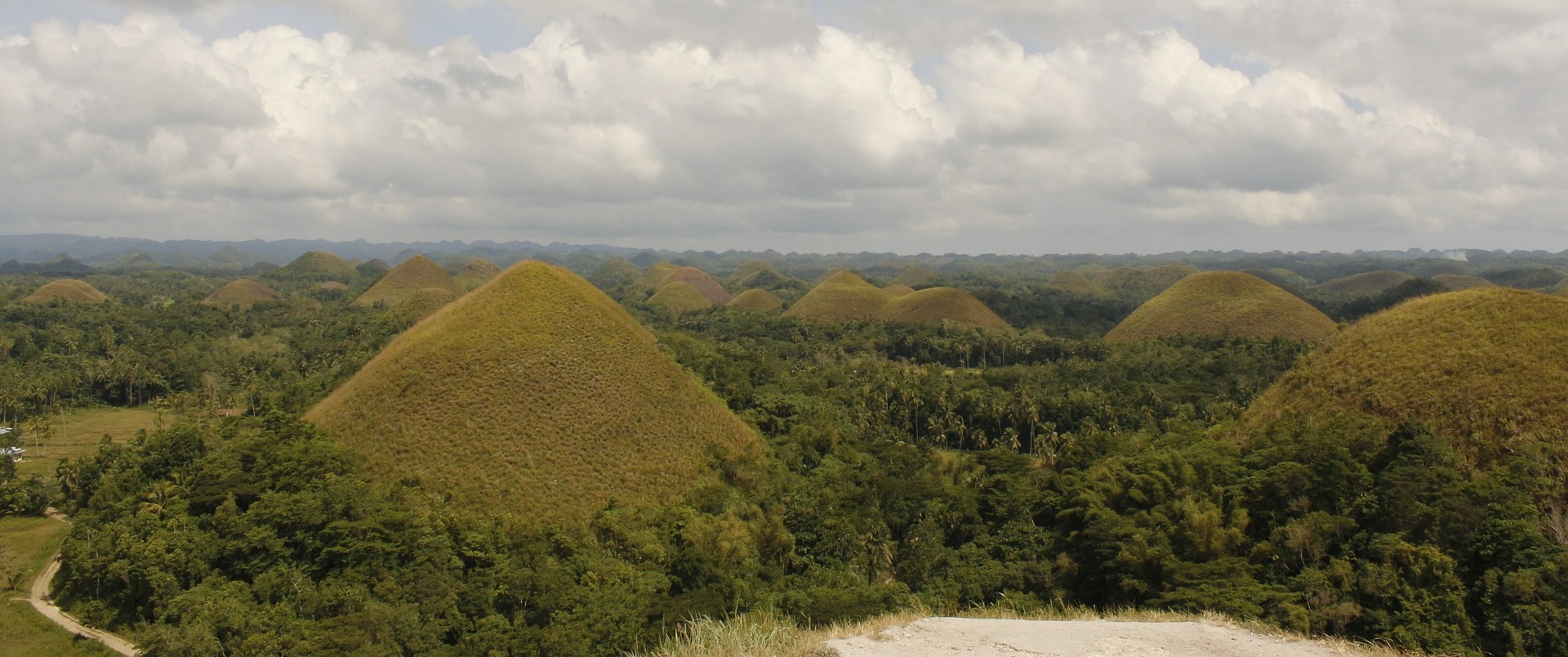
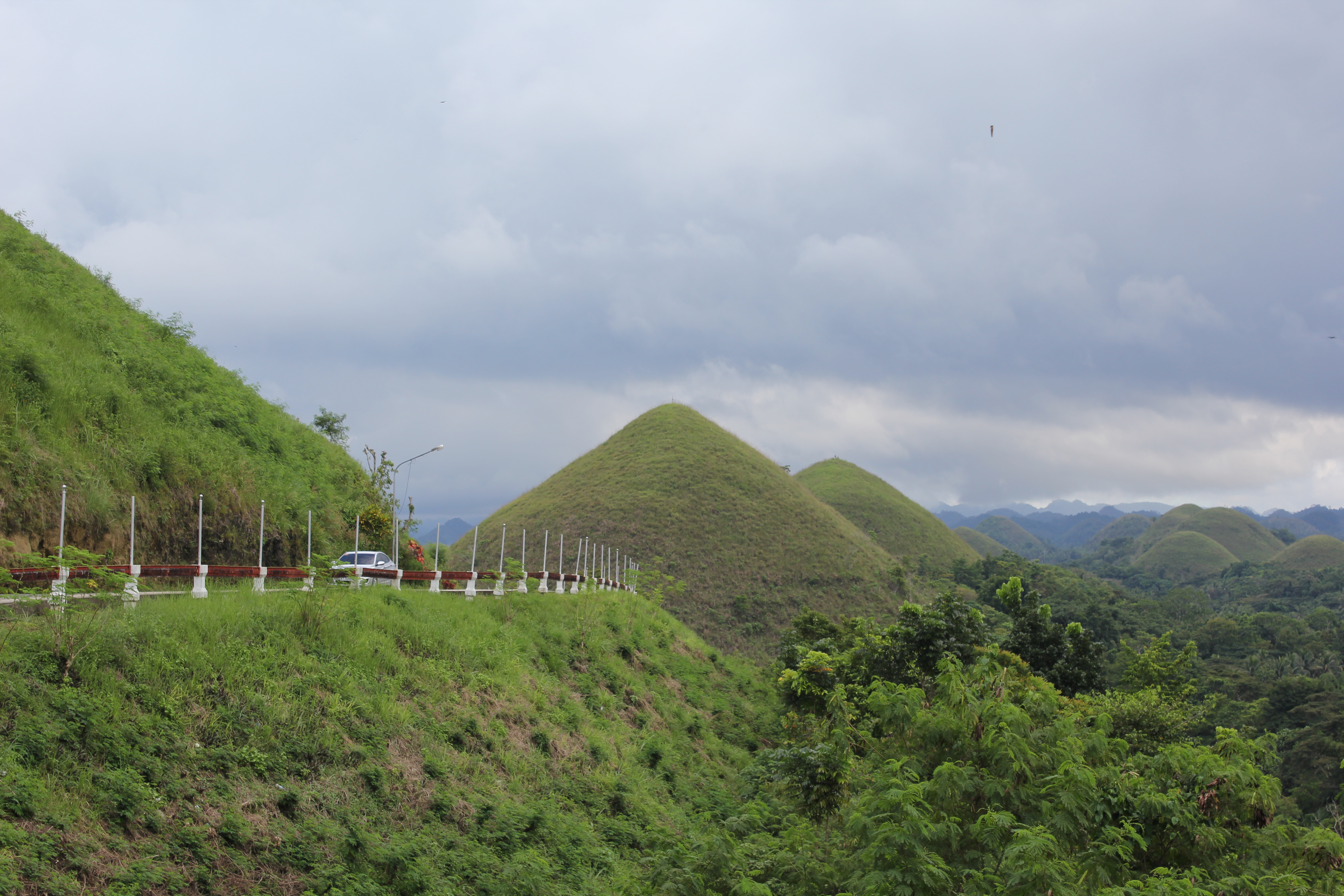
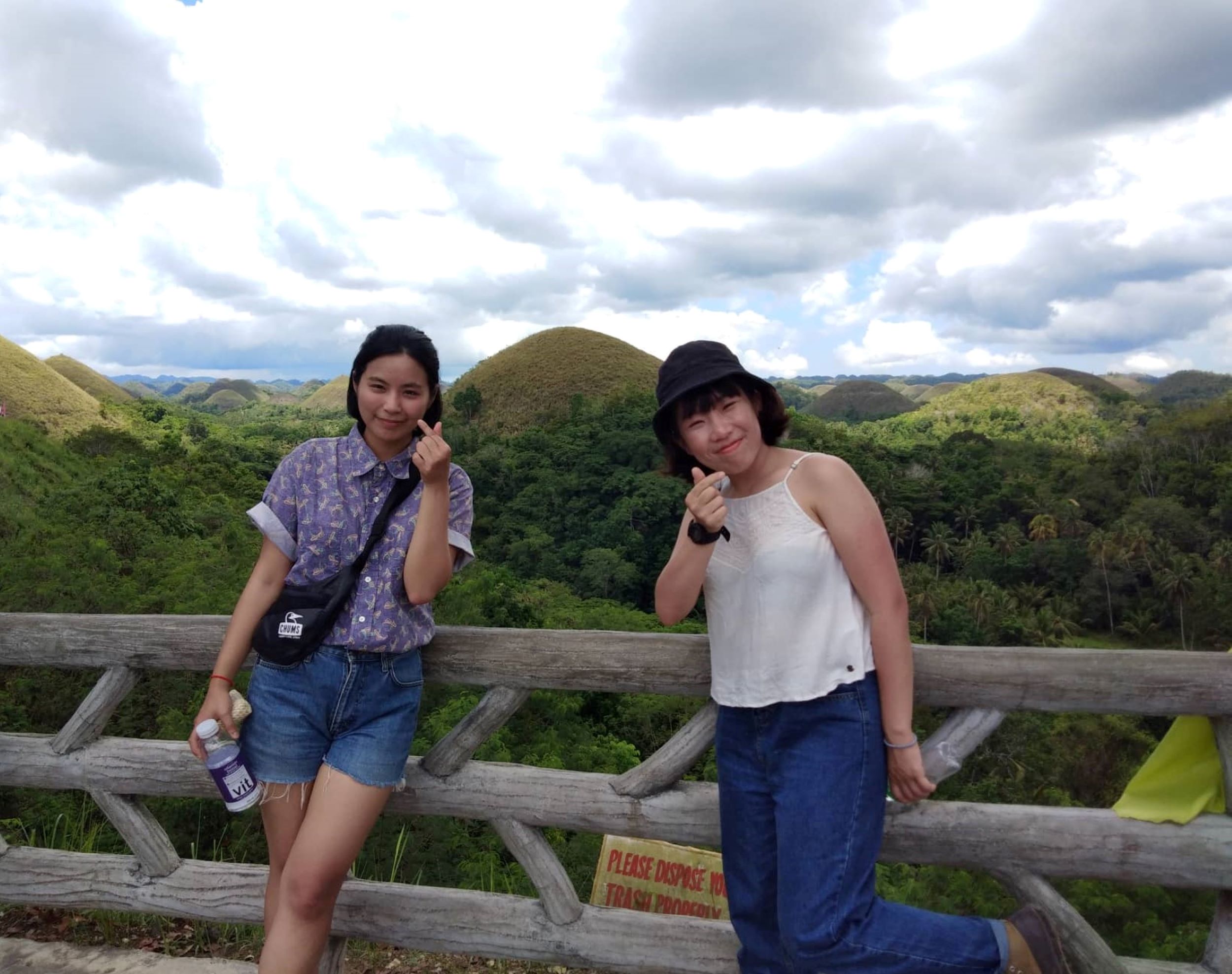
The Chocolate Hills stand as Bohol's most iconic natural wonder - over 1,200 perfectly cone-shaped hills spread across 50 square kilometers of central Bohol. These unusual geological formations, ranging from 30 to 50 meters high, are covered in grass that turns chocolate-brown during the dry season, giving them their famous name. Visitors can best appreciate this stunning landscape from the official viewing deck in Carmen town, which offers a 360-degree panorama of the symmetrical hills stretching to the horizon. Created by the weathering of marine limestone over millions of years, these hills have not only become the Philippines' third National Geological Monument but also earned a spot on the country's tourism logo. While beautiful year-round, the hills display different characters through the seasons - emerald green during rainy months and brown during dry periods, though most tourists hope to catch them in their namesake chocolate hue.
7
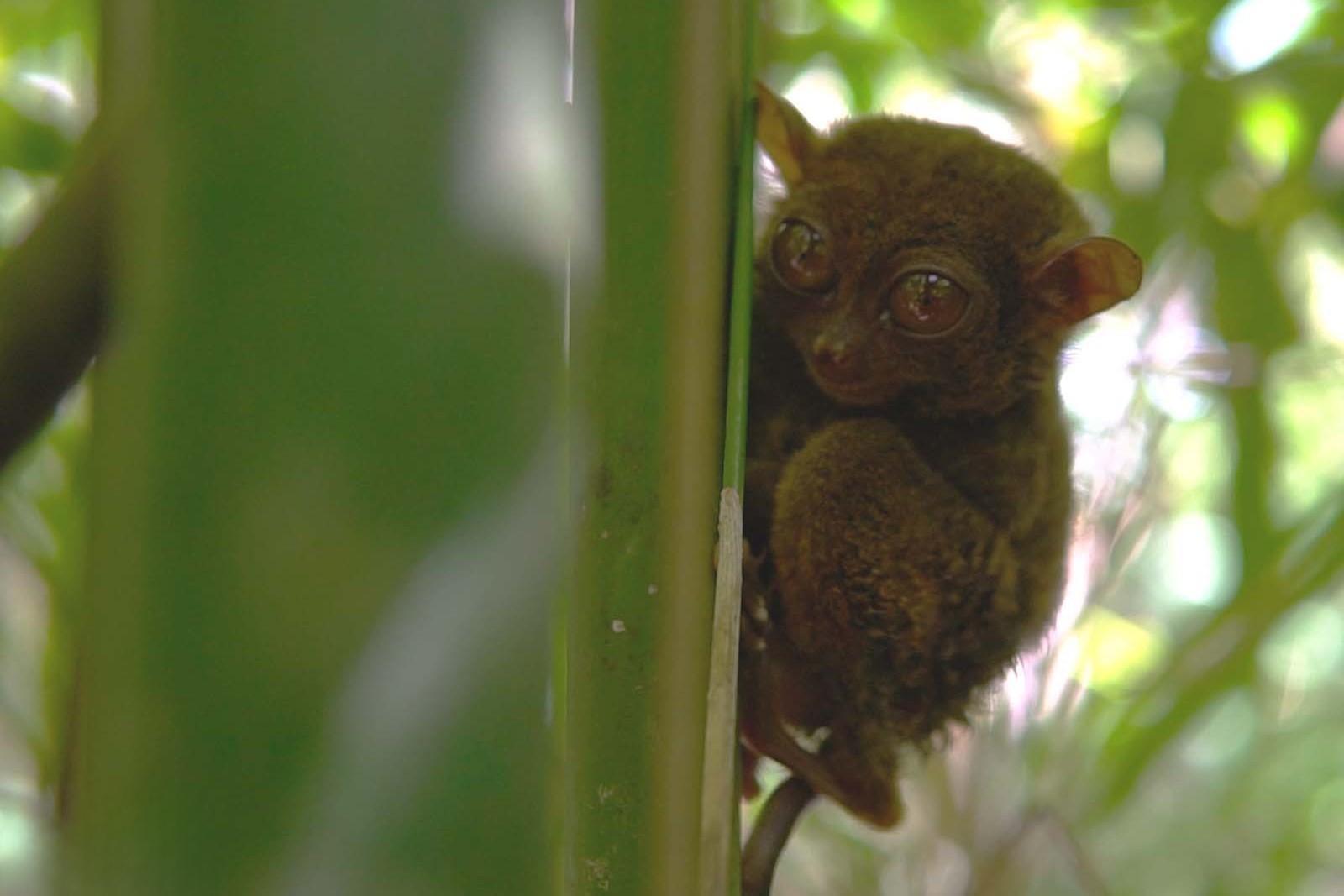
The Tarsier Conservation Area in Corella, managed by the Pizarras family, offers visitors an authentic glimpse into the world of these tiny primates in their natural forest habitat. Unlike other facilities, this official research and conservation site prioritizes the tarsiers' wellbeing - no touching, flash photography, or loud noises are permitted to avoid stressing these sensitive nocturnal creatures
8
Stop 8
The Baclayon Church, officially known as the Church of Our Lady of the Immaculate Conception, stands as one of the Philippines' oldest religious structures, established in 1596 and completed in its current stone form by 1727. Made from coral stones cut from the sea and bound together with egg whites, this massive Jesuit-built church showcases classic Spanish colonial architecture with its thick walls and buttresses designed to withstand earthquakes. Though significantly damaged by the 2013 Bohol earthquake, the church has been meticulously restored to preserve its historical integrity.
9
The man-made forest of Bohol, officially known as the Bilar-Loboc Forest, stretches for two kilometers along the highway between Bilar and Loboc towns. Created in the 1950s as a reforestation project, this dense mahogany forest forms a captivating tunnel of tall, uniform trees whose branches interlock high above the road, creating a cool, shaded canopy. The dramatic change in scenery - from the open countryside to this sudden forest tunnel - makes it a popular stop for photos. While most tours allow for a brief 10-15 minute stop, the forest is particularly stunning in the early morning when sunlight filters through the canopy, creating ethereal light rays between the perfectly aligned tree trunks.
10
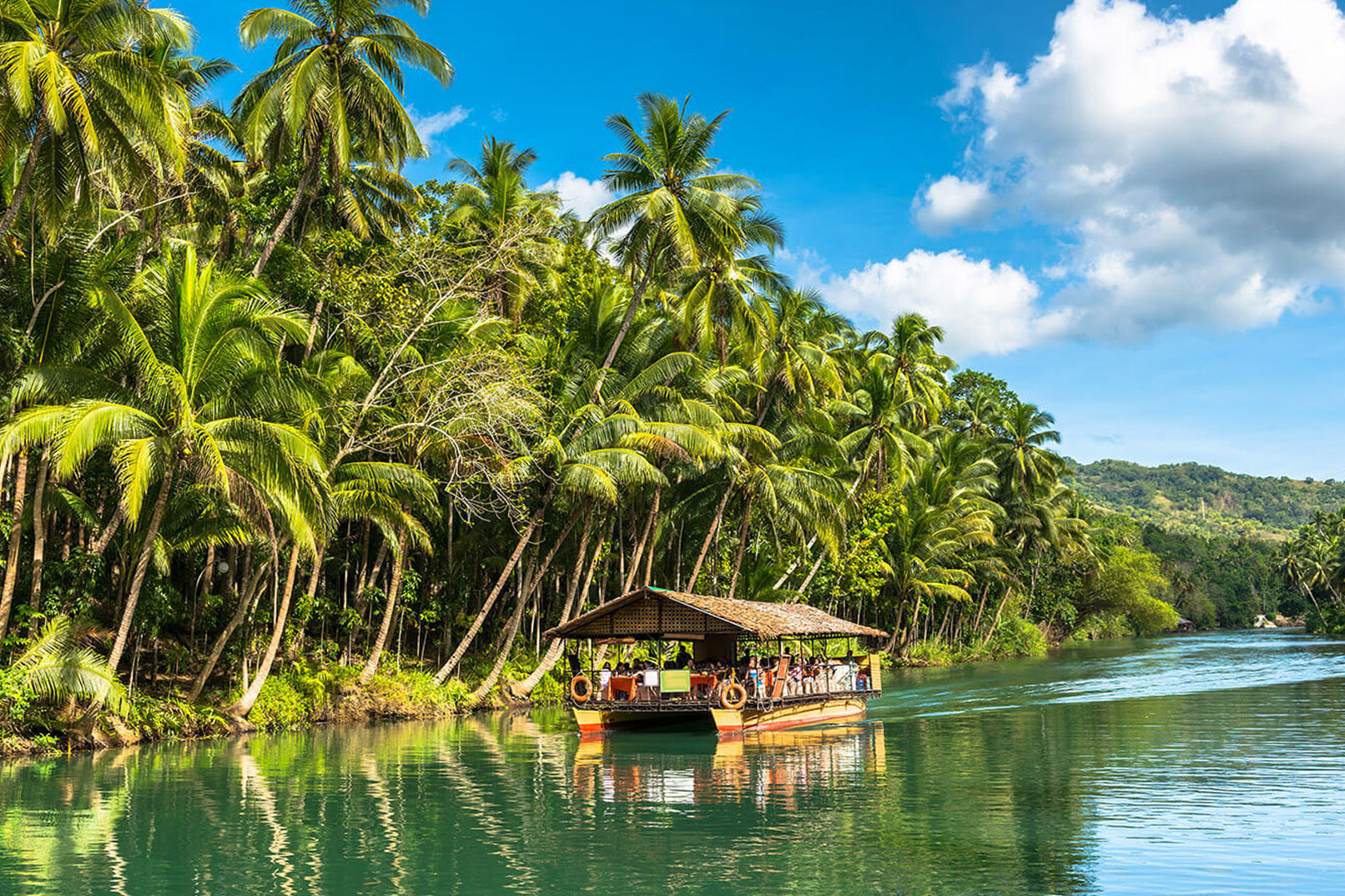
The Loboc River Cruise combines dining and sightseeing along one of Bohol's most scenic waterways. Guests board a floating restaurant - a large, covered boat equipped with buffet stations and dining tables - for a leisurely hour-long journey up the emerald-green river. The Filipino buffet spread typically includes grilled seafood, chicken, pork, various vegetable dishes, fresh fruits, and desserts, all while you glide past riverbank scenes of palm trees, traditional houses, and small waterfalls. The cruise includes stops at floating stages where local children perform traditional Filipino songs and dances, adding cultural entertainment to the experience. As you dine, local musicians aboard the boat provide live acoustic entertainment, creating a festive atmosphere that perfectly complements the stunning natural backdrop of the river.
11
The Aproniana Gift Shop and Souvenir Center sits strategically near Baclayon Church, offering visitors a curated selection of authentic Boholano crafts and delicacies. Located in a heritage house, this local establishment specializes in native products including the famous Peanut Kisses (a peanut-based cookie shaped like the Chocolate Hills), broas (ladyfingers), polvoron, dried mangoes, and various kakanin (traditional rice sweets). Beyond food items, the shop features handwoven bags, native accessories, t-shirts with Bohol designs, and locally-made handicrafts that make perfect souvenirs.
12
The return journey from Bohol to Cebu City starts at Tagbilaran Port with a 2-hour ferry ride across the Cebu Strait. Afternoon to early evening departures accommodate various tour end times, featuring air-conditioned comfort and basic amenities. Catch stunning sunset views over Visayan waters on later trips.
Travel Notes:
Return ferry tickets included
Port has snack vendors and restrooms
Cellular service available during crossing
Cebu hotel drop-off provided after arrival
Early Return Option:
Want to catch an earlier ferry? Simply:
Inform driver and tour coordinator
Visit Oceanjet office outside port
Pay ₱50/person fee (cash only)
They'll adjust your Cebu transfer timing
Note: Subject to seat availability
What's not included
Gratuities
Meals not specifically included
Restroom fees in tourist spots and stop overs
Personal & incidental expenses
Important information
Public transportation options are available nearby
Infants are required to sit on an adult’s lap
Specialized infant seats are available
Suitable for all physical fitness levels
Travel time is included on the total duration
About Cebu
Cebu is a vibrant and historic city in the Philippines known for its rich cultural heritage, stunning beaches, and warm hospitality. It's a blend of urban life and natural beauty, making it a top destination in the Visayas region.
Top Attractions
Magellan's Cross
Magellan's Cross is a Christian cross erected by Portuguese and Spanish explorers in 1521. It marks the spot where Christianity was first introduced in the Philippines.
Historical
30 minutes
Free
Basilica del Santo Niño
Basilica del Santo Niño is a Roman Catholic basilica in Cebu City, Philippines. It is one of the oldest churches in the country and houses the oldest religious relic in the Philippines, the Santo Niño de Cebu.
Religious
1 hour
Free
Kawasan Falls
Kawasan Falls is a beautiful waterfall in the southern part of Cebu, known for its turquoise waters and lush surroundings. It's a popular spot for swimming, canyoneering, and picnicking.
Nature
Half day to full day
Free to moderate
Moalboal
Moalboal is a coastal town in Cebu known for its beautiful beaches, clear waters, and marine life. It's a popular destination for snorkeling, diving, and island hopping.
Beach
Full day to overnight
Moderate
Osmeña Peak
Osmeña Peak is the highest point in Cebu, offering stunning views of the surrounding landscape. It's a popular spot for hiking and picnicking.
Nature
Half day
Free
Must-Try Local Dishes
Lechon
A whole roasted pig, known for its crispy skin and tender meat. It's a staple at celebrations and special occasions.
Main course
Pork, not suitable for vegetarians or those with pork allergies.
Sutukil
A dining experience where seafood is prepared in three ways: steamed (S), stir-fried (U), and grilled (T).
Main course
Seafood, can be customized for dietary preferences.
Puso
A popular street food made from coconut husk, shaped like a heart, and stuffed with ground meat or vegetables.
Snack
Can be made vegetarian or vegan.
Popular Activities
Canyoneering
Snorkeling
Diving
Hiking
Beach hopping
Island hopping
Spas and resorts
Visiting historical sites
Best Time to Visit
December to April
The best time to visit Cebu is during the dry season, from December to April. The weather is sunny and warm, perfect for outdoor activities and beach trips. However, this is also the peak tourist season, so expect more crowds and higher prices.
24°C to 32°C
75°F to 90°F
Practical Information
Language
- Official: Filipino, English
- Widely spoken: Cebuano
- English: Widely spoken
Currency
Philippine Peso (PHP)
Time Zone
GMT+8
Electricity
220VV, 60HzHz
Safety Information
Overall Safety Rating: Generally safe
Cebu is generally safe for travelers, but it's important to take precautions to avoid scams, petty theft, and other common issues.
Important Precautions:
- • Use reputable taxi companies or app-based services
- • Keep an eye on your belongings in crowded areas
- • Be cautious of strangers offering unsolicited help or services
Getting there
By air
- Mactan-Cebu International Airport • 15 km from Cebu City
By bus
South Bus Terminal, North Bus Terminal
Getting around
Public transport
Jeepneys are the most common form of public transport in Cebu. They are inexpensive and widely available, but they can be crowded and slow due to frequent stops.
Taxis
Available • Apps: Grab
Rentals
Car, Bike, Scooter
Neighborhoods
Cebu City
Mactan Island
Bantayan Island
Day trips
Bantayan Island
100 km from Cebu City • Full day to overnight
Bantayan Island is known for its pristine beaches, clear waters, and relaxed atmosphere. It's a great spot for swimming, sunbathing, and enjoying local seafood.
Sumilon Island
80 km from Cebu City • Full day
Sumilon Island is a small island known for its beautiful sandbar, clear waters, and rich marine life. It's a great spot for snorkeling, diving, and picnicking.
Oslob
100 km from Cebu City • Full day
Oslob is known for its whale shark interactions, where visitors can swim with these gentle giants. It's also a great spot for visiting waterfalls and hot springs.
Festivals
Sinulog Festival • Third Sunday of January
Paro-Paro Festival • Last Sunday of January
Pintados Festival • Third Sunday of June
Pro tips
- Learn a few basic phrases in Cebuano to enhance your experience and connect with locals
- Try the local street food, but be cautious and stick to busy stalls with high turnover
- Visit historical sites early in the morning to avoid crowds and the heat
- Book tours and accommodations in advance, especially during peak season and festivals
- Use app-based services like Grab for convenient and safe transportation
From $25
per person
Price varies by option
Secure booking
Free cancellation available
Instant confirmation