Bangkok Heritage & Street Art Private Walking Tour
Active
4h
For a full refund, cancel at least 24 hours before the scheduled departure time.
Instant confirmation
Mobile or paper ticket accepted
About this experience
Escape the crowds and uncover a side of Bangkok few travelers ever see on our Half-Day Heritage & Street Art Walking Tour.
Wander through the characterful neighborhoods of Charoen Krung and Talat Noi; once bustling hubs of trade, now a captivating mix of colonial charm, multicultural landmarks, and vibrant urban creativity.
Follow your guide along quiet backstreets lined with historic shophouses, riverside warehouses, and grand old buildings, as you learn about the city’s multicultural roots. Along the way, you’ll stumble upon hidden gems of street art, where Bangkok’s past and present collide in bursts of color.
From temples and churches to tucked-away galleries and crumbling facades, this walk reveals a Bangkok full of surprises: intimate, expressive, and alive with stories. A must-do for culture lovers and curious explorers.
Available options
Bangkok Heritage & Street Art Private Walking Tour
Pickup included
What's included
Drinking water
English speaking guide
Small meal
Snacks
Hotel pick up
Detailed itinerary
1
Stop 1
We’ll enjoy a tasty bite at Prachak Roasted Duck, one of Bangkok’s most legendary eateries, serving hungry locals since 1909.
This humble, no-frills restaurant is famous for its succulent roasted duck: tender, flavorful, and perfectly crispy on the outside.
It’s a beloved spot among Bangkokians and a true hidden gem for food lovers. Sitting down for a quick meal here is like taking a delicious step back in time.
(If Prachak happens to be closed on the day of your visit, no worries, the guide will bring you to another local spot nearby.)
2
Nestled in a quiet alley off Charoen Krung Road, Wat Suan Phlu is a peaceful oasis amid Bangkok’s riverside bustle.
Originally built in the late Ayutthaya era on what once were betel-nut gardens, this charming temple features beautifully preserved, two-storey wooden monks’ quarters in ornate “gingerbread” style, a design honored with a conservation award in 2002.
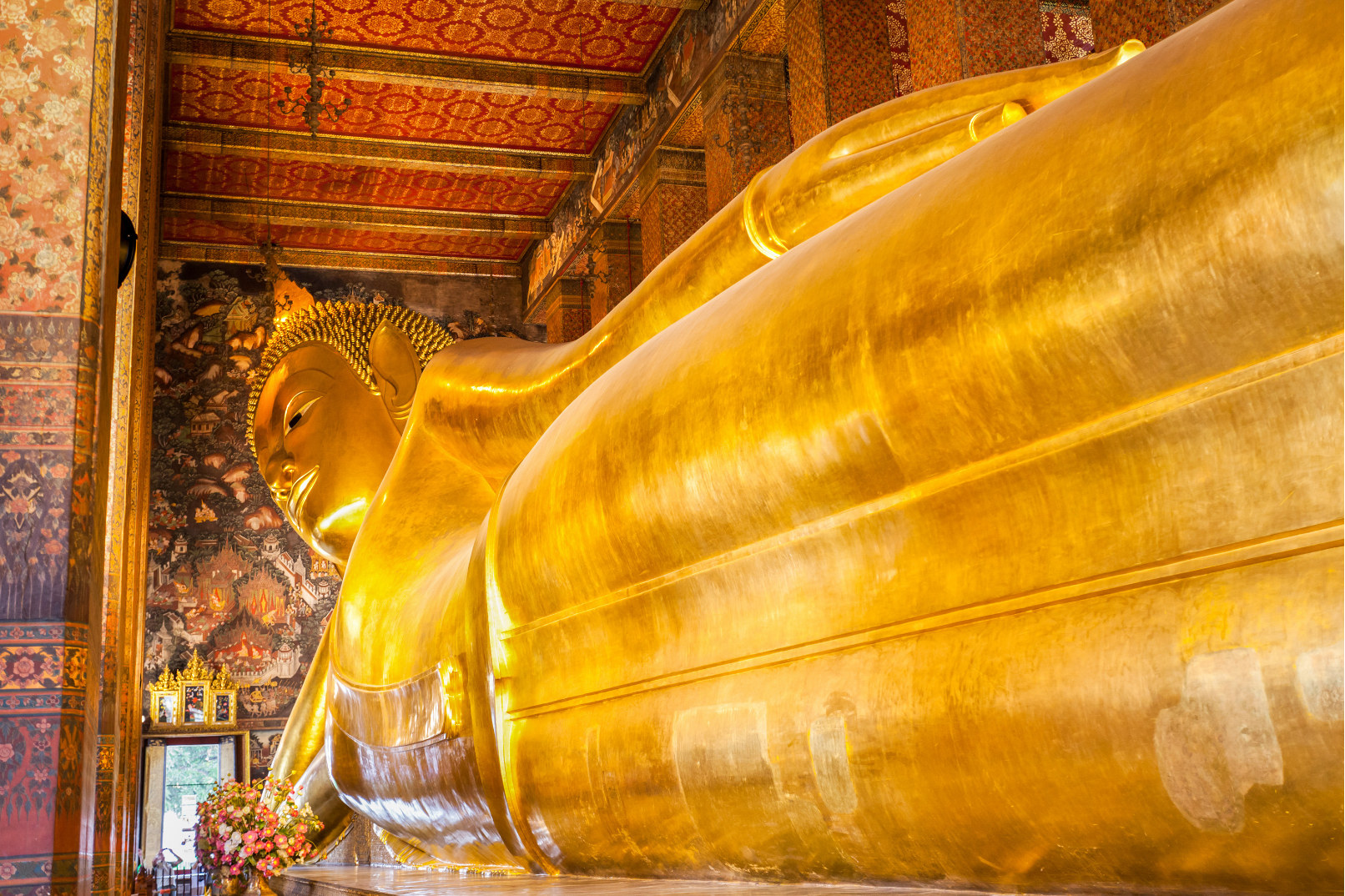
Inside, you’ll find a serene reclining Buddha and intricately carved hallways adorned with rare blue-glass decoration, a striking departure from the city’s typical golden temples. With its tranquil ambiance, hidden heritage, and elegant craftsmanship, Wat Suan Phlu offers a quiet glimpse into Bangkok’s rich spiritual and architectural history.
3
Assumption Cathedral is Bangkok’s principal Roman Catholic cathedral, nestled beside Charoen Krung Road near Oriental Pier in the historic Bang Rak district.
Originally built between 1809–1821 under French missionary Father Pascal, it was rebuilt in Romanesque style by 1918 using imported marble, stained glass, and elegant frescoes.
The cathedral boasts twin towers, a serene red-brick exterior, a high vaulted ceiling dotted with golden stars, and over 40 stained-glass windows depicting biblical scenes.
Below the main altar lies a crypt housing bishops and missionaries, including Blessed Nicholas Bunkerd Kitbamrung, a Thai martyr.
As a vibrant spiritual center, it welcomed Pope John Paul II in 1984 and Pope Francis in 2019.
Please note:
The cathedral is an active place of worship, with weekend services and occasional private ceremonies. On such occasions the area around the entrance may be closed off, and it may not be possible to make a photo.
4
The East Asiatic Company Building is one of Bangkok’s most iconic riverfront landmarks, located on Charoen Krung Road near the historic Mandarin Oriental Hotel. Built in 1901 in elegant Italian Renaissance style, it once housed the headquarters of the East Asiatic Company, a Danish trading firm founded by Captain H.N. Andersen. The company played a major role in developing trade between Siam and Europe in the early 20th century.
From this grand building, the firm managed shipping, import-export operations, and was deeply involved in teak logging in Northern Thailand, one of the kingdom's most valuable natural resources at the time. Its striking arched windows, stucco details, and river-facing façade reflect the cosmopolitan flair and commercial ambitions of old Bangkok.
Though no longer in use by the company, the building stands as a lasting symbol of Bangkok’s rich trading heritage.
5
Charoen Krung Road has seen many transformations, from being a hub for diplomats and traders in the 19th century to becoming a more forgotten corner of the city.
But in recent years, it has re-emerged as a vibrant canvas for street art, blending the area’s rich heritage with edgy, urban creativity.
The turning point came with the Bukruk Urban Arts Festival in 2016, which brought together Thai and international artists to brighten up the aging facades of this historic neighborhood. From abandoned buildings to quiet alley walls, colorful murals began popping up, turning Charoen Krung into an open-air art gallery.
A standout contribution came from Thai artist Alex Face, whose iconic character Mardi (a child in a bunny suit with a thoughtful expression) can be found peeking around corners and tucked into alleyways.
This artistic revival has transformed Charoen Krung into Bangkok’s unofficial creative district, where old-world charm meets modern expression at every turn.
6
The Holy Rosary Church, locally known as Kalawar Church, is one of the oldest Catholic churches in Bangkok and a striking example of Gothic Revival architecture along the Chao Phraya River.
The church stands as a graceful reminder of the Portuguese and European influence in the early days of Bangkok.
The original church was established by Portuguese Catholic settlers in the late 18th century, shortly after the fall of Ayutthaya, when the new capital was founded in Bangkok. The current structure, however, dates from 1897, built on the same site as the earlier wooden church, and was constructed in a distinctly European style with pointed arches, stained glass windows, and a tall central spire.
The Holy Rosary Church once served as a spiritual center for the Catholic community along the riverbanks and continues to hold services to this day. The church reflects Bangkok’s multicultural roots and religious tolerance.
7
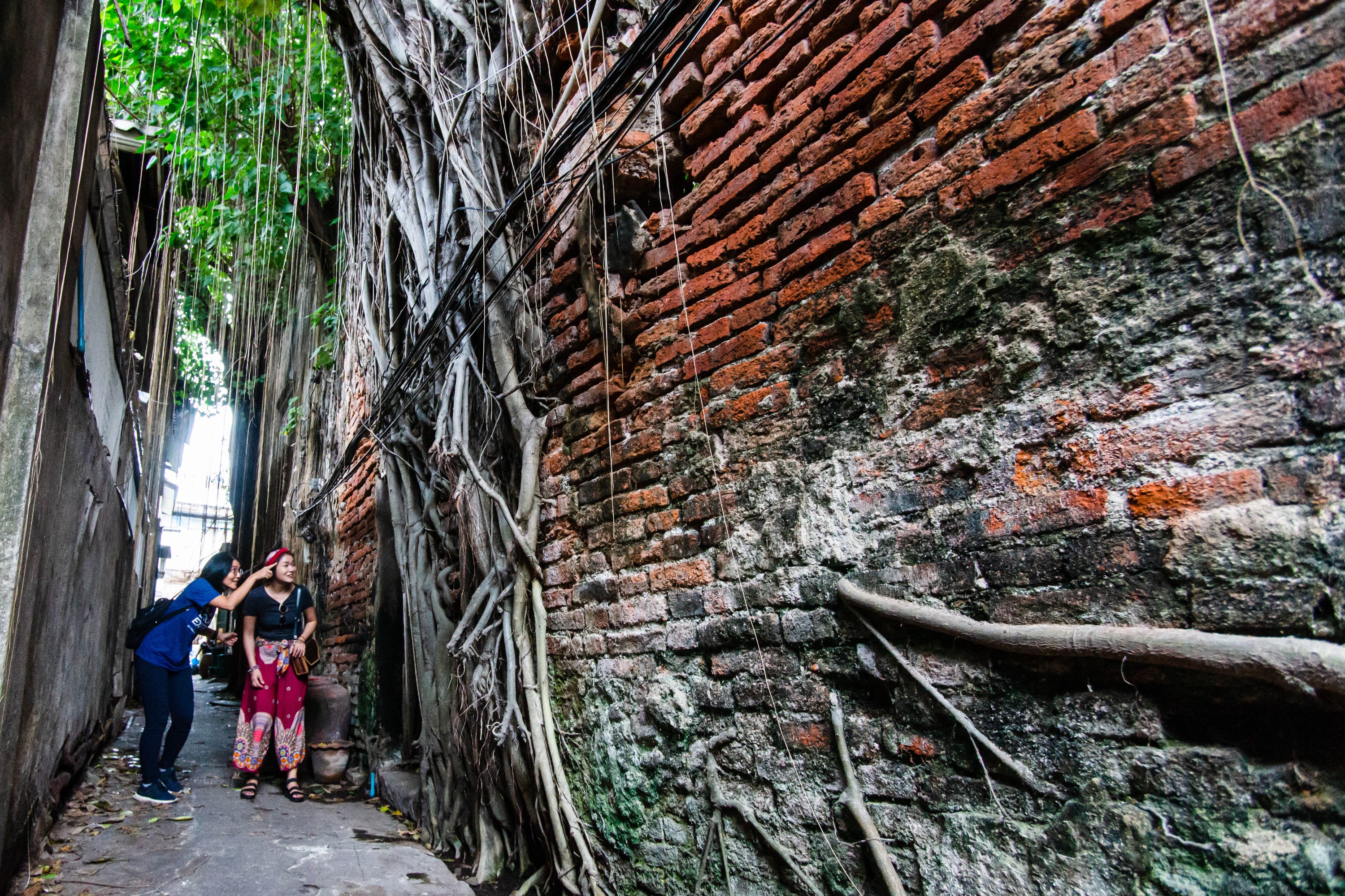
Talad Noi (meaning ‘small market’) is a charming, timeworn neighborhood and part of Bangkok’s sprawling Chinatown. It’s one of the city’s oldest communities, where generations of Chinese-Thai families have lived for over two centuries. Once a landing point for Hokkien settlers and European traders, the area has retained much of its original character.
This lovely district is full of hidden gems: the riverside Holy Rosary Church, built by Portuguese Catholics in the 18th century; Thailand’s very first branch bank, housed in a striking Beaux Arts building; intricate Chinese shrines; and century-old homes passed down through generations. The Sieng Kong zone is famed for its labyrinth of narrow lanes stacked with used auto parts, an unexpected, gritty charm in this nostalgic area.
Adding to the magic, the walls of Talad Noi and nearby Charoen Krung have become an outdoor gallery, covered in vibrant street art; perfect for wandering, exploring, and snapping great photos.
8
Rong Kuak Shrine (Chao Hon Wong Kung Shrine) in Talat Noi is a hidden gem steeped in Hakka-Chinese heritage. Established during the early Rattanakosin era, it enshrines the deity Hon Wong Kung, venerated as a bringer of wealth and prosperity .
The current riverside shrine was built around 1888 under King Rama V, moving closer to the Chao Phraya River. Visitors enter through an octagonal gate into a compact interior richly decorated with traditional carvings and murals.
Talat Noi’s centuries-old community reveres this shrine during special occasions, especially during the lunar festival for the God of Wealth (around October), when it comes alive with incense, offerings, and vibrant rituals.
Despite its modest size, Rong Kuak Shrine offers a peaceful riverside refuge and an authentic glimpse into Bangkok’s Chinese-Thai traditions, blending centuries-old faith, a touch of mystique, and a deep connection to the neighborhood’s soul.
What's not included
Gratuities for the guide (optional)
Transfer back to hotel (tour ends in Talat Noi)
Available languages
Guide guide
TH
EN
Reviews breakdown
Viator
4.5
2 reviews
5★
1
4★
1
3★
0
2★
0
1★
0
Tripadvisor
4.6
5 reviews
5★
3
4★
2
3★
0
2★
0
1★
0
Important information
Public transportation options are available nearby
Not recommended for pregnant travelers
Not recommended for travelers with poor cardiovascular health
Suitable for all physical fitness levels
Not recommended for travelers with walking disabilities
Cancellations made at least 24 hours before the tour start time are eligible for a full refund. For cancellations made less than 24 hours in advance or in case of no-show, no refund will be issued.
Our tours operate rain or shine, as tropical rain showers in Thailand usually don’t last long. If it rains heavily, we try to seek shelter and will continue as soon as the weather improves. During the rainy season, it’s a good idea to bring a raincoat or poncho. Please note cancellations due to weather are not eligible for a refund.
While changes to the itinerary are very rare, the tour operator reserves the right to modify the published schedule whenever, in our judgment, circumstances require it or if we consider it necessary for the comfort, convenience, or safety of our guests.
About Bangkok
Bangkok, the vibrant capital of Thailand, is a dynamic blend of traditional culture and modern urban life. Known for its ornate temples, bustling street markets, and world-class street food, Bangkok offers a unique and unforgettable travel experience.
Top Attractions
Grand Palace
The Grand Palace is a complex of buildings that served as the royal residence from 1782 to 1925. It is a stunning example of Thai architecture and houses the Emerald Buddha.
Historical/Architecture
2-3 hours
500 THB
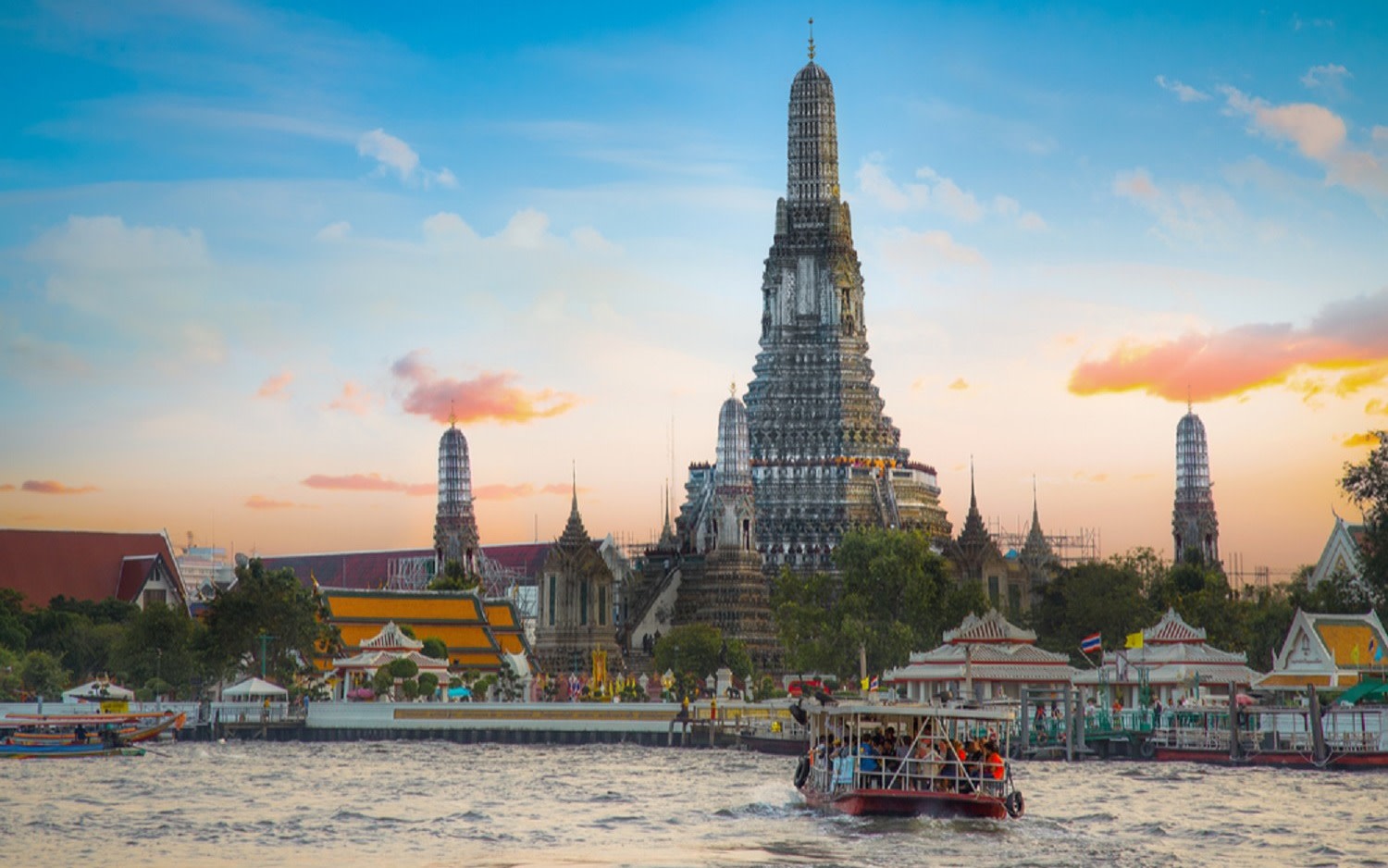
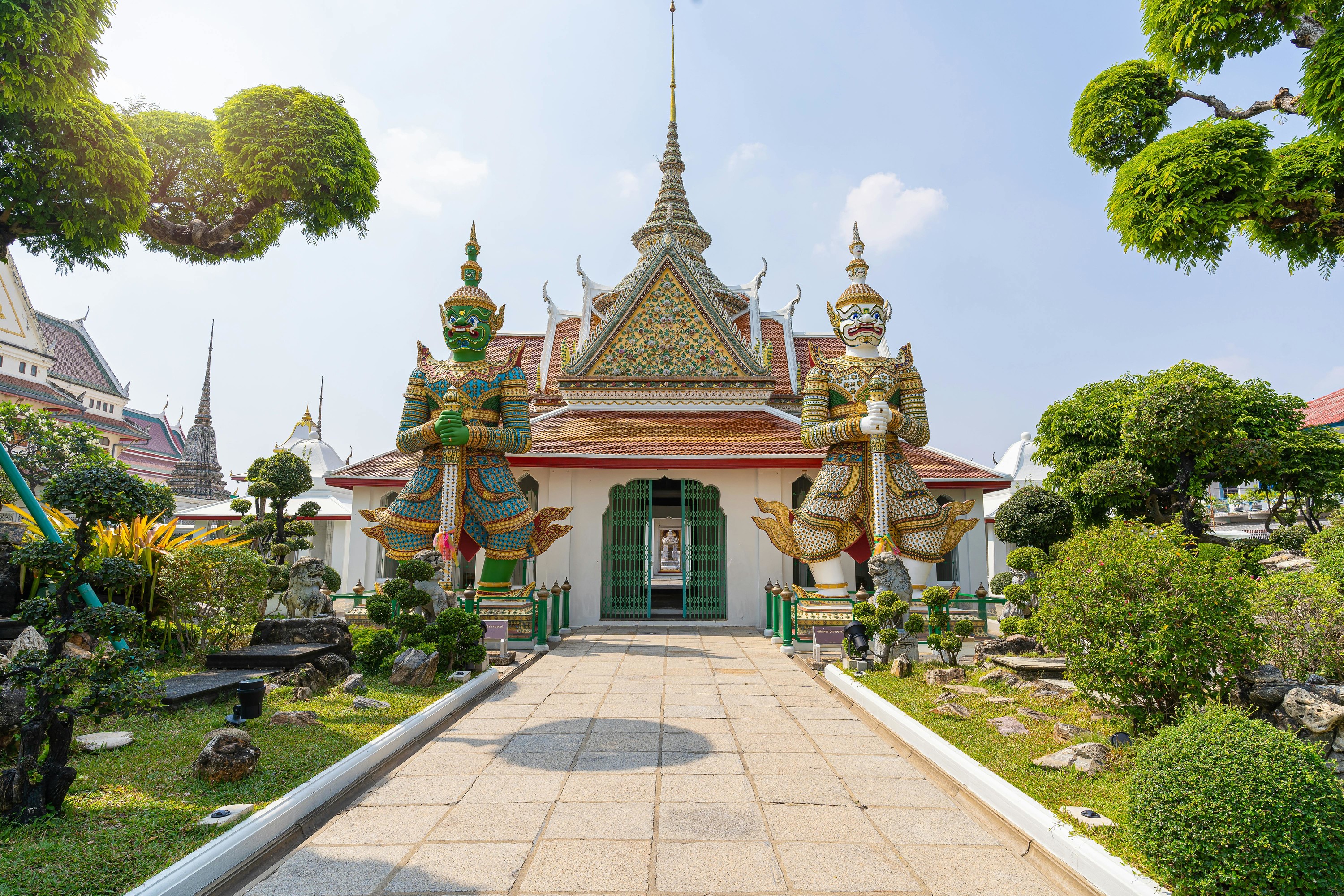
Wat Arun
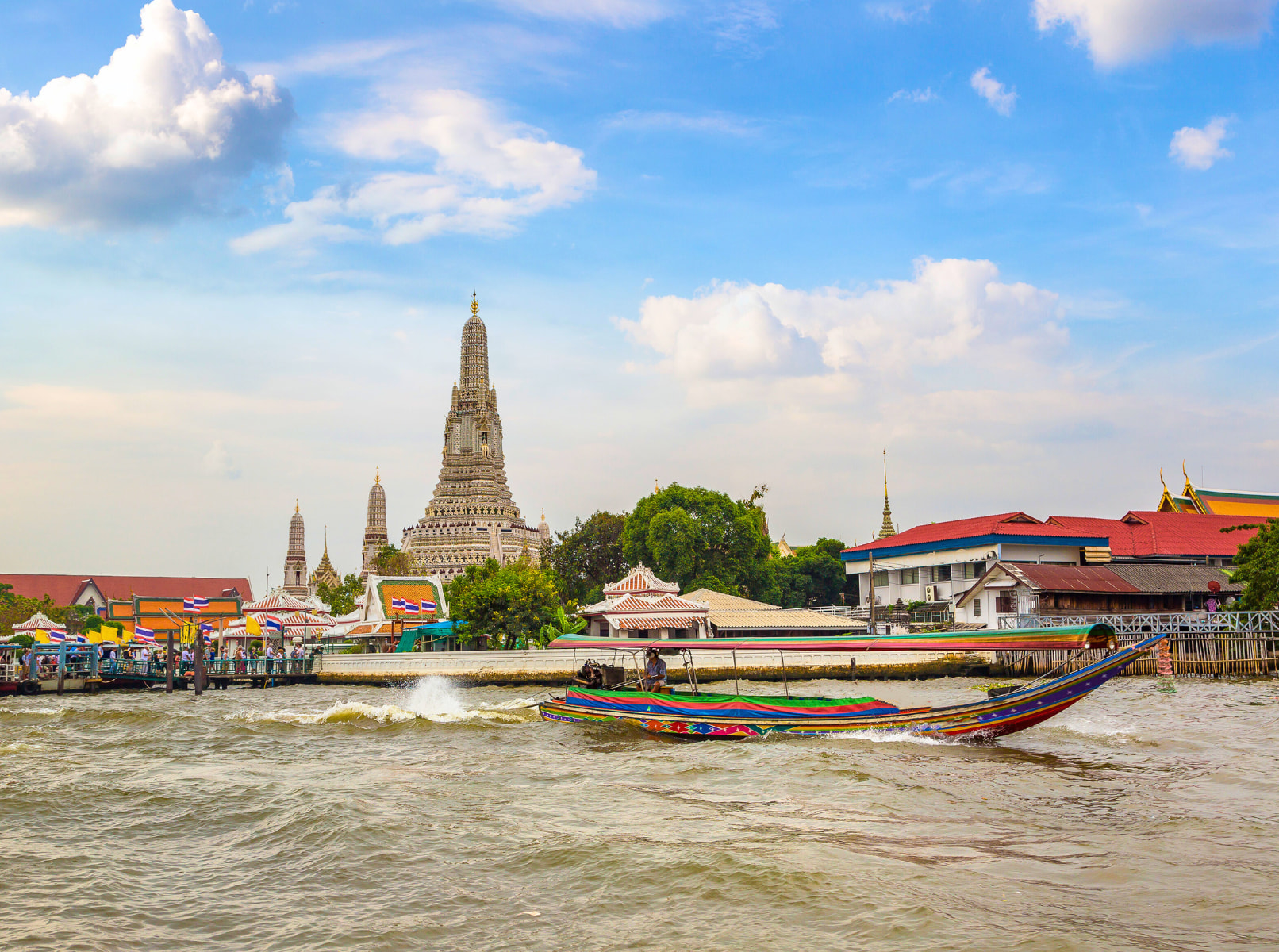
Wat Arun, also known as the Temple of Dawn, is a stunning temple located on the west bank of the Chao Phraya River. It is famous for its beautiful porcelain decorations and the iconic prang (spire).
Religious/Architecture
1-2 hours
50 THB
Chatuchak Weekend Market
One of the world's largest markets, Chatuchak Weekend Market offers a vast array of goods, from clothing and accessories to food and antiques.
Shopping/Cultural
Half day to full day
Varies
Chao Phraya River
The Chao Phraya River is the lifeblood of Bangkok. Taking a boat tour along the river offers a unique perspective of the city and its many temples and palaces.
Nature/Scenic
1-3 hours
Varies
Chatuchak Park
Chatuchak Park is a large and lush urban park that offers a peaceful escape from the bustling city. It is home to a variety of plants, animals, and recreational facilities.
Nature/Relaxation
1-2 hours
Free
Must-Try Local Dishes
Pad Thai
Stir-fried rice noodles with eggs, tofu, shrimp, and a sweet and tangy sauce, garnished with crushed peanuts and lime.
Dinner
Can be made vegetarian or vegan.
Tom Yum Goong
A spicy and sour shrimp soup with lemongrass, kaffir lime leaves, galangal, and chili.
Dinner
Contains seafood.
Som Tum
A spicy green papaya salad made with shredded papaya, tomatoes, green beans, peanuts, and a tangy dressing.
Lunch/Snack
Can be made vegetarian or vegan.
Mango Sticky Rice
Sweet ripe mango served with sticky rice and coconut milk.
Dessert
Vegetarian.
Popular Activities
Hiking in Erawan National Park
Kayaking on the Chao Phraya River
ATV tours in Hin Lek Fai
Spa and massage treatments
Boat tours on the Chao Phraya River
Visiting temples and parks
Visiting temples and historical sites
Attending traditional Thai performances
Best Time to Visit
November to February
This is the most pleasant time to visit with cooler temperatures and lower humidity. It's peak tourist season with lively festivals and events.
22°C to 34°C
72°F to 93°F
Practical Information
Language
- Official: Thai
- Widely spoken: English, Chinese
- English: Moderately spoken in tourist areas, limited elsewhere
Currency
Thai Baht (THB)
Time Zone
GMT+7
Electricity
220VV, 50HzHz
Safety Information
Overall Safety Rating: Exercise caution
Bangkok is generally safe for tourists, but petty crime, scams, and traffic accidents can occur. Be cautious of your surroundings, especially in crowded areas and at night.
Important Precautions:
- • Be cautious of strangers approaching you with offers or requests.
- • Avoid unlicensed taxis and tuk-tuks.
- • Be wary of jet ski rentals and gem shops.
Getting there
By air
- Suvarnabhumi Airport • 30 km from city center
- Don Mueang International Airport • 20 km from city center
By train
Hua Lamphong Railway Station, Krung Thep Aphiwat Central Terminal
By bus
Mo Chit Bus Terminal, Ekamai Bus Terminal, Southern Bus Terminal (Sai Tai Mai)
Getting around
Public transport
Clean, efficient, and air-conditioned, the MRT is a convenient way to get around.
Taxis
Available • Apps: Grab, Bolt
Rentals
Car, Bike, Scooter
Neighborhoods
Khao San Road
Sukhumvit
Chinatown (Yaowarat)
Silom
Banglamphu
Day trips
Ayutthaya
80 km from Bangkok • Full day
Ayutthaya is a UNESCO World Heritage Site and the former capital of the Kingdom of Siam. It is known for its stunning temples and historical ruins.
Damnoen Saduak Floating Market
105 km from Bangkok • Half day to full day
Damnoen Saduak is one of the most famous floating markets in Thailand, offering a unique shopping and dining experience on the water.
Maeklong Railway Market
80 km from Bangkok • Half day to full day
Maeklong Railway Market is a unique market where vendors set up their stalls on the railway tracks, and a train passes through several times a day.
Festivals
Songkran • April 13-15
Loy Krathong • Full moon night in November
Vegetarian Festival • September/October (dates vary by year)
Pro tips
- Learn a few basic Thai phrases to enhance your experience and show respect for the local culture.
- Use the BTS Skytrain and MRT subway to avoid traffic and get around the city quickly and efficiently.
- Haggle and bargain when shopping at markets and street stalls, but do so politely and respectfully.
- Try street food, but choose stalls with high turnover and good hygiene practices.
- Dress modestly and respectfully, especially when visiting religious sites.
From $25
per person
Price varies by option
Secure booking
Free cancellation available
Instant confirmation